 Isabella Mueller Baroness of Stainton le Vale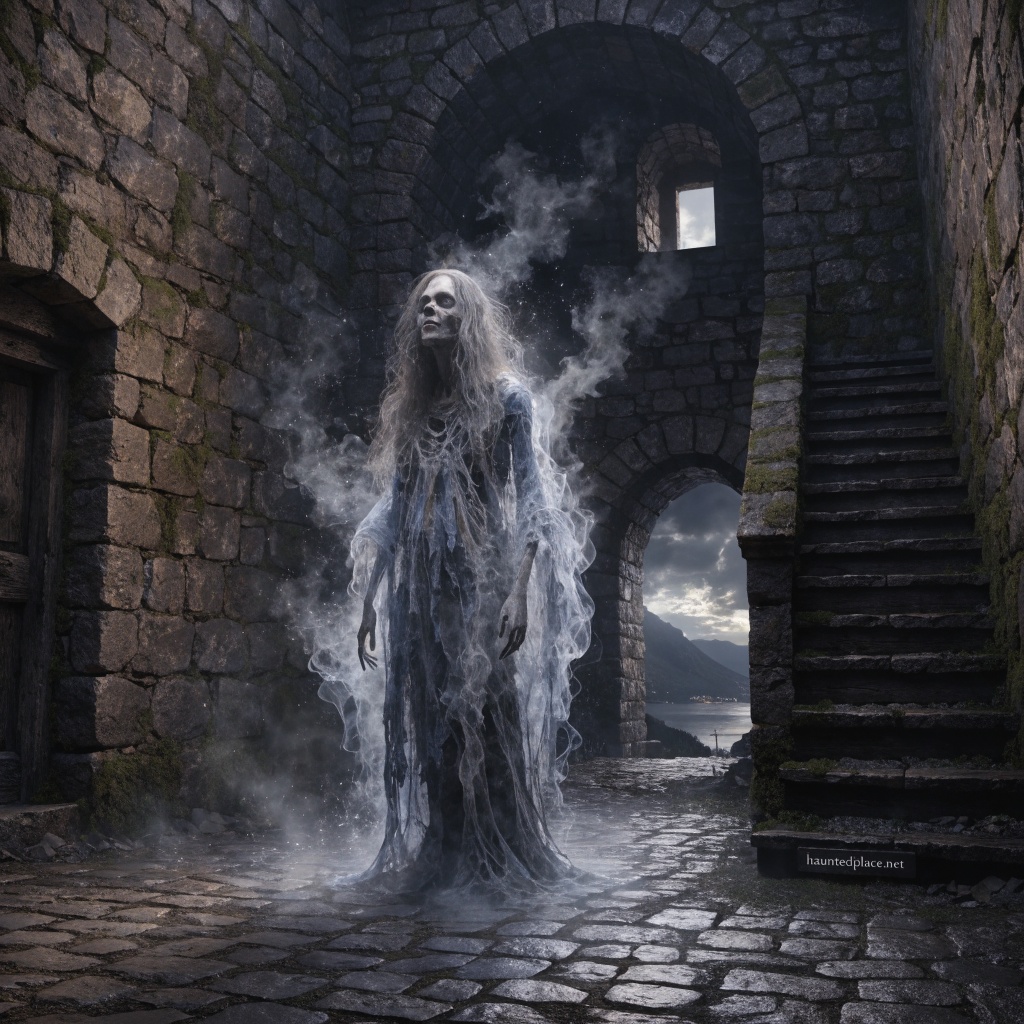
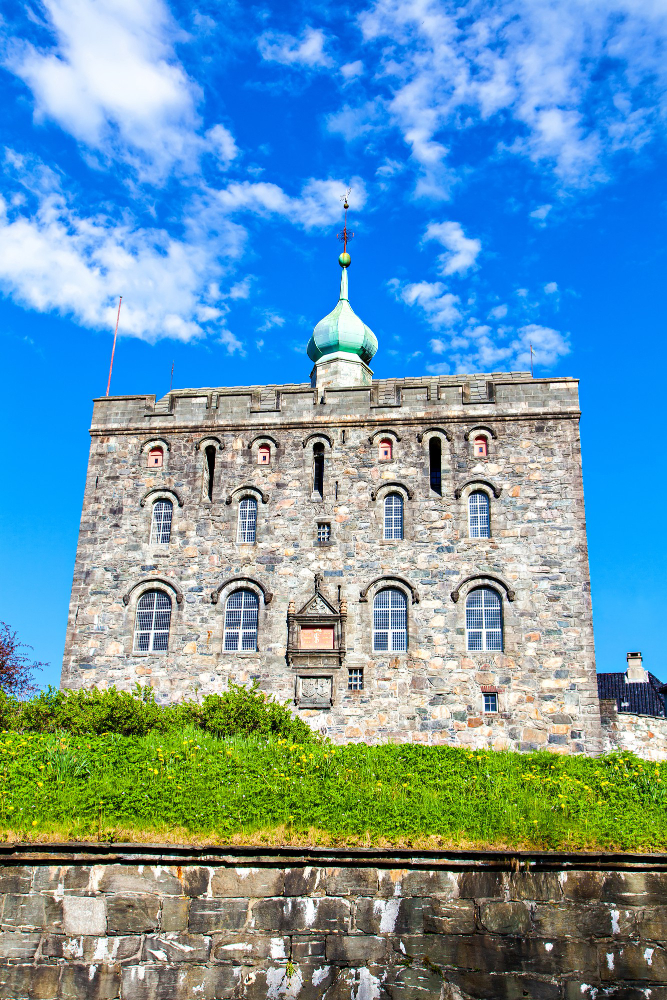
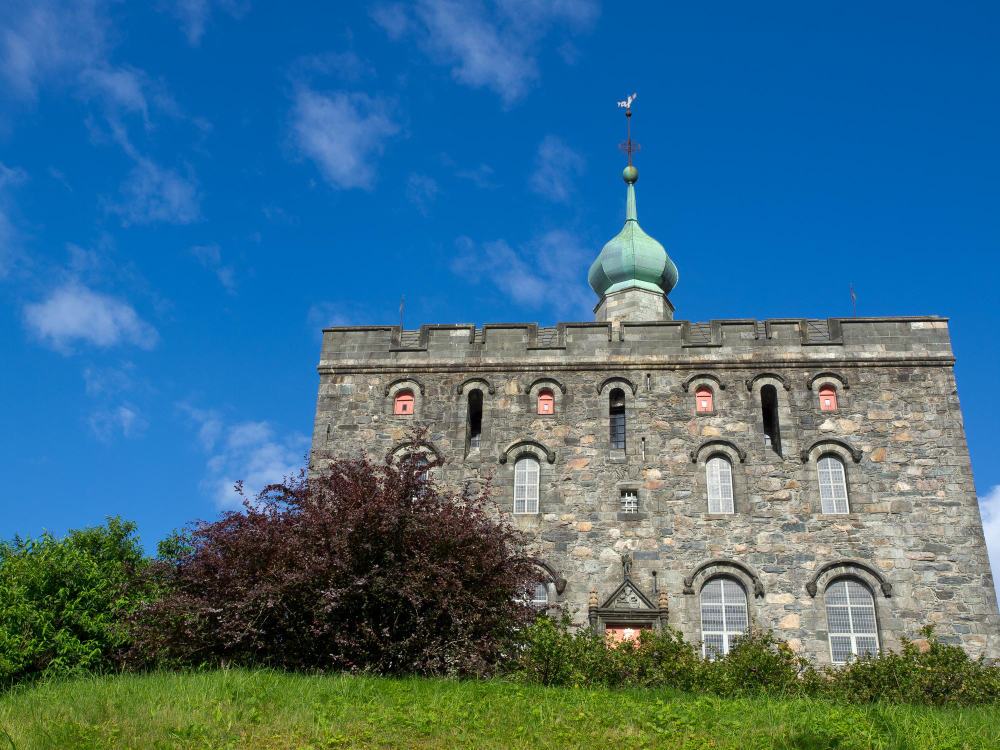
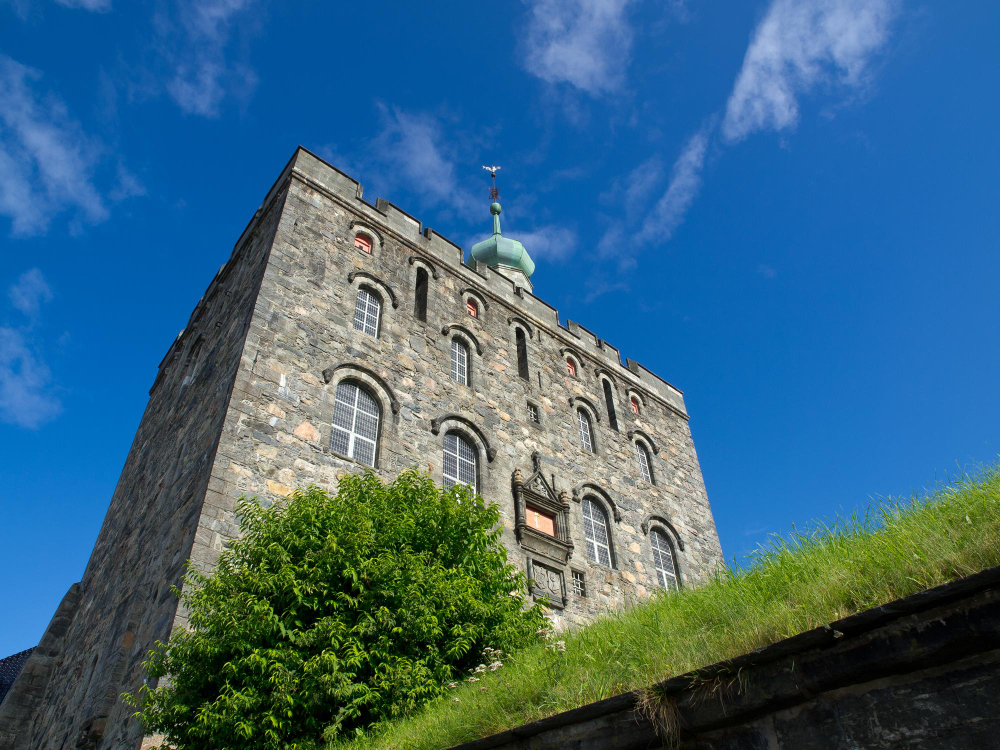
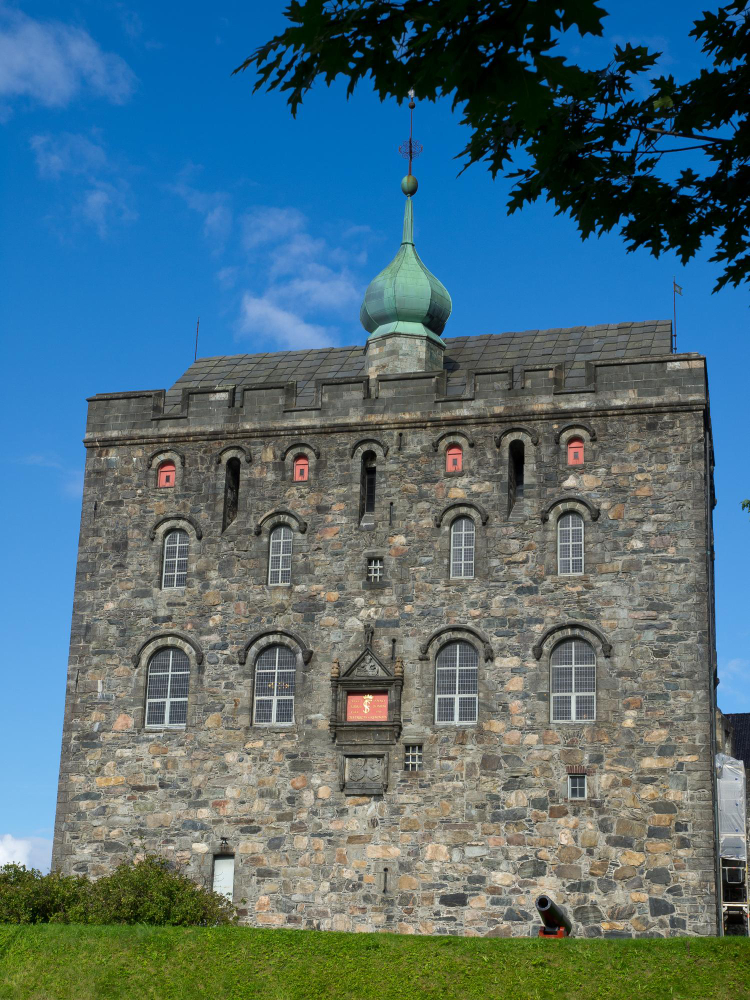
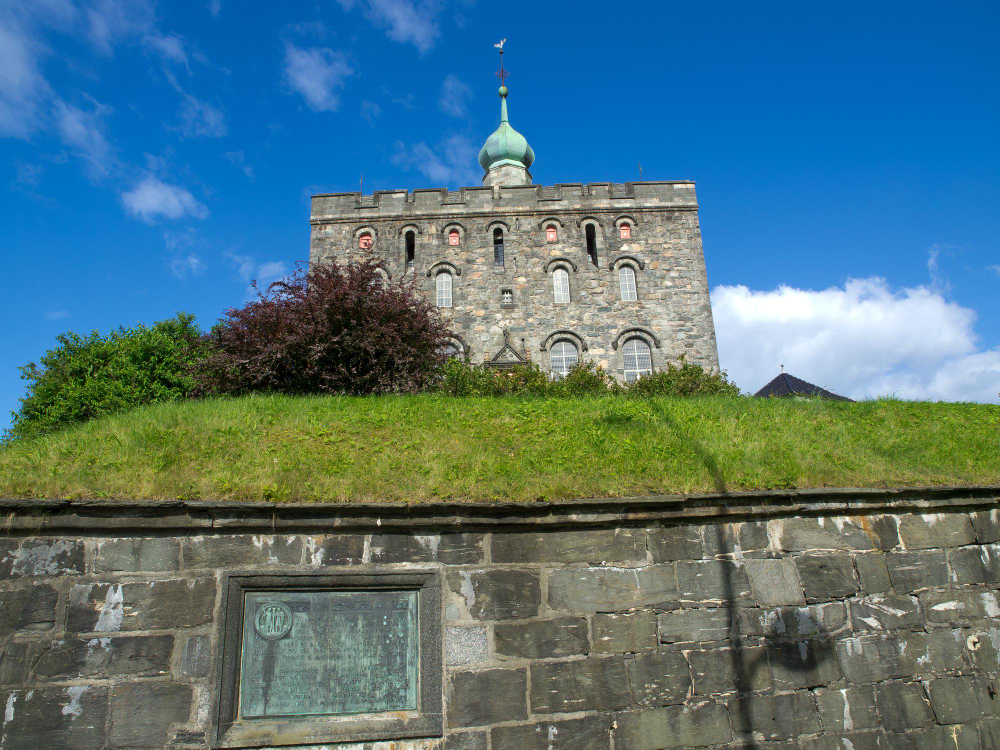
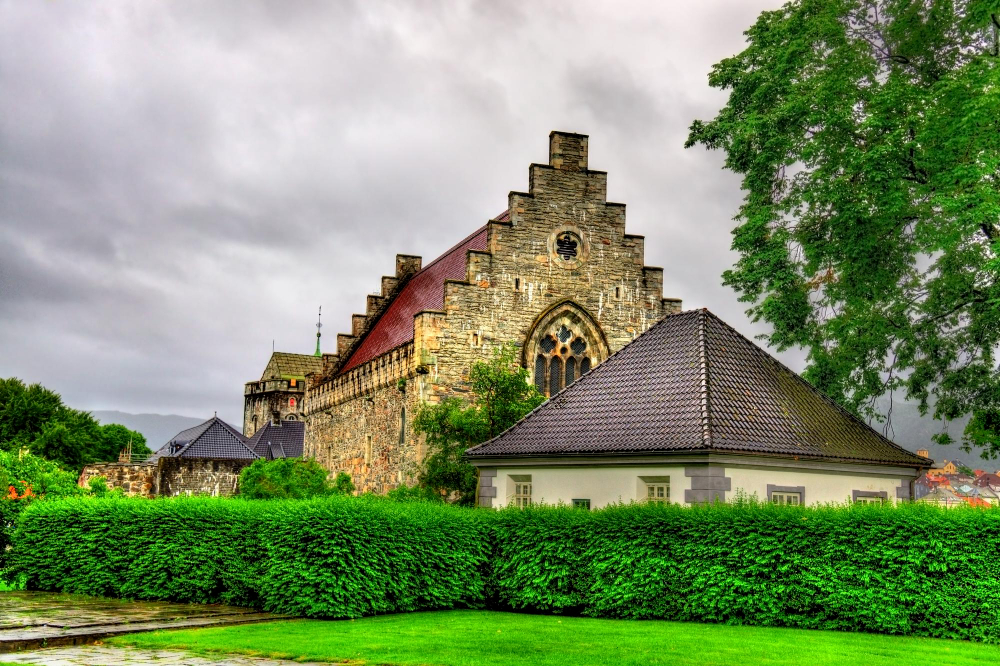
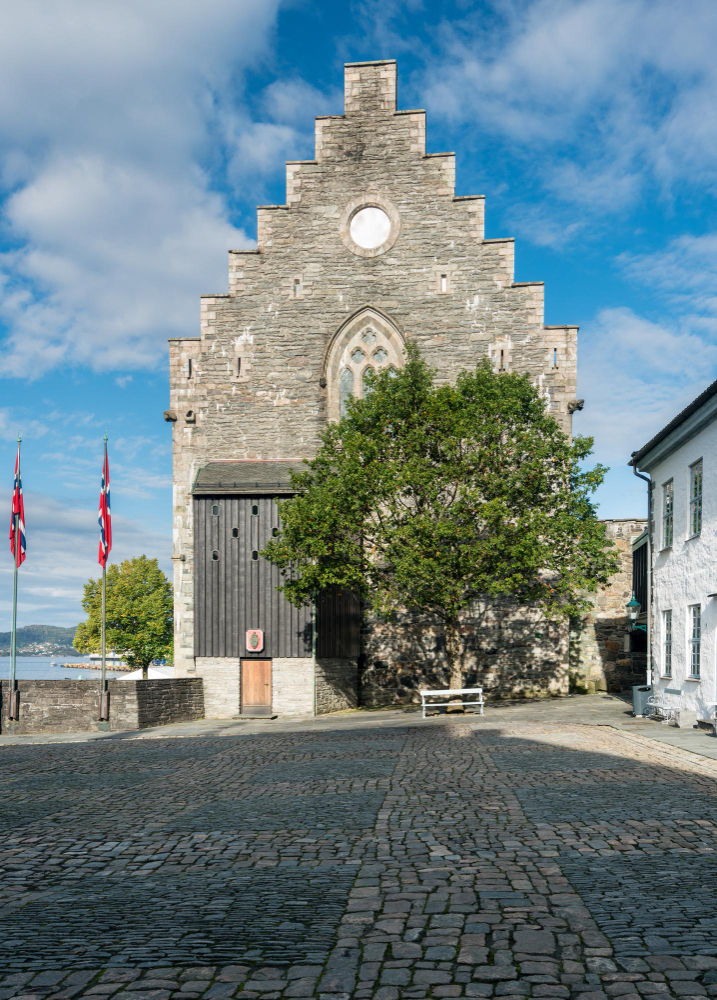
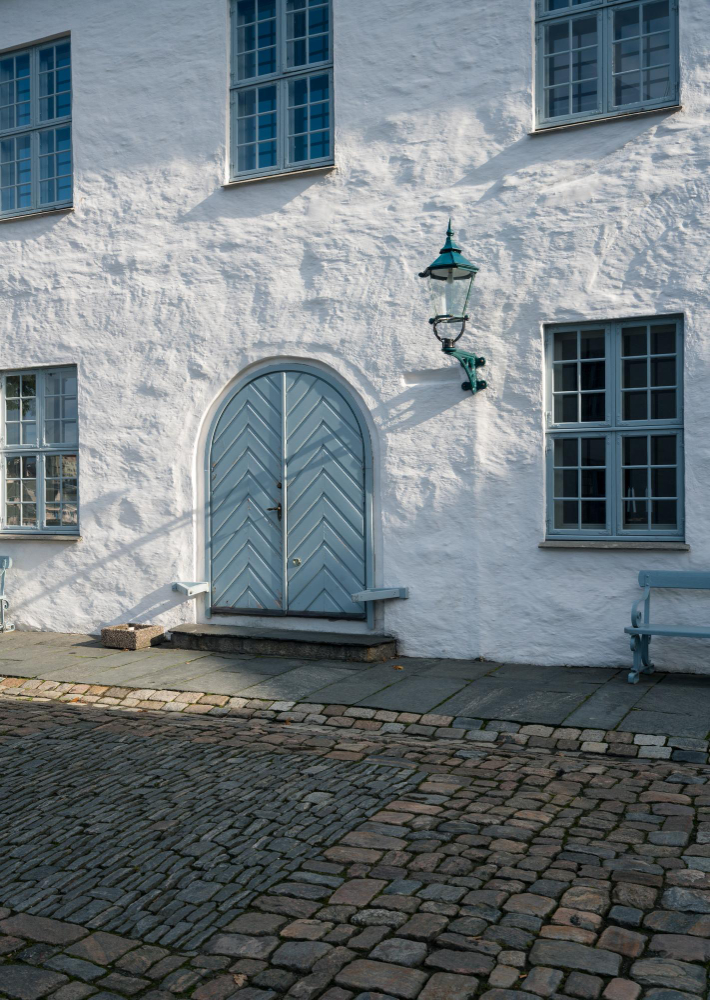
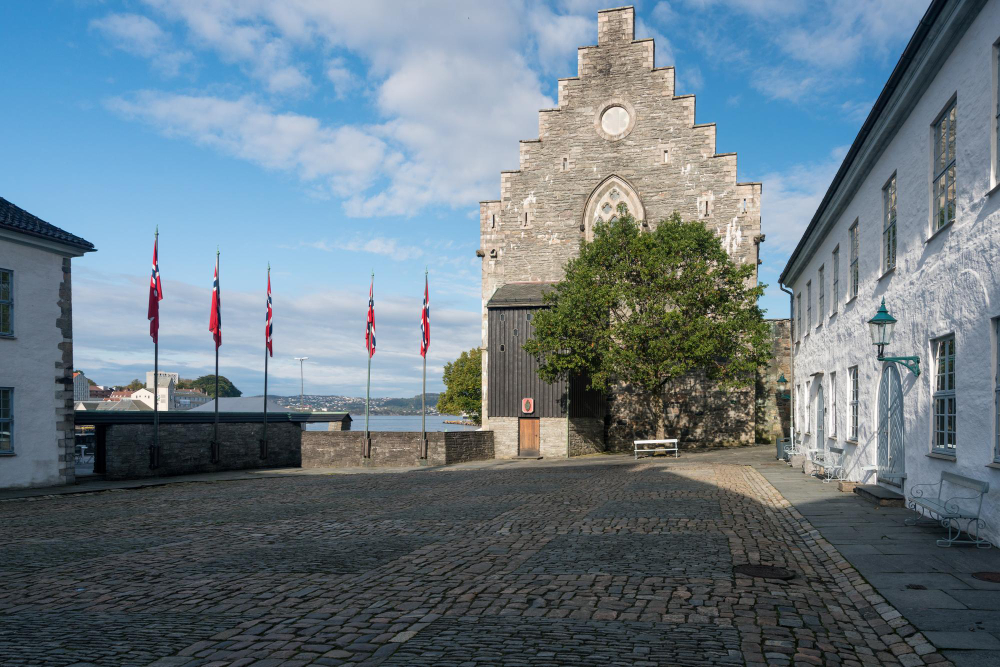
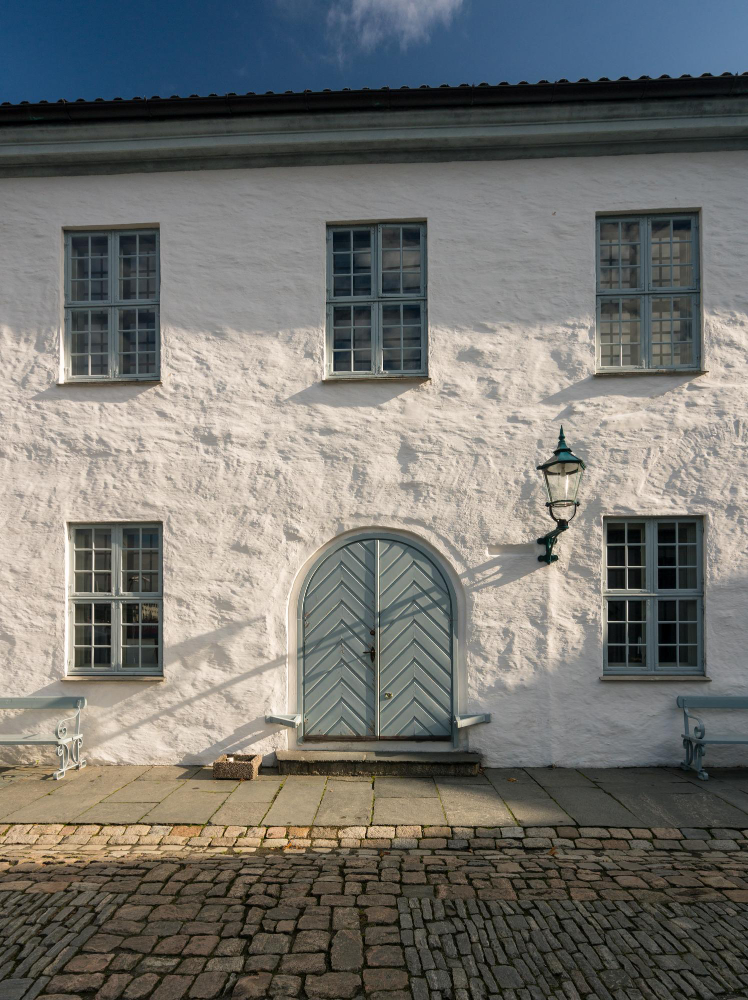
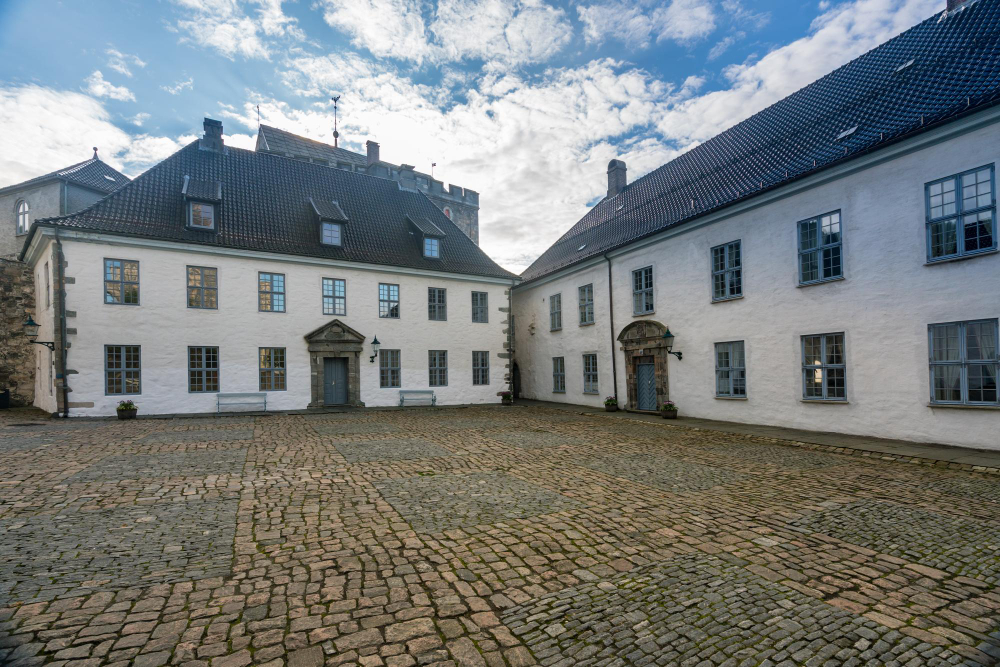
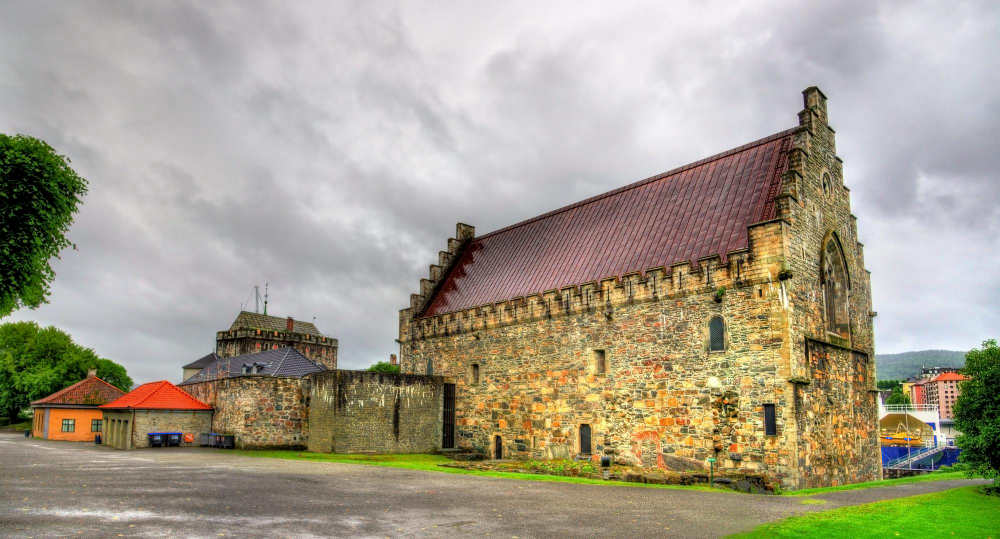
In the cold and rugged landscape of Norway stands Bergenhus Fortress, a testament to times past with its tall, moss-covered walls and imposing towers that have withstood the ravages of time. But it is not only the architecture of this impressive fortress that has endured for centuries—it is also the stories that surround these walls, tales of betrayal, death, and dark magic. One of these legends, grim and unsettling, tells of Anne Pedersdotter, whose tragic fate still casts a cold shadow over Bergenhus to this day.
An Invisible Presence in the Corridors – The legend of Anne Pedersdotter begins in the late 16th century, that dark era when fear and superstition had taken deep root in people’s lives. Witchcraft was a crime that was mercilessly persecuted at the time, and even the slightest suspicion could mean a death sentence. Thus, Anne Pedersdotter—an educated and respected woman—suddenly found herself at the center of a storm of accusations and almost incomprehensible cruelty. Anne was the wife of a respected clergyman, Absalon Pederssøn Beyer, who was known as a theologian and humanist. After her husband’s death, however, she was caught up in the maelstrom of the witch-hunt that had gripped all of Europe. The exact reasons for the accusations against Anne remain unclear. Perhaps it was envy due to her education, perhaps it was political intrigue, or simply the fear of an independent, strong woman in a patriarchal world. One thing, however, is certain: her social status could not protect her from the horrors that lay ahead. In 1590, Anne Pedersdotter was accused of witchcraft. She was charged with making pacts with the devil and with being responsible for illnesses and deaths in Bergen. Most of these accusations were based on rumors and alleged visions of her opponents, but in an era when rational evidence was rarely sought, that was more than enough. During her trial, Anne was tortured to force a confession, but according to reports, she denied the charges until the very end. Her courage, however, could not change her fate. On April 7, 1590, Anne was burned at the stake—a spectacular act of cruelty that served as a warning to other women who defied the strict social norms.
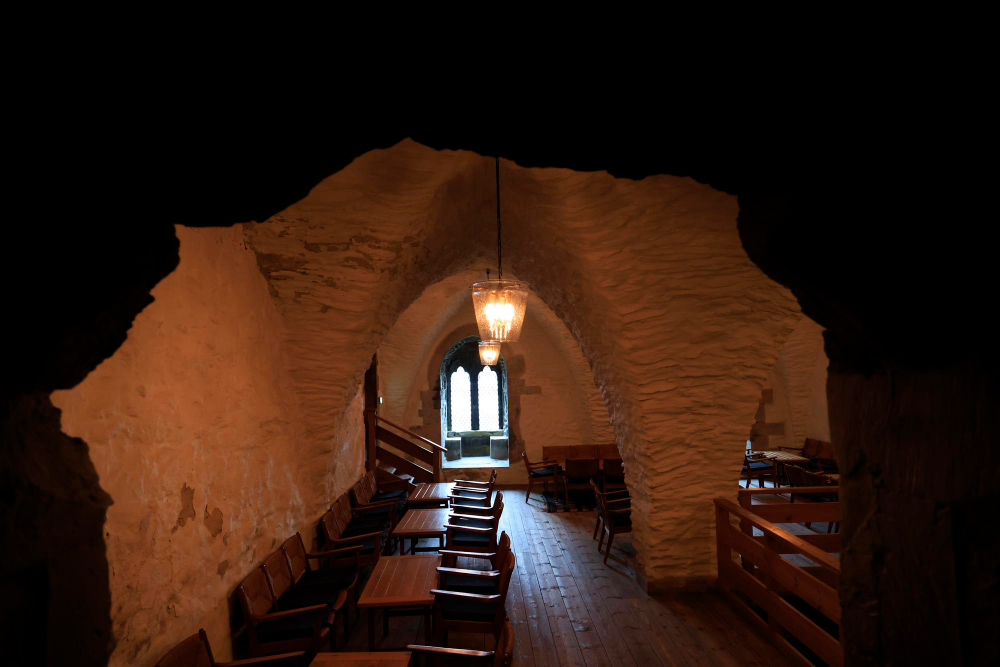
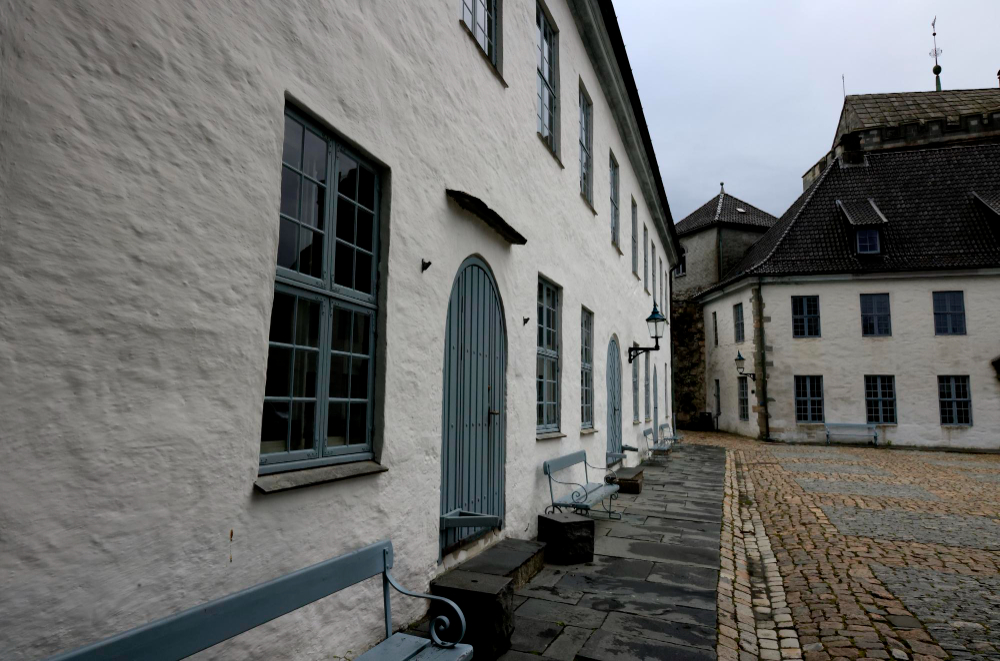
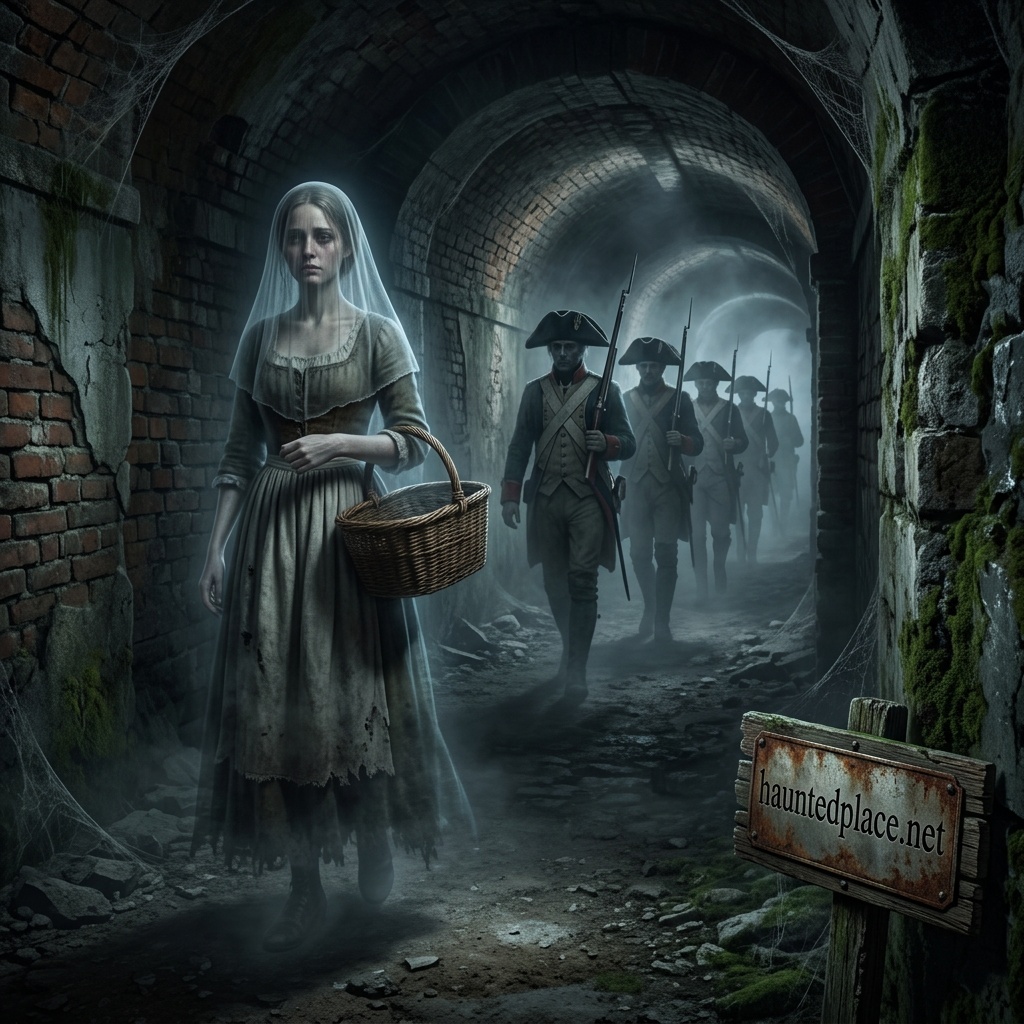
The Return of the Damned – But Anne’s story does not end with her death. Many in Bergen claim that her soul never found rest. Some say that the tower of Bergenhus Fortress, where Anne often stayed as a guest of her friend, the lady of the castle, holds the key to her restless state. The gloomy, narrow corridors, which once witnessed conversations and secret agreements, are now said to be filled with something even darker—the ghost of Anne Pedersdotter. Eyewitnesses report unexplained phenomena: doors that open and close as if by magic; footsteps echoing in empty corridors, even though no one is visible; an icy breath that makes the skin freeze even in summer weather. Some visitors brave enough to enter the tower after dark swear they have seen a female figure in old-fashioned clothing. Her face, pale as death, is said to have been marked by pain and anger. Most terrifying of all, however, are the voices. It is said that there—on a mild spring day just as much as on long, dark winter nights—one can hear a whisper. The words are barely intelligible, yet to some it seems as though the same phrase is spoken over and over again: “I am innocent.”
The Myth Comes to Life – The legend of Anne Pedersdotter has become deeply ingrained in the region’s collective memory. Whether it is actually her ghost wandering the corridors of Bergenhus, or whether these stories are merely the product of a vivid imagination, no longer matters to many. The legend has found its place, both within the fortress’s architectural walls and in the hearts of the people who recount it with a mixture of fear and awe. Historians and skeptics point out that reports of supernatural phenomena often come from people who had already heard the stories beforehand. Sometimes it seems to be precisely our expectations and fears that deceive our senses, causing us to see or hear things that aren’t really there. Yet even this rational explanation cannot break the spell of the story. Perhaps, some argue, the ghost of Anne Pedersdotter is not to be taken literally, but rather is a metaphor for the injustice she suffered—a silent protest that echoes through the centuries.
The Dark Allure of Bergenhus – Today, Bergenhus Fortress is a magnet for tourists from all over the world. Its well-preserved walls, breathtaking views of the fjord, and historical significance attract thousands of visitors each year. But it’s not just history buffs who make their way to this place. There are also those fascinated by the brutal and tragic story of Anne Pedersdotter who venture into the cold and darkness of the tower, hoping—or perhaps fearing—to catch a glimpse of the restless soul of the witch who once met such a cruel end. Some of the tour guides at Bergenhus tell the story so vividly that it gets right under your skin. They recount inexplicable disturbances during the tours, photos showing strange light phenomena, and guests who are plagued by nightmares after their visit. Whether these are mere coincidences or actual traces of the supernatural is up to each individual to decide.
Anne Pedersdotter’s Legacy – While the legend of Anne Pedersdotter lives on to this day, it also holds significant cultural and social importance. It reminds us how easily fears and prejudices can turn into madness and cruelty. Anne’s supposed ghost urges us never to stop seeking the truth and to stand by those who are wrongly accused. Amid all the fascination with this eerie story, we must not forget that behind every legend there is a human being—a soul with hopes, dreams, and fears. The name Anne Pedersdotter may have become a symbol of witchcraft and revenge, but it was once the name of a living woman who became a victim of superstition in a heinous way. So when you visit Bergenhus, you’ll feel the chill of the ancient stones, hear the echoes of the past, and perhaps—if you listen closely—a soft, almost imperceptible whisper coming from the shadows. It might be the wind. Or it might be Anne.