 Isabella Mueller Baroness of Stainton le Vale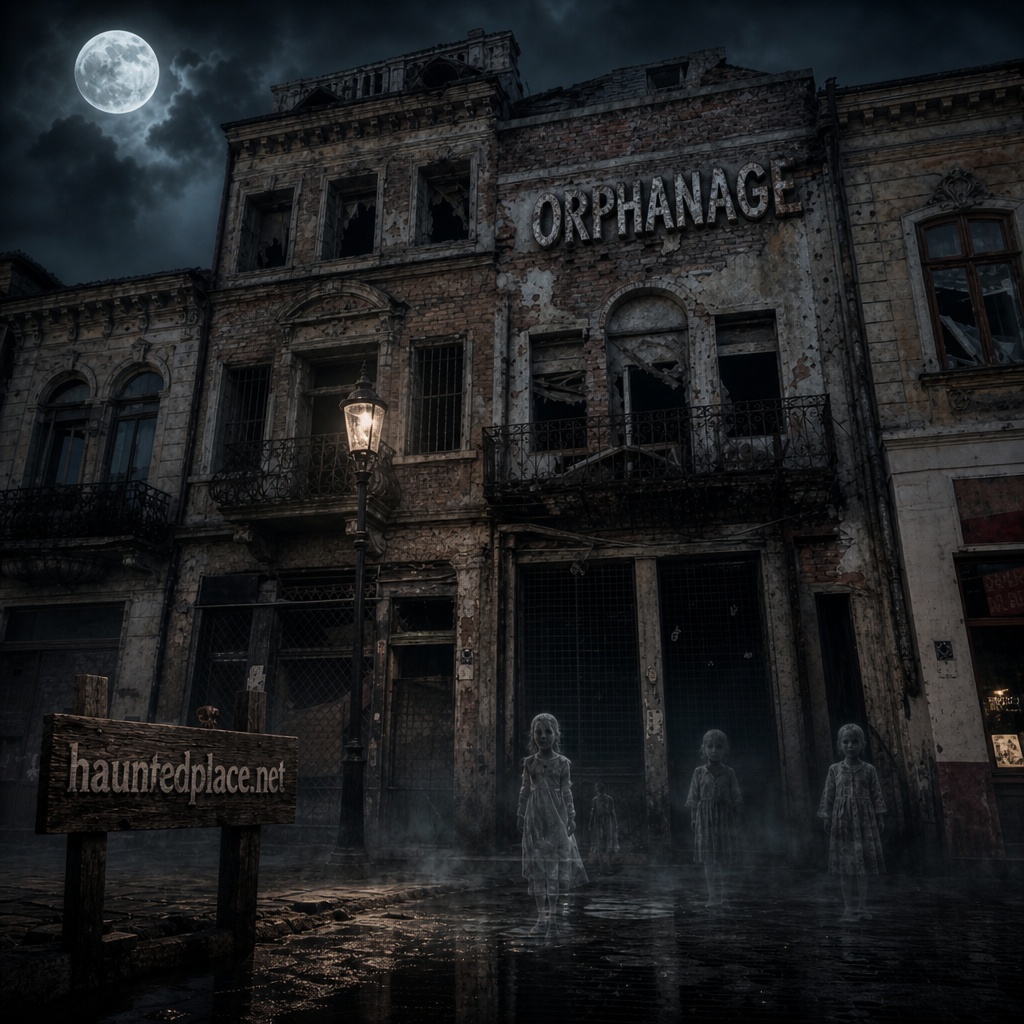
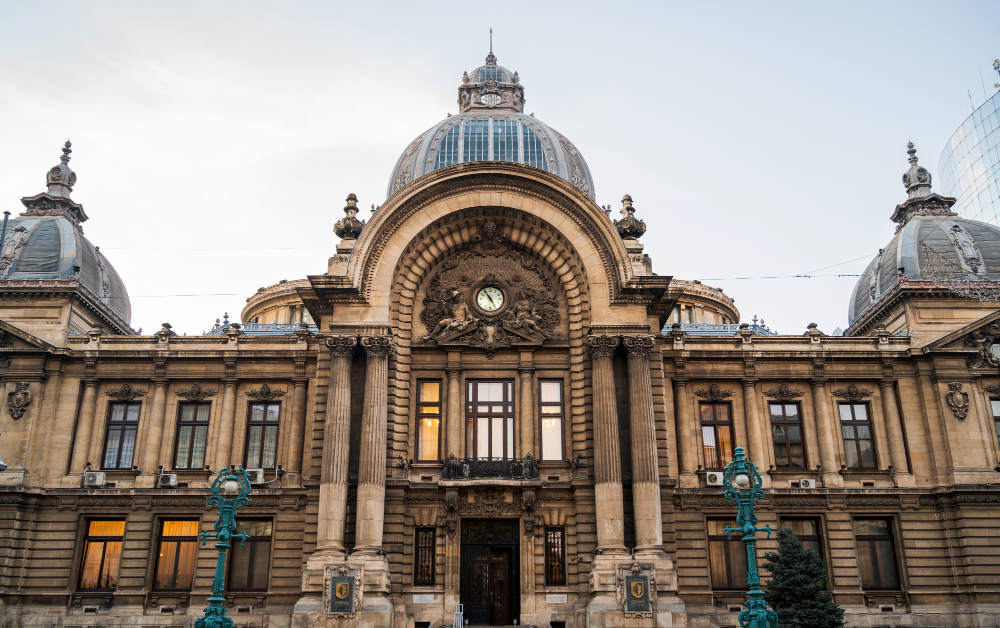
Bucharest, Romania’s vibrant capital, is known not only for its impressive architecture and rich history, but also for the dark urban legends that surround its abandoned buildings. Particularly in the historic city centre, at 13–14 Strada Franceză, there are tales of a place that still sends a cold shiver down people’s spines to this day: the supposed orphanage on Strada Franceză. What is the story behind this building? Why does the legend of the shelter for street children still attract such mysterious and eerie attention? Let’s delve into this eerie tale.
A building full of horror: The legend of Stavrache Hagi-Orman – The origins of the legend date back to the 19th or early 20th century, a time when social deprivation was rife in Bucharest. According to accounts, the building is said to have been owned and run by a man named Stavrache Hagi-Orman. Hagi-Orman is described in the stories as a thoroughly malicious figure who abused his power to run a private shelter for street children. However, this so-called ‘orphanage’ was anything but a place of refuge for children in need. Instead of care and protection, the approximately 203 registered children, according to tradition, endured unimaginable torment. The owner is said to have kept them captive under the most appalling conditions. Reports suggest he deliberately deprived them of food and water for several days on end and forced them to perform hard physical labour. The legend describes him as someone who acted out of pure malice and tormented the children for his own amusement. He missed no opportunity to shatter their hopes of rescue, until eventually all the inmates starved and died of thirst in agony. Although there is no conclusive evidence that these horrific events actually took place exactly as described, the legend remains firmly rooted in the collective memory of the town’s inhabitants. The orphanage on Strada Franceză has thus become a symbol of human cruelty and the horror that can unfold behind closed doors.
The Haunting: Ghostly voices and plaintive cries – Whilst the gruesome story of Stavrache Hagi-Orman is harrowing enough in itself, the legend’s paranormal elements add to the terror. For decades, the supposedly cursed building has been the subject of numerous spine-chilling accounts from passers-by and local residents. Night after night, inexplicable phenomena are said to occur in the vicinity of the house. According to local lore and accounts, the weeping voices of the children can still be heard there today, pleading in their final desperation: ‘Water! We want water!’ These cries, which are said to emanate from the depths of the building, are, for many, a clear indication that the children’s spirits have never found peace. People who have attempted to enter the building have also reported a disturbing sense of unease and nausea that immediately overcame them as soon as they were inside. There are also reports of a sudden chill and the feeling of being watched. Some even claim to have seen shadowy figures at night: children’s hands desperately pressing against the windows, or shadows inexplicably darting through the corridors. The stories surrounding the building seem to know no bounds and have spread like wildfire over the years, turning the Strada Franceză into a popular destination for horror fans and curious urban legend researchers.
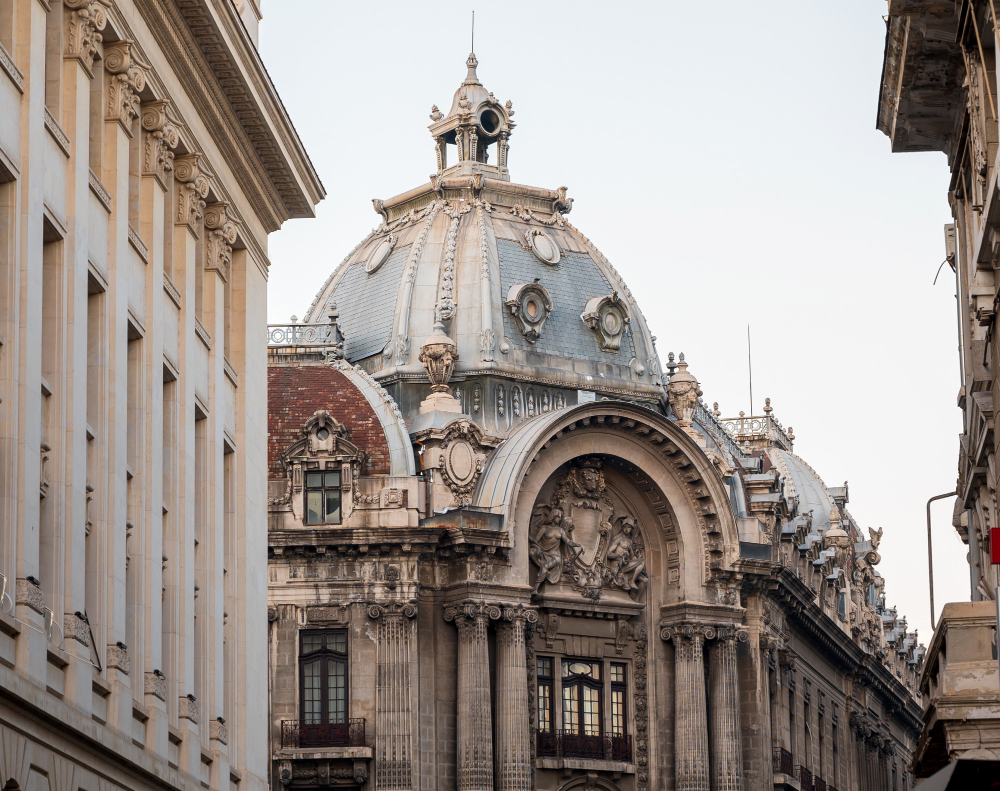
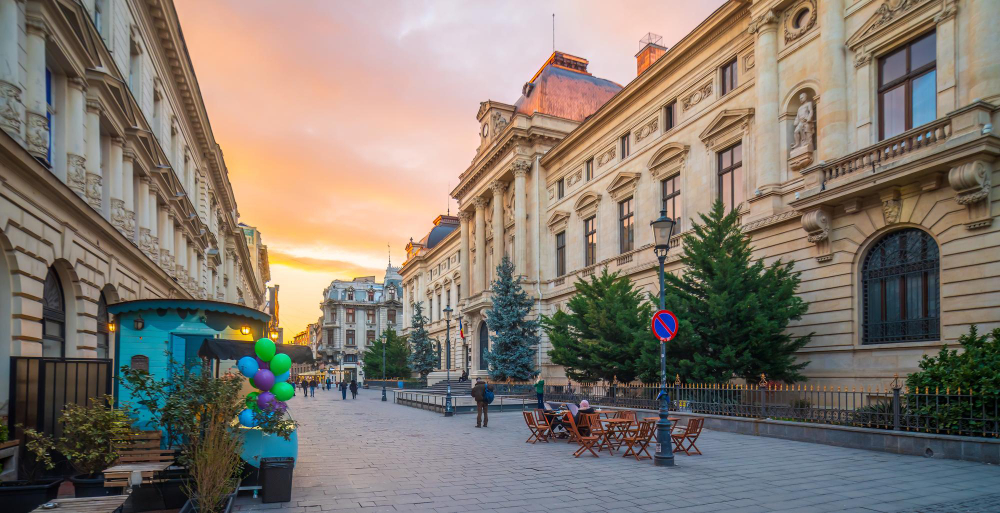
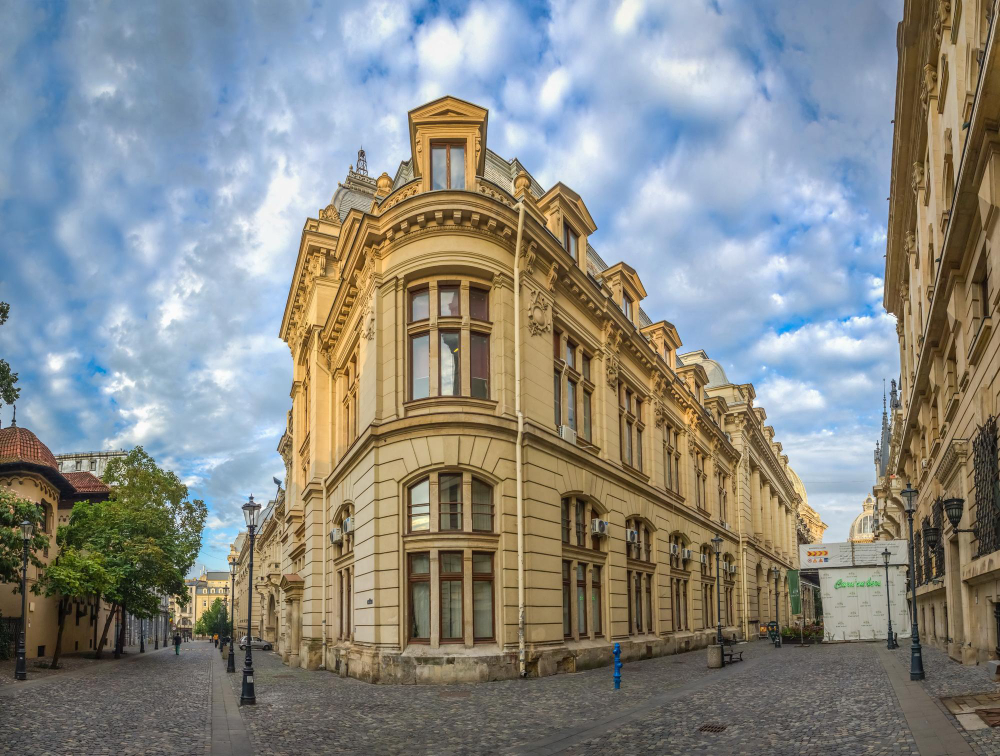
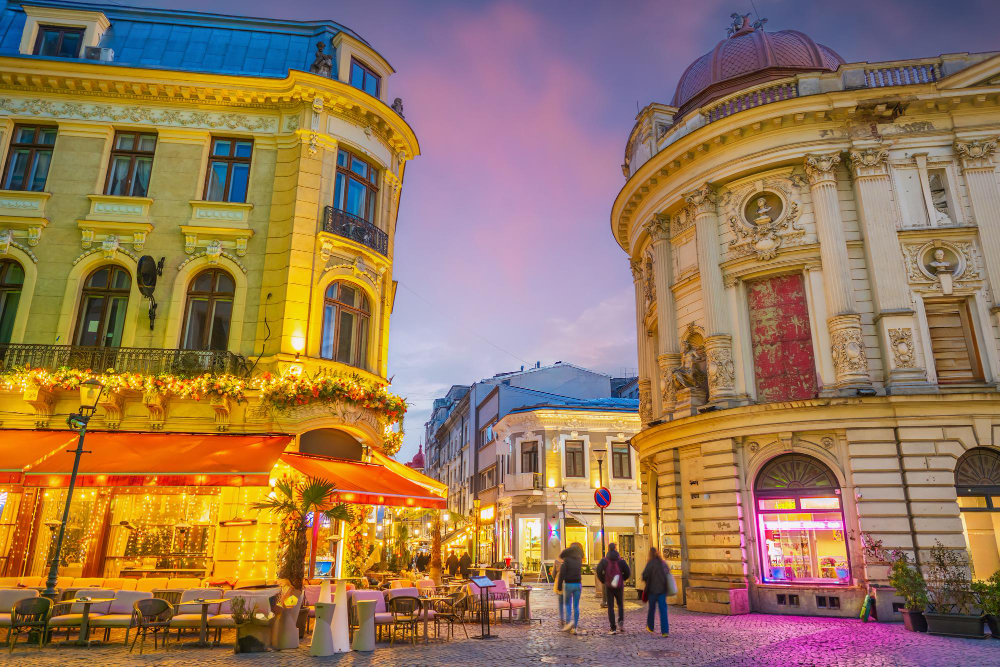
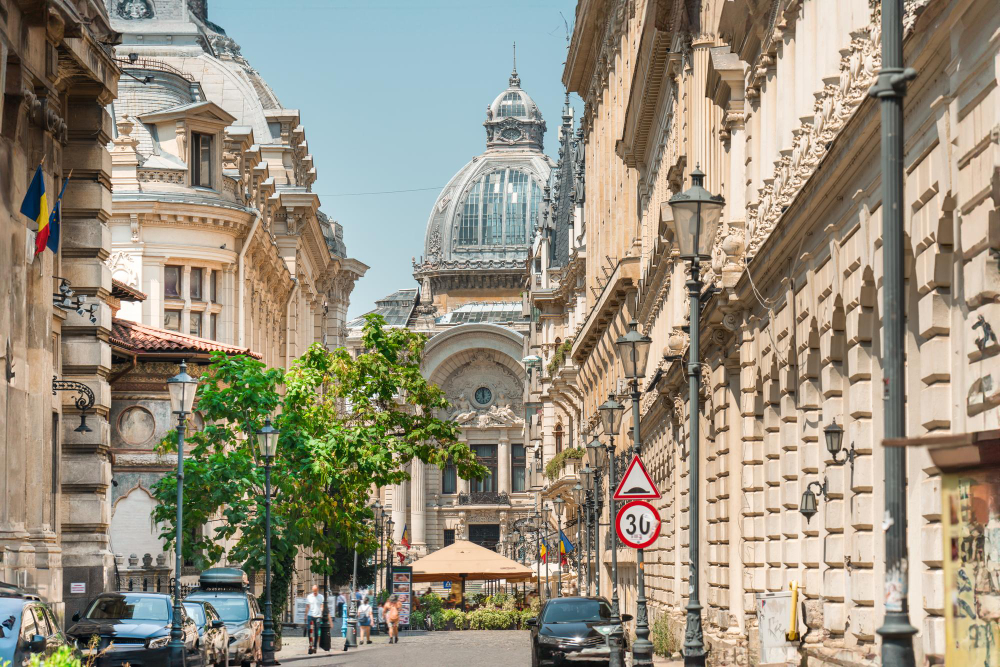
The reality behind the legend: what do historical sources say? – But is there actually any truth to these tales? Historians are sceptical about certain details of the legend. A closer look at the building’s background and the alleged events reveals a number of inconsistencies. Strada Franceză is part of one of Bucharest’s oldest districts and is characterised by centuries-old architecture. However, there is as yet no evidence in the official archives to suggest that an orphanage was ever actually run at Nos. 13–14. What is certain is that the building stood derelict for a long time and, due to its dilapidated condition, gave off a gloomy impression, which may have contributed to the emergence of rumours and mystical tales. It is entirely conceivable that the legend developed from a mixture of stories passed down through the generations and the building’s gloomy aura, as is often the case with many urban legends. Another factor that may have fuelled the legend is the social circumstances of the time. Street children and poverty were not uncommon in Bucharest in the late 19th and early 20th centuries. The idea of a ruthless man exploiting defenceless children could therefore well have a realistic basis – even if the extreme details of the legend are more likely to spring from the imagination.
The fascination with the uncanny: why such stories endure – It comes as no surprise that stories such as that of the orphanage on Strada Franceză are passed down through the generations. Humans have always been fascinated by anything that frightens them and gives them food for thought. Places such as the supposed orphanage lend a city like Bucharest a mystical air that attracts tourists and locals alike. They serve as a canvas for the darker sides of human nature and for the unknown that continues to preoccupy us. The legend also fulfils a social function: it reminds us how important it is to protect the vulnerable and to prevent injustice. Even if the gruesome details of this story are unsubstantiated, it nevertheless reflects the fears and moral values of a society that was grappling with real social challenges.
A sombre legacy remains – Today, the building on Strada Franceză stands abandoned – a silent witness to the stories and legends that surround its name. Whether or not one believes in the ghosts of the children, the myth has taken root in people’s minds and continues to shape perceptions of Bucharest’s historic city centre to this day. For those wishing to follow the trail, the building remains a fascinating yet eerie destination. Whilst the urban legend remains unresolved to this day, one thing is certain: there is a grain of truth in every legend, and the uncanny will always remain part of our cultural identity. For Bucharest, the story of the orphanage on Strada Franceză serves as a reminder that some mysteries are perhaps better left unsolved.