 Isabella Mueller Baroness of Stainton le Vale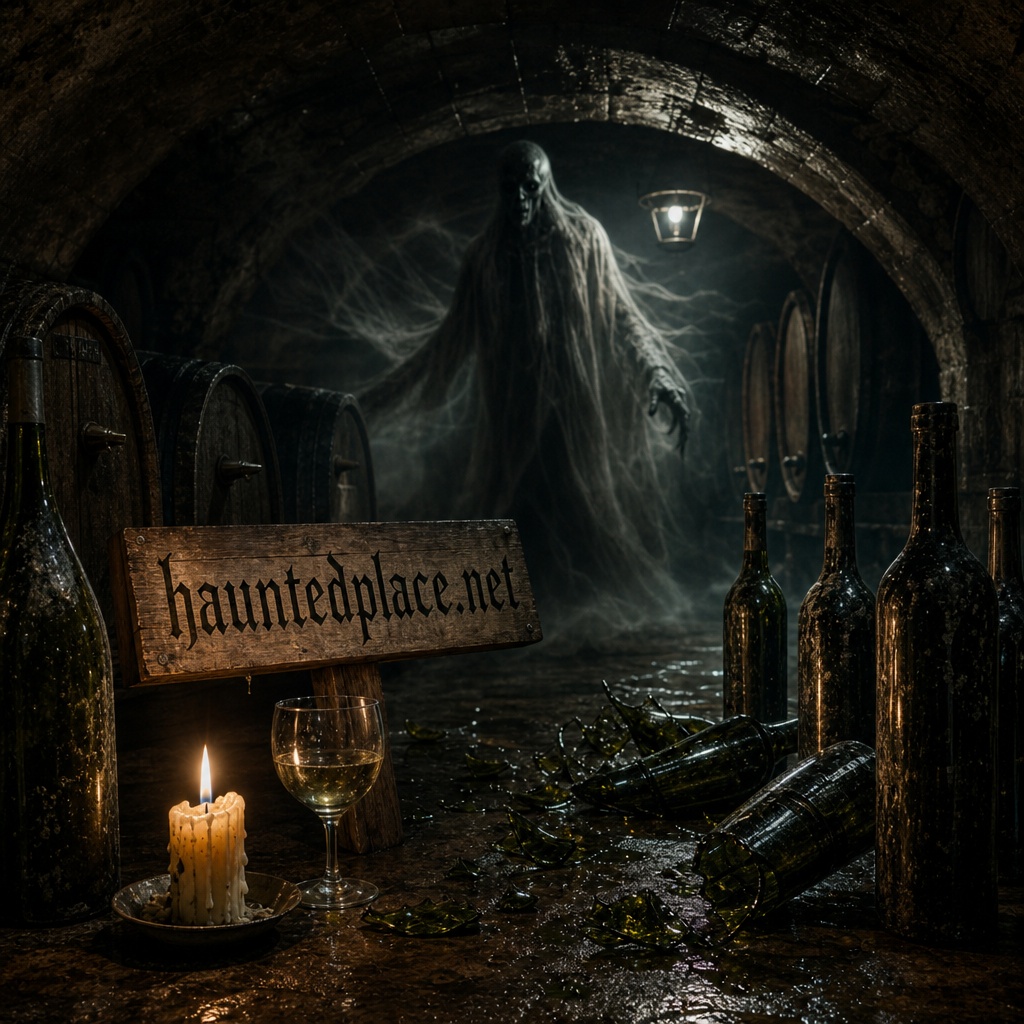
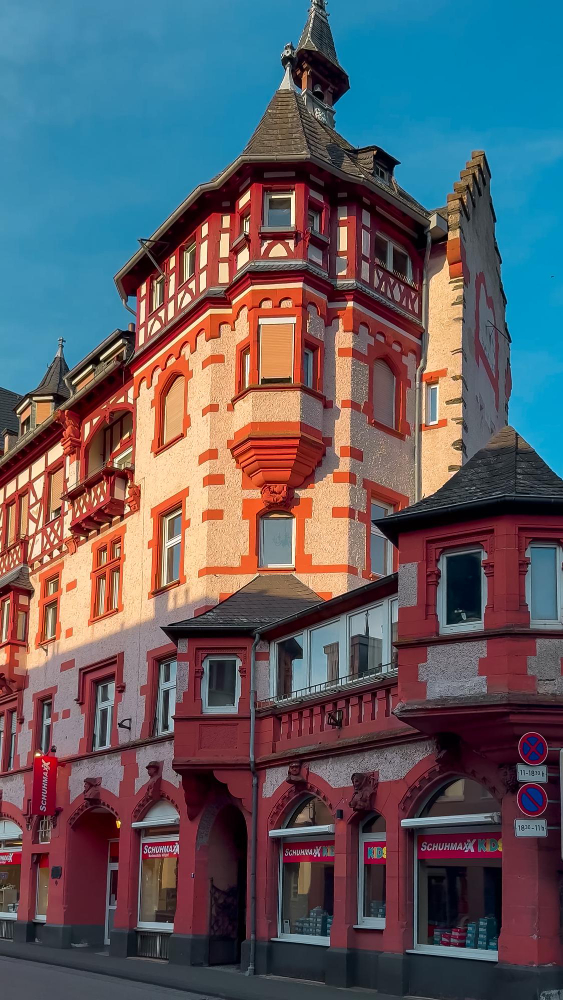
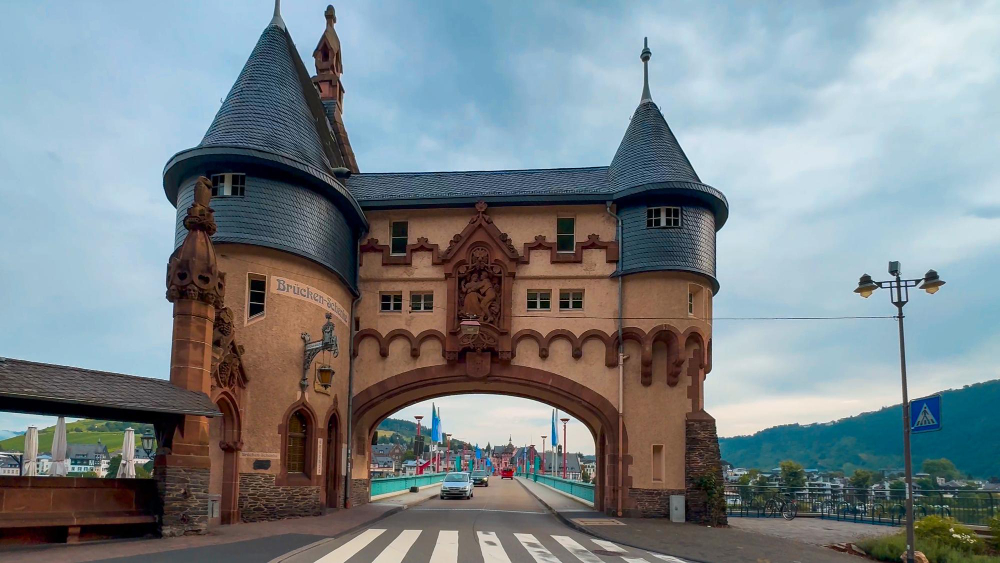
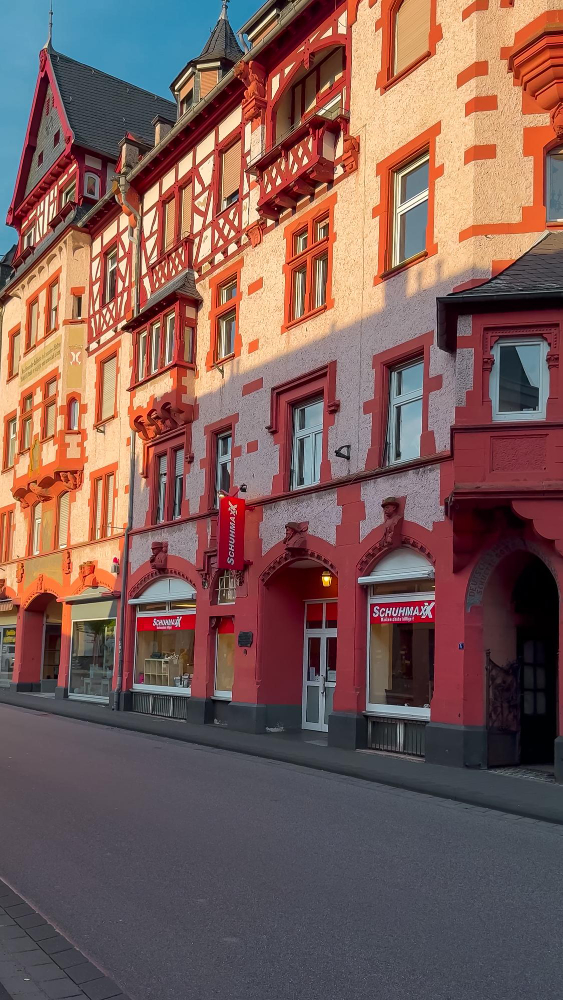
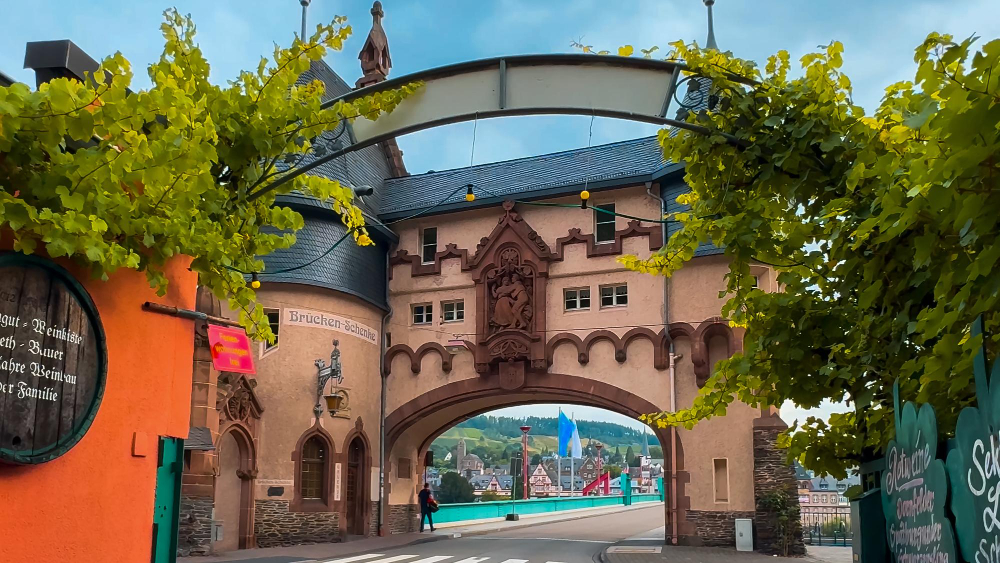
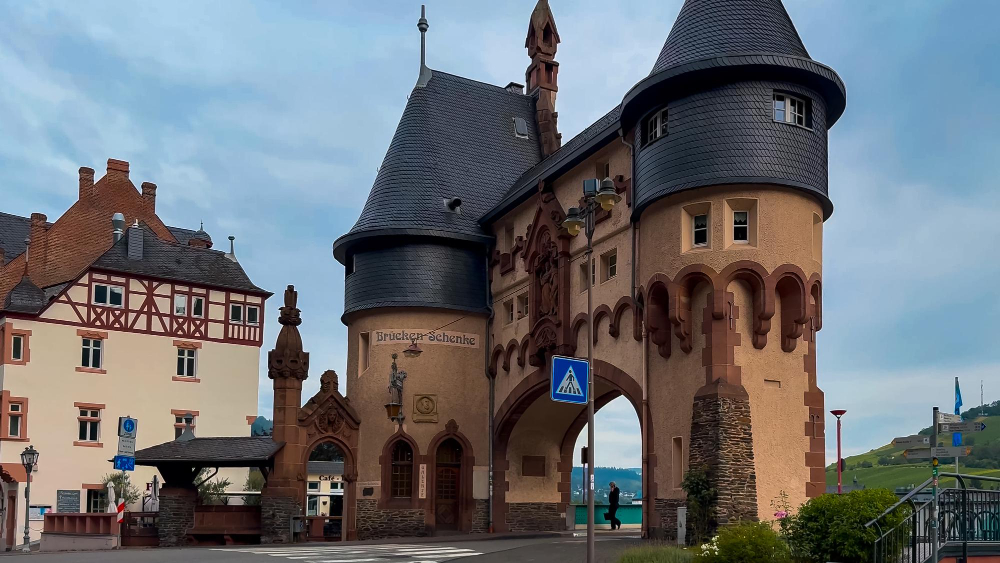
In the heart of the picturesque Moselle region lies the town of Traben-Trarbach, a town with a fascinating history and an extensive network of underground cellars. Whilst the region is best known for its excellent Riesling, dark legends surround the mysterious wine cellars that were dug deep into the ground. The stories about the ‘cellar ghosts’ are among the most eerie and, at the same time, most captivating tales from the era when Traben-Trarbach played a significant role as Europe’s second-largest wine-trading town. But who are these ghosts? Where do they come from, and why do they still send shivers down people’s spines to this day?
The Wine Cellars of Traben-Trarbach: A Labyrinth of History – Around the year 1900, Traben-Trarbach was a centre of the European wine trade, second in importance only to Bordeaux. The town’s success was based on the art of winemaking and storage, but without its impressive cellars, this fame would not have been possible. Beneath the town lies a multi-storey network of kilometres of cool, damp cellars, which were once used to store large quantities of wine and facilitate trade over long distances. These underground facilities bear witness to a time when the wine trade flourished and brought prosperity to Traben-Trarbach. The cellars offered ideal conditions for wine maturation. Their constant temperature and high humidity made them perfect storage spaces – but they were also eerie places. The lack of daylight, the endless dark corridors and the echo of footsteps lent the rooms an eerie atmosphere. It was precisely this setting that was to form the breeding ground for the legend of the cellar ghosts.
The unwritten law of the cellar masters – The legend tells of mysterious ghosts said to roam the underground vaults. The so-called ‘cellar ghost’ had to be appeased at all times, for its wrath could have catastrophic consequences. Among cellar masters and coopers, it was considered an unwritten law to make an offering to the ghost: a few drops of the finest Riesling had to be ‘offered’ to it. If this was not done, it was believed that the ghost would spoil the stored wine or even cause the precious bottles to explode during the night. Accounts from that time tell of seemingly inexplicable incidents. Temperature stability suddenly descending into chaos, whole barrels that appeared to have gone bad, and precious bottles that burst – all this was attributed to the wrath of the cellar ghost. Some even claimed to have seen the ghost – a shadowy figure whose outline blurred in the darkness, accompanied by a strangely cold breeze that swept through the corridors even on the warmest of days.
Historical events and possible origins of the legend – Where do the stories about the cellar ghost come from? There are several theories that shed light on a possible origin. On the one hand, natural phenomena such as fluctuations in temperature or pressure during wine storage could serve as an explanation. In the damp, cold environment of the cellars, sudden changes in air quality or air pressure can indeed cause bottles to explode – a phenomenon that may not have been properly understood at the time. On the other hand, the legend may have been a kind of protective mechanism. The cellars were precious places for the people of that time, forming the economic backbone of the town. The story of the ghost may have been an attempt to command respect for these spaces and their rules – particularly from uncouth visitors or those who did not take the necessary care in looking after the wine. The cellars’ dark past may also have contributed to the myth. Over the decades, the cellars are said to have served not only as storage areas for wine, but also for activities that were not entirely legal. Smugglers made use of the hidden passageways, and it is rumoured that unspeakable crimes were committed there. Dark secrets and death may also have contributed to the underground chambers being regarded as eerie places.
Modern accounts and paranormal experiences – To this day, numerous tourists visit the cellars of Traben-Trarbach, some of which are now open for guided tours. Some report feeling a strange sense of unease as they walk through the labyrinthine network of passageways. It is said that, at times, a faint whispering can be heard, even though there are no other visitors nearby. Others have felt a sudden cold draught sweeping through the tunnels, even though there was no obvious source of it anywhere in sight. Equally fascinating are the reports from some paranormal investigators who regard the cellars as a ‘hotspot’ for supernatural activity. Using highly sensitive equipment, they attempt to document the presence of the cellar’s ghostly figures. Although no concrete evidence has been found, audio recordings and alleged photographs of shadowy figures are doing the rounds. These records reinforce the reputation of the wine cellars as a place where the boundaries between worlds might blur.
Historical Significance and Cultural Perception – The legend of the cellar ghosts is not only a fascinating mystery but also a cultural heritage. It tells of people’s connection to nature and its produce, of respect for traditions and of the fear of the unknown. Even if the stories are viewed with scepticism, they nevertheless offer a fascinating insight into how myths and reality are intertwined. Today, the wine cellars are an indispensable part of cultural tourism in Traben-Trarbach. As well as historical guided tours, exciting themed events dedicated to the stories of the cellar ghosts are also on offer. Visitors have the chance to descend into the dimly lit passageways, soak up the eerie atmosphere and experience the centuries-old ambience of this special place.
A legend that still sends shivers down the spine today – The cellars of Traben-Trarbach house more than just wine – they are a place steeped in history, myths and unsolved mysteries. Whether the cellar spirits actually exist or are merely figments of the human imagination remains uncertain. What is certain, however, is that the stories surrounding the eerie inhabitants of the wine cellars make a unique contribution to the region’s identity. Thus, every bottle of Riesling from the region today tells not only of the art of winemaking and tradition, but also of the eerie legends that surround its cellars. On your next visit to Traben-Trarbach, a tour of the underground vaults may give you goosebumps – but it also offers a fascinating insight into a world where the past and myth are brought to life.