 Isabella Mueller Baroness of Stainton le Vale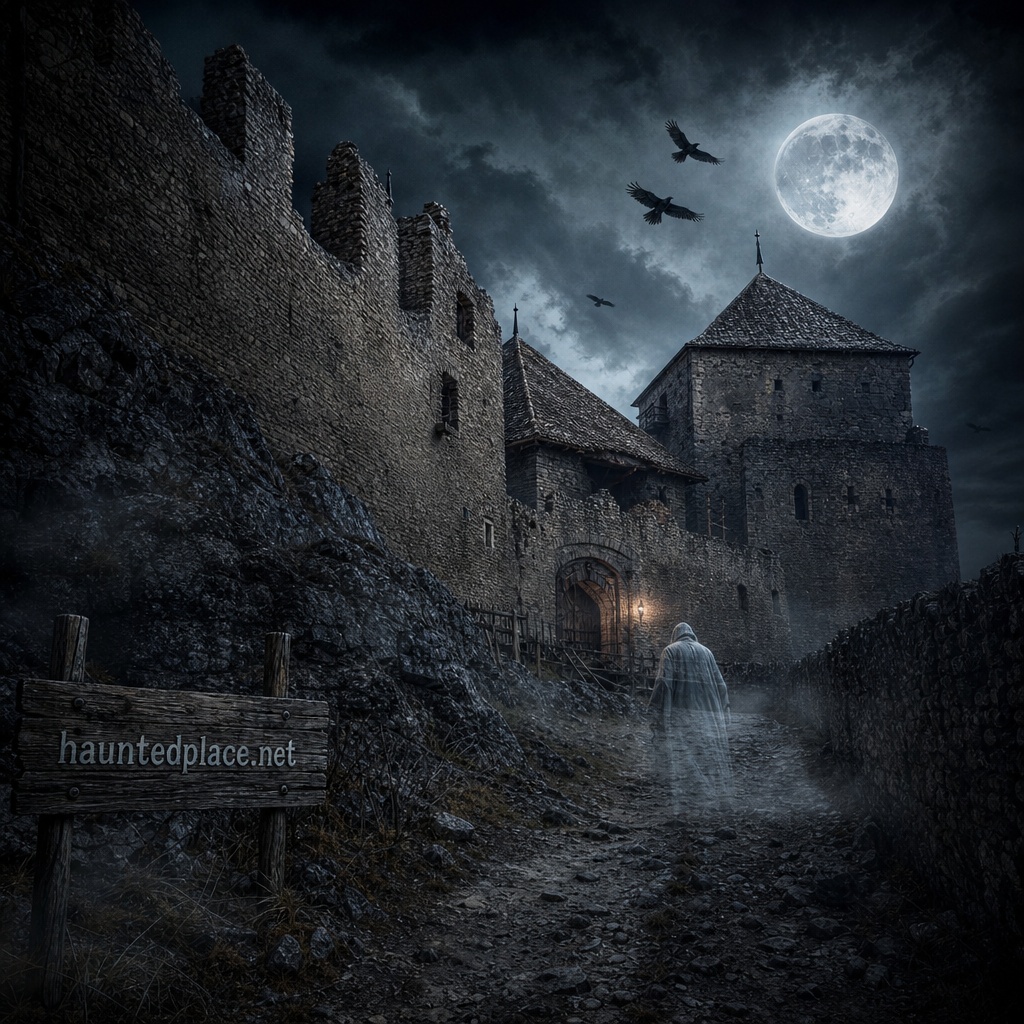
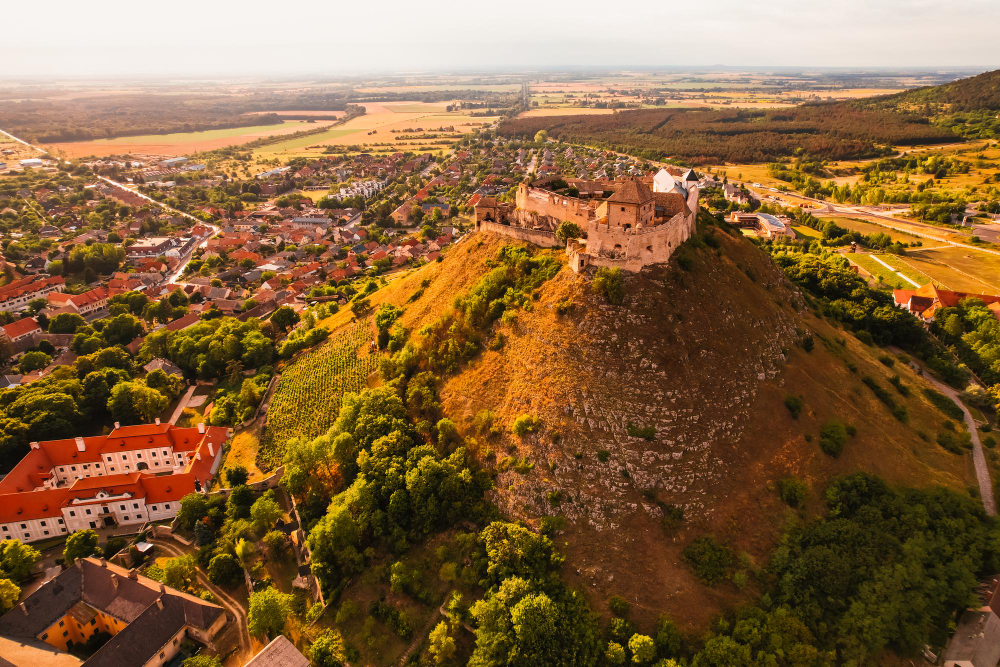
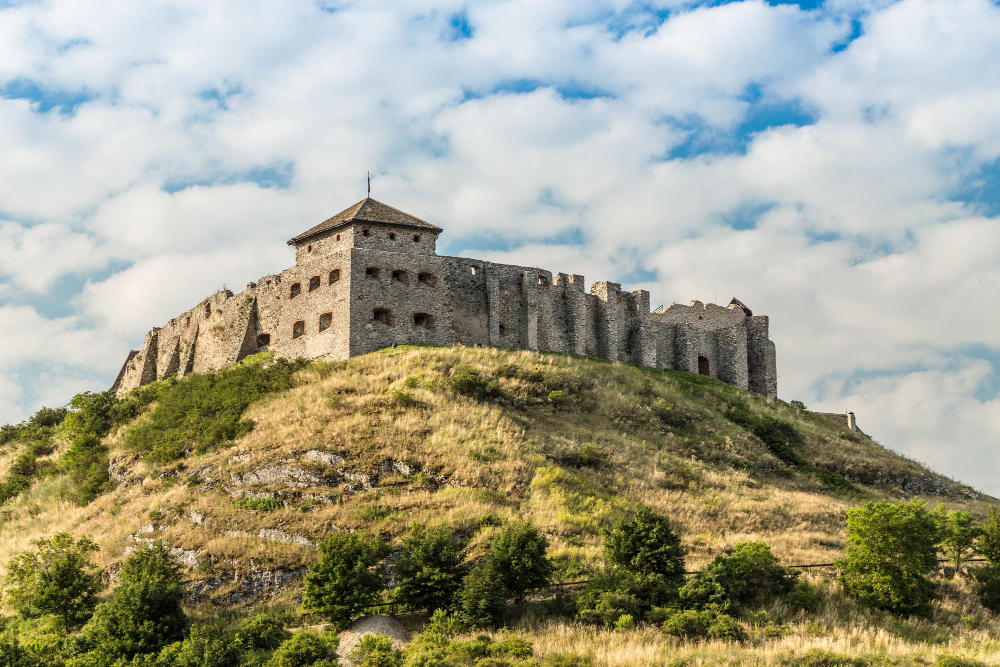
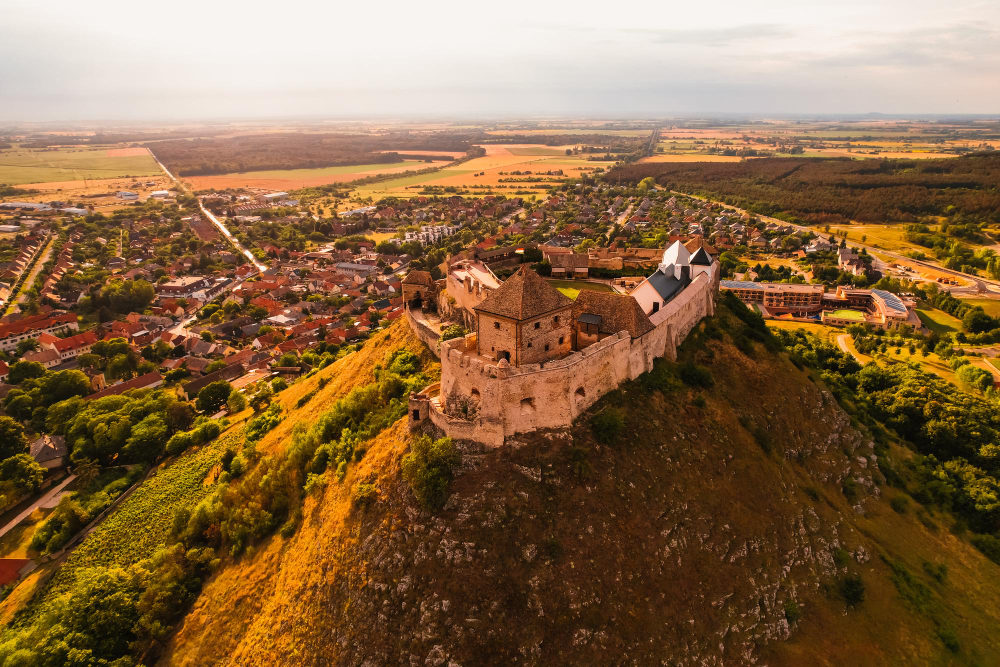
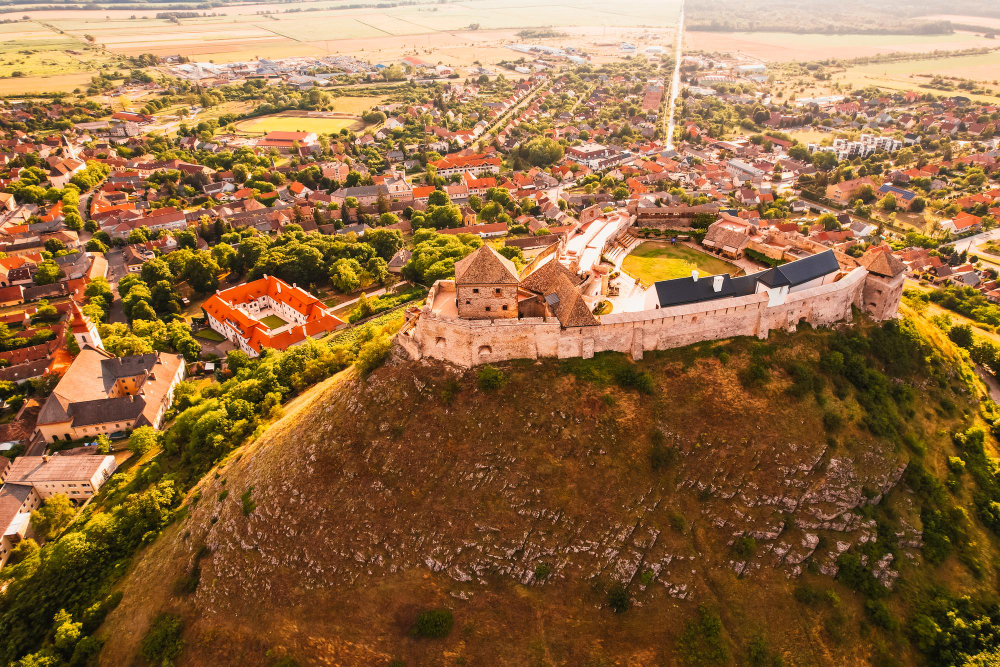
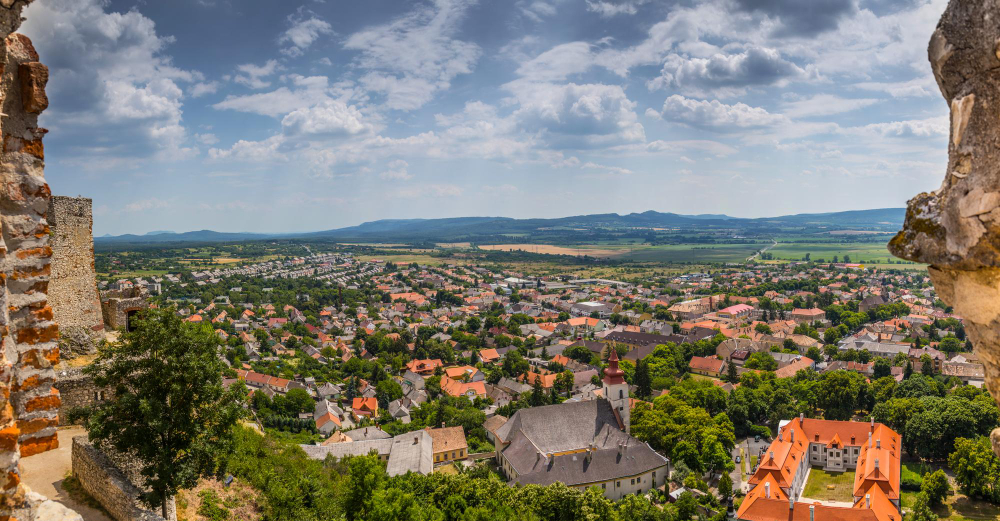
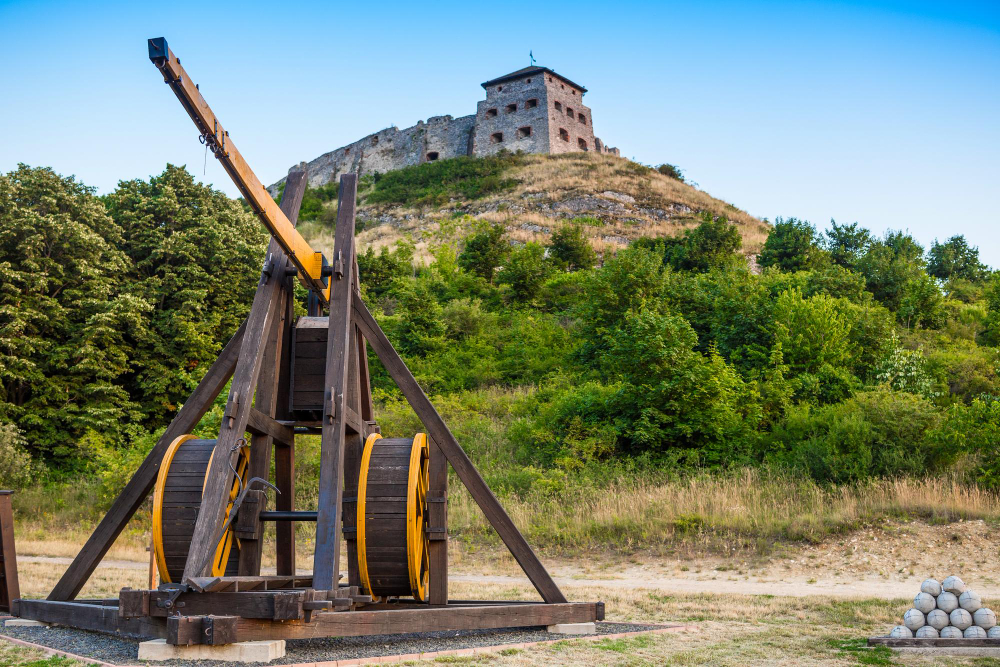
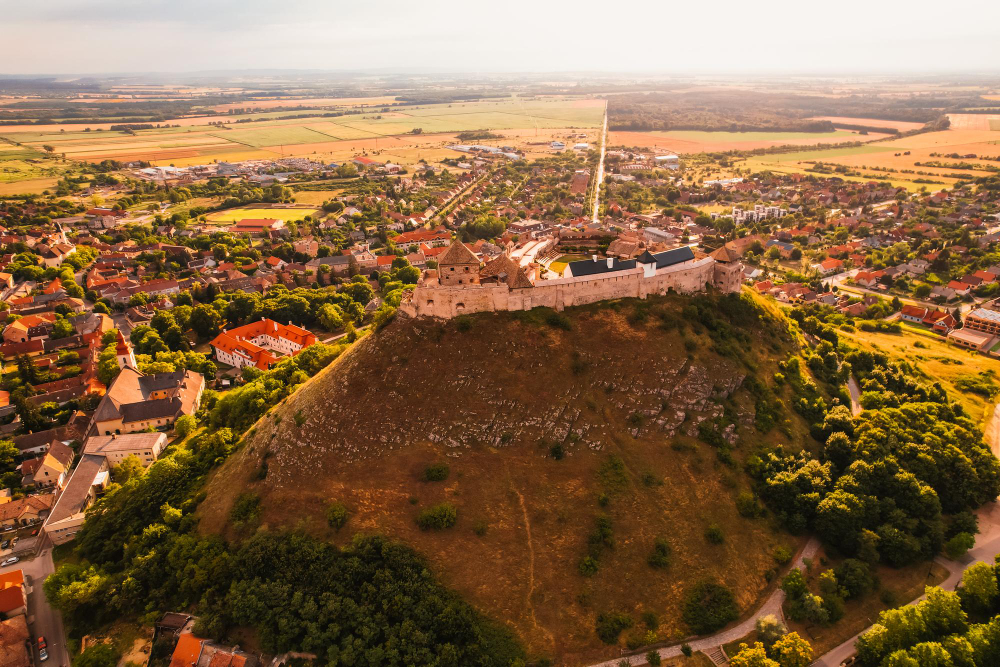
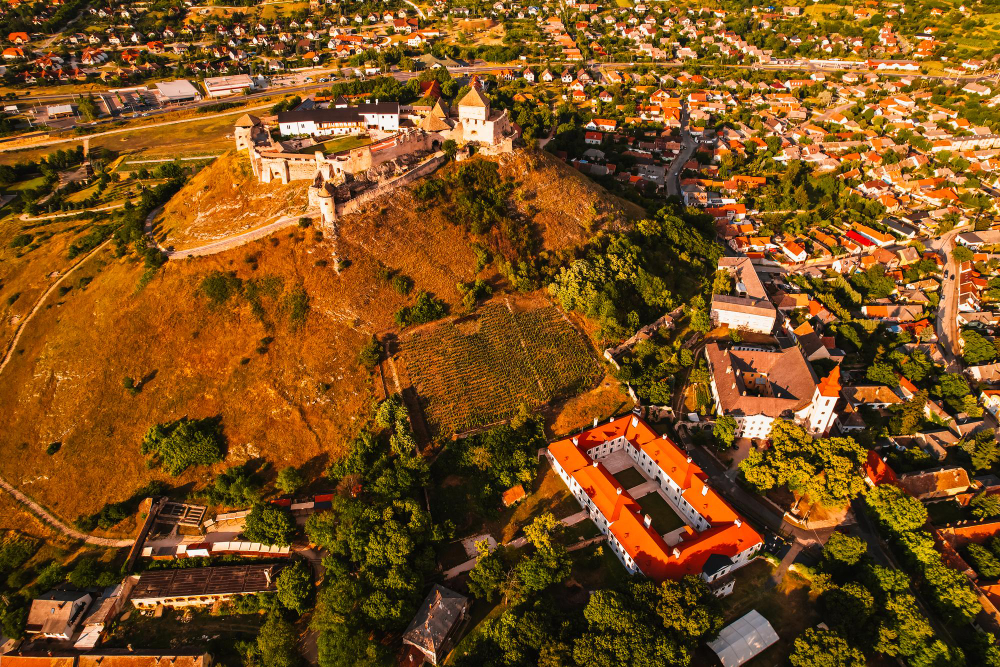
Perched on a steep hill above the town of Sümeg in Veszprém County stands the impressive Sümeg Castle, one of Hungary’s best-preserved medieval fortresses. What at first glance appears to be a romantic relic of times gone by harbours, beneath its imposing façade, an eerie legend that has captured people’s imaginations for centuries. It is said that the castle’s cold stones preserve not only the history of those who survived, but also the torments of a spirit seeking revenge in vain. The legend of the unforgiven prisoner has cast a sombre aura over the historic building – a story that evokes both horror and fascination.
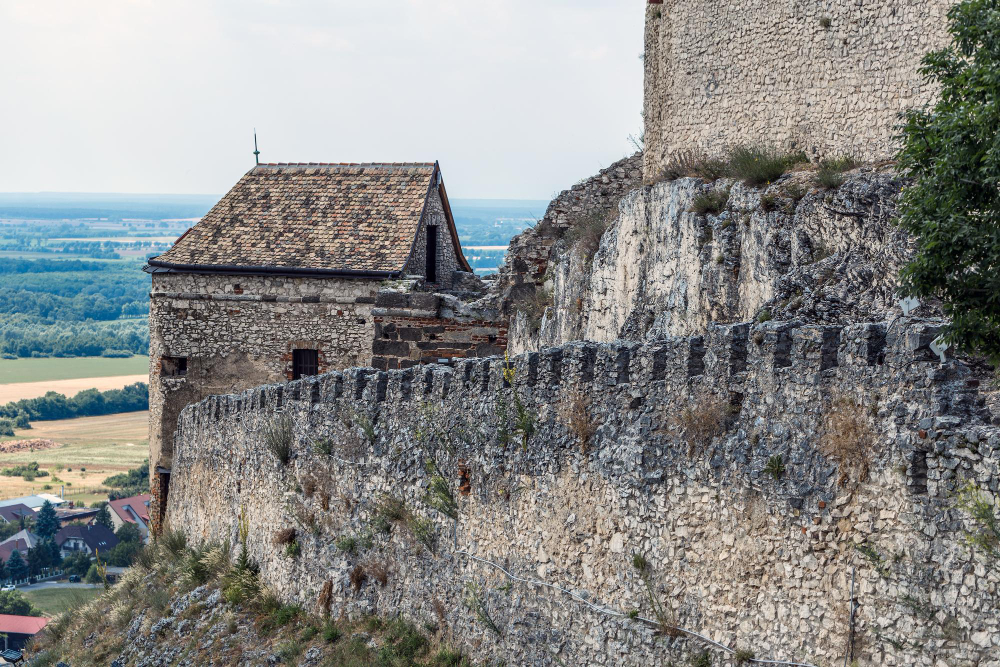
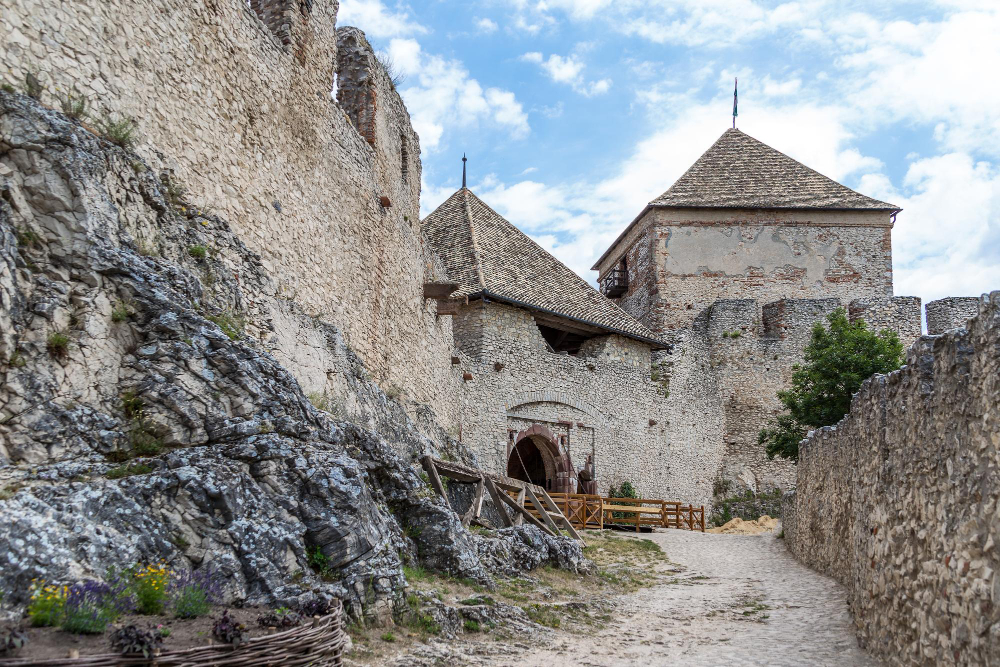
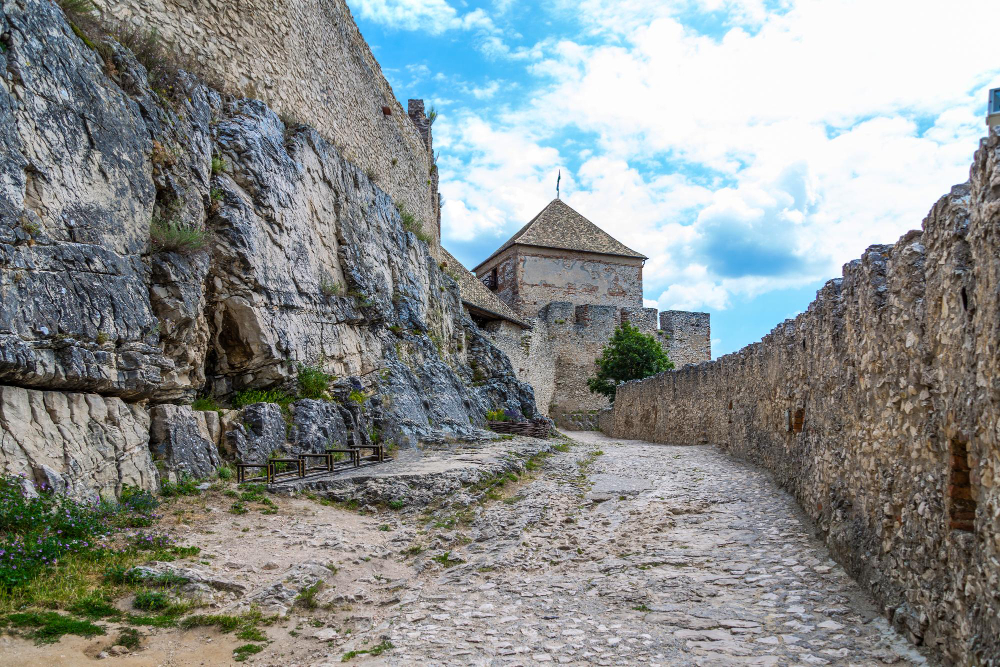
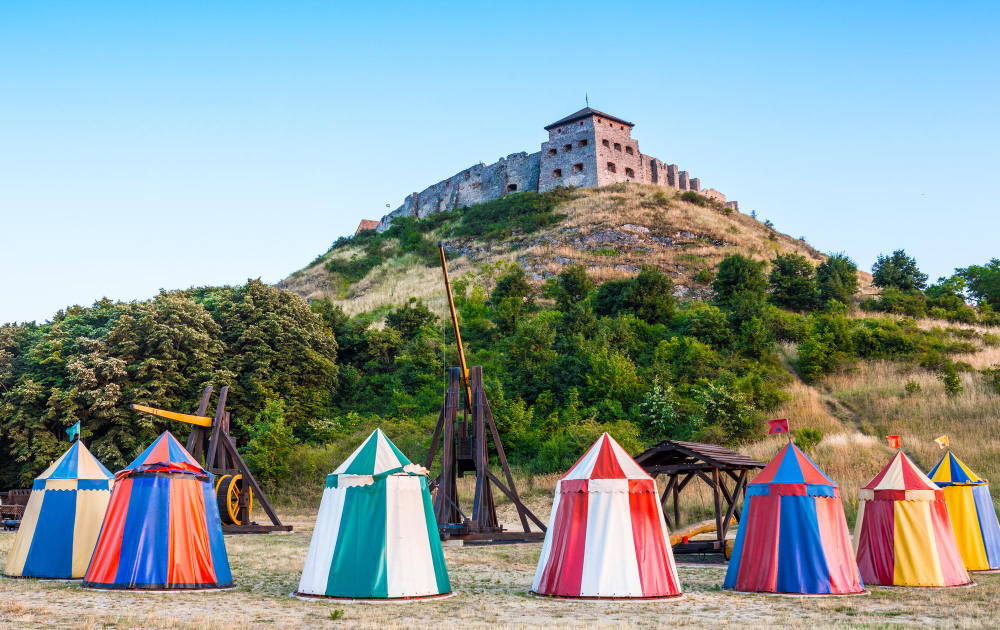
Sümeg Fortress: Historical Significance and Architecture – Sümeg Castle was built in the 13th century and originally served as a defensive structure against invaders, particularly during the Mongol invasion and later during the Turkish Wars. With its massive stone walls, towers and deep dungeons, it was a symbol of security and military strength. Today, it is a popular tourist destination and the venue for numerous cultural events. Yet behind this deceptive idyll lie stories that have nothing to do with fairy tales – stories of betrayal, imprisonment and deadly acts of revenge. According to historical sources, the castle’s deep dungeons were used not only to imprison enemy soldiers, but also to house suspected traitors and criminals. Many of these prisoners never had the chance to see the light of day again, let alone prove their innocence. According to legend, however, one of these prisoners never quite left the castle walls – not even after his death.
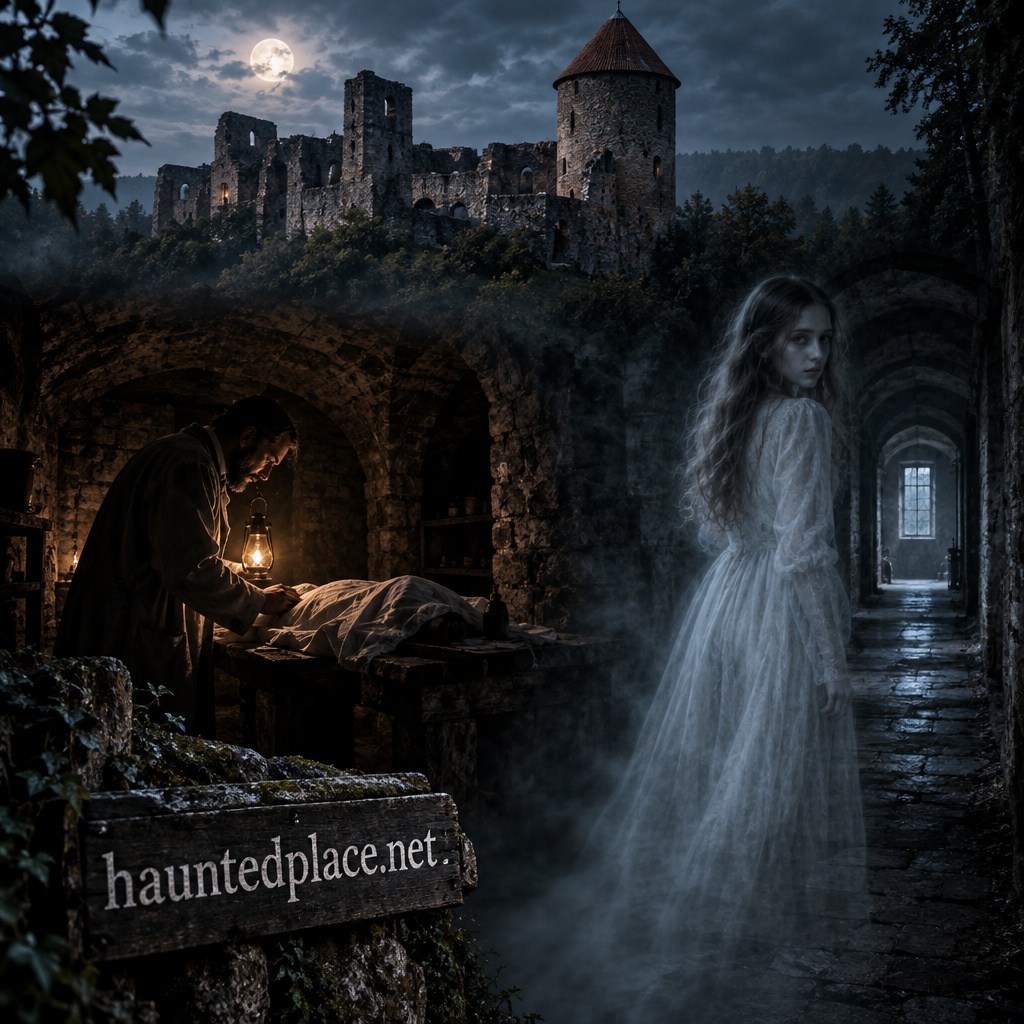
The Legend of the Ghost of Sümeg – There are numerous local accounts of a restless ghost who is said to lament his fate in the castle’s dungeons. According to legend, he is a man who was wrongfully imprisoned, possibly as a result of intrigue or false accusations. This man is said to have been a nobleman who fought against a powerful adversary, but in a political power struggle lost not only his influence but ultimately his life as well. According to tradition, he starved to death in the dark, damp stone chambers of the castle or perished as a result of the brutal conditions to which the prisoners were subjected. On his deathbed, the man swore revenge on those who had brought this fate upon him. Ever since, it is said, his ghost has wandered through the weathered walls of the castle, driven by an insatiable thirst for justice. Reports from visitors and tales told by locals lend credence to the legend. Night-time walks are said to have been accompanied by strange sounds – the crunch of footsteps, even though no one was to be seen, or the soft whisper of a voice echoing through the darkness. Some even claim to have seen a figure vanishing swiftly into the shadowy corners of the castle.
Research and possible explanations – Historians and archaeologists who have studied Sümeg Castle in depth point out that many castle dungeons of that era were associated with inhumane conditions. The lack of light, poor ventilation and the cramped nature of the rooms had a particularly negative effect on the health of the inmates. A high mortality rate was therefore not uncommon. Death in such dungeons often left a deep mark on local folklore – whether through ghost stories or memories of the atrocities of the past. Psychologists and experts in paranormal phenomena often attribute reports of ghostly apparitions to human suggestibility, coupled with the gloomy atmosphere of such places. The mere idea that people died there in agony is often enough to create a sense of a ‘presence’. Nevertheless, for many people, the reports of the ghost of Sümeg remain real and raise questions to which there are no clear answers.
What you may discover whilst researching the castle – Online sources such as historical archives and reports by amateur historians supplement the information about the castle. Indeed, there is evidence to suggest that some nobles were embroiled in political intrigues which led to their imprisonment and ignominious end. Old records concerning the castle’s administration also show that the dungeons were used not only for enemy soldiers, but also for those considered a threat to the rulers of the time. Another factor is the castle’s geographical location. The remote hill on which the fortress was built not only offered a strategically advantageous defensive position, but also made it a place that could easily be sealed off as a ‘prison camp’. The surroundings also contribute to the mystical atmosphere, particularly at night, when the wind sweeps across the moss-covered stones and shrouds the castle in a ghostly shadow.
Modern Encounters with the Supernatural – Although the legend is centuries old, it lives on. Some visitors to the castle report inexplicable sensations – a sudden chill despite the temperature being pleasant, or an unusual silence that feels like a kind of ‘pressure’ on the ears. Paranormal investigators have even classified Sümeg Castle as a significant site and carried out investigations which, whilst failing to produce conclusive evidence of ghosts, did detect ‘anomalies’ such as spontaneous electromagnetic activity or sudden temperature fluctuations. However, the prisoner’s ghost is not the only supernatural phenomenon said to haunt the castle. Some reports suggest that other ‘cries from the past’ – such as those of victims of war or betrayal – may also echo within its walls.
A place steeped in history and mystery – Sümeg Castle is undoubtedly a fascinating place – for historians and lovers of the supernatural alike. Its history reflects the harshness and brutality of past centuries, and the legend of the restless ghost lends it an extra dimension of mystery and eeriness. Whether you believe the stories or not, one thing is certain: Sümeg Castle remains a place that captures the imagination and offers an unforgettable journey into the dark past. Anyone brave enough to visit the castle at night should be prepared to experience history first-hand – perhaps even more than they expect. And who knows? Perhaps even the most sceptical visitor will encounter a whisper or a shadow reminding them that long-gone souls are still seeking redemption within the cold stones.