 Isabella Mueller Baroness of Stainton le Vale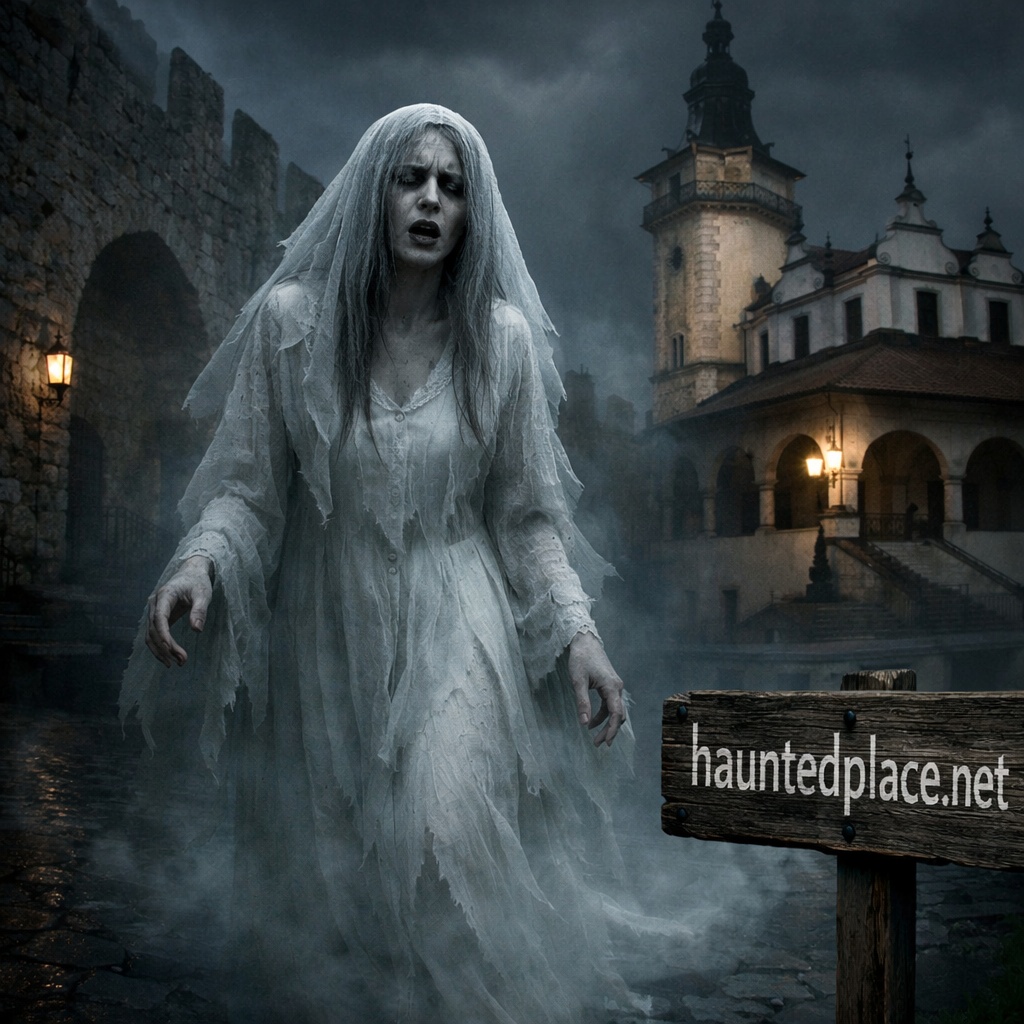
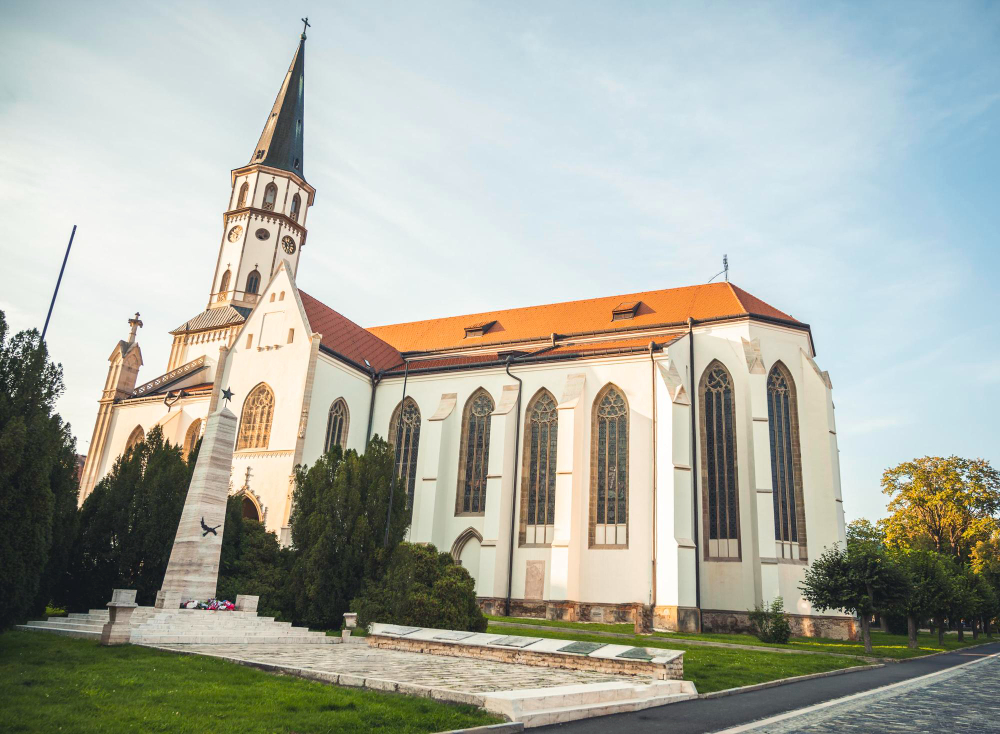
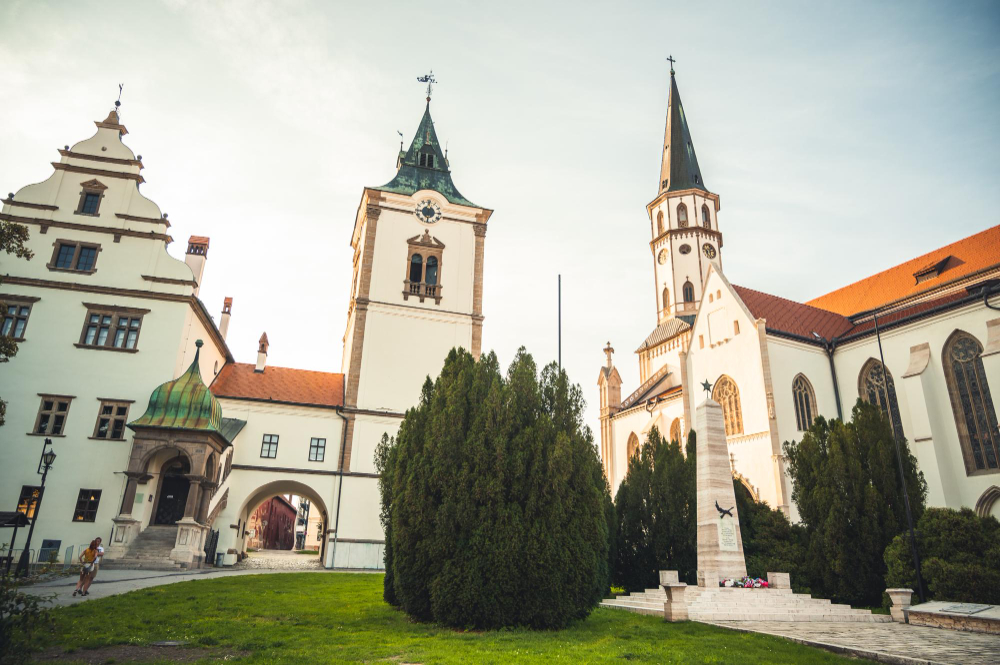
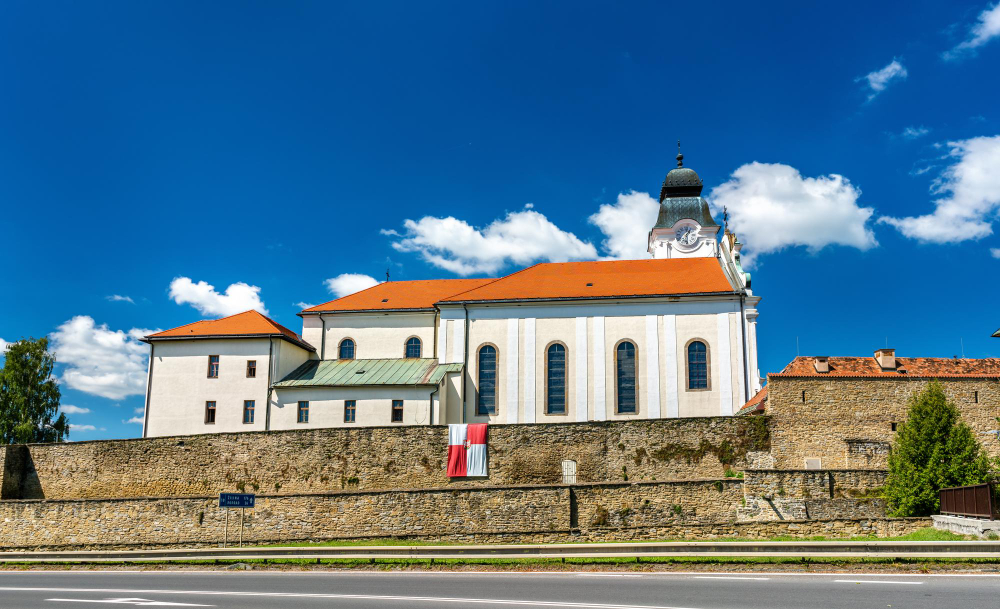
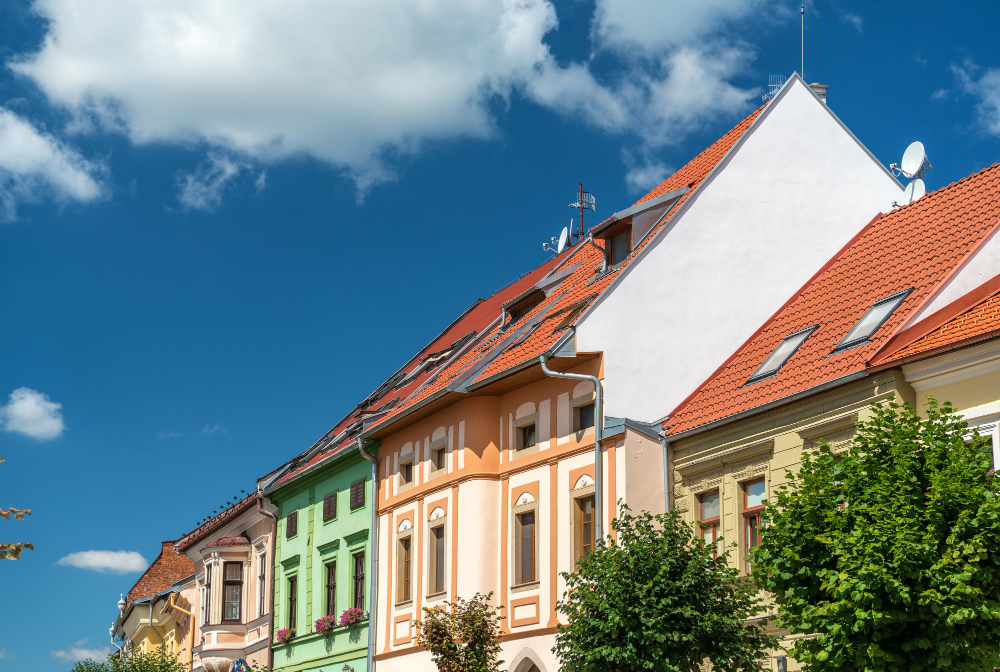
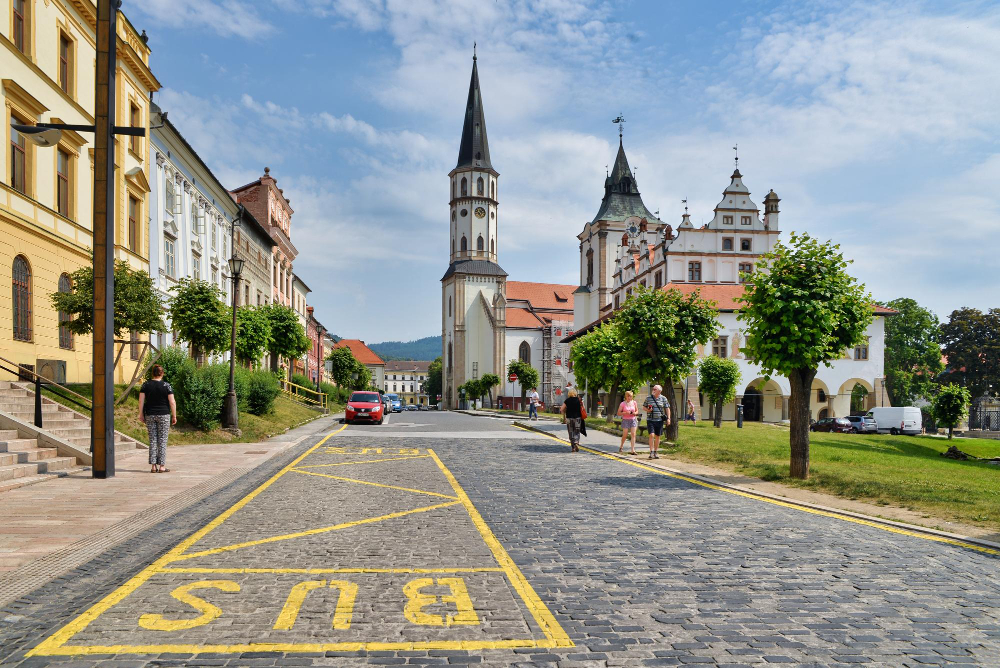
Levoča, a charming little town in eastern Slovakia, is known not only for its impressive architecture and rich history, but also for a sombre legend that attracts tourists and ghost hunters from all over the world: the story of the White Lady of Levoča (Levočská biela pani). Behind the picturesque façades and fascinating sights such as St James’s Church and the old city walls lies a mystical mystery that blends history with the supernatural and continues to capture people’s imagination to this day.
Who was the White Lady of Levoča? – The legend of the White Lady of Levoča centres on a historical figure: Julianna Korponay-Géczy (1680–1714). She was a noblewoman who lived through turbulent times. Her story unfolds during the Kuruc Uprising, a significant chapter in Hungarian history. This uprising, which took place between 1703 and 1711, was a revolt by Hungarian nobles and peasants against the Habsburg Monarchy, which ruled the region at that time. Julianna Korponay-Géczy was evidently a contradictory figure: on the one hand, a woman of noble birth with great influence; on the other, a key figure in a fateful intrigue. According to legend, she became a tragic heroine during the siege of Levoča by imperial troops. Legend has it that it was her actions that sealed the city’s fate.
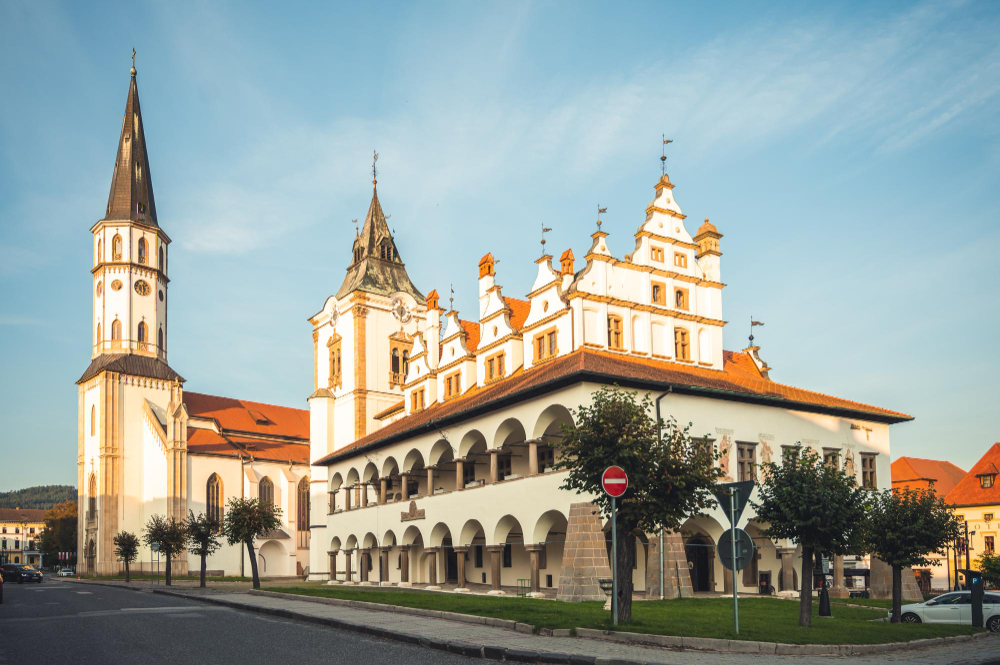
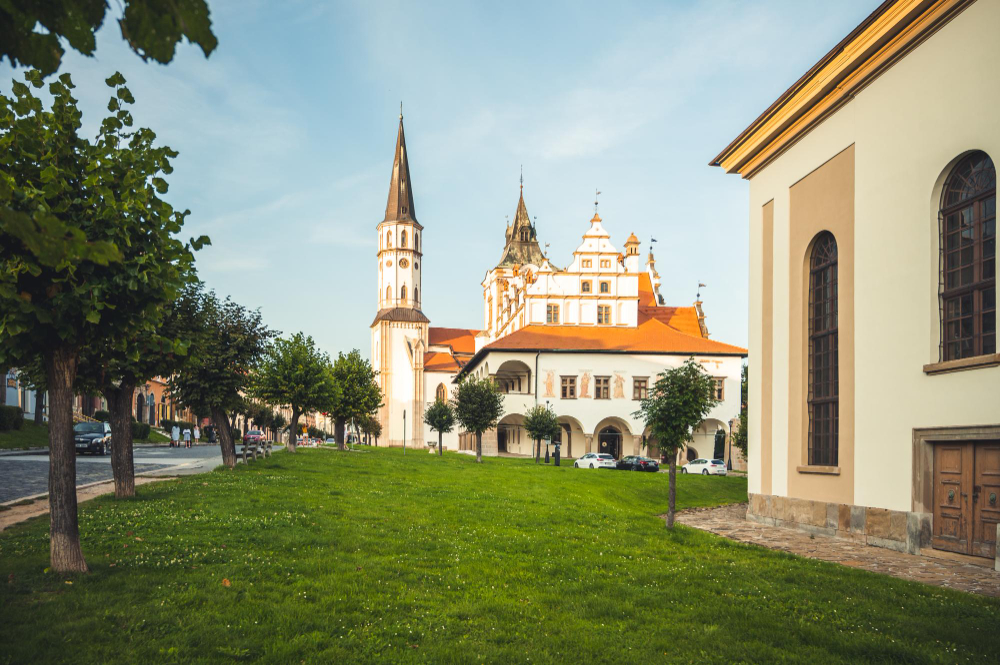
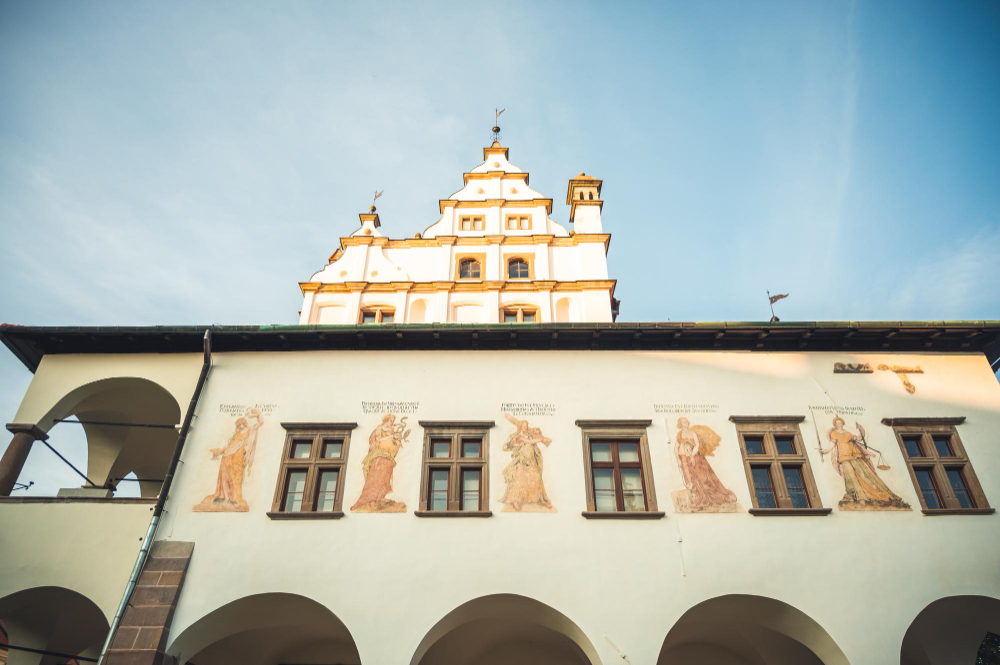
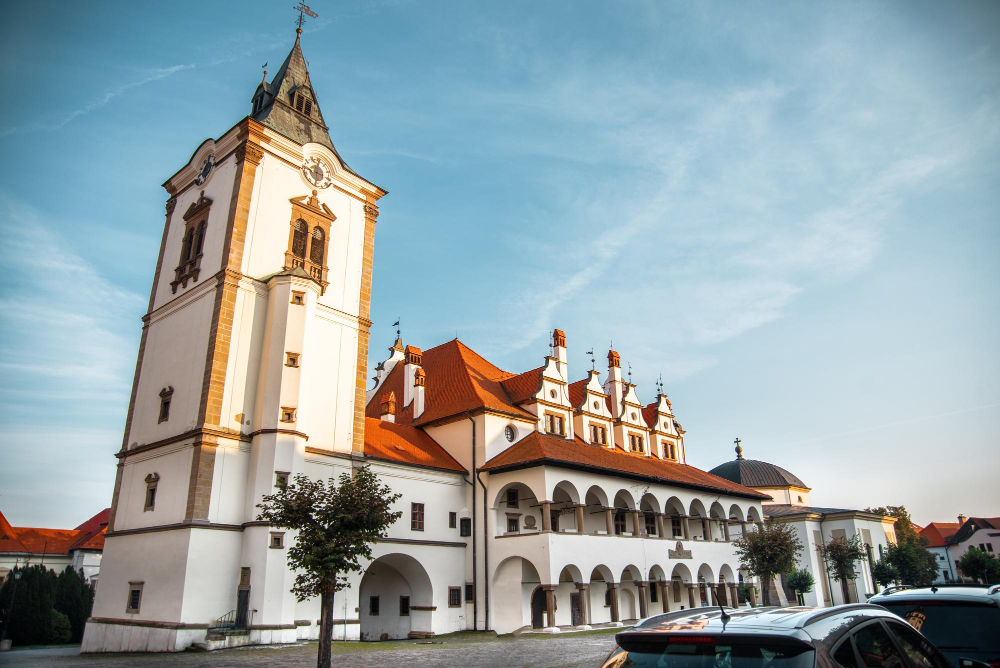
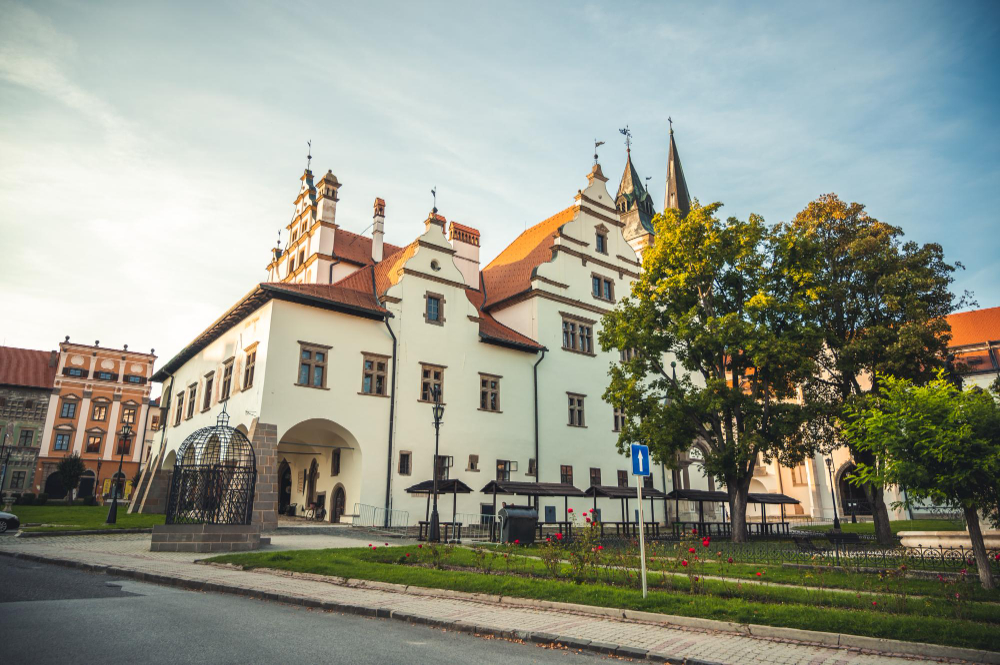
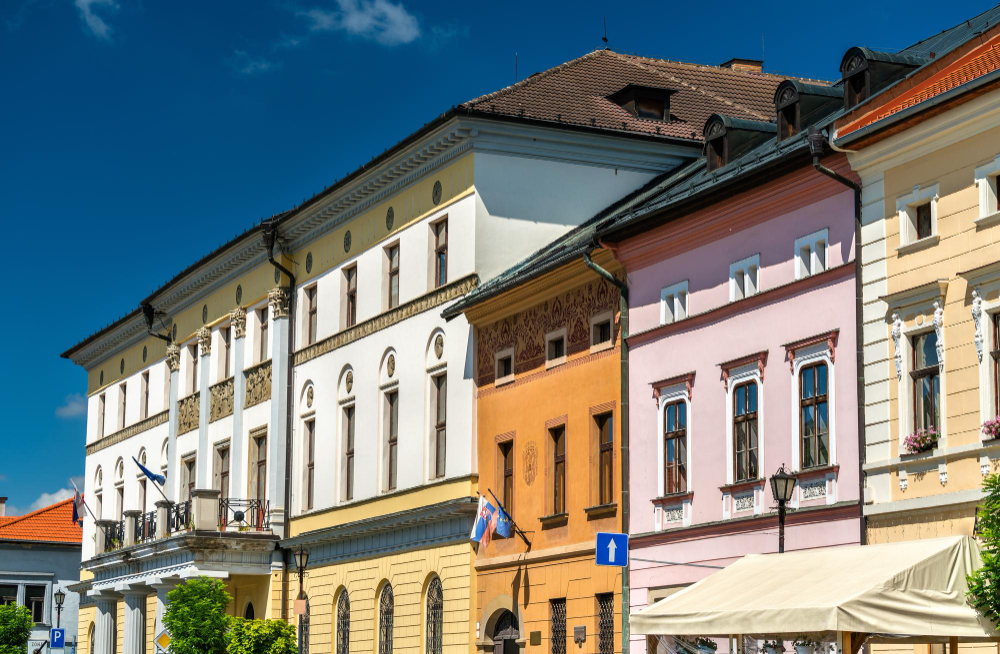
Betrayal or intrigue? The historical background – In 1710, as tensions between the Hungarian rebels and the imperial troops escalated, Levoča was a fortress occupied by the rebels. The town was besieged by the Habsburgs, who were determined to defeat the rebels. According to legend, Julianna, who regularly visited the town’s magnificent Baroque town hall, found herself walking a dangerous tightrope between loyalty and betrayal. It is said that Julianna fell in love with the commander of the imperial troops. This love affair is said to have prompted her to steal the key to the city gates after she had plied the guards with drink that night. She then secretly opened the city gates for the imperial soldiers, enabling the Habsburgs to successfully conclude the siege and capture Levoča. However, this love affair and the betrayal associated with it were to have fatal consequences. Julianna herself was later arrested by the victors for her treason. Following a trial, she was finally publicly beheaded on 25 September 1714 in the Hungarian town of Győr. Her execution turned her into a tragic figure and gave rise to the legend that her restless soul has been unable to find peace ever since.
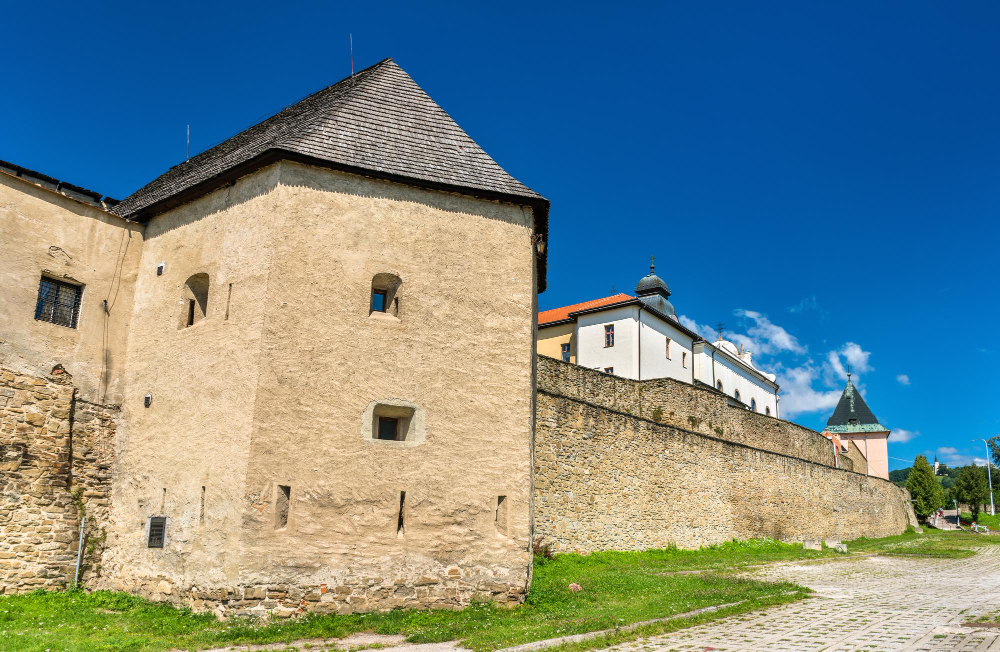
The Haunting of the White Lady – Ever since, stories have circulated about apparitions of the White Lady, who is said to wander the streets of Levoča at night. Dressed in her white gown, she is often sighted by the old city walls or in the Baroque town hall. It is said that she always has a melancholic expression and moves slowly and ghostly through the night-time silence of the town. Her presence is seen as a warning, a reminder of guilt and betrayal. Some legends recount that the White Lady is not only visible but also emits mournful, sobbing sounds that pierce the night-time silence. Other accounts describe how her appearance causes unease amongst those who encounter her. Folklore also holds that those who come too close to her may be beset by misfortune. The town’s old town hall, in particular, is regarded as a hotspot for paranormal activity. Some visitors report sudden chills, fleeting shadows and inexplicable noises when they enter the historic rooms where courts once sat and political decisions were made.
Historical Facts versus Legend – Despite the persistent myths, there are well-founded doubts about the historical accuracy of the legend. Historians suspect that the charge of high treason against Julianna Korponay-Géczy may simply reflect the political intrigues common at the time. The portrayal of Julianna as a traitor can be traced back to the Hungarian writer Mór Jókai, who dramatised her story in his historical novella Levočská biela pani (The White Lady of Levoča). There is evidence to suggest that she fell victim to political power struggles and social prejudices, which have distorted her role in history. However, Levoča was indeed a focal point of the clashes between imperial troops and Hungarian insurgents at that time, and there is no doubt that the town played a central role in these historical conflicts. Julianna’s fate is also undisputed; it is historically documented that she was executed in Győr in 1714. The legend of the White Lady therefore draws more on the romantic and mysterious aura that has grown up around Julianna than on historical facts. Nevertheless, the story is firmly rooted in the town’s identity and makes Levoča not only a cultural but also a mystical attraction.
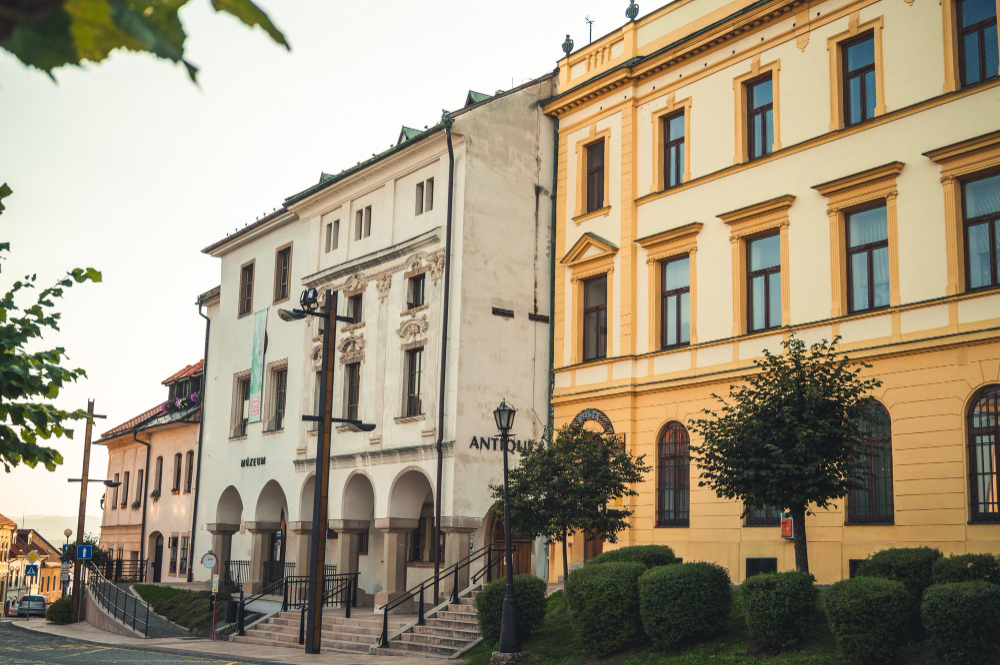
Traces of the legend today – To this day, the White Lady of Levoča is held in high regard in the town and is, to a certain extent, also promoted for tourism. The town hall, which she is said to haunt, is one of the town’s main attractions. The massive city walls, which once served as protection against enemies and, according to legend, were breached by the White Lady, also attract curious visitors. Levoča has been on the UNESCO World Heritage List since 2009. The beautifully preserved old town in particular, with its Gothic, Renaissance and Baroque architecture, attracts visitors from all over the world. Yet for many, a visit to Levoča holds not only architectural and cultural appeal, but also a mysterious touch of the supernatural. Guided tours are available in the area, during which tour guides recount the legends surrounding the White Lady and the town’s eventful past. These tours often end at the town hall or the town walls – precisely where the echo of Julianna’s restless spirit is said to still be heard.
Further details: What does science have to say about this? – Although the legend of the White Lady of Levoča is highly romanticised, it has nevertheless shed light on a number of historical and social aspects. Historians have studied the figure of Julianna Korponay-Géczy in depth and found that she was not an isolated case. Women of that era often found themselves caught between political pressure and personal relationships, which made them vulnerable to intrigue. Furthermore, the legend provides insight into the social norms of the time and the way in which women – particularly those in positions of influence – were stigmatised. In the tales, Julianna is often portrayed as a treacherous yet suffering ‘femme fatale’ – a motif frequently found in the literature and art of that era. The psychological aspect of the story is also of interest. Why has the legend persisted so tenaciously, despite its obvious contradictions? Experts in folk beliefs argue that such myths often serve as an outlet for societal fears and moral messages. In this case, the story of betrayal and punishment may have served as a warning not to oppose the ruling powers.
A town in the grip of its history – Whether one believes in ghosts or not – there is no denying that the legend of the White Lady of Levoča has profoundly shaped the identity of this historic town. It is a reflection of a bygone era, a blend of historical facts, literary embellishments and folk mythology. At the same time, it shows how stories of love, betrayal and atonement can capture the imagination across the centuries. Anyone visiting Levoča should take an evening stroll along the old city walls and soak up the mysterious charm of this legendary town. Perhaps you might actually hear the soft whisper of a woman who has never found peace – or perhaps it is simply the voices of history echoing here in the narrow alleyways and amongst the ancient stones.