 Isabella Mueller Baroness of Stainton le Vale
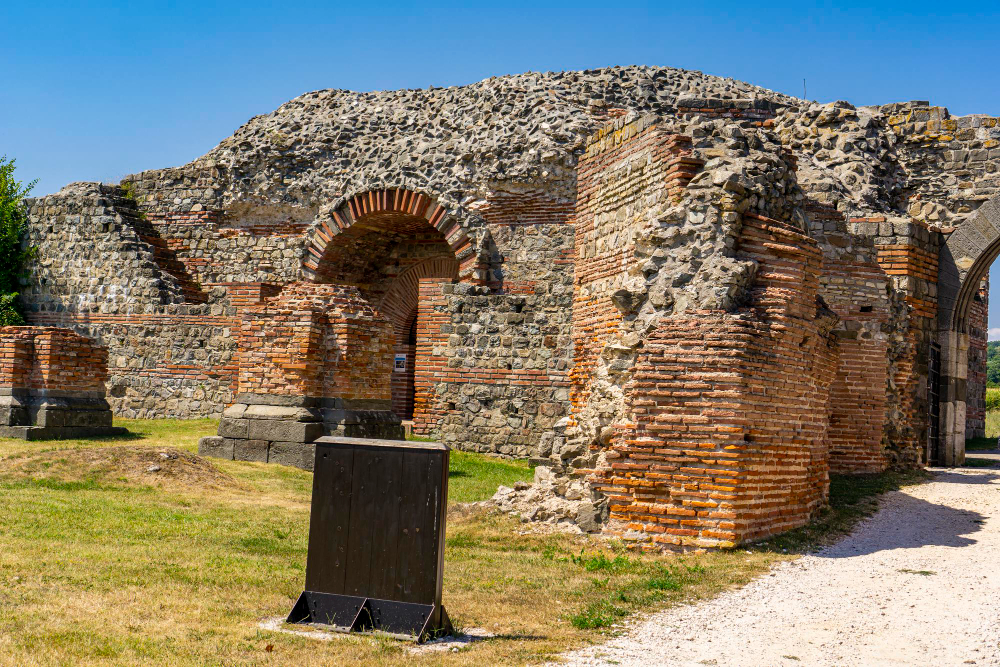
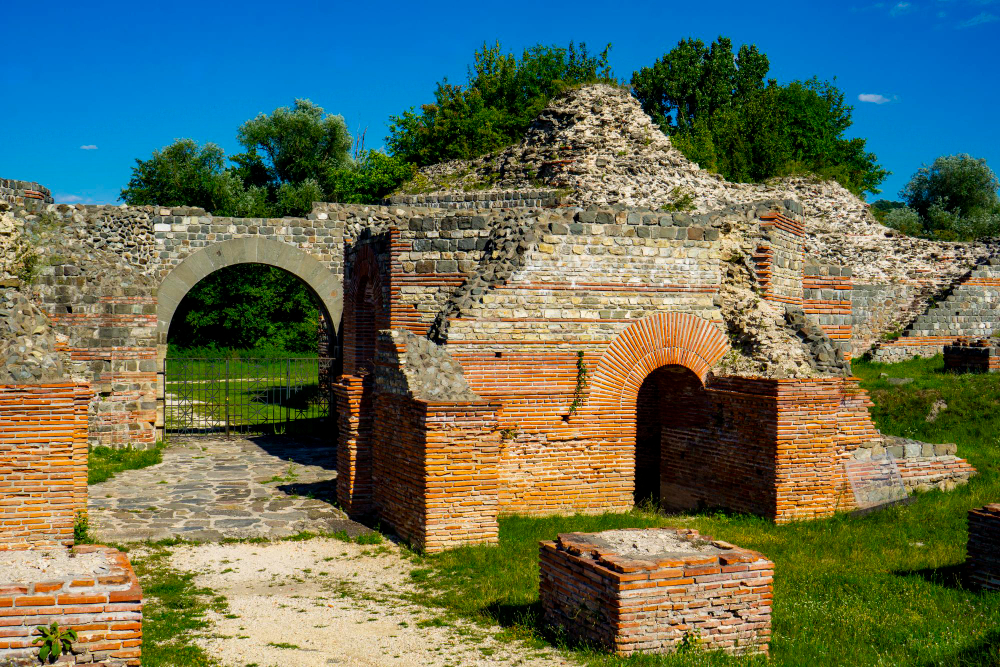
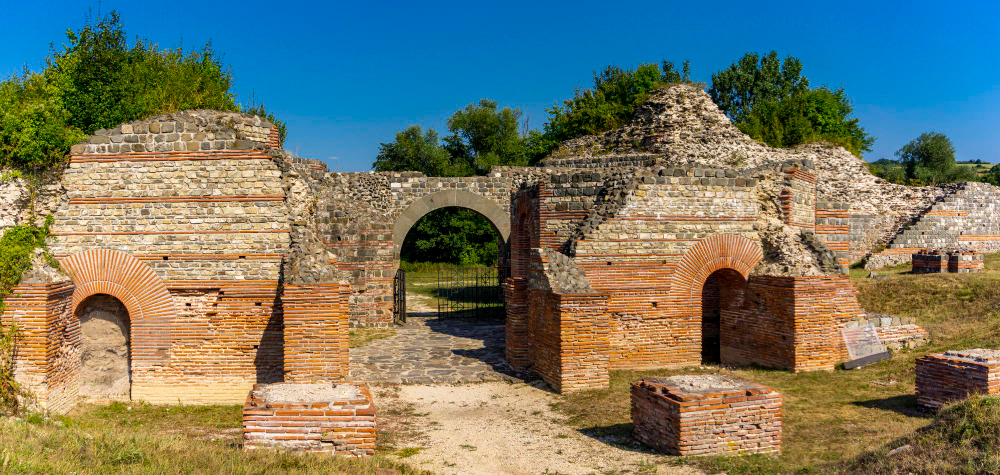
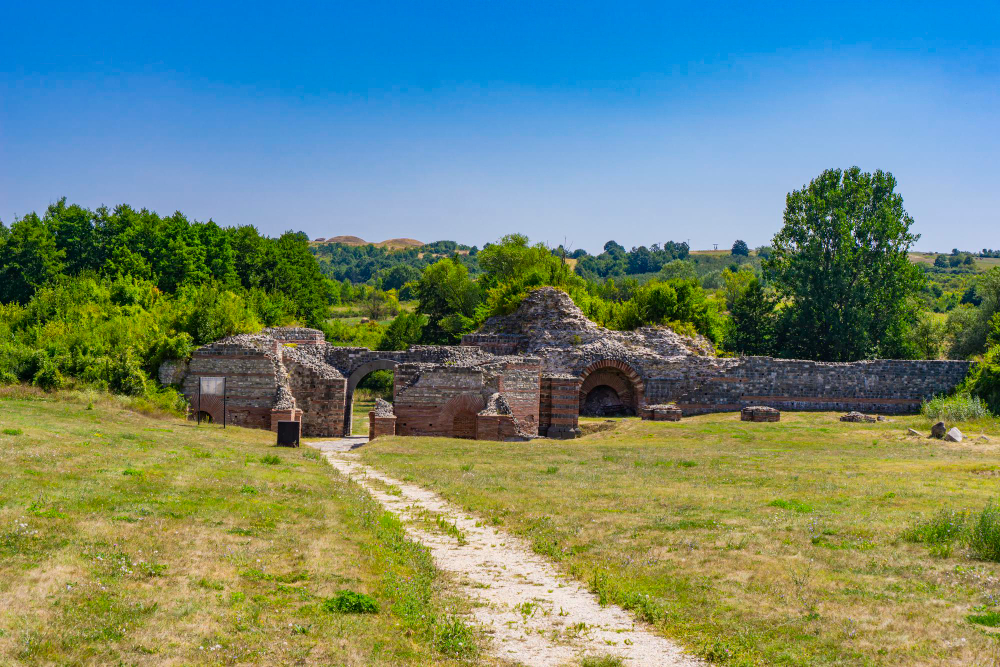
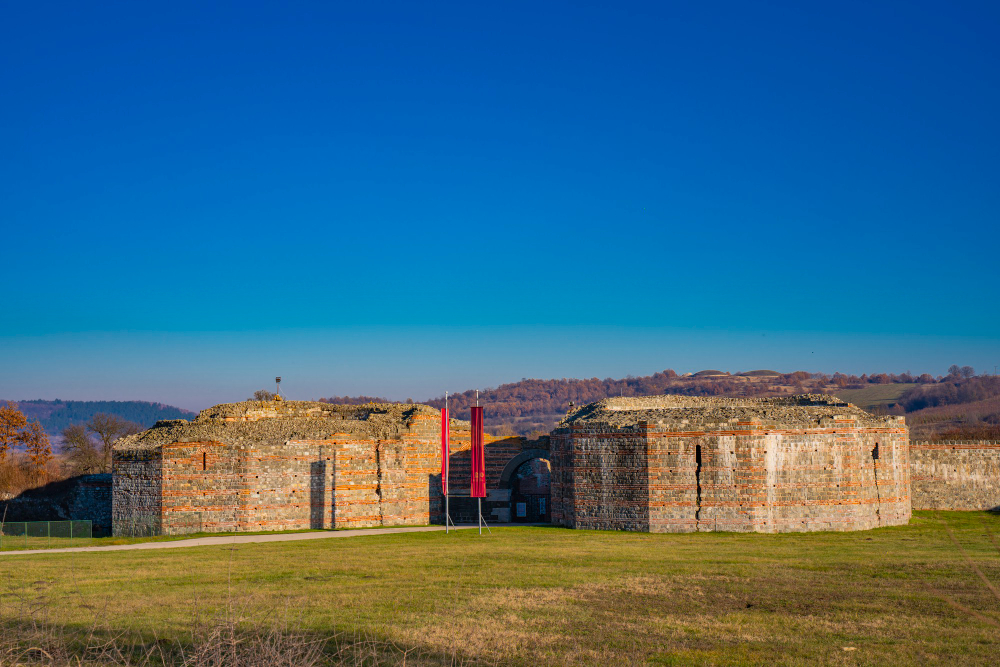
Among Europe’s many historic sites, one stands out in particular: Gamzigrad-Romuliana, an ancient Roman fortress in what is now Serbia. Once the magnificent residence and centre of power of the Roman Emperor Galerius, it is now a place of silence and desolation, captivating visitors with its sombre atmosphere and mysterious history. Travellers and historians refer to this place as the ‘ghost town’ – and not without reason. Romuliana, also known as Felix Romuliana, was built at the end of the third century AD under the reign of Emperor Galerius, who named this magnificent complex in honour of his mother, Romula. The complex comprised impressive palaces, temple complexes and thermal baths, set within a mighty fortress with forty towers. Galerius himself had grand plans for Romuliana and wished to demonstrate his power there, but the city’s fate took a tragic turn.
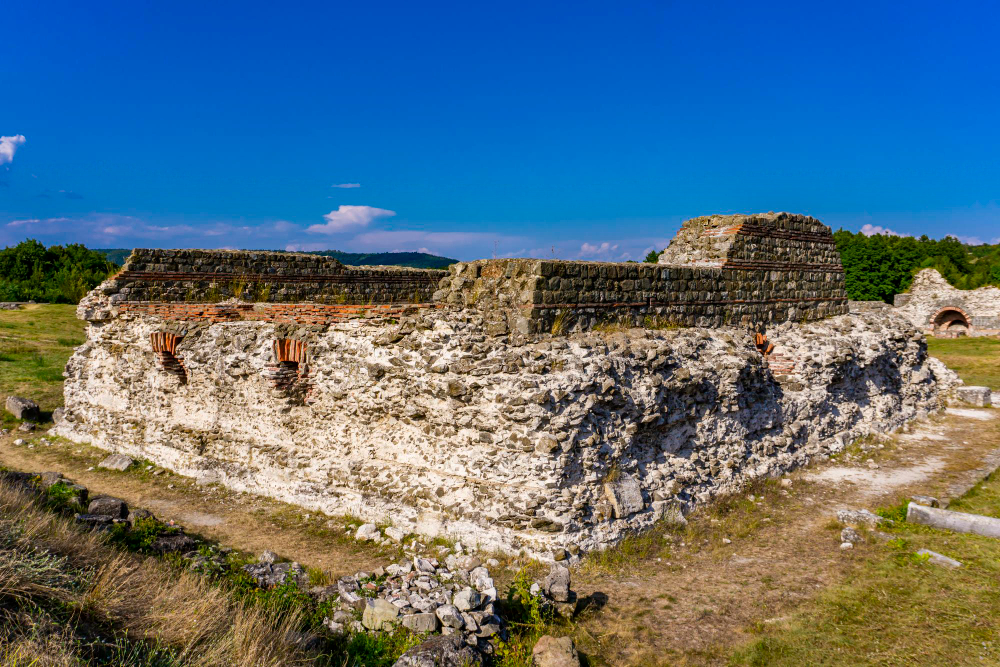
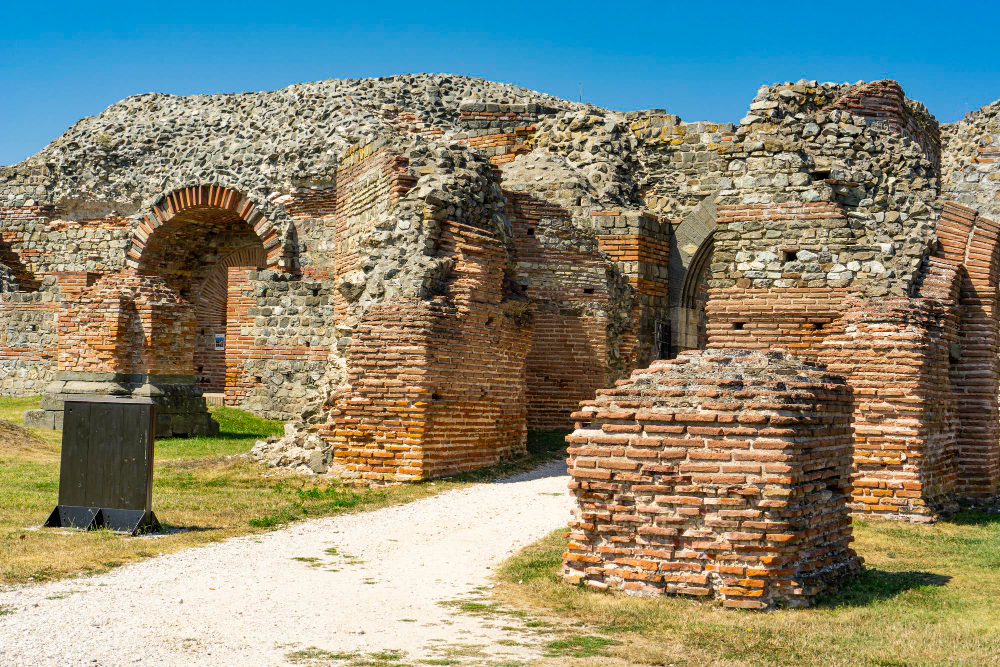
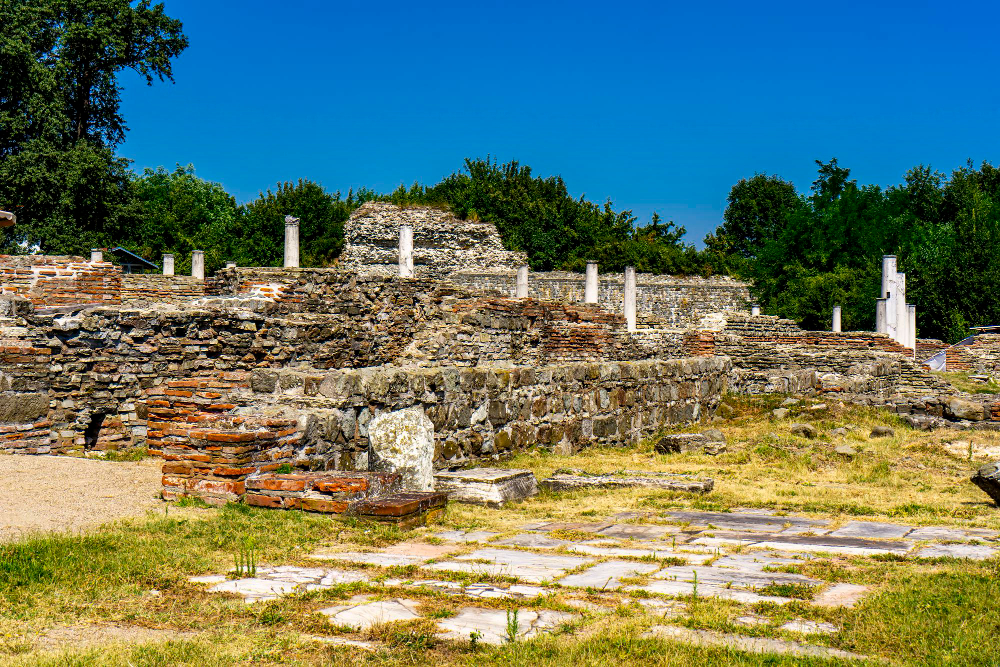
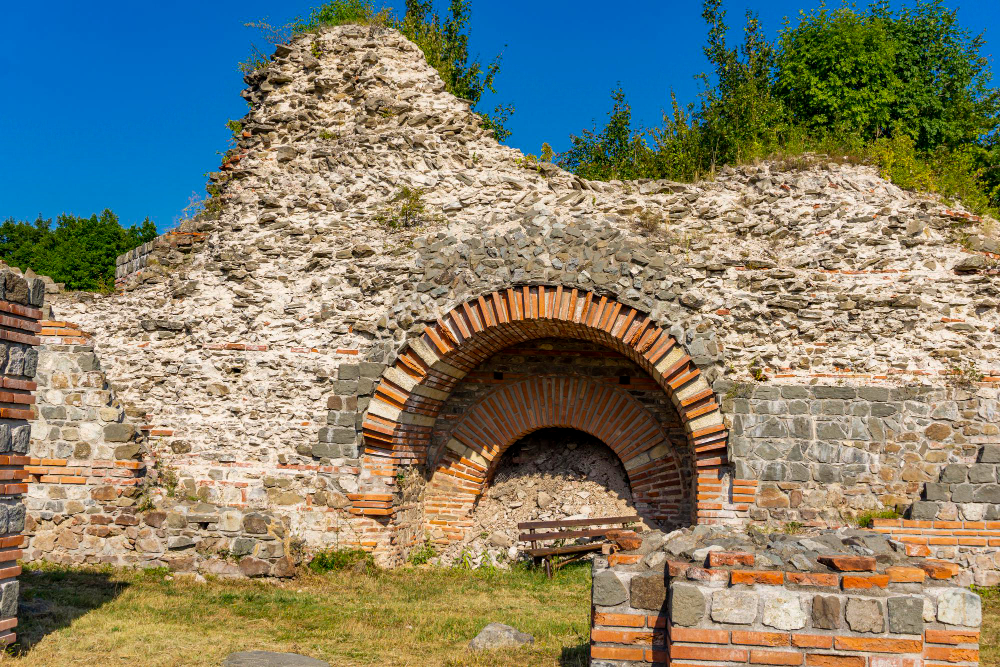
The decline of a magnificent city – Following Galerius’s death in 311, Romuliana was increasingly plagued by political and military conflicts. In particular, the Migration Period, which shook the Roman Empire from the 4th century onwards, left its mark. The Huns invaded the region, plundering and destroying the once magnificent complex. Over time, Romuliana lost its importance, and the population fled from the repeated raids and violence. The ruined city remained deserted until the Middle Ages and fell into oblivion. Its walls, once a symbol of strength and prosperity, were reclaimed by nature. Bushes and trees entwined themselves around the former palaces, which are now but a shadow of their former glory. Later, archaeologists discovered the remains and began to understand their significance, yet the desolate character of the site remained. Today, Romuliana is a blend of archaeological sensation and an eerie place that captures people’s imagination.
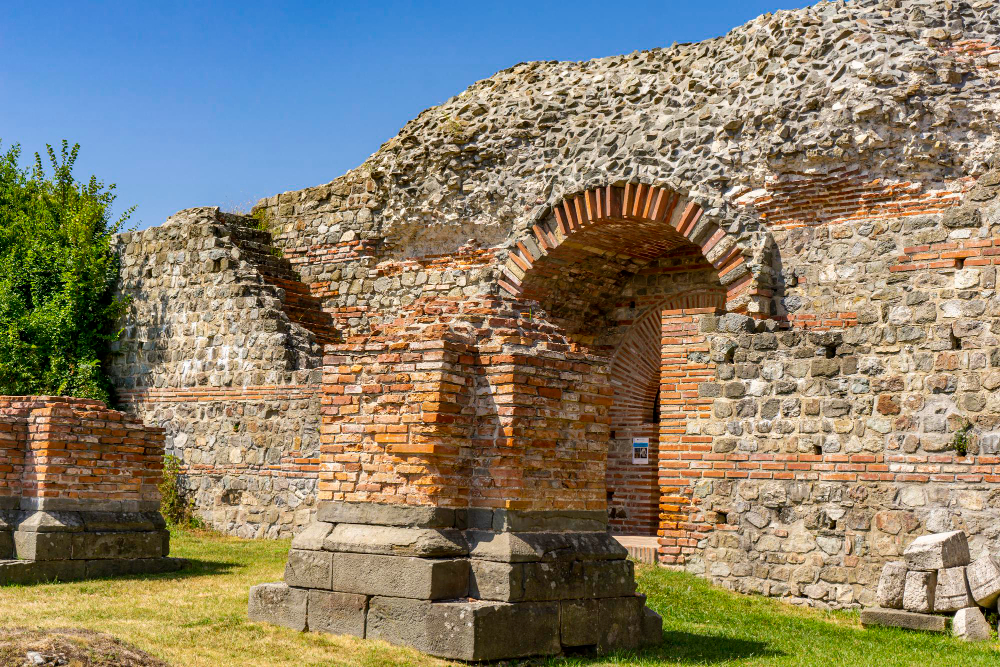
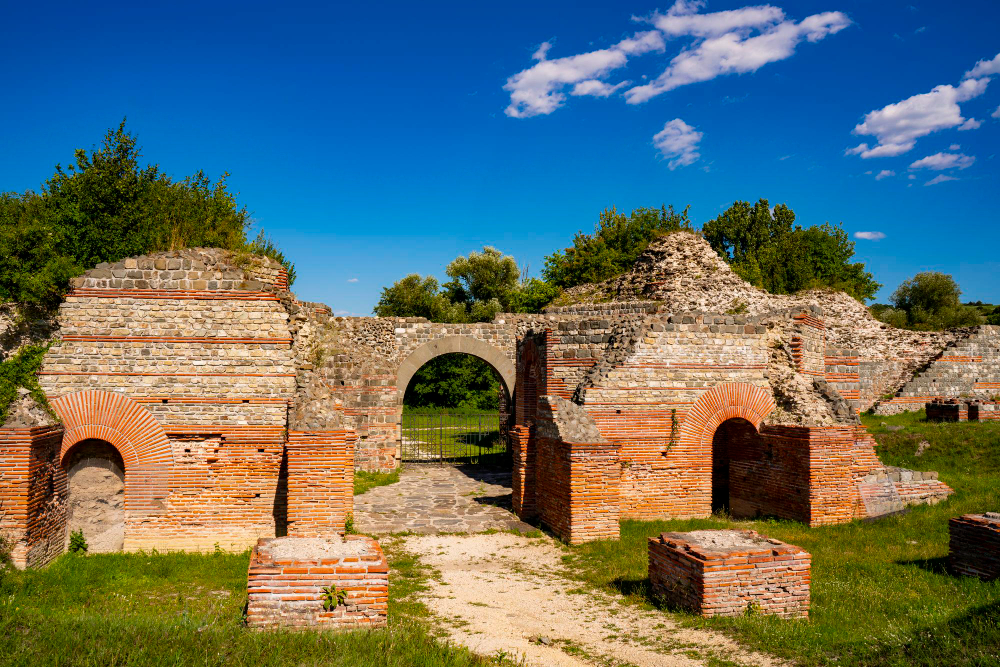
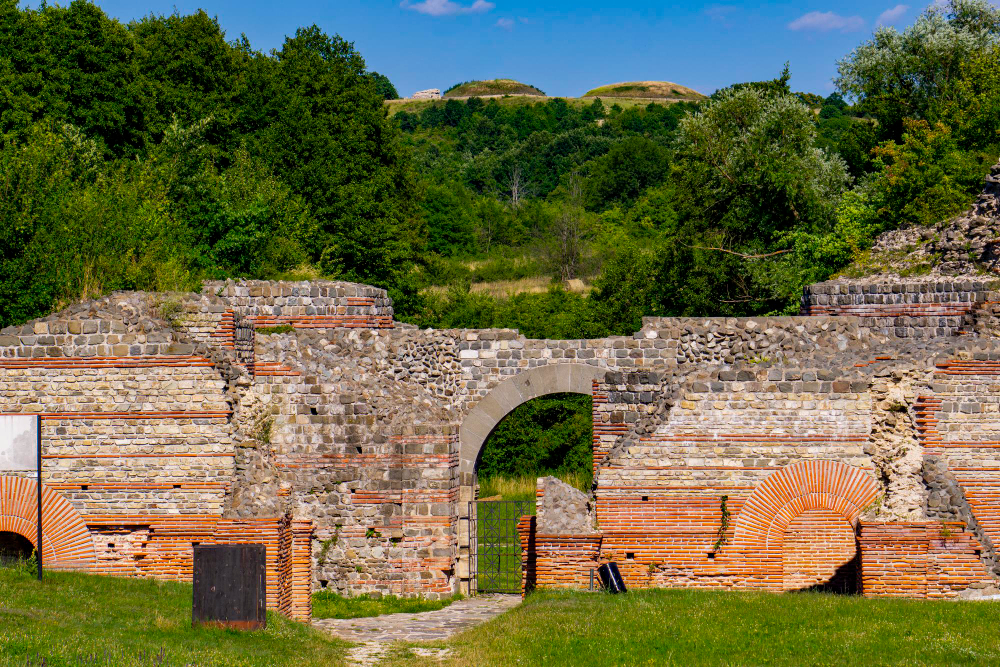
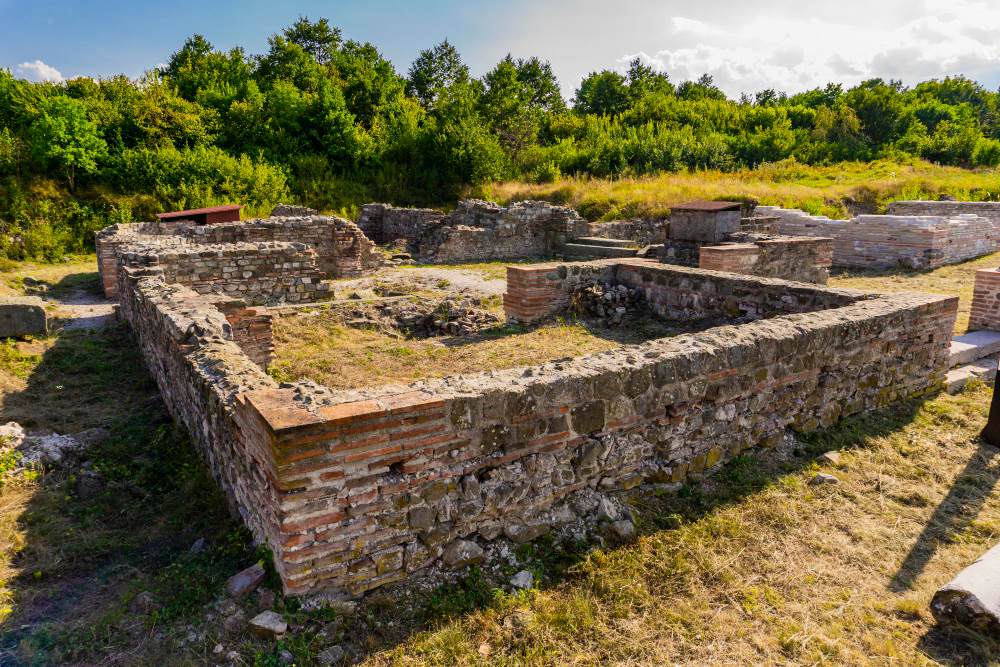
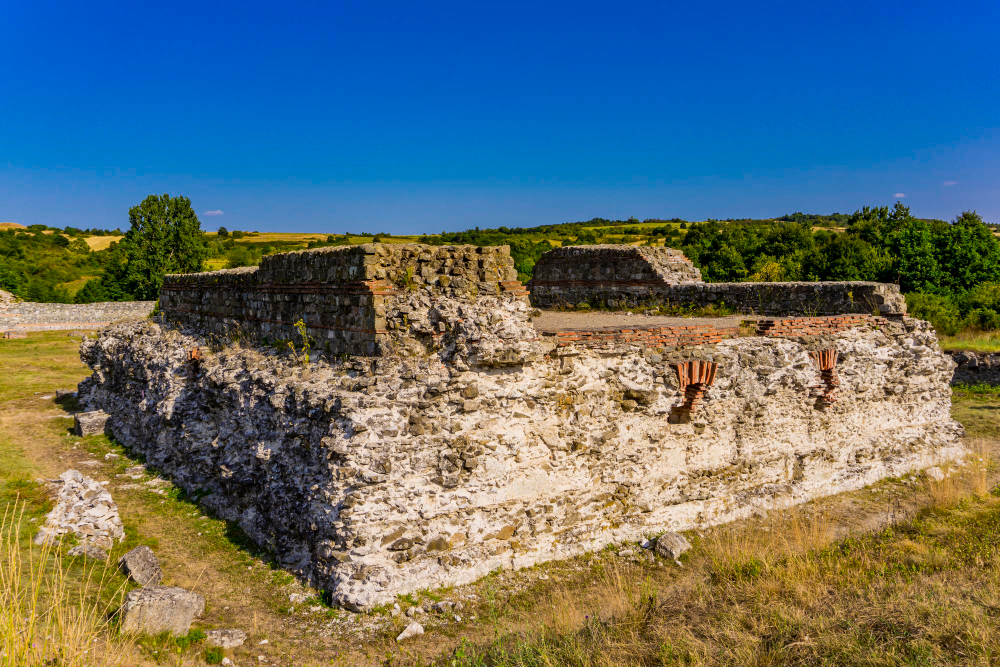
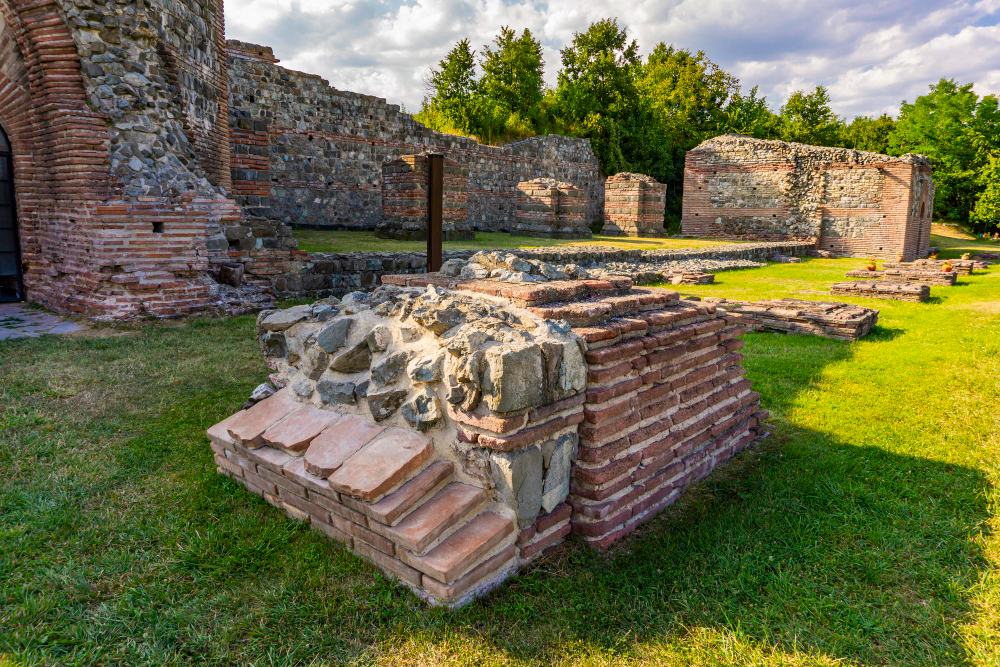
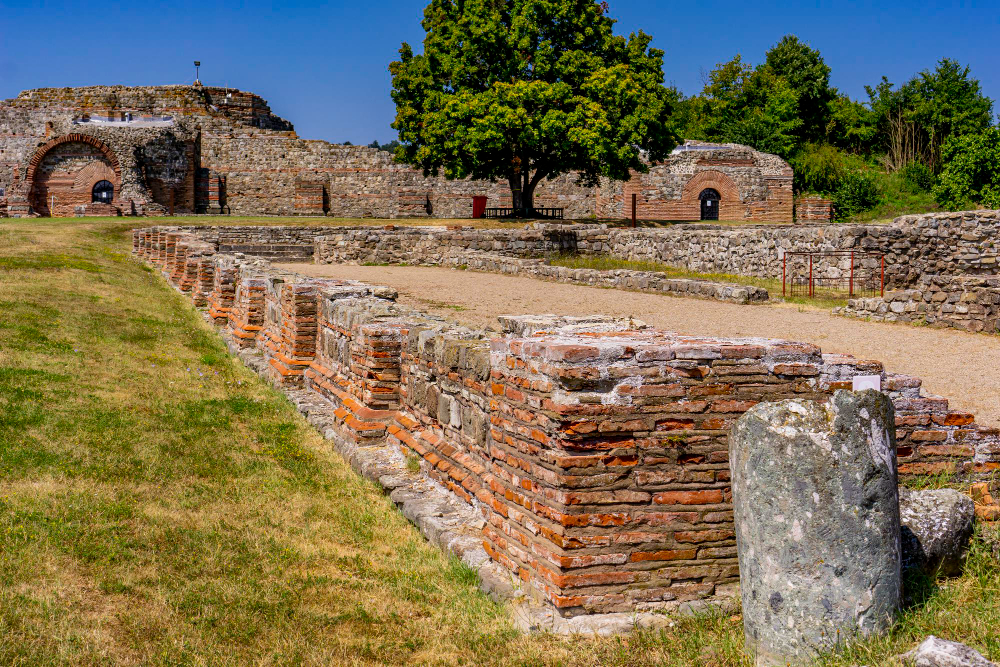
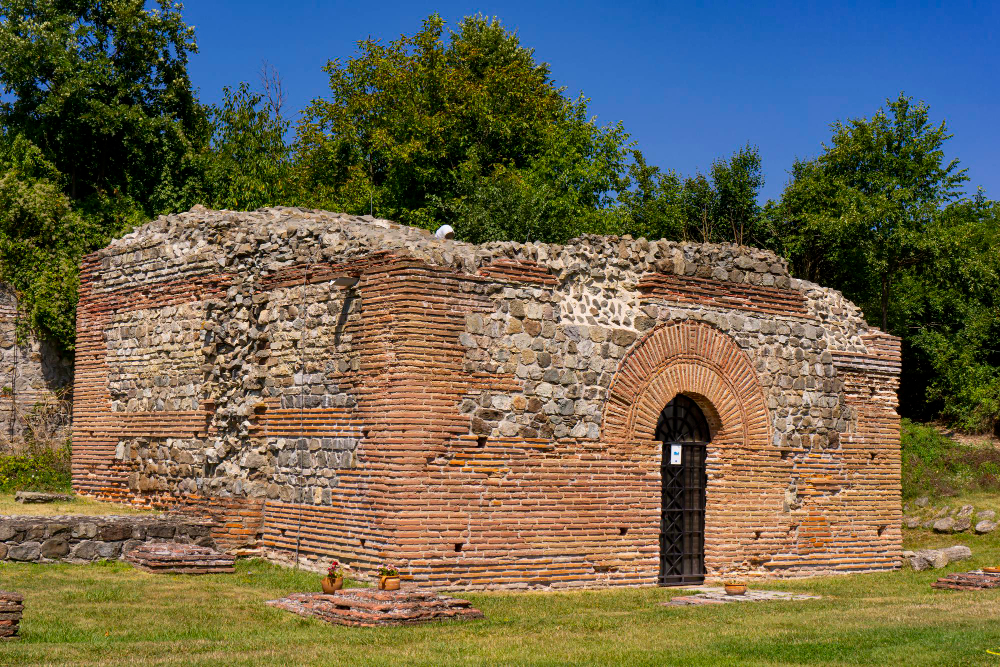
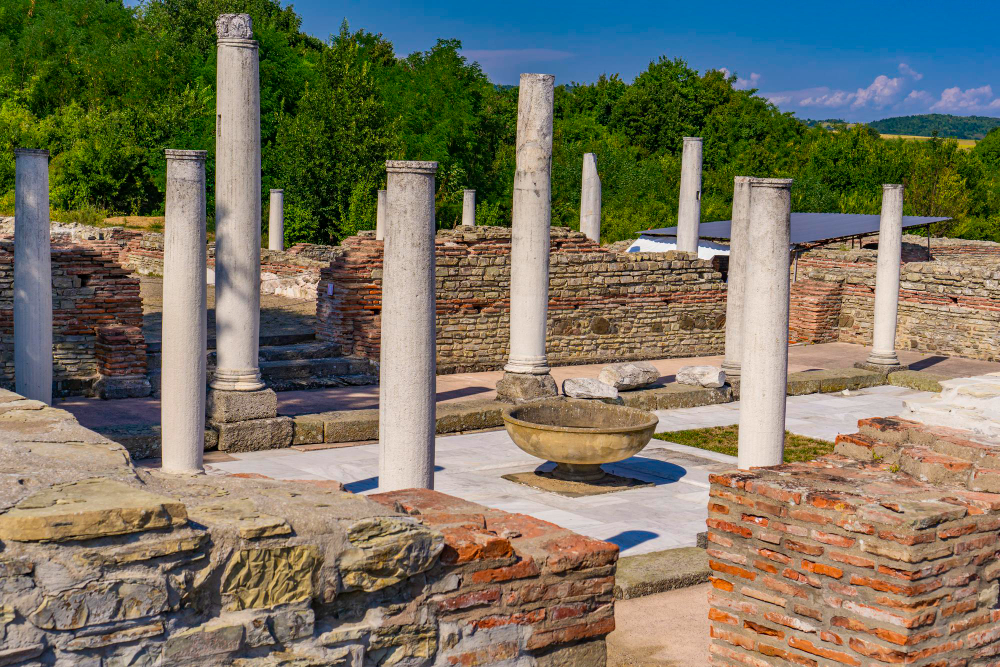
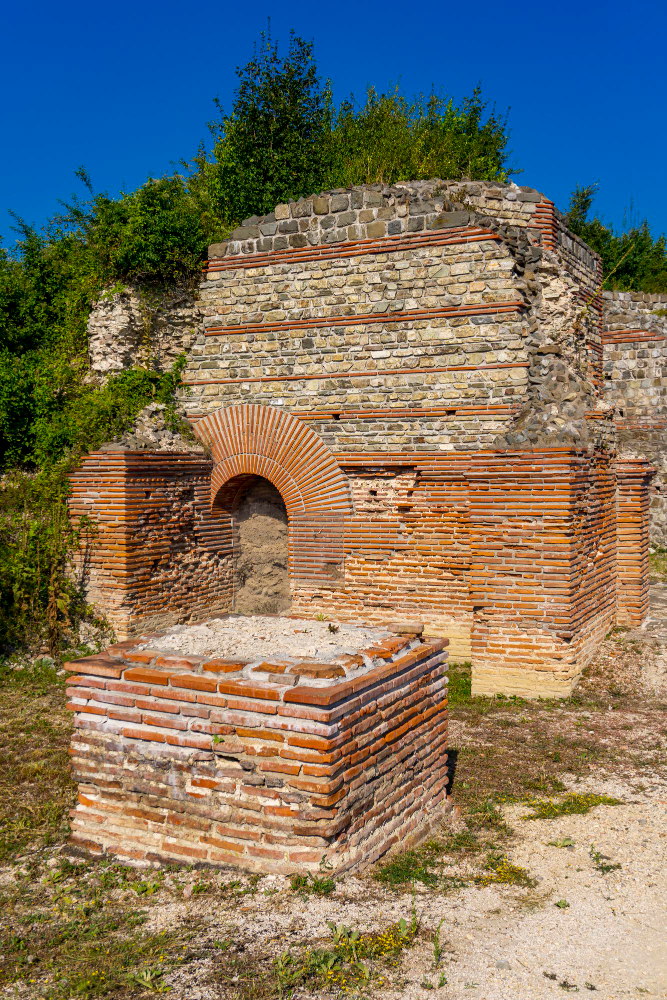
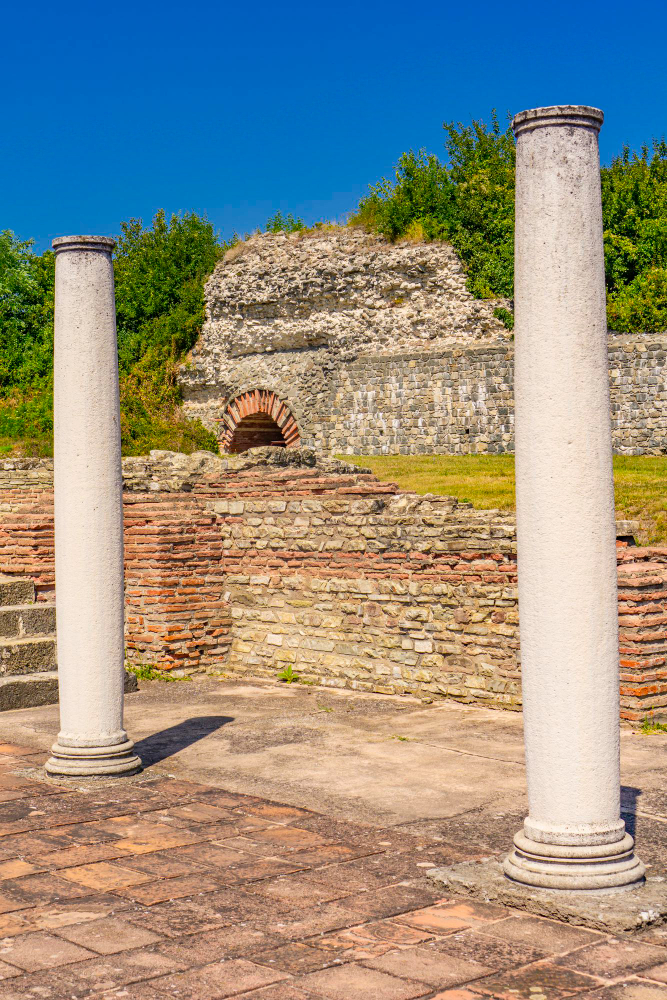
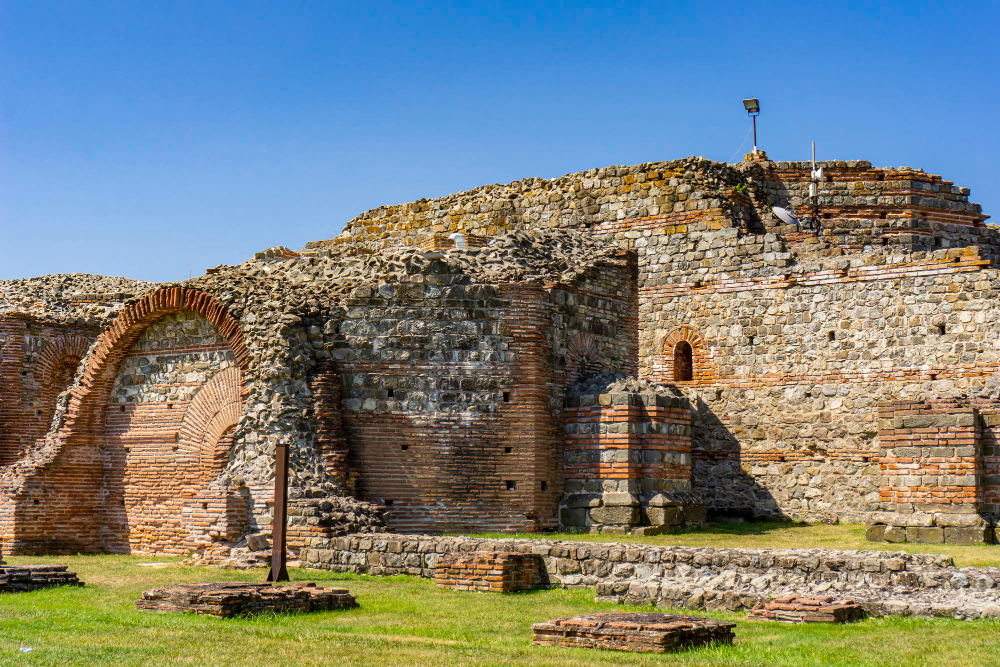
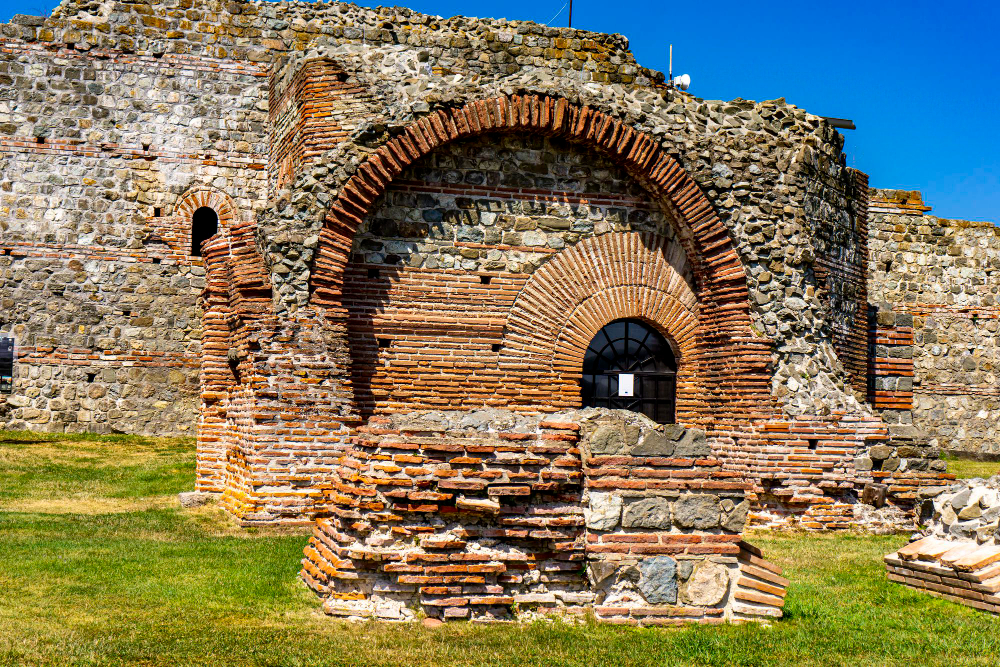
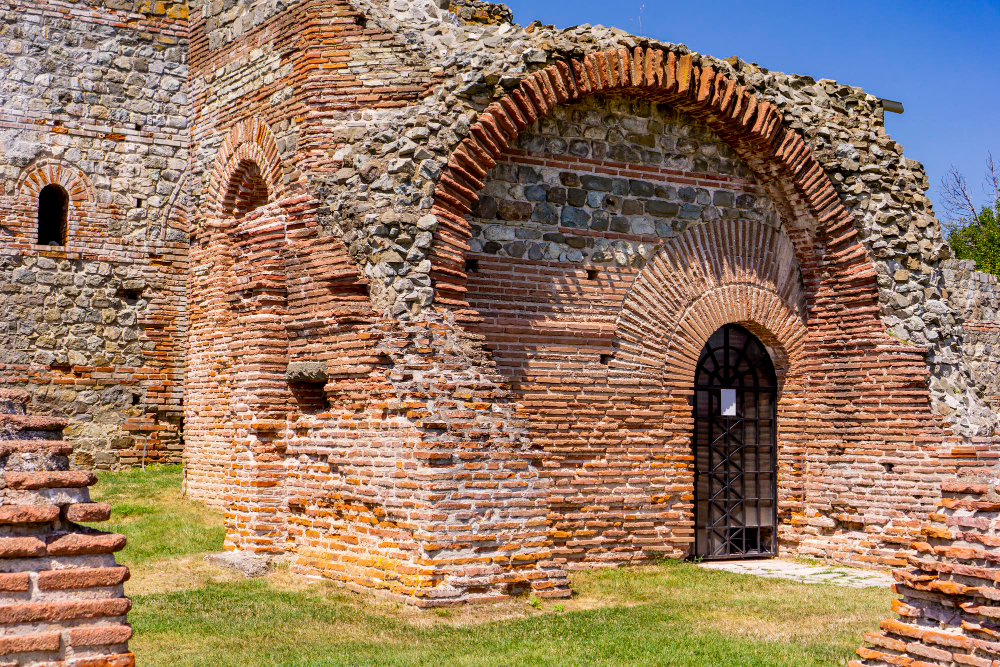
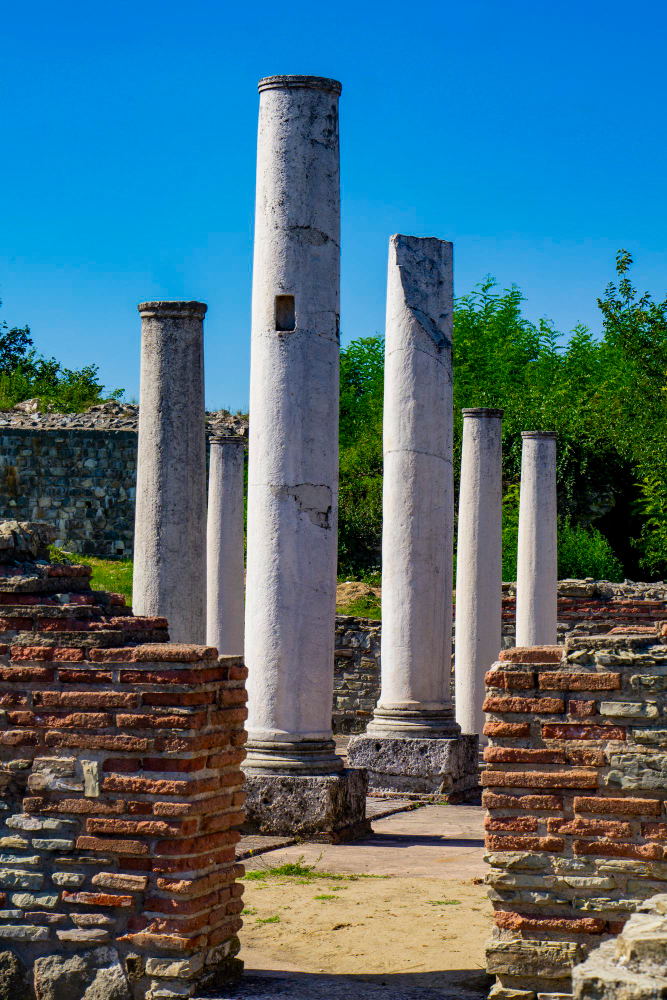
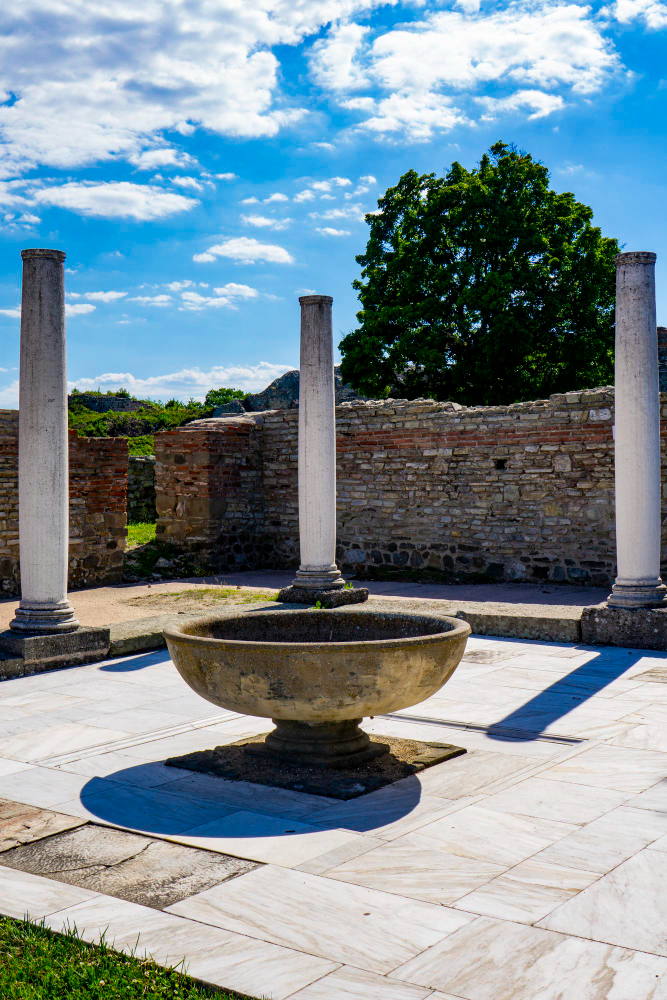
The eerie aura of the ruins – What makes Romuliana a ‘ghost town’? It is the peculiar atmosphere that captivates visitors the moment they step into the ruins. The mighty stone walls, some of which are still standing, seem like silent witnesses to a violent past. Every step on the site’s uneven ground seems to forge a connection with a time long past. Romuliana takes on a ghostly atmosphere, particularly in the evening hours. As the sun slowly sets and the shadows lengthen, the ruins seem to take on a life of their own. Many visitors report a feeling of unease, as if they were being watched. It is hard to say whether this is merely due to the quiet and secluded nature of the place or whether the sombre stories of the past subconsciously exert a psychological effect on people. A distinctive feature of the ruins is the remarkably well-preserved architecture. Parts of the palaces and some mosaics are still visible, and the intricate details reveal that Romuliana was once a place of extraordinary beauty. Yet these remains also seem eerie. The unique works of art appear like fragments of a better life that came to a tragic and abrupt end.
The dark legends surrounding Romuliana – Alongside the historical facts, there are, of course, many myths and legends surrounding the ghost town. Locals, in particular, report strange occurrences near the ruins. Some claim to hear faint voices at night or to see the silhouettes of figures amongst the ancient walls. Others recount being suddenly and for no apparent reason overcome by a strong feeling of grief or fear. Although such reports cannot be scientifically substantiated, they contribute to the eerie atmosphere that surrounds Romuliana. Historians suspect that these stories are linked to the brutal destruction and subsequent decay of the site. It is a collective memory of pain, death and loss that has been passed down through the generations. For where magnificent festivals were once celebrated, war and suffering later reigned. The walls of Romuliana bore witness to these tragedies – and perhaps, as some believe, a part of them remains forever linked to this place.
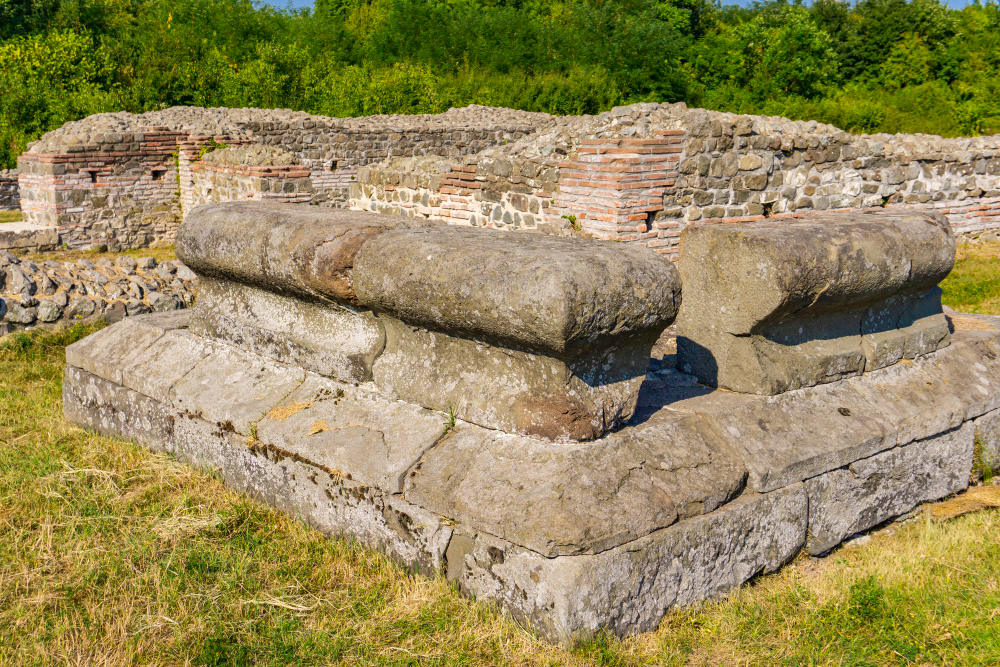
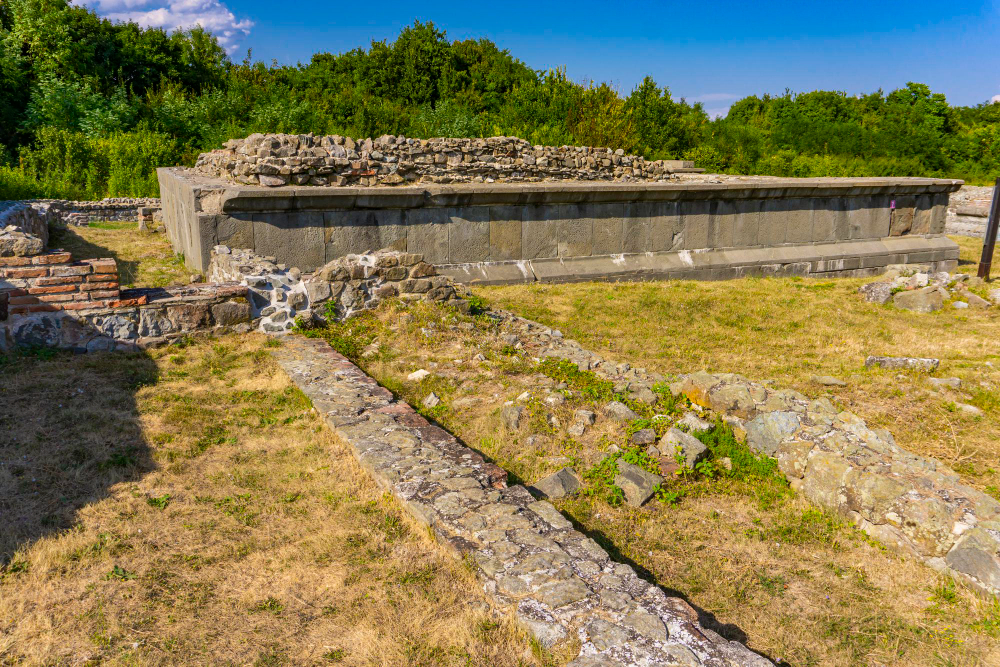
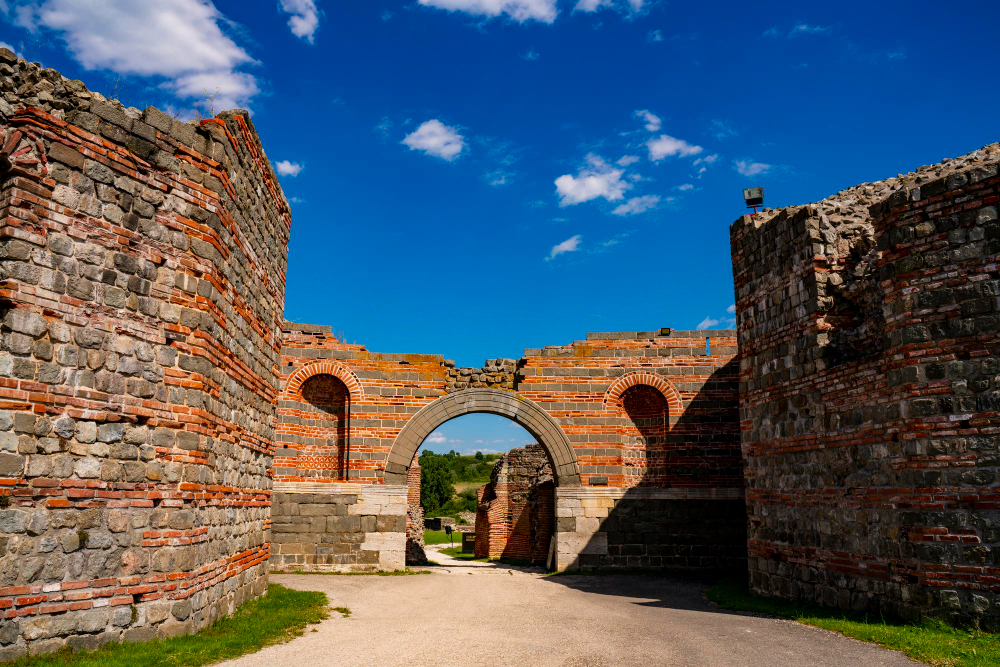
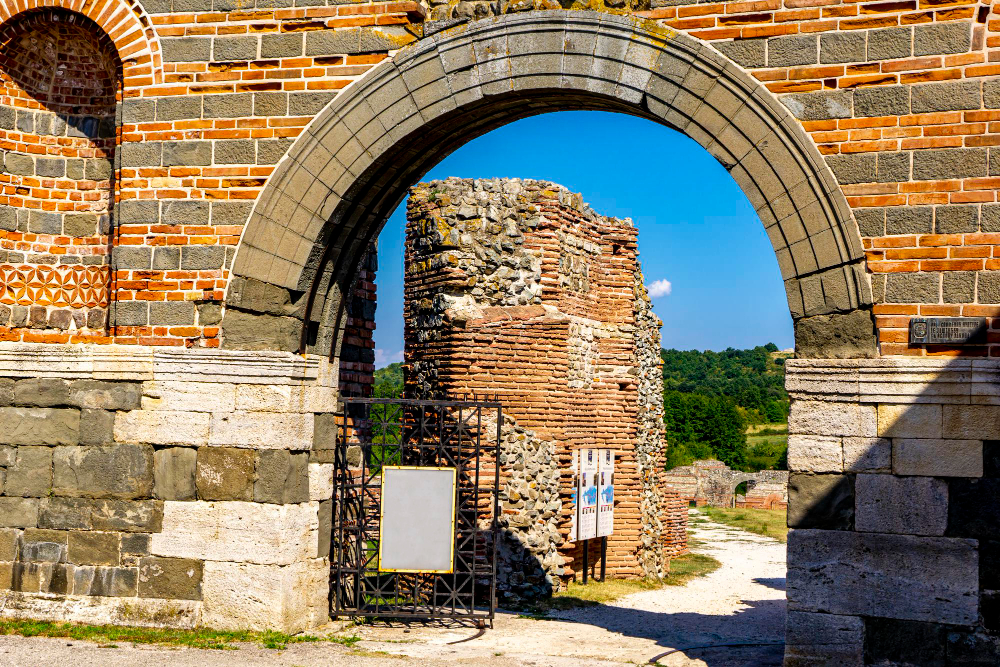
Archaeological Significance and UNESCO World Heritage Site – Apart from its eerie atmosphere, Romuliana is of immense archaeological significance. In 2007, the site was inscribed on the UNESCO World Heritage List, underscoring its historical and cultural importance. Archaeologists have unearthed numerous artefacts, including coins, pottery and mosaic fragments, which provide valuable insights into the life and culture of the Romans. The monuments of Romuliana are regarded as an outstanding example of late antique architecture. The combination of luxurious design and military functionality demonstrates just how important the complex was to Emperor Galerius. Particularly fascinating is the so-called Tetrapylon, a monumental gate believed to have once been part of imperial ceremonies. The remains of the temple complexes also provide clues as to the role religion played at Romuliana. Despite all these discoveries, the history of this ghost town remains incomplete. Many questions remain unanswered, and every year archaeologists hope to unravel new mysteries. Yet even if all the scientific puzzles are solved, Romuliana will not lose its mystical allure.
Visiting the ghost town: between fascination and eeriness – Today, Romuliana is a popular destination for tourists interested in both history and eerie experiences. The ruins attract photographers, historians and adventurers alike. However, one should be aware that the site is no ordinary tourist attraction. Its remoteness and the overwhelming silence can unsettle even the bravest of visitors. Many choose to explore the site on a guided tour to learn more about its history and discover the hidden details of the complex. Nevertheless, there are also those who seek a thrill and venture into the ruins alone at night. Although such visits are not officially recommended, numerous stories circulate about night-time excursions to Romuliana – further adding to the site’s mystical aura.
A place full of secrets – Romuliana is far more than a collection of ancient ruins; it is a place that brings the past to life whilst raising questions about the future. The blend of archaeological significance and eerie atmosphere makes this ghost town a unique destination for history buffs and fans of the supernatural alike. Whether you dismiss the eerie atmosphere as pure imagination or allow yourself to be captivated by the myths and legends is up to you. One thing is certain, however: Romuliana is a place that leaves no one unmoved. The ‘City of Ghosts’ embodies the transience of human achievements and reminds us that even the most magnificent structures can ultimately fall victim to the passage of time and the elements.