 Isabella Mueller Baroness of Stainton le Vale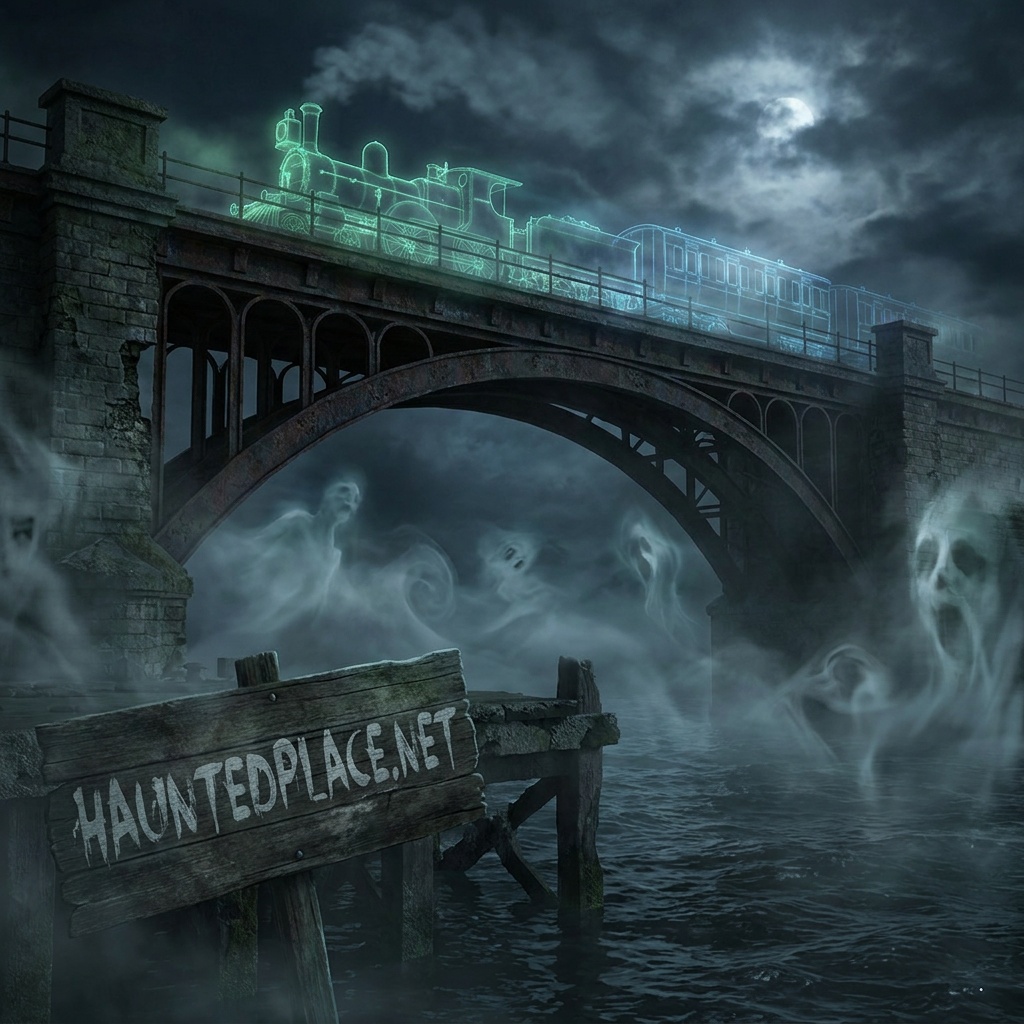
On 28 December 1879, one of the most tragic and mysterious disasters in Scottish history occurred – the collapse of the Tay Bridge near Dundee. This event was not only recorded as an engineering disaster, but quickly evolved into a dark legend full of ghost stories and grim forebodings. An ominous storm, the failure of human engineering and the fate of countless people intertwined to create an event that, to this day, evokes both horror and fascination.
The Construction of the Tay Bridge: Progress with Fatal Flaws – The Tay Bridge was hailed as an engineering masterpiece of its time. The engineer Thomas Bouch designed the world’s longest railway bridge to create a direct link across the wide Firth of Tay, thereby significantly shortening the journey between Edinburgh and Dundee. The bridge was a symbol of the Victorian belief in progress: bold, visionary – yet also prone to error. Opened in 1877, the Tay Bridge was an imposing structure comprising wrought-iron piers and a wooden deck. Right from the start, there were critical voices questioning its stability and design. However, cost and time constraints, as well as the prestige of the project, prevented any major reviews.
The fateful evening of 28 December 1879 – On the last day of December 1879, a violent storm swept across the region. Gusts of wind reaching speeds of up to 80 kilometres per hour lashed across the bridge. At 7.15 pm, a fully laden passenger train was on its way to Dundee when the central section of the bridge collapsed under the force of the elements. The entire train’s occupants, including around 75 passengers and several railway staff, plunged into the icy waters of the River Tay. Rescue efforts were virtually impossible, as the storm continued and hampered access to the scene of the disaster. The following morning presented a scene of horror: debris, scattered carriages and bodies were floating on the water. The majority of the victims were never recovered.
The technical causes: human error and the forces of nature – A thorough investigation by a parliamentary committee concluded that the bridge was structurally deficient. The structure had critical weaknesses: the supporting piers were inadequately anchored, and the joints between the iron components were not robust enough. The combination of poor construction and the extreme storm led to the catastrophic destruction. The incident had a lasting impact on the engineering world. New safety standards were introduced, the significance of wind loads in bridge construction was recognised, and testing procedures were tightened. Yet the immense tragedy remained unforgotten.
The eerie legacy: hauntings and ghost trains on the Tay Bridge – Since that fateful night, numerous legends have grown up around the Tay Bridge. Locals and travellers repeatedly report eerie apparitions: on the anniversary of the disaster, a ghostly train is said to cross the river in the darkness, accompanied by mournful cries and the screeching of steel. Eyewitnesses speak of wafts of mist that suddenly thicken, revealing ghostly silhouettes of passenger carriages or people struggling. One particularly well-known account comes from a railway worker in the 1930s, who recounted a night shift on the new Tay Bridge. He reportedly saw a train with no lights travelling directly across the river before vanishing into thin air. Others speak of a cold draught and inexplicable noises near the ruins of the old bridge piers.
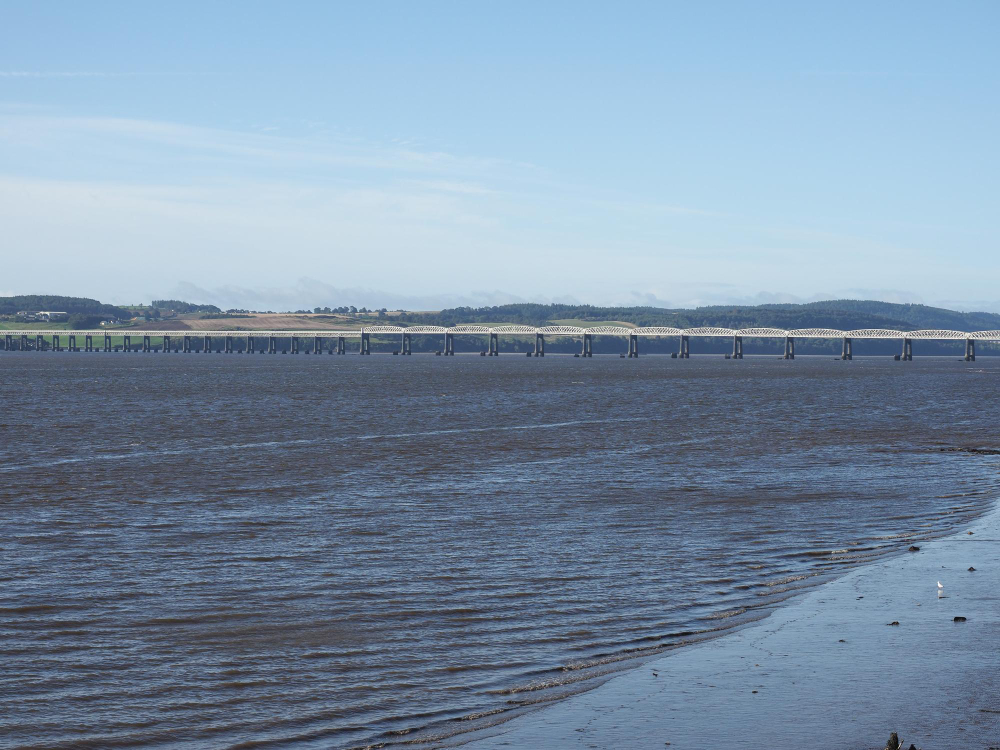
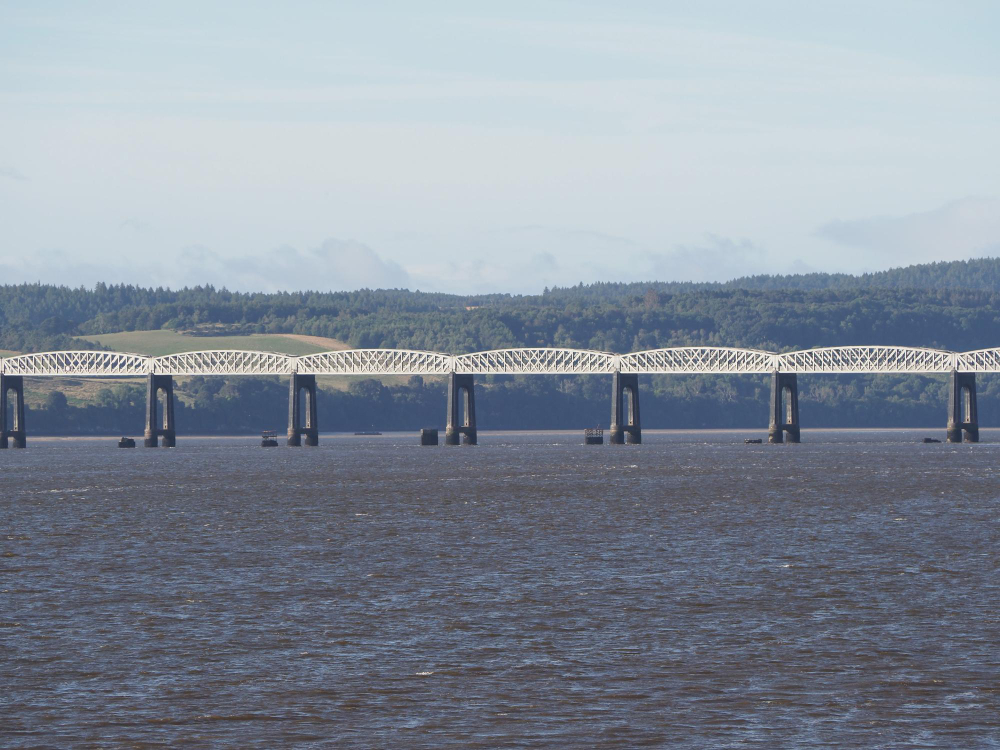
The remains of the old Tay Bridge: a memorial and a scene of the uncanny – Today, parts of the original piers of the Tay Bridge are still visible, just a few metres from the modern bridge. They stand as a tangible reminder of the disaster and are often a destination for photographers, historians and, indeed, enthusiasts of the paranormal. On dark winter nights, when mist hangs over the water and the wind howls, these remains seem like the final whisper of a long-gone nightmare. Many walkers report a sombre atmosphere and a feeling of being watched.
A scientific perspective on the ghost stories – Sceptics attribute the supposed ghostly apparitions to natural explanations: fog, refractions of light over the water, reflections of the city lights, and the human brain seeking to recognise patterns in gloomy surroundings. Flickering lights from passing ships or other trains could also be the cause of these illusions. Nevertheless, the fact remains that the disaster at the Tay Bridge has left a lasting mark on people’s minds. It is an example of how historical tragedies can shape places and give rise to myths – particularly when they are associated with widespread suffering and death.
The Tay Bridge in the cultural memory: literature and media – The drama surrounding the Tay Bridge has not only inspired ghost stories; it has also found its way into literature and film. Writers and filmmakers draw on the eerie atmosphere to tell stories of loss, guilt and the forces of nature. Scottish folk tales often speak of restless souls and lost souls whose final journey never ended. These narratives blend facts with the emotional impact of the event and provide a platform for collective mourning and remembrance.
Between engineering, tragedy and haunting – the legacy of the Tay Bridge – The collapse of the Tay Bridge is more than just a 19th-century engineering disaster. It symbolises the limits of human control over the forces of nature, the dangers of negligence, and the enduring power of memories and legends. Anyone crossing the River Tay today and gazing at its smooth surface can scarcely imagine the horrors that once unfolded here. Yet those who look and listen closely may sense the faint echo of that fateful evening – a whisper from the past that brings horror stories to life.