 Isabella Mueller Baroness of Stainton le Vale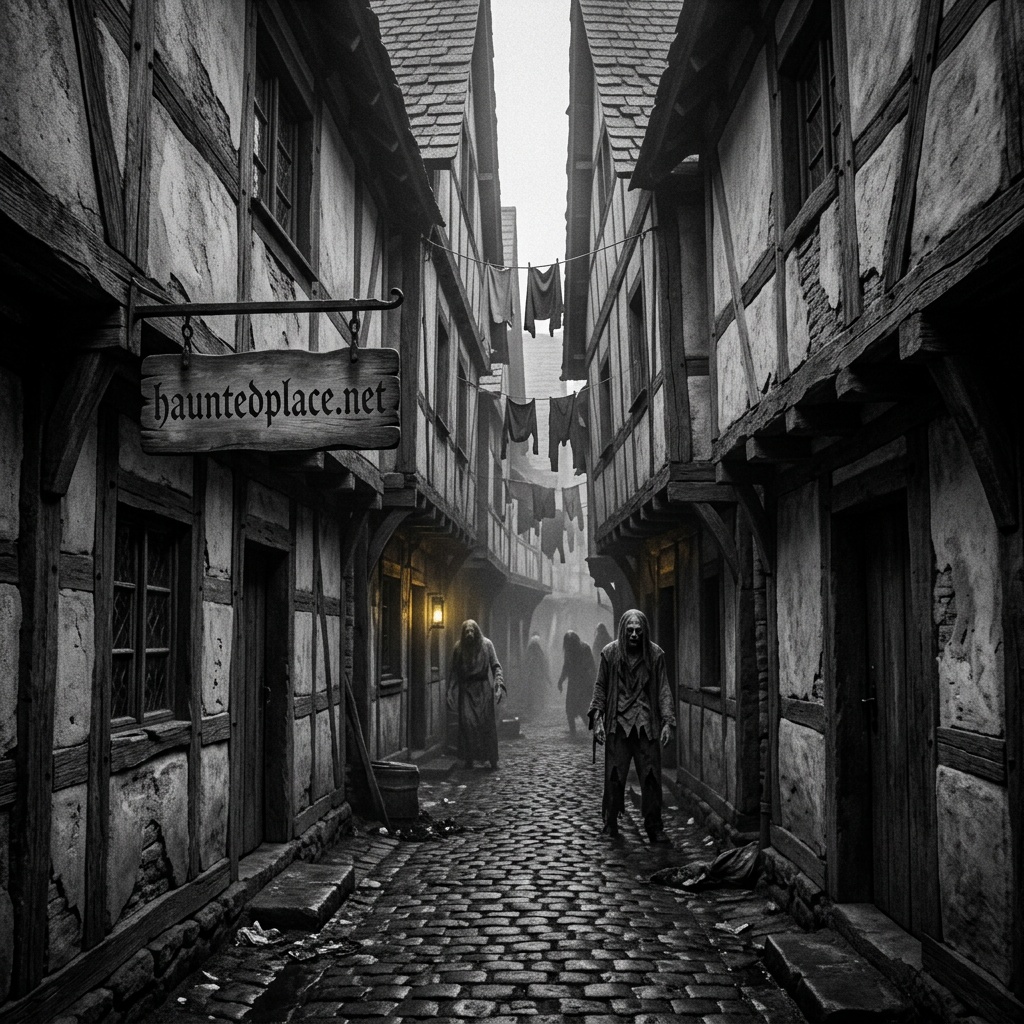
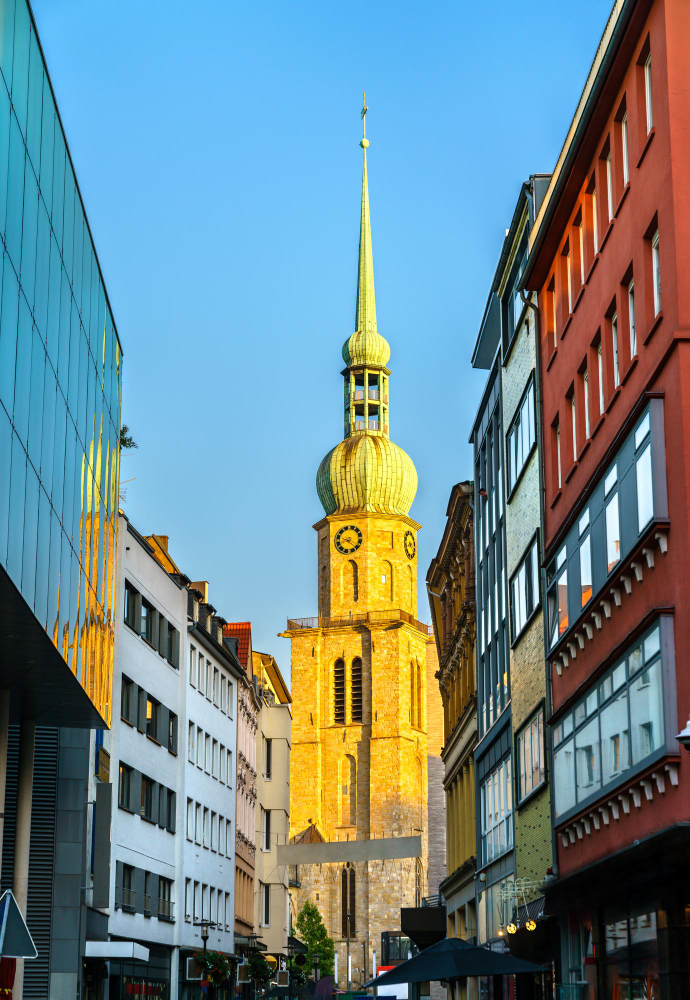
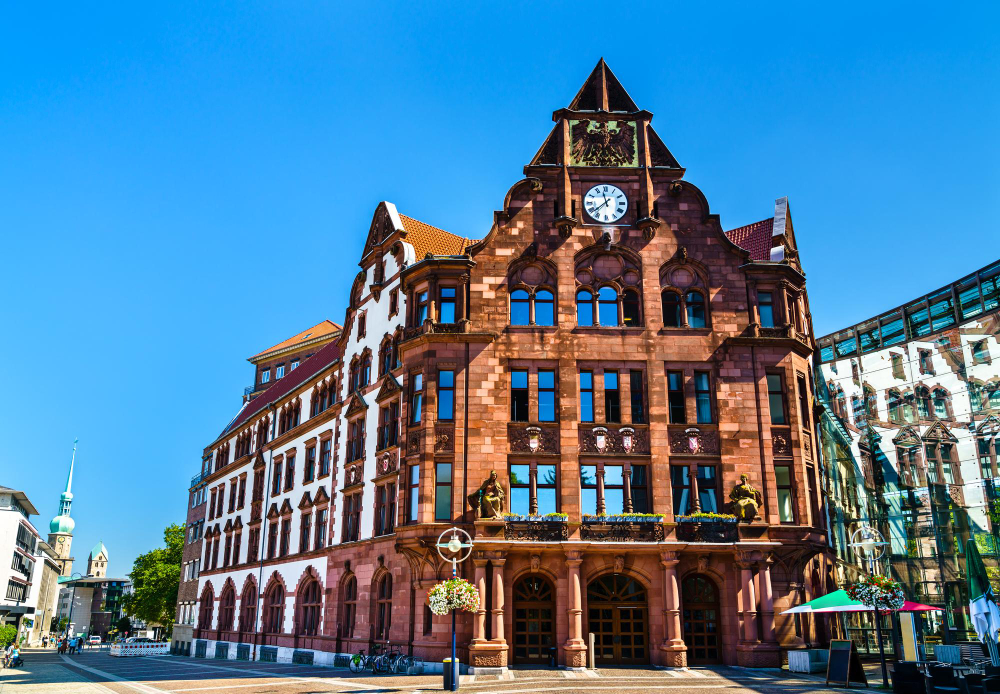
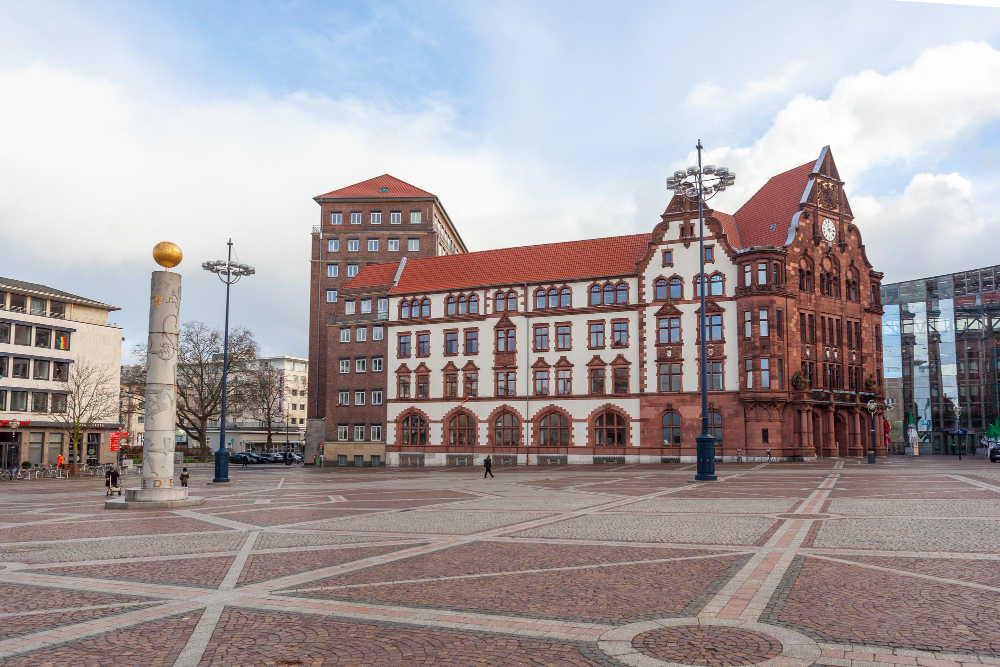
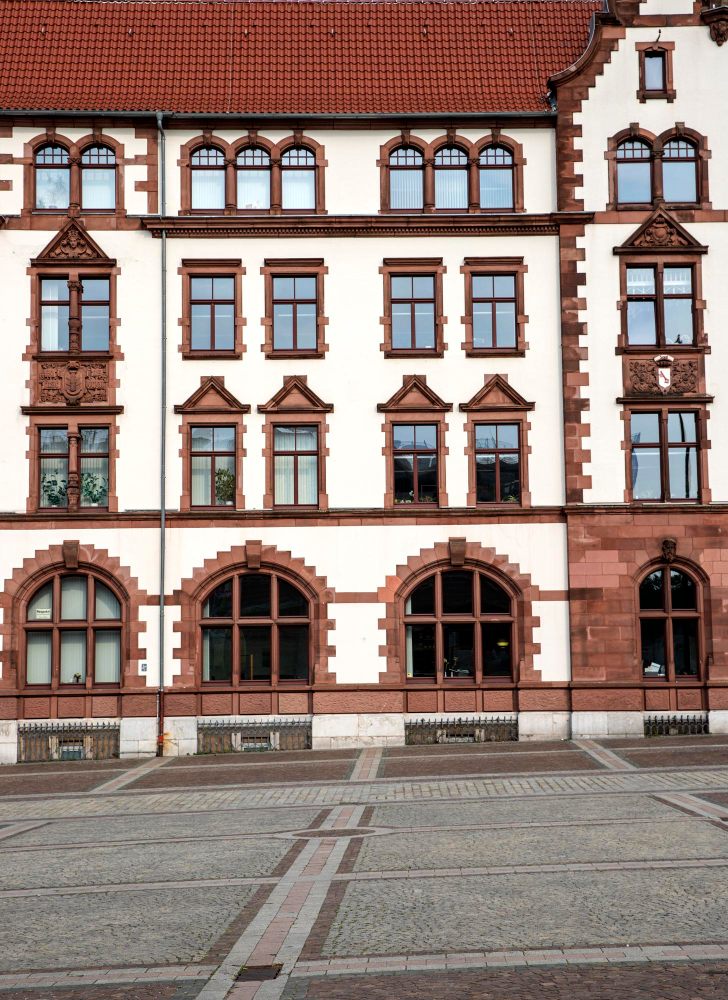
The ancient Hanseatic city of Dortmund, renowned for its rich history and vibrant culture, harbours a dark side that is far less well known. Beneath the historic façades and bustling streets wind narrow alleyways that have for centuries harboured tales of demons, undead revenants and eerie occurrences. These legends stem from medieval horror tales that not only shape the city’s collective memory but are deeply rooted in its cultural heritage. A search for clues through Dortmund’s dark corners reveals more than mere superstition – it lays bare the brutal reality of an era in which fear and faith governed everyday life.
The origins of Dortmund’s demon legends – Dortmund’s dark tales of demons and ghosts have their roots primarily in the Middle Ages. During this era, the city was a major trading centre within the Hanseatic League, yet at the same time it was plagued by disease, poverty and superstition. Historical sources such as church chronicles and municipal records bear witness to a time when people sought to explain inexplicable phenomena as the work of dark forces. Noises in the narrow alleys, sudden deaths or mysterious illnesses were frequently attributed to demonic intervention. The so-called Plague era in the 14th century greatly intensified these beliefs. Whilst the Black Death ravaged Europe, people often sought protection from the invisible plague through prayer, rituals honouring the dead or even exorcisms. Numerous reports confirm that demons were blamed for the plague, which in turn led to witch hunts and cruel punishments. Dortmund was no exception: historical accounts speak of processions during which entire neighbourhoods were cordoned off by clergy to prevent ‘demonic contagion’.
The narrow alleyways as places of terror – Dortmund’s medieval townscape, with its narrow, winding alleyways, contributed significantly to the gloomy atmosphere. These narrow passageways – some barely two metres wide – were not only havens for shady characters, but also created ideal conditions for rumours and fears to take root. The lack of daylight, the proximity to latrines and rubbish, and the often unpleasant smell reinforced the sense of eeriness. Particularly well-known is the so-called ‘Finstere Gasse’ (historically documented, now known by a different name), situated between the Old Town and the former commercial district, which is the subject of numerous tales of demonic apparitions. Eyewitness accounts dating from the 16th century speak of ghostly voices, shadows appearing out of nowhere and cold draughts that sent shivers down the spines of passers-by. In the literature of that period, the alley is described as a place where ‘evil dwells’ and ‘no light can dispel the darkness’.
Undead Revenants – Between Myth and History – Alongside demons, revenants – so-called ‘undead’ figures – also play an important role in Dortmund’s repertoire of horror. Belief in such beings is widespread in many cultures, but in Dortmund and the surrounding area it took on special significance due to specific historical events. The numerous wars, epidemics and famines left countless dead, whose fate often remained unclear. This gave rise to legends about corpses that rose from the dead at night to seek peace or exact revenge. Historical court documents from the 17th century report cases in which people claimed to have seen revenants appearing outside their homes. To protect themselves from these, the inhabitants employed various strategies – ranging from amulets and blessed herbs to keeping watch at night. The churches also played a central role in warding off revenants; rituals were intended to prevent the deceased from returning as restless spirits.
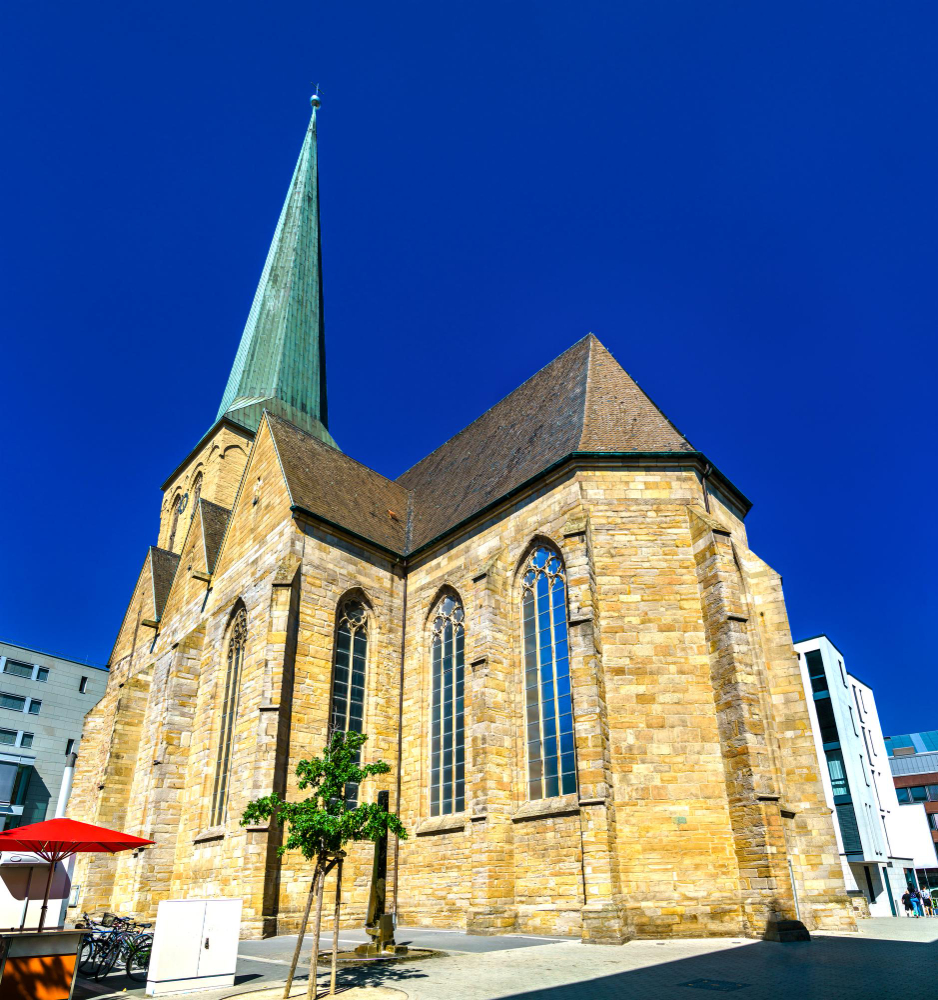
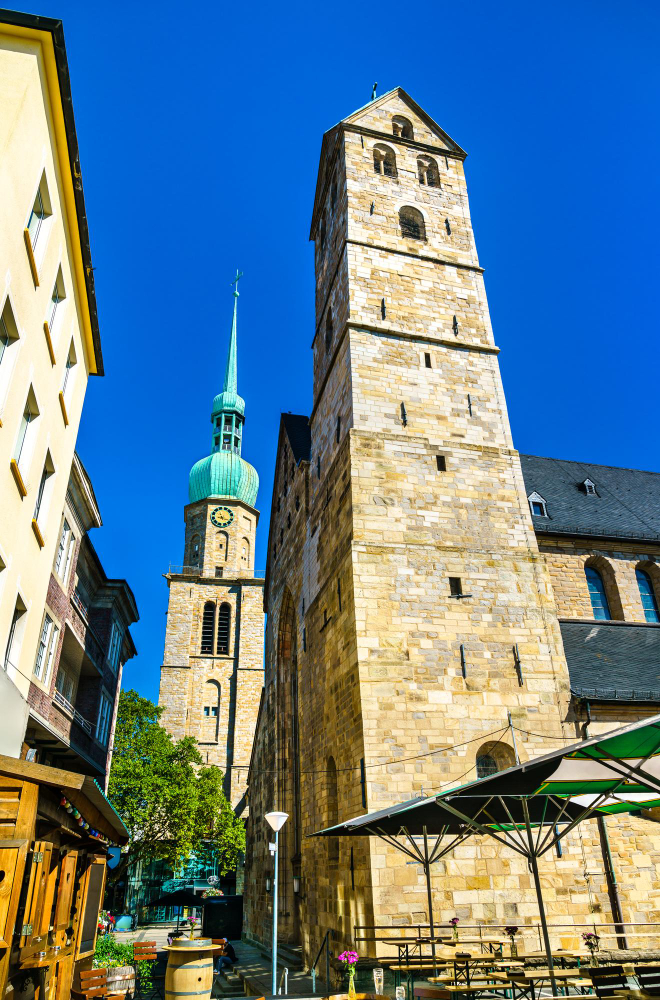
The Role of the Church and Superstition – The Catholic Church in medieval Dortmund was not only a spiritual centre but also the guardian of social order. It promoted both belief in the supernatural and the fight against demonic forces. Exorcisms were part of everyday life, and many sermons were directed against supposed witchcraft and demon worship. At the same time, ecclesiastical records offer valuable insights into the fears of the time. Numerous sources, such as the 15th-century minutes of the Bishop of Dortmund, document complaints from citizens about inexplicable phenomena in their neighbourhoods. These reports show just how firmly rooted the belief in the workings of dark forces was. Even today, old churches still contain paintings depicting the punishment of demons or the torments of hell – testimonies to a time when the struggle between good and evil was perceived as real.
Modern perspectives on the demon legends – Contemporary researchers regard Dortmund’s demon stories as a valuable cultural heritage that reveals much about people’s relationship with the strange and the unknown. Scholars from the fields of history, ethnology and psychology analyse these traditions as expressions of collective fears and coping strategies in times of great uncertainty.
Dortmund’s narrow alleyways and medieval tales of demons and revenants are more than mere horror stories. They reflect the desperate attempts of past generations to understand and control the unknown. Historical sources confirm that the fear of dark forces was deeply ingrained in people’s everyday lives and had a decisive influence on their behaviour. Today, these stories offer a fascinating insight into the city’s history – a blend of myth and reality that continues to resonate to this day. Anyone who ventures along Dortmund’s gloomy paths will thus discover not only the intense atmosphere of medieval drama, but also a vivid slice of human existence, shaped by fear, hope and the eternal search for light in the darkness of history.