 Isabella Mueller Baroness of Stainton le Vale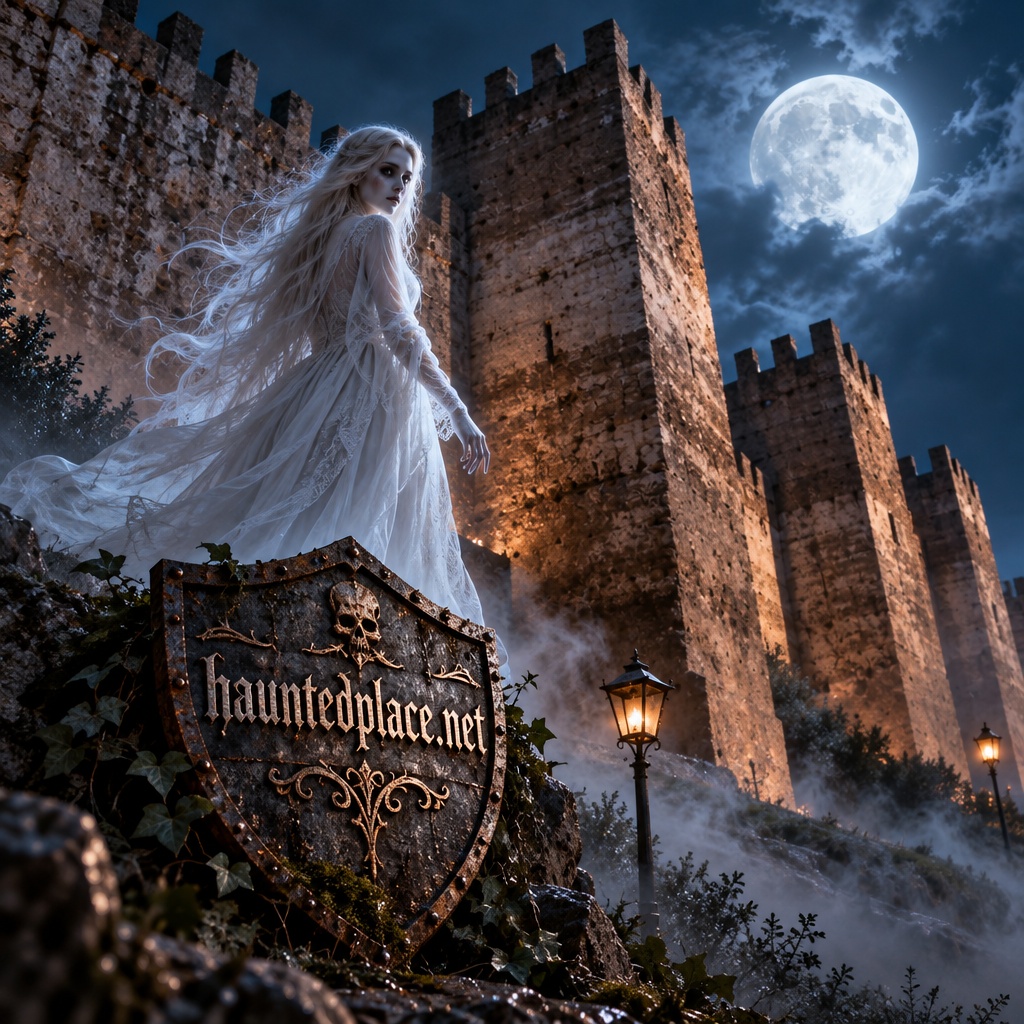
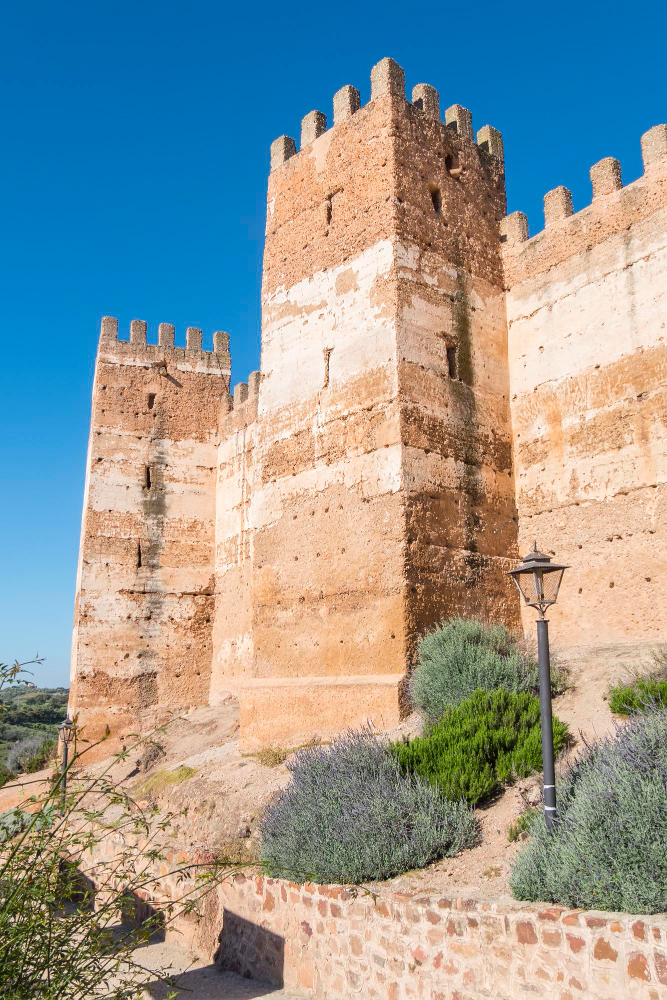
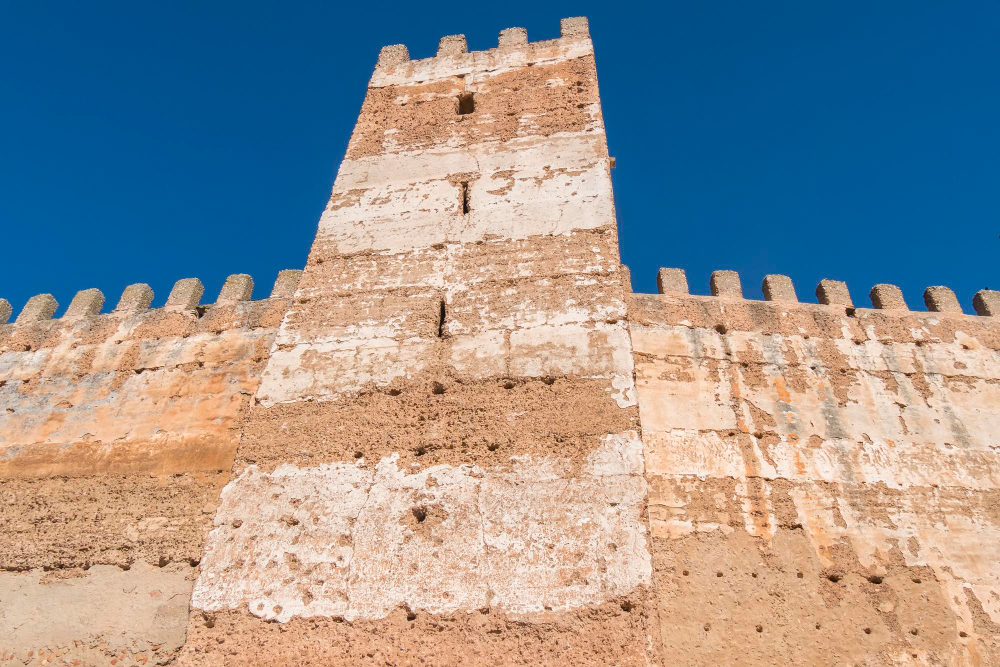
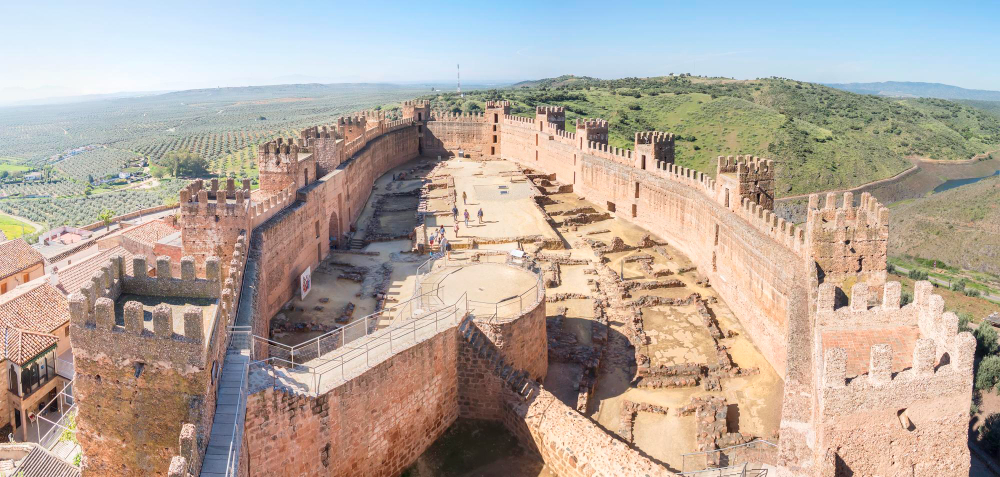
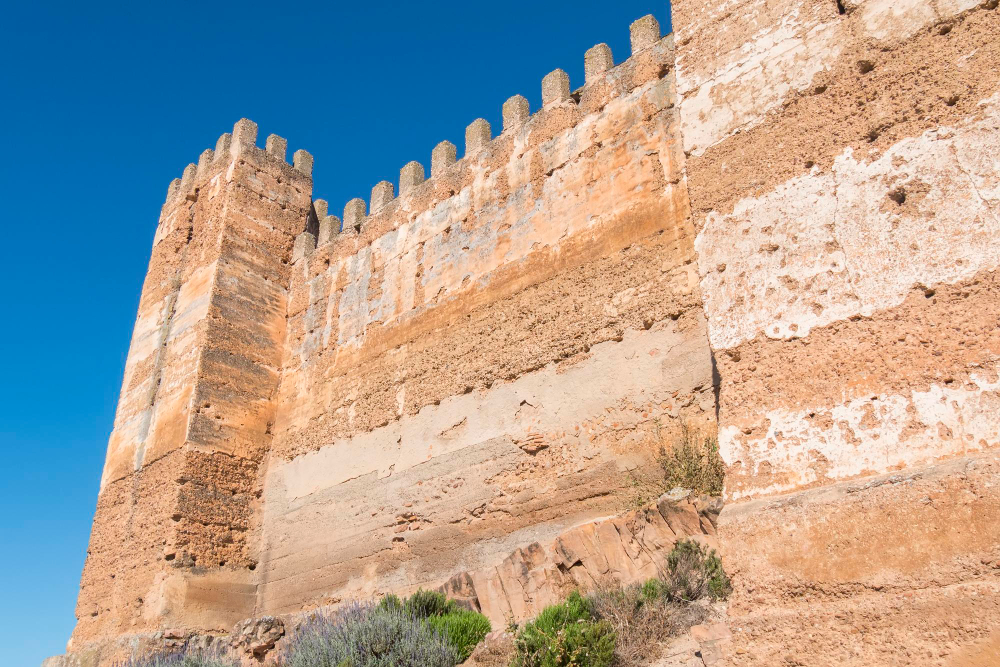
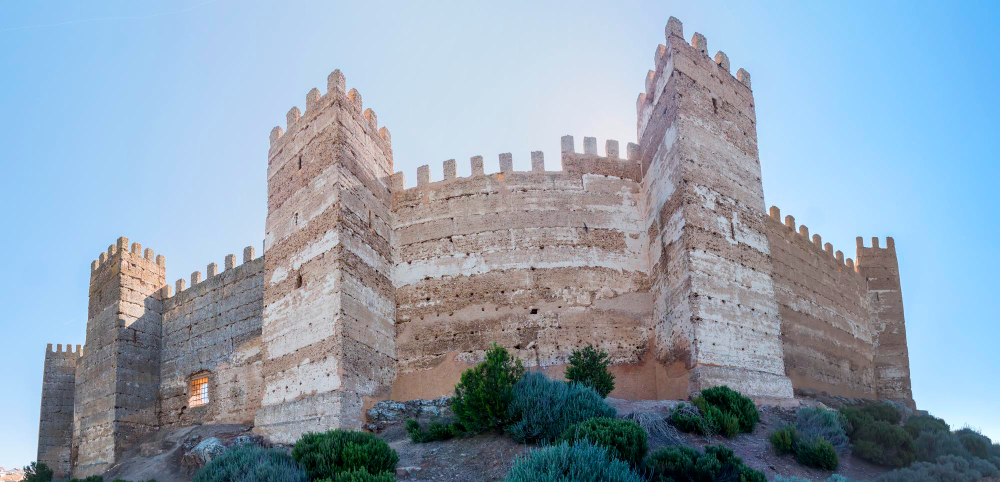
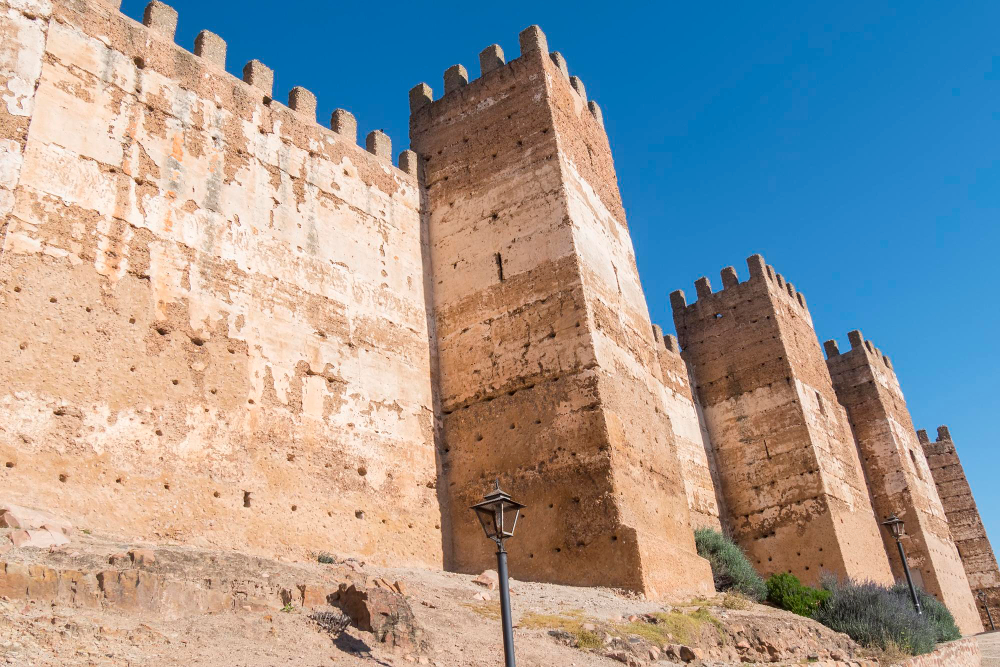
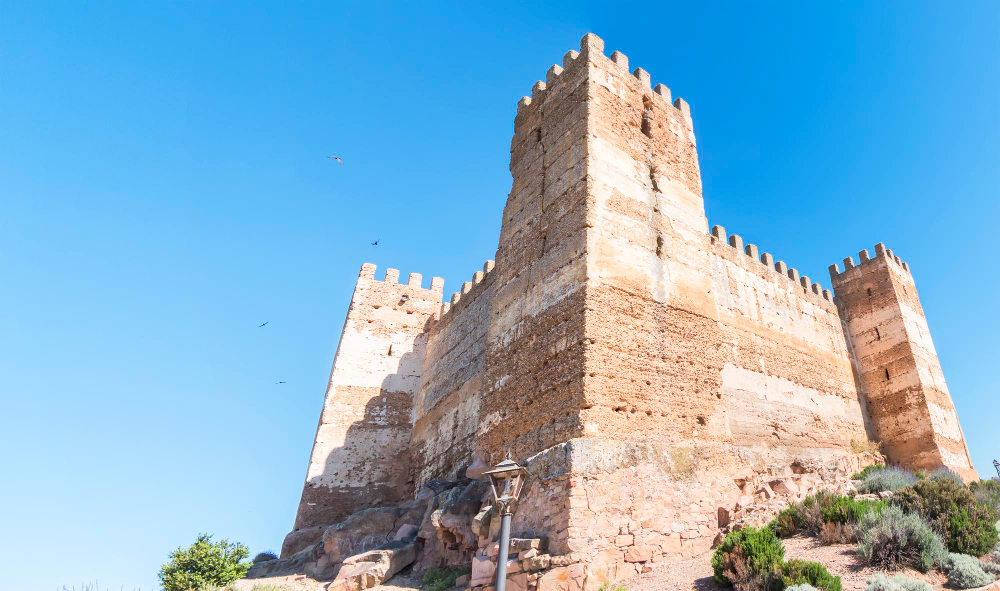
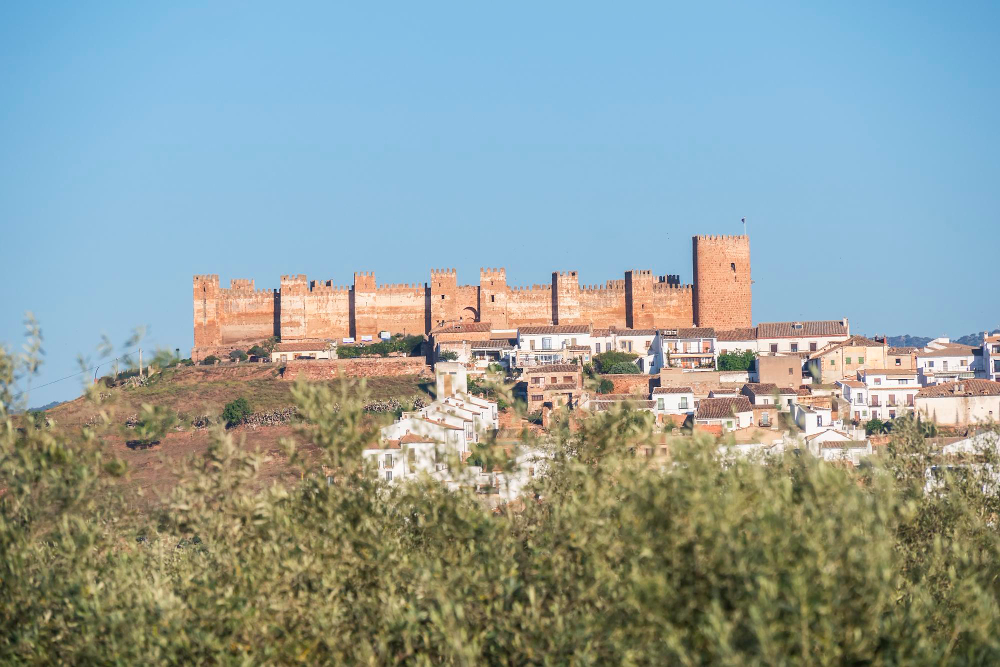
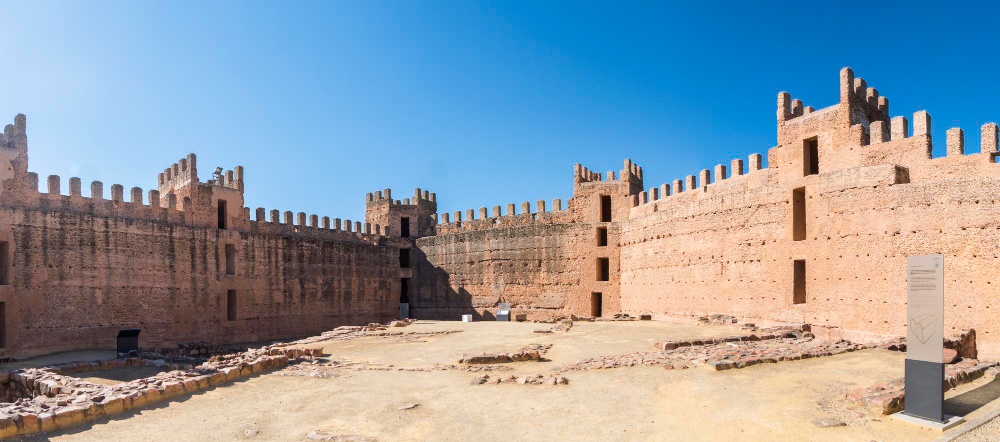
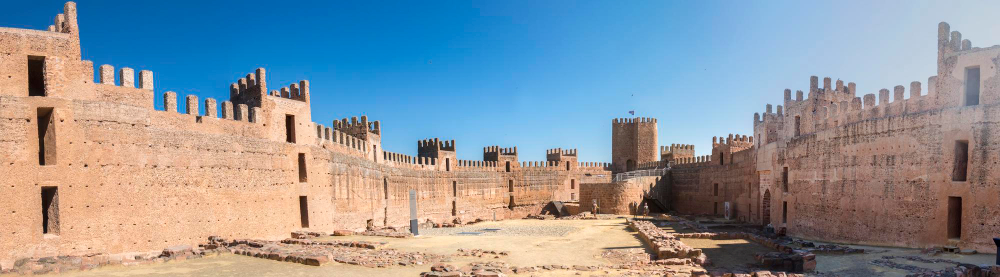
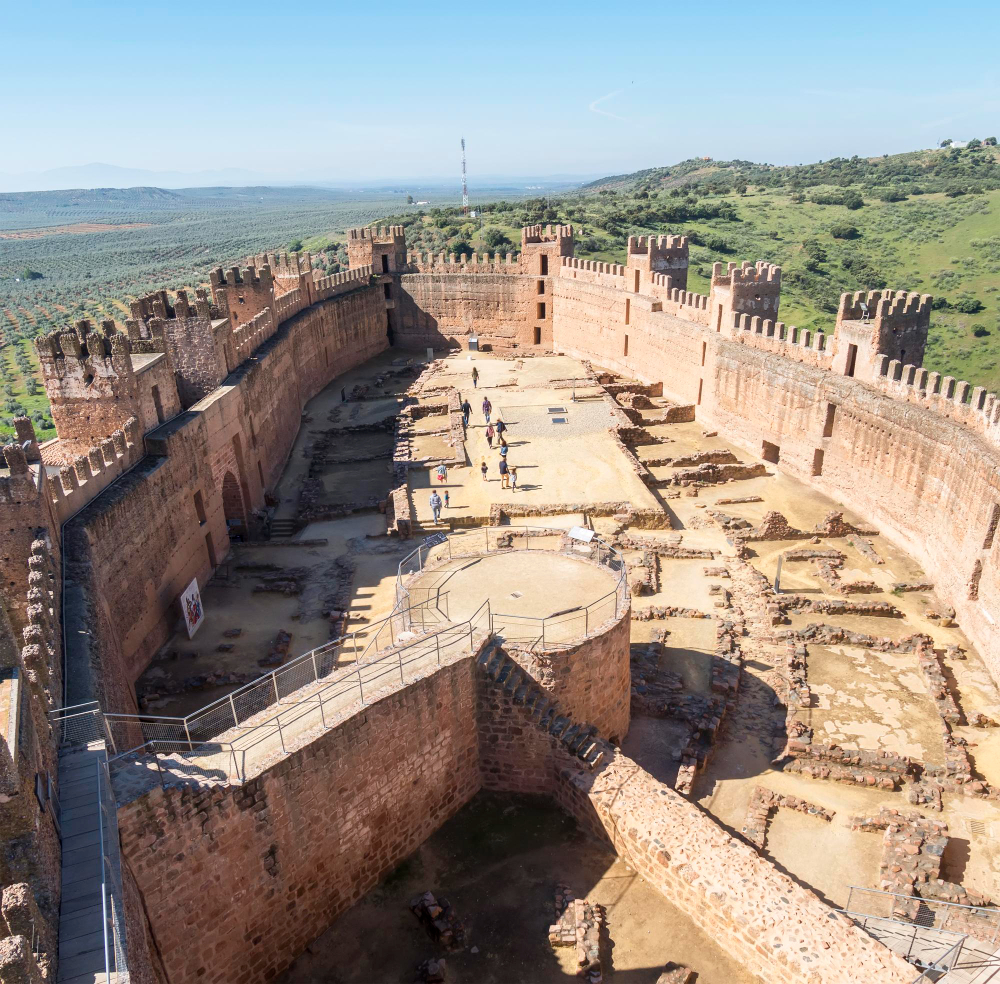
In the heart of Andalusia, in the province of Jaén, stands the majestic Castillo de Burgalimar, also known as the Castillo de Baños de la Encina. This Moorish fortress is not only an impressive architectural legacy from the 10th century, but is also considered the oldest castle open to the public in Spain. Its stone walls harbour tales of kings and wars, yet just as deeply rooted is the legendary ghost story of ‘La Encantada’ – the Enchanted One – which to this day fills the nights around the castle with a shiver.
A fortress steeped in history – The Castillo de Burgalimar was built in 967 AD under the rule of the Caliphs of Córdoba to secure the border between the Islamic and Christian worlds. The complex was of strategic importance, was extended several times and served as a base for various rulers – the so-called ‘Fortress of the Seven Kings’. Over the centuries, the castle changed hands several times before gradually losing its military significance and eventually being declared a Spanish cultural heritage site. Today, thanks to its well-preserved architecture and historical significance, the castle ranks among the most important monuments in Andalusia.
The Legend of La Encantada – The Enchanted One – Yet whilst the castle’s history is well documented in many respects, it is the tales from the realm of the supernatural that have come down to us most of all. Folklore tells of ‘La Encantada’, a mysterious white lady who walks along the castle’s battlements on nights when the moon is full. This apparition is said to be more than just a ghost story; it is deeply rooted in local culture – a legend passed down from generation to generation. The White Lady is said to be an eerily beautiful figure, clad in flowing white robes that almost seem to glow in the moonlight. Her voice is described as sweet yet otherworldly, a song that both enchants and terrifies. It is said that she suddenly emerges from the undergrowth at the foot of the castle or along the stone walls, as if guarding her lost homeland.
The resounding slap – an encounter on a full-moon night – A particularly vivid episode in the folklore tells of a courageous villager who suddenly found herself face to face with the White Lady on a full-moon night. The woman, it is said, may have wanted to unmask the apparition or stand up to her – but this proved to be her undoing. The ‘Enchanted One’ delivered a resounding slap that not only caused physical pain but also served as a warning. To this day, this event is seen as a symbol for those who attempt to challenge the supernatural or unravel the mysteries of the Castillo de Burgalimar.
The Omen of the Spring – The Water Jug and Illness – Another aspect of the legend links the white figure to a nearby spring, which historically played a significant role in supplying water to the castle and the village of Baños de la Encina. It is said that anyone who sees the lady in her shadowy form at the spring without her characteristic water jug, or who encounters her, will soon fall seriously ill. This motif corresponds to classic themes in folklore, in which water is regarded as the medium of life and, at the same time, as a threshold between life and death.The spring itself possesses a mysterious aura and was often regarded as a sacred place in earlier centuries. The connection between the spring, the White Lady and illness manifests itself as a warning omen, symbolising the balance between humankind and nature, between life and death.
Truth and myth interwoven in the shadow of the castle walls – The legend of the Enchanted Lady at the Castillo de Burgalimar is not a fairy tale born of imagination, but a part of Andalusian cultural history rooted in centuries of oral tradition. The castle’s real history as a frontier fortress between cultures forms the backdrop for the emergence of legends in which human fears, hopes and the unknown take shape.Such stories are an expression of a collective consciousness; they pass on mysteries and secrets that are not found in history books but live on in people’s hearts. Whether the White Lady is a real apparition or merely a projection of our fear of the uncanny remains open to question. Yet one thing is certain: the Castillo de Burgalimar harbours more than just stones – it preserves the voices of the past, which seem to whisper to us on quiet nights.