 Isabella Mueller Baroness of Stainton le Vale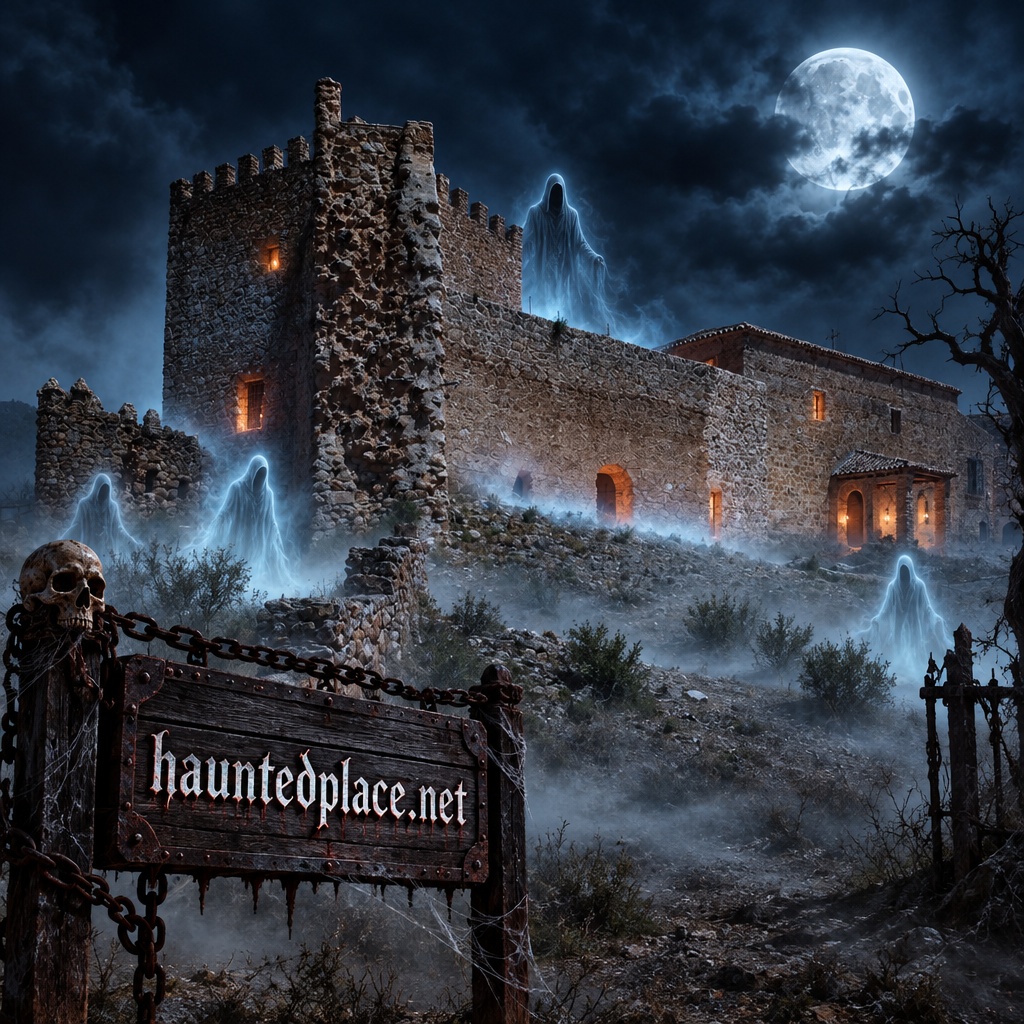
In the dark depths of Spanish history lies a legend that has captivated historians, treasure hunters and horror enthusiasts alike for centuries: the mysterious ‘Crystal Palace Full of Stars’. Hidden beneath the solid walls of a former Knights Hospitaller fortress, mysterious tales abound of a treasure of immeasurable value, which is said to have been personally confirmed by King Philip II. Yet behind the dazzling myth lies more than just gold and jewels – rather, it is a place whose very existence is characterised by a dark fascination and an eerie atmosphere.
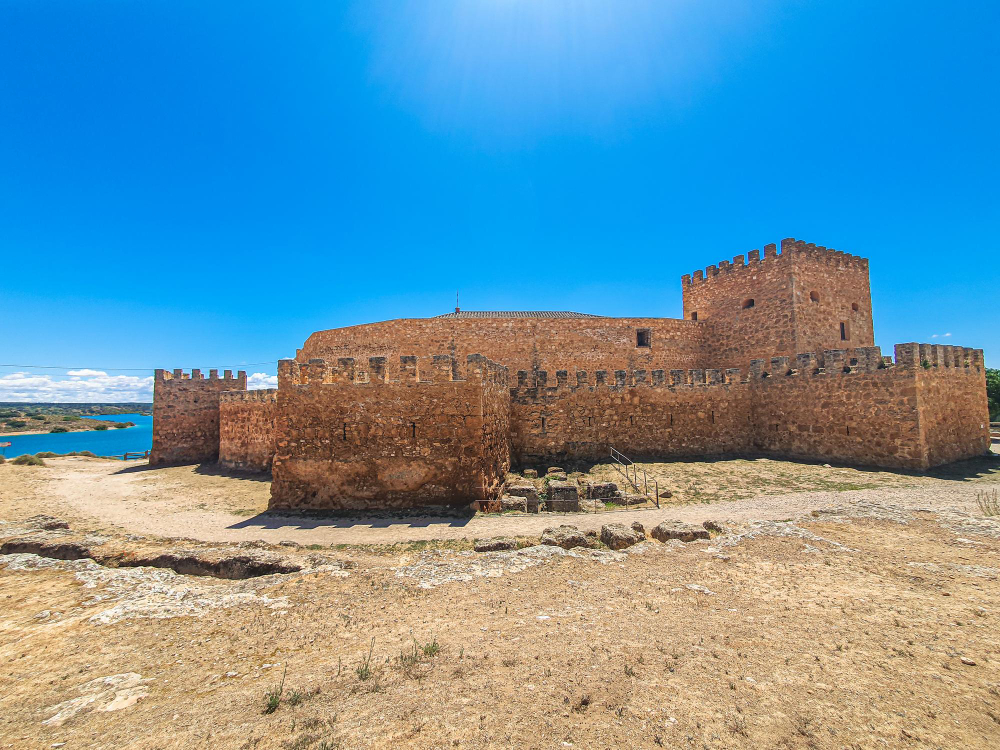
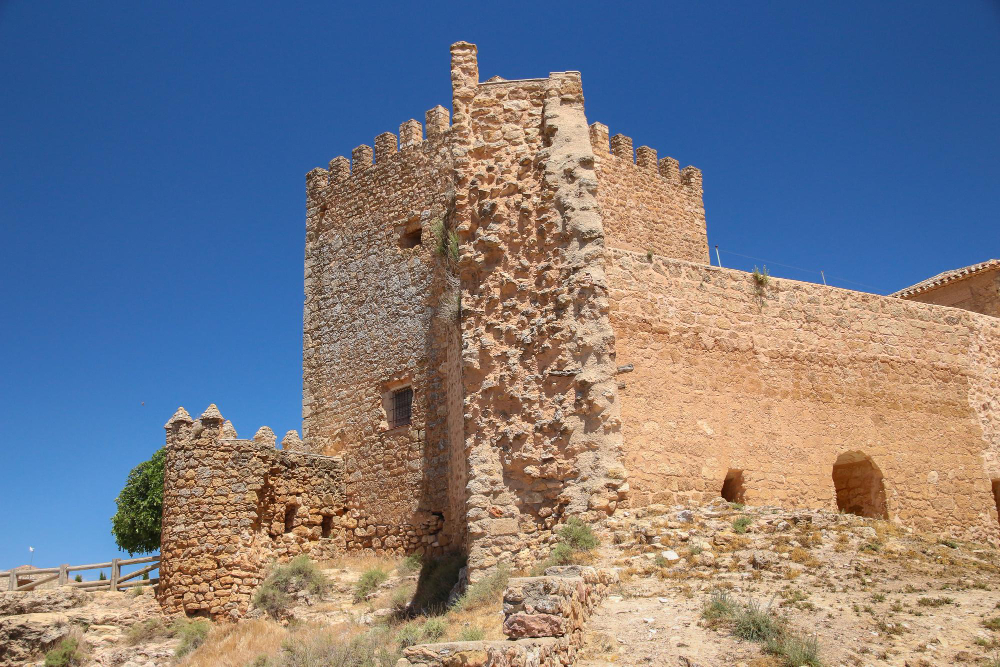
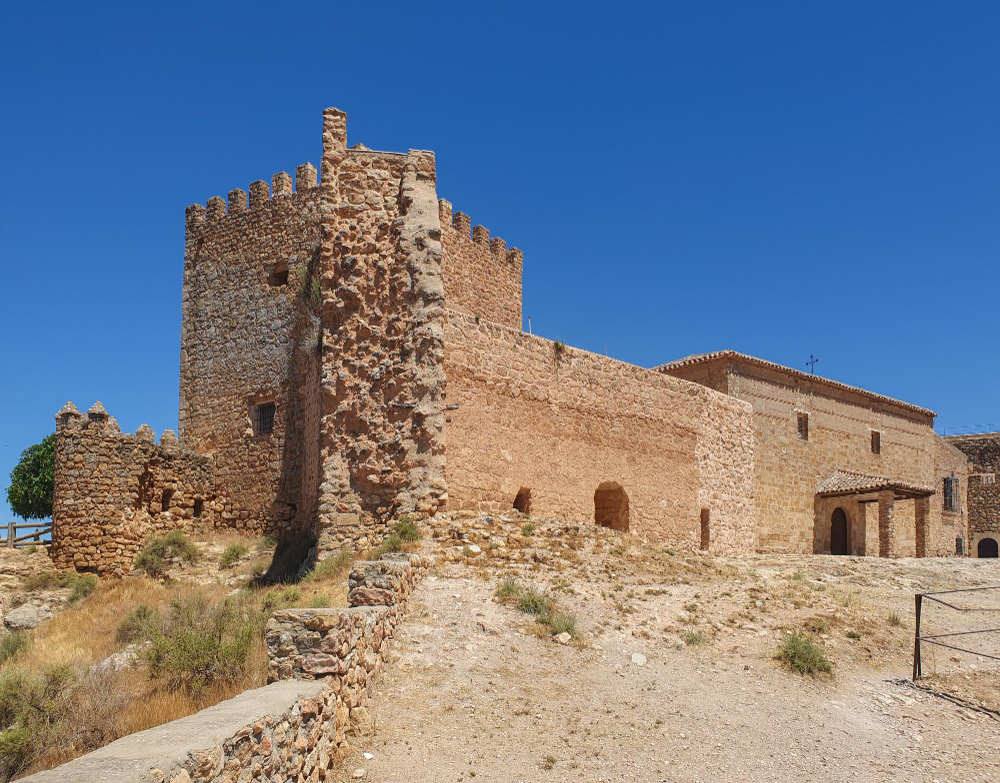
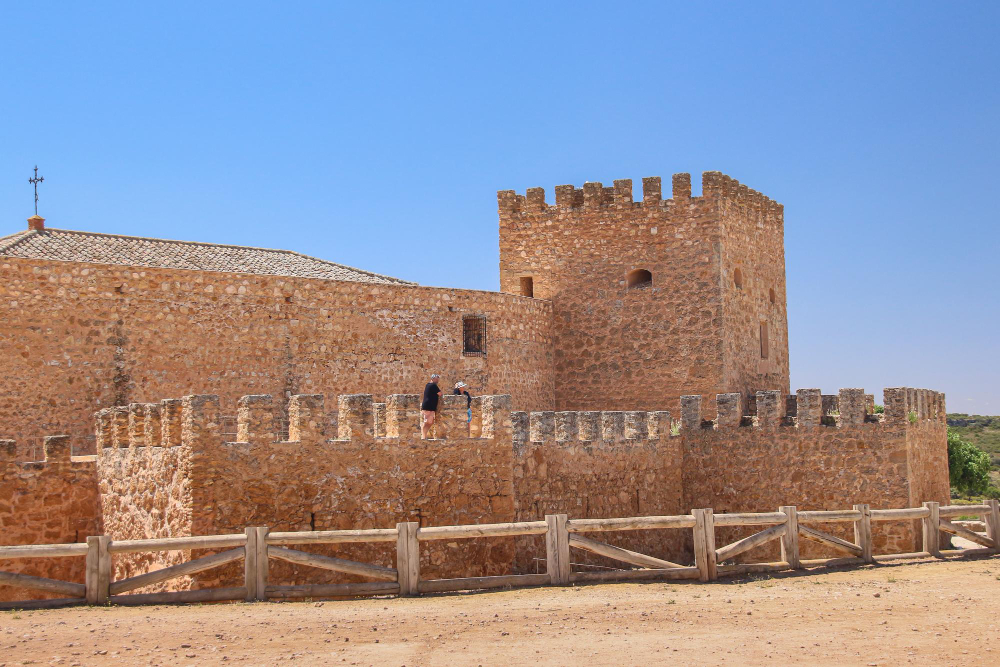
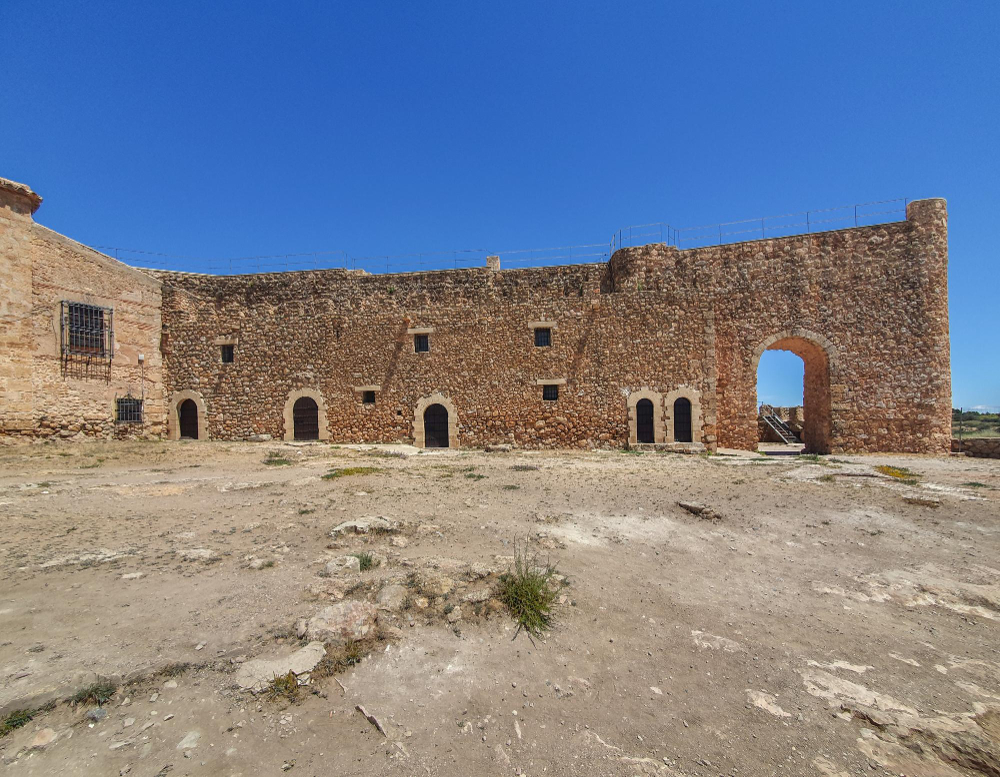
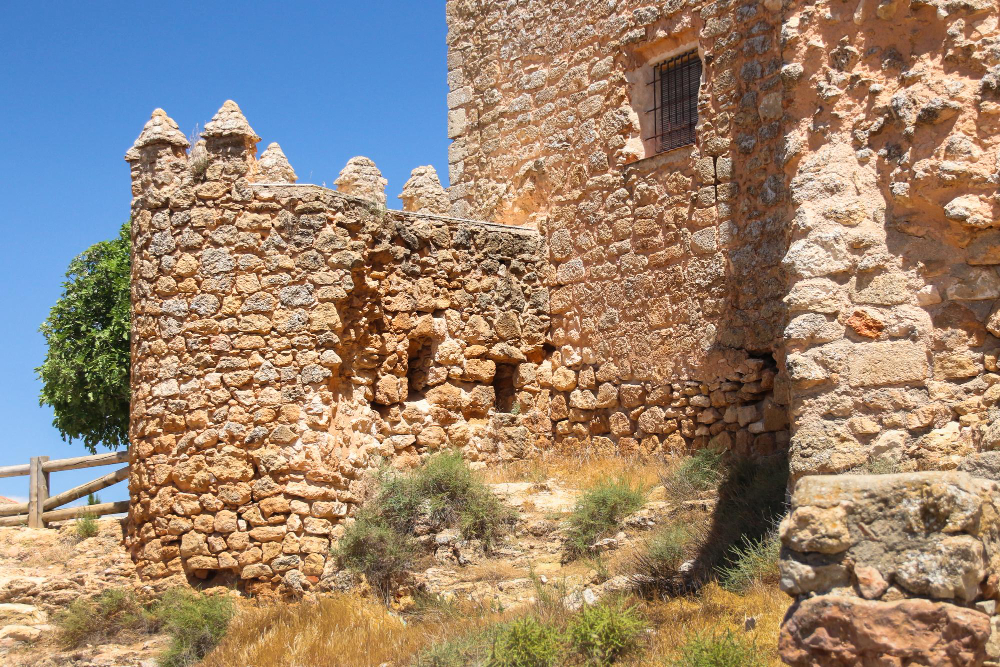
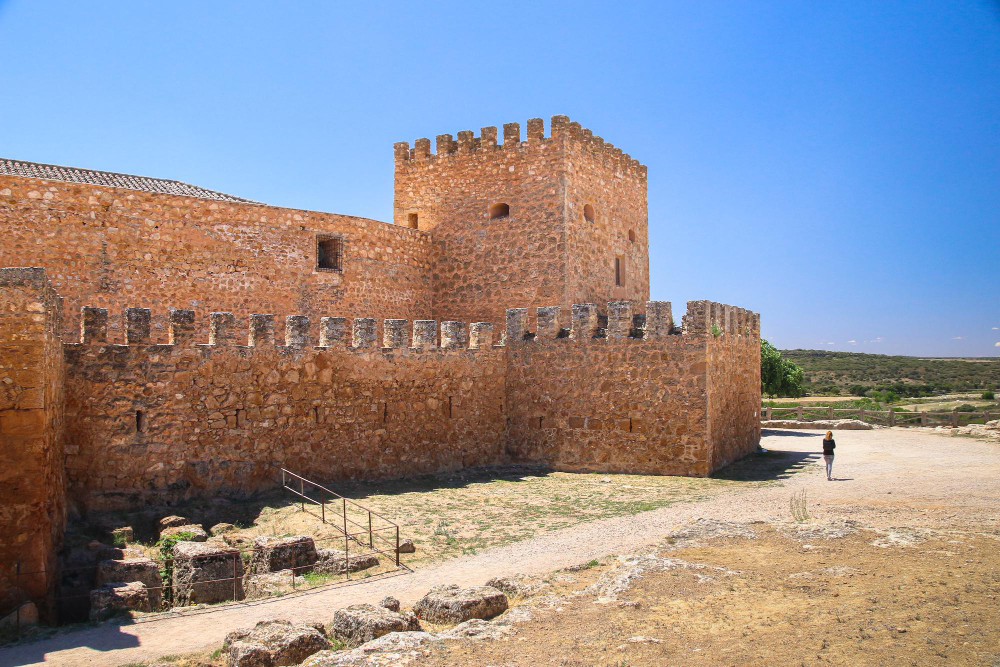
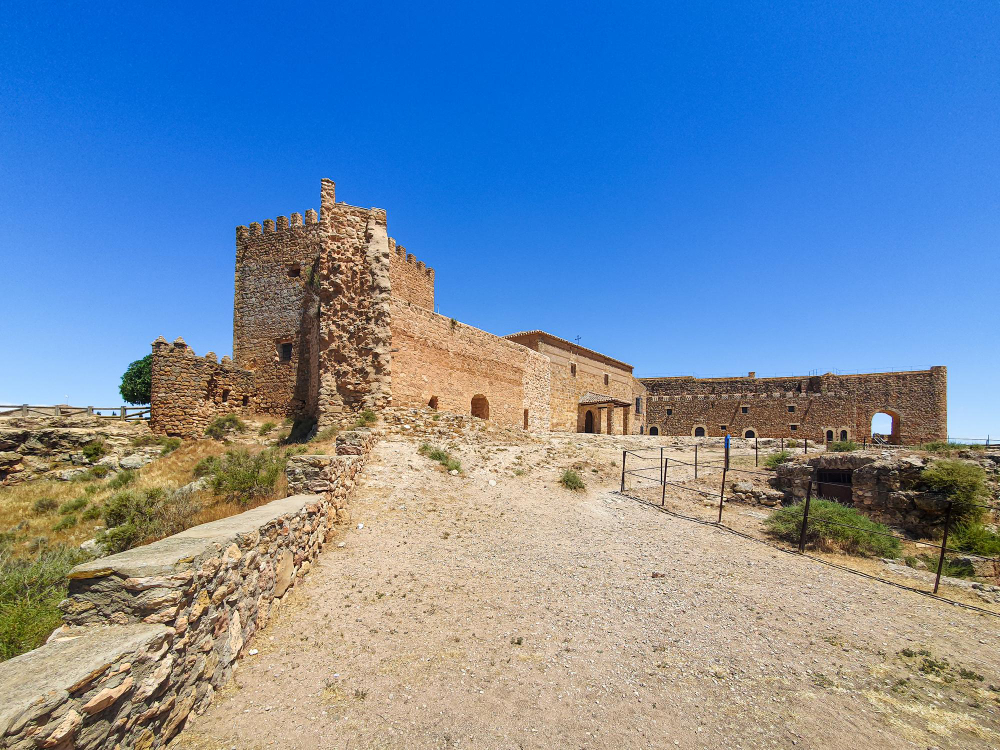
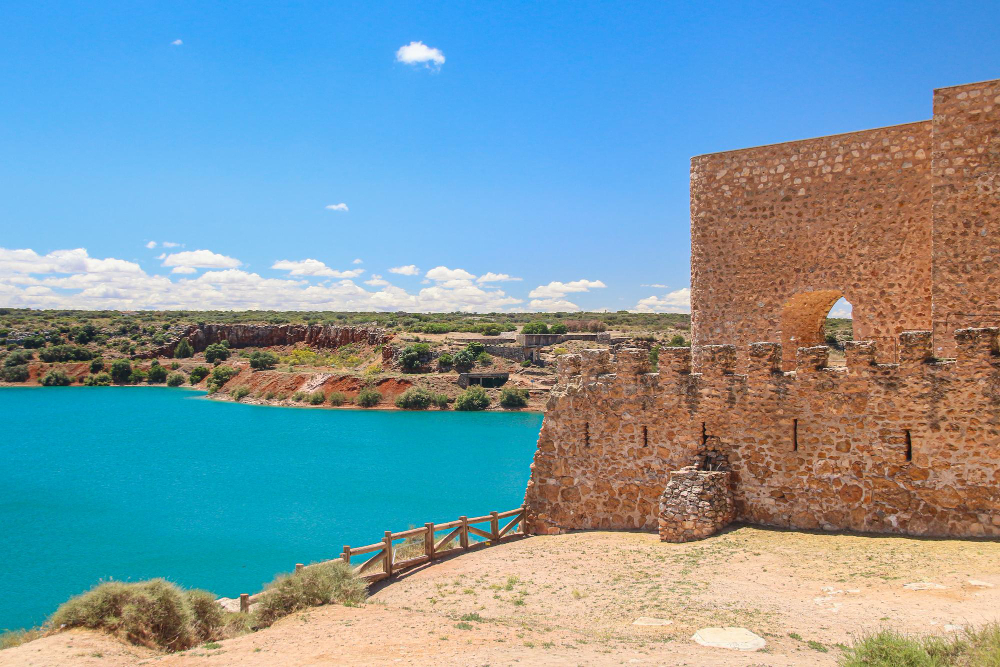
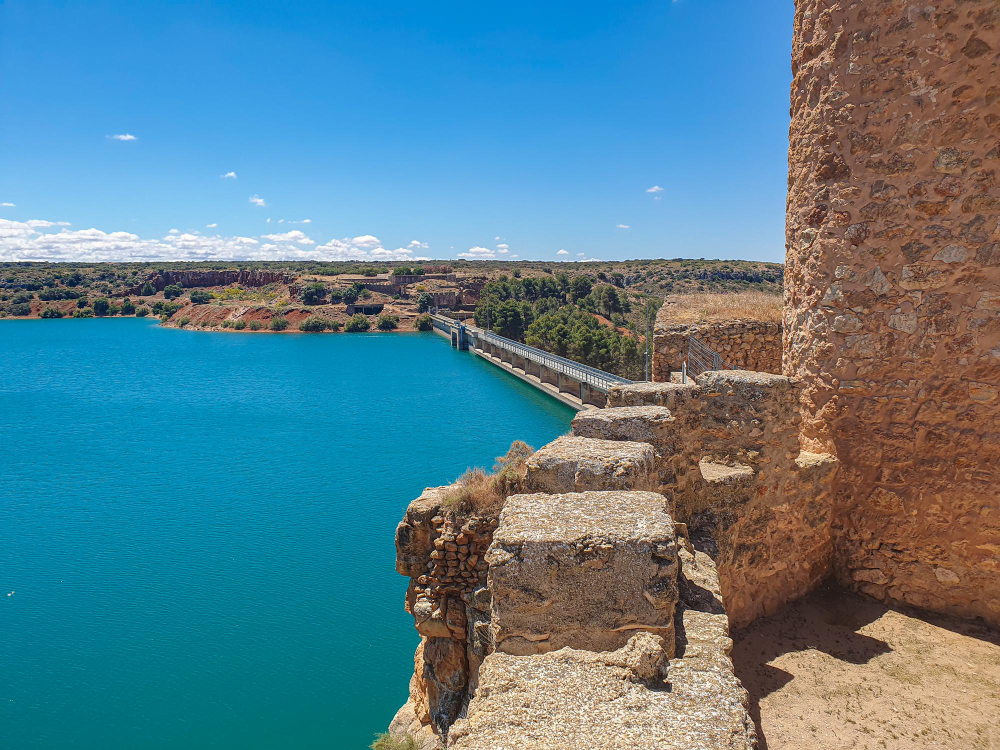
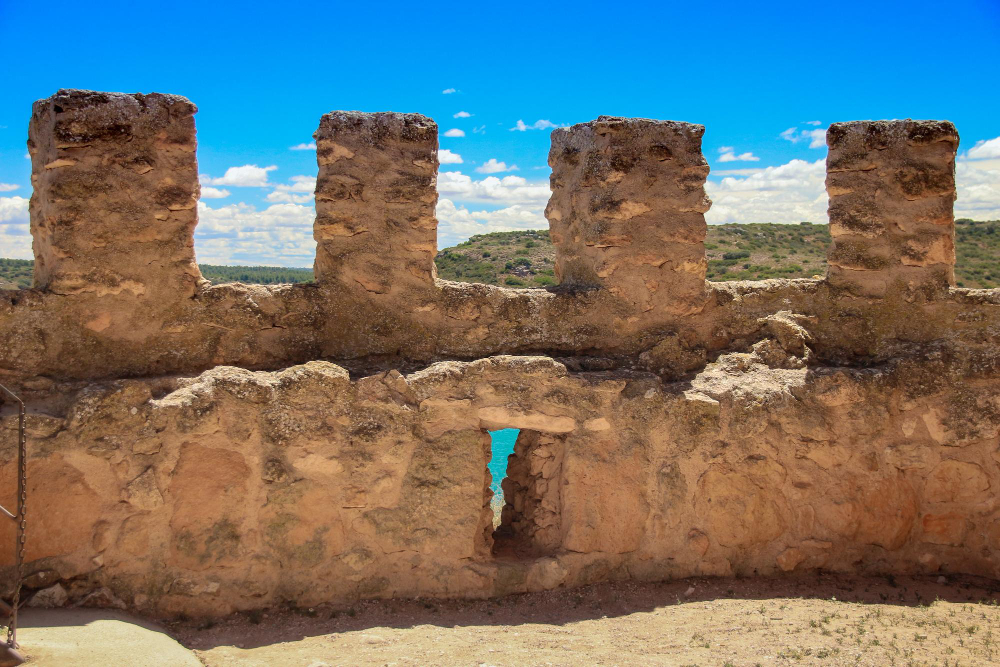
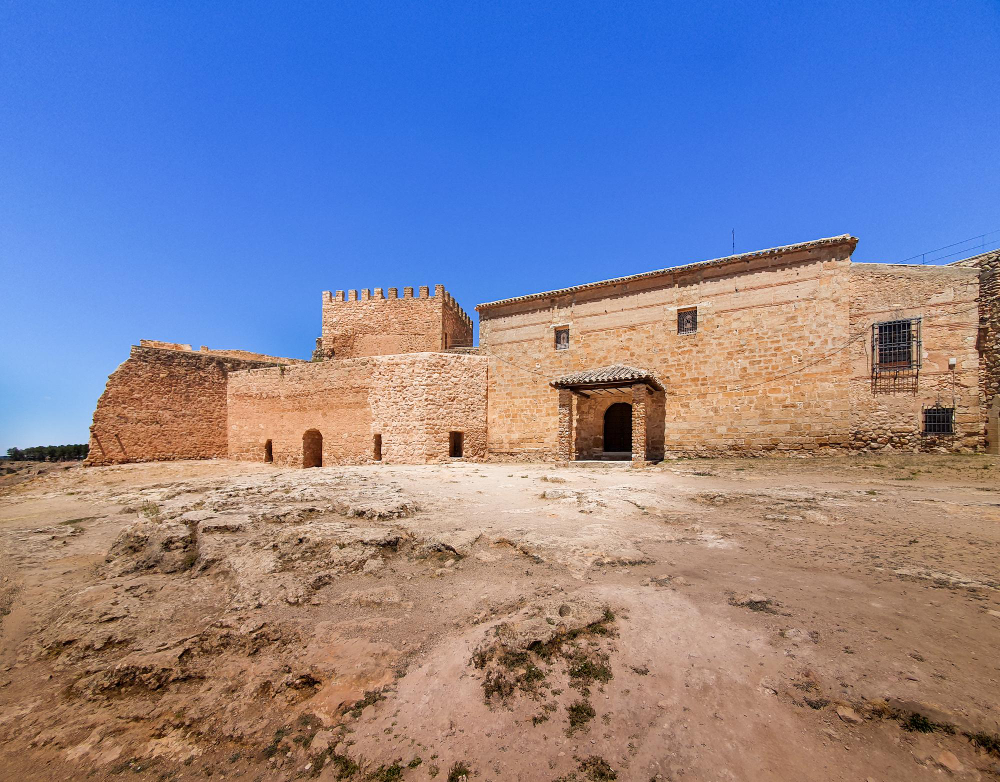
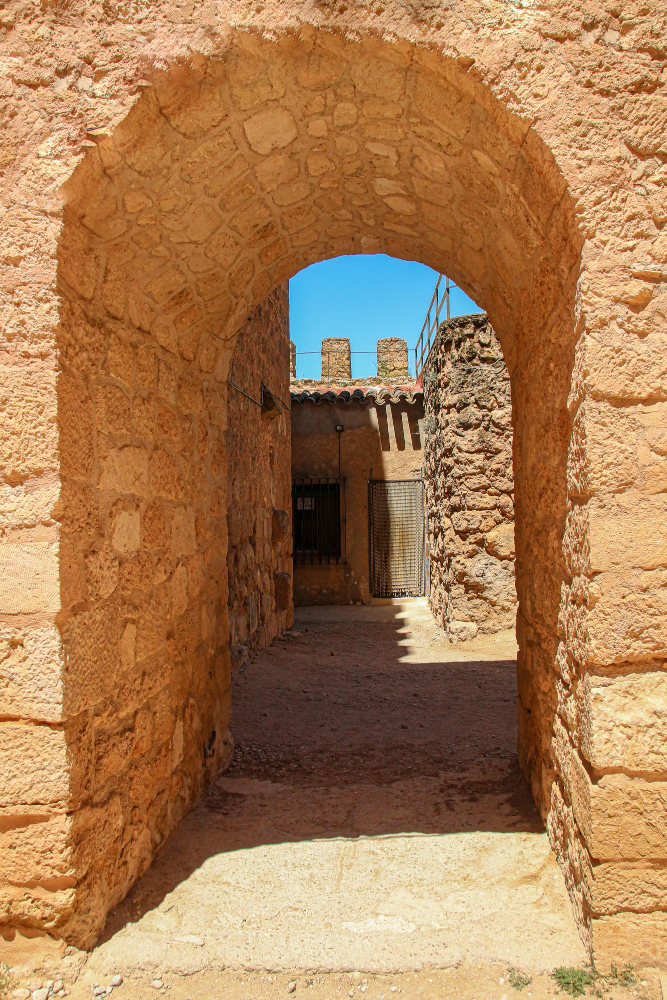
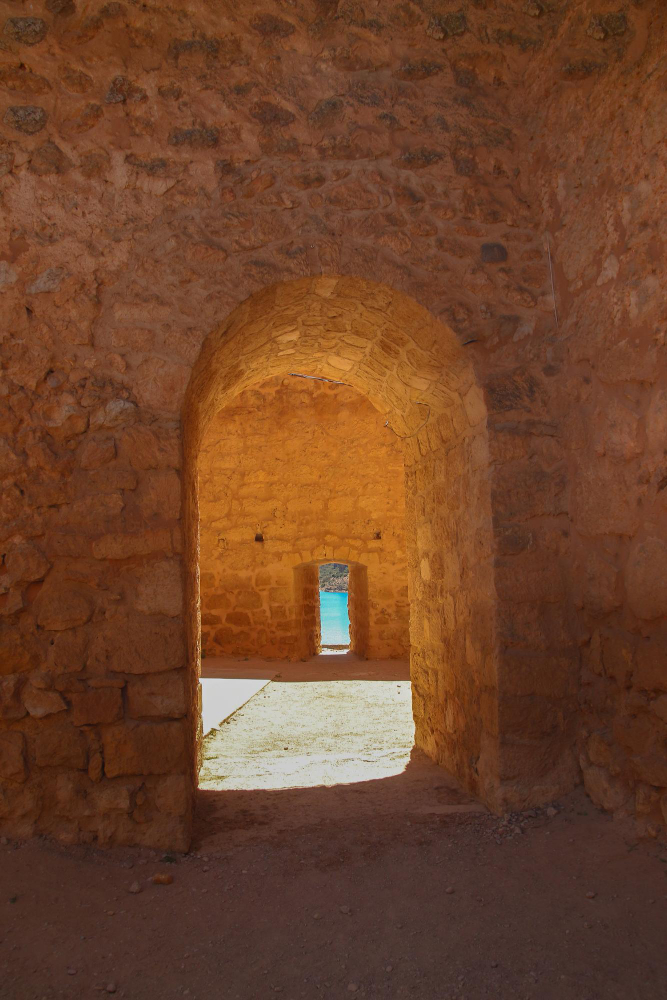
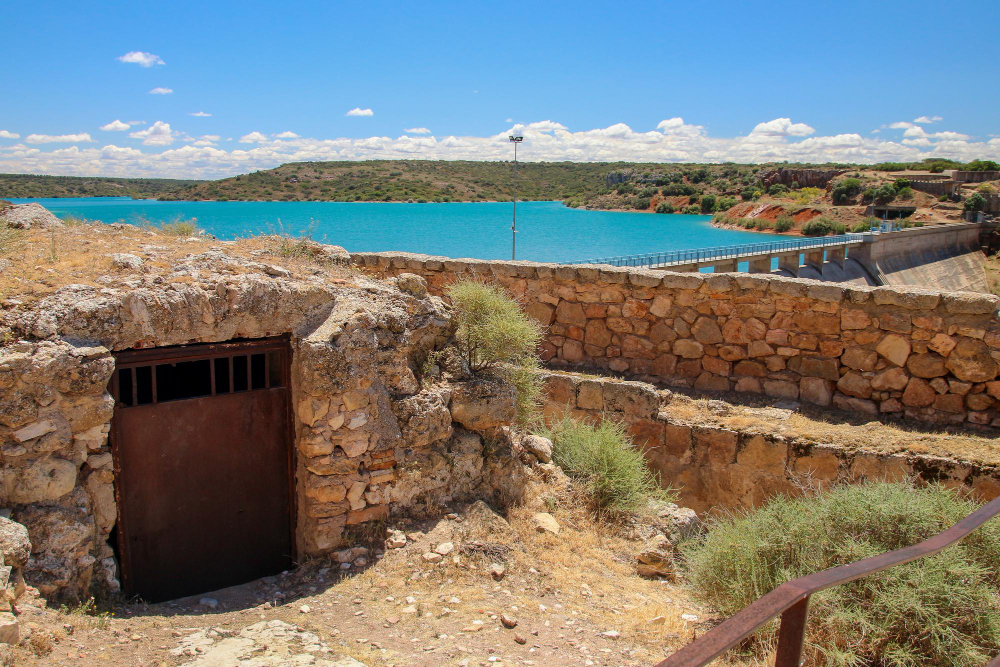
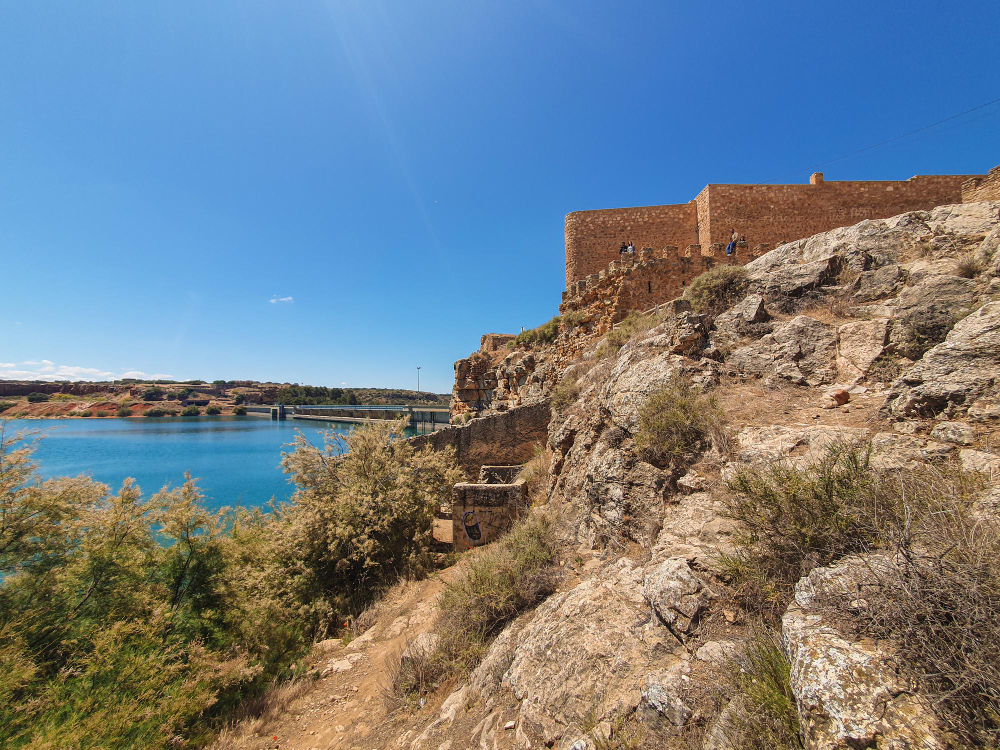
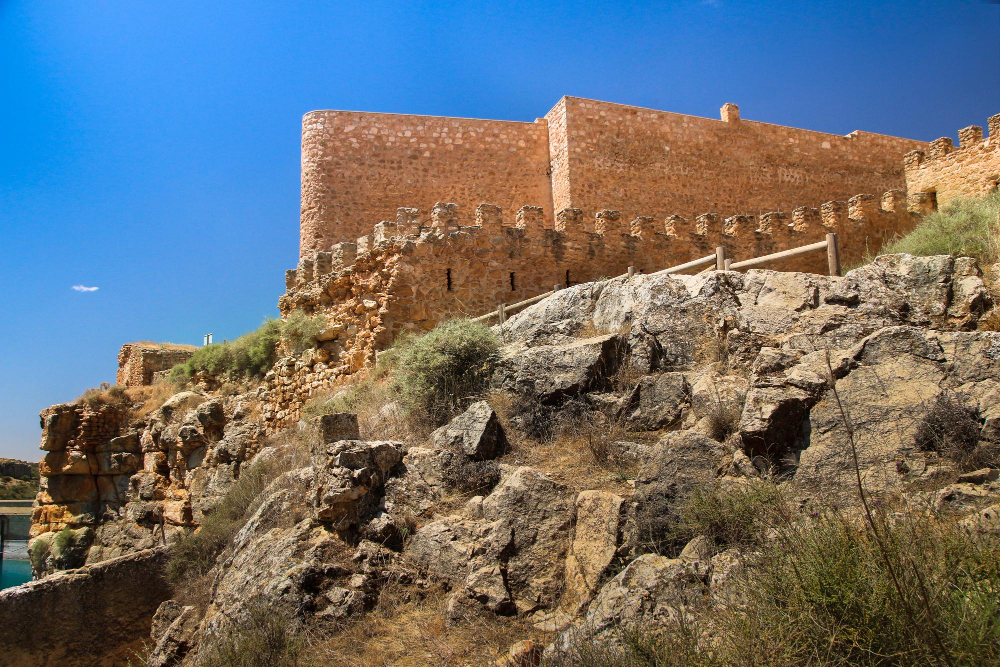
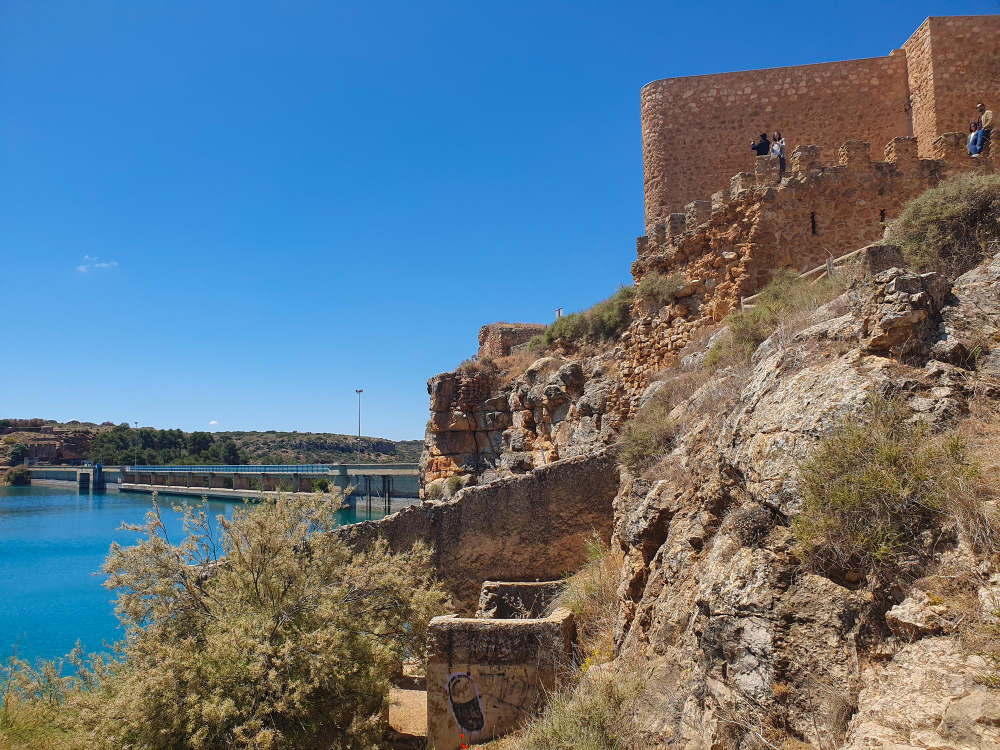
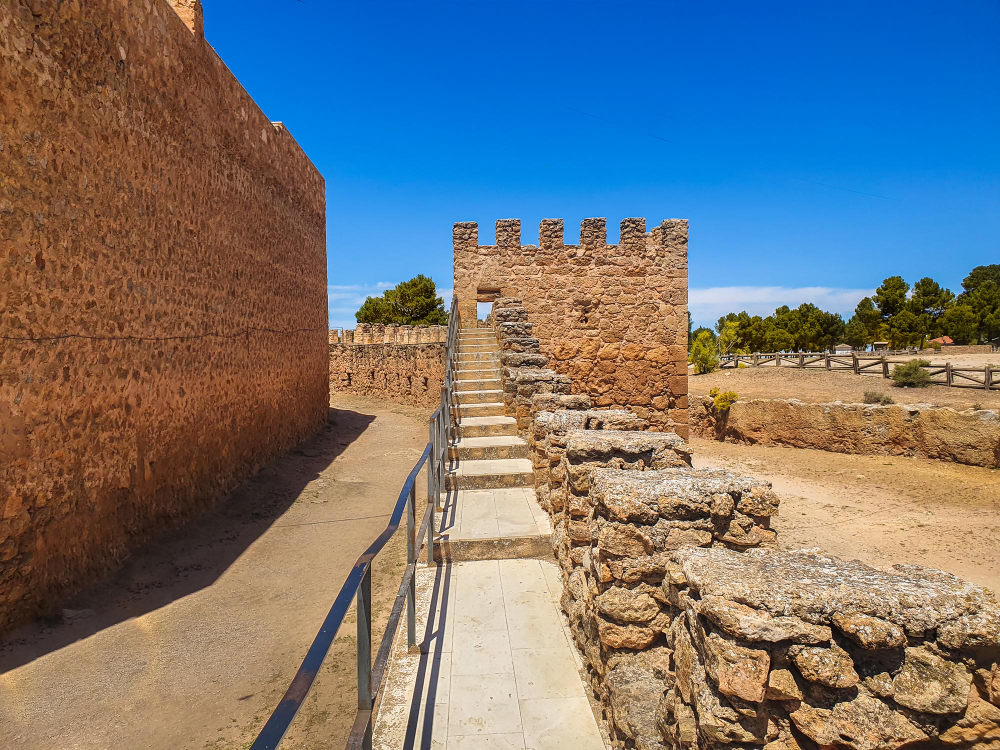
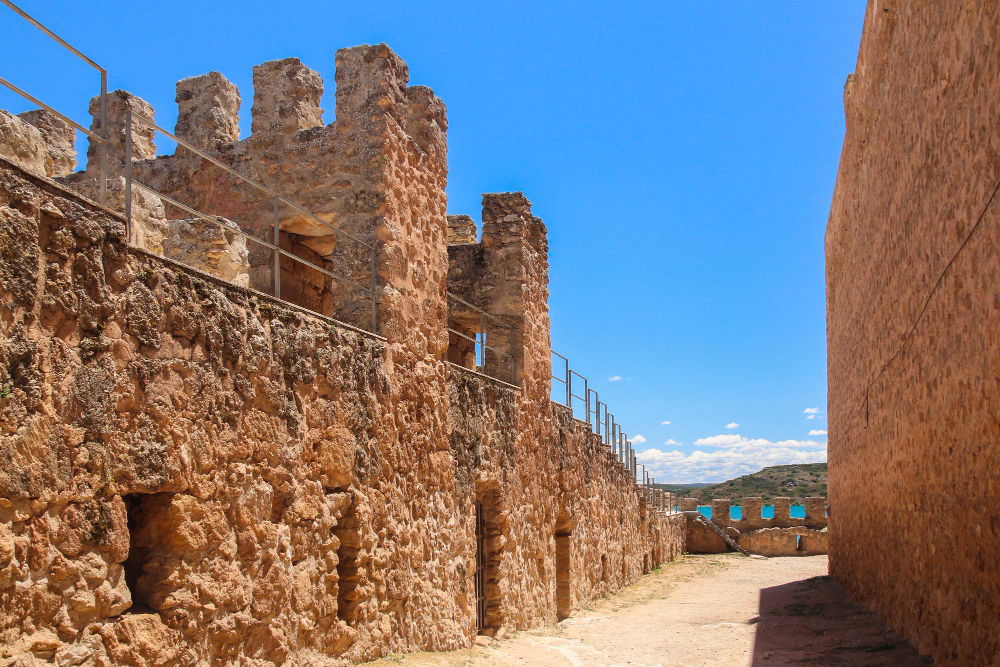
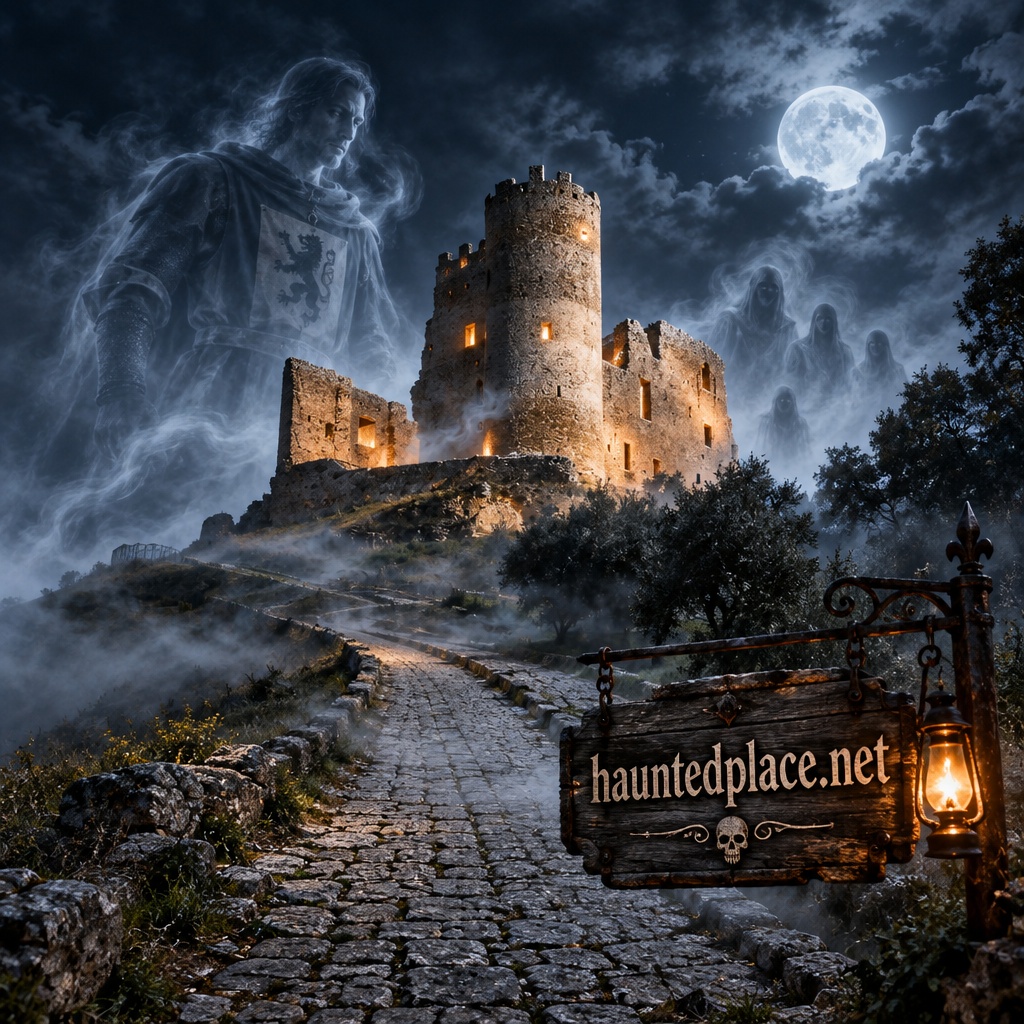
Historical Background: Philip II and the Knights Hospitaller Fortress – The fortress at the heart of these legends is the Castillo de Peñarroya in what is now Ciudad Real. This medieval castle, once a strategically important bastion of the Knights Hospitaller, stands on a hill, surrounded by the endless expanses of the Castilian plains. Its massive stone walls and battlements bear witness to countless sieges and political intrigues of that era. King Philip II (1527–1598), known for his strict rule and the expansion of the Spanish Empire, is a central figure in this story. Several historical documents, including official letters and deeds, indicate that Philip II was deeply concerned with the protection of hidden treasures, particularly in light of the frequent wars and pirate raids that plagued Spain. One particularly fascinating document, bearing his seal and signature, refers to the Knights of St John’s fortress and mentions reports of hidden riches in its underground chambers.
The Crystal Palace: Legend and Myth – From these traditions, the popular legend of the so-called ‘Crystal Palace full of stars’ developed. According to this, an underground palace made of sparkling crystal is said to be hidden deep beneath the castle. This mysterious refuge is said to be illuminated by thousands of star-shaped lamps, whose light shimmers through crystalline walls like a canopy of the heavens. The tales describe glittering halls in which the treasure – precious stones, gold bars and ancient artefacts – is kept, guarded by invisible forces. It is repeatedly emphasised that the palace not only harbours material wealth, but is also shrouded in an eerie aura: visitors report cold draughts, whispering voices from the dark corridors and shadowy apparitions that blur the line between reality and nightmare. The Crystal Palace thus becomes a symbol of a fantastical realm that both enchants and terrifies.
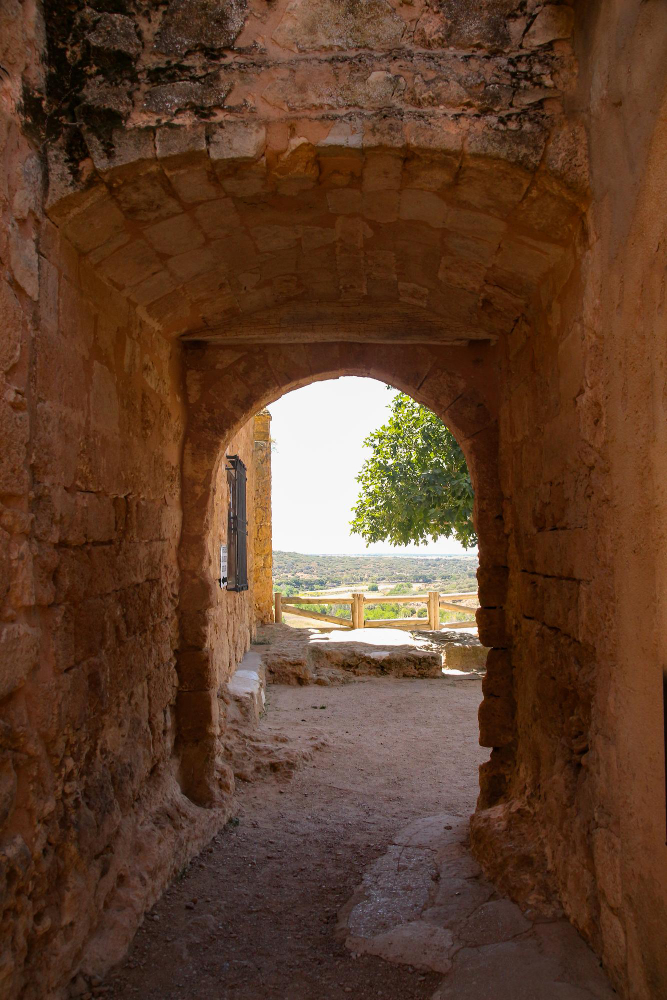
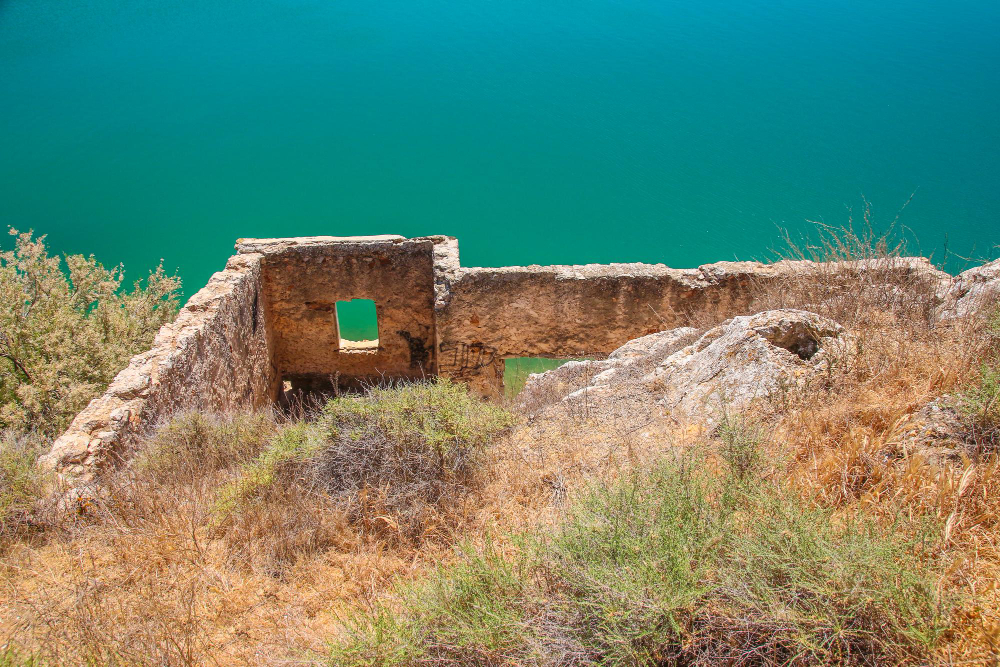
Archaeological investigations and sources – Despite numerous attempts to find the treasure, the Crystal Palace has remained hidden to this day. Archaeologists and historians have faced challenges: the fortress is situated on rocky ground, which makes the excavation of tunnel systems difficult. Modern surveying techniques such as ground-penetrating radar and seismic analyses have been used to locate abandoned passages or cavities. A study carried out in 2010 revealed evidence of several underground chambers, though most of these have collapsed or been buried. These discoveries reignited hopes, yet precise maps are lacking, as is conclusive evidence of the legendary crystal palace. The archaeological data suggests that the Knights Hospitaller fitted out the fortress with secret rooms, possibly for storing important weapons or treasures – yet the splendour of the legend far exceeds the sober facts.
The horror behind the walls: reports of unexplained phenomena – Beyond historical analysis, numerous ghost stories surrounding the fortress have spread over the years. Locals speak of nights when a bluish glow flickers amongst the ruins. Walkers have spoken of a chill that pierces even the hottest summer evenings, and of distorted voices that seem to come from nowhere. Particularly eerie is the notion that the Crystal Palace is protected by supernatural guardian spirits, said to cast a curse upon any intruder. Archival documents from the 18th century contain warnings designed to deter the curious: anyone seeking the treasure risks their life – not from other people, but from the sheer supernatural web of traps and apparitions.
Similar legends of treasure and castles in Europe – The story of the Crystal Palace is part of a wider cultural phenomenon found in many European countries. Similar legends about hidden palaces, glittering treasure chambers and dangerous guardians haunt castles in France, England and Italy. Particularly well-known, for example, is the ‘Crystal Hall’ in the French Château de Chambord, which is regarded as a source of inspiration due to its luxurious glass and crystal decorations. There, too, there are rumours of secret chambers and magical powers, although these are more of an architectural nature. These parallels show that the Crystal Palace of Ciudad Real, on the one hand, has a concrete historical origin, but on the other, is also part of an archetypal narrative: the quest for the unattainable, the splendour that symbolises both beauty and danger.
Between fact and fiction – the Crystal Palace as a mirror of human longings – The treasure of Philip II and the mysterious Crystal Palace are more than mere folklore. The surviving documents, archaeological evidence and oral accounts bear witness to a real history that intertwines with the legends, thus forming a fascinating tale of the uncanny. The dark corridors of the old Knights Hospitaller fortress probably still harbour remnants from the time of the Spanish king, yet whether a shimmering crystal palace full of stars actually lies beneath them remains a mystery to this day. Too powerful are the shadows of the past, the cold mists of the unknown and the alluring fear of that which lies beyond our comprehension. This blend of history, myth and horror makes the Castillo de Peñarroya a real magnet for history buffs and adventure seekers who are looking for thrills within ancient walls and wish to lose themselves in the reflective depths of a legendary treasure.