 Isabella Mueller Baroness of Stainton le Vale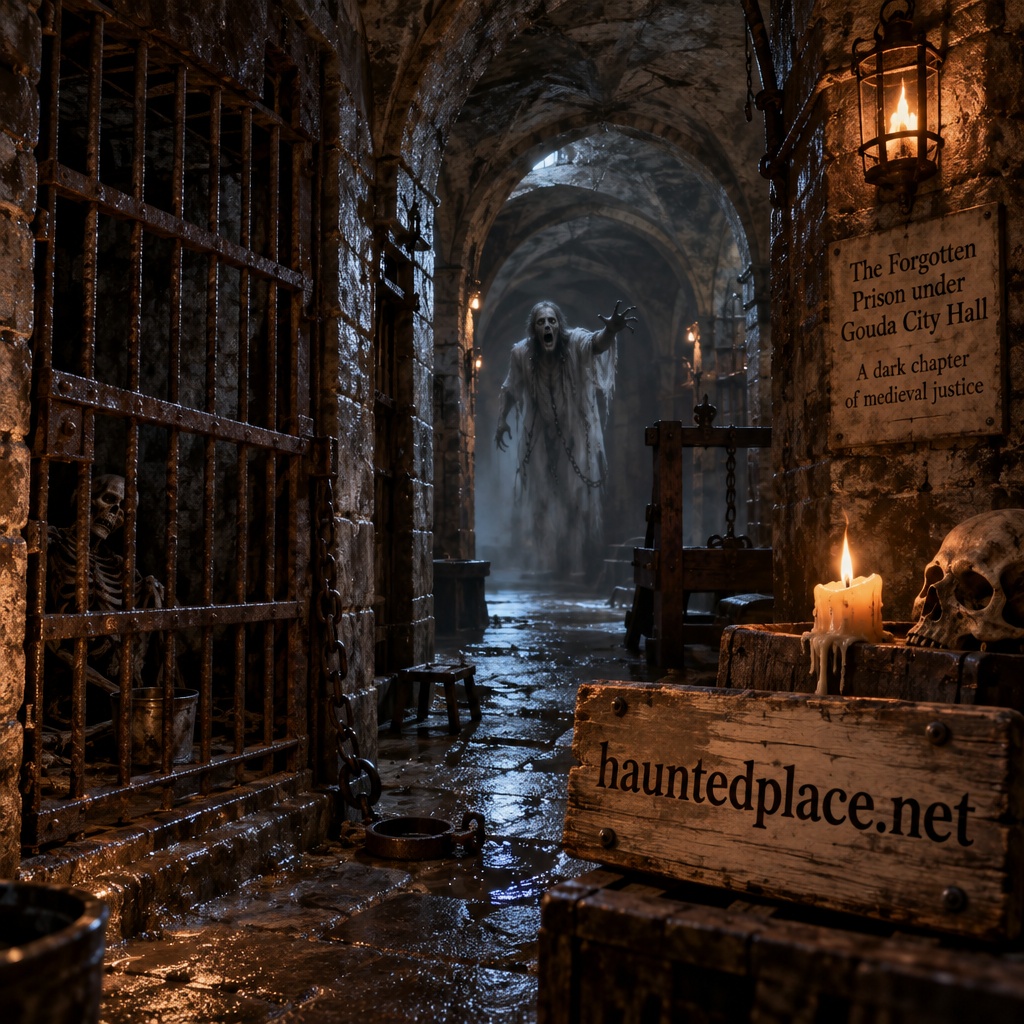
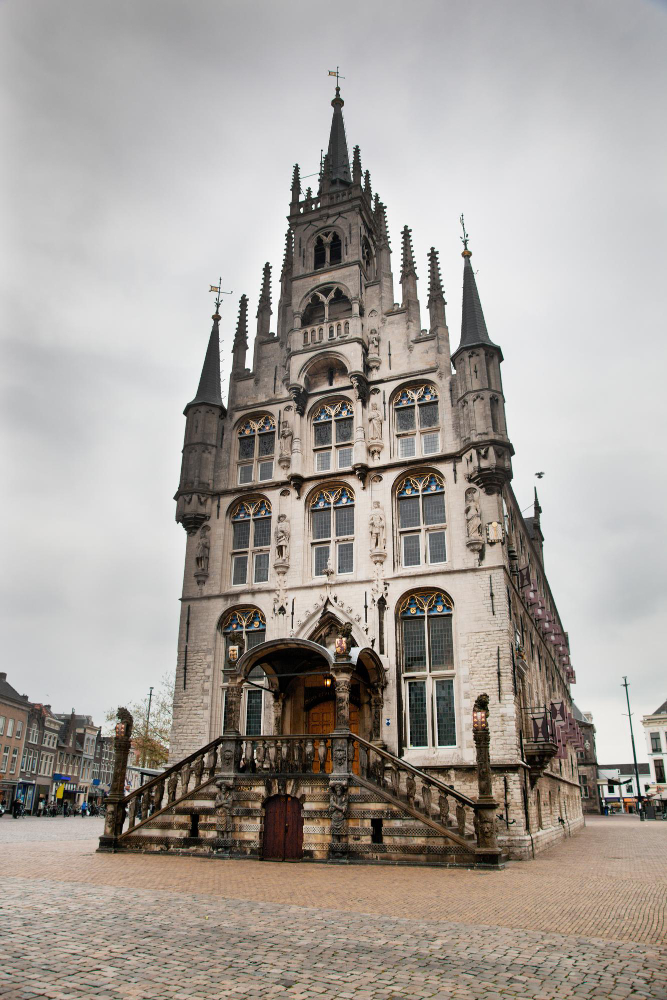
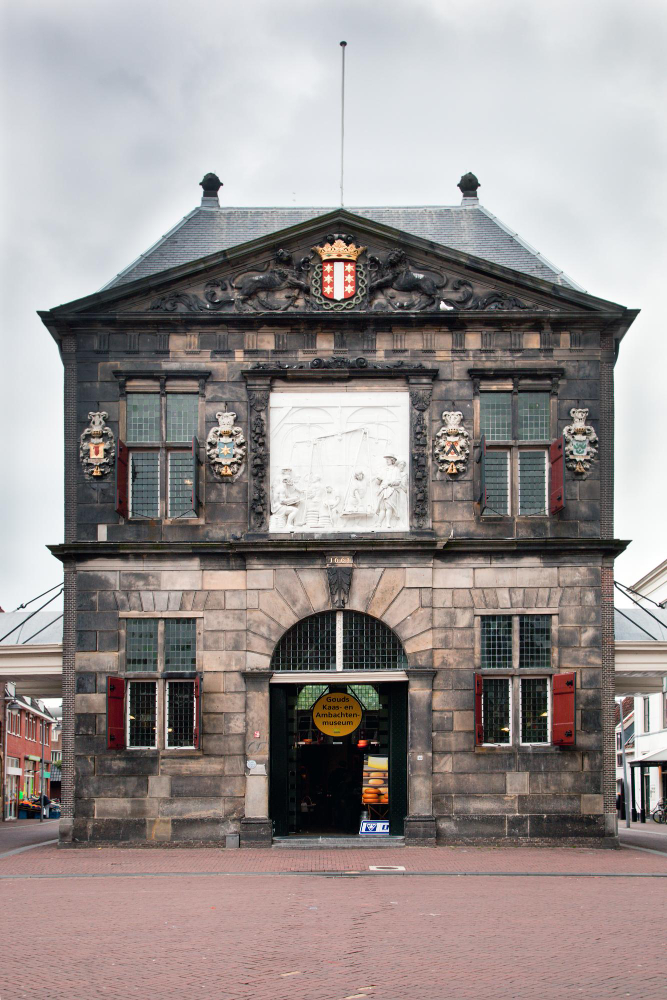
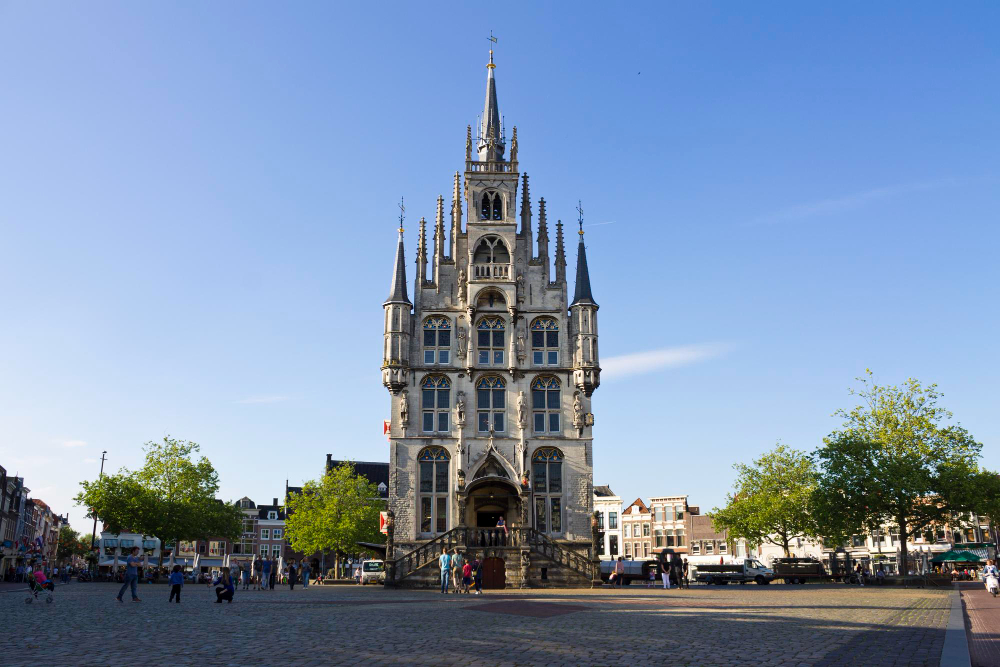
In the heart of Gouda’s bustling market square, surrounded by a sea of deckchairs, market stalls and tourists, a grim secret lies hidden: Beneath the magnificent Gothic town hall, one of the landmarks of this Dutch city, lies a forgotten medieval prison – a place whose cold walls once spread terror and have now almost been consigned to oblivion. Whilst visitors admire the historic façade or savour Gouda’s famous cheese culture, a history of torture, darkness and human suffering slumbers beneath their feet.
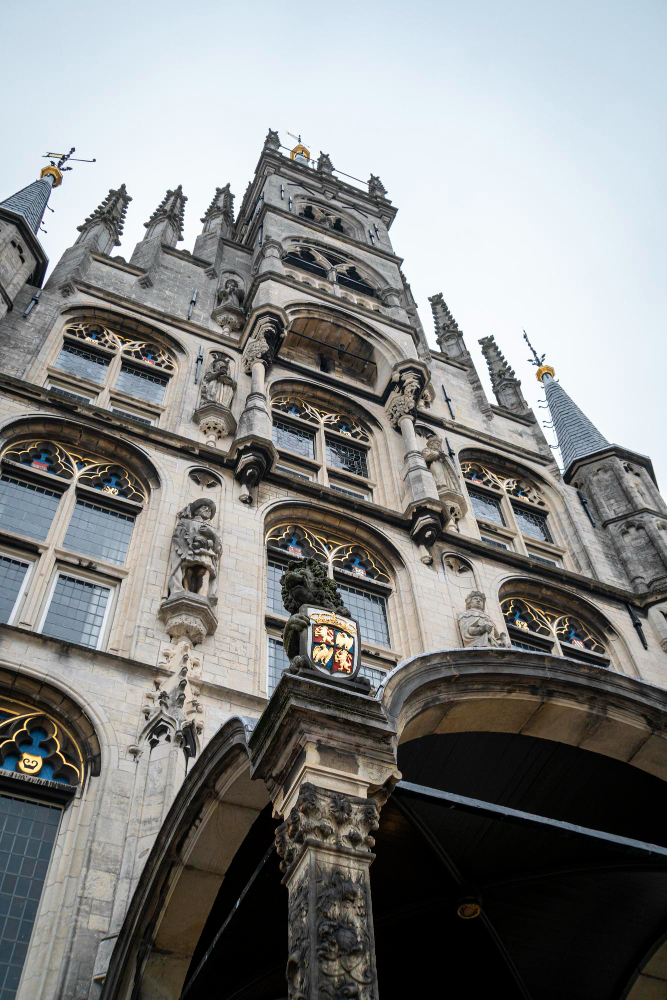
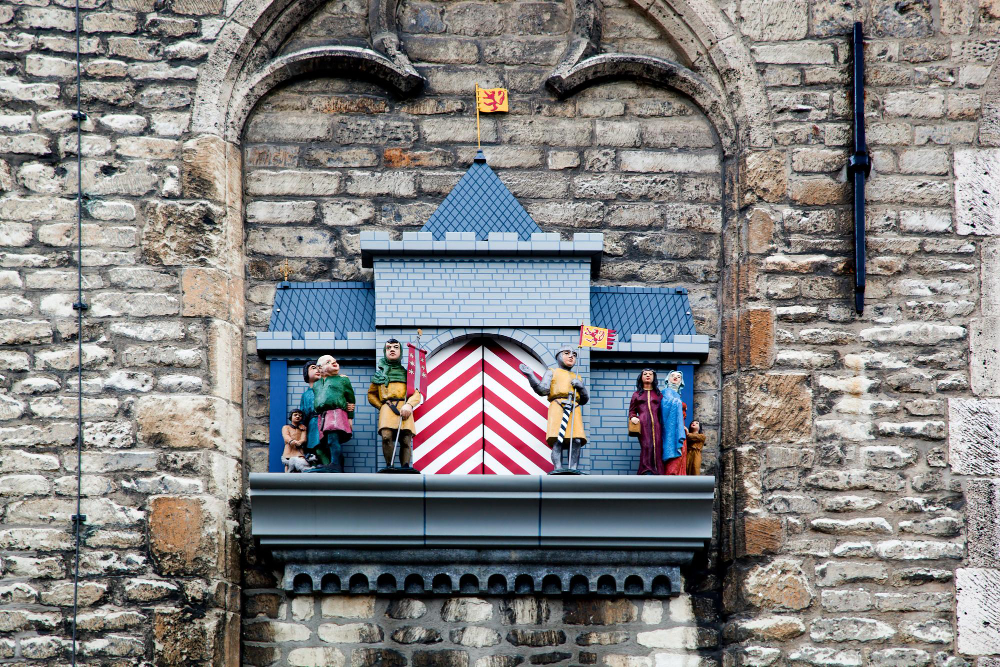
A dungeon in the heart of the city: historical background – Gouda Town Hall, built between 1447 and 1450, is one of the oldest town halls in the Netherlands and is notable for its Gothic brick architecture, which is now being lovingly restored. Yet its magnificent exterior belies the sinister purposes for which the building was once used: Prisoners were held in the basement, often arrested by the courts of the time for fraud, theft or other offences. Medieval justice was not for the faint-hearted. The prison beneath the ‘Stadhuis’ served not only as a place of detention, but also as a venue where confessions were extracted through the threat or use of torture. According to historical accounts, so-called ‘grievous interrogations’ were carried out there to extract information. Dark dungeons, damp walls and cramped cells characterised this hidden place.
Construction and layout of the medieval dungeon – Architecturally, the prison is a typical example of underground detention facilities from that era. The walls consist of thick, rough brickwork and are covered in cobwebs and a layer of dust accumulated over centuries. The low vaulted ceilings force prisoners to walk bent over, and only sparse light reaches the interior through small, barred windows or narrow openings to the outside. The cells were small, often barely large enough to stand or lie down in. Damp and cold made life there a torment; illnesses such as tuberculosis or pneumonia were not uncommon. Carved symbols and inscriptions left by prisoners are still visible on the walls today – testimonies to desperate hope and the search for solace in the darkness. A number of historical documents report hunger, thirst and isolation as common means of punishment.
Reports and Legends: The Horror Beneath the Pavement – The folklore surrounding the underground prison is rich in eerie tales that continue to capture the imagination of locals and visitors alike to this day. One such tale tells of a ‘restless soul’ that is said to wander through the dark corridors at night. According to legend, this is a prisoner who was sentenced without trial and tortured to death – his tormented soul never found peace. Numerous eyewitness accounts confirm that inexplicable noises are often heard in the vaults: soft shuffling, muffled tapping, or even the sound of desperate moans and wails. Some visitors even report sudden chills or the feeling of being watched. Although most of these experiences are subjective, they lend the place a ghostly atmosphere that captivates visitors.
The prison in the context of Dutch judicial history – In the Middle Ages, Gouda was not only a thriving commercial centre but also an important administrative seat, whose civic rights entailed a strict legal system. The administration of justice and punishment were closely intertwined: penalties could range from fines to corporal punishment and imprisonment. The prison beneath the town hall served not only to detain offenders but also as a deterrent. In the Netherlands, it was common practice to imprison political prisoners or those who opposed the authorities in such underground cells. Conditions were deliberately harsh in order to safeguard the ruling classes’ monopoly on power. With the advent of modern penal institutions in the 18th and 19th centuries, the dungeon lost its function and was quickly forgotten.
Archaeological and Museum Conservation – More recently, the prison beneath the town hall has once again come to the attention of historians, archaeologists and heritage conservationists. Numerous finds have been made which shed light on the conditions of imprisonment practised at that time. Restoration work focuses on preserving the original condition of the cells as far as possible, in order to give visitors an authentic impression of medieval criminal justice. Museums in the surrounding area display exhibits related to this theme, such as instruments of torture or court documents from that period. City walking tours are also increasingly addressing this sombre chapter of local history. Overall, the integration of the prison into Gouda’s cultural heritage serves to shed light on these dark chapters in an open and objective manner – without sensationalism, but with the necessary respect for the victims.
A place between history and myth – The forgotten prison beneath Gouda Town Hall tells of a time when the administration of justice was still closely linked to harshness and cruelty. Whilst today’s lively markets and cultural events bring the square to life, the dark walls beneath the surface serve as a reminder of human suffering, fear and injustice. At the same time, it is precisely these mysterious remains that give this place its allure – a reminder not to forget the past and to cherish the freedom we enjoy today. Anyone visiting the historic market square today should pause for a moment and perhaps gaze at the paving with a touch of reverence. The old prison may lie hidden beneath their very feet – a sombre legacy whose shadows contrast with the Gothic splendour of the town hall and add a captivating, if eerie, facet to Gouda’s history.