 Isabella Mueller Baroness of Stainton le Vale
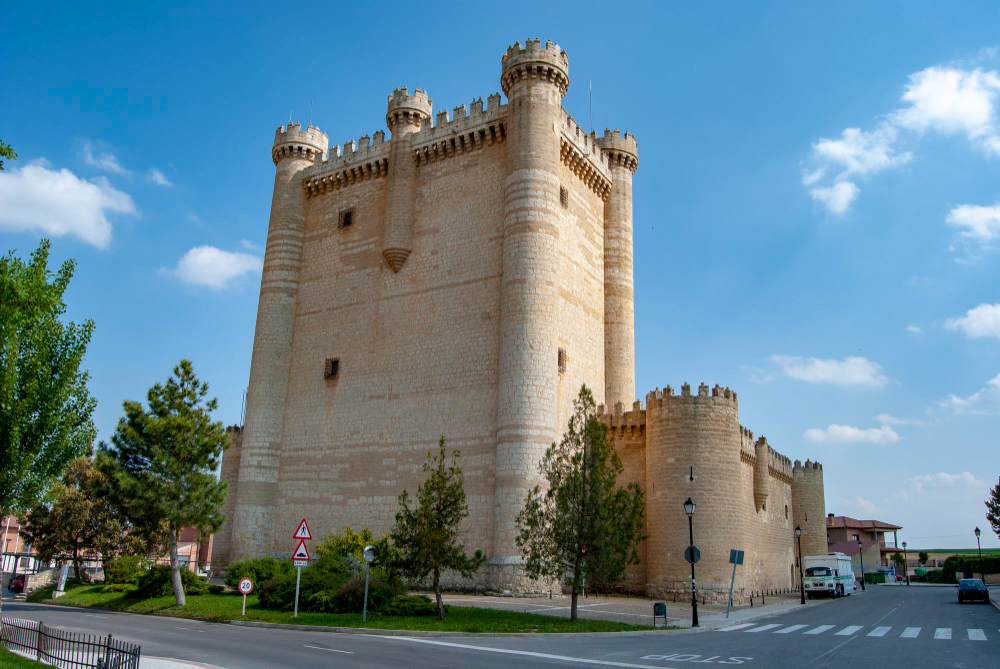
Fuensaldaña Castle, perched majestically on a hill near Valladolid in Spain, harbours not only stone walls and medieval history – it also holds a grim legend that has weighed upon the Vivero family for centuries. Known as ‘La leyenda negra’ – the black legend – it tells a tale of betrayal, murder and an ominous curse that follows the family like a shadow. Numerous sources, including historical documents, chronicles and regional tales, confirm the bloody events and tragic fates that surround this castle. In this article, we shed light on the origins of the curse, recount the gruesome events and explain why the darkness surrounding the Viveros continues to fascinate and terrify to this day.
The Castle’s Construction and its Bitter Feuds – In 1452, Alonso Pérez de Vivero, a distinguished nobleman from the city of Valladolid, commissioned the construction of an impressive fortress. Fuensaldaña Castle was intended not only as a residence but also as a symbol of the Vivero family’s power and influence in Castile. Yet as the stone walls rose, so too did the misfortune that entwined itself around the family. Alonso Pérez de Vivero was a political opponent of the powerful Castilian Álvaro de Luna, one of the most influential figures at the court of King John II of Castile. This bitter struggle for power and influence led to a dramatic turn of events: shortly after the foundation stone of the castle was laid, in 1453, Alonso Pérez was brutally murdered – it is believed that the murder was ordered by Álvaro de Luna. This violent crime marked the beginning of a series of tragedies that severely tarnished the family’s reputation.
The first rift: fratricide as the start of the curse – Alonso Pérez’s death was only the beginning. Following his violent demise, the family became embroiled in ever-deepening conflicts. Intrigue and mistrust dominated the lives of the Viveros. Things take a particularly grim turn when one considers the story of Alonso de Vivero, the builder’s grandson. He completed the construction of the castle, yet his life was marked by jealousy and violence. A particularly shocking event was the murder of María de Padilla, Alonso de Vivero’s wife. In a whirlwind of passion and suspicious jealousy, he killed her within the castle walls. It is said that this act was driven not only by personal despair but also reinforced the dark aura that hung over the estate. The inhabitants of the surrounding villages began to regard the castle’s walls with dread – a place of blood and vengeance.
The Dark Legend: How the Curse Gripped the Population – The events surrounding the Vivero family seemed both mysterious and cruel. The combination of political murder and domestic violence led people to believe in a curse. The story spread rapidly, fuelled by oral tradition and later accounts. The term ‘La leyenda negra’ not only describes the historical events but also symbolises the notion of an ominous fate that haunts the family. Historians point out that such ‘black legends’ often served as an outlet for social anxieties. In the unstable political climate of 15th-century Castile, the story of a curse offered an explanation for misfortunes and political defeats. Yet, in the case of Fuensaldaña Castle, the actual historical events seem to have far surpassed the legend.
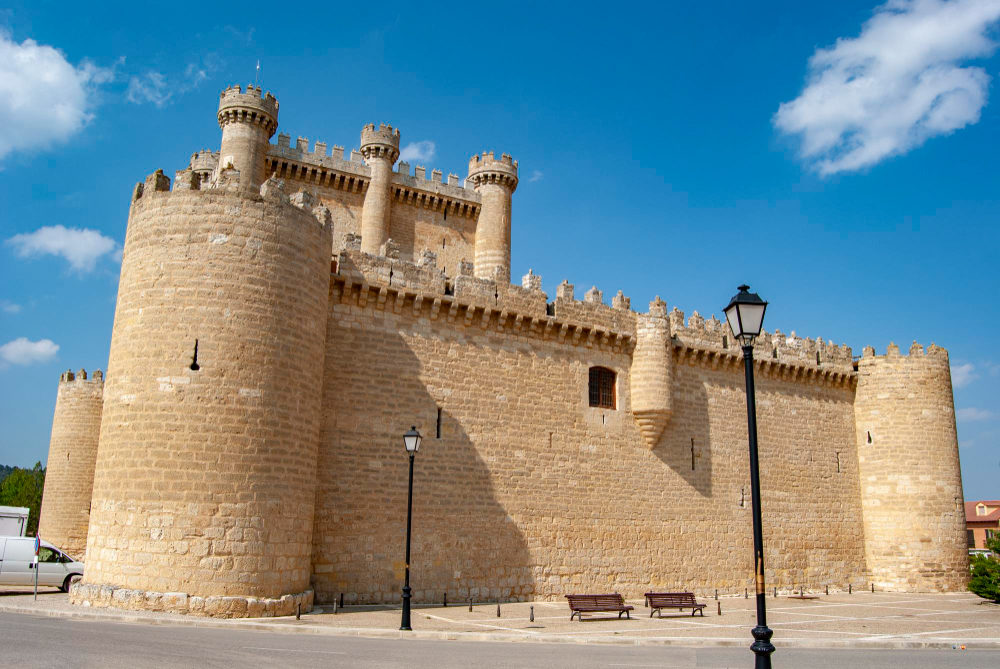
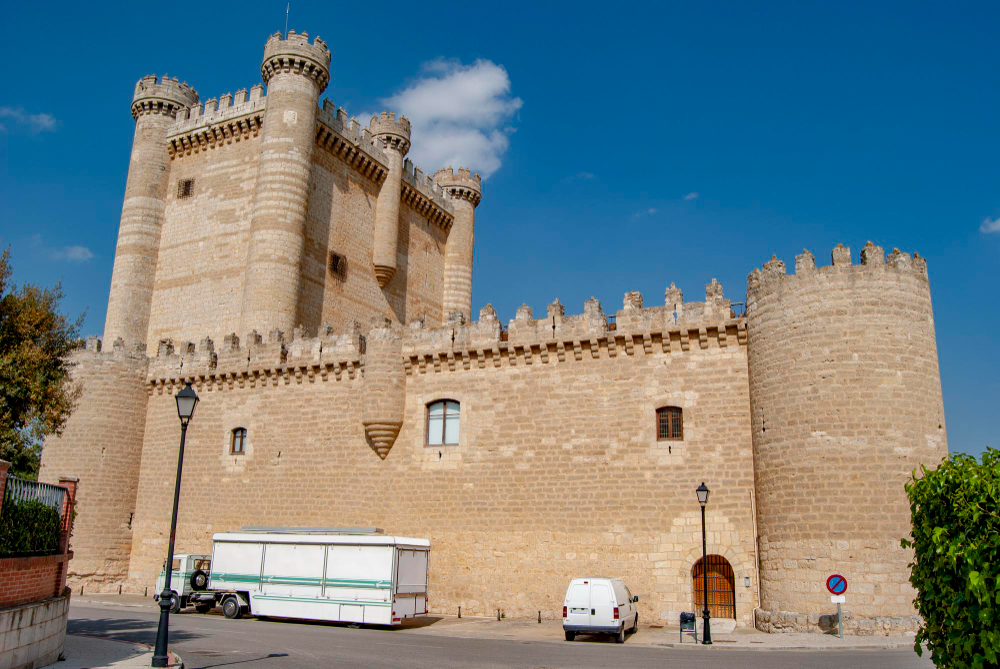
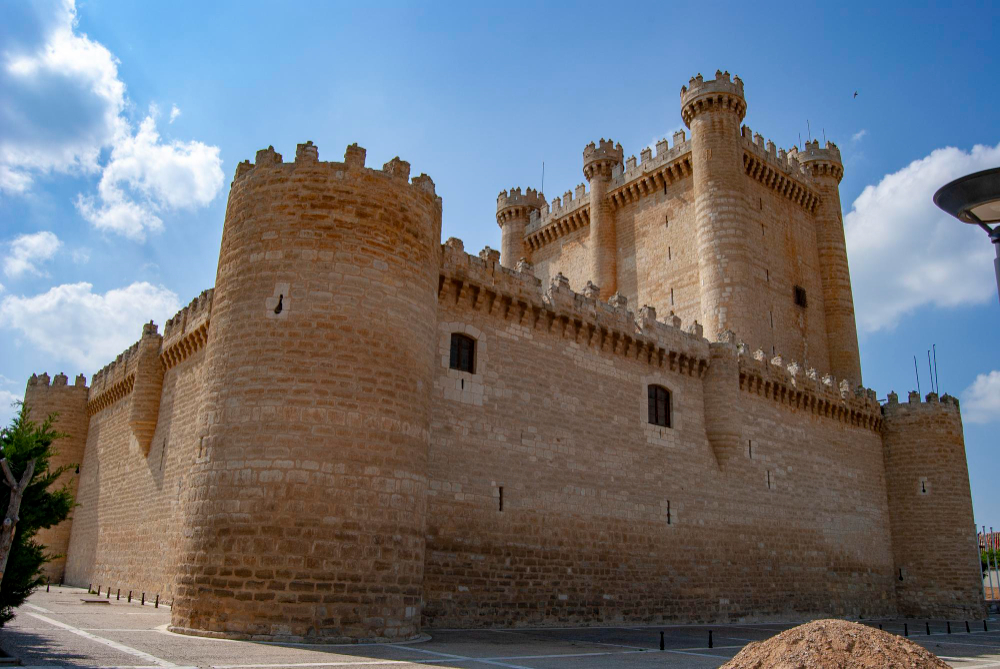
Continuing Tragedies and the Decline of the Family – The dark cloud hanging over the Vivero family persisted into subsequent generations. Several members of the family met tragic ends, often under mysterious circumstances or in connection with violence. The estate, once a symbol of pride, became increasingly associated with fear and superstition. This is also reflected in the architecture: The massive walls and towers appear forbidding, almost like a prison enclosing the family’s inner demons. Some historians speculate that the castle’s architectural features – such as winding corridors and hidden chambers – were key locations for the dramatic events. Thus, the castle itself becomes part of the grim history.
The Current Reputation of Fuensaldaña Castle – Fuensaldaña Castle has since lost its function as a noble residence and now serves, amongst other things, as the seat of the regional parliament of Castile and León. Yet the stories surrounding the Vivero family and their bloody past are deeply rooted in the region’s culture. Visitors occasionally report eerie noises, cold draughts and the sensation of a presence hovering over the ruins. These accounts contribute to the castle’s mystical aura. Guided tours regularly refer to the ‘black legend’, thereby attracting curious visitors keen to catch a glimpse behind the stone façades. In the process, fact and fiction merge into a sombre mosaic that brings to life the human abysses of that era.
A Curse Between History and Myth – The curse of the Vivero family is not merely a fairy tale, but is rooted in genuine historical events marked by betrayal, murder and suffering. Political rivalries and personal tragedies intertwine in the history of Fuensaldaña Castle to form a dark legend that has lost none of its fascination to this day. Whilst historians separate the facts from one another, the atmosphere of the uncanny remains ever-present. The curse, one might say, lives on – not as a supernatural phenomenon, but as a reminder of the depths of human depravity that can lie hidden behind majestic walls. Anyone setting out to visit Fuensaldaña Castle thus embarks not only on a journey through Spanish history, but also into the depths of a legend that shows just how thin the veil between power, madness and damnation can sometimes be.