 Isabella Mueller Baroness of Stainton le Vale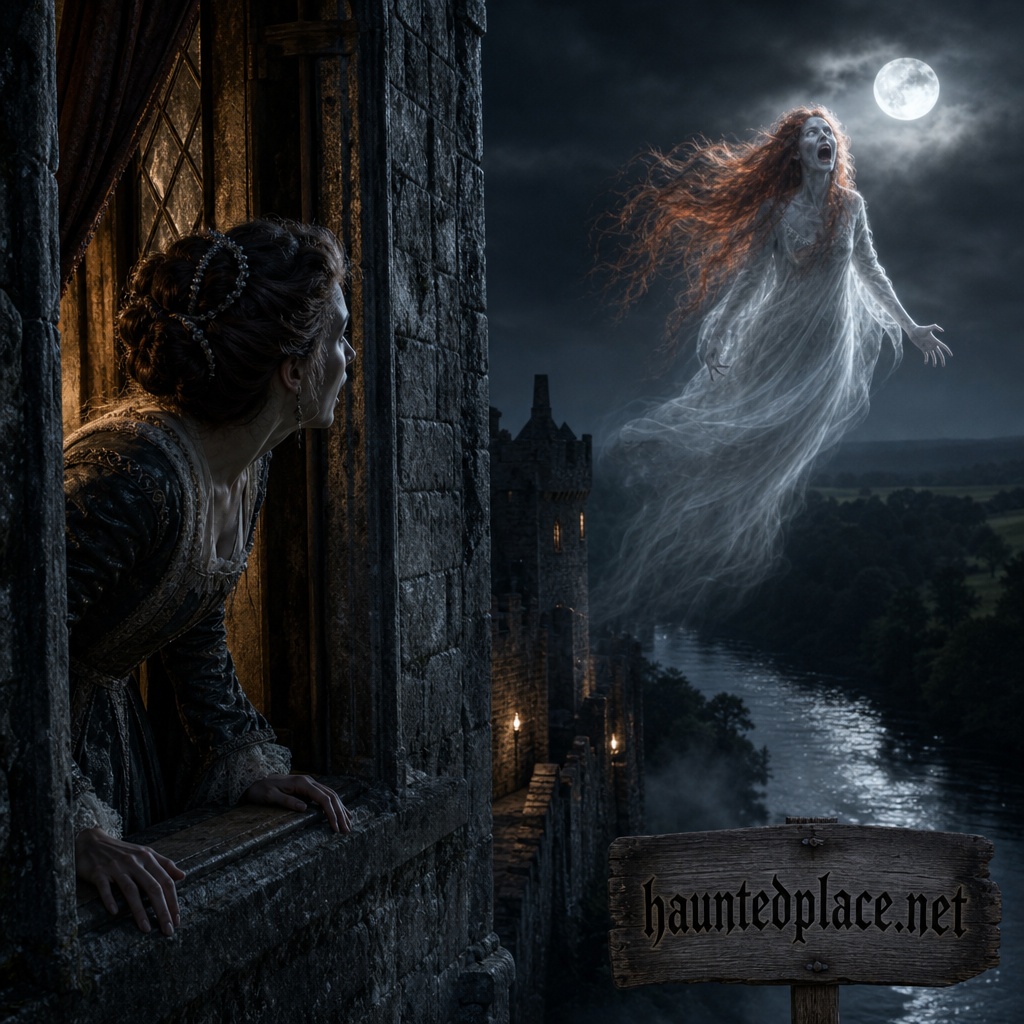
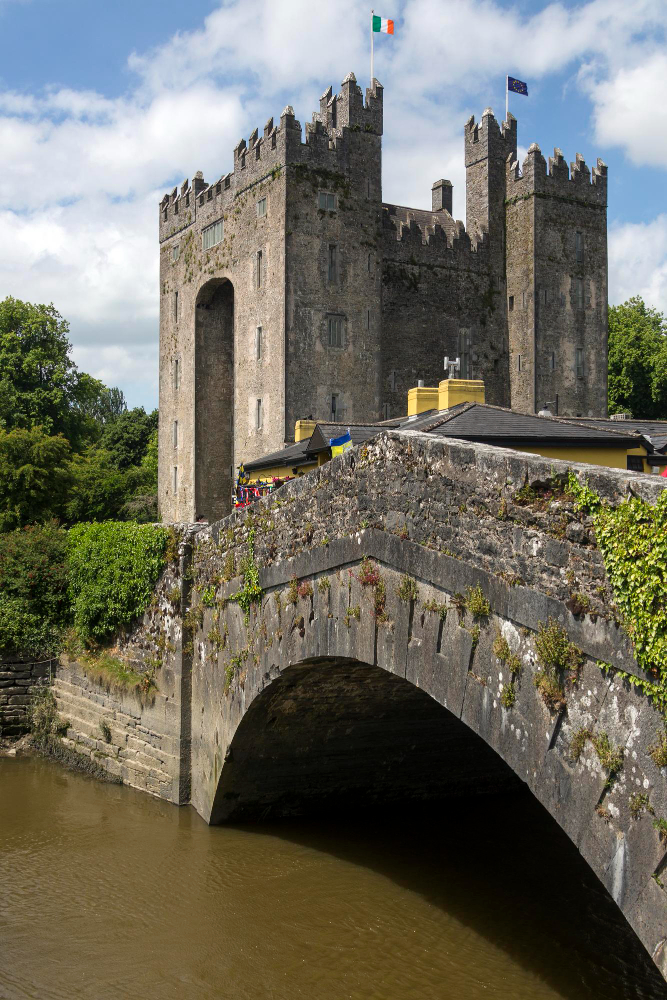
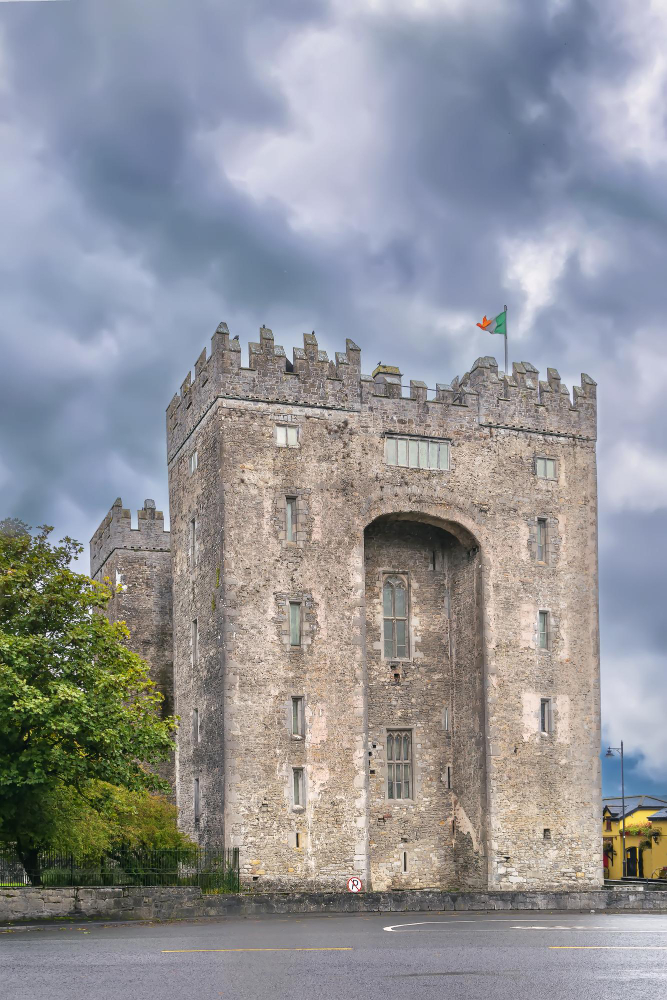
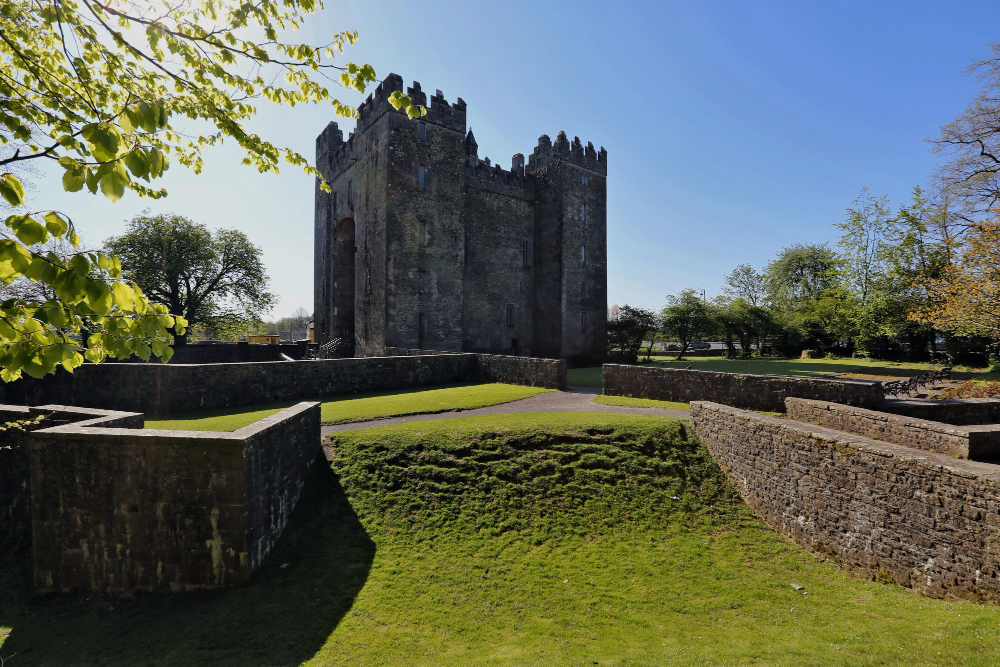
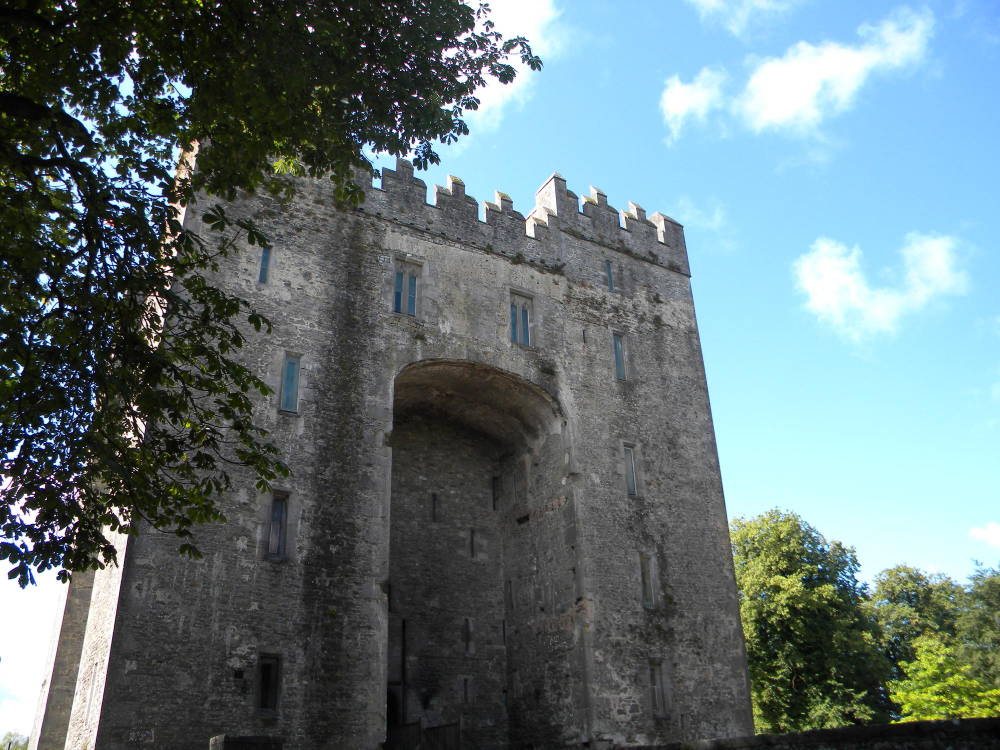
Within the historic walls of Bunratty Castle, nestled in the rolling hills of County Clare, Ireland, one of the most famous and terrifying figures in Irish folklore has been haunting the castle for centuries: the Banshee of Bunratty. This ghostly creature, known to many as a harbinger of death, continues to keep visitors and locals on tenterhooks to this day – and her story is as fascinating as it is frightening.
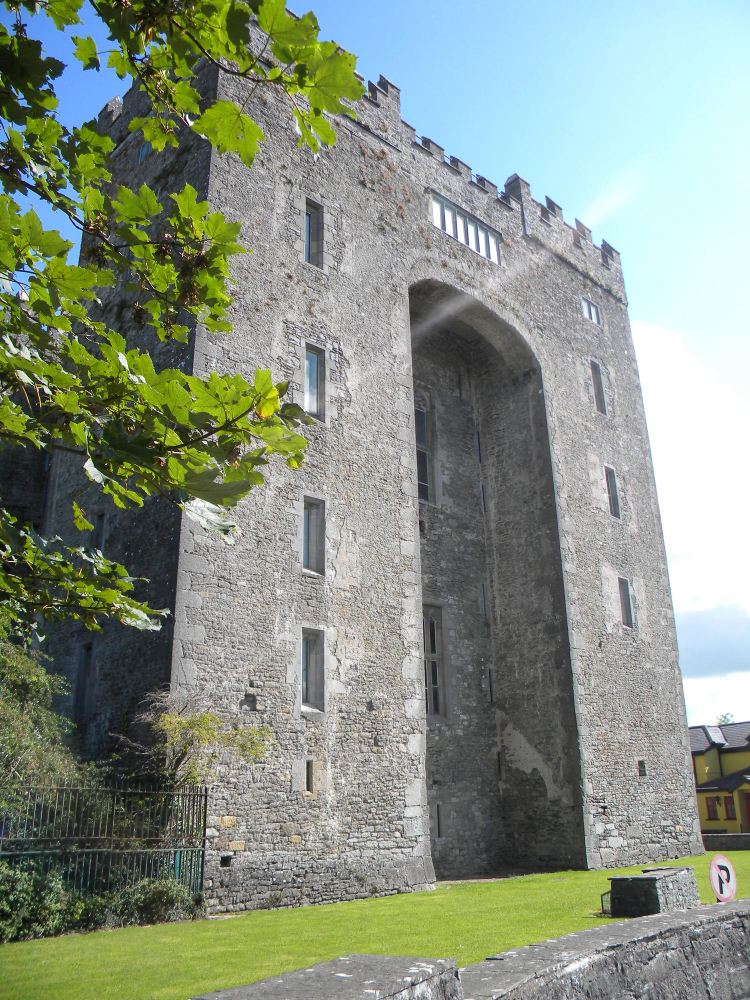
Bunratty Castle – A Castle Full of Secrets – Bunratty Castle, built in the mid-15th century, is not only an architectural masterpiece of medieval design, but also a treasure trove of stories and legends. The massive stone walls and the time-honoured courtyard provide an atmospheric backdrop that blurs the boundaries between history and myth. Over the centuries, the castle was the seat of the powerful O’Brien family, whose status was firmly established within the Irish nobility. Alongside political intrigues and social events, the estate is shrouded above all in paranormal tales, of which an encounter with the Banshee is arguably the best known.
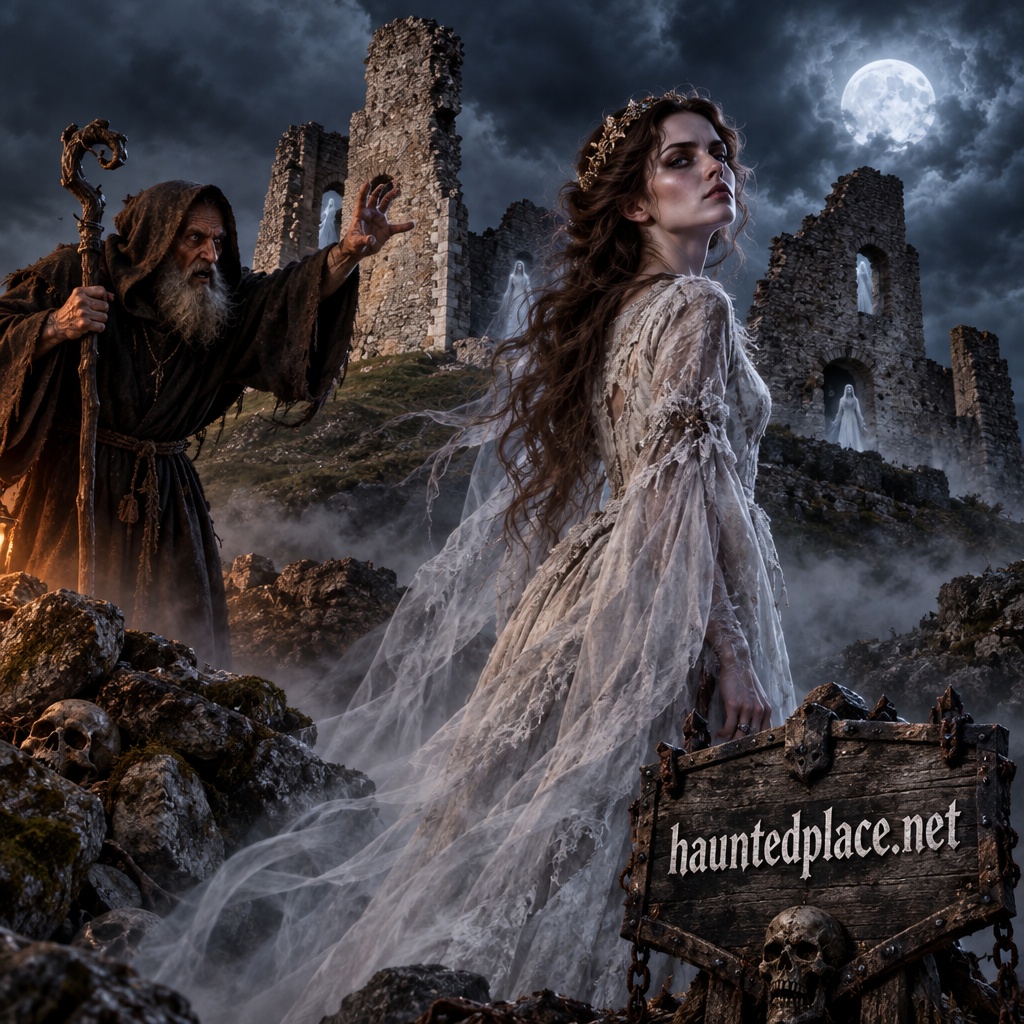
The Banshee: A deadly omen from Irish folklore – The term ‘Banshee’ derives from the Irish ‘Bean Sidhe’ and translates as ‘woman fairy’ or ‘fairy of the hill’. In Irish mythology, the Banshee is a ghostly woman who heralds the impending death of a family member. Her appearance is regarded as an ominous sign, and her wailing cry pierces the silent night like a harbinger of doom. The figure of the Banshee is multifaceted: in some traditions she is depicted as a beautiful maiden, in others as an old, terrifying woman with aged features. What all depictions have in common, however, is the intense sadness and despair that this apparition exudes. Her blood-curdling wail can be heard from afar and fills every listener with icy dread.
The most famous encounter: Lady Fanshawe and the eerie wail – One of the most striking and best-documented accounts dates from the year 1642. Lady Dorothy Fanshawe, a noblewoman and guest of the O’Brien family, was staying at Bunratty Castle at the time. On that fateful night, she was suddenly awakened by a piercing, heart-rending scream. Curious yet terrified, she looked out of her bedroom window down towards the river, which winds its way not far from the castle. There she saw a ghostly, pale woman with fiery red hair floating in the air, seemingly wailing in agony. This apparition, as Lady Fanshawe described it, filled her with a sense of profound grief that went far beyond ordinary human suffering. The following morning, the family learnt that, on that very night, a close relative – a cousin of the O’Briens – had passed away. The connection between the ominous sound and the death was undeniable to all involved – a clear manifestation of the Banshee.
The dark origins of the Banshee of Bunratty – What is it that makes the Banshee of Bunratty so special and captivating? A widely accepted version of the legend states that she is the spirit of a maid who once worked in the castle and tragically drowned in the river. Driven by unfulfilled longing and pain, her soul is said to hover from then on between the castle walls and the water, constantly warning of approaching death. This story reflects the quintessentially Irish theme that ghosts often arise from unresolved matters or tragic fates. It intertwines human emotions such as loss, guilt and memory with the supernatural, thereby lending the narrative a profound emotional dimension.
Parallels with other banshee legends – The apparition at Bunratty is set within the context of many similar tales found throughout Ireland. Numerous historical sources and collections of Irish legends recount stories of banshees who accompany noble families and herald death. Particularly well-known are the stories surrounding the banshees of the O’Neill, O’Connor and MacMahon clans, each of which exhibits specific characteristics and variations of the spirit. A key characteristic is that the Banshee can usually only be seen or heard by certain members of the family. These are often women who have a special connection to the deceased family members. This exclusivity underscores the Banshee’s mystical status and the sense of bearing witness to a secret, supernatural truth.
Historical Background and Cultural Significance – The legend of the Banshee in Bunratty can also be viewed in the context of Ireland’s turbulent history. Particularly in the 17th century, a time of political upheaval and tragedy, there was a need for symbols that expressed the pain and uncertainty of life. The Banshee became an expression of collective fears and hopes, passed down through the generations. Furthermore, the Banshee represents a connection to nature and the afterlife, which is firmly rooted in Celtic tradition. It symbolises the inevitable end and serves as a reminder to be mindful of life and its transience.
Eyewitness Accounts and Modern-Day Perception – Even in modern times, visitors to Bunratty Castle occasionally report unexplained noises, cold draughts or fleeting shadows, which they associate with the ancient legend. Guided tours of the castle often include the tale of the Banshee, which sends shivers down the spines of both tourists and locals alike. Scientifically, these phenomena cannot, of course, be proven, but that is precisely where the fascination lies: the haunting thrives on doubt, on the tension between rational explanation and magical experience.
A sombre legacy that echoes to this day – The Banshee of Bunratty Castle is far more than just a ghost story. It is a living piece of Irish culture that tells of loss, remembrance and the fragile boundary between life and death. The legend of the pale, red-haired figure, whose wails once roused Lady Fanshawe from her sleep, has a firm place in the collection of paranormal traditions and continues to fascinate today with its profound symbolism and eerie atmosphere. Anyone visiting Bunratty Castle is not merely entering a historical monument, but also a world where history and myth go hand in hand – and where the Bannshee continues to sing her mournful song in the shadows of the night, so that her warning may penetrate the hearts of all who are willing to listen.