 Isabella Mueller Baroness of Stainton le Vale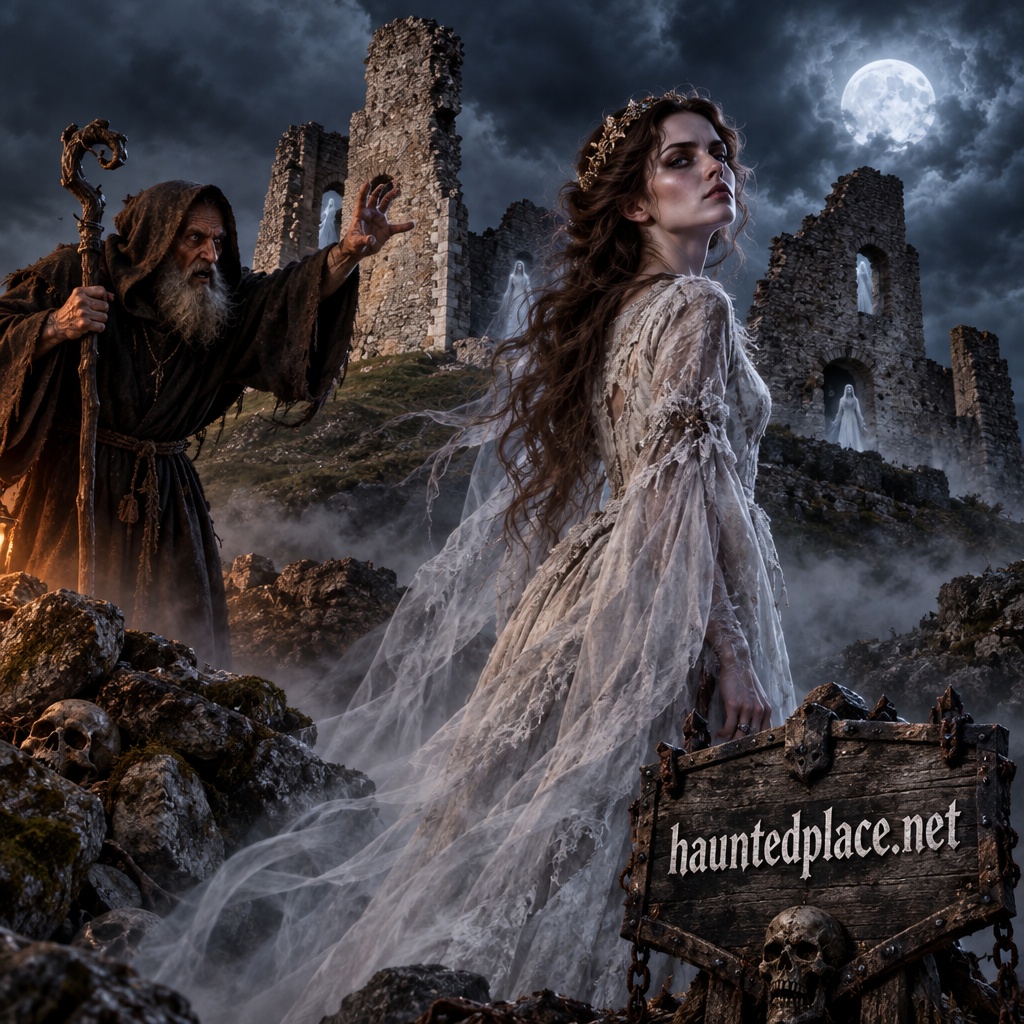
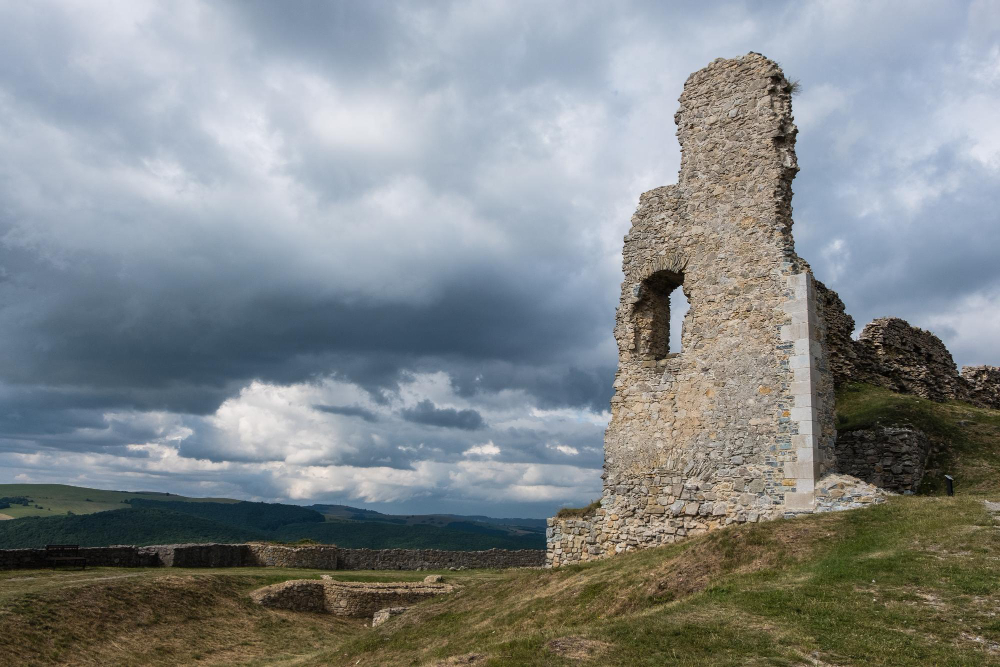
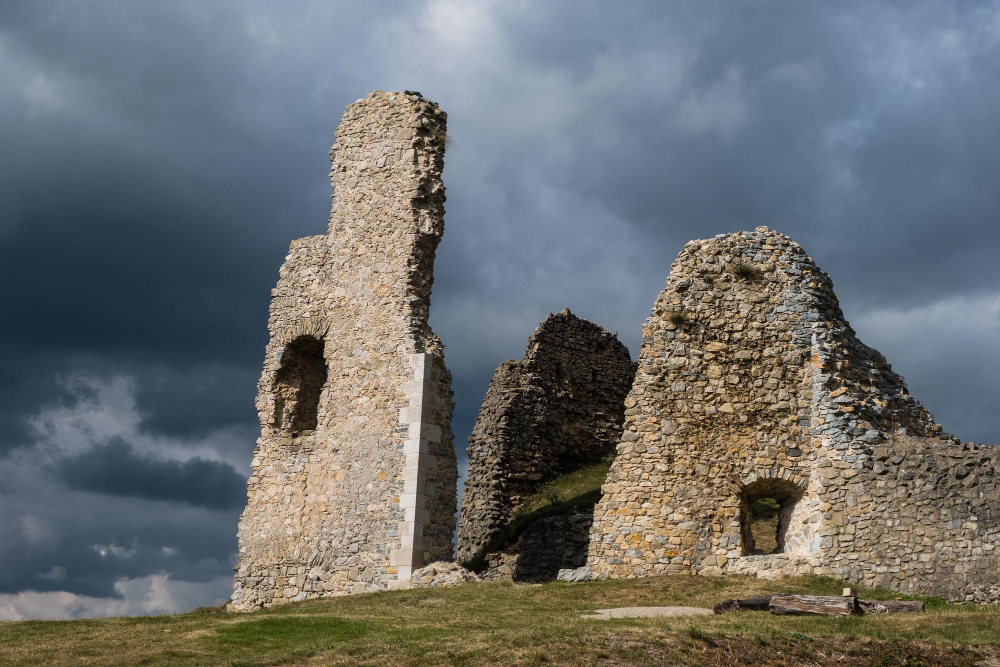
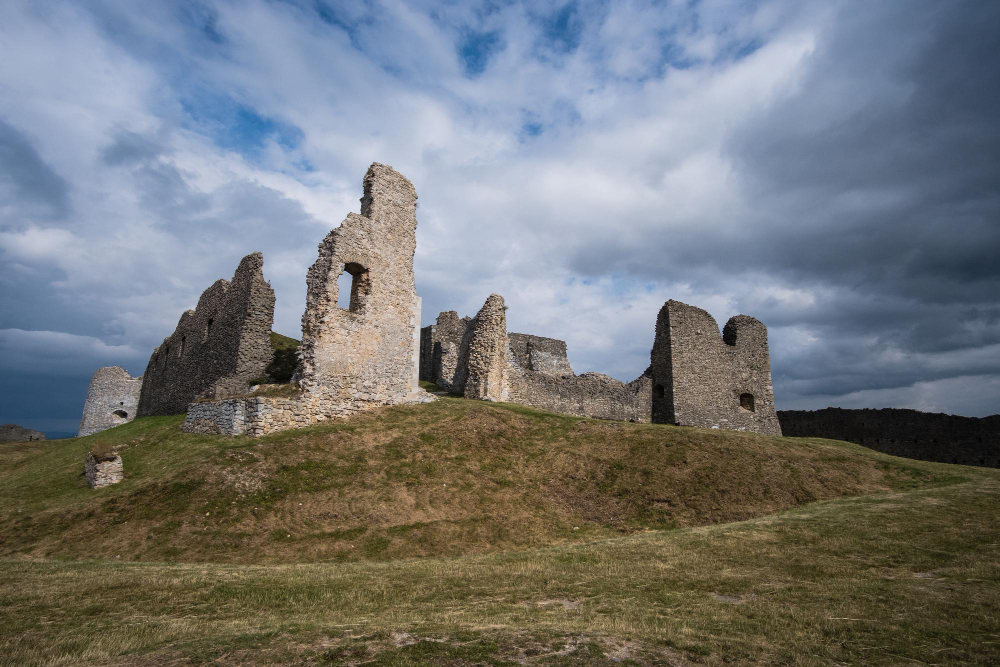
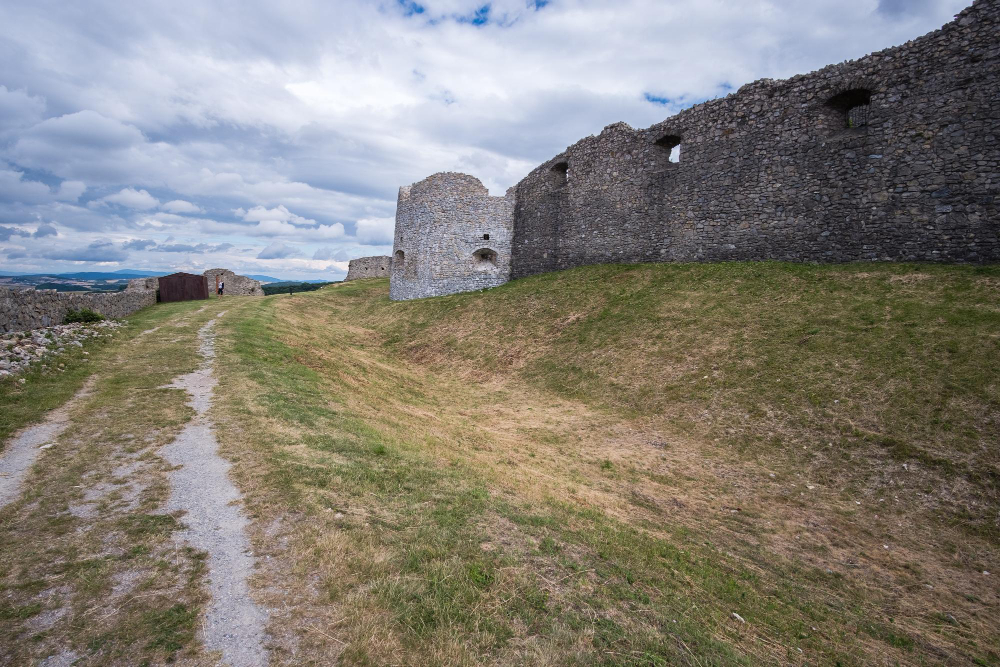
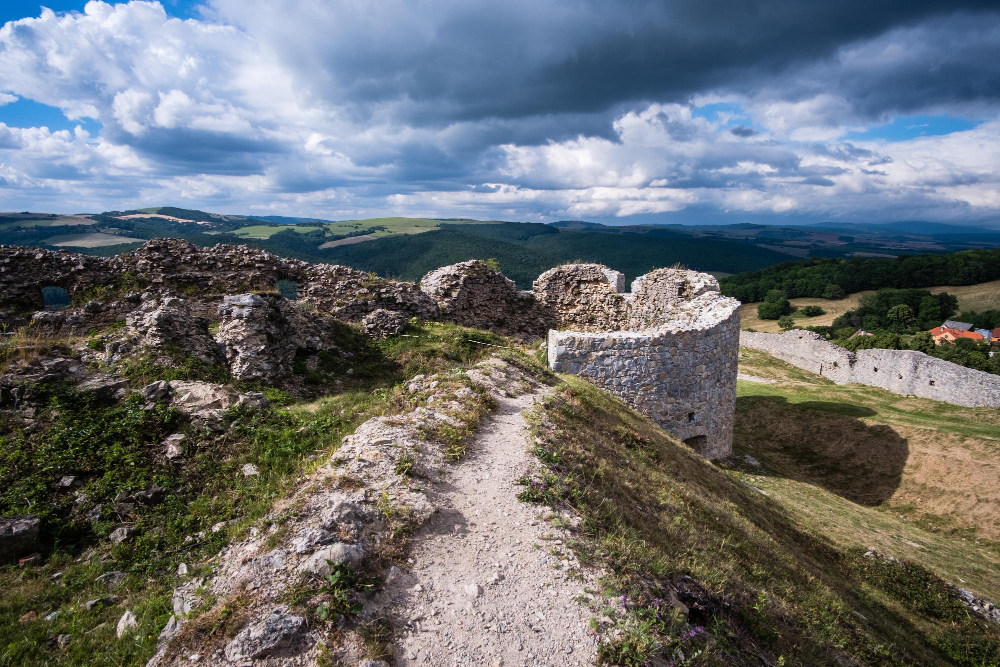
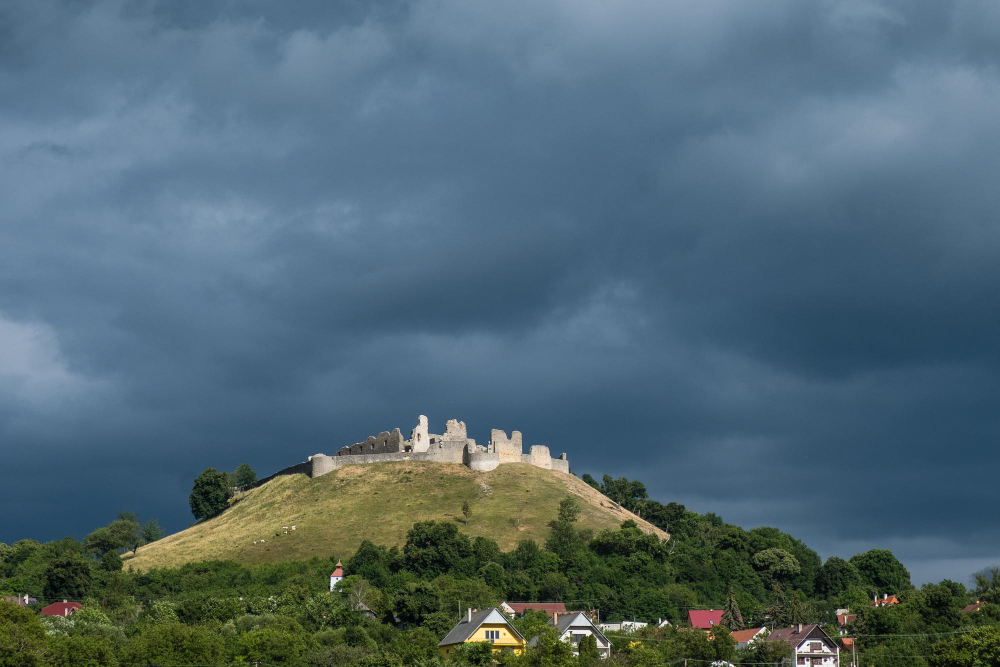
In the deep forests of Slovakia, nestled between steep hills and mist-shrouded valleys, the ruins of Branč Castle rise proudly and mysteriously. For centuries, within its crumbling walls, the wind has whispered of a grim legend – that of Katarína, the cursed daughter of the castle’s lord, Stefan. This story, deeply rooted in Slovak folklore, combines horror, tragedy and a cautionary tale all at once. The legend of Katarína is not merely a regional myth, but also reflects ancient human fears and cultural conflicts.
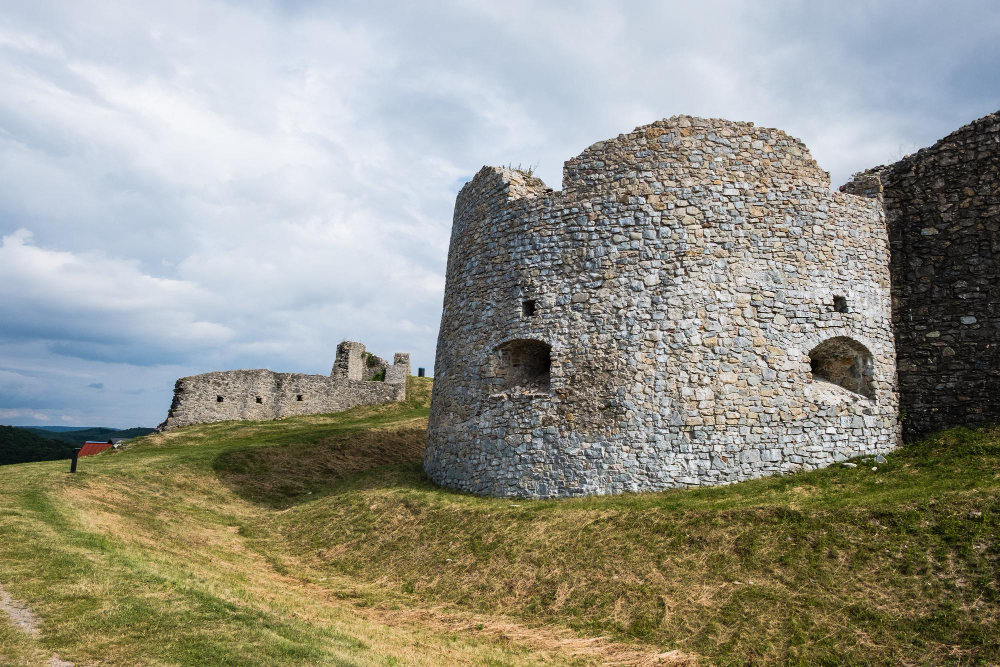
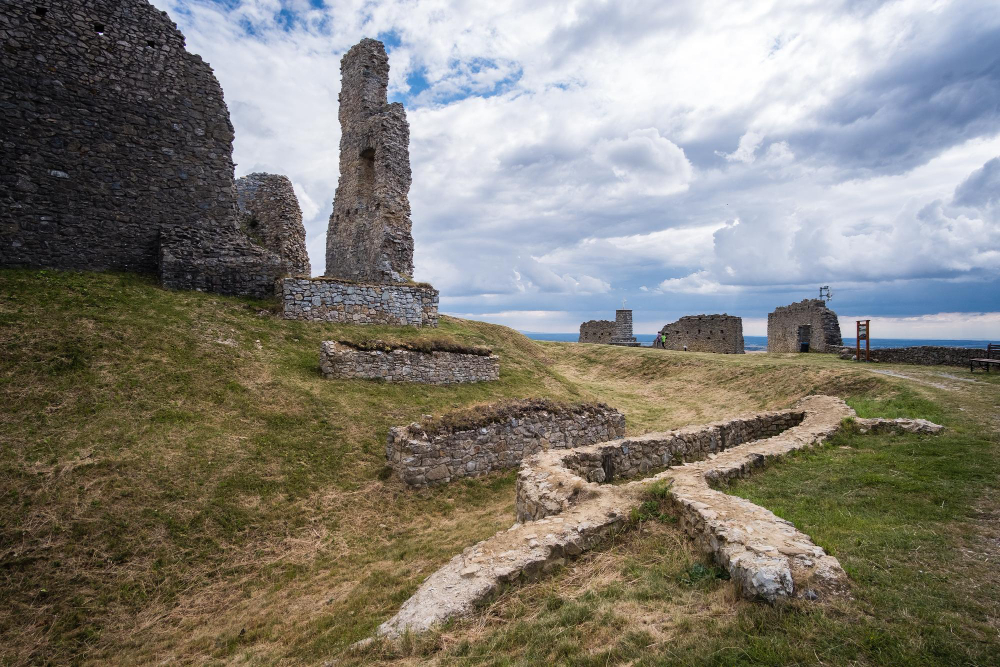
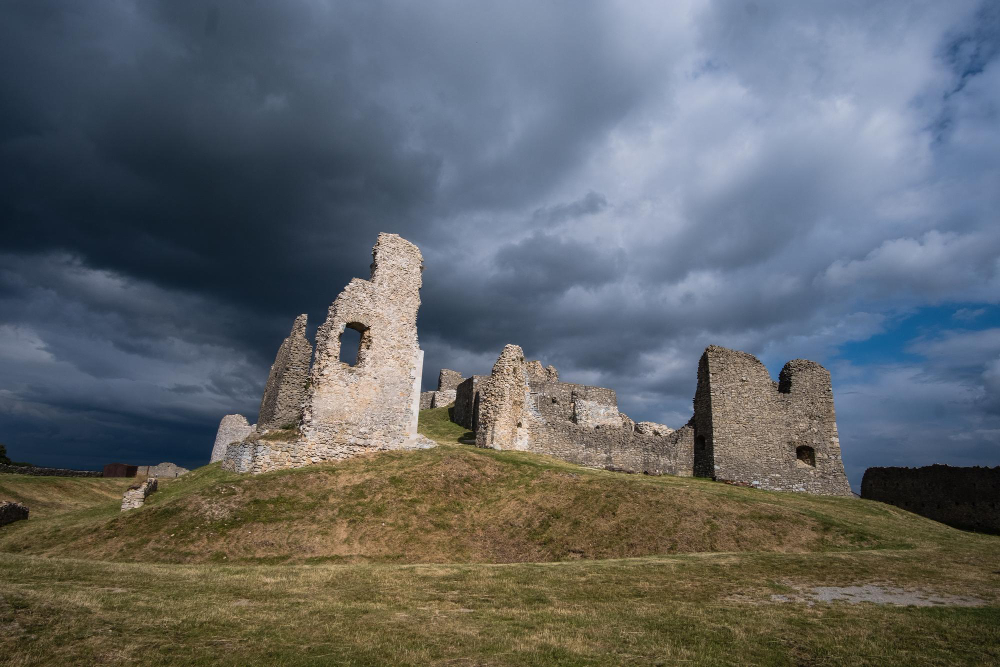
The historical setting: Branč Castle and its significance – Before we delve into the shadowy world of the cursed Katarína, it is worth taking a look at the historical site where the events unfolded. Branč Castle, for which few documents exist regarding its exact date of construction, is thought to date from the 13th century and served as a strategic defensive structure in Central Slovakia. Its ruins are now a place of remembrance and a source of numerous myths centred on the figures who once lived within these walls. According to historical records, Branč Castle was a centre of power for local nobles, including Stefan, a lord of the castle whose family featured prominently in folk tradition. The tale of his daughter Katarína has been passed down through the generations and has become an integral part of Slovak folklore.
The Legend of Katarína: Beauty and Pride – Katarína, Stefan’s daughter, is described in the tales as exceptionally beautiful – so beautiful that she seemed to embody the pride and arrogance of a child of the gods. Yet this beauty was accompanied by a dangerous arrogance. She selected her suitors with unparalleled rigour and humiliation, so that many young men from the surrounding area withdrew or even fell into despair. Her haughtiness was soon regarded not merely as a personal trait, but as a sign of a deeper, monstrous sin. The legend recounts that, despite her father’s various warnings and pleas, Katarína showed no respect. Her selfishness and contempt for others ultimately led to her curse. An old hermit, who lived in the village as a seer and prophesied the approaching catastrophe, cursed her so that she might atone for her arrogance. The curse was intended to ensure that Katarína would not pass into the afterlife, but would remain trapped for eternity as a restless spirit within the castle walls.
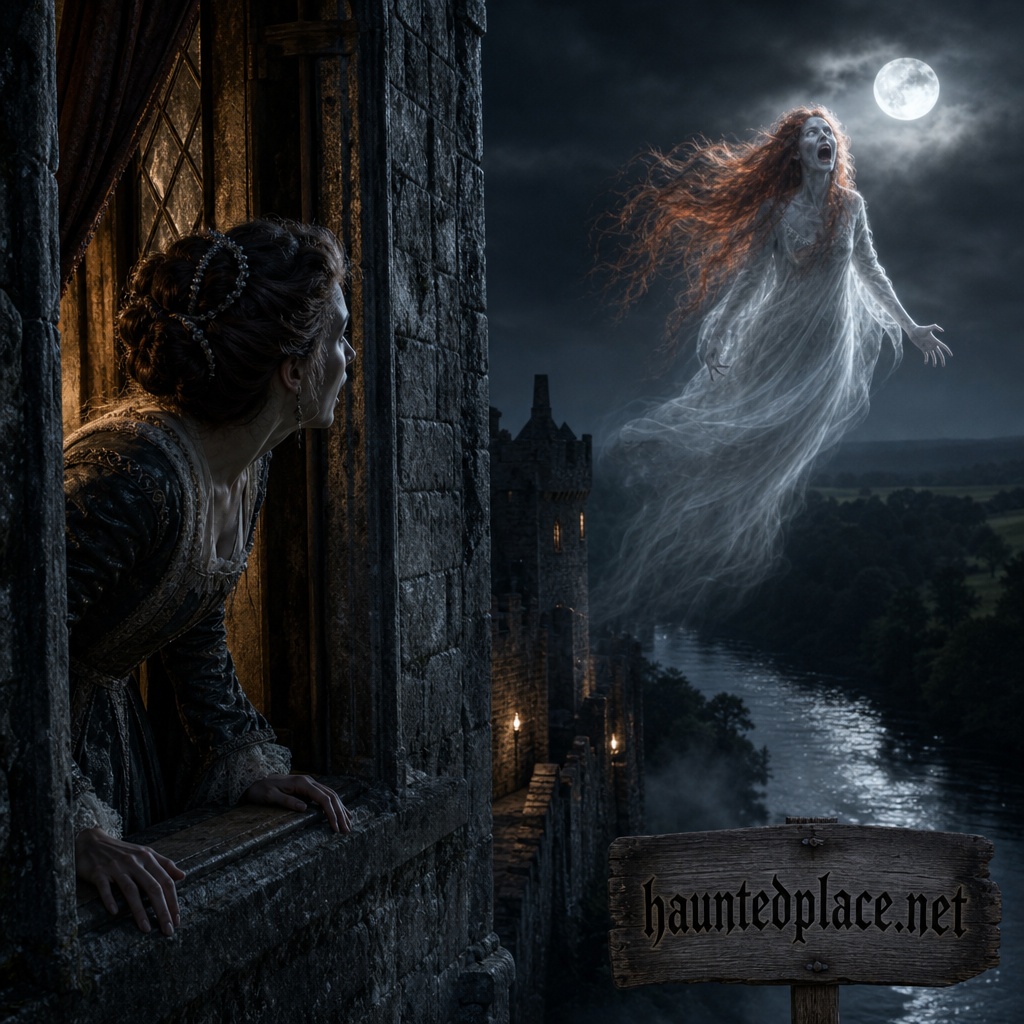
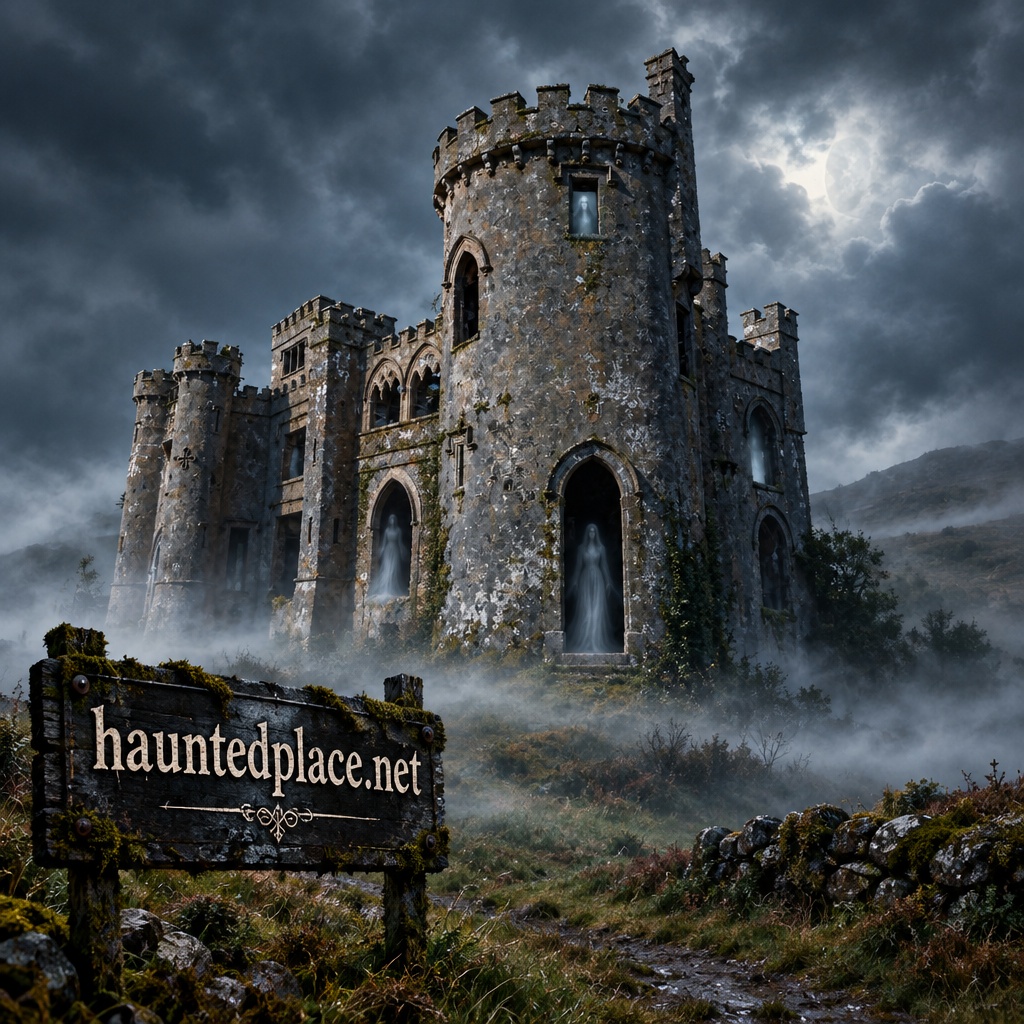
The Curse and its Oppressive Effect – Tradition recounts how, shortly after this curse was cast, dark events began to plague the castle. Shadowy apparitions, inexplicable noises and cold draughts ensured that even the bravest residents avoided the castle. It is said that Katharina’s spirit was visible on certain nights – a pale, beautiful woman in an antique gown, yet her eyes full of anger and sorrow. Stefan’s descendants tried in vain to lift the curse. Many believed that the curse could only be broken through sincere humility and repentance, yet Katarína refused both. As a result, she became a symbol of hubris and the consequences of human arrogance.
Parallels and historical sources – Interestingly, the legend of the cursed Katarína shares similarities with other European folk tales in which beautiful but proud women are bound by curses. These stories often served as moral lessons about the dangers of pride and the necessity of humility. The Slovak legend, however, is particularly characterised by its detailed connection to a specific location – Branč Castle – which lends it a tangible authenticity.
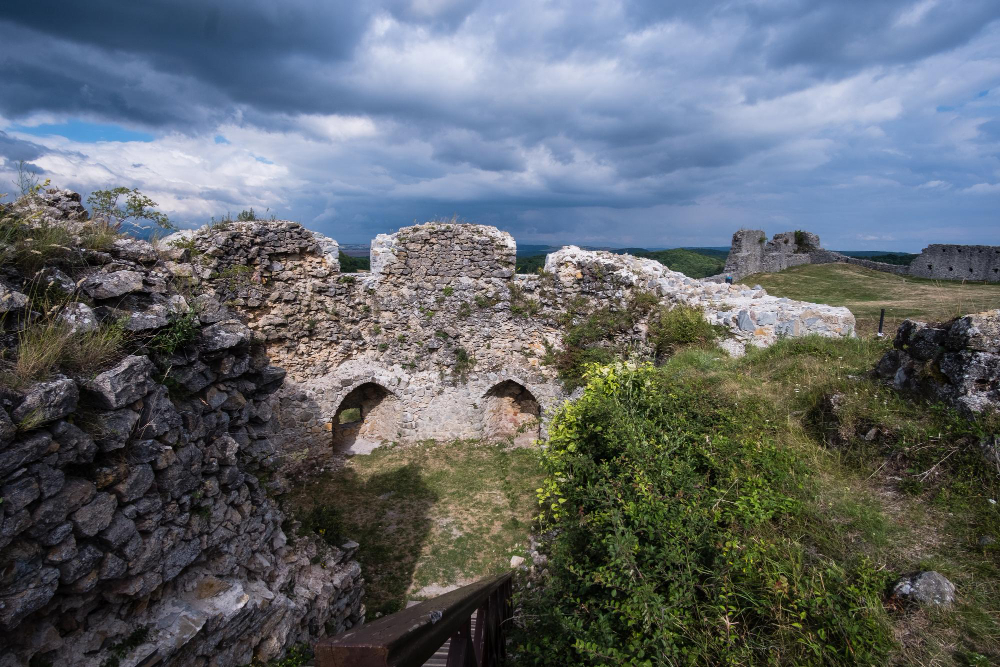
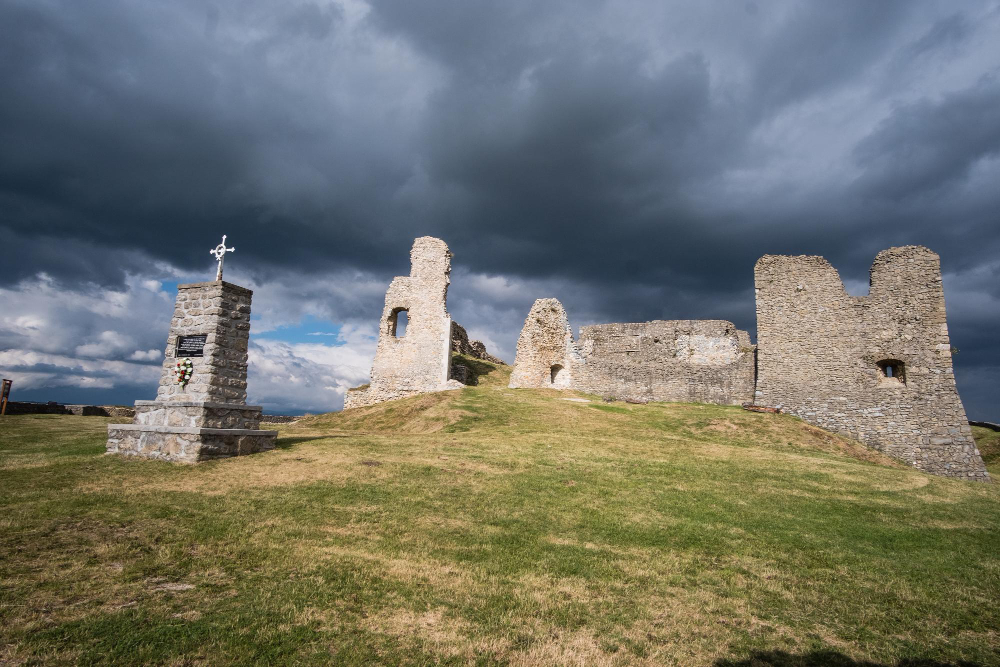
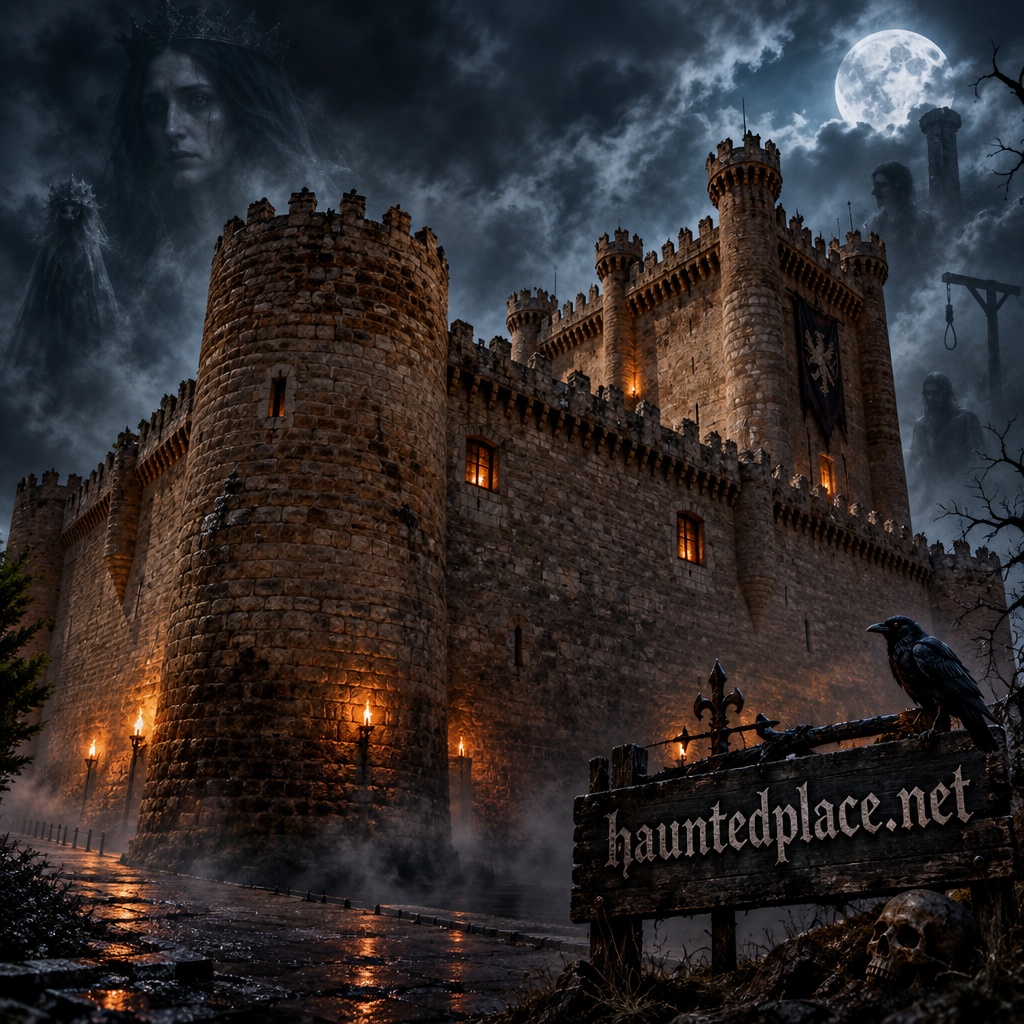
The Castle as a Setting for the Eerie – The current state of the Branč Castle ruins reinforces the eerie atmosphere of the legend. Crumbling towers, overgrown walls and hidden vaults create a setting that transports visitors to another world. Local guides repeatedly report unexplained occurrences: footsteps in the derelict tower, mysterious lights and cold spots that nobody can account for. Several scientific investigations, including geophysical measurements and temperature experiments, have revealed unusual phenomena which may be attributable to natural causes, but which are regarded by the local population as proof of a ghost’s presence. In particular, the spot where Katharina’s chambers are believed to have been attracts countless curious visitors and ghost hunters.
The cultural significance of the legend today – The story of the cursed Katharina is more than just a sombre legend. It reflects social and psychological themes – the fear of isolation, the fate of those who rise above their fellow human beings, and the mysterious connection between life, death and the supernatural. In modern interpretations, Katarína is often seen as a tragic figure whose fall from glory into damnation serves as a bitter warning. Events are held regularly in the region to honour this legend and keep it alive. Plays, readings and guided night-time walks through the castle bring the story to life for new generations. Yet the horror remains ever-present: Katharina’s ghost is said to still roam the castle, unable to find peace.
A legend that makes the heart tremble – The legend of the cursed Katarína captivates with its blend of beauty and horror, myth and history. It transports us to a world in which human errors have lasting consequences and in which walls preserve more than just stones – namely, the memories and horrors of times gone by. Despite the passing of centuries, it has lost none of its impact; on the contrary, the abandoned Branč Castle and Katarína’s ominous presence constantly remind us that some spirits never rest – and that beauty alone can sometimes be the first step into the abyss.