 Isabella Mueller Baroness of Stainton le Vale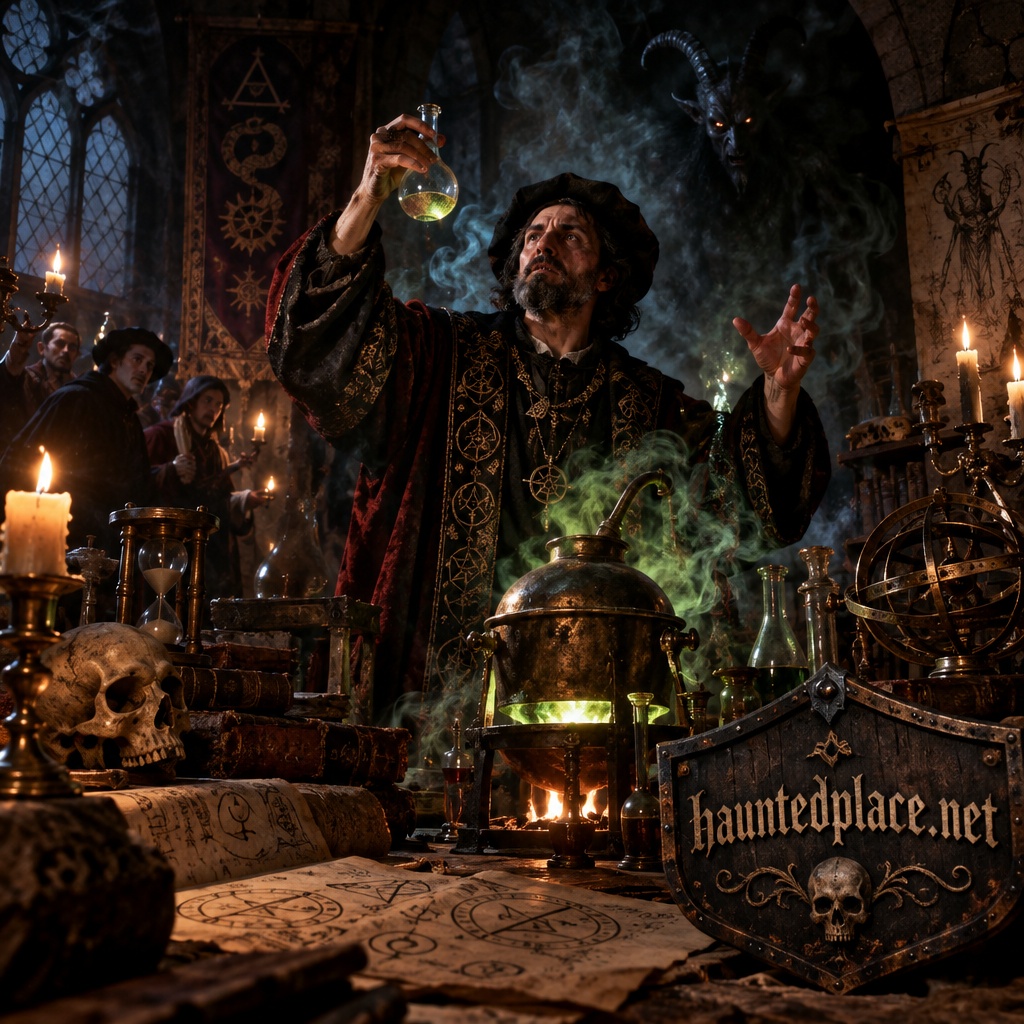
In the gloomy shadows of the Renaissance, set against the venerable walls of Trausnitz Castle, the story of Marco Bragadino tells a tale of deception, power and eerie secrets. A man who became known as an alchemist walked the fine line between science and superstition, truth and fiction – and left behind a legend whose dark repercussions still echo to this day.
The Rise of a Supposed Miracle-Worker – In the late 16th century, a time marked by political instability and the quest for mystical knowledge, Marco Bragadino, a historically documented alchemist and fraudster, entered the service of the Bavarian Duke Wilhelm V. He promised the impossible: the transformation of base metals into gold – the so-called transmutation, a central goal of alchemy. Bragadino’s arrival at Trausnitz Castle was met with great hopes and, at the same time, deep mistrust.As a son of unknown origin and with a mysterious past, Bragadino presented himself as a master of the alchemical art, equipped with academic knowledge gained in Italy and an aura of the supernatural. His demeanour filled the venerable halls of the castle with a mixture of fascination and fear. Documents and historical sources, including accounts by contemporary chroniclers, paint a picture of Bragadino as a skilful deceiver who knew how to manipulate his audience and spin tales that both inspired and terrified the imagination.
Between Science and Superstition – the Dark Side of Alchemy – Alchemy in the 16th century was a strange microcosm straddling science and magic. It combined basic chemical experiments with Hermetic philosophy and was often interpreted as a gateway to hidden powers. Marco Bragadino’s works cannot therefore be viewed in isolation; they are embedded in a global network of alchemists, mystics and even political figures who intertwined the quest for immortality, wealth and power. Bragadino himself not only peddled his supposed abilities to the courts of Europe, but also spread fear and terror through his performances. His rituals, which he performed in the castle’s dark chambers, were peppered with occult symbols and mysterious apparatus – a scenario that aligns with the tales of occult practices and demonic invocations circulating at the time. The boundaries between genuine science and a staged horror performance became blurred. This brought him not only fame, but also suspicion and, ultimately, condemnation.
The Bragadino Case – Betrayal, Execution and the Echo of Terror – The initial glamour surrounding Bragadino quickly faded when the Duke and his court realised that his promises of turning lead into gold had failed to deliver results. Documents from Bavarian archives confirm that Bragadino was arrested in 1591. His trial proved just as dramatic as his public appearances: he was charged with fraud, yet witnesses also reported mysterious incidents surrounding him – from night-time screams to inexplicable noises in the castle. His sentencing to death led to a public beheading in Munich, an event that attracted widespread attention and was recorded by numerous chroniclers. Yet the legend of the alchemist did not die with him. Rather, it lived on within the ancient walls of Trausnitz Castle, in tales of ghostly apparitions and a whisper of the unknown that has become trapped within the walls.
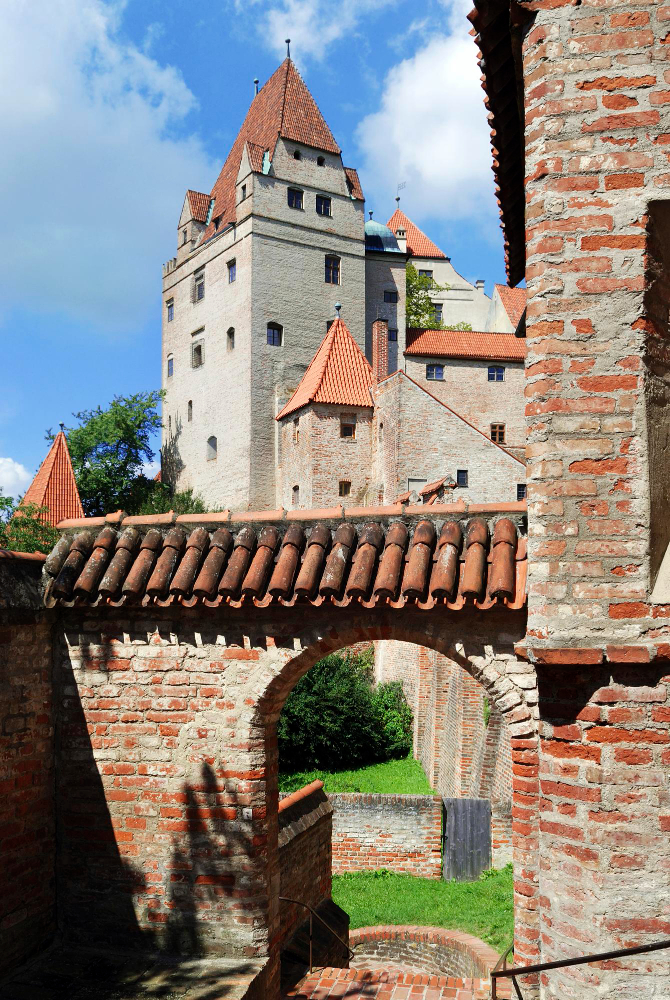
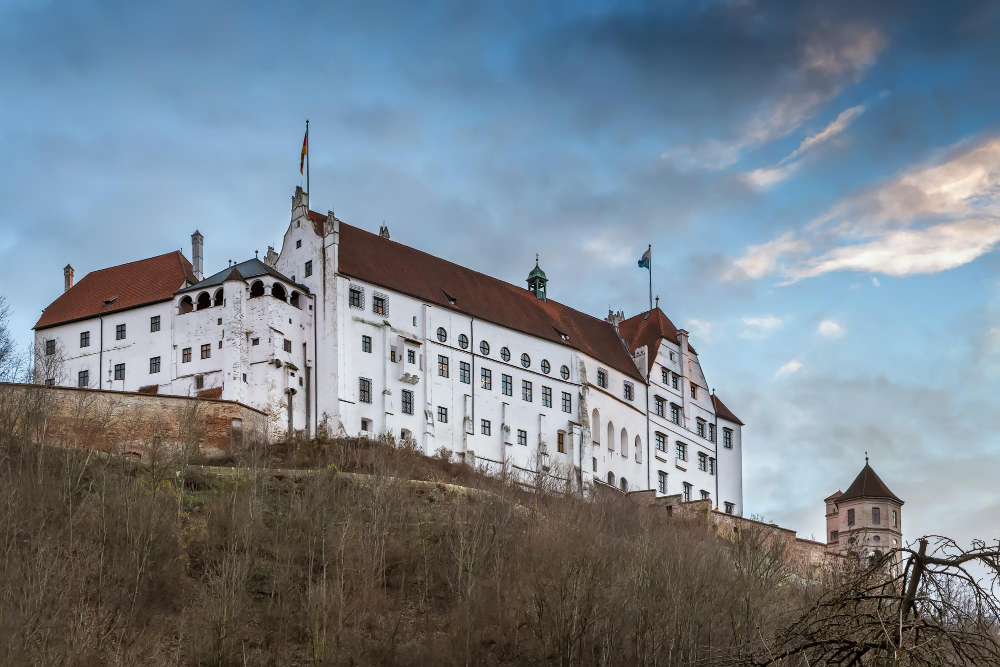
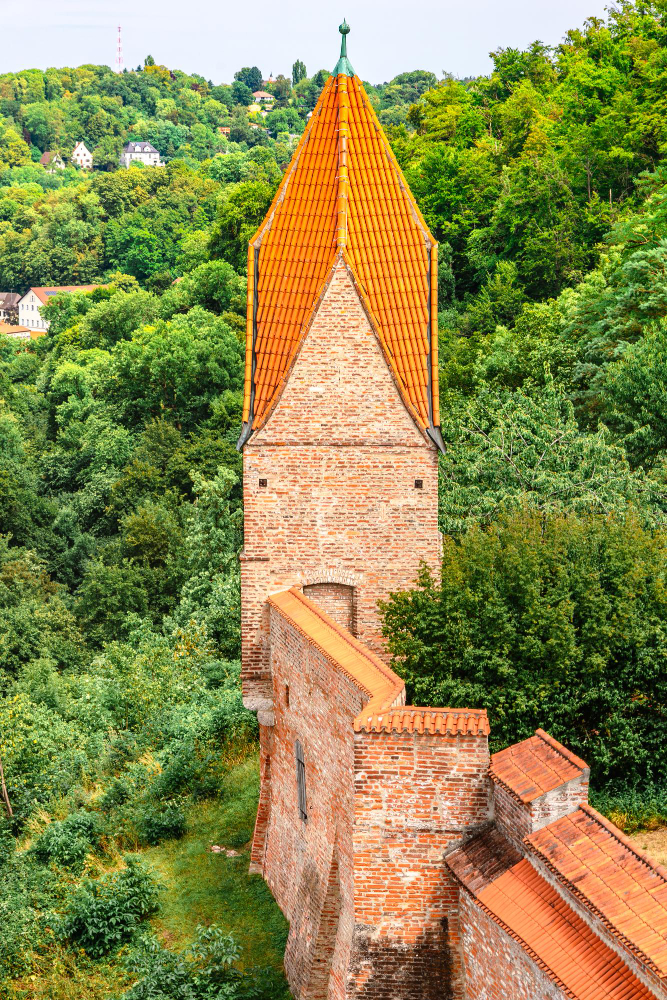
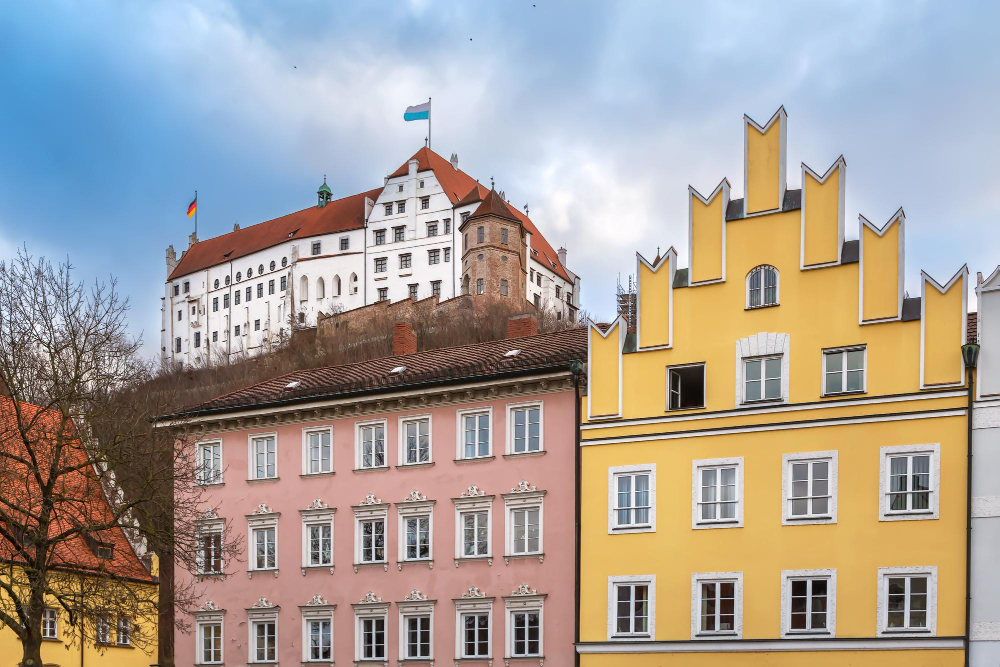
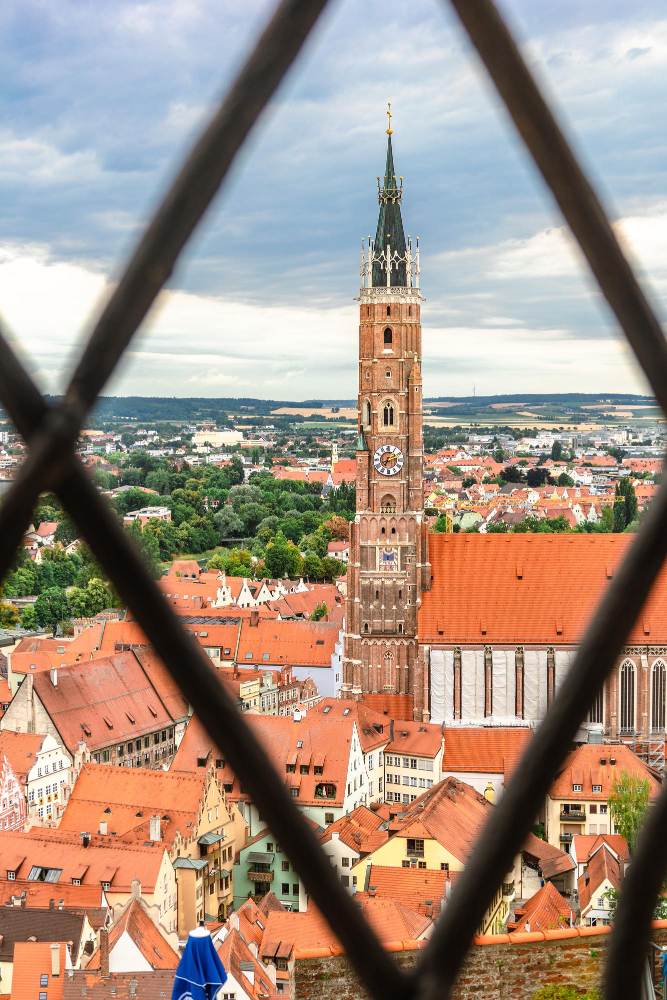
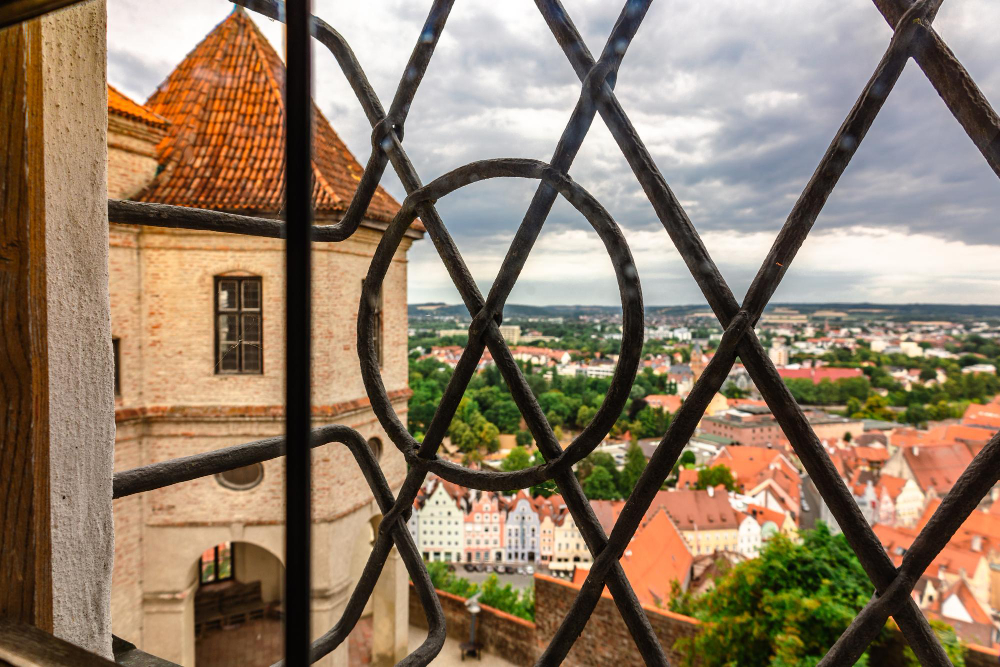
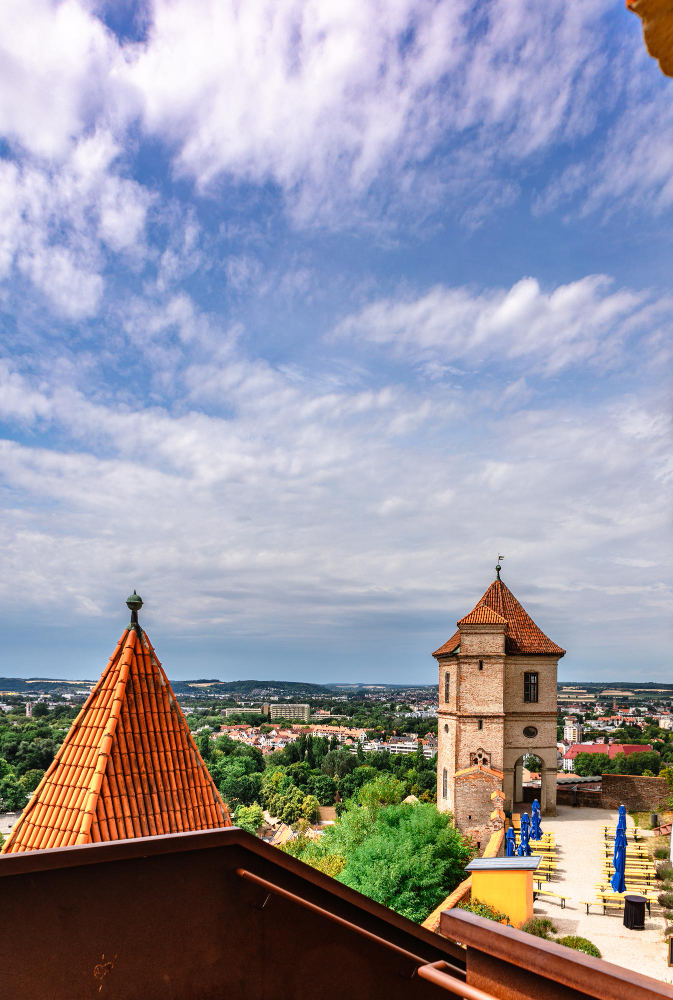
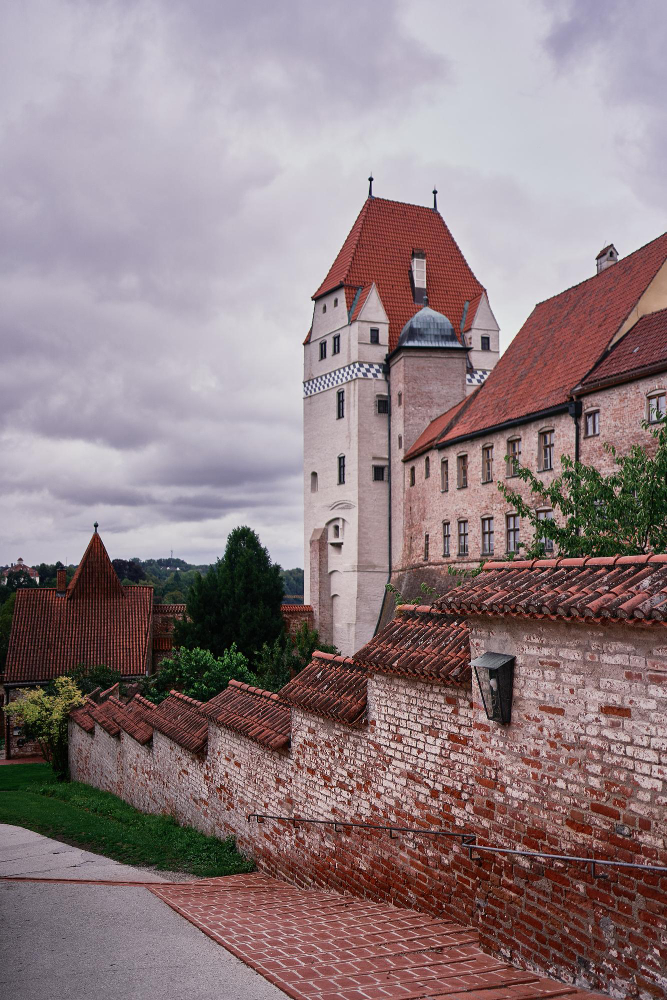
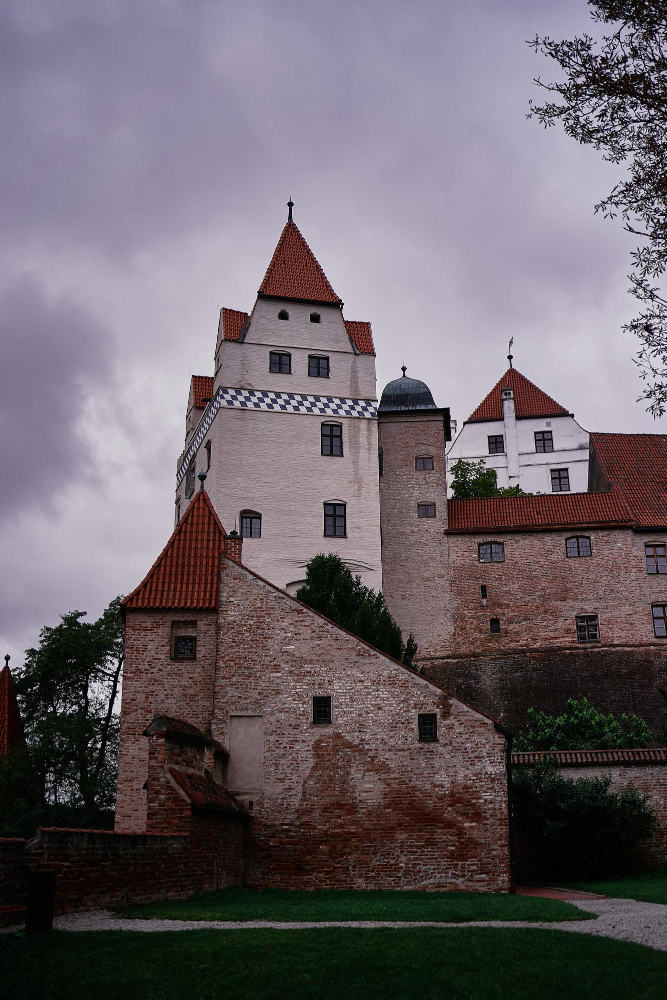
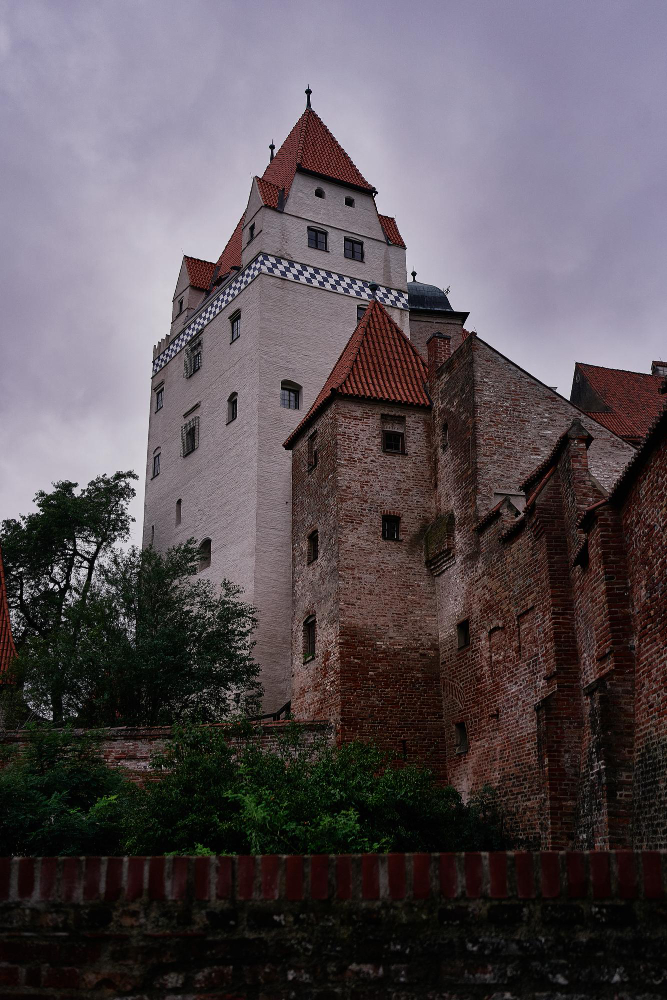
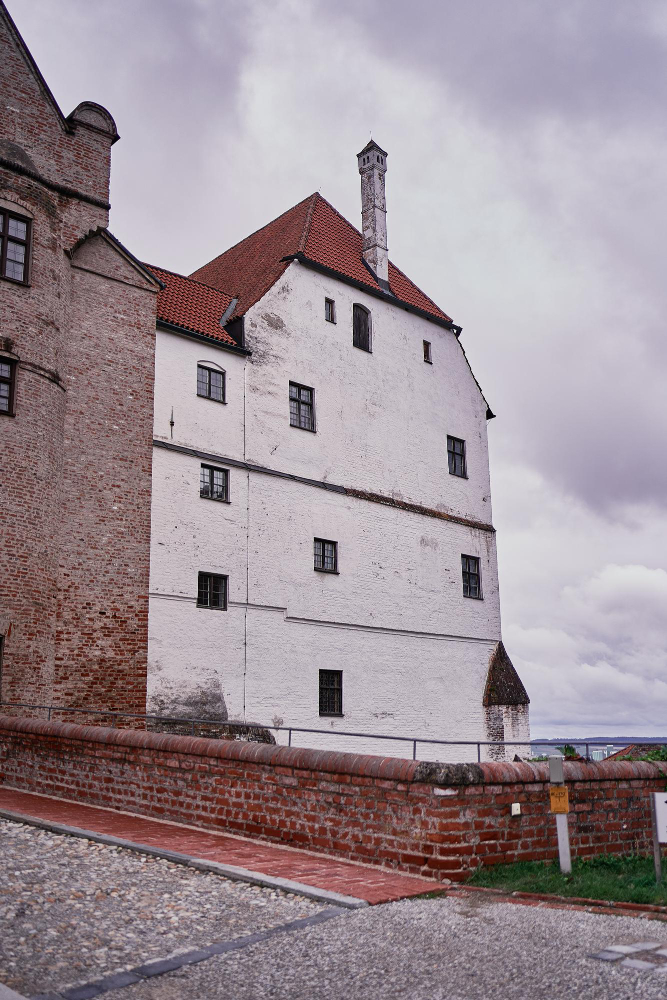
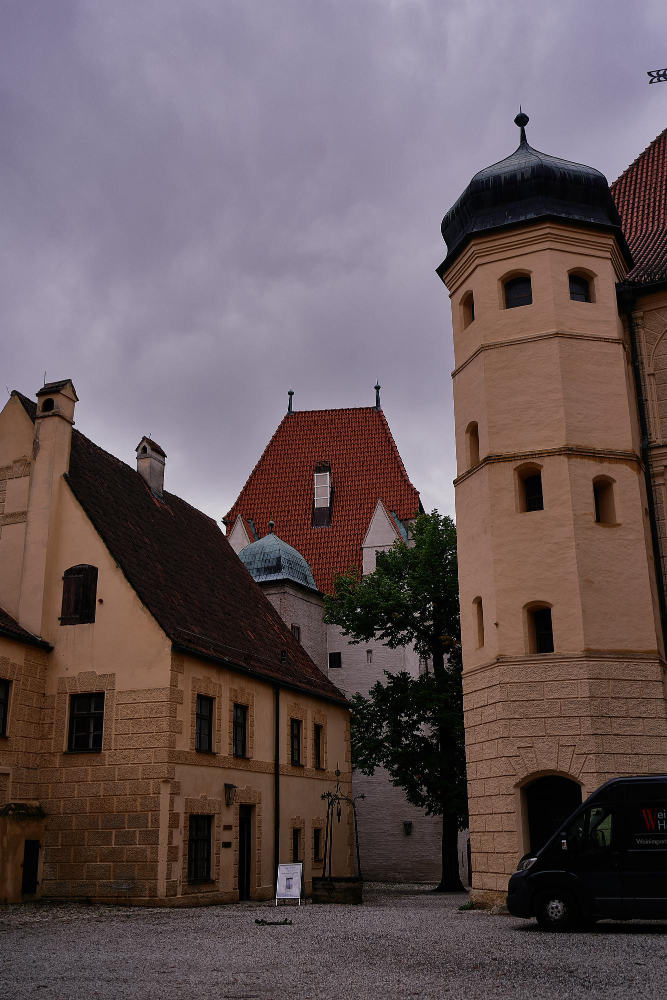
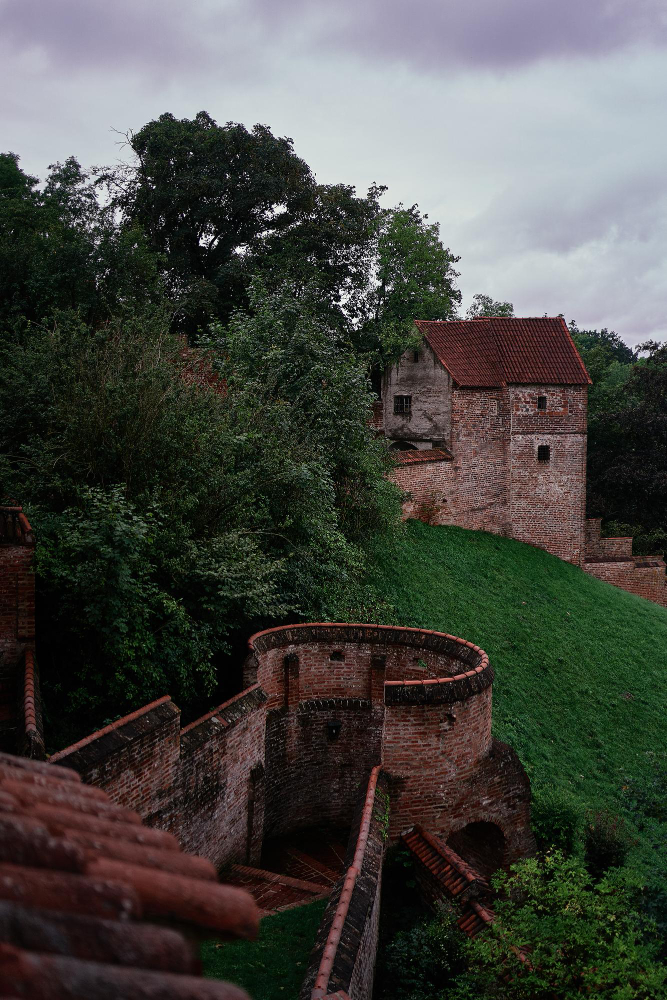
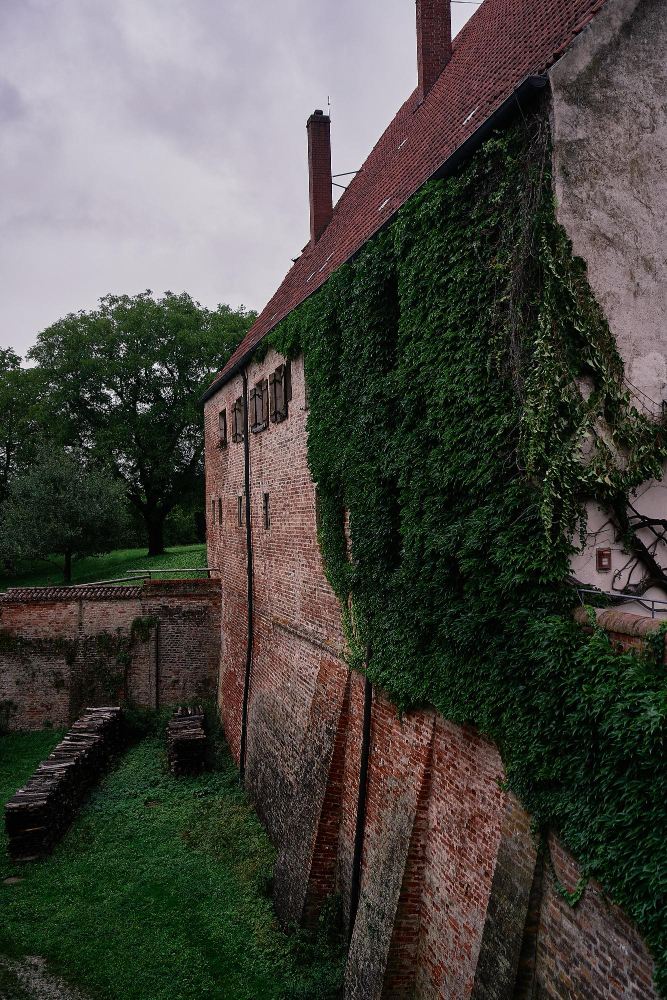
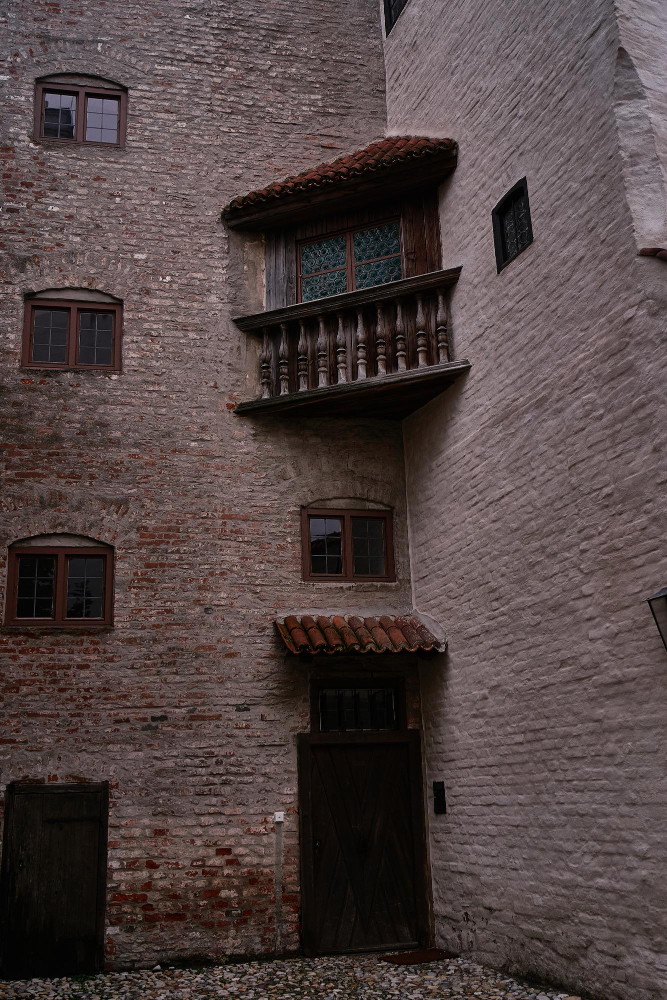
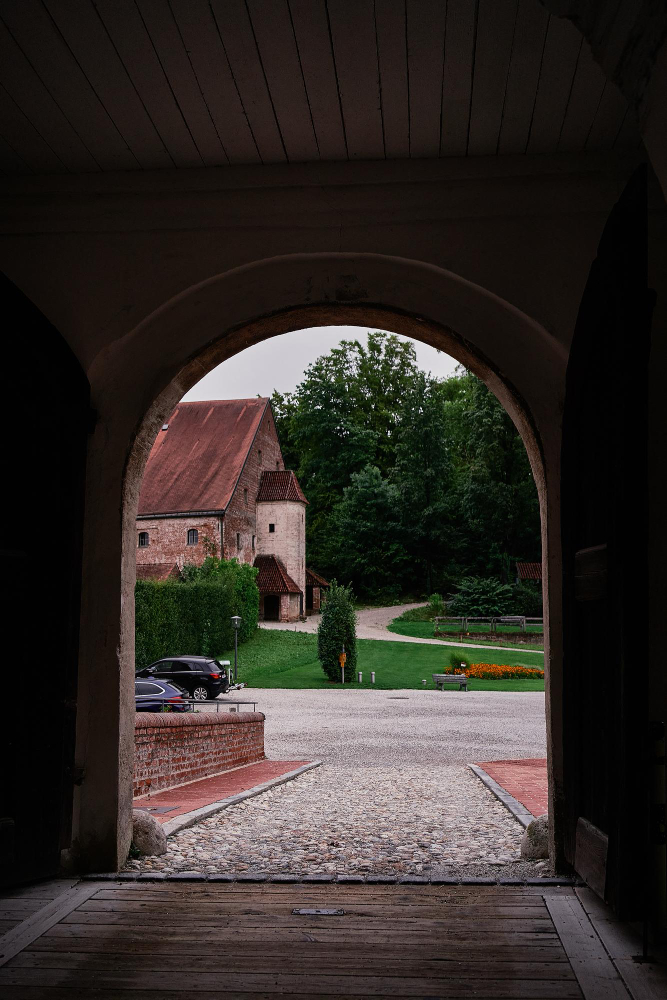
Trausnitz Castle as the setting for a macabre tale – Trausnitz Castle, built in the 13th century, served for centuries as the residence of the Dukes of Wittelsbach and was the scene of numerous historical events. The connection to Bragadino adds a sombre facet to the place, one that is repeatedly highlighted in historical guided tours and regional tales. A tour through the ancient walls allows visitors to almost physically sense the oppressive atmosphere – as if the alchemist’s legacy still slumbers within the stones.
Alchemy and Horror – The Cultural Legacy of Marco Bragadino – The story of Marco Bragadino reflects the spirit of his time: an era in which people wavered between the Enlightenment and superstition, and in which the pursuit of knowledge was often overshadowed by a fear of the unknown. His figure has been repeatedly revisited in literature over the centuries, whether in mystical novels or plays that explore the tension between alchemy and the occult. Horror films and series draw on the motif of the mad alchemist as an archetypal villain, with Bragadino serving as the historical inspiration. His life story illustrates strikingly how easily the boundaries between science and magic, reason and madness, can become blurred – and just how eerie the dark side of human ambition can be.
A memorial in the shadows of history – Marco Bragadino, the alchemist and con artist whose life and death are closely intertwined with Trausnitz Castle, remains a fascinating yet eerie figure in European history. His presence reminds us how closely myth and reality are often linked – and how the quest for the mysterious continues to fire our imagination whilst at the same time terrifying us. Trausnitz Castle, with its medieval walls and hidden nooks, seems like a living museum of the past, preserving the grim tales of its inhabitants and allowing the eerie breath of history to sweep through its corridors. Within these walls, where Marco Bragadino once lived and worked, one can still sense a whiff of horror today – an unmistakable echo from a time shrouded in the mist of science, magic and the depths of human depravity.