 Isabella Mueller Baroness of Stainton le Vale
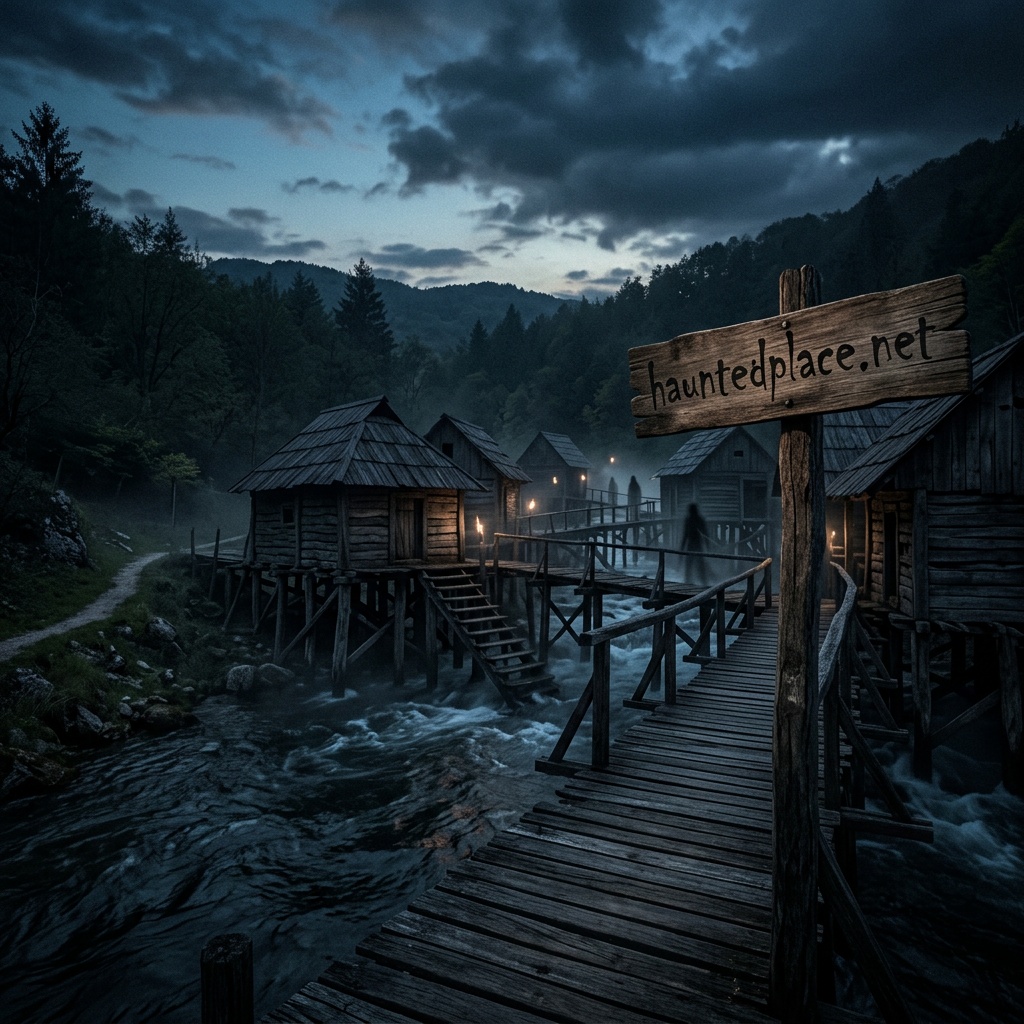
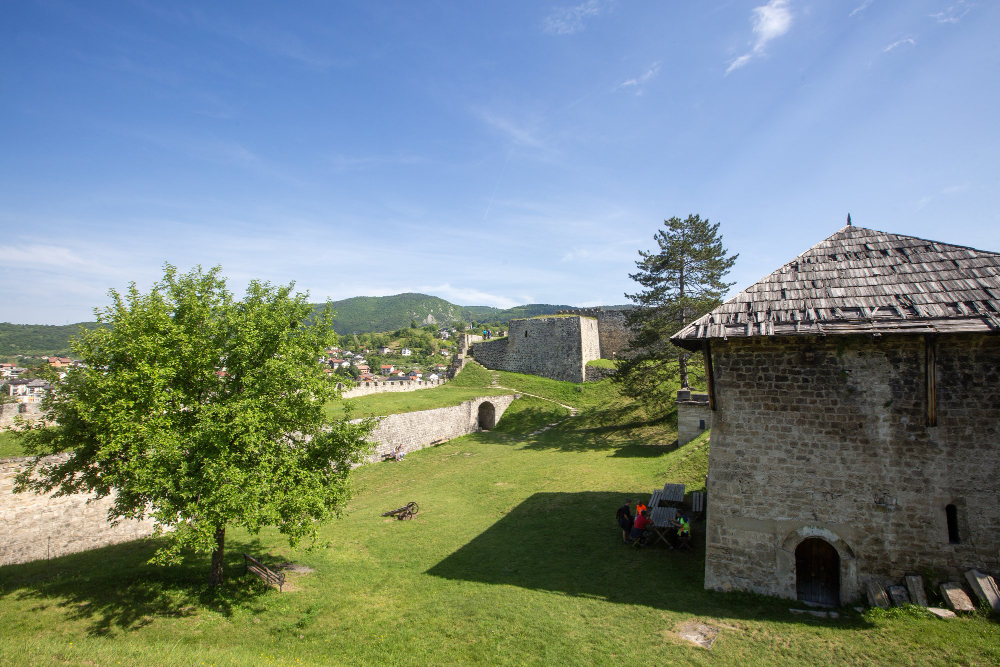
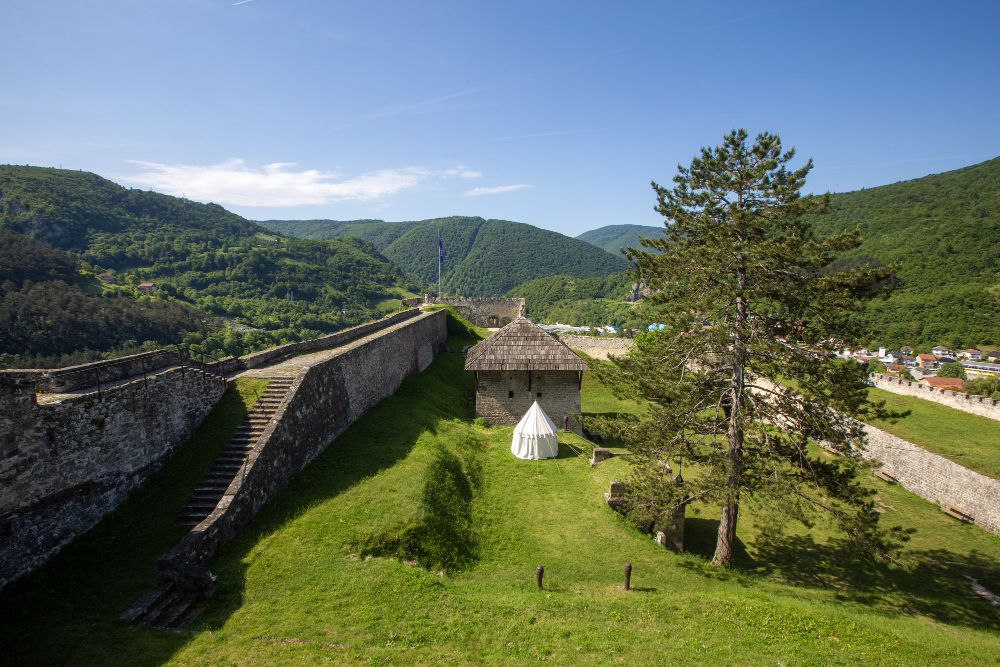
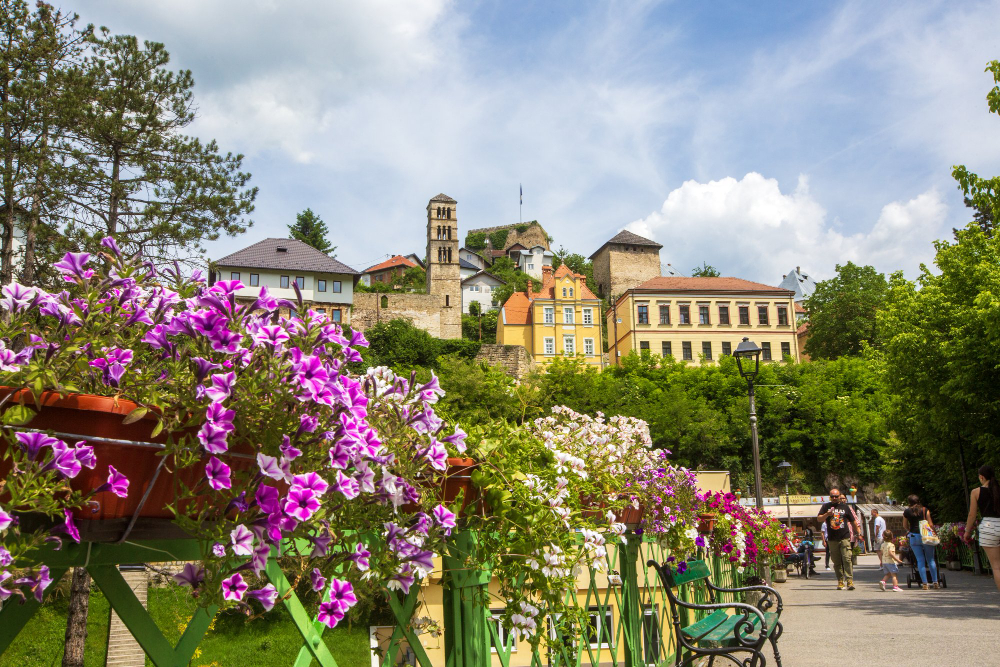
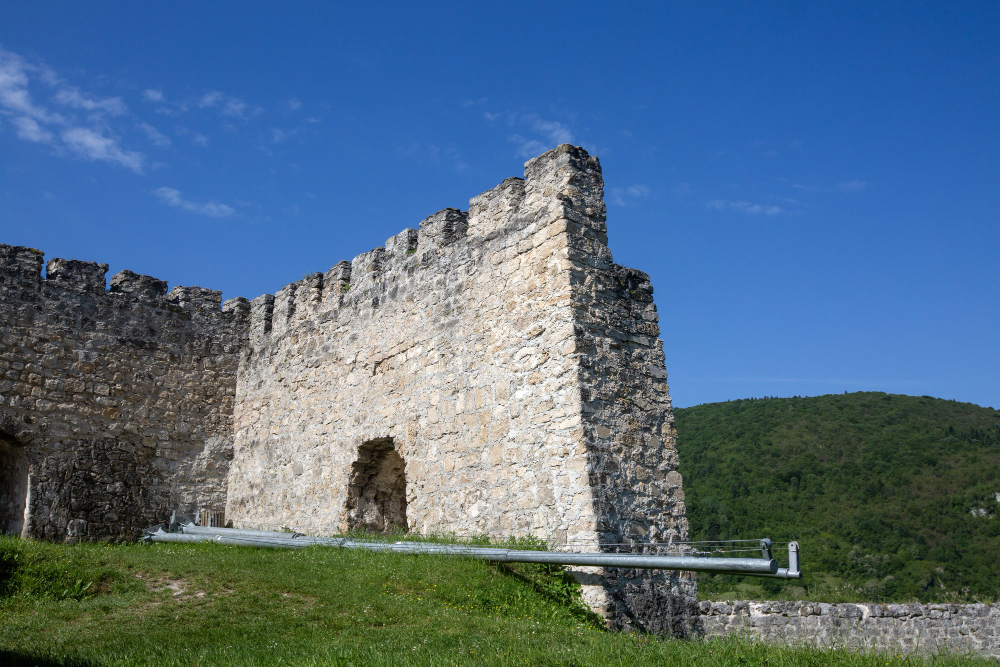
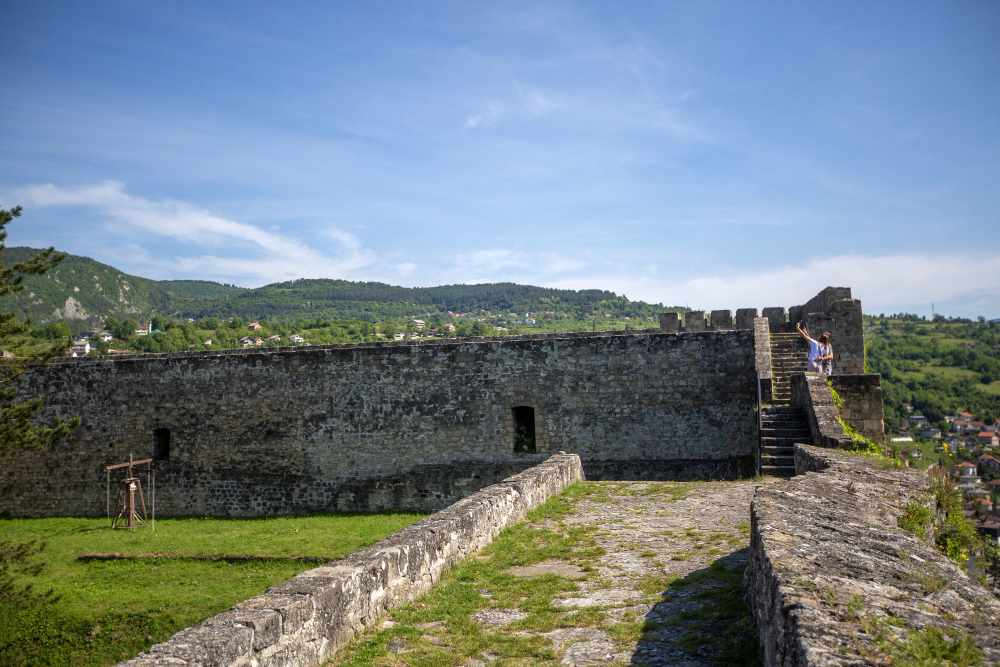
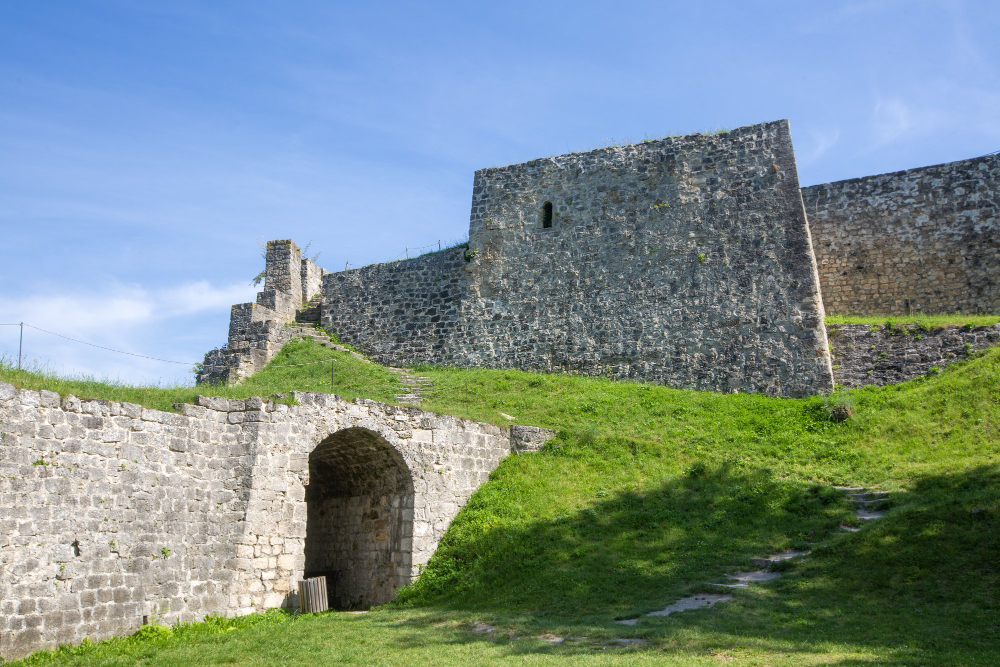
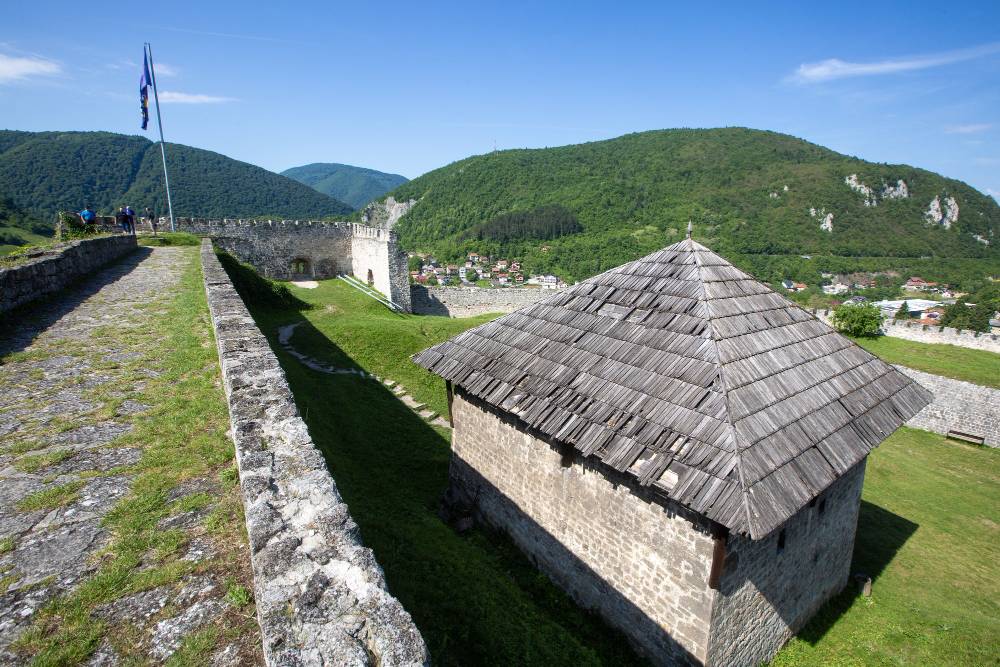
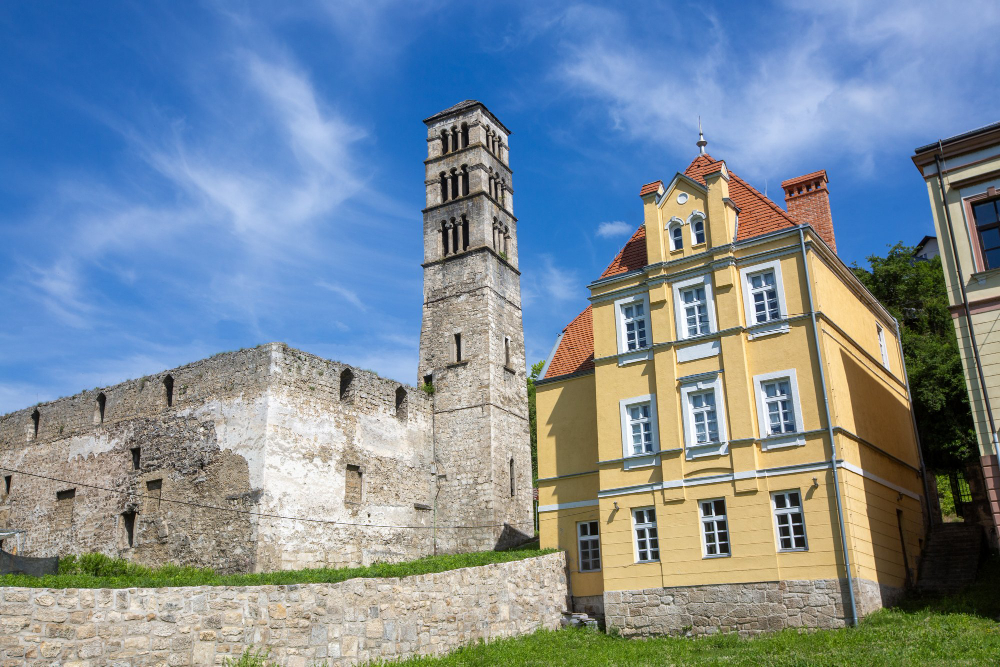
As dusk falls over the Pliva Lakes near Jajce in Bosnia and Herzegovina, the atmosphere around the famous watermills changes. During the day, the small wooden structures, standing on stilts above the water, look like a peaceful scene from centuries past. The water rushes through the narrow channels, the wind rustles the grass on the banks, and visitors take photographs of the so-called Mlinčići, the little mills of Pliva. But as evening falls, according to locals and travellers alike, the place is said to reveal a different side. Then, once the last visitors have left and the reflection of the mills is lost in the darkening water, some speak of unusual phenomena: of points of light between the huts, of shadows on the jetties, of footsteps where no one can be seen. These are not stories that can be conclusively proven. But they have long been part of the tales that surround the old mill landscape and the historic town of Jajce. The Pliva watermills are situated near the Pliva Lakes, just a few kilometres from Jajce. The town itself is one of the historically significant places in Bosnia and Herzegovina. Towering above it is the medieval fortress of Jajce, often referred to as the citadel. The fortress and its surrounding walls are a reminder of centuries of changing rule, of the medieval Kingdom of Bosnia, the Ottoman period and subsequent political upheavals. This long, conflict-ridden history alone has contributed to Jajce featuring in many local tales not only as a historic town, but also as a place full of memories, legends and inexplicable impressions.
The mills on Lake Pliva are a particularly striking setting. Their architecture gives them a peculiar air even in daylight: small, dark wooden houses, built close together above flowing water, connected by narrow paths and footbridges. In the past, they ground grain for the local people. The power of the water set the mill wheels in motion, whilst work was carried out inside the simple buildings. Today, the mills are primarily a landmark of the region and a popular destination for day trips. Yet it is precisely their seclusion and their appearance that make them a fitting setting for ghost stories. At dusk, the clear boundary between water, wood and shadow disappears. The sound of the current drowns out soft footsteps. The mills’ small windows look like dark eyes, and the creaking of old beams can sound like a whisper from afar. Locals report that the atmosphere changes particularly when mist rises from the lake. Then, they say, the mills are often only just discernible as shadowy forms. Anyone standing on the bank sees individual outlines that briefly become clearer and then vanish again into the grey mist. Some visitors claim to have spotted figures amongst the mills at such moments: tall, dark and motionless at first, then suddenly gone when one looks again.
These descriptions are similar, yet they do not form a clear-cut story. No single ghost bears a widely recognised name; no figure from a traditional legend dominates the accounts. It is precisely this that lends the tales their eerie character. It is not a clearly defined legend with a beginning and an end, but rather a series of impressions: a shadow at the edge of one’s field of vision, a movement over the water, a glimmer of light for which no visible source can be discerned. The stories particularly often mention small, flickering lights. They are said to appear above the water at times, or to move amongst the mills. Not like the steady glow of a lamp, but like faint, flickering points that appear and vanish again. Some interpret them as reflections or as light from buildings further away. Others say the lights are too low above the water and too erratic to be ordinary reflections. In an area where water is ever-present, such sightings quickly take on an air of mystery. The River Pliva, the lakes and the canals surrounding the mills form a landscape in which sounds and light have a different effect than in open countryside. The water carries sounds further, distorts reflections and makes it difficult to gauge distances. Anyone travelling alone can easily get the feeling that something is moving behind the next mill house.
The creaking of the historic wooden structures also features in many accounts. Old beams react to damp, temperature and wind. But at night, when no voices or footsteps from visitors can be heard, every sound can seem more pronounced. A brief thud of wood against wood, the soft clatter of a moving part or the steady murmur of water beneath the floorboards is then perceived by some as more than just an ordinary sound. It sounds as though a mill is still operating, even though no one is tending it. Added to this is the proximity to the old town of Jajce. The citadel overlooking the town is a visible reminder of a past that stretches deep into the Middle Ages. Jajce was the seat of Bosnian kings in the 15th century and still boasts numerous historic buildings today. Anyone walking through the narrow streets, past walls and towers, up to the fortress, can sense the weight of this history. For people who believe in ghosts and hauntings, places with such a past are rarely merely a backdrop. They are regarded as spaces where memories might have become embedded. The connection between the citadel and the mills therefore arises less from a verifiable, specific incident than from the landscape itself. Above, the fortress, massive and dark, looms over the town’s rooftops. Below, the water with its old wooden structures. In between, roads, woods and the traces of many centuries. In local tales, this setting is often described as a place where the past has not entirely vanished.
However, anyone visiting the mills in the evening encounters, above all, a real place: a historic complex by the water which, thanks to its distinctive architecture and location, creates an extraordinary atmosphere. The well-known accounts of shadows and lights remain personal perceptions and stories, not conclusive evidence of anything supernatural. Precisely because they cannot be conclusively explained or confirmed, people continue to pass them on. The Mlinčići are neither abandoned ruins nor an isolated setting, but a cultural landmark. Nevertheless, as soon as darkness falls, a contrast descends upon them that is hard to overlook. Where families go for walks during the day and photographers wait for the right light, a single gust of wind in the evening can be enough to transform the scene into something alien. The little mills then stand like dark sentinels over the current. Their piles disappear into the black water, their roofs stand out against the sky, and every open space seems like a possible passageway for something that does not wish to be seen. Perhaps they are just shadows. Perhaps reflections of light on rippling water. Perhaps the old wood creaking in the wind. But for those who have lingered by the Pliva watermills after sunset, sometimes the sight of an empty jetty is enough to make them turn away. For at the Pliva watermills, the night is never completely still.