 Isabella Mueller Baroness of Stainton le Vale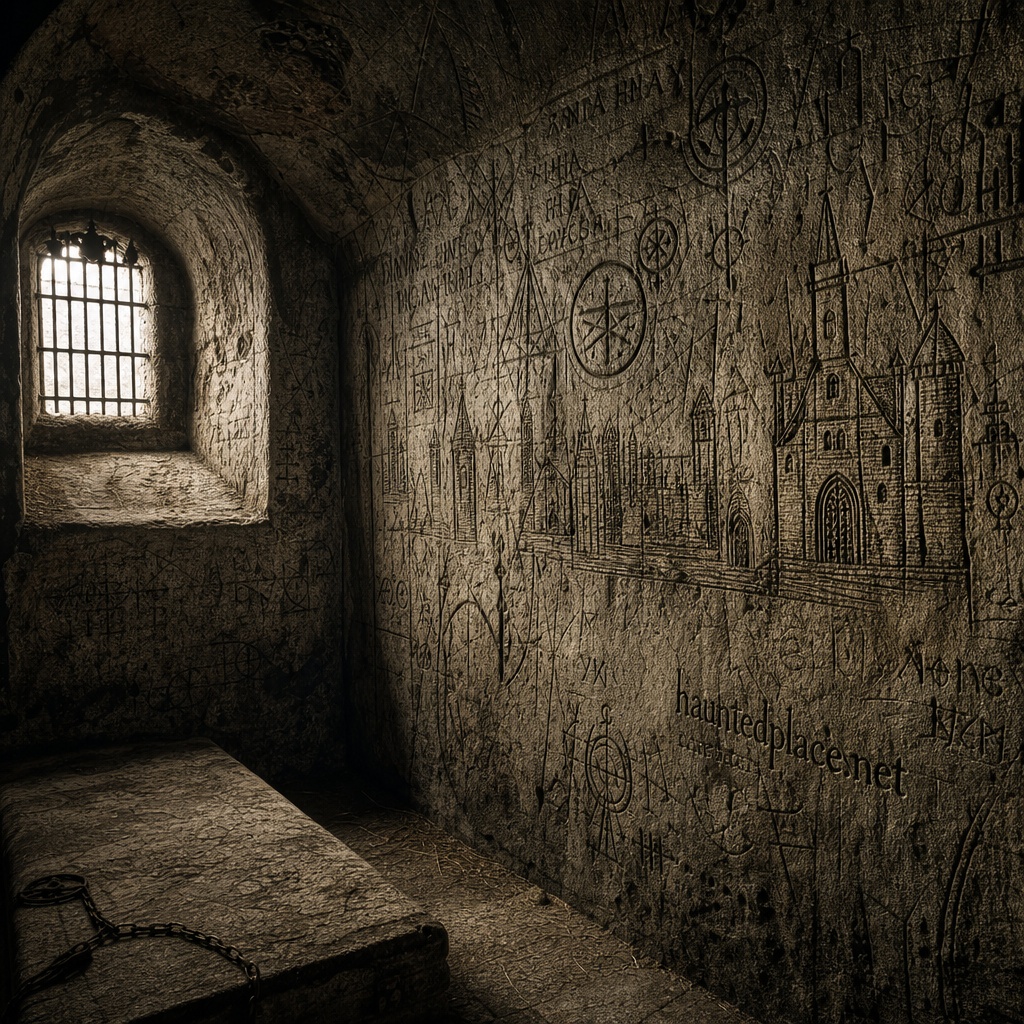
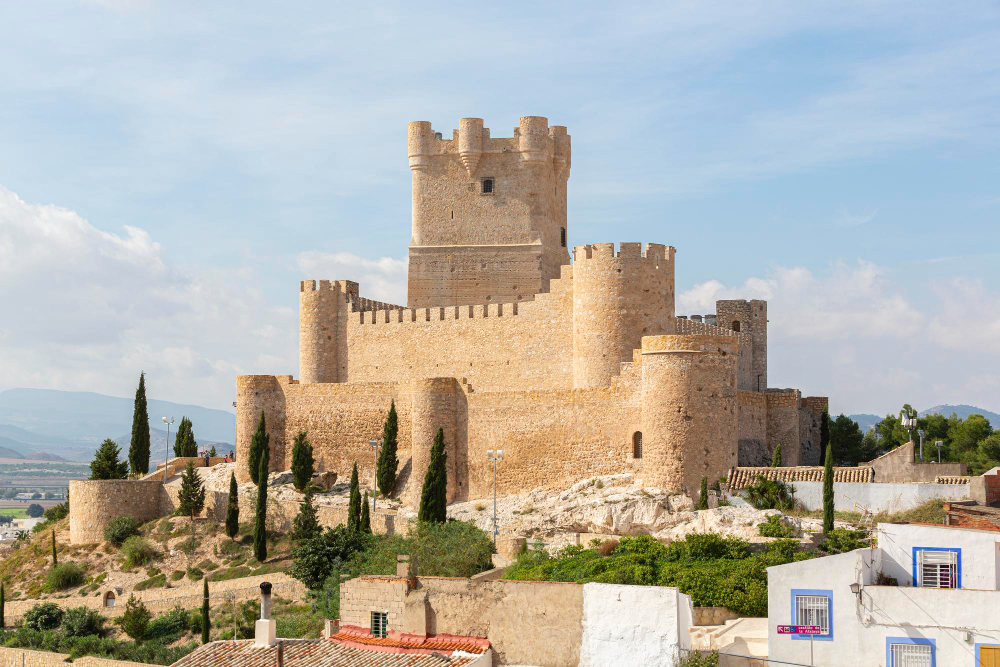
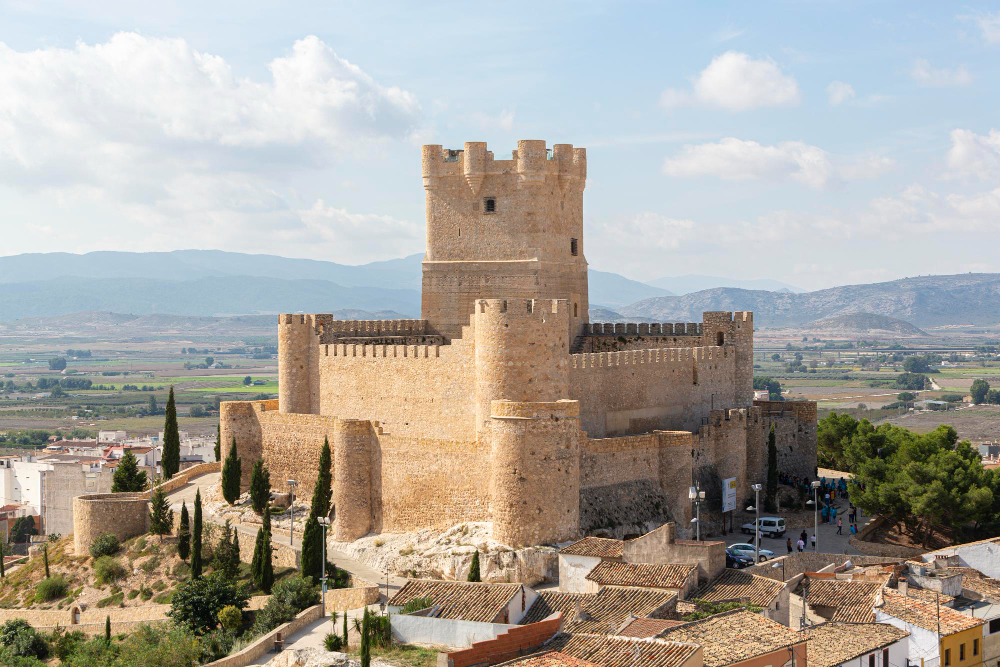
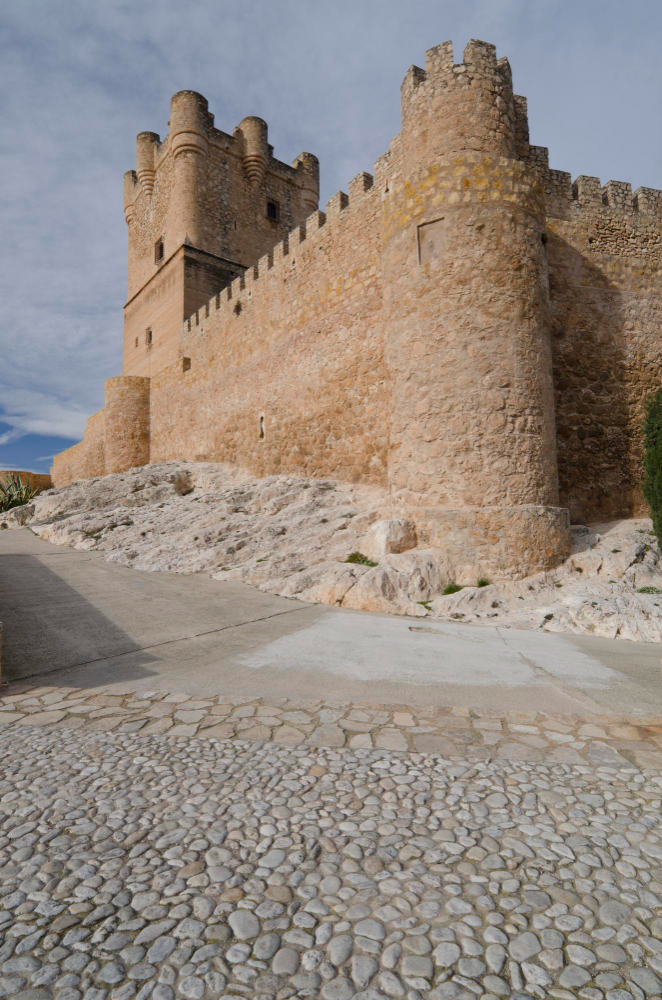
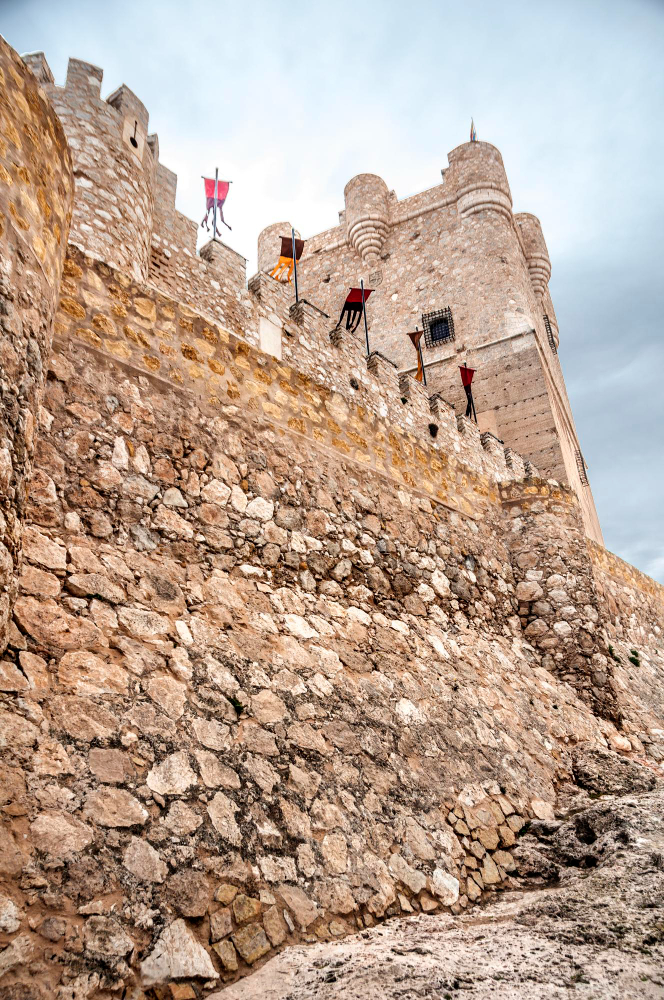
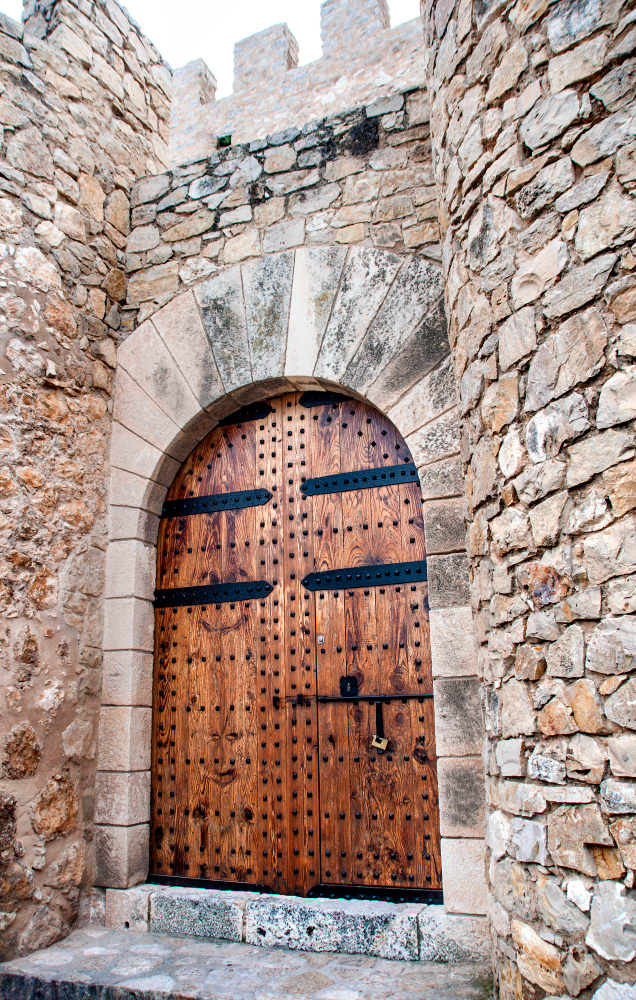
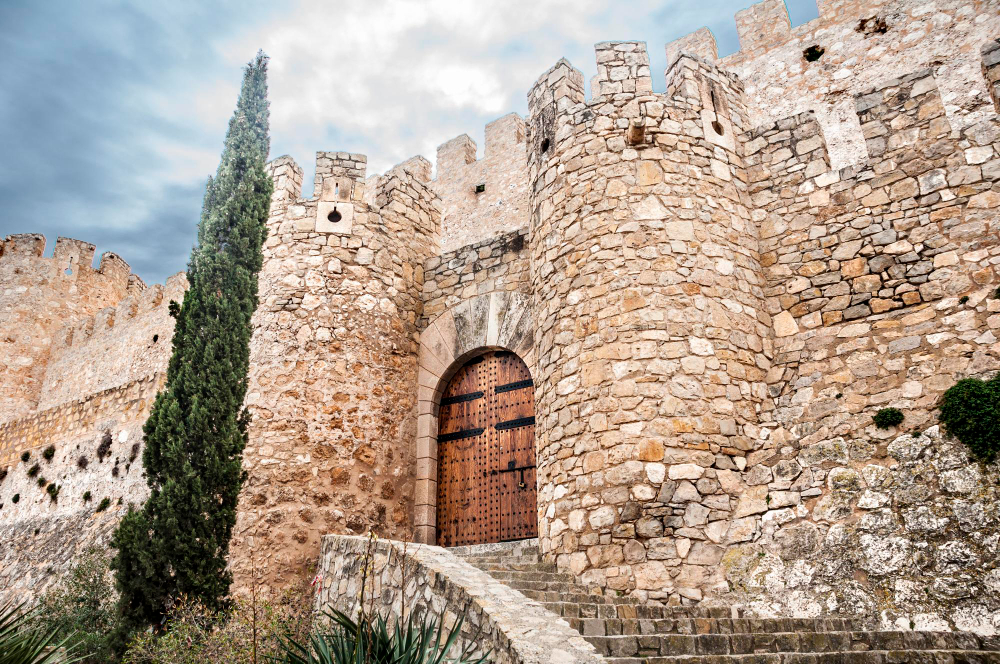
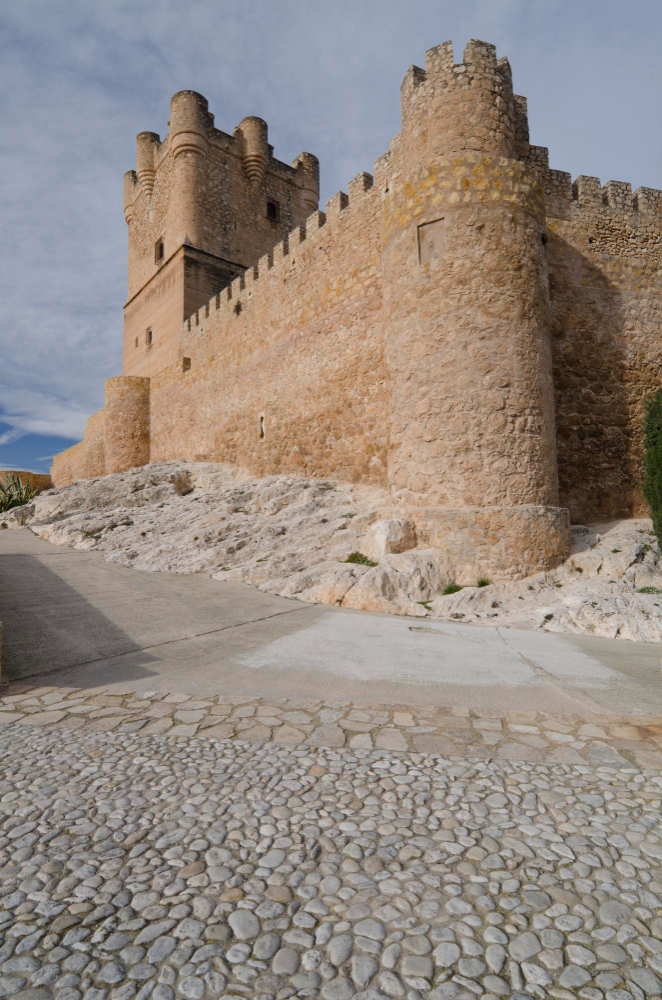
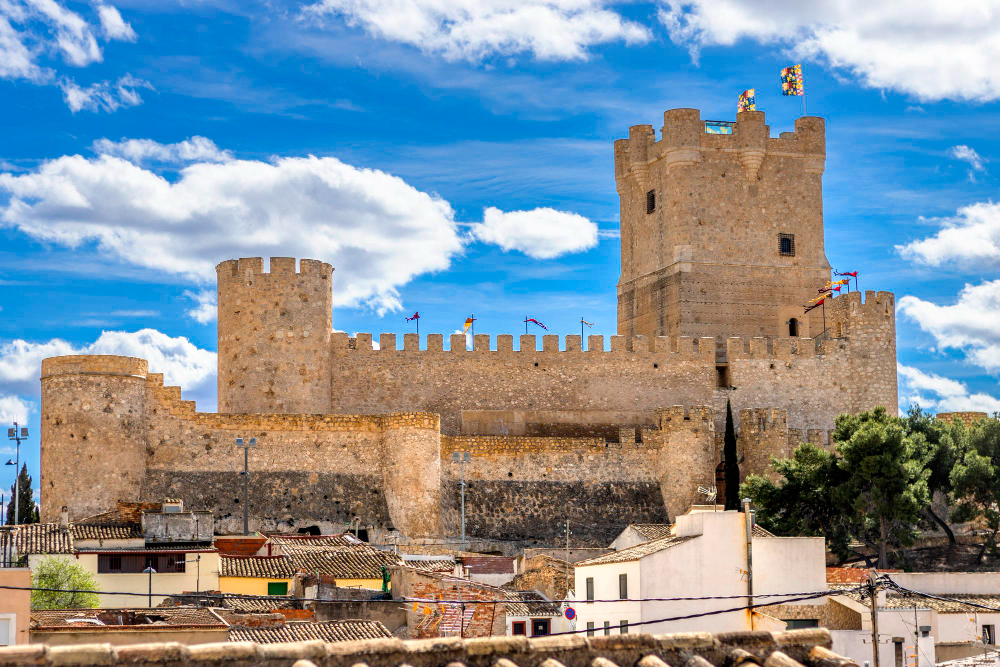
The Castillo de la Atalaya in Villena rises majestically above the province of Alicante, a stone testament to centuries of history and eventful destinies. Situated on the former border between Castile and Aragon, the castle was not only an impregnable fortress but later also a prison for those whom fate had banished to its dark dungeons. To this day, enigmatic engravings lie hidden within its deep, cold walls, their mystical aura sending a shiver down one’s spine. These sombre graffiti are silent witnesses to torment, hope and desperate resistance – they tell of a world in which humanity and horror are inextricably intertwined.
A dark place of imprisonment – Originally built in the Middle Ages as a military outpost, the Castillo de la Atalaya was expanded into a fortress over the centuries. During the War of the Spanish Succession and later in the War of Independence against Napoleon, it served primarily as a prison for political prisoners, members of the nobility and intellectuals who found themselves on the wrong side of power during troubled times. The cells were cramped, damp and dark, eerily silent, permeated by the echoes of past suffering. Under such harsh conditions, the isolation and fear must have been almost unbearable for many inmates – yet they found a way to give voice to their fate.
The mysterious carvings on the walls – Upon entering the prison quarters, one’s eye is immediately drawn to the numerous carved symbols and images adorning the stone walls. These carvings range from simple symbols to detailed depictions of architectural structures, mystical symbols and even figurative motifs. Particularly unsettling is the fact that some of the carvings were evidently created with great care and artistic skill – a suggestion that there were highly educated individuals amongst the prisoners. The carved drawings appear like cryptic messages waiting to be deciphered. Some symbols are reminiscent of alchemical or occult signs, whilst other elements bring to mind Gothic architecture and medieval cityscapes. One gets the impression that the prisoners were attempting to preserve their personal histories, the events unfolding around them and their hopes for freedom within these cold stones.
The psychological dimension of prison graffiti culture – From a psychological perspective, this graffiti likely served as an outlet for the prisoners to escape the suffocating loneliness and madness. The monotonous passage of time spent waiting, the constant threat of violence and death, and the lack of contact with the outside world led to inner turmoil. Carving into the walls offered a means of self-assertion – every stroke was an act of rebellion against oblivion. Furthermore, the carving of these symbols may have had a ritualistic character: perhaps as protective charms or prayers to ward off evil spirits, or to gain some control over one’s own fate even amidst the horror. Some researchers suggest that it is precisely the combination of religious and occult motifs that indicates the inmates were desperately seeking solace in spiritual practices.
Graffiti – the silent chroniclers of the past – The significance of this graffiti extends far beyond mere drawings. It serves as a silent chronicle of a dark chapter in European history, in which political intrigues, betrayal and the turmoil of war destroyed the lives of many people. From the dungeons rang out a cry for freedom and justice, a cry that still resonates today through the artistic symbols and scenes. At the same time, the engravings also reflect social conditions: the depictions of castles and towns may represent a longing for home, but could also document plans or memories of escape routes. Similarly, there are references to the prisoners’ identities and social status – such as coats of arms or ornamental initials, which presumably served as final messages to their loved ones.
Background and historical context – The use of the Castillo de la Atalaya as a prison during times of political upheaval explains the diversity of the people held there. During the turmoil of the Wars of Succession, many nobles, officers and teachers were imprisoned, having been convicted of treason or political offences. Along with them, intelligent and educated individuals found themselves behind these walls, which explains the complexity of the graffiti. Furthermore, the prison was part of a system in which psychological torture and physical abuse were part of everyday life. In this atmosphere of despair, the prisoners’ creativity took on macabre forms: some depictions appear downright hellish – grotesque grimaces, demon-like figures or distorted faces, likely born of fear and torment. These eerie motifs send shivers down the viewer’s spine, as if the shadows of the past were still lurking here.
The mystery of ‘forbidden’ art in prison – It is also interesting that the graffiti managed to emerge despite strict surveillance. This suggests that the prison guards either did not understand these markings or deliberately ignored them – perhaps because they regarded the symbols as harmless. Yet it is precisely this secret communication between inmates and the outside world that bears witness to an unbroken will to live. The graffiti may also have served as secret messages within the prisoner community: warnings, words of comfort or information about future events. Such hidden signs are known from other historical prisons and demonstrate how creativity flourishes even under the most adverse circumstances.
A modern-day view of the sombre wall inscriptions – Today, the graffiti at the Castillo de la Atalaya are not only of great historical interest, but also cultural-historical treasures with a touch of horror. Visitors sense an oppressive atmosphere upon entering the former prison cells. The flickering of torches reveals the rough lines in the stone, which protrude from the shadows like ghostly fingers. Photographs and 3D scans help to preserve and analyse the details, as fascination with these works of graffiti art continues to grow. Researchers are attempting to decipher the markings and place them in the context of their respective eras to learn more about the lives and suffering of the prisoners. In doing so, it becomes clear that these stone messages blur the line between reality and nightmare.
A stone memorial to horror and hope – The graffiti left by the prisoners at the Castillo de la Atalaya are more than just historical relics – they are an expression of the deepest human emotions in extreme situations. Within the gloomy walls that once served as a place of torment, the carved symbols reveal a tragic beauty. They speak of horror, pain and mental escape, but at the same time of resistance and the unshakeable urge not to be forgotten. The Castillo thus invites visitors not only to admire its imposing architecture, but also to reflect on the dark chapters of history and the uncanny strength of the human spirit in times of greatest distress. Those who linger here not only sense the eerie aura of past imprisonment, but also encounter the silent cries of those who were once held captive within these walls – immortalised in gruesome yet striking graffiti for posterity.