 Isabella Mueller Baroness of Stainton le Vale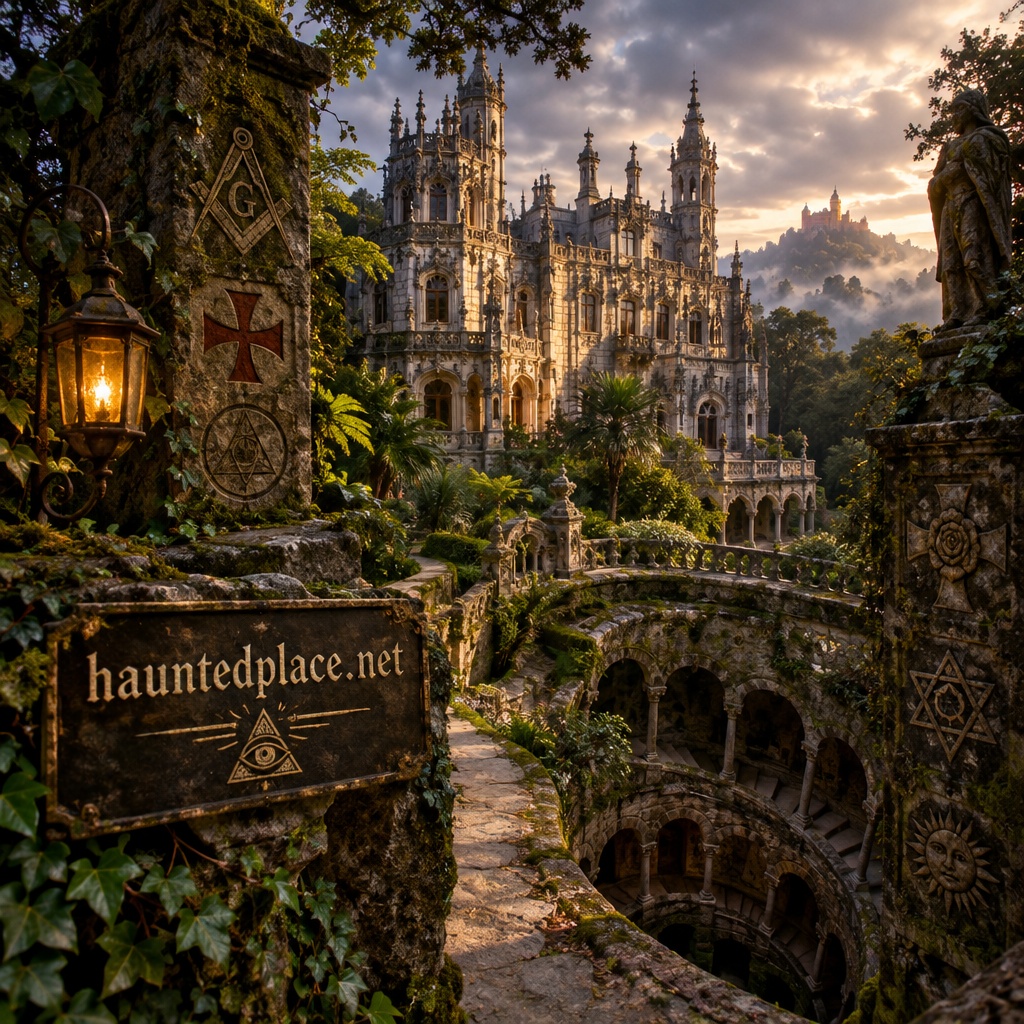
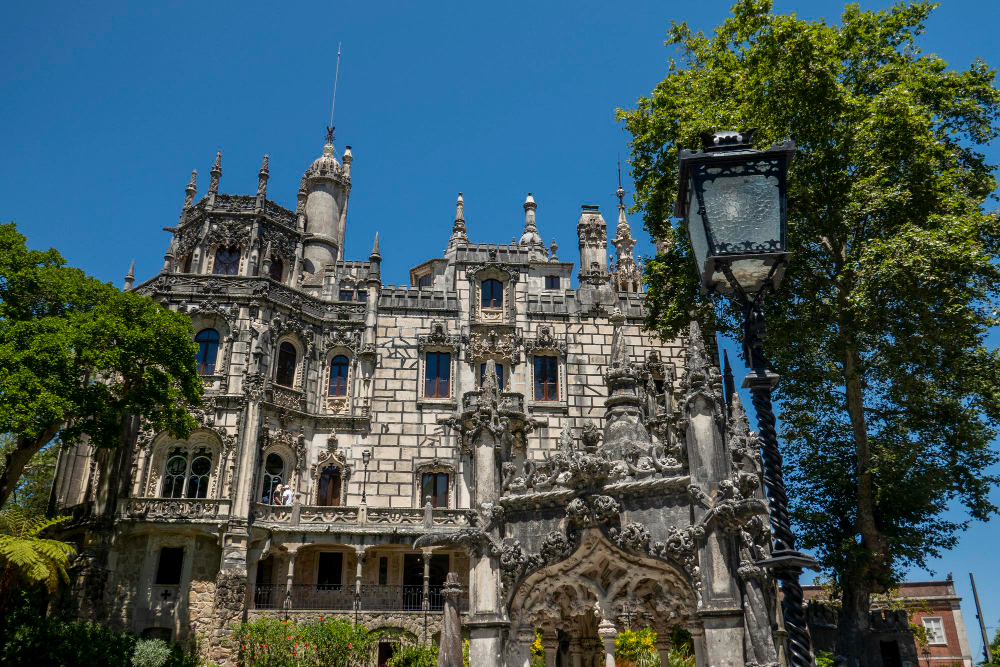
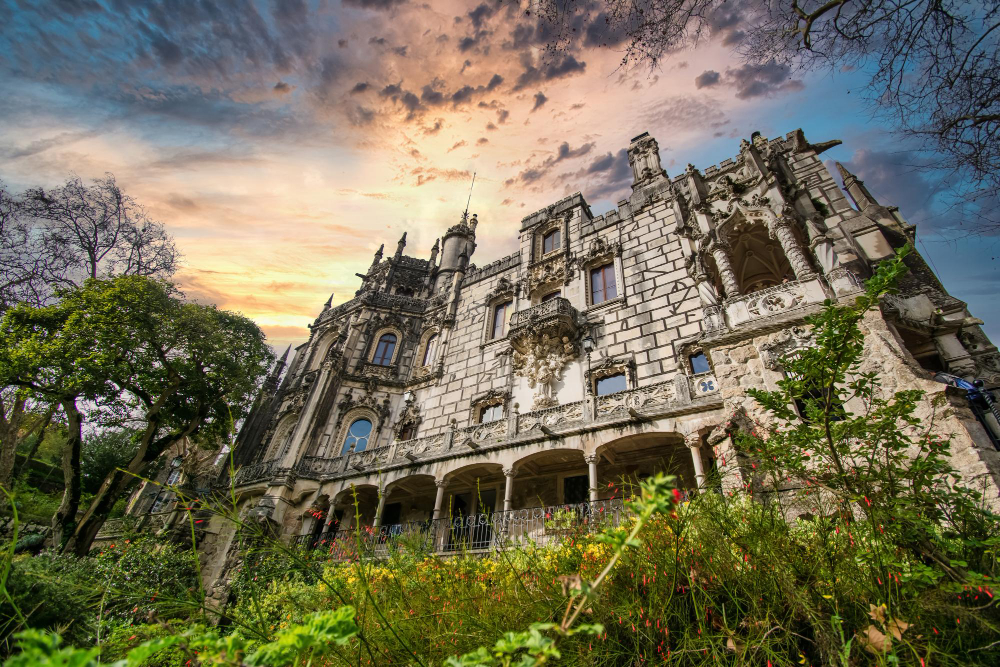
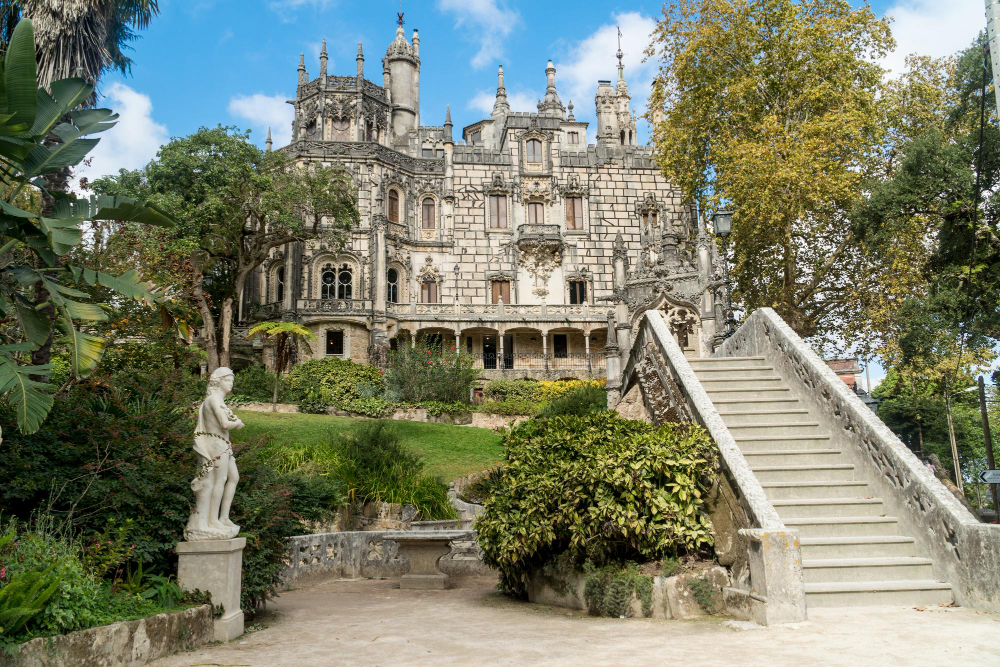
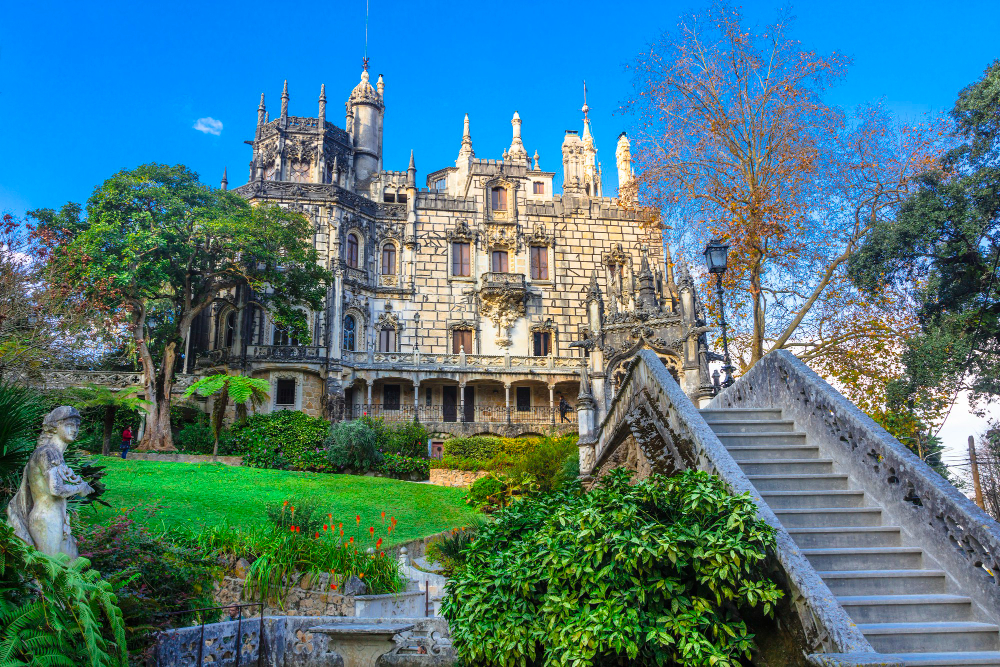
Tucked away amidst the fairytale scenery of Sintra, Portugal, Quinta da Regaleira stands as one of the world’s most mysterious and fascinating attractions. Built at the beginning of the 20th century, this estate is far more than just a magnificent manor house with manicured gardens. It is an architectural masterpiece steeped in symbolism and a place where the paths of Freemasonry, the myth of the Knights Templar, alchemy and Rosicrucianism intersect in a striking manner. A place where the mystical becomes palpable – and whose secrets remain a mystery to this day.
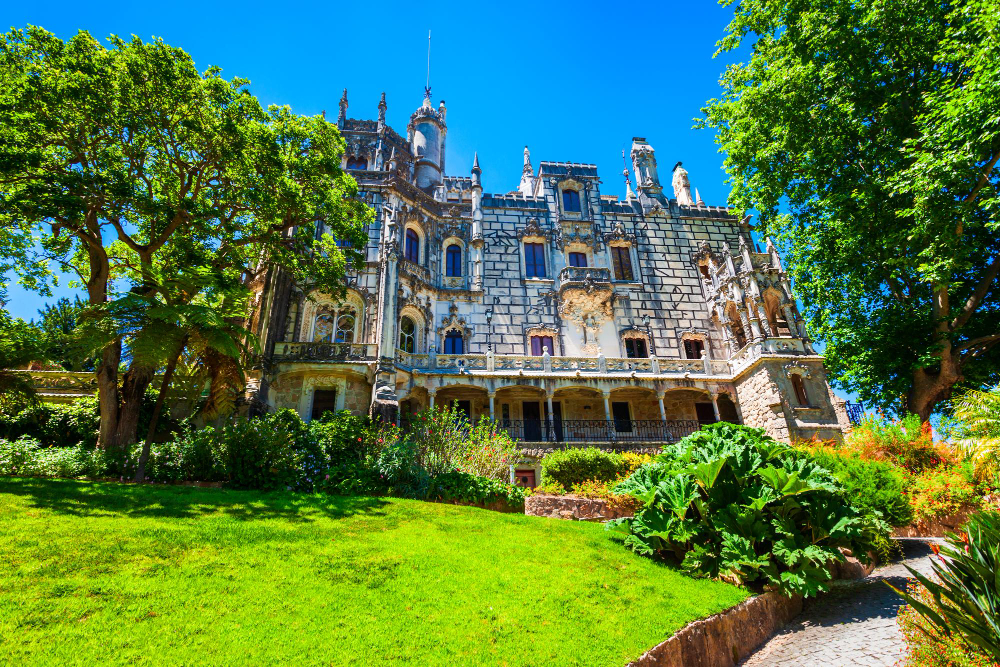
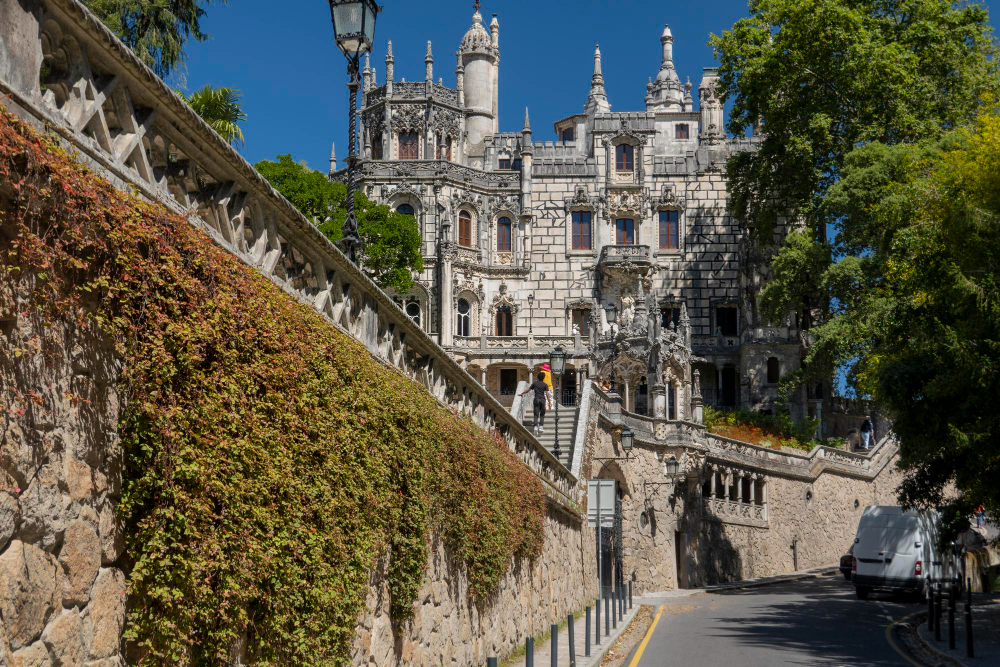
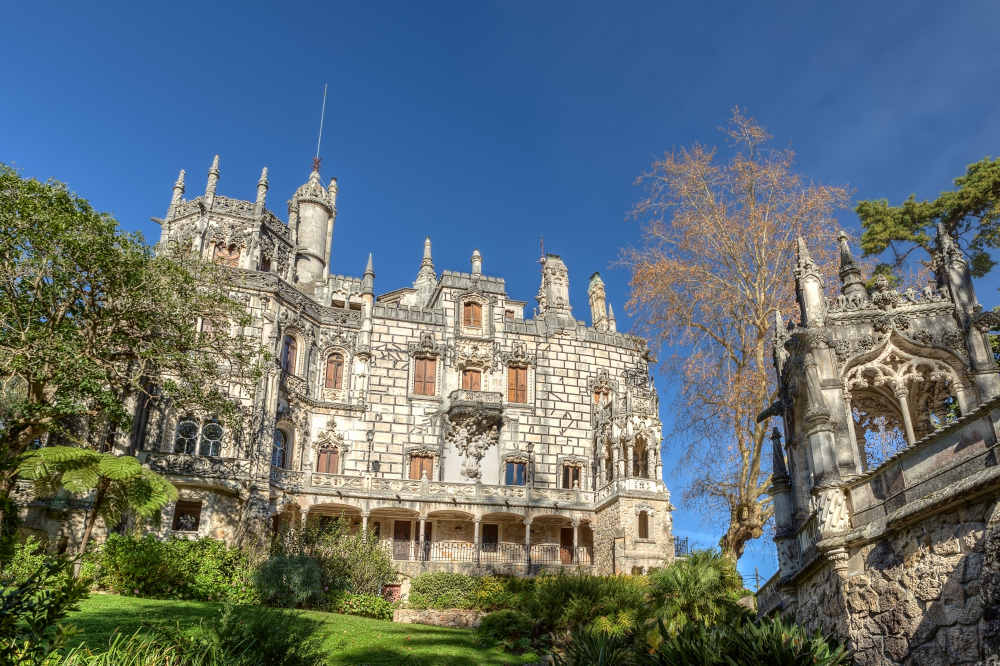
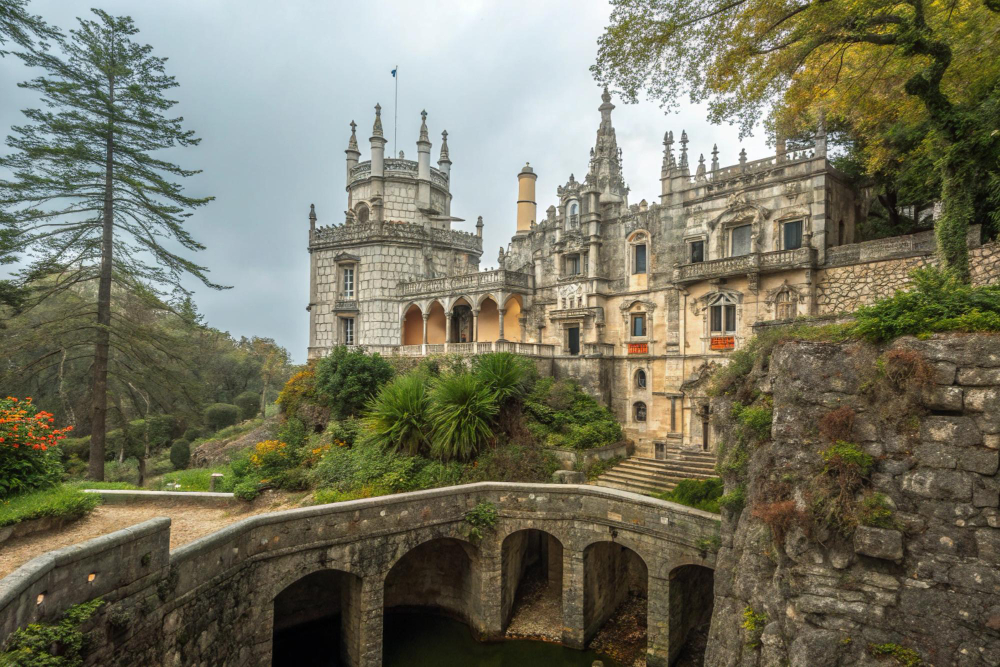
The origins of a mysterious estate – The history of Quinta da Regaleira begins with António Augusto Carvalho Monteiro, an eccentric millionaire and collector from Brazil who was fascinated by ancient mysteries, philosophy and occult knowledge. Together with the Italian architect Luigi Manini, between 1904 and 1910 he created a complex that is an expression of his personal vision of the universe and his quest for spiritual enlightenment. The architecture of the Quinta is not merely aesthetic, but a coded language that references centuries-old symbolic traditions.
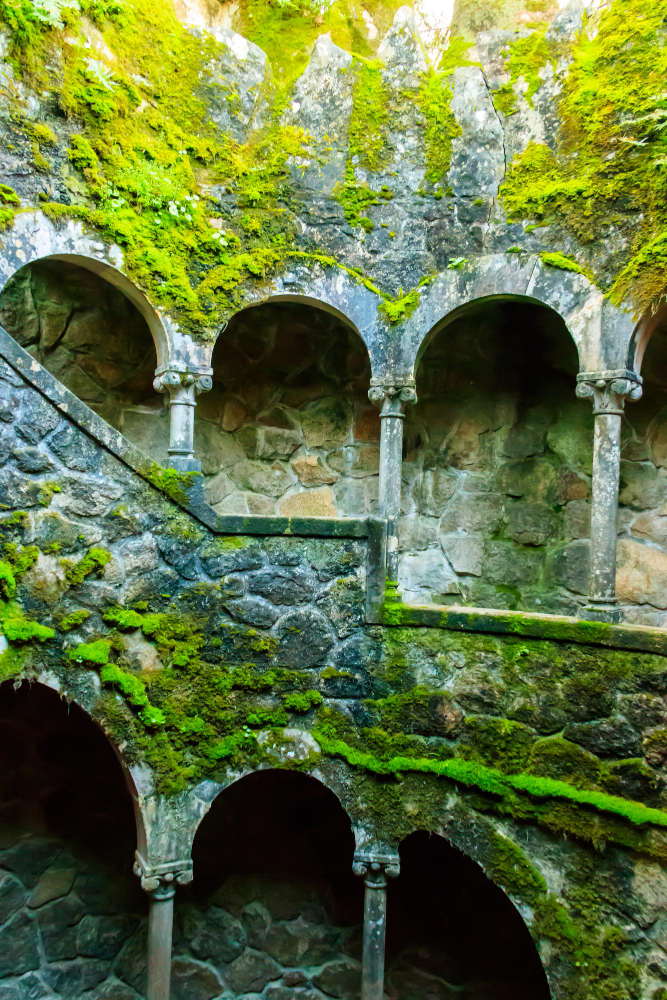
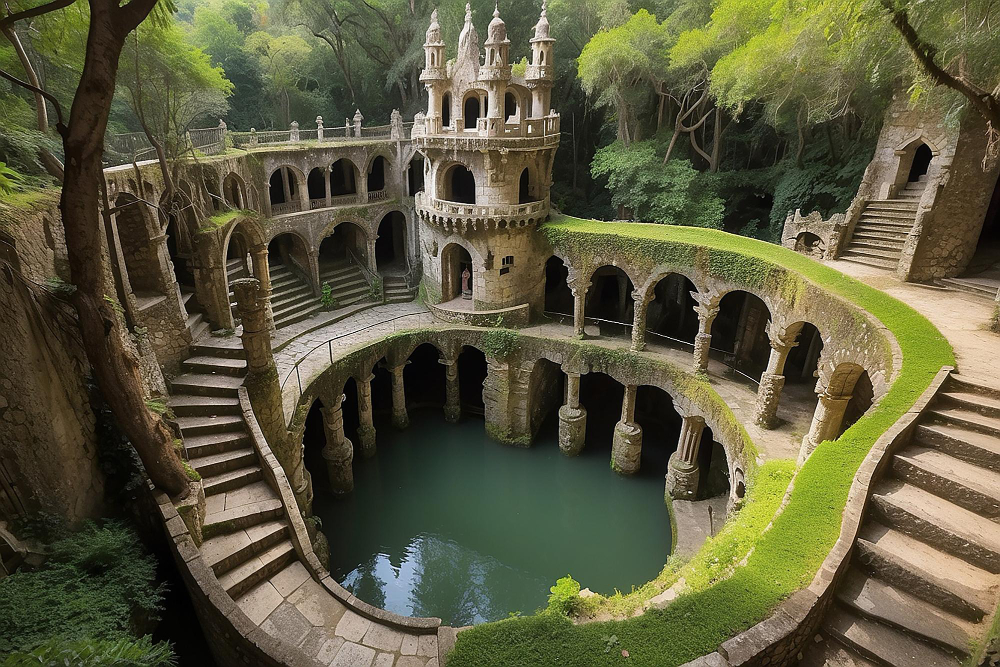
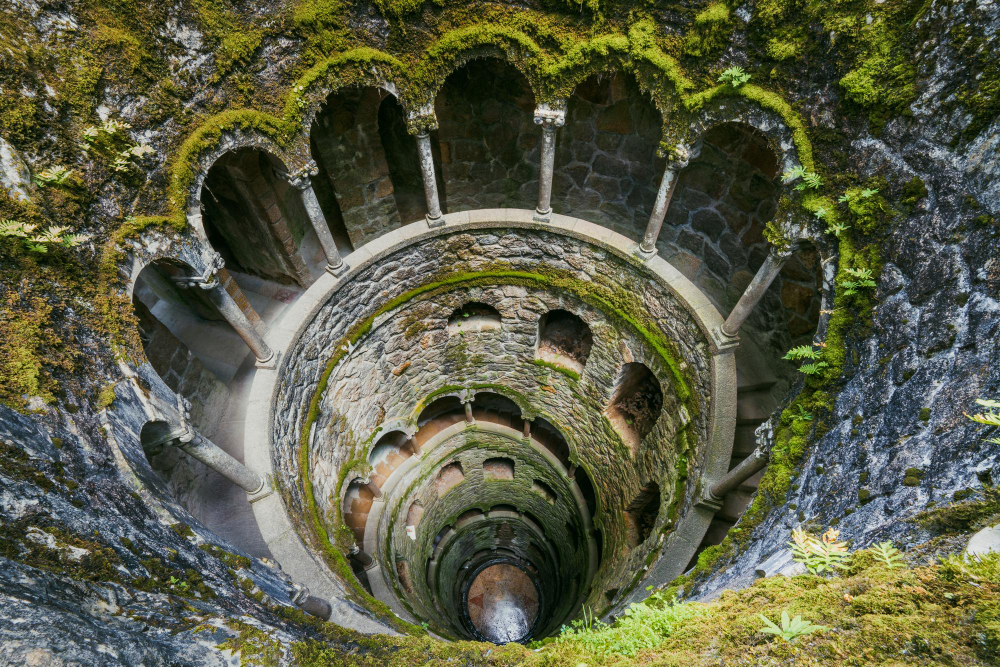
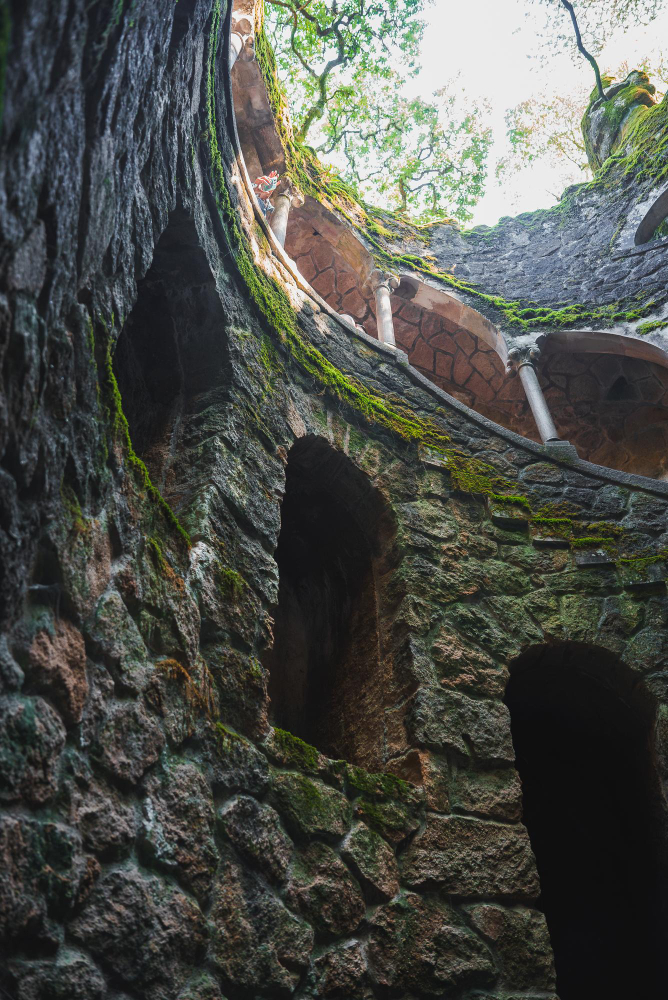
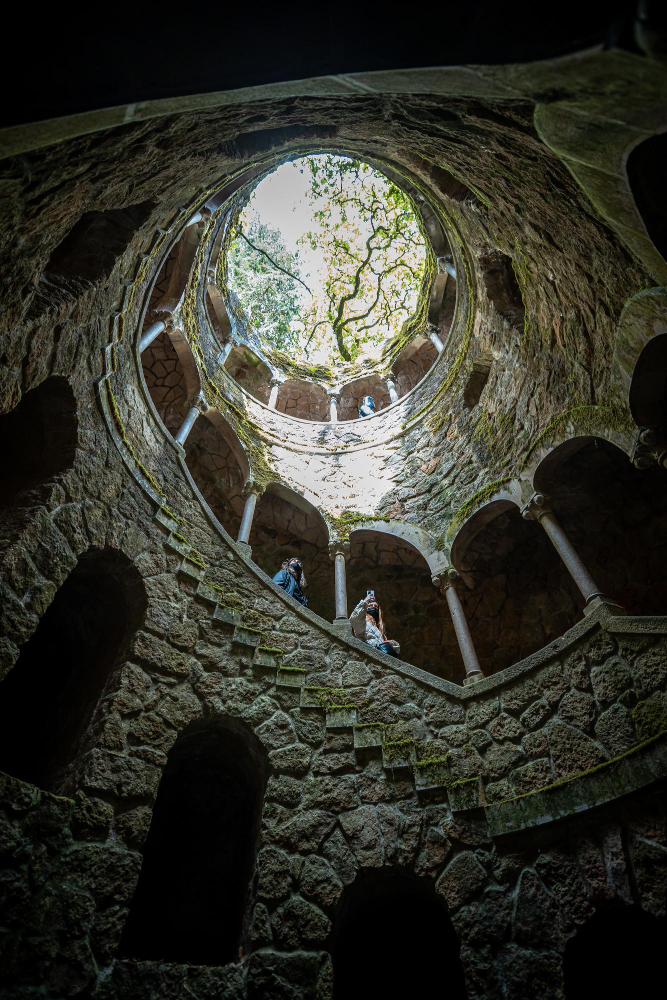
The Initiation Well: A Descent into the Underworld – Arguably the most striking and, at the same time, most enigmatic feature of the Quinta da Regaleira is the so-called ‘Poço Iniciático’, the Initiation Well. Despite its name, it is not a conventional well, but a 27-metre-deep vertical shaft that has been driven into the ground like an inverted tower. A spiral staircase with exactly nine landings winds its way down along the walls. This number is no coincidence: it refers directly to Dante Alighieri’s famous Divine Comedy, in which nine levels symbolise Hell, Purgatory and Paradise. According to legend, the Initiation Well was used to perform secret Masonic rites. Novices are said to have descended the steps there, blindfolded and with a dagger in hand, to embark on their symbolic ‘journey of death’ and then be symbolically reborn at the bottom of the well. Although there is no historical evidence of such rituals, visitors can truly sense the mystical atmosphere that surrounds this place. At the bottom of the well lies an ornate compass rose set above a Templar cross – a further indication of the estate’s close connection to the Crusaders and their secrets.
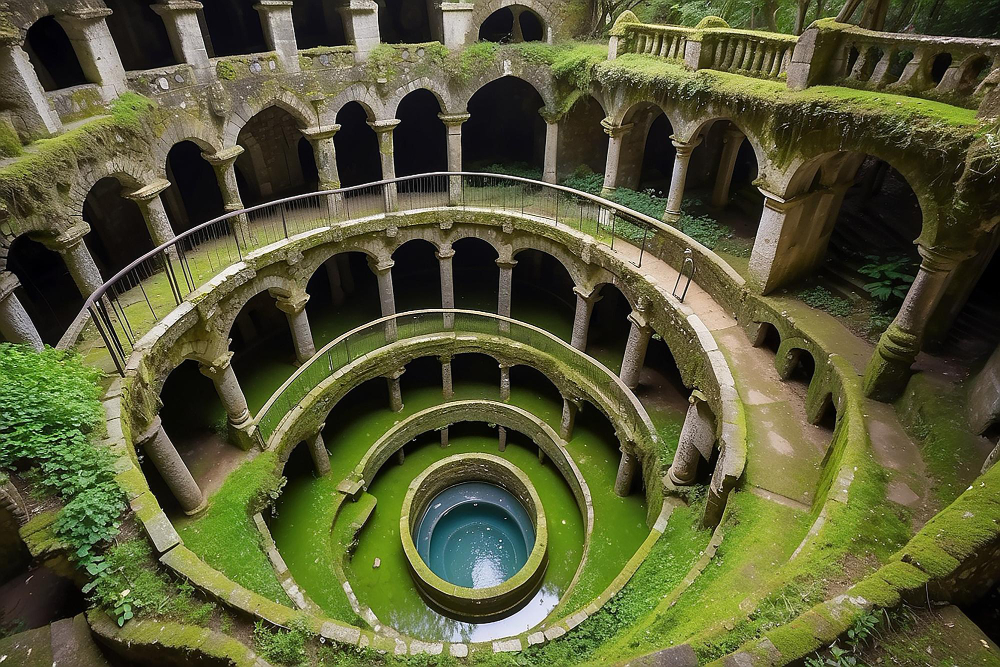
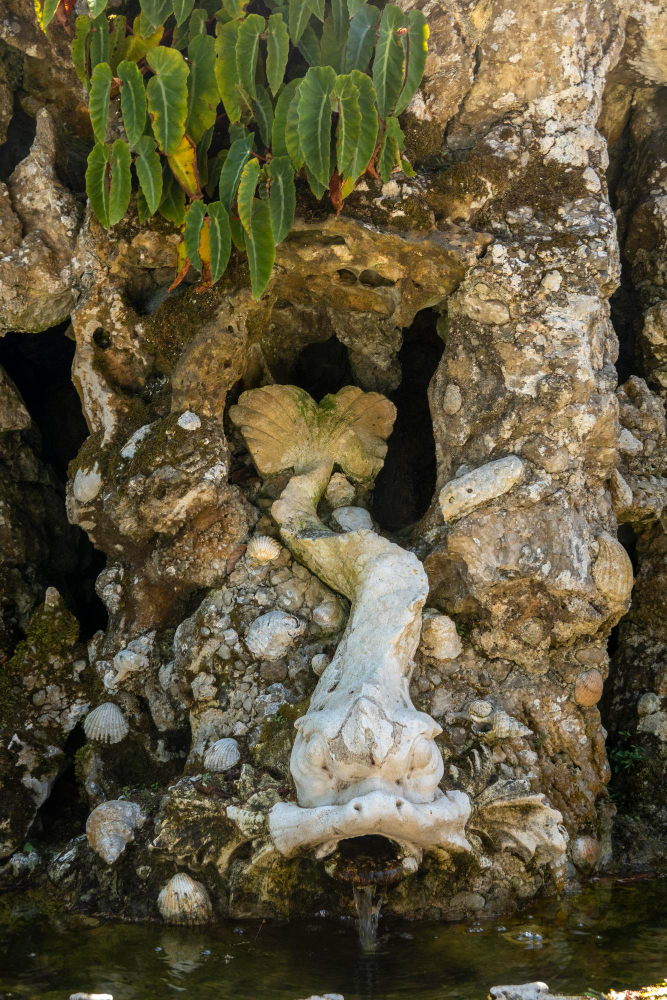
The underground labyrinth: paths to the light – Several tunnels branch off from the foot of the Initiation Well, running deep beneath the Quinta like a hidden labyrinth. These mysterious passages connect various grottos, underground lakes and towers. Even today, many of these paths are difficult to navigate and shrouded in an eerie atmosphere – as if they were a threshold to the hidden world. Legend interprets this passage as the seeker’s alchemical journey: a dark, bewildering path that evokes fear and doubt, yet promises inner light and spiritual renewal at the end. Those who find the ‘right’ path here and overcome the darkness are said to discover, in a hidden grotto behind a waterfall, how daylight once again envelops the seeker. The symbolic transition from darkness to light is a central motif in many mystical and spiritual traditions.
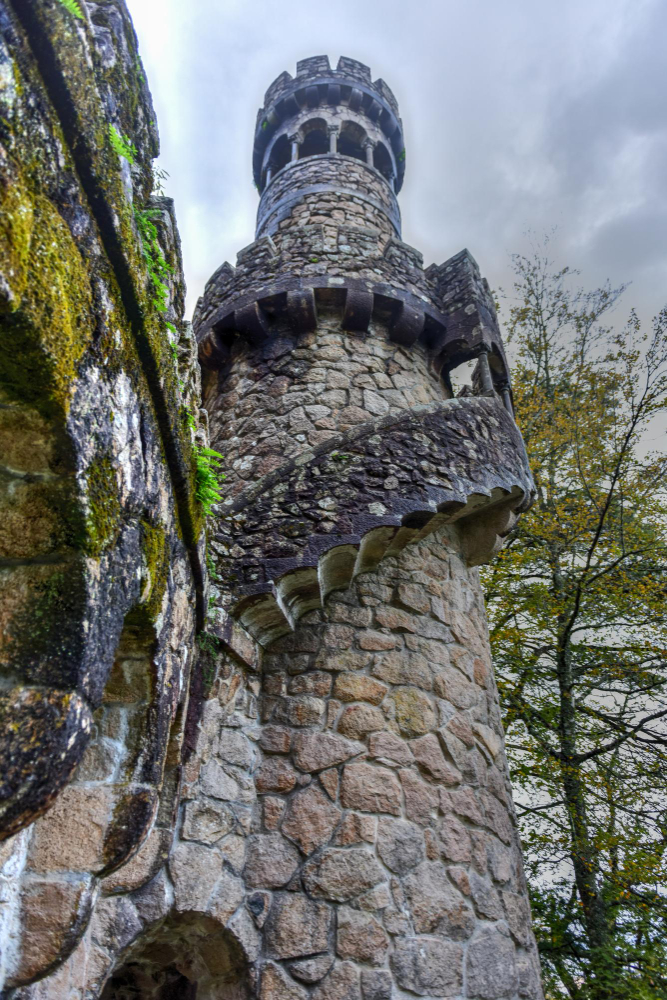
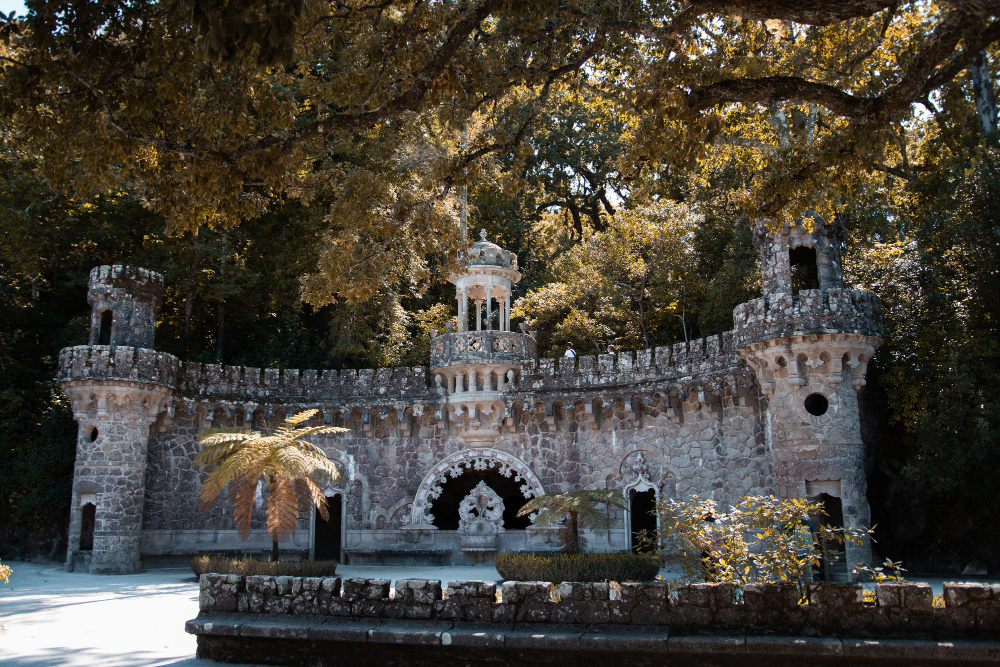
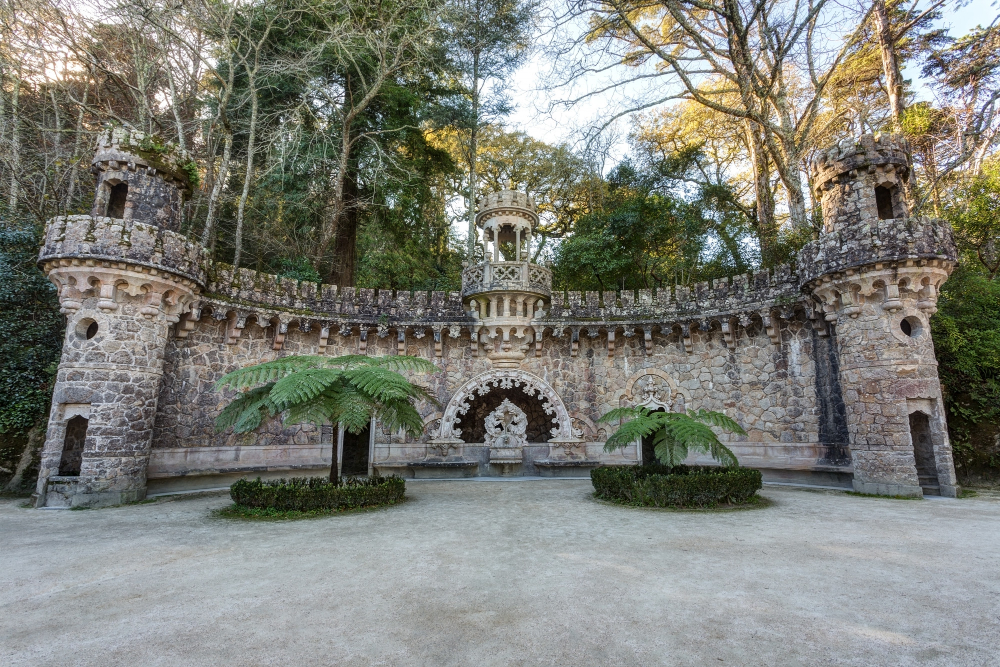
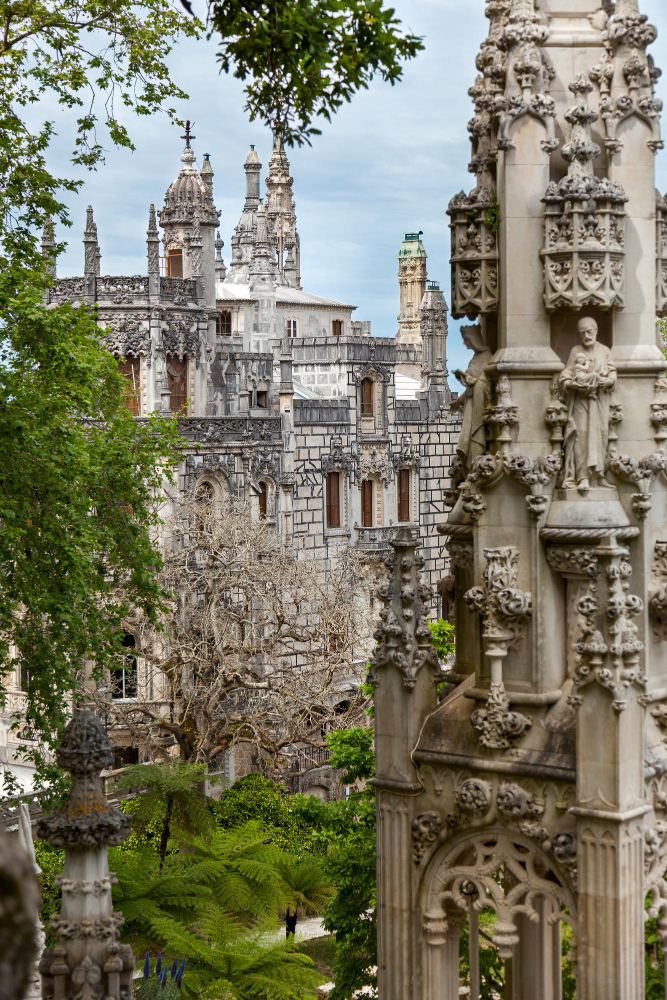
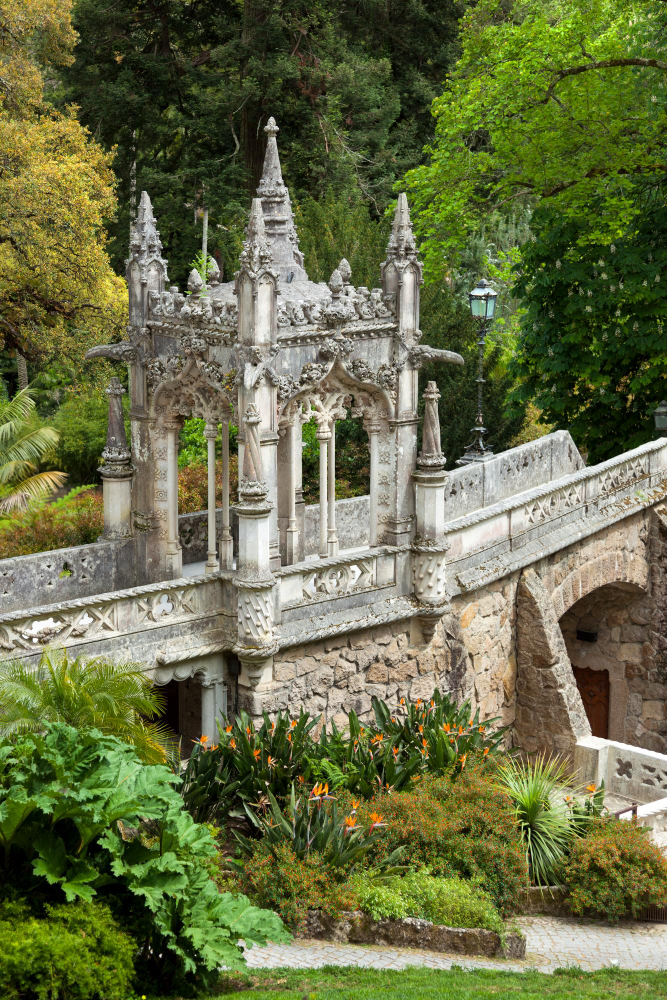
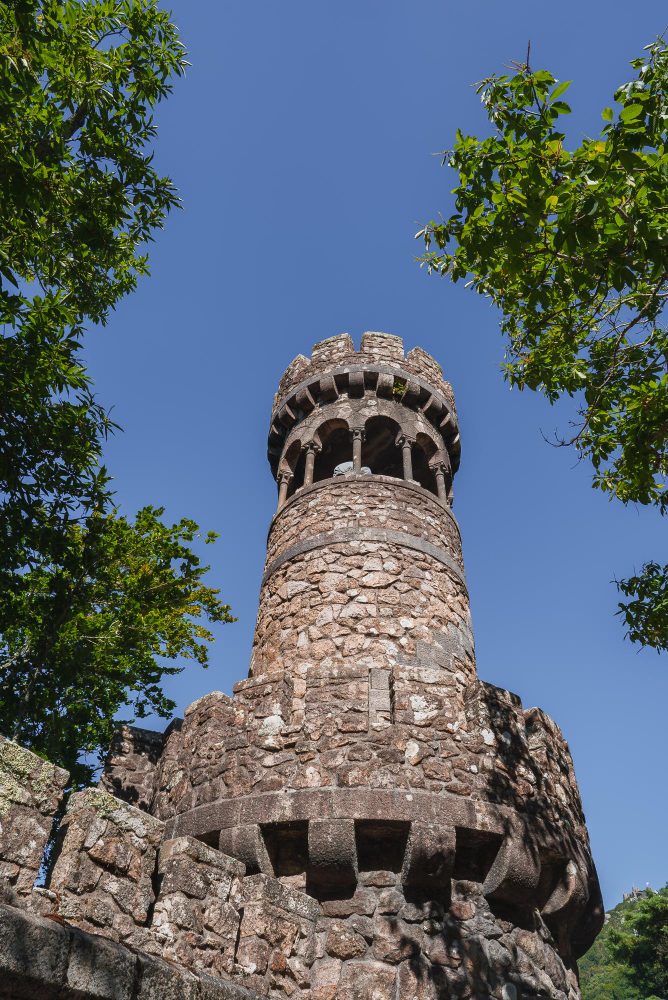
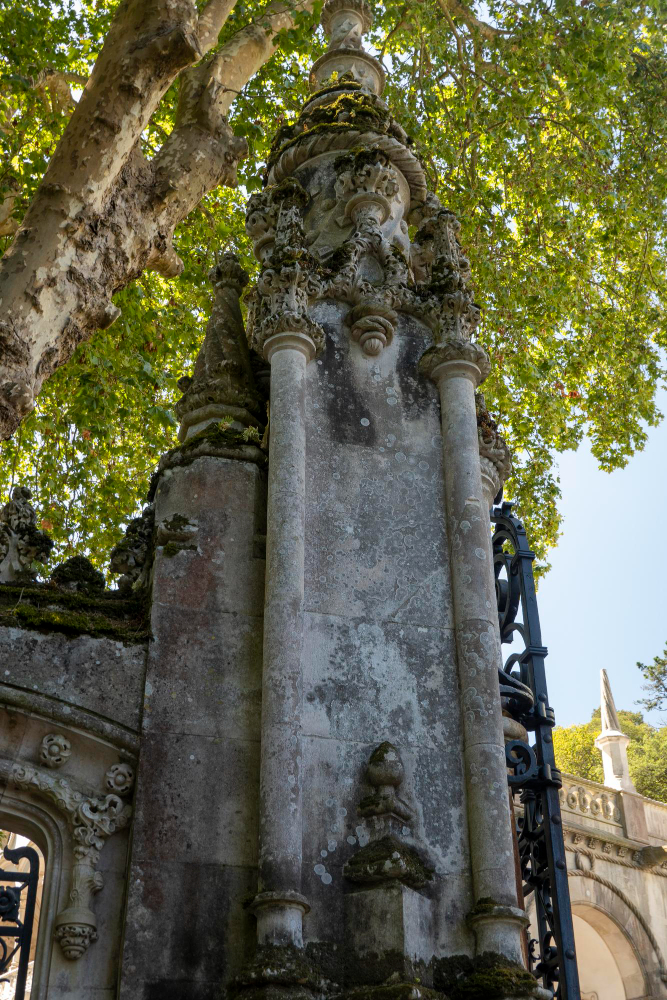
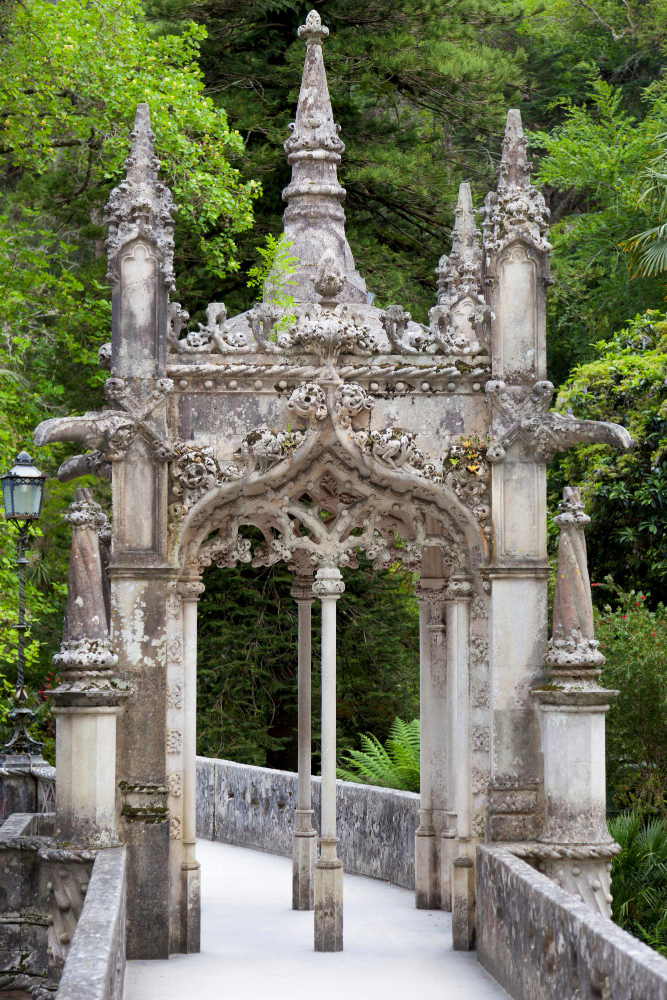
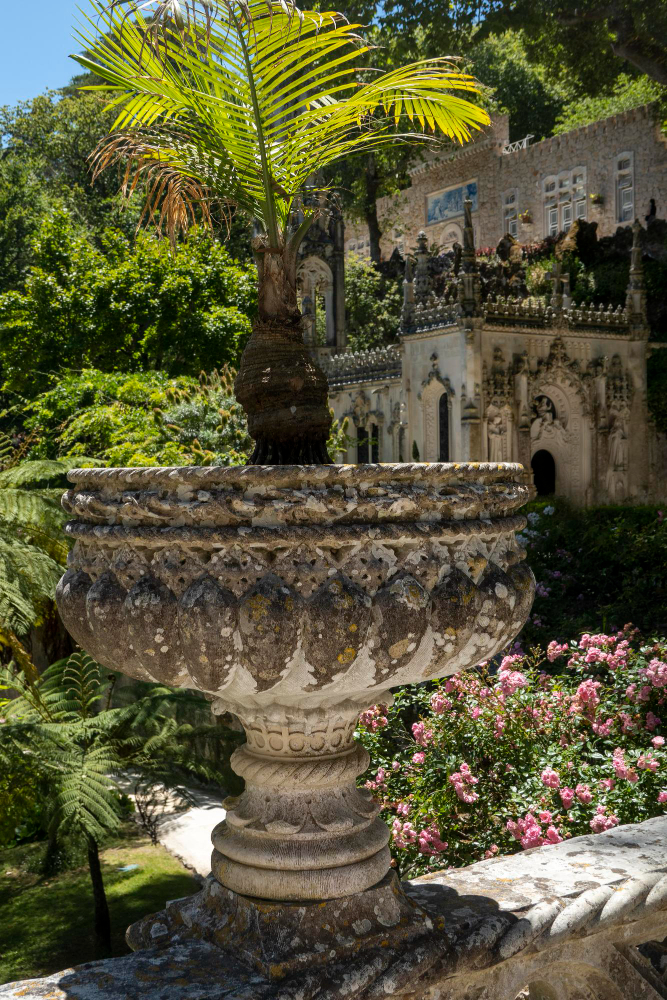
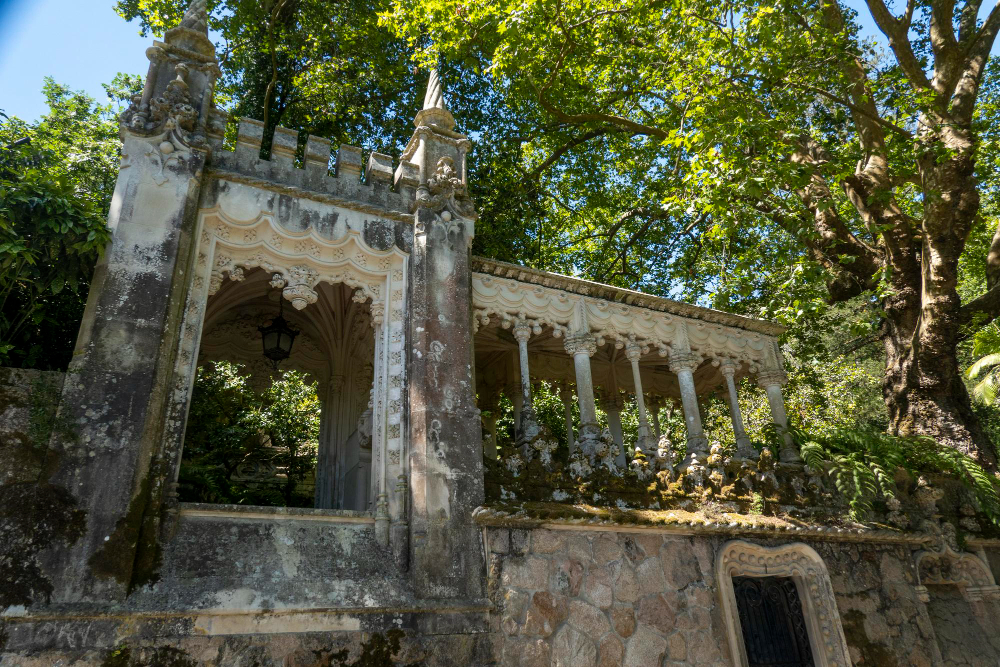
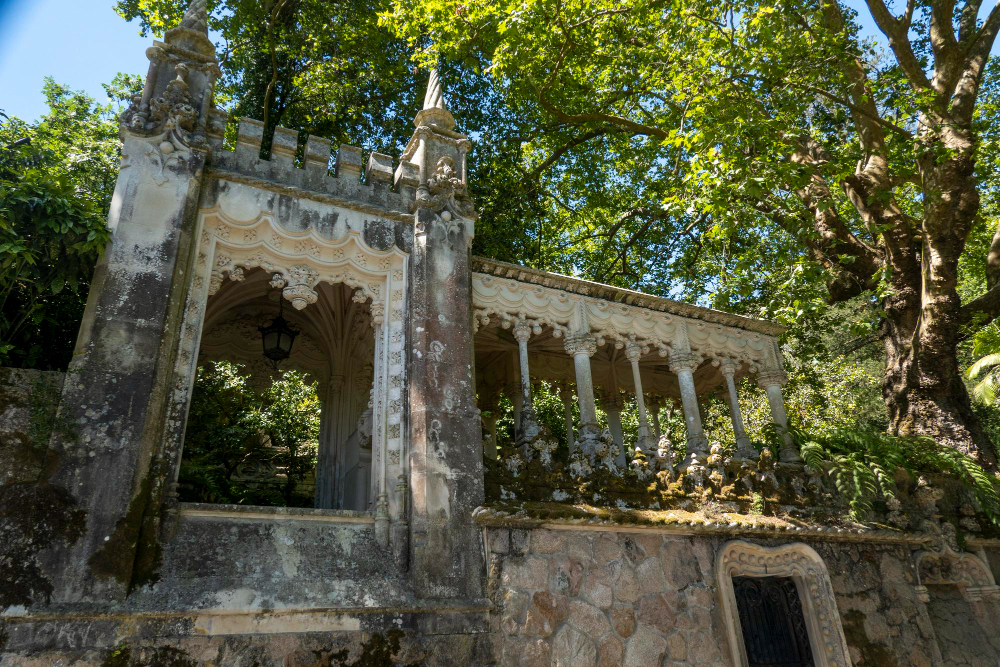
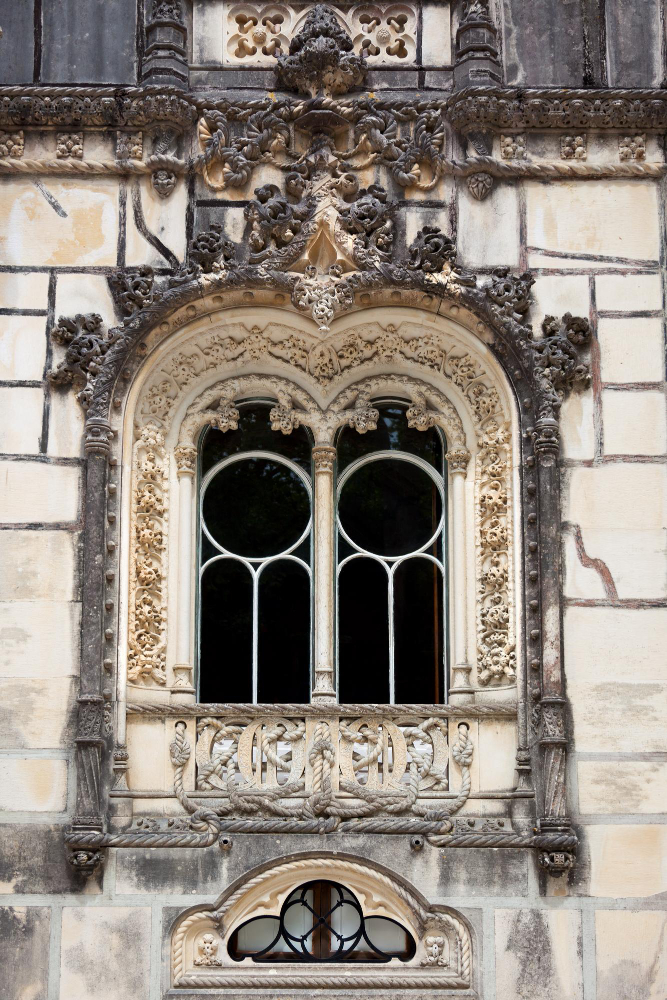
Symbolic architecture and secret meanings – The Quinta da Regaleira is permeated by symbols that serve not only decorative purposes but also convey deeper messages. Alongside the references to Freemasonry and the Knights Templar already mentioned, there are also elements drawn from alchemy and Rosicrucianism. Geometric shapes, astrological signs and occult symbols, for instance, all represent the quest for knowledge and self-transformation in equal measure. One example of this is the numerous towers, pavilions and windows, whose arrangement and design often remain enigmatic and offer plenty of scope for interpretation. The interplay of light and shadow, of openly visible details and hidden chambers, testifies to a deliberate staging intended to lead the visitor on a journey into the inner self – both physically and spiritually.
The mausoleum and the key to eternity – A particularly fascinating story surrounds the death of Carvalho Monteiro himself. Together with his architect, he designed a mausoleum at the ‘Cemitério dos Prazeres’ cemetery in Lisbon – one that reflects the esoteric symbolism of the Quinta. The tomb is adorned with the same Masonic and occult motifs found in Sintra. A curious and well-documented fact is that the very same wrought-iron key that opens the main gate to the Quinta da Regaleira can also unlock the door to Monteiro’s tomb in Lisbon. This detail links this magical place with its creator’s final resting place – as if his life’s work and his death were mystically intertwined.
The Quinta Through the Lens of Time – In addition to the myths and legends mentioned, the Quinta da Regaleira also holds historical significance. Sintra itself is a region that, thanks to its location and mild climate, has attracted poets, writers and artists for centuries. Even before Carvalho Monteiro’s time, this corner of the world was the scene of power struggles, religious movements and cultural exchange. The Quinta fits into this tapestry by reviving ancient legends and bringing them to life through modern architectural means. The combination of history, symbolism and mysticism attracts thousands of visitors every year, who are captivated by the estate’s mysterious atmosphere.
Prospects for Researchers and Visitors – Research into the Quinta da Regaleira remains fascinating to this day. Archaeologists, historians and researchers of esoteric subjects continue to attempt to decipher the meaning of the symbols, architectural plans and legends. Time and again, it becomes apparent that this place is multi-layered and can never be fully understood. For visitors, the Quinta offers itself as a place of discovery – a place where one becomes an initiate oneself, moving between light and shadow in search of answers to age-old questions. The combination of nature, architecture and profound symbolism makes the Quinta da Regaleira a unique experience.
The Quinta da Regaleira in Sintra is far more than a historic estate or a beautiful garden. It represents a complex universe of symbols that carves mystical knowledge into stone and keeps it alive. From the depths of the Initiation Well to the hidden paths of the underground labyrinth, it tells stories of death and rebirth, of darkness and light, and of humanity’s ceaseless quest for meaning and insight. Anyone who embarks on this journey may still, even today, be moved by the ancient mysteries – by a magic that transcends time.