 Isabella Mueller Baroness of Stainton le Vale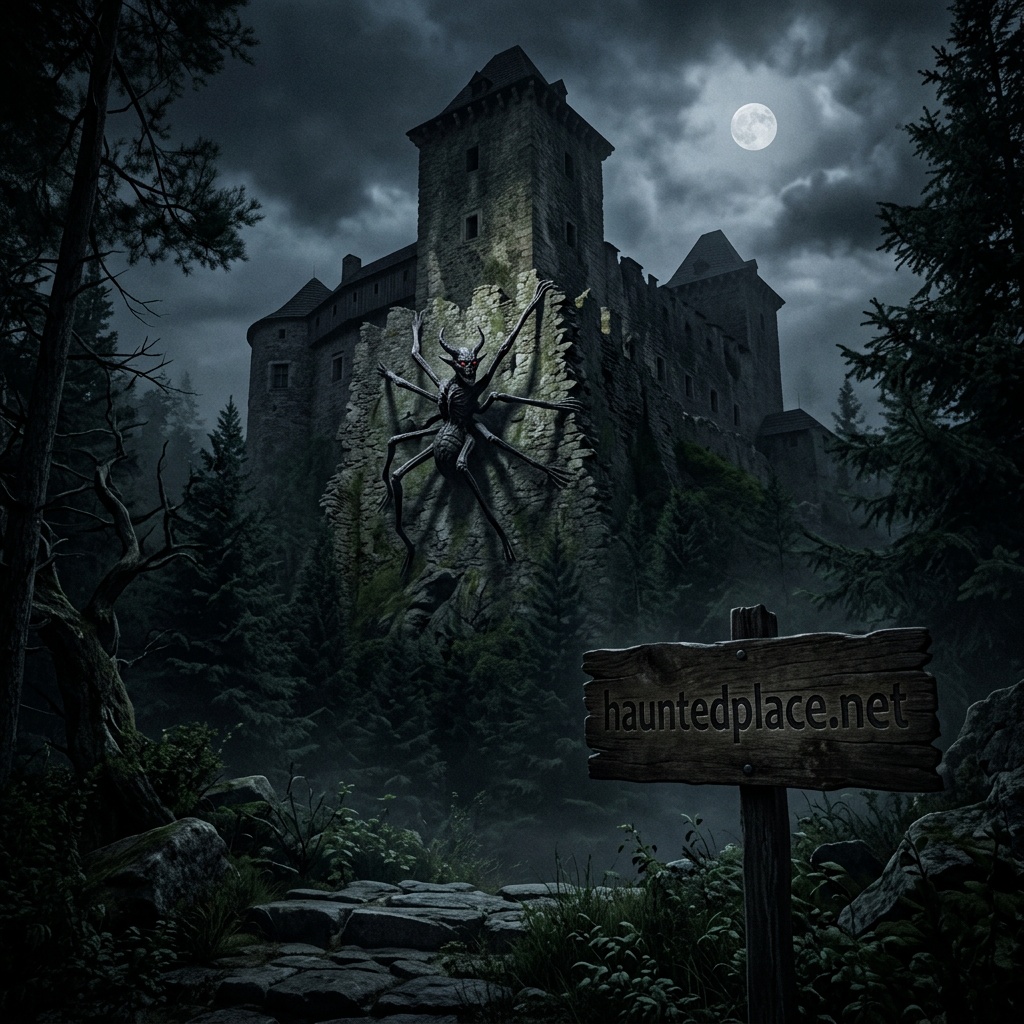
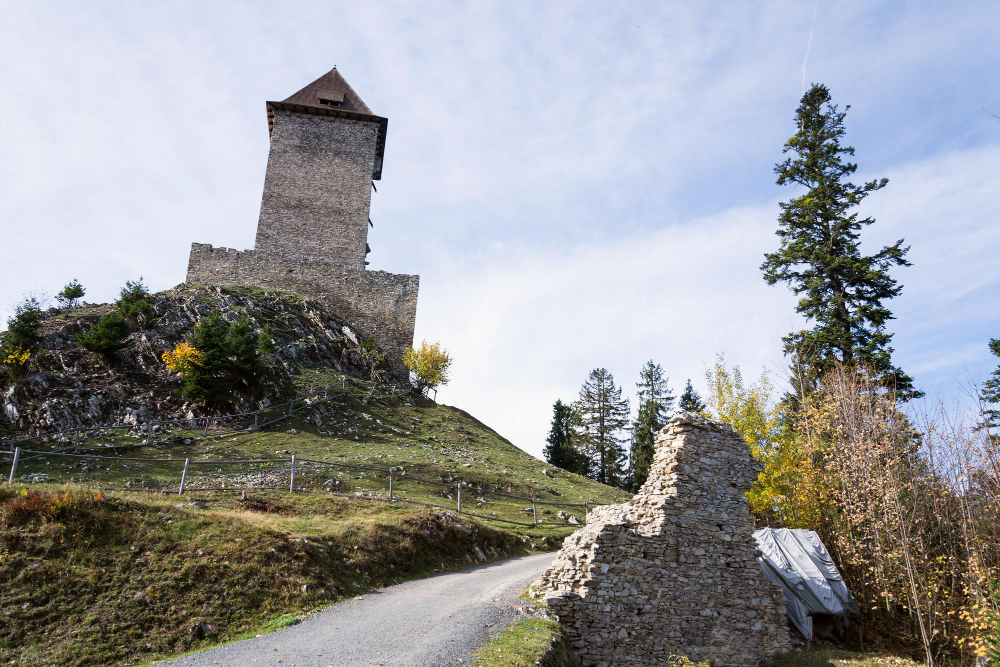
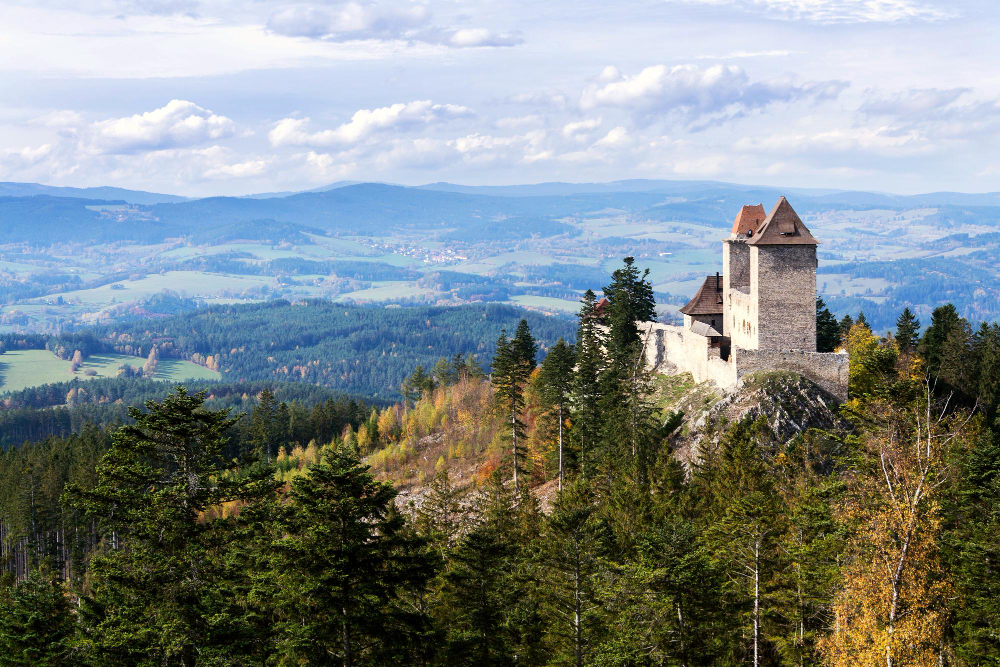
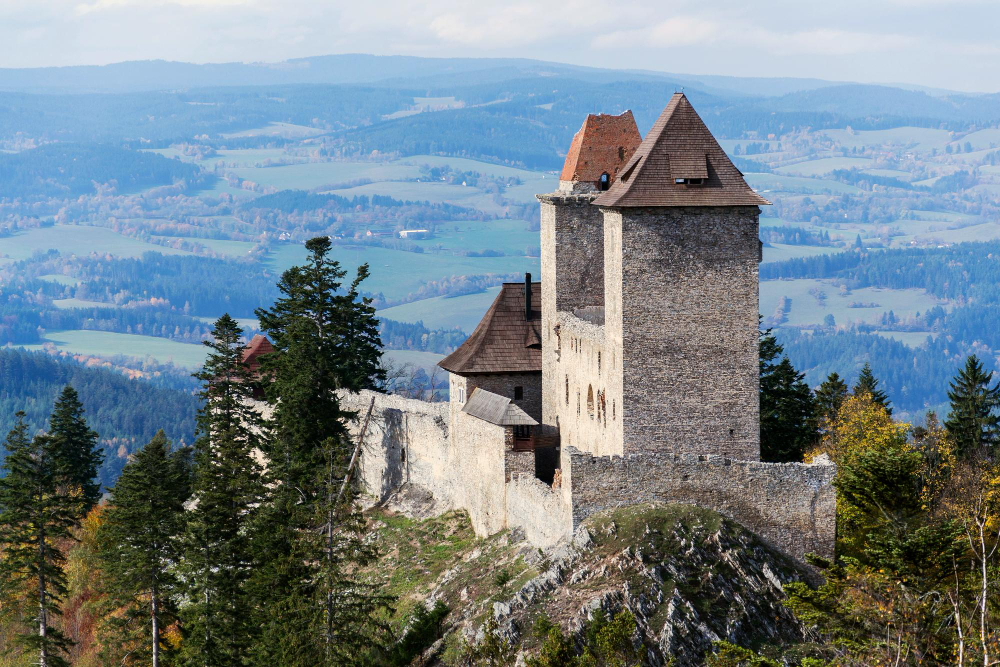
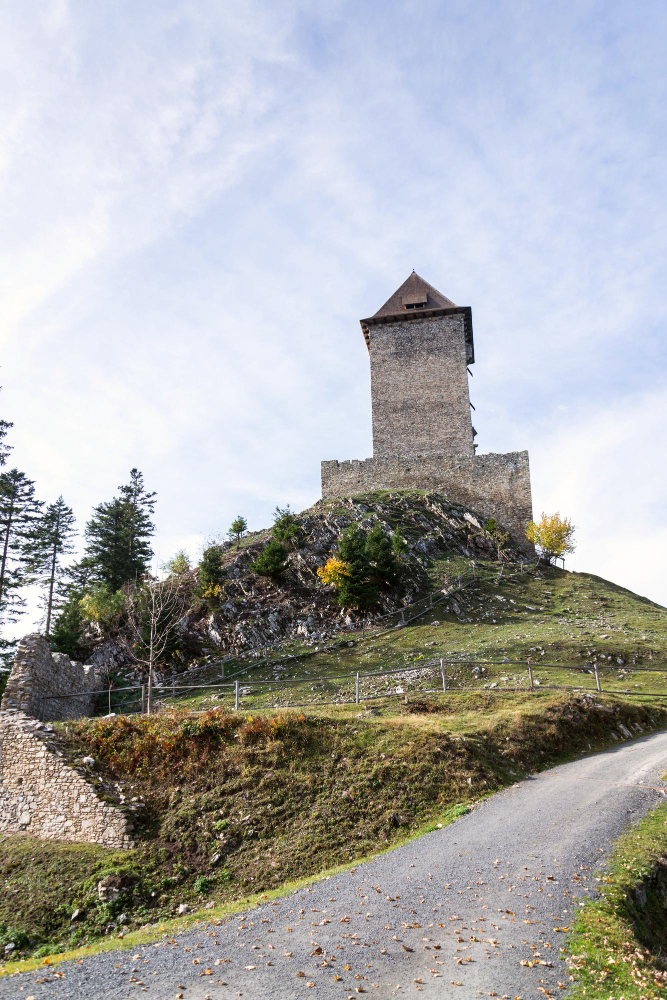
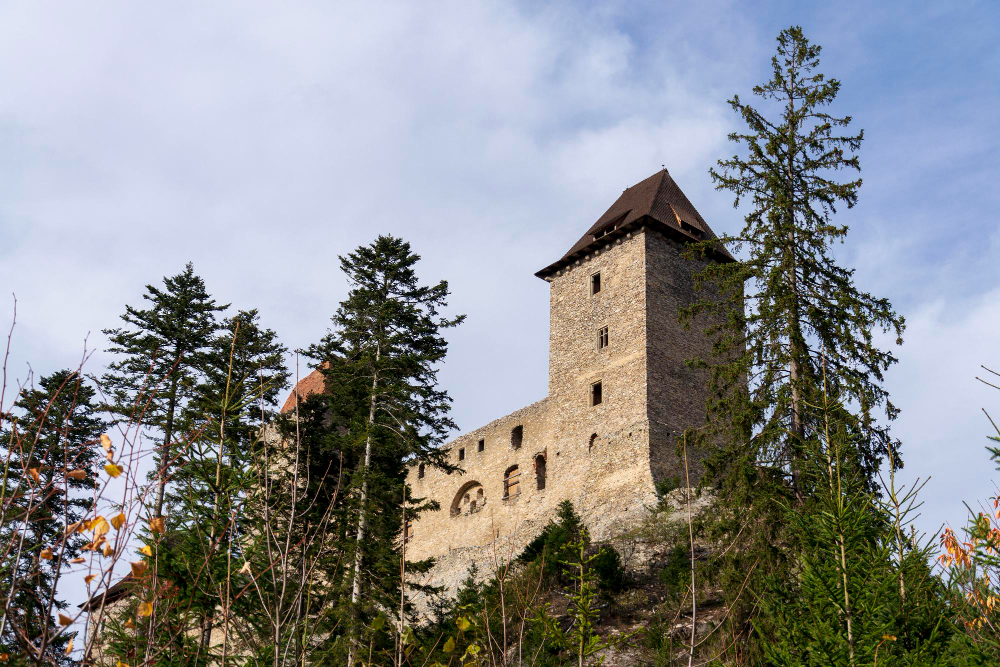
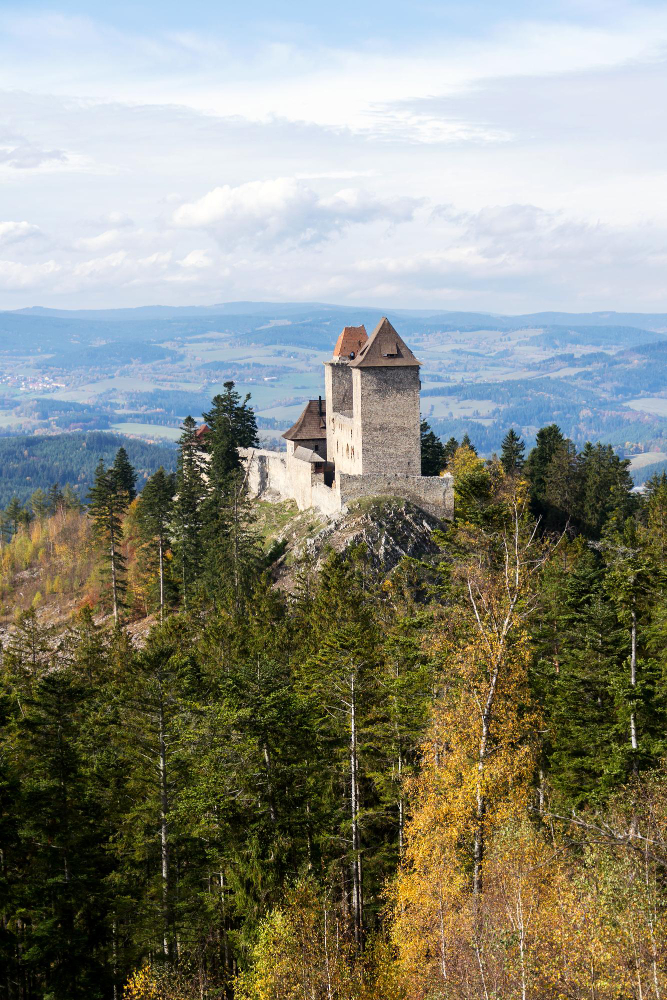
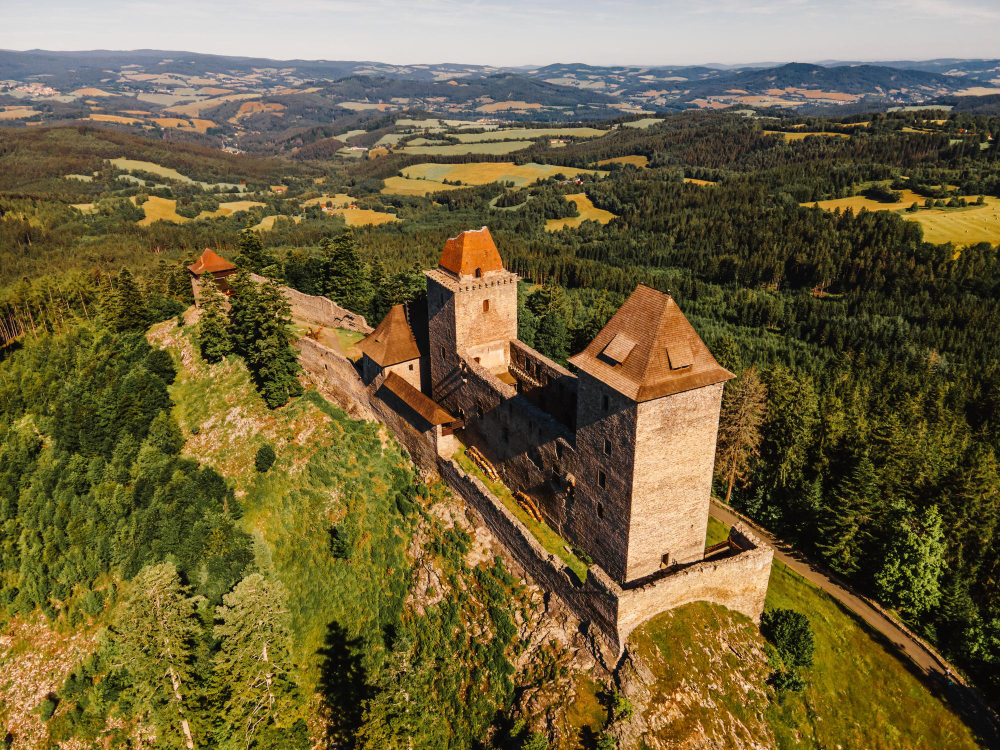
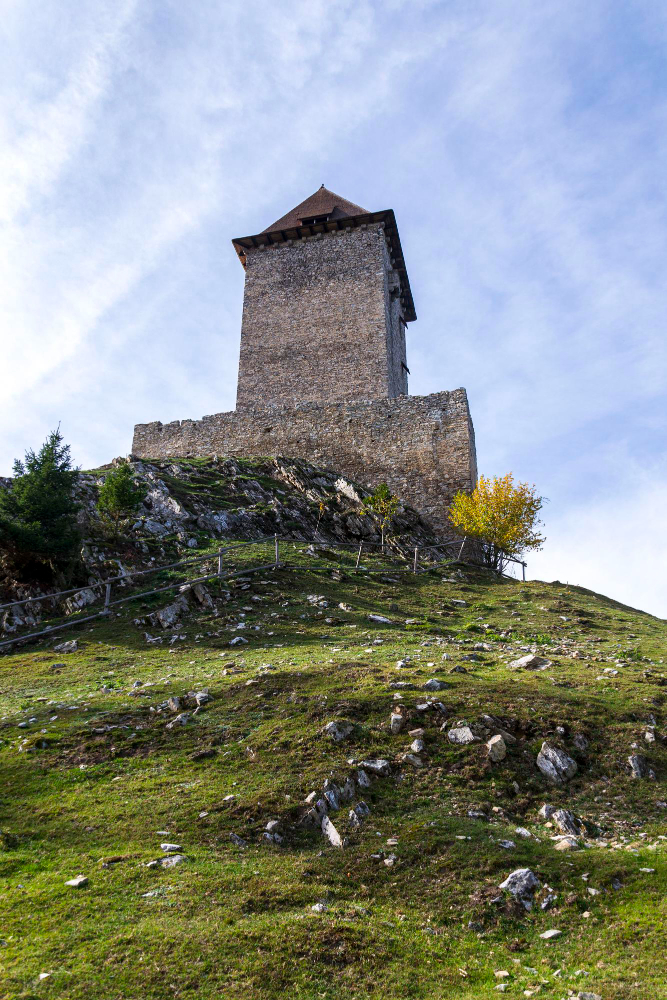
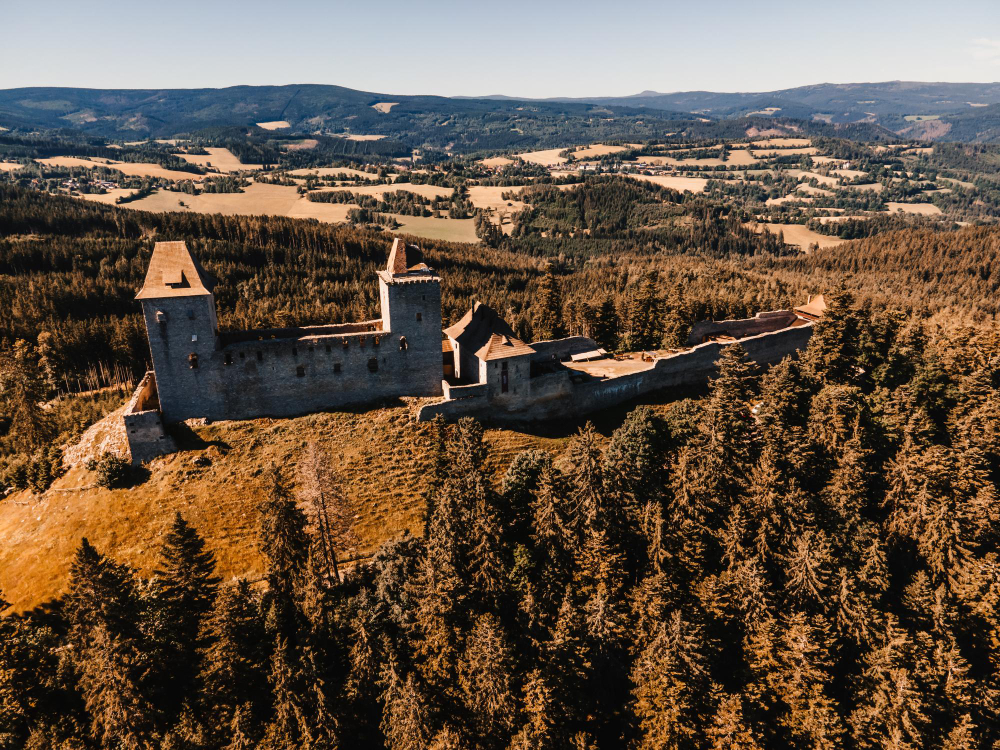
Deep in the heart of the Czech forests, surrounded by dense vegetation and steep hills, stands the imposing Kašperk Castle. Its crumbling walls and mystical atmosphere attract numerous visitors, though not all come for the castle’s architecture or historical significance. Many visit the castle for another reason – because of the grim legend of the ‘Šplhavec’, a creature that spreads fear and terror and is said to lurk in the castle’s shadows.
The ‘Šplhavec’ is no ordinary legendary figure. The name can be roughly translated as ‘climber’ and describes a malevolent apparition that has captured the imagination of locals and visitors alike for centuries. Its story has become deeply rooted in folk culture through oral tradition. It is said to be either a faceless human with empty, black eye sockets or a monstrous, spider-like creature with long limbs, which silently climbs up and down the castle walls at night. No one knows exactly how this figure came into being, yet many legends surround its origins and its terrible deeds.
The Origin of the Legend – The legend of the Šplhavec is characterised by various accounts and interpretations, some of which contradict one another, yet all convey a clear picture of the fear this creature instils. Some believe that the Šplhavec may once have been a servant who, whilst at the castle, committed a terrible act of treachery out of jealousy and hatred. It is said that he attempted to kill his master in order to win the hand of a woman who had been promised to the lord of the castle. But the attempt failed, and as punishment he was walled up alive in the castle’s foundations. Yet his spirit is said to have found no peace following his agonising death. It is said that he returns time and again to take revenge on those who utter his name or break the castle’s rules. Other tales speak of a dark alchemy from which the Šplhavec is said to have emerged. A former inhabitant of the castle is said to have carried out forbidden experiments in a chamber of the tower in an attempt to unlock the secret of eternal life. Instead, however, his experiments led to a curse that haunted the castle’s walls and created a creature filled with darkness and madness. This version of the legend suggests that the castle’s mighty towers – both a protection and a symbol of its strength – are themselves the source of an unspeakable evil.
The Apparition of the Šplhavec – Hardly any eyewitness can claim to have seen the Šplhavec in its entirety, yet there are numerous reports of encounters with this creature or signs of its presence. It is often claimed that the spirit is active at night and prefers to linger near the moat or the towers. There, it is said to climb the rough walls headfirst like a giant spider, without making a sound. Its movements are said to be so fluid and swift that even the most attentive observers catch only a brief glimpse of a dark silhouette before it vanishes without a trace into the shadows. The appearance of the Šplhavec is often accompanied by a sense of dread and madness. Anyone who gets too close to him or tries to challenge him is frequently overcome by an indescribable fear that lingers long after the encounter. Some visitors report that, after spending a night near the castle, they were haunted by terrible nightmares in which they wandered endlessly through the castle’s dark corridors and towers, pursued by clattering noises and an invisible presence. Others claim to have lost their minds after coming into contact with the Šplhavec and to be plagued by strange visions to this day.
The Curse of the Brave Overnight Guests – A central part of the legend is the warning against spending the night at Kašperk Castle. It is said that anyone brave enough to venture within the castle walls at night risks more than just a restless night. Many locals are firmly convinced that Šplhavec punishes precisely those who attempt to disturb the castle’s tranquillity or mock the stories surrounding him. Some tell of hikers who entered the castle alone and were never seen again, whilst others report of groups who mysteriously fell ill or showed signs of psychological distress after spending the night there. A particularly chilling account comes from a young historian who, a few years ago, believed he could scientifically disprove the legend. Equipped with state-of-the-art equipment and determined to provide evidence of Šplhavec’s non-existence, he spent a night in the castle. The next morning, he was found alone and utterly distraught outside the castle gates, unable to speak and with a vacant stare that boded nothing good. Since then, the man has been receiving psychiatric treatment, and no one has ever found out what really happened that night.
The appeal to visitors and the role of the legend today – Despite – or perhaps precisely because of – these terrifying tales, Kašperk Castle attracts numerous adventure-seekers, ghost hunters and horror fans every year. The region’s tourism officials use the legend of the Šplhavec to attract curious visitors and lend a touch of mystique to the castle’s historical significance. Guided tours of the castle often include stories about the Šplhavec and offer guests the chance to put their imagination to the test by searching for clues to his presence. However, not everyone views the marketing of the legend in a positive light. Some locals warn against underestimating the Šplhavec or putting him in the spotlight. “There are some things that are better left hidden,” said an elderly lady who has lived near the castle for decades. “You don’t mess with forces you don’t understand.”
The legend of the Šplhavec is more than just a spooky tale – it is a piece of cultural heritage deeply rooted in the region. Whether one believes in the existence of this creature or dismisses it as mere folklore is up to each individual. What is certain, however, is that the eerie atmosphere of Kašperk Castle and its mysterious tales will continue to captivate visitors for years to come. But there is one thing everyone should bear in mind: at this castle, one must never cross the line between fascination and respect – because sometimes it is better not to provoke evil.