 Isabella Mueller Baroness of Stainton le Vale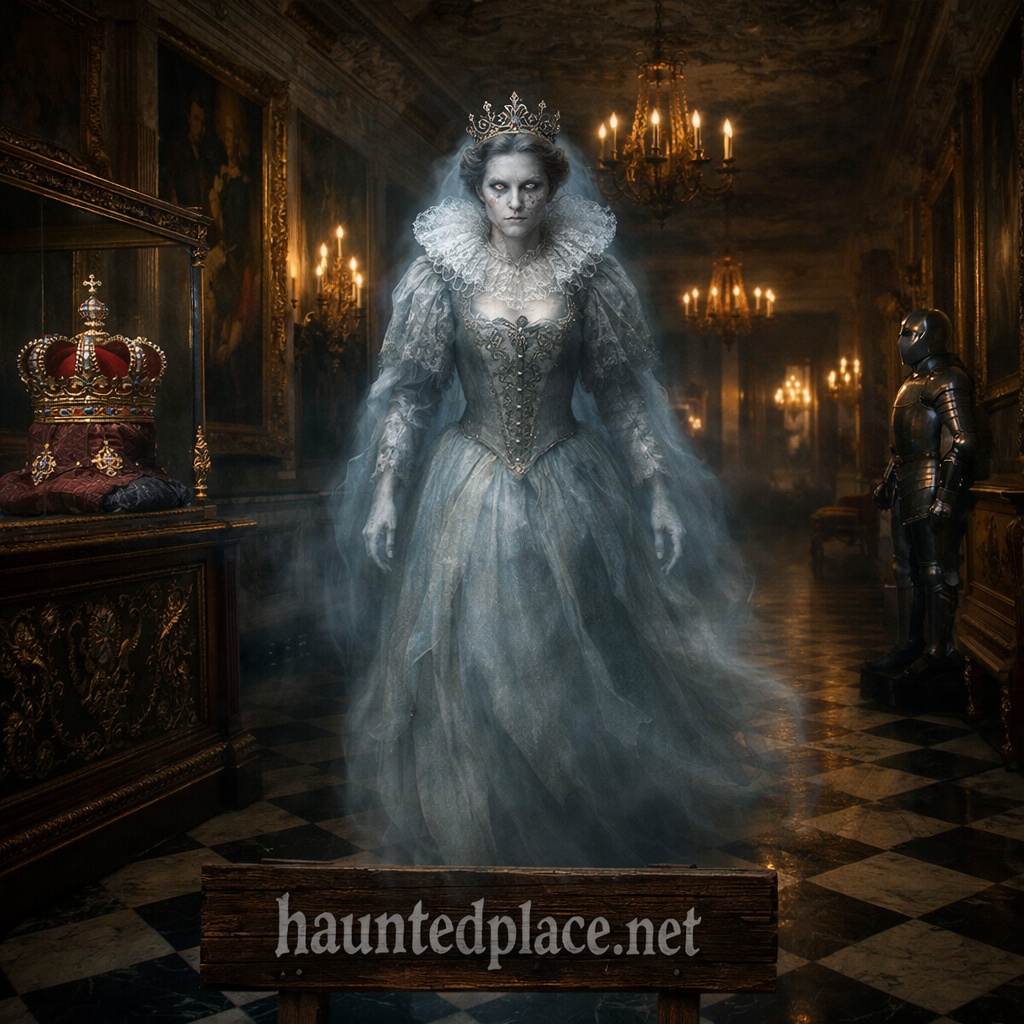
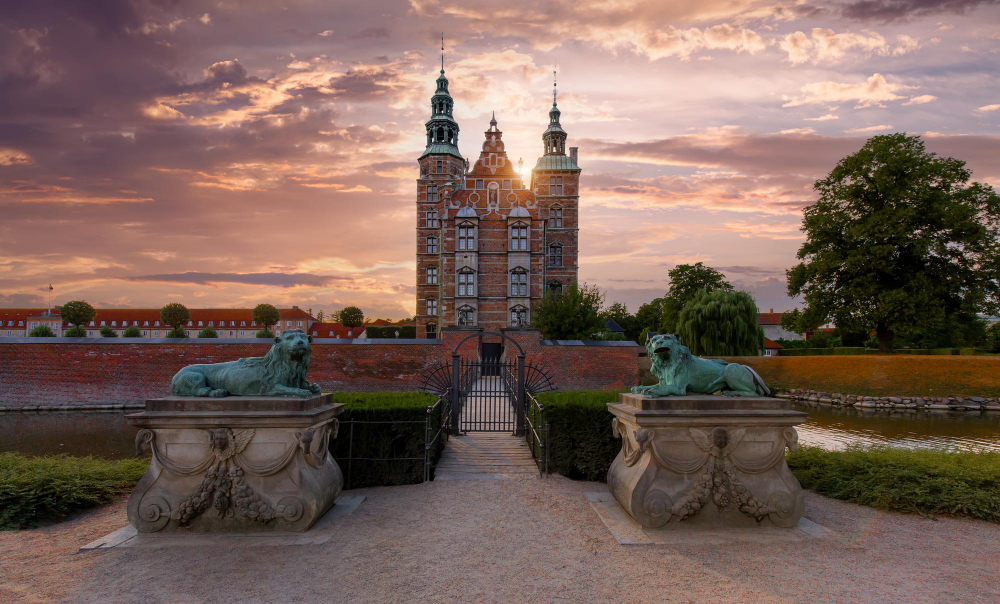
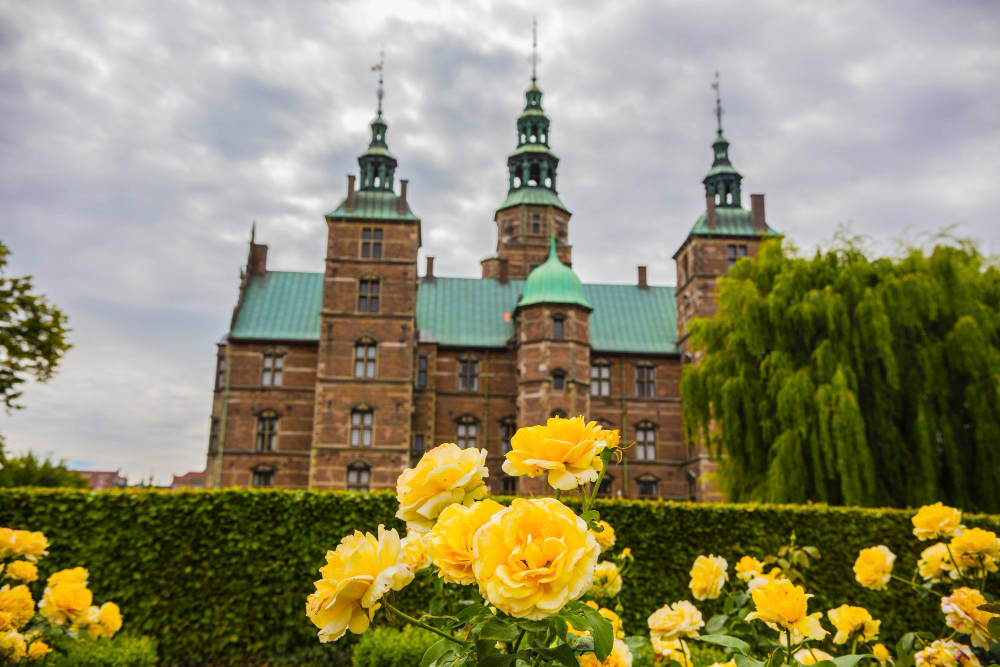
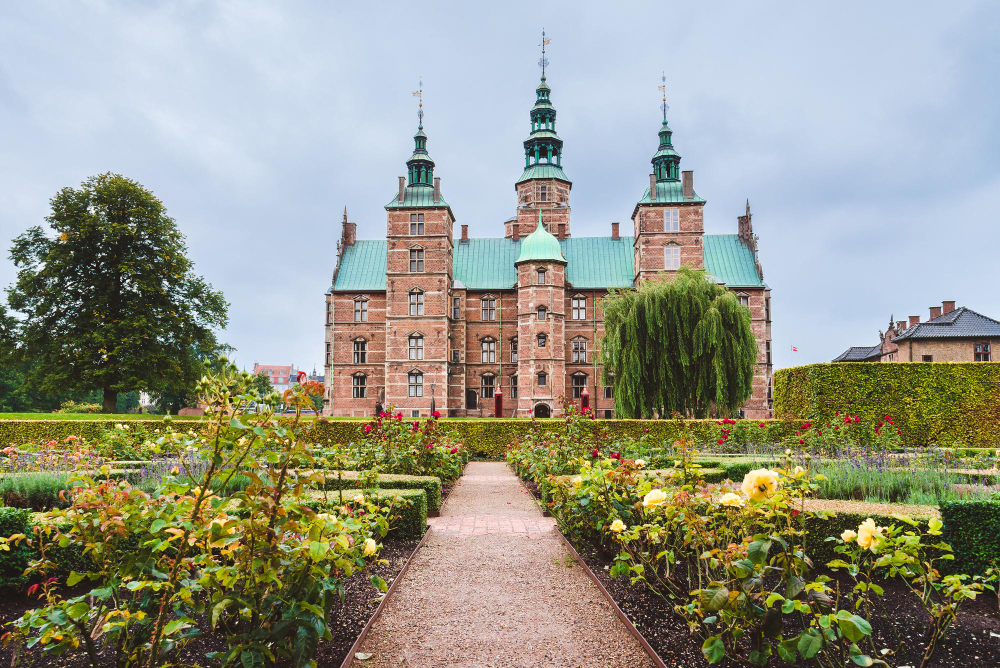
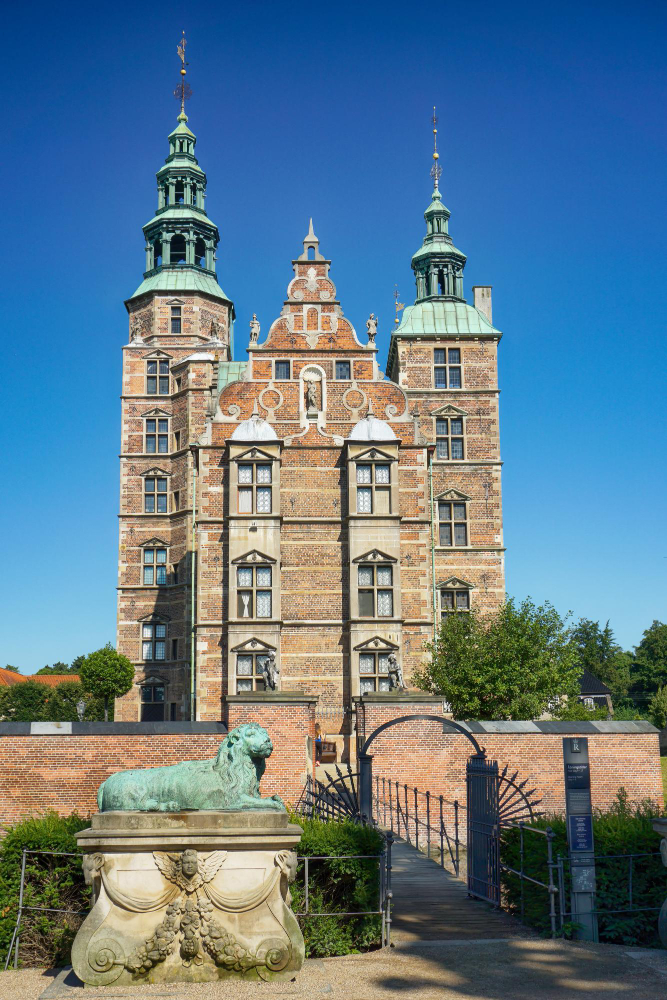
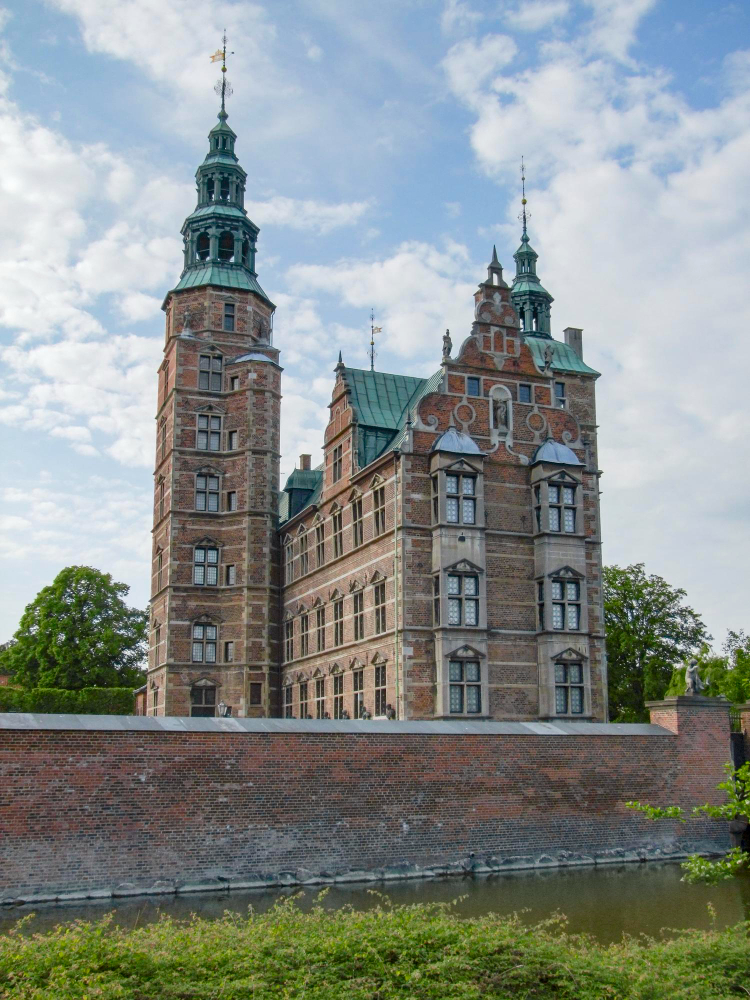
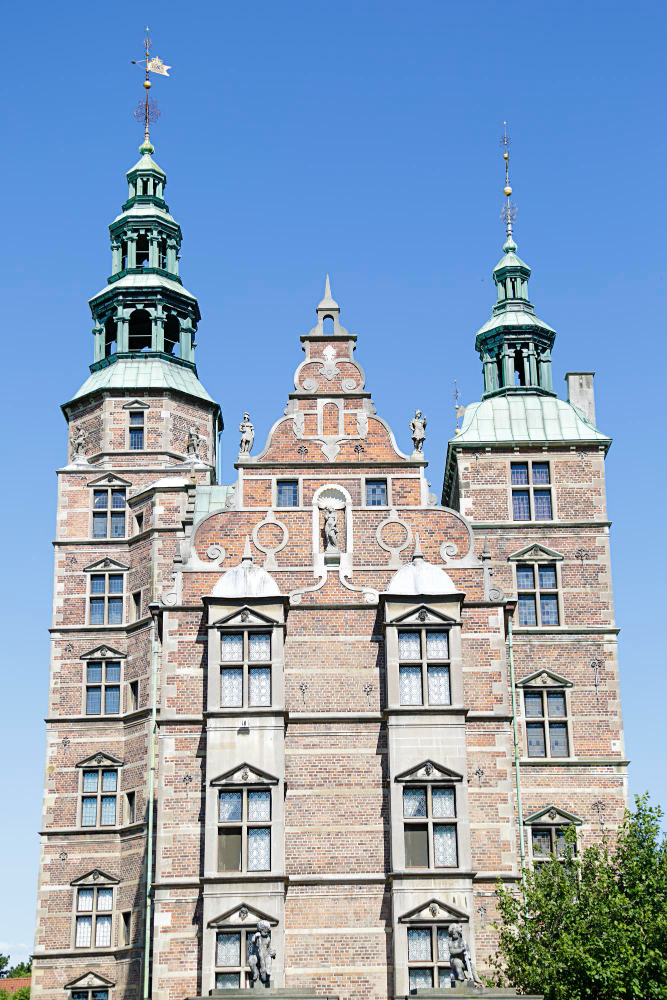
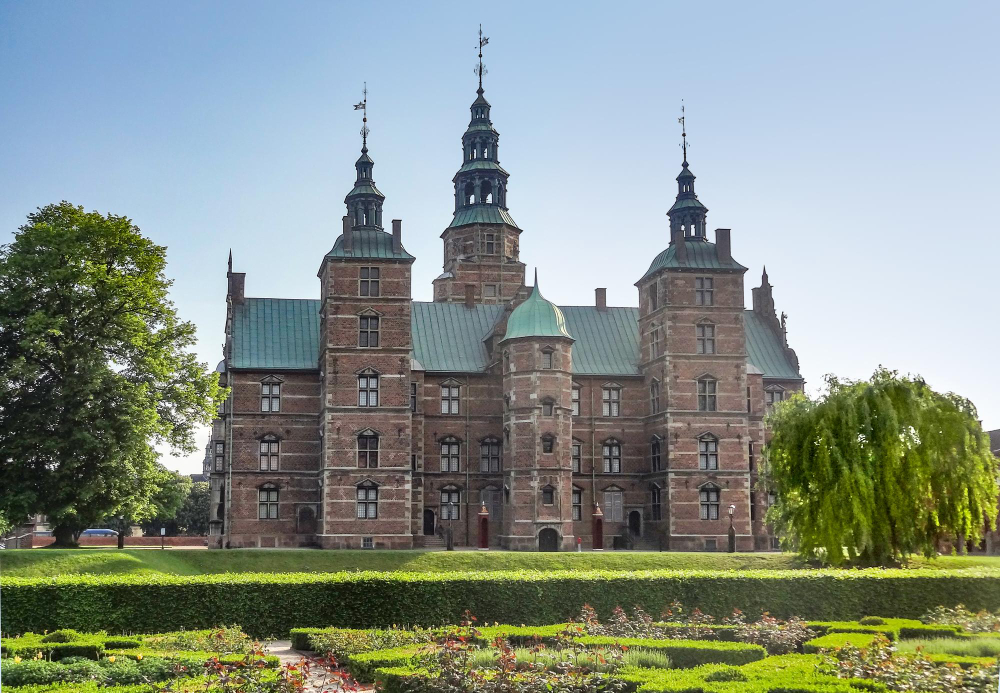
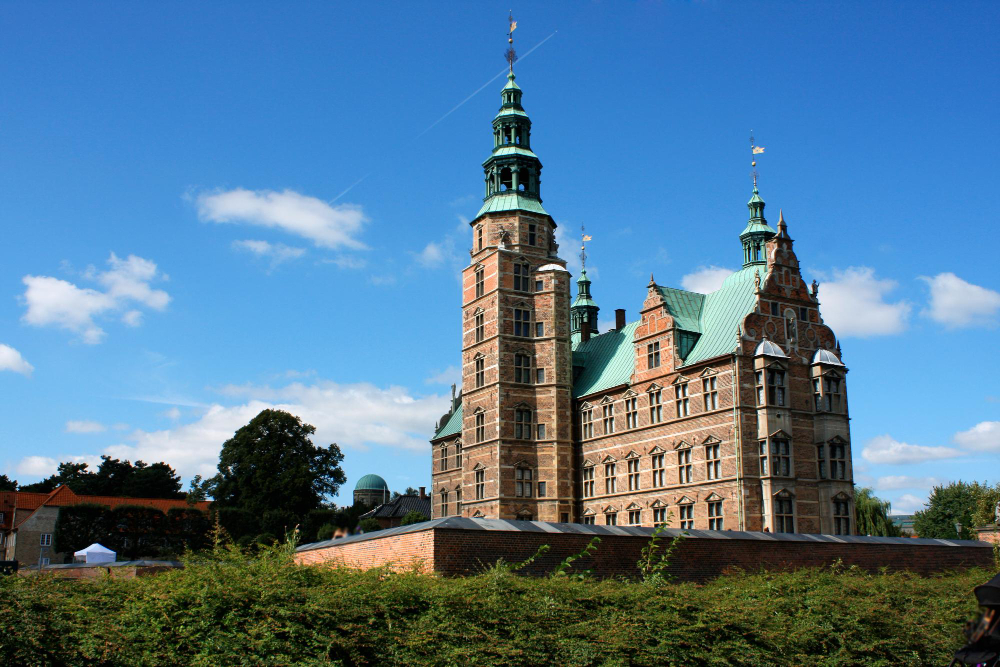
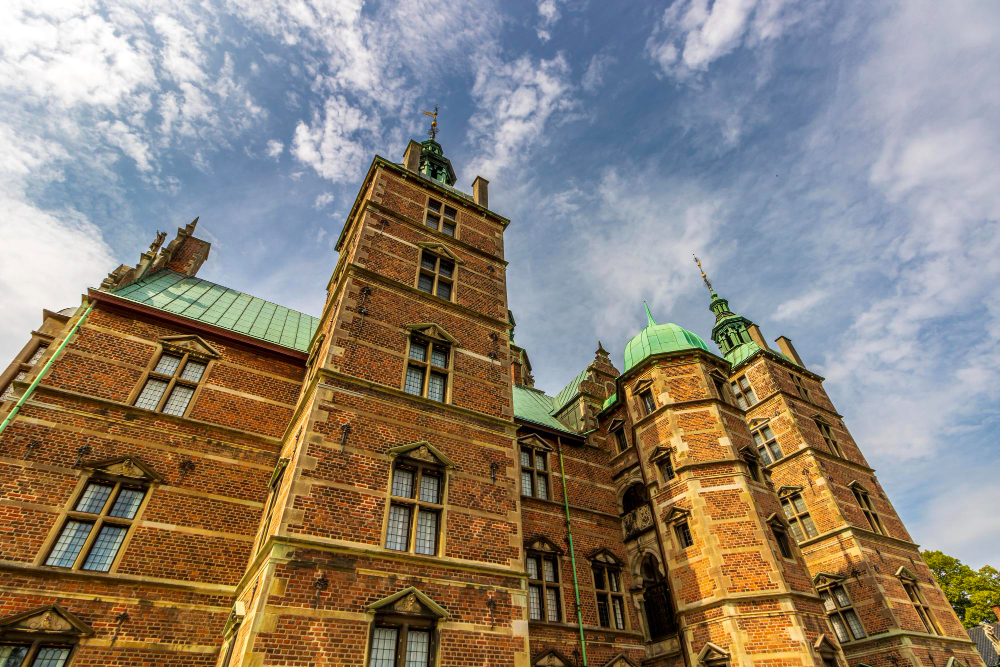
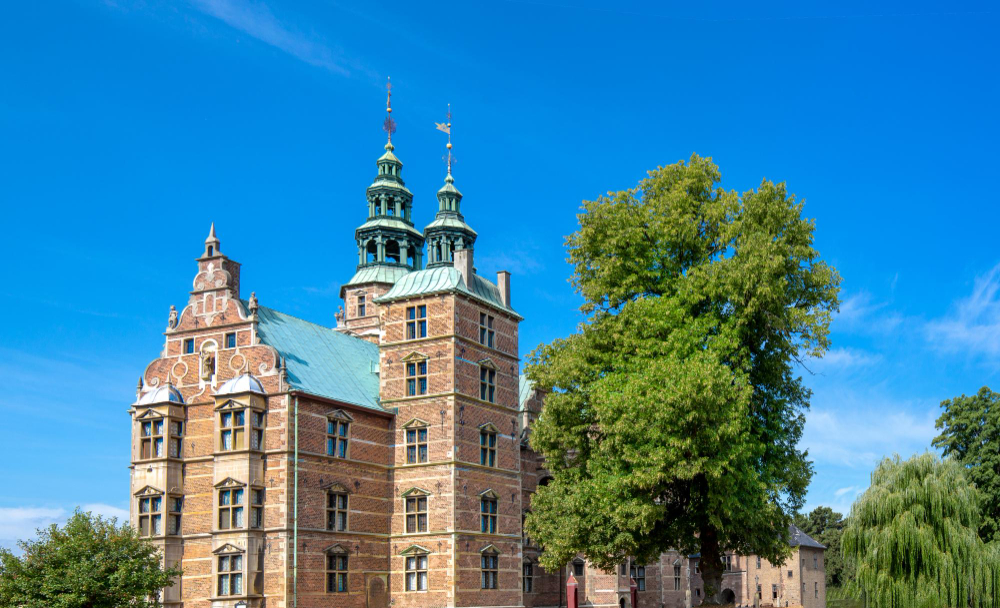
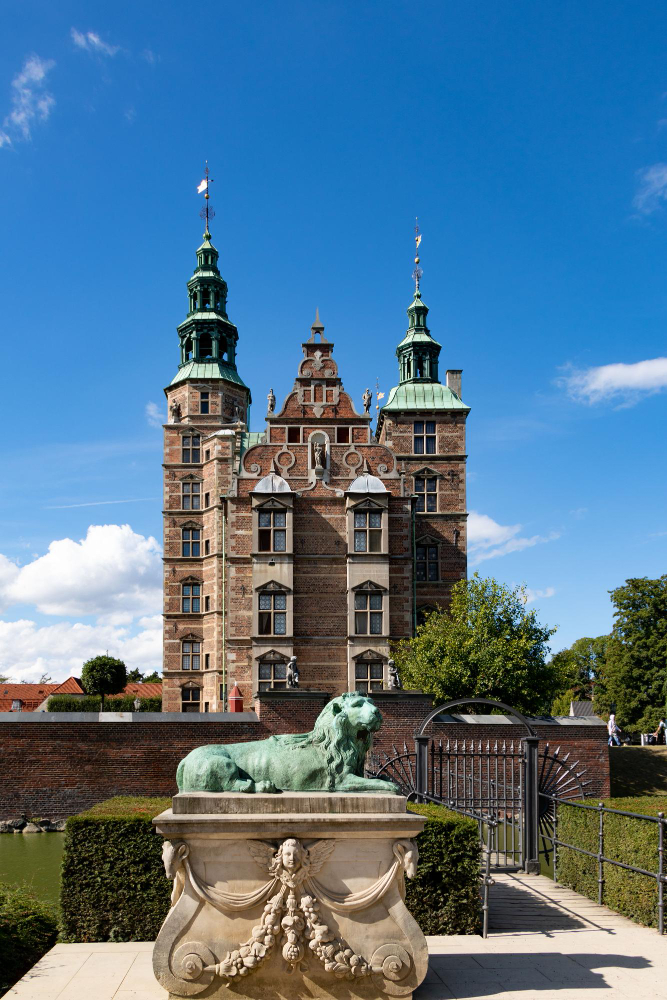
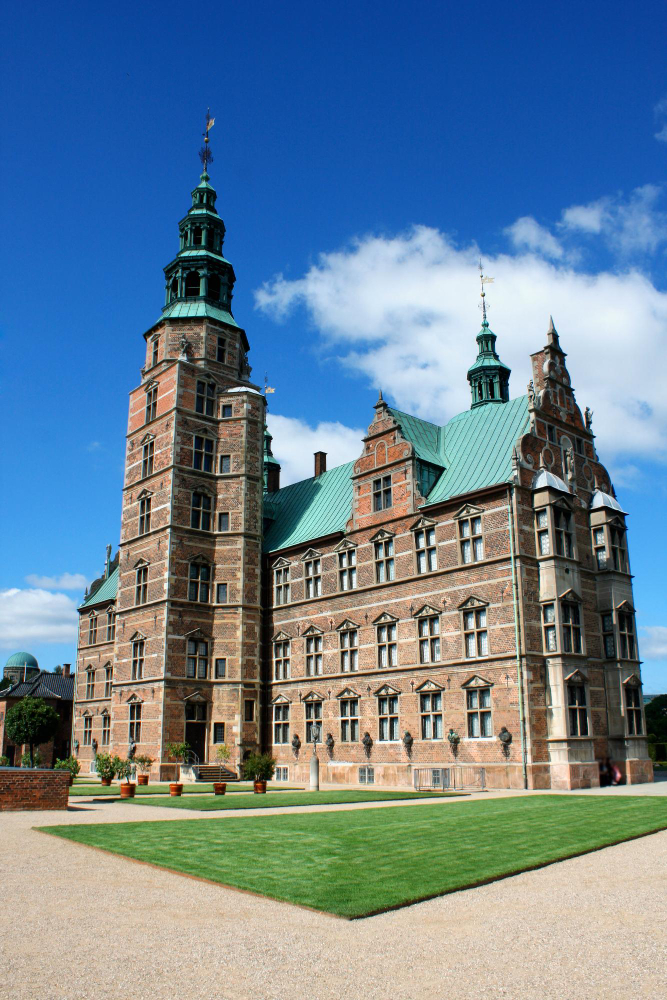
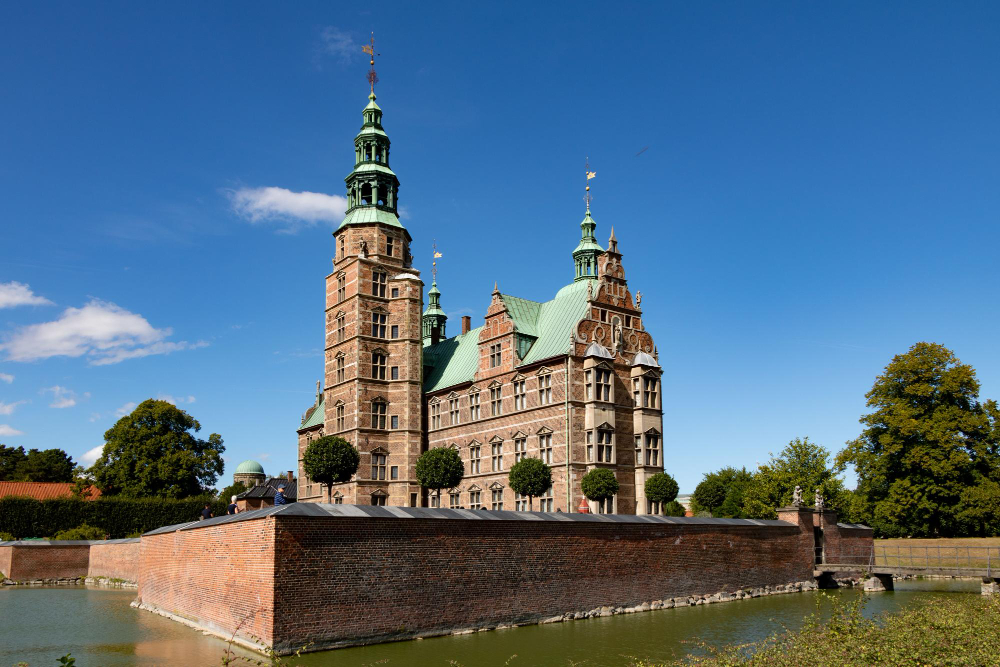
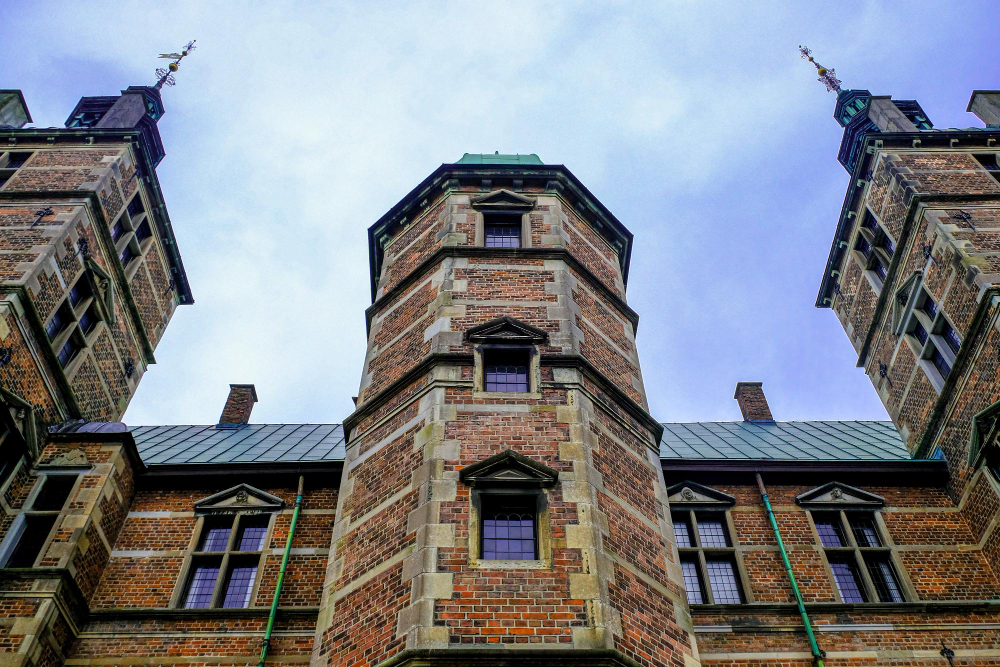
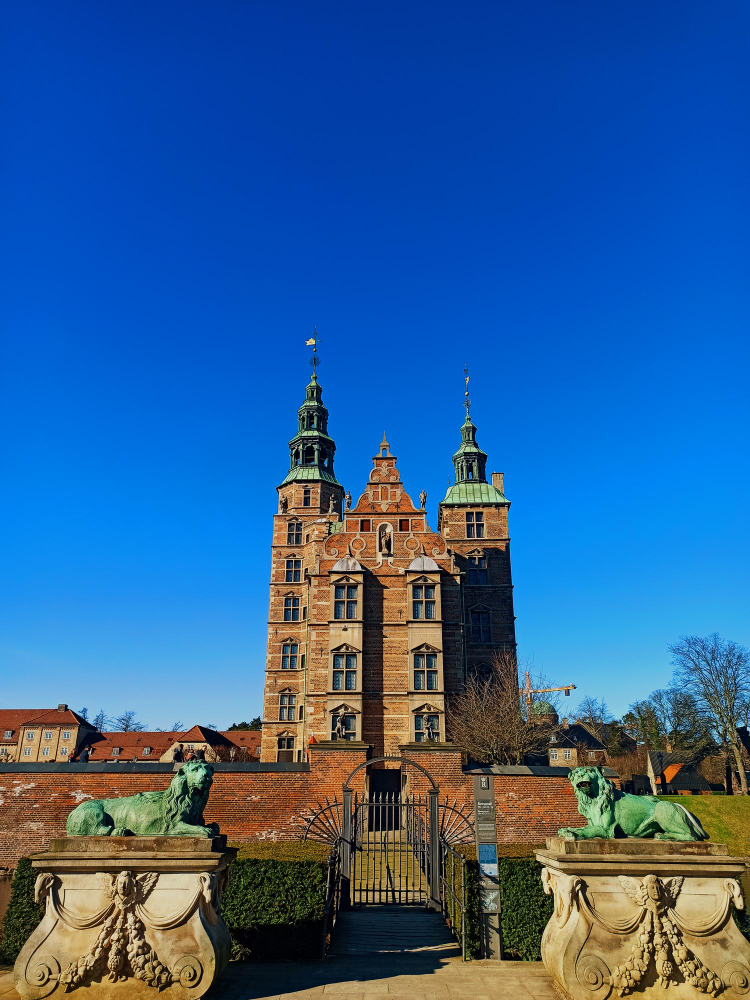
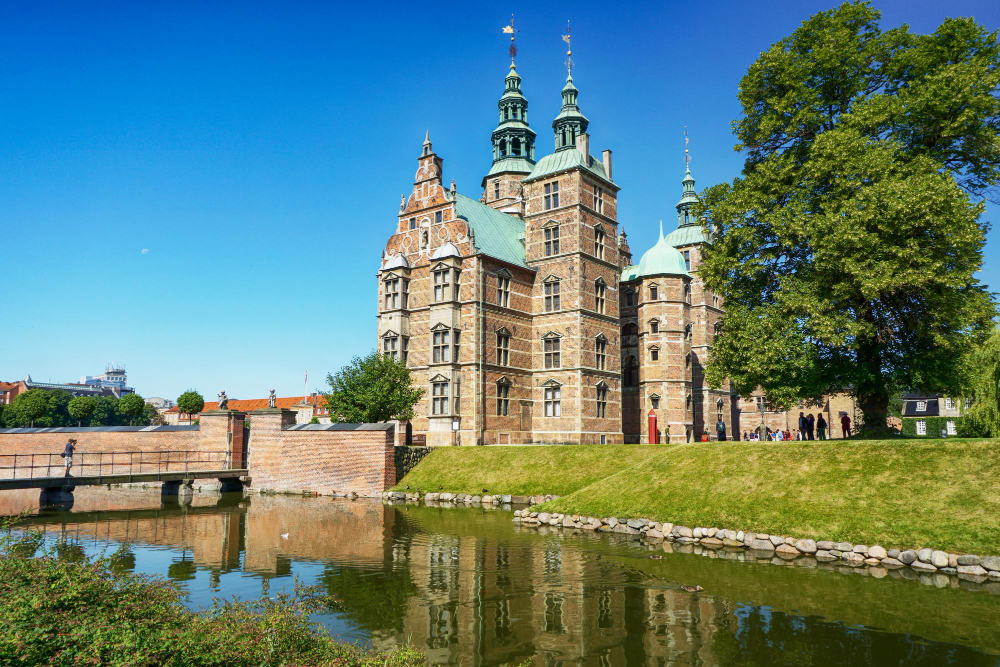
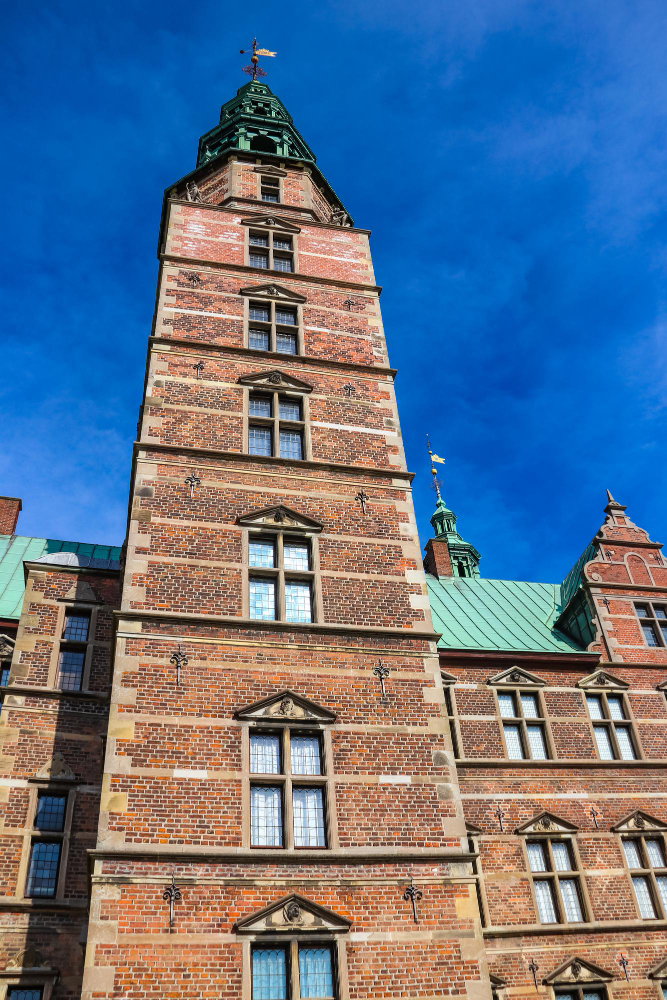
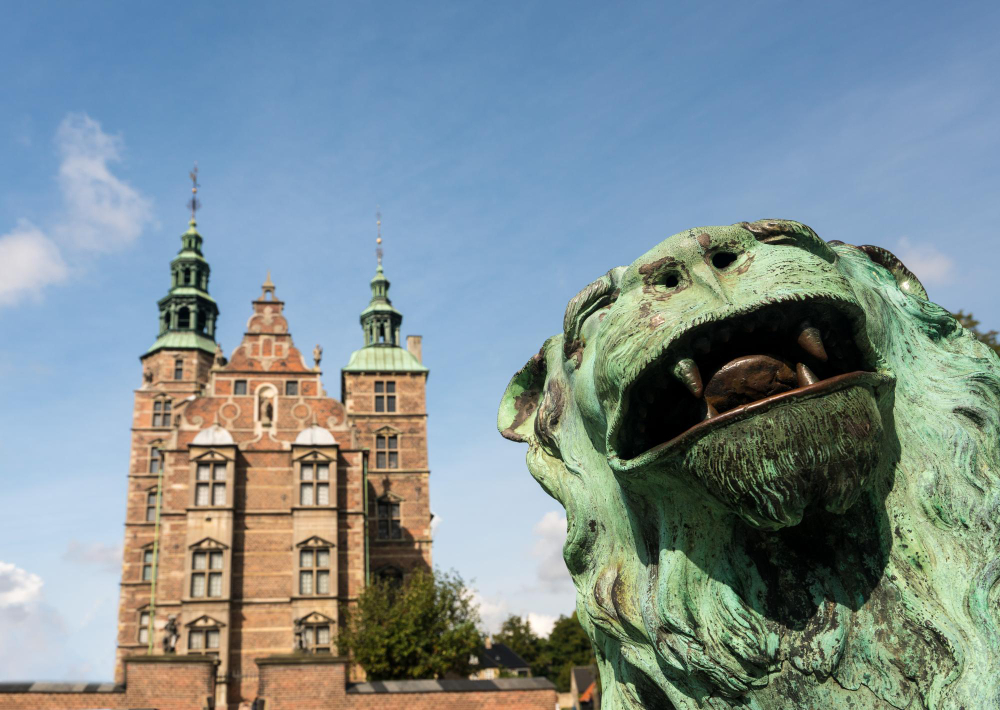
Rosenborg Castle in Copenhagen, a magnificent Renaissance building, attracts numerous visitors every year. Yet behind the ornate façades and sumptuous rooms lies a dark tale that still sends shivers down the spine and gives people goosebumps to this day. It is the legend of the headstrong Princess Sophia Hedwig – a name that lives on as a ghost in the castle’s corridors, having led a life marked by loneliness and rejection. Who was she? And why is her soul said to be unable to find peace?
The historical background – Sophia Hedwig was born in 1677, the daughter of Christian V of Denmark and his wife Charlotte Amalie. As a member of the Danish royal family, she grew up in a world of glamour and political power. She was renowned for her beauty and intelligence, but also for her pronounced pride and unmistakably rebellious nature. Whilst women of her time were expected to enter into strategic marriages to forge political alliances, Sophia Hedwig resolutely defied this pressure. She is said to have vehemently rejected all suitors, including some of Europe’s most powerful nobles. Her refusal, however, had consequences: She became increasingly isolated from those around her and withdrew into the tranquillity of the magnificent rooms of Rosenborg Castle, where she spent much of her time reading, writing and indulging in melancholic thoughts. In doing so, she became the subject of many rumours and speculations. Some claimed that she had not only been averse to men, but had developed a deep-seated fear of control and of losing her independence. Sophia Hedwig died unmarried and childless in 1735. Although she remained a marginal figure within the Danish royal family during her lifetime, she has secured a lasting place in history through the legends surrounding her death.
The Ghost of Rosenborg Castle – Legend has it that Sophia Hedwig was unable to rest in peace after her death. Her ghost is said to wander through the castle’s sprawling corridors and opulent chambers – an apparition that sends a chill down the spines of visitors and staff alike. Eyewitnesses report seeing a ghostly figure in royal robes, gliding silently through the rooms or suddenly appearing out of nowhere. She is said to have been sighted particularly frequently in the so-called ‘Long Hall’, the heart of Rosenborg Castle. This is where precious exhibits such as the Crown Jewels and magnificent paintings that tell the stories of past rulers are housed. Yet for the more sensitive visitors, it seems that it is not only history that comes to life in these rooms – but also the restless spirit of the princess. Some accounts describe Sophia Hedwig as a peaceful spirit who merely observes and drifts silently through the rooms. Other reports paint a darker picture: it is said that she particularly stalks single men with her piercing gaze, ultimately striking them with fear and dread, as if she were insisting on her right to remain the guardian of her personal freedom even in eternity.
Mysteries and paranormal activity – The castle’s staff speak of strange noises at night – soft whispers that seem to come from apparently empty rooms, or the click of heels on the marble floors, even though no one is to be seen. Visitors report that, during guided tours, they suddenly felt an oppressive sensation in certain rooms, as if they were being watched. Photographs taken in the castle sometimes show strange, mist-like shadows or indistinct figures in the background that cannot be explained. Paranormal investigators have scrutinised the ancient walls of Rosenborg Castle and measured unusually high levels of electromagnetic energy, which could allegedly indicate the presence of a ghost. However, historians and ghost researchers disagree as to whether the legend of Sophia Hedwig actually has a grain of truth or whether it is merely a story that has been embellished over generations.
Psychological and cultural aspects of the legend – The story of Sophia Hedwig also reflects the social role of women in her time. Her determination not to submit to the expectations of the monarchy and the nobility made her an outsider. Even posthumously, she seems to continue this defiance of social constraints through her alleged behaviour as a ghost, which makes the legend all the more intriguing. Some cultural studies scholars interpret the story of Sophia Hedwig as a symbol of the quest for individual freedom and the fear of loneliness. The fact that she is portrayed as a ghost wandering alone through the castle’s halls could be seen as a reminder of how her independence simultaneously led to her isolation.
Modern Reception – Today, the legend of Sophia Hedwig is one of Denmark’s most popular ghost stories. It not only captivates tourists but also inspires numerous artists, authors and film producers, who retell her story in various media formats. Guided tours of Rosenborg Castle are particularly popular at the witching hour, and enthusiasts of the supernatural are always hoping to catch a glimpse of Sophia Hedwig’s ghost. Last but not least, the question remains as to why certain legends – such as that of Sophia Hedwig – endure so strongly. Perhaps it is the contrast between joie de vivre and melancholy, between freedom and loneliness, that makes these stories so fascinating. Or perhaps it simply stems from the age-old human need to experience inexplicable phenomena and mysterious apparitions.
The eerie story of Sophia Hedwig is far more than a simple ghost story. It tells of the complex personality of a woman who defied the expectations of her time and society, and whose spirit is said to still haunt Rosenborg Castle to this day. Whether true or not – the legend remains an integral part of Danish folklore and a fascinating example of how stories of love, loneliness and freedom can find their way into eternity. Anyone wishing to experience the mystical aura of Rosenborg Castle for themselves will, alongside the beautiful art collections, sense an atmosphere where history and legend merge. Perhaps you might even encounter the spirit of the self-assured princess – or at least her enduring story.