 Isabella Mueller Baroness of Stainton le Vale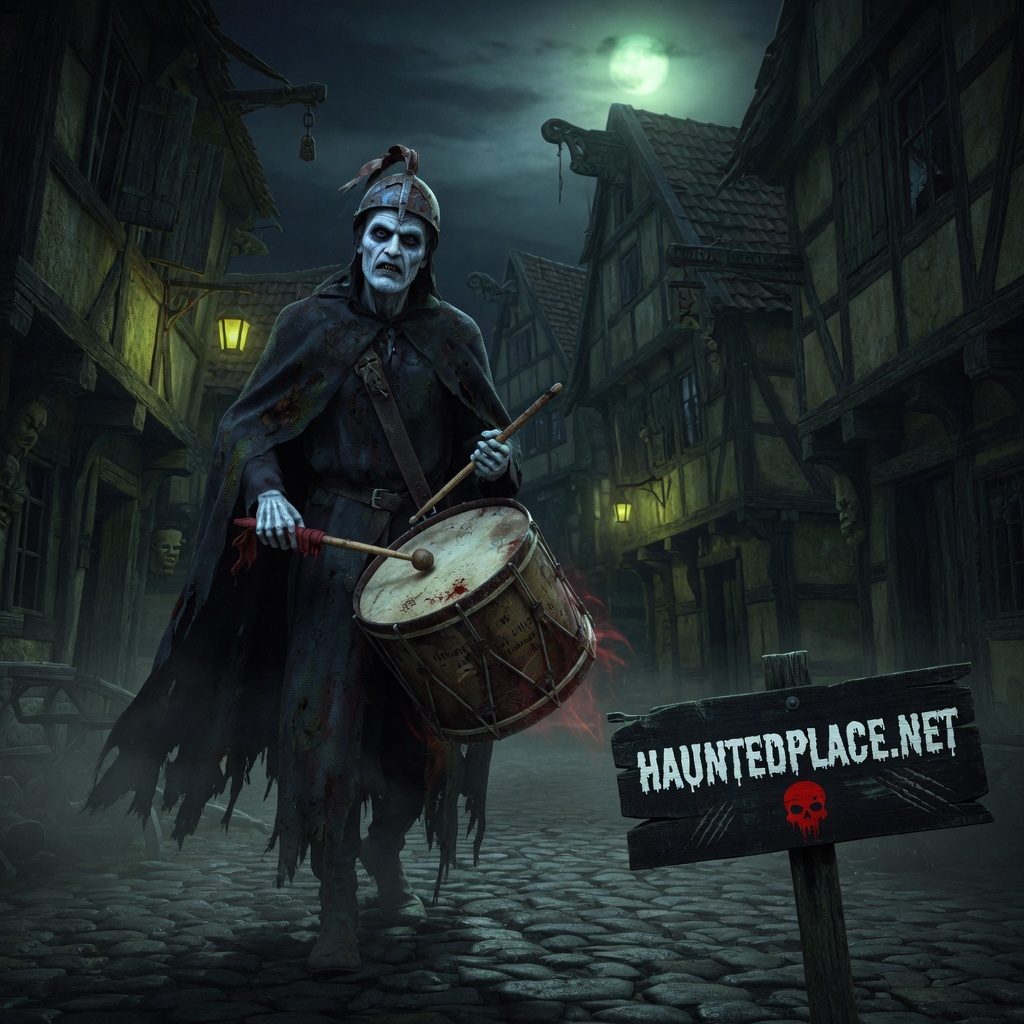
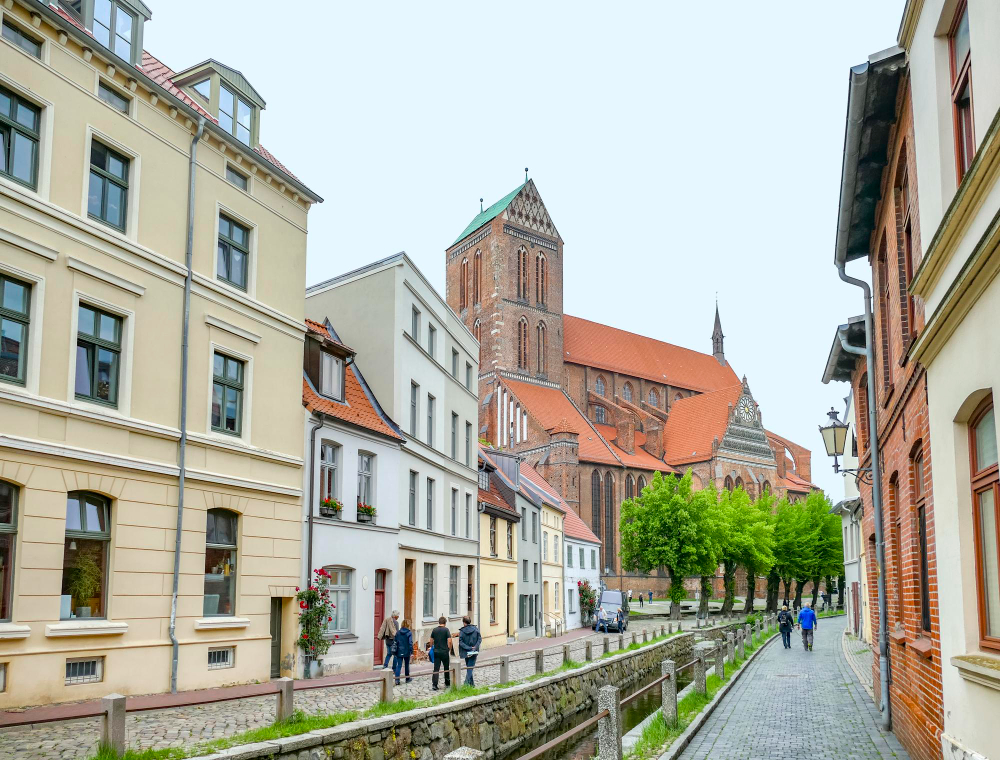
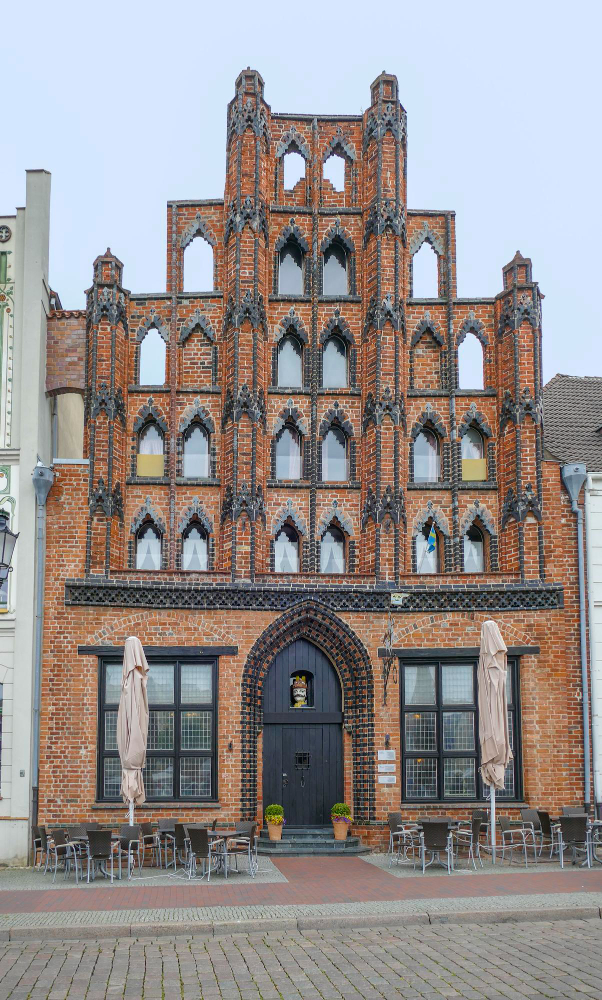
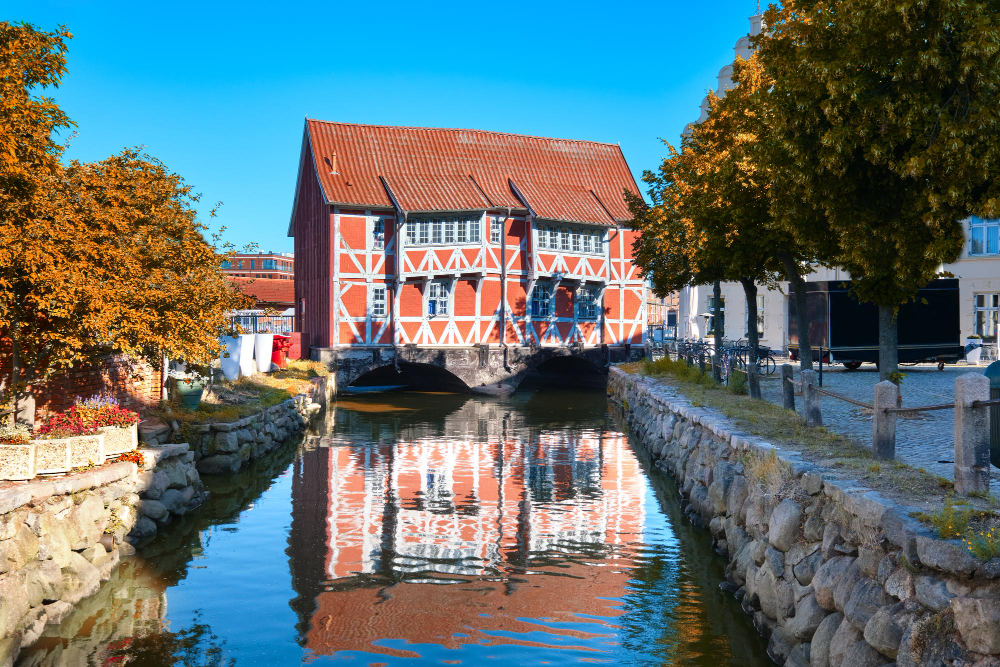
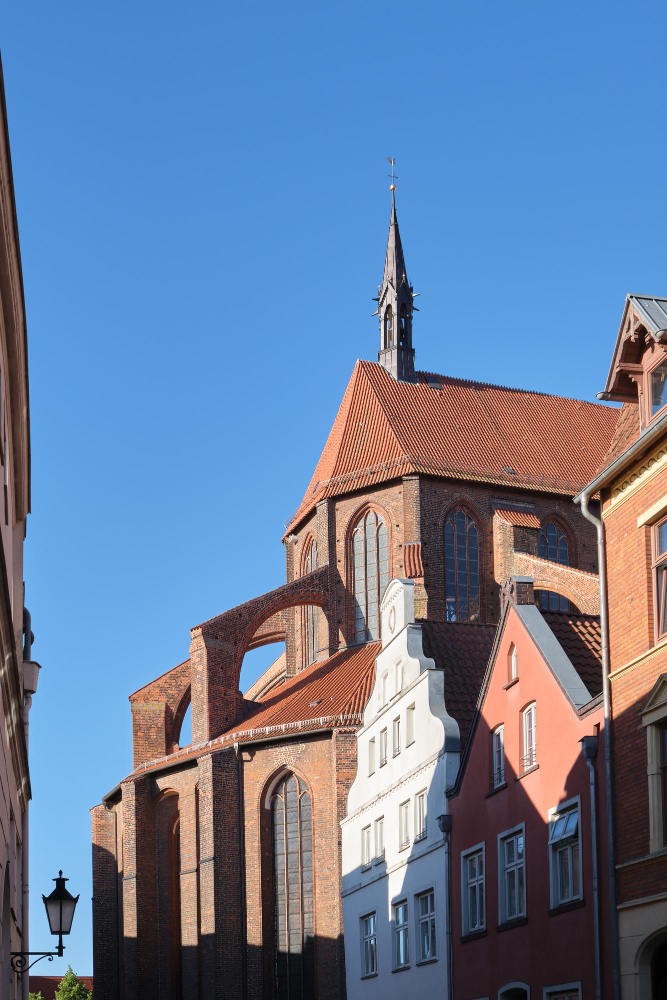
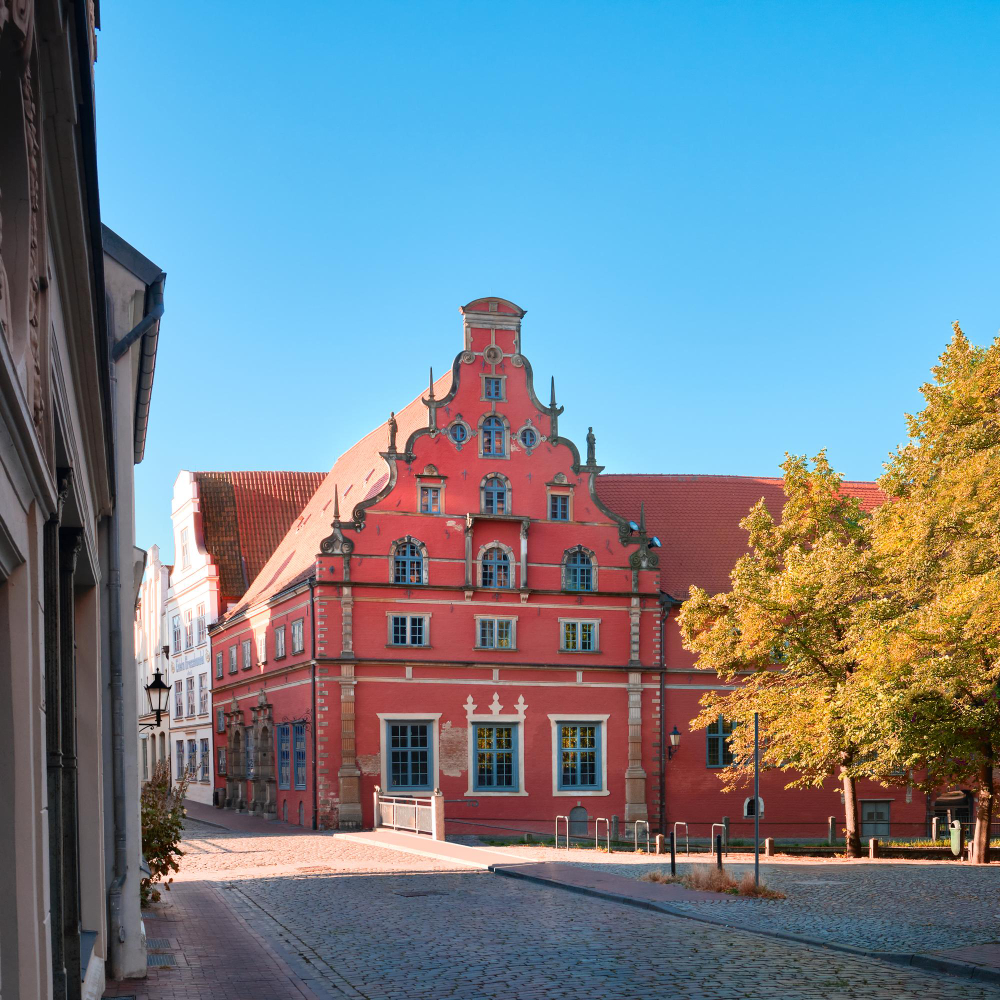
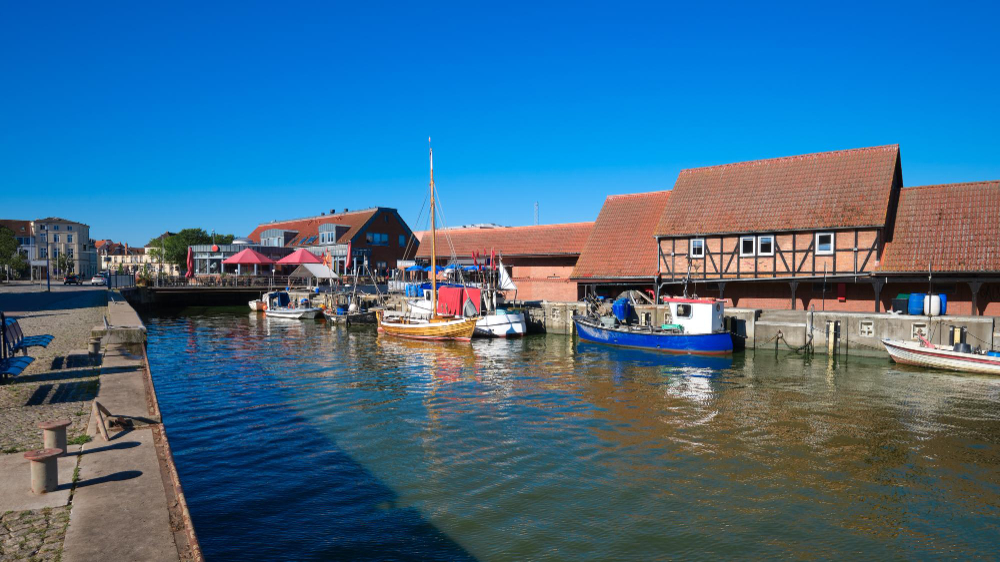
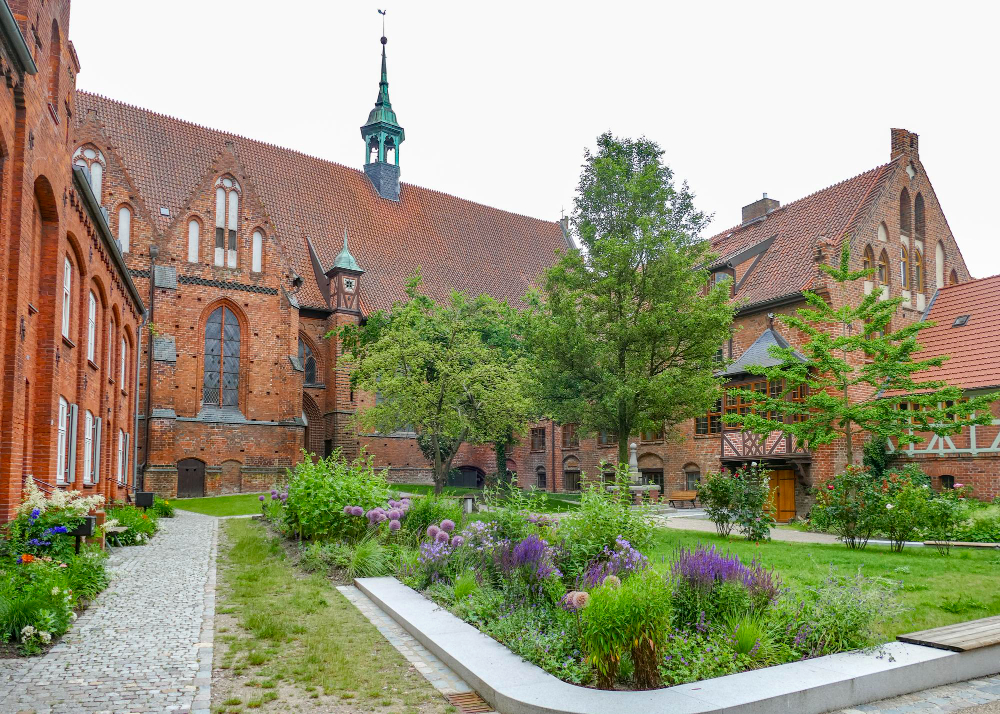
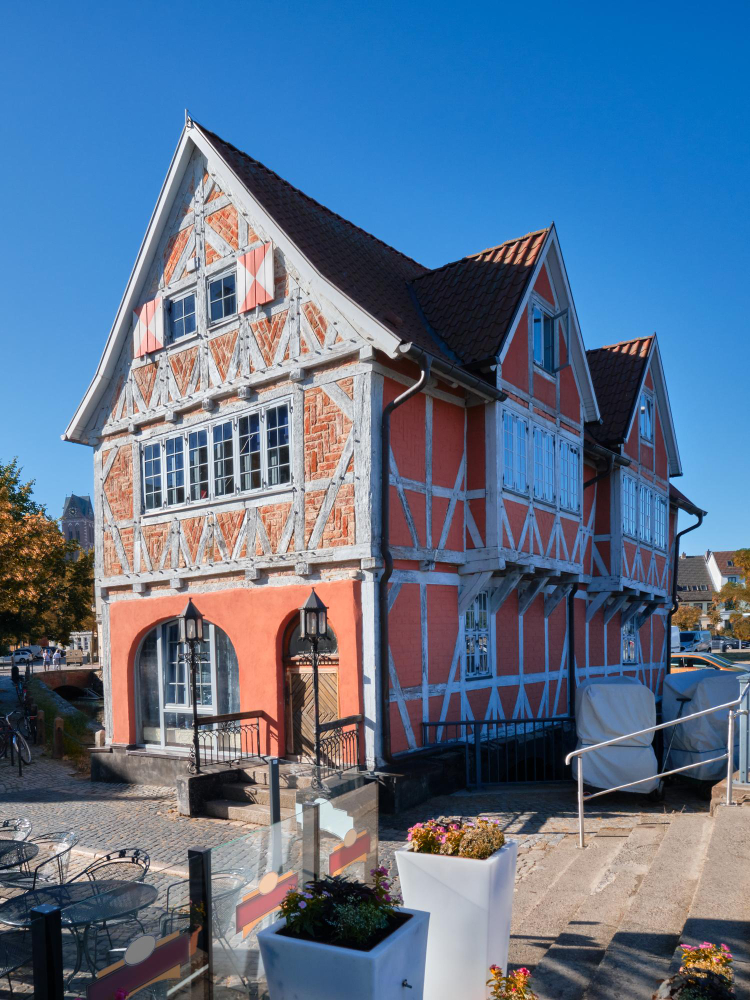
The North German Hanseatic city of Wismar is renowned for its maritime history, its picturesque brick buildings and its harbour, which for centuries served as a gateway to the world. Yet behind the idyllic façades and charming cobbled streets lies a dark legend that has captured the imagination of its residents and visitors for centuries: the story of the undead drummer, a ghostly creature said to roam the streets at night, playing his ominous instrument. Anyone who encounters him is seized by a sense of dread and a foreboding of impending danger.
The Legend of the Drummer – The origins of the legend are deeply rooted in the town’s history and date back to the Middle Ages. It is said that the eerie drummer was a simple soldier who lost his life during a military conflict. After his death, however, he is said to have found no peace. Driven by guilt or a thirst for revenge – the legends vary on this point – his soul was cursed to linger in the twilight realm. Ever since, he has returned as an undead creature to wander the alleys of Wismar and beat his drum. His appearance is invariably associated with misfortune. Numerous reports from earlier centuries claim that the drummer could always be heard whenever the town faced an important decision or major disasters were imminent. Whether war, the plague or flooding – his ghostly drumming was regarded as a harbinger of fate.
Appearance and Effect – Descriptions of the undead drummer are as vivid as they are eerie: a tall figure, shrouded in a dark cloak, his face often concealed or bearing an unnaturally pale expression. His movements are slow and menacing, accompanied by the monotonous sound of the drum, which echoes through the silent streets and spreads an aura of unease. Eyewitnesses report a thudding sound that initially seems distant, but grows louder and more insistent with every passing second. There are accounts that the sound of the drum seems to penetrate straight to the heart, triggering panic and making one’s blood run cold. Some claim that, upon hearing the drumming, they were suddenly seized by an icy draught, even on windless summer nights.
Historical contexts and possible origins – The legend of the drummer may have a historical basis. Owing to its location on the Baltic Sea, Wismar was frequently the scene of military conflicts, including raids by foreign powers and pirates. The town itself was affected by numerous epidemics and famines. It is possible that the legend arose in times of fear, to explain inexplicable events or to warn the population of impending dangers. Furthermore, similar stories about ghostly drummers are also found in other regions of Germany and Europe. In Scotland, for example, there are tales of the ‘Phantom Drummer of Tedworth’, a being that allegedly terrorised a family in the 17th century. In France, meanwhile, it is said that during the siege of Bellegarde in the 18th century, a drum was played by a ghost to drive off enemy troops. The symbolism of the drum – an instrument that has often provided the acoustic backdrop to war – seems to be deeply rooted in many cultures and is frequently combined with eerie legends.
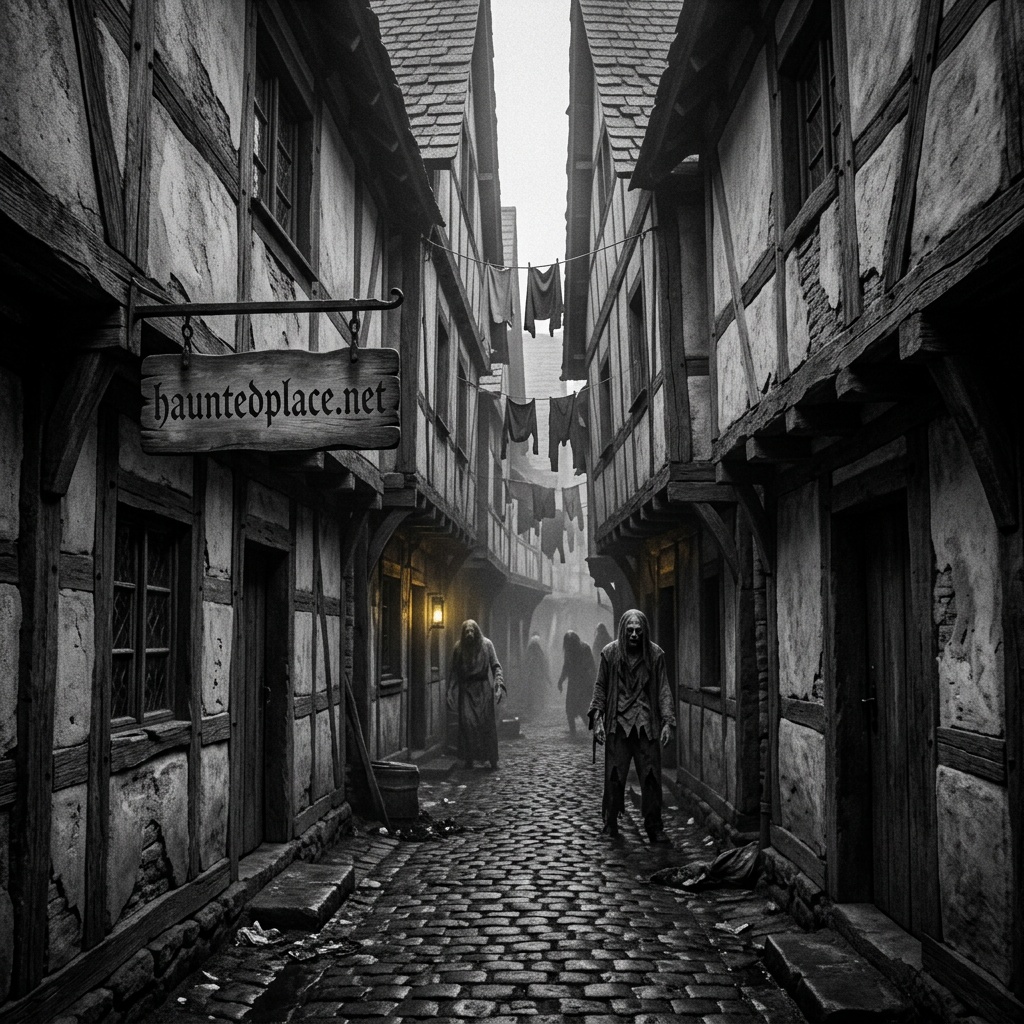
Modern accounts and traces of the legend – Even in the 21st century, the legend of the undead drummer has not been forgotten. Particularly during the dark autumn and winter months, when mist shrouds the alleyways of Wismar, some residents report eerie sounds that remind them of the legend. Sometimes it is merely the sound of an old wooden door creaking in the wind, or the echo of footsteps on the cobblestones. Yet for those who believe in the legend, such nocturnal sounds could be the work of the drummer, who still roams the town. The legend has also found its way into the tourism industry. Guided tours of Wismar that focus specifically on the town’s eerie tales often include the story of the ghostly Drummer. Visitors listen spellbound to the words of the tour guides as they wander through the narrow, dark alleyways, constantly on the lookout for the echoing sound of drumming.
A scholarly approach to ghostly phenomena – Legends such as that of the drummer are a fascinating testament to human cultural history, repeatedly illustrating the influence of fear, belief and uncertainty on society. Scholars, particularly historians and folklorists, often interpret such stories as an expression of societal fears and collective traumas. The drum, as a means of warning and announcement, fits well into this pattern. Psychologists, for their part, analyse how such myths are passed down from generation to generation and what role they play in fostering a sense of community within a town or region. Belief in the supernatural and ghostly apparitions can also be reinforced by suggestive perception – particularly on dark nights, when the wind whistles and the senses are heightened.
A piece of history, a touch of horror – The legend of the undead drummer is undoubtedly one of the most fascinating and eerie stories Wismar has to offer. It bears witness not only to the Hanseatic city’s rich cultural tradition, but also to the fears and hopes of past generations. Whether you believe in ghosts or not, this legend has a firm place in the hearts of the locals and continues to attract curious visitors who not only want to discover the beauty of Wismar but also dare to encounter its darker side.
Goosebumps guaranteed!