 Isabella Mueller Baroness of Stainton le Vale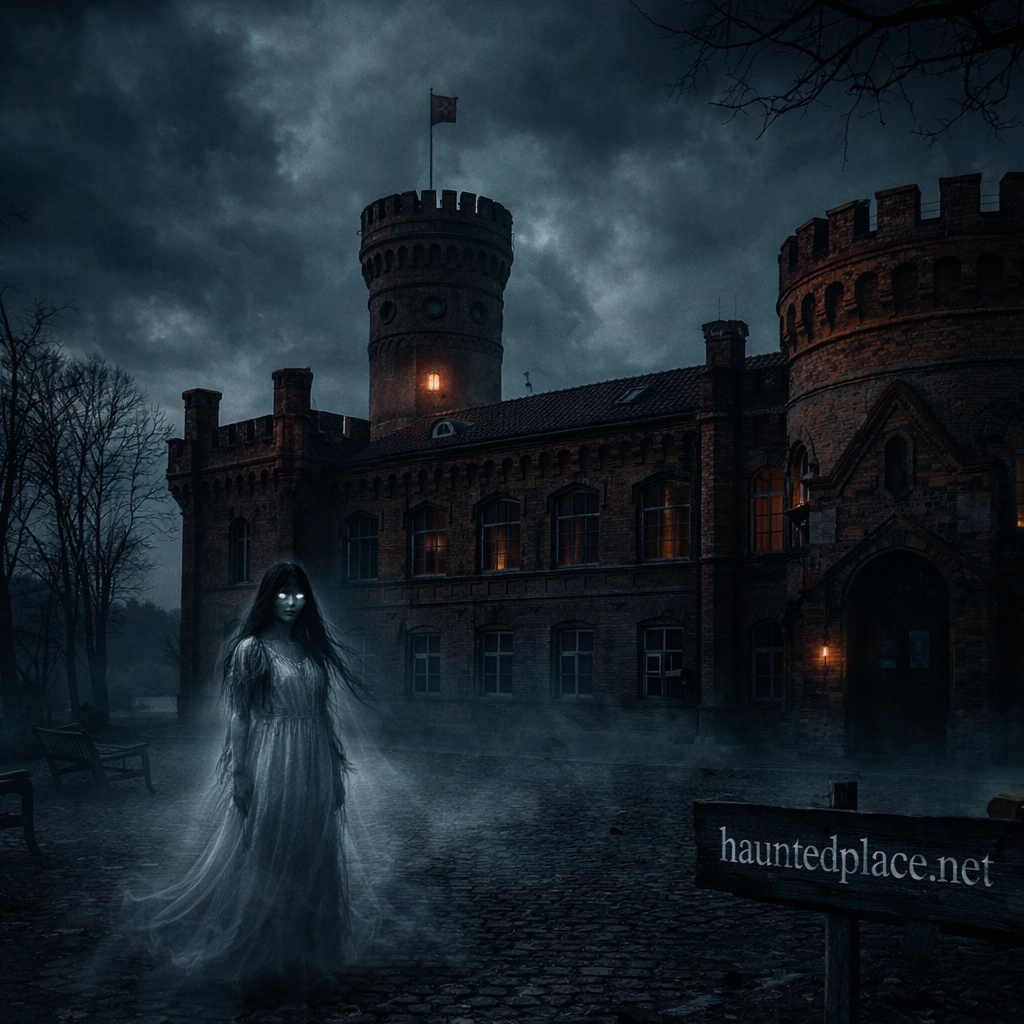
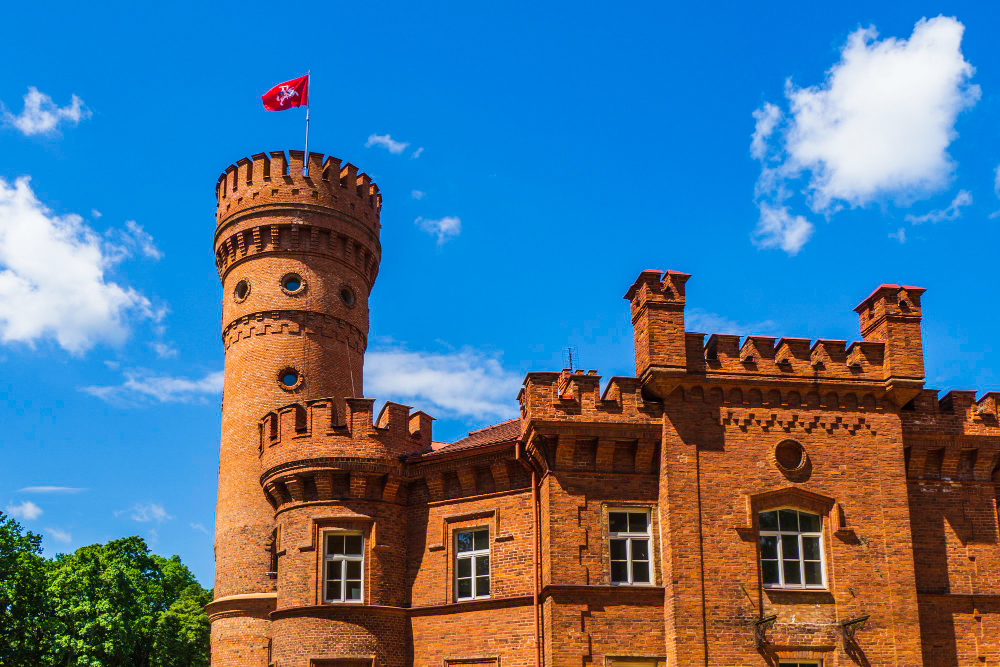
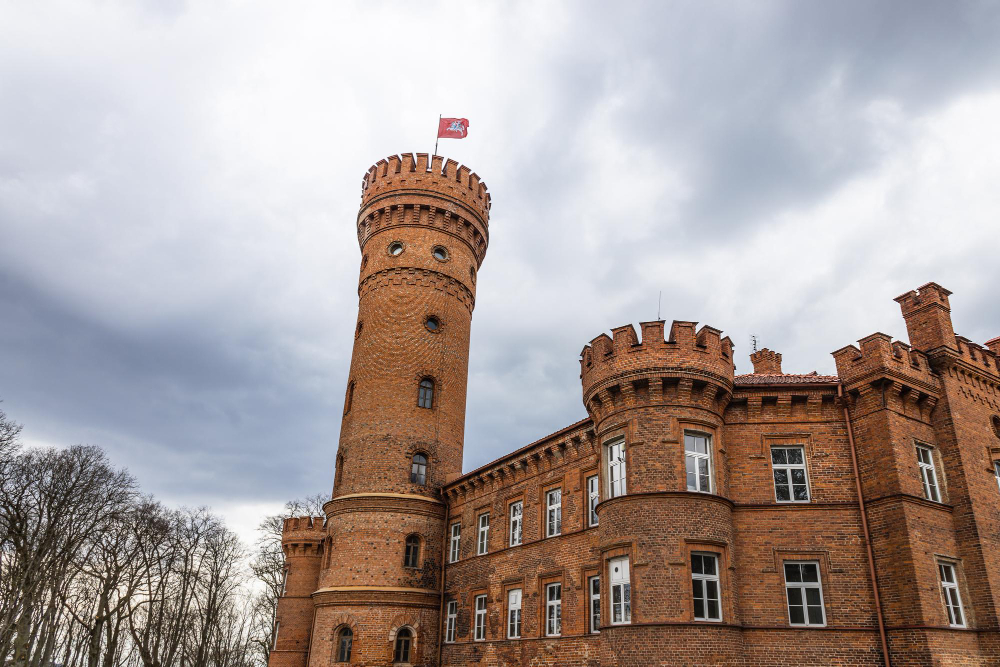
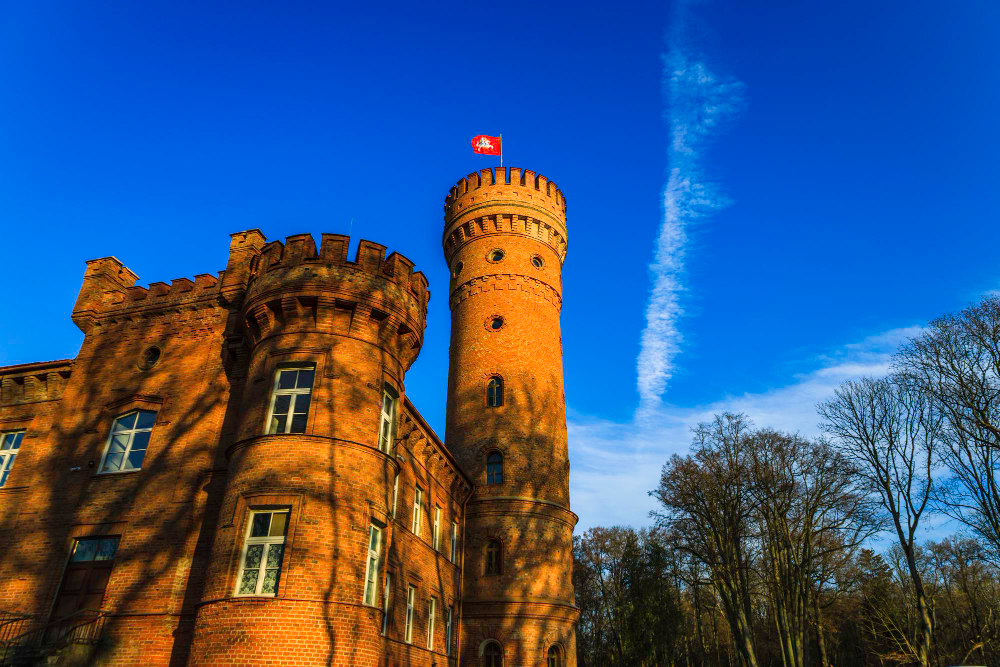
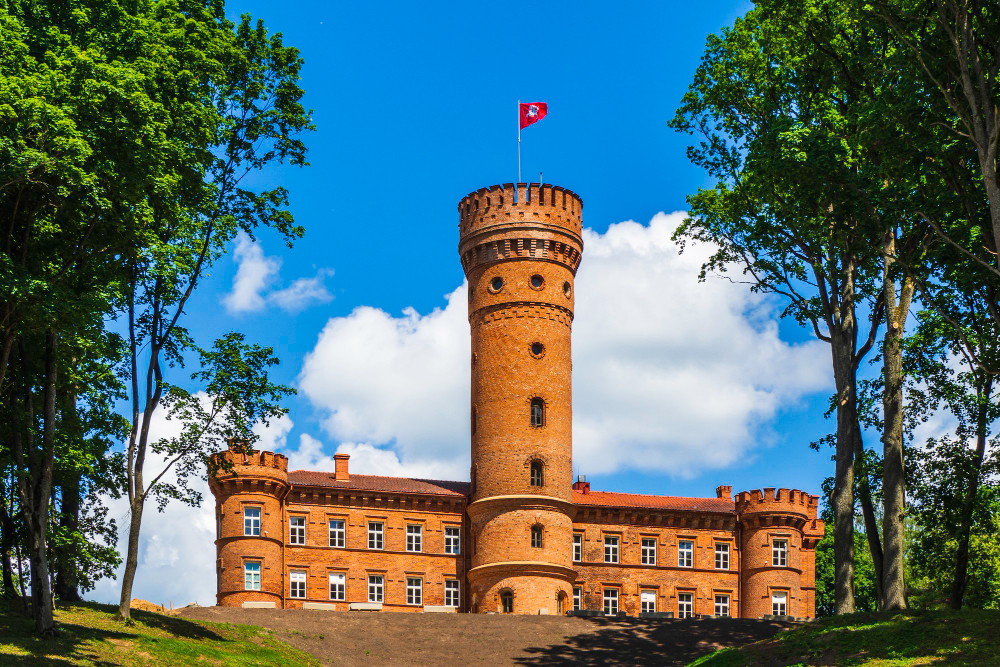
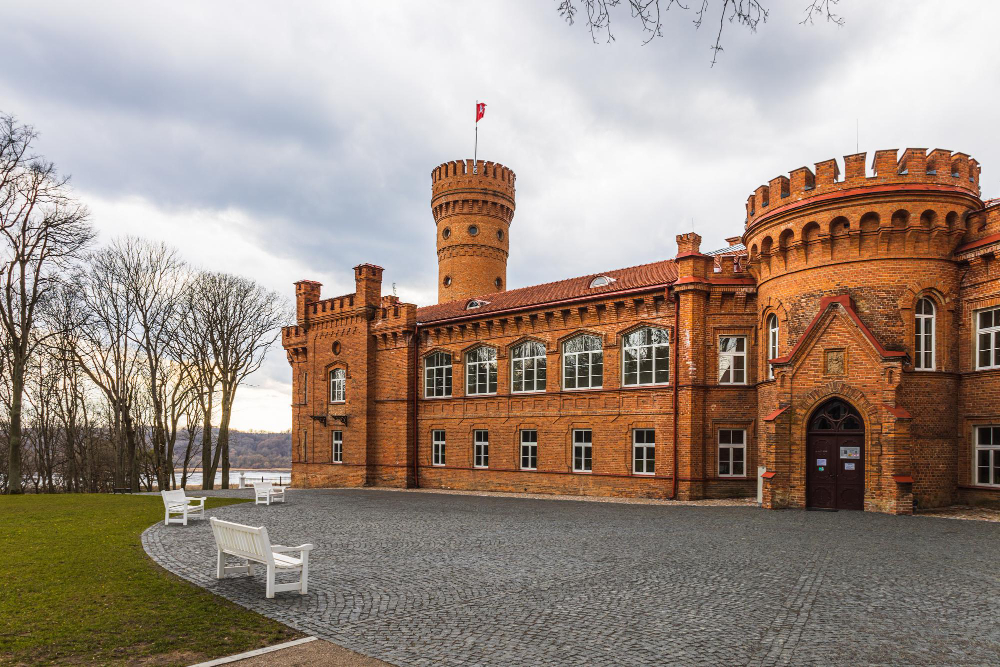
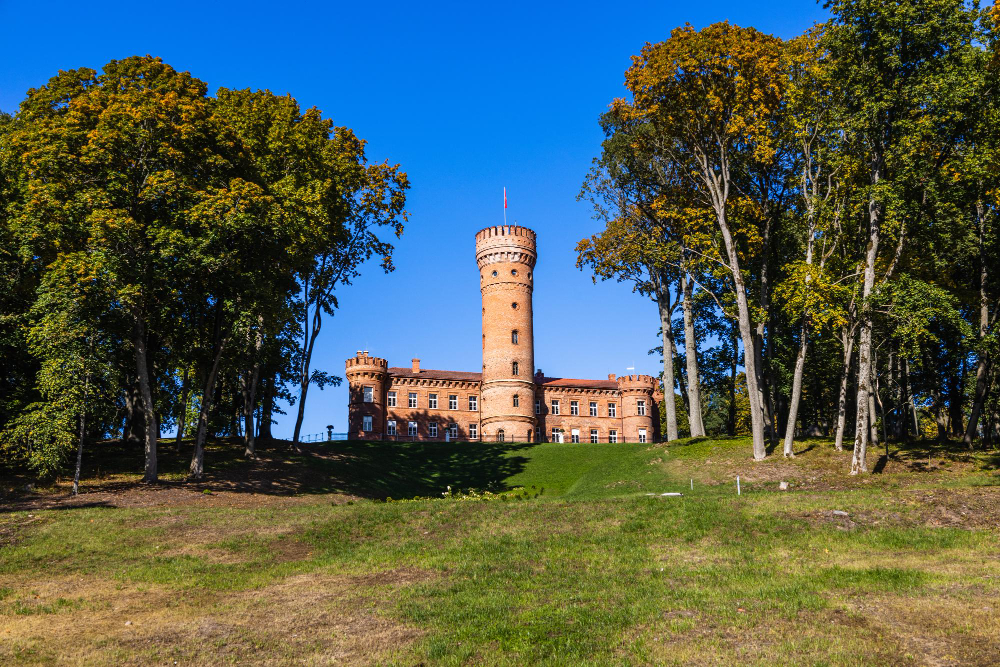
The region surrounding the present-day village of Raudonė in Lithuania is a place steeped in history and mysticism. Anyone visiting this picturesque landscape, dominated by the stately Raudonė Castle, will quickly sense the depth of the past, which seems almost tangible here. Yet behind the romantic walls of the imposing castle lies something dark and ancient – a story that dates back to the Middle Ages. Where the castle stands today, there once stood the medieval fortress of Bayersburg II, built under the rule of the Teutonic Order. This fortress was not only of strategic importance, but also the setting for a legend that has captured the imagination of many generations: the story of the ‘White Maiden of Bayersburg’.
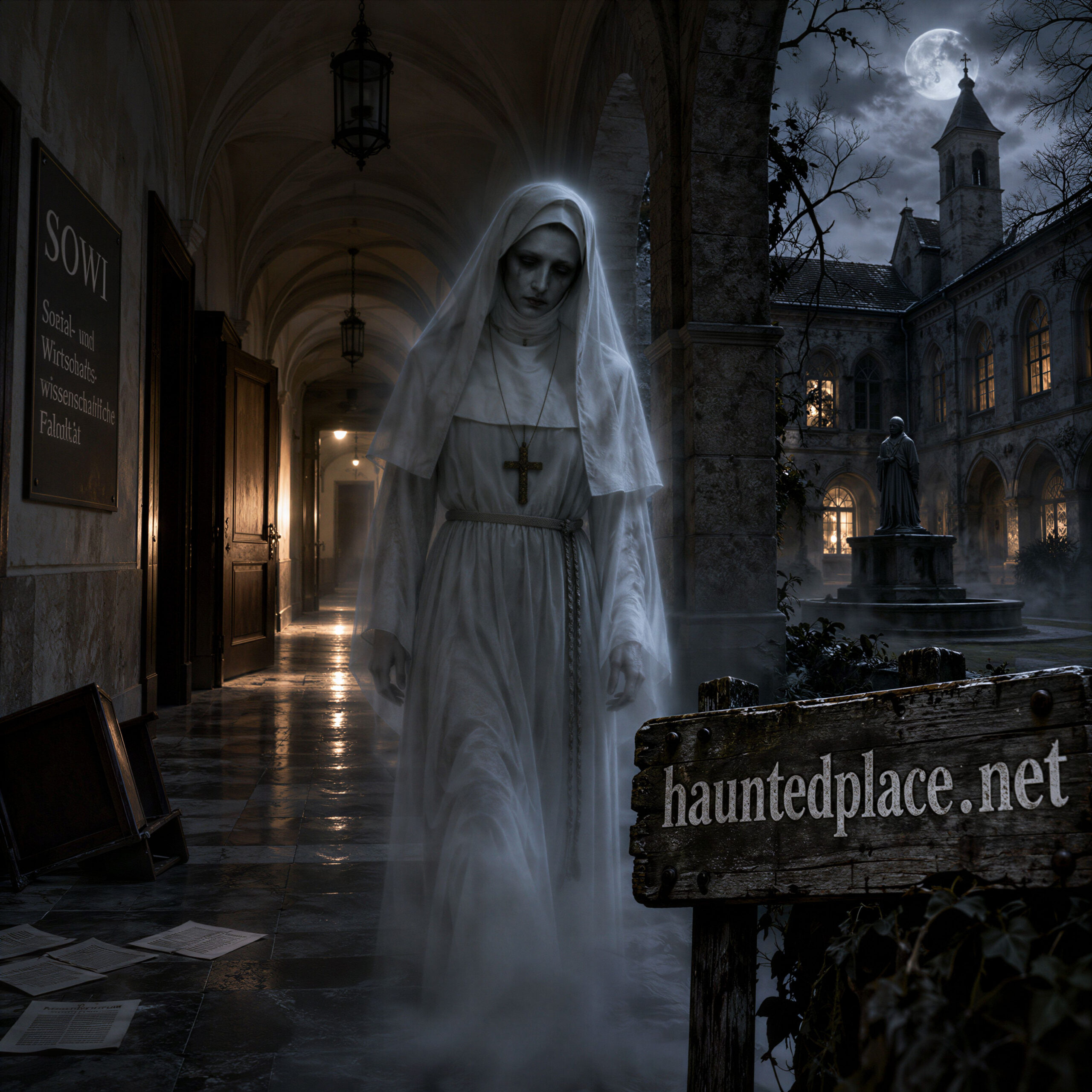
The Origins of the Legend – The legend of the White Maiden is closely linked to the region’s turbulent history. During the era of the Teutonic Order, Bayersburg was a military outpost and a centre of power. The castle was at the heart of military conflicts and political intrigues, yet it was not only these worldly events that cast an eerie shadow over the castle. Even back then, there were rumours of an apparition, a ghostly figure said to wander through the stone halls: a young woman in a snow-white dress that seemed to glow in the moonlight. According to tradition, the White Maiden was a noblewoman whose life came to a tragic end. It is said that she fell deeply in love with a knight who was, however, betrothed to another woman. Her love is said to have been so strong that she even defied her own father, who had forbidden the union. Under dramatic circumstances, her hopes of happiness were dashed, either through betrayal or a fatal accident within the castle walls. Some accounts even suggest that, in her despair and heartbreak, she took her own life. Ever since, so the story goes, her soul has wandered restlessly around the castle, unable to find peace. Her apparitions are often interpreted as a warning of betrayal or impending misfortune, which lends the legend an additional sombre undertone.
The Apparitions of the Ghostly Woman – The White Maiden of Bayersburg has been described by numerous witnesses. Although the medieval castle has long since disappeared and Raudonė Castle now stands in its place, visitors and local residents are said to have repeatedly encountered the ghostly figure. The accounts are similar: a woman in a long, white robe appears silently in the corridors, usually at night or at dusk. Her face appears sad, almost pleading, and sometimes her eyes are red from weeping, so the story goes. A particularly harrowing account dates from the 19th century, when Raudonė Castle was being built. A labourer who was working overtime at night to complete the construction swore that he had seen a white figure watching him in silence. Shortly afterwards, he is said to have inexplicably fallen ill and died, without ever returning to work. According to another story, a tourist who was taking photographs inside the castle is said to have later discovered a shadowy figure in his pictures, which clearly could not have been himself or any other person present. There is no precise scientific evidence for such cases, yet the legend retains its power across generations.
Hidden symbolism and historical parallels – The legend of the White Maiden is not an isolated case. In many European countries, one finds similar stories of female ghosts who have suffered a tragic fate and have since been trapped between this world and the next. These ghostly figures are often referred to as ‘White Ladies’ and symbolise lost love, broken promises or unspeakable cruelties. The symbolism behind the White Maiden appears to be deeply rooted in the social and religious structures of that era. The Teutonic Order, which ruled Bayersburg II, was known for its strict moral and social norms. Anyone who violated these norms faced serious consequences, which presumably applied to women as well. It is possible that the legend reflects the conflicts of that era, in which personal desires were often sacrificed in favour of higher powers. Furthermore, the White Maiden can be seen as a memorial to the countless victims of wars and power struggles that shaped this part of Europe right up to the late Middle Ages. Her restless soul could be understood as a metaphor for the long-standing tensions in the region.
Mystery and Truth: How relevant is the legend today? – To this day, the question remains open as to whether the legend of the White Maiden is more than just a romantic and dramatic tale. Historians have attempted to identify possible sources for the story. There is evidence to suggest that similar tragedies did indeed occur in medieval castles. Furthermore, the link between ghostly apparitions and tragic love stories appears to be a common theme in folklore. Interestingly, Raudonė Castle continues to attract curious tourists time and again because of this legend. Some visit the estate simply to experience the legendary atmosphere, whilst others actually hope to encounter the ghostly woman. During guided tours of the castle, the legend is deliberately used to spark interest in the historic site, and numerous visitors report a strange feeling of unease within its walls.
Science and Scepticism – Although the legend is fascinating, there is, of course, no concrete evidence for the existence of the White Maiden. Paranormal phenomena are difficult to investigate, and many historians and scientists regard the stories as cultural heritage rather than factual accounts. According to psychological studies, many of the alleged sightings of the White Maiden could be attributed to fear, the pressure of expectation or even sensory illusions. Places with a spooky history, such as Bayersburg, often create an atmospheric setting that heightens the senses and influences perception. Nevertheless, the legend remains an important aspect of the region’s cultural identity and has undoubtedly helped to make Bayersburg and Raudonė Castle a special attraction.
The legend of the White Maiden of Bayersburg is a perfect example of how history and myth can merge to create a captivating narrative. It reminds us that even the darkest corners of the past harbour stories that both terrify and fascinate us. Whether truth or fiction – the legend remains one of the most striking and eerie chapters in Lithuania’s medieval history. Anyone brave enough to visit Raudonė Castle at night should be warned: you might encounter the White Maiden there, whose fate offered her no redemption and has left us with an eerie tale.