 Isabella Mueller Baroness of Stainton le Vale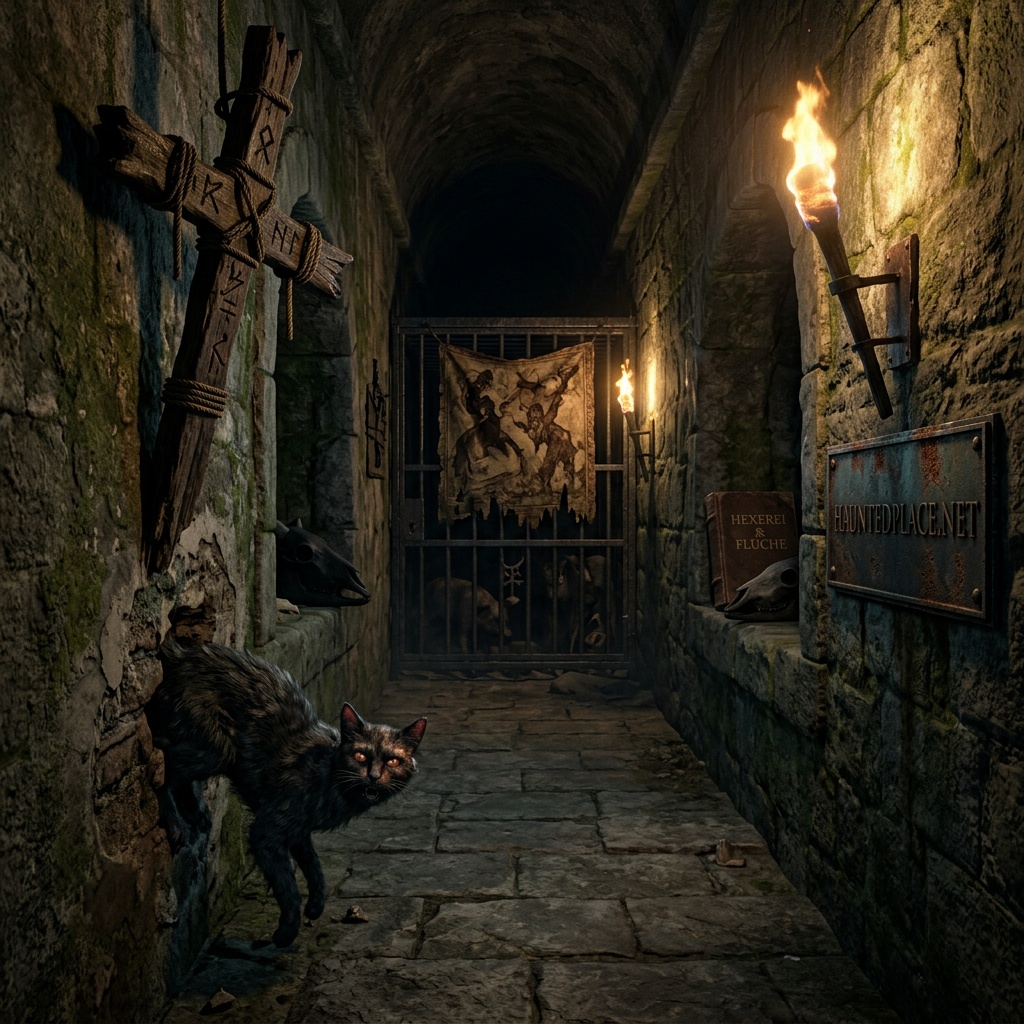
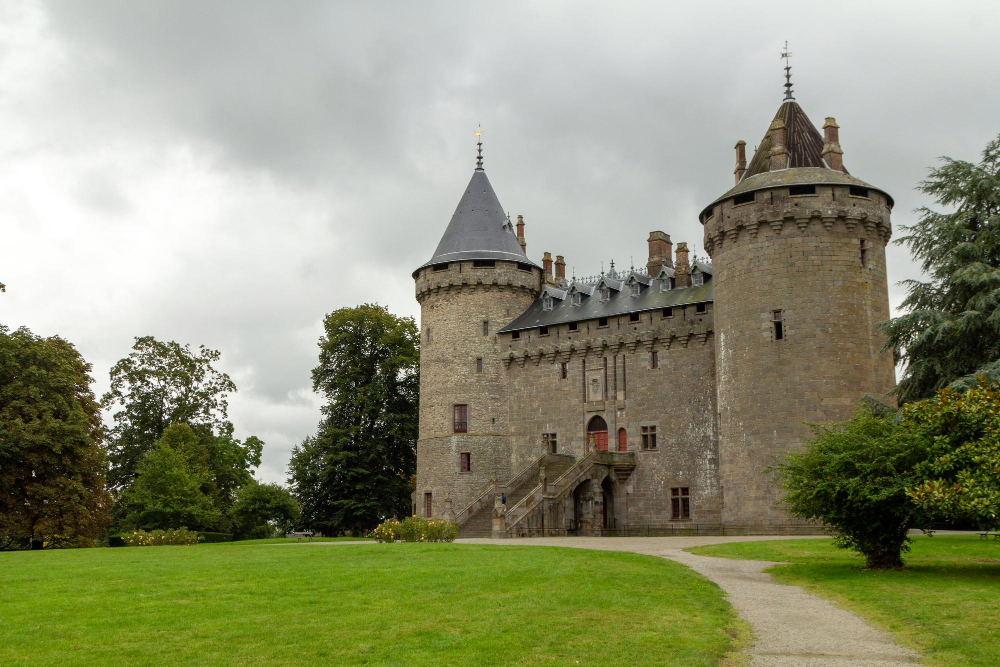
When we think of fairy tales, castles and the romance of the Middle Ages, images of noble knights, magnificent ball gowns and mysterious towers usually spring to mind. Yet the history of Château de Combourg, an imposing castle in Brittany, reveals a gruesome truth that is a far cry from the romanticised notions of times gone by. Deep within the castle walls, a gruesome discovery was made that sends a shiver down the spines of not only historians but also visitors: a mummified cat that was walled up centuries ago. What lies behind this eerie tradition? Why did the life of a black cat meet such an ominous fate? The answer leads us into a dark abyss of superstition, fear and an architectural link to the supernatural.
The discovery in the ‘Cat Tower’ – The shocking revelation dates back to the 19th century. At that time, the Château de Combourg, originally built in the 11th century, was undergoing extensive restoration. The architect Eugène Viollet-le-Duc, famous for his work on Gothic structures such as Notre-Dame and Mont-Saint-Michel, oversaw the renovation work. Whilst examining the old structure, the workers made a strange discovery in the so-called ‘Tour du Chat’ – the ‘Cat Tower’: the mummified corpse of a cat. Embedded in the walls of the tower, it had been preserved over the centuries. Its body, emaciated and frozen in a death-like pose, looked like a frozen scream. The cat mummy, which is now on display in the castle itself, raises many questions. What at first glance appears to be a historical curiosity turns out, on closer inspection, to be a chilling insight into the world of medieval superstition – a world in which fear of demons, witches and the devil dominated everyday life.
Black cats: From symbol of evil to victim of superstition – In the Middle Ages, black cats were regarded in many places as demonic creatures. They were closely associated with witchcraft and misfortune, particularly due to their nocturnal activities and their quiet nature. Black, the colour of the unknown and of death, reinforced their mysterious aura. It was no coincidence that black cats often fell victim to the deadly superstitions that were widespread throughout Europe. The notion that cats might be in league with the devil or witches led to cruel rituals. Particularly macabre were the practices of so-called ‘sacrifices’. Believing that a living creature could unleash magical powers if buried in the foundations of a building, medieval builders and residents sacrificed these animals. Behind this lay the notion that the soul of the sacrificed animal could appease evil forces within or prevent the building from collapsing. Black cats, which were already reviled as ‘demonic’, were therefore the preferred victims. At the Château de Combourg, it seems that precisely this superstition was at work. When the walls of the Cat Tower were erected, a poor soul – a black cat – was apparently walled up alive to protect the castle from evil forces. The result is a tragic parallel to the dark side of human belief. And what remained was the mummified memory of a ritual that is difficult to comprehend today.
The gloomy aura of the Château de Combourg – To this day, the castle is shrouded in an eerie atmosphere that fascinates visitors and locals alike. In this context, it is worth taking a look at the history of the estate. Château de Combourg was for a long time the seat of the Chateaubriand family, including François-René de Chateaubriand, a famous French writer and politician. He spent part of his childhood within the castle walls and described the menacing atmosphere of the estate in his memoirs. The vast halls, the ice-cold corridors and the constant feeling of being watched left a lasting impression on him. Several legends surround the château. It is said that the ‘ghost of the one-legged man’, a former resident, wanders through the dark corridors, whilst strange noises regularly startle visitors. Together with the story of the cat mummy, this cements the Château de Combourg’s reputation as one of the creepiest places in France.
The link between architecture and superstition – The case of the mummified cat is not an isolated one. Reports of similar practices exist throughout Europe. During work on old buildings, restorers have repeatedly discovered animal mummies, including birds, dogs and, indeed, cats. These animals were often strategically placed in corners or at critical points of the structure – where it was believed that evil was most likely to penetrate. Architecture was understood not merely as a practical craft, but as a form of spiritual protection. The walls were meant to be more than just stone and mortar; they had to serve as magical barriers against evil. It was believed that without such ‘sacrifices’, the buildings would either be destroyed by the devil’s wrath or haunted by demons. This eerie blend of architecture and magic shows just how strongly spirituality and fear influenced people’s lives.
Château de Combourg today: A spooky tourist attraction – Today, Château de Combourg attracts not only history buffs but also fans of the supernatural. Guided tours of the castle recount the dark legends surrounding its walls and showcase the mummified cat as the highlight of its macabre heritage. Yet the castle has more to offer than just spooky stories; it also impresses with its architecture and its picturesque setting amidst trees and a lake. It is precisely this contrast between the peaceful surroundings and the dark past that makes the place so appealing. For many visitors, however, the question remains as to whether the stories of ghosts, witches and evil are really true, or whether they merely serve to make the place seem even more mysterious. The cat mummy, on the other hand, is undisputed – it is genuine and bears witness to a practice that makes us shudder today.
A monument to the dark side of humanity – The cat mummy at Château de Combourg is regarded as a symbol of the cruelty and superstition of bygone times. It serves as a reminder of how quickly fear and uncertainty can lead to the sacrifice of innocent creatures. At the same time, however, it stands for the preserved legacy of a world long past, whose secrets still fascinate and terrify us. Whether the cat was actually able to ward off evil forces remains uncertain. What is certain, however, is the eerie aura that still surrounds the ‘Cat Tower’ to this day. Visitors to the château report a strange feeling that comes over them when they stand before the mummy. Perhaps it is the reminder that true stories are sometimes more spine-chilling than any invented legend.