 Isabella Mueller Baroness of Stainton le Vale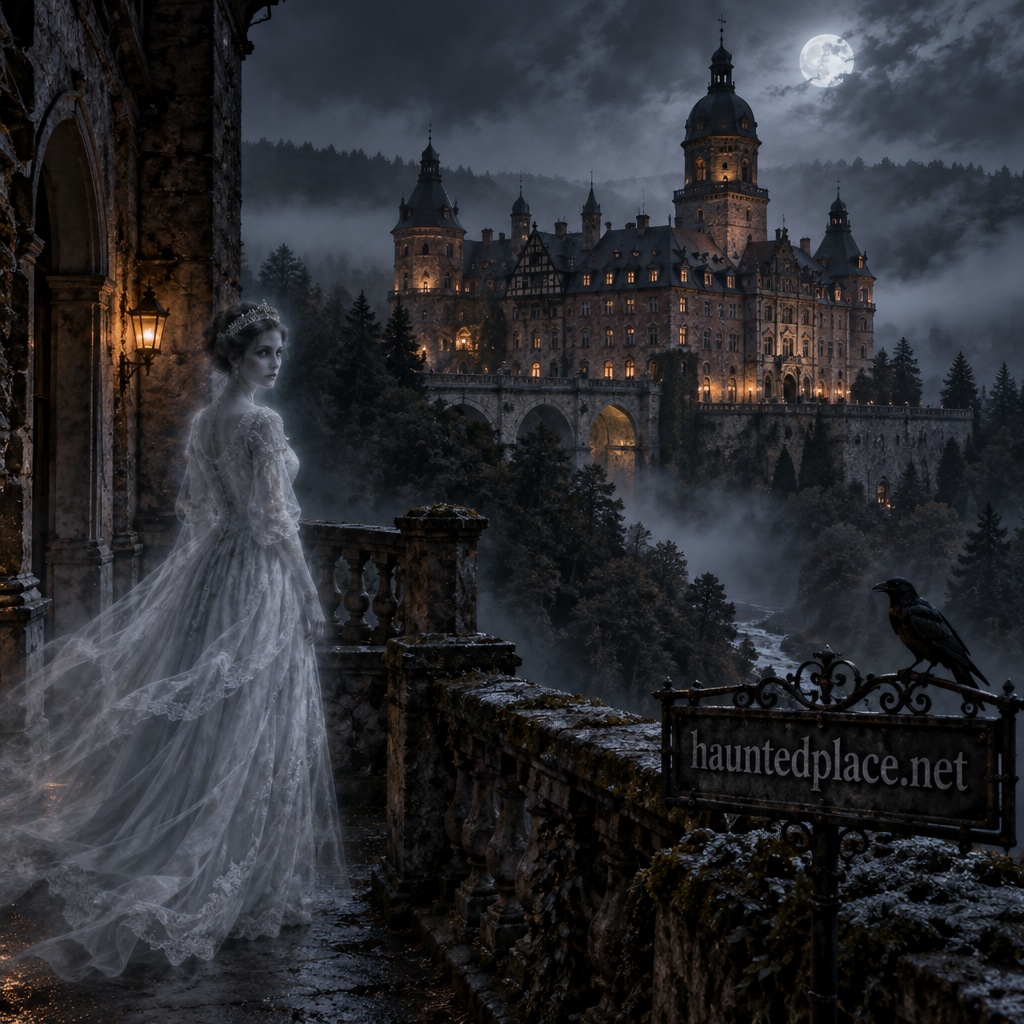
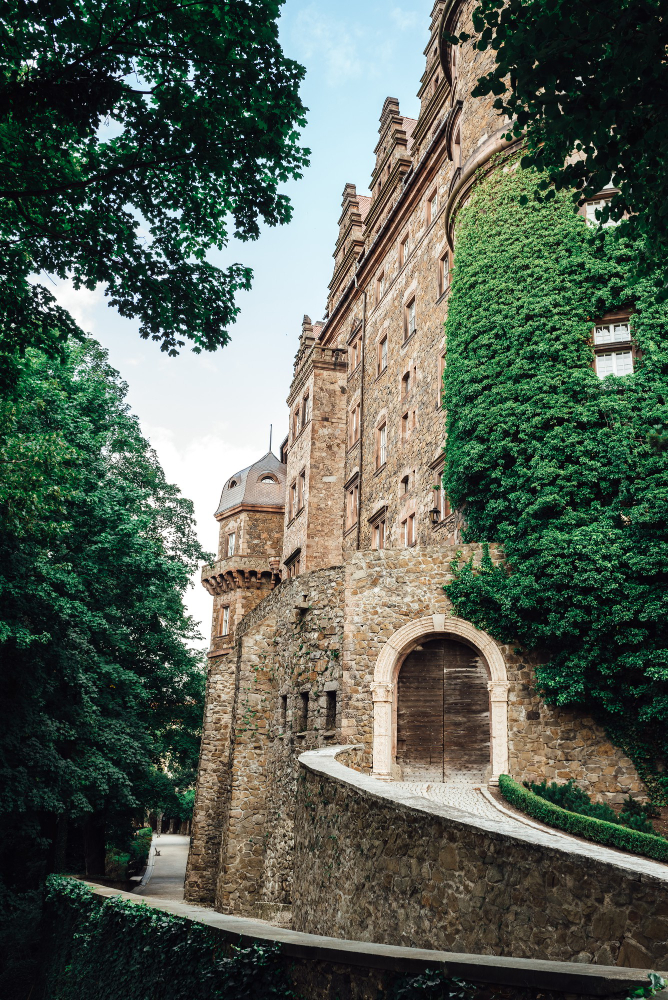
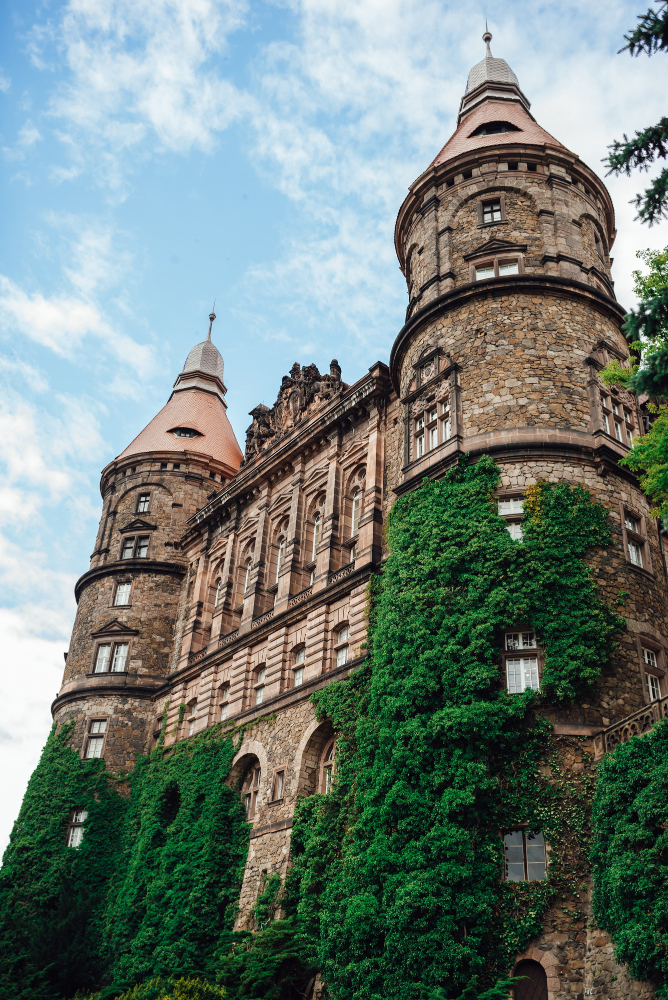
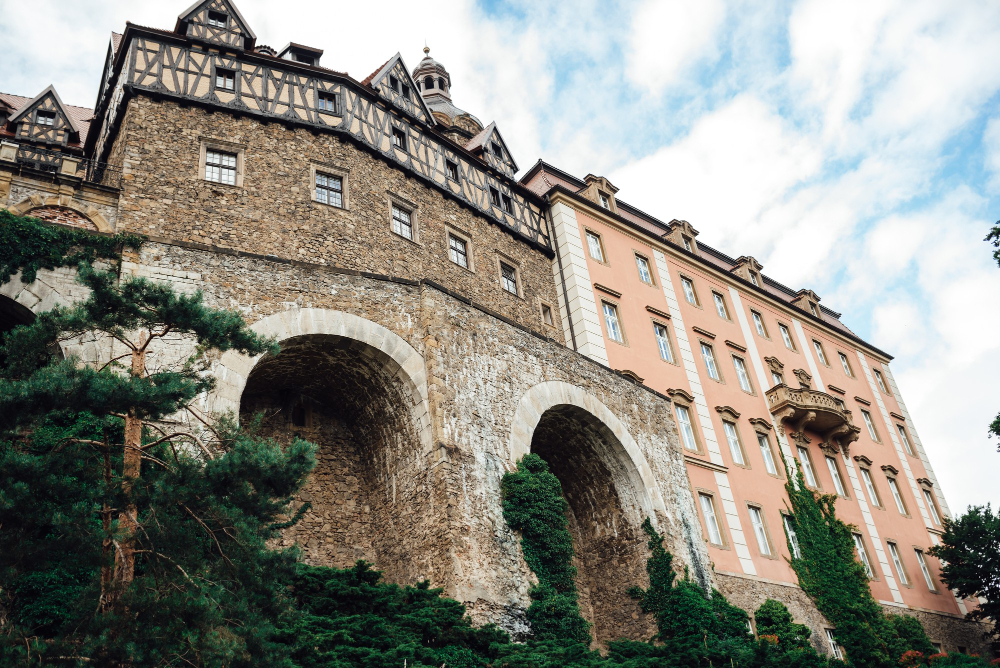
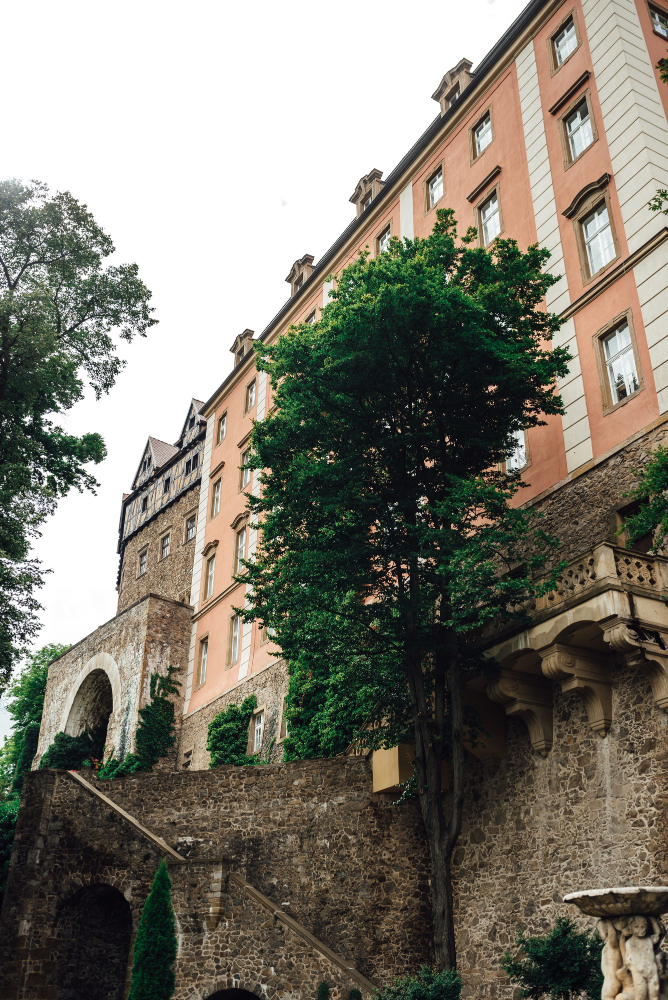
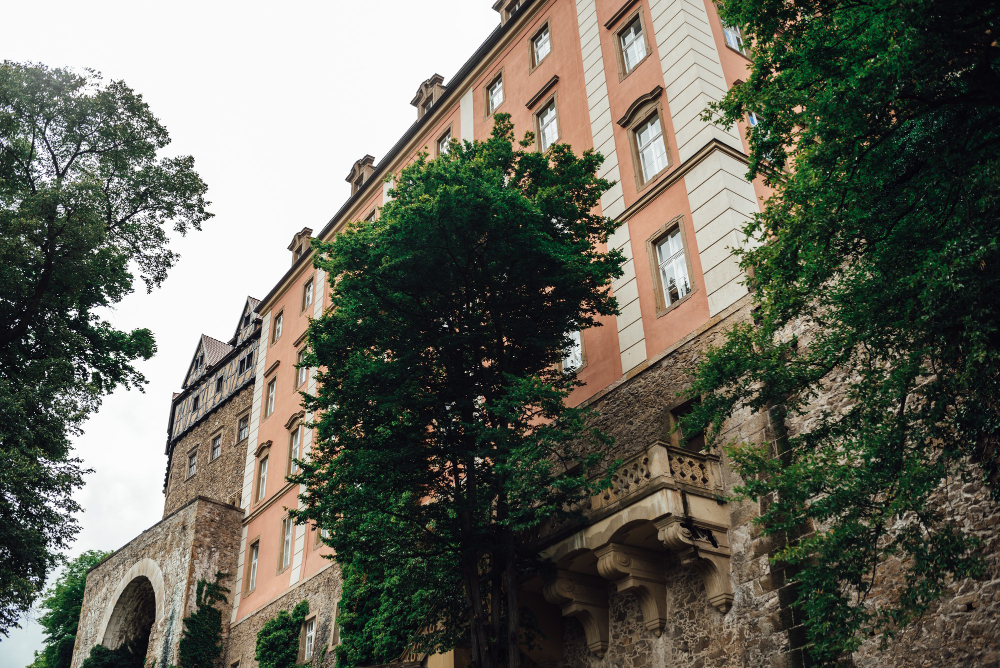
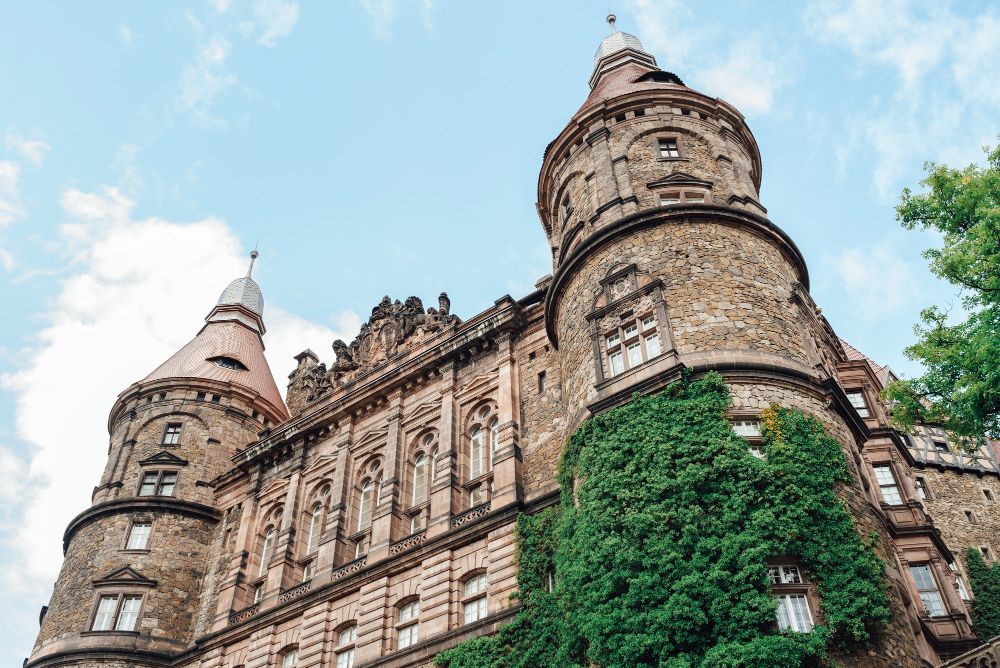
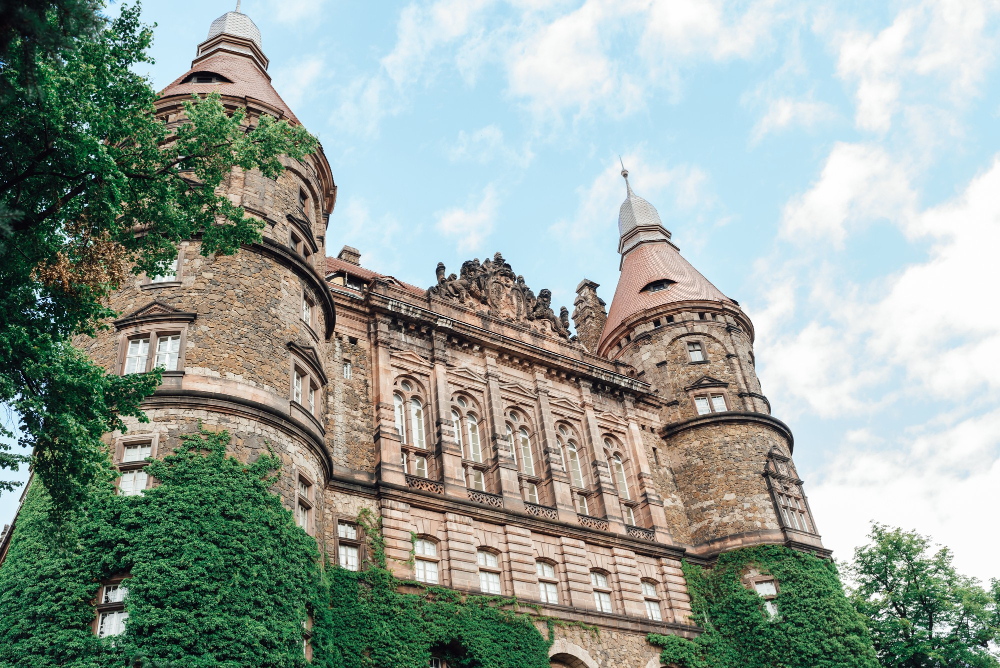
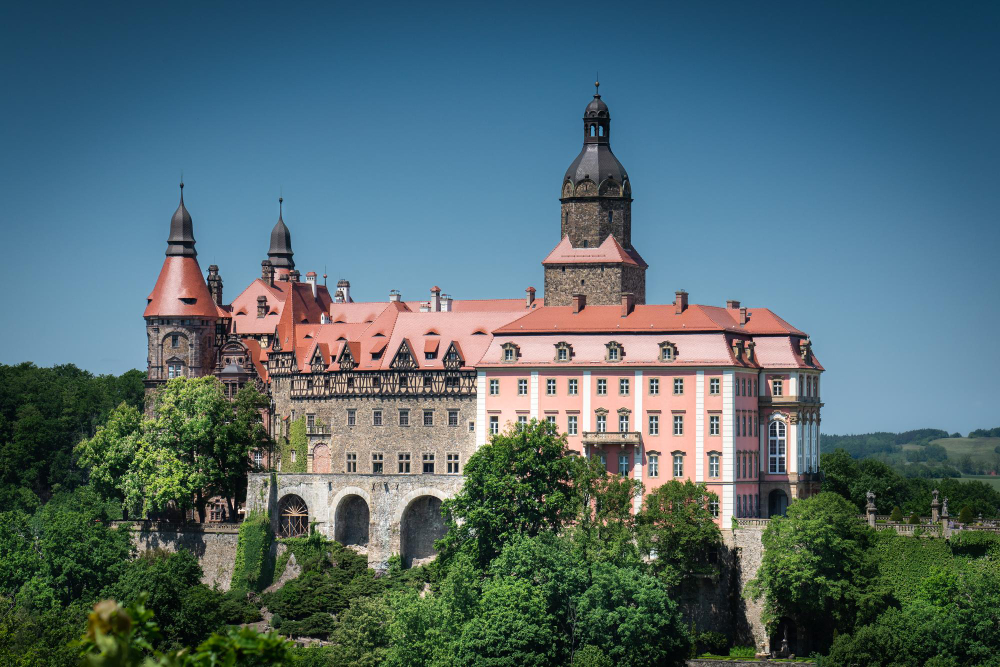
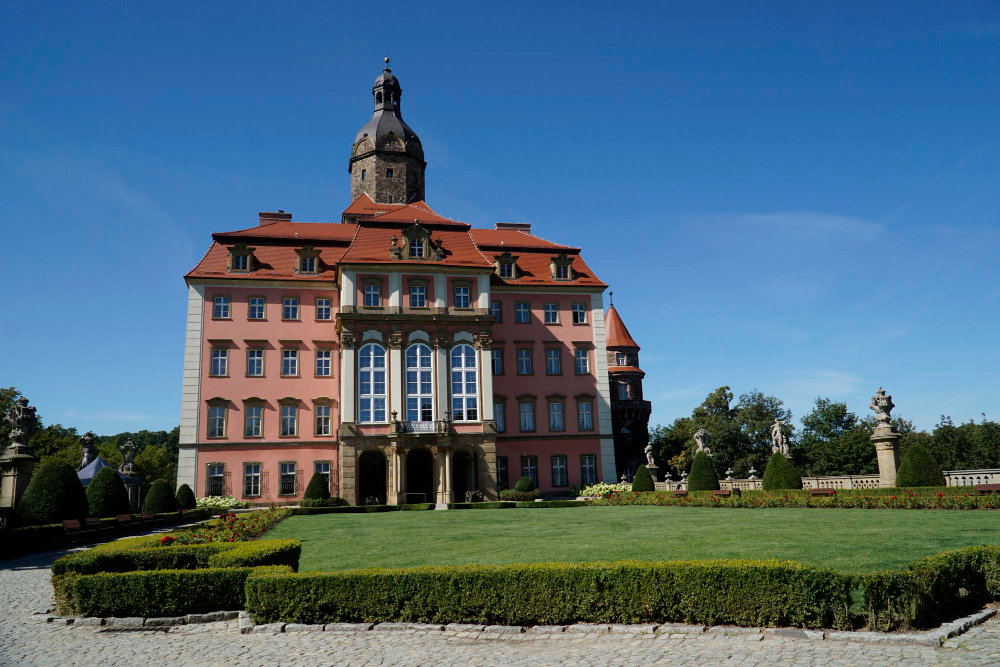
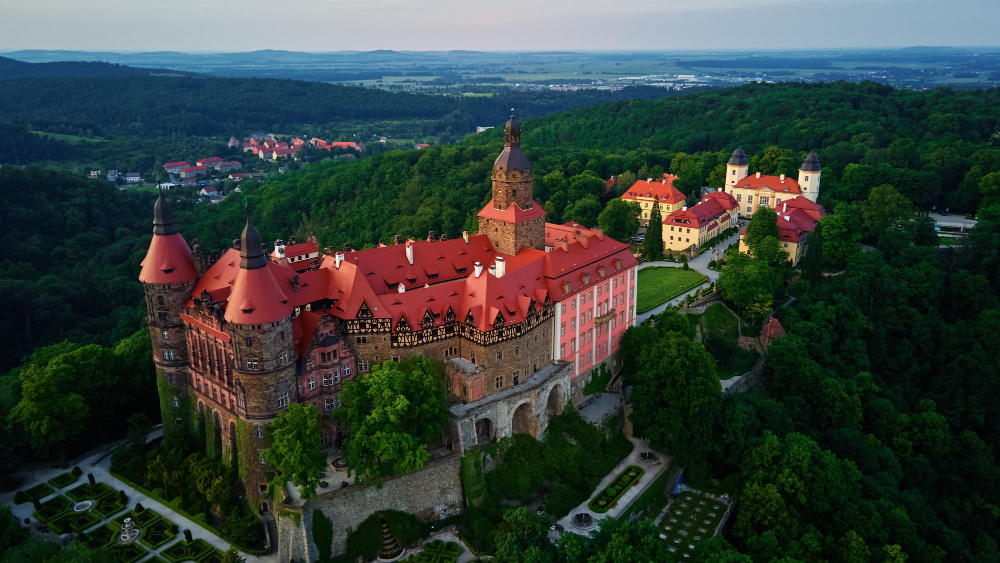
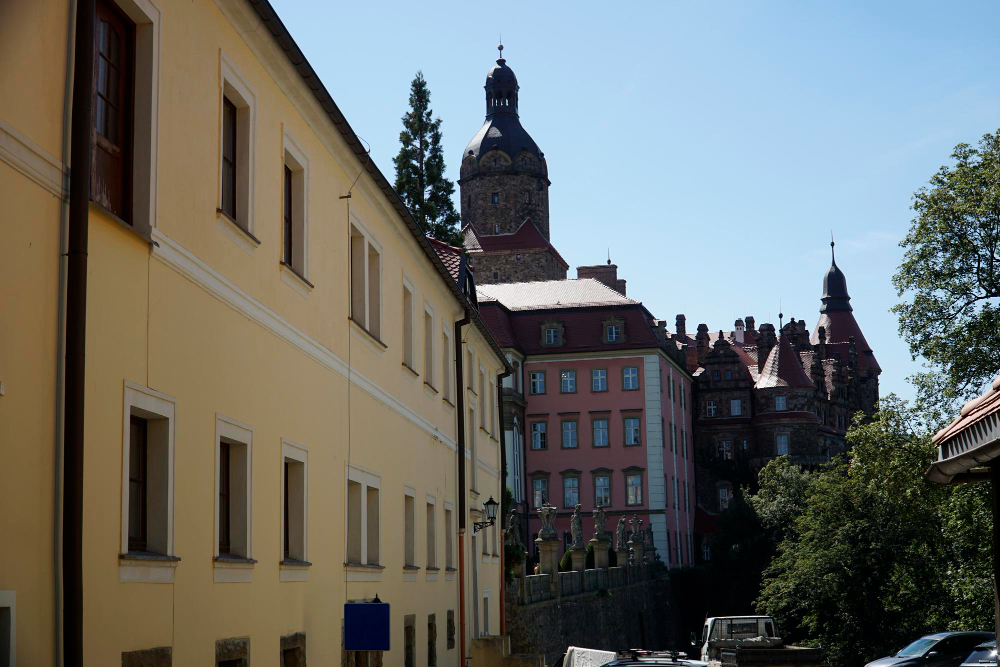
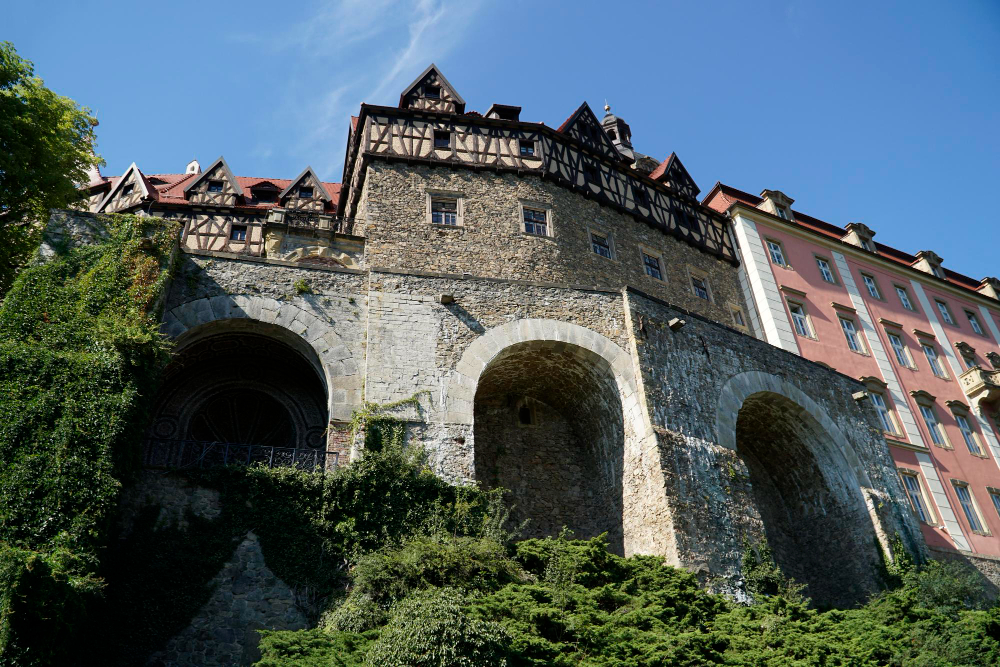
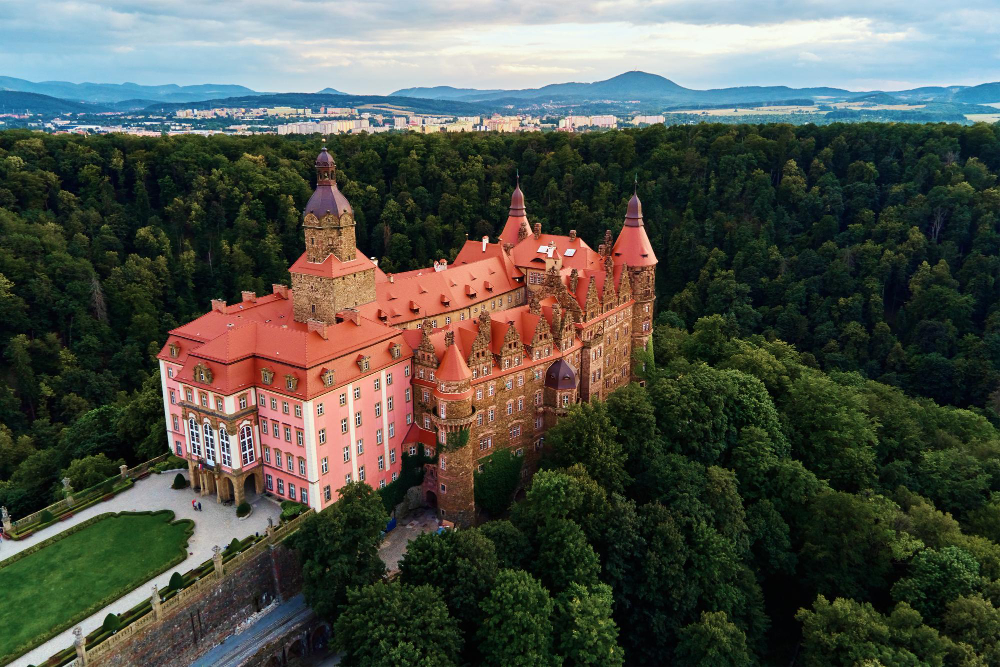
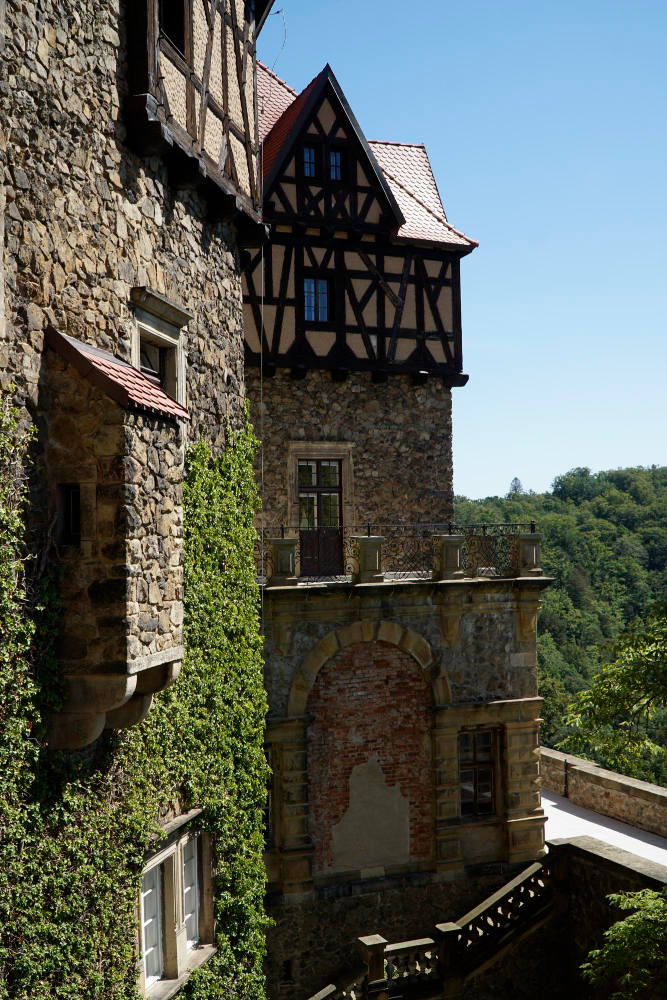
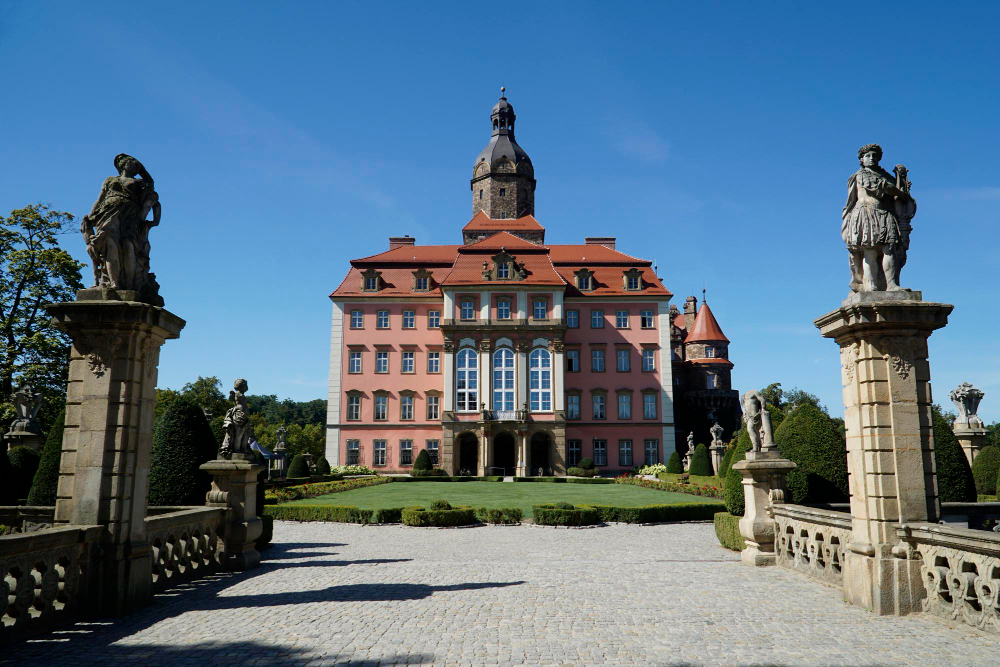
When mist hangs over the wooded hills of Lower Silesia at night, Fürstenstein Castle looks like a setting straight out of a historical gothic novel. The imposing complex, with its towers, terraces and dark corridors, rises above the valley of the River Pełcznica. Now known in Polish as Zamek Książ, and in German as Schloss Fürstenstein, it is the largest castle in Silesia and one of the country’s most significant architectural monuments. Its centuries-old history encompasses aristocratic splendour, political upheavals, war, expropriation and Nazi construction plans. This place is also linked to one of the region’s best-known ghost stories: the legend of the ghost of Princess Daisy von Pless. For decades, visitors, staff and storytellers have reported sightings of a woman dressed in light-coloured clothing who is said to appear in the castle’s corridors or on the terraces. There is no historical evidence to support these sightings. Yet the story of the woman to whom the legend is attributed is real – and it is dramatic enough to keep the myth alive to this day.
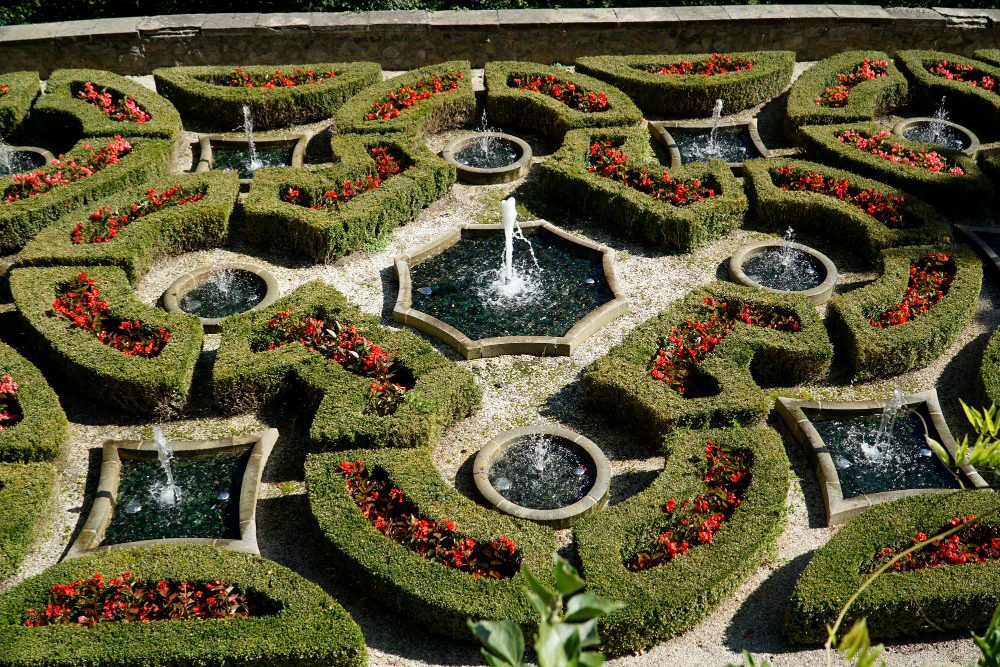
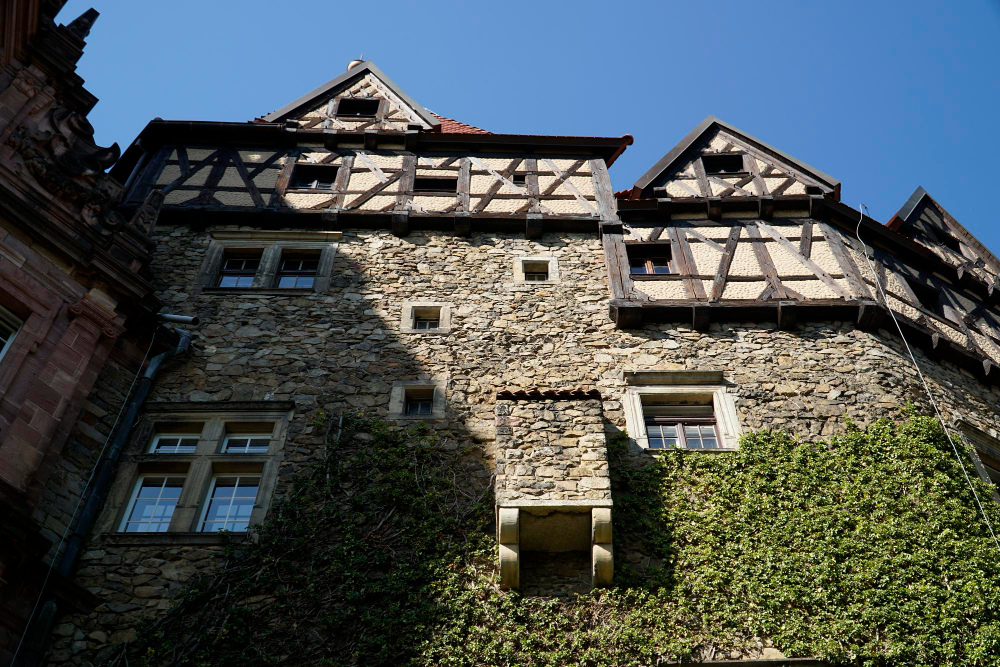
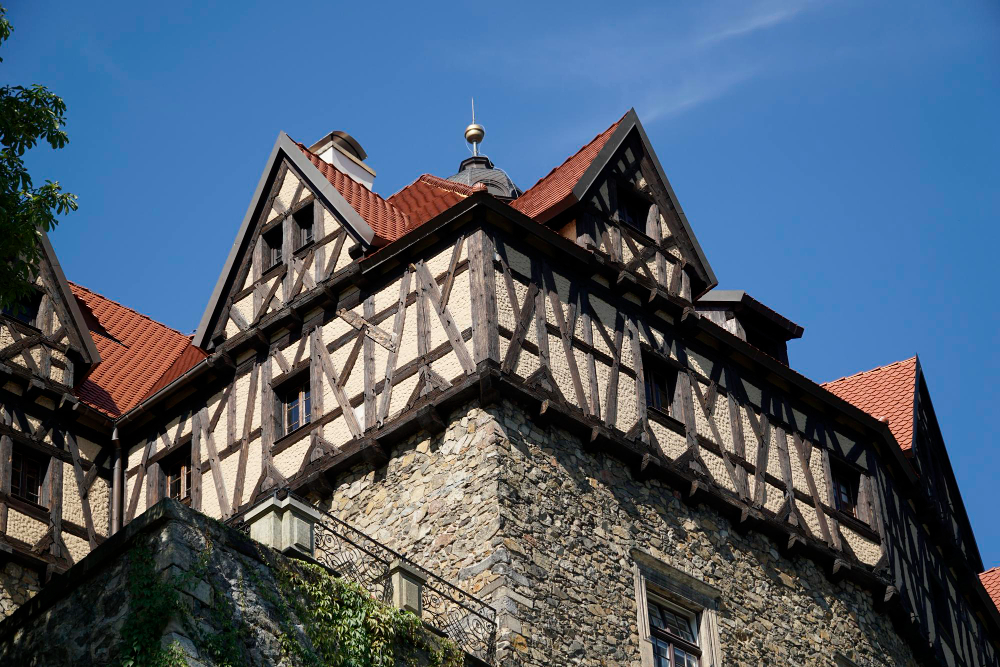
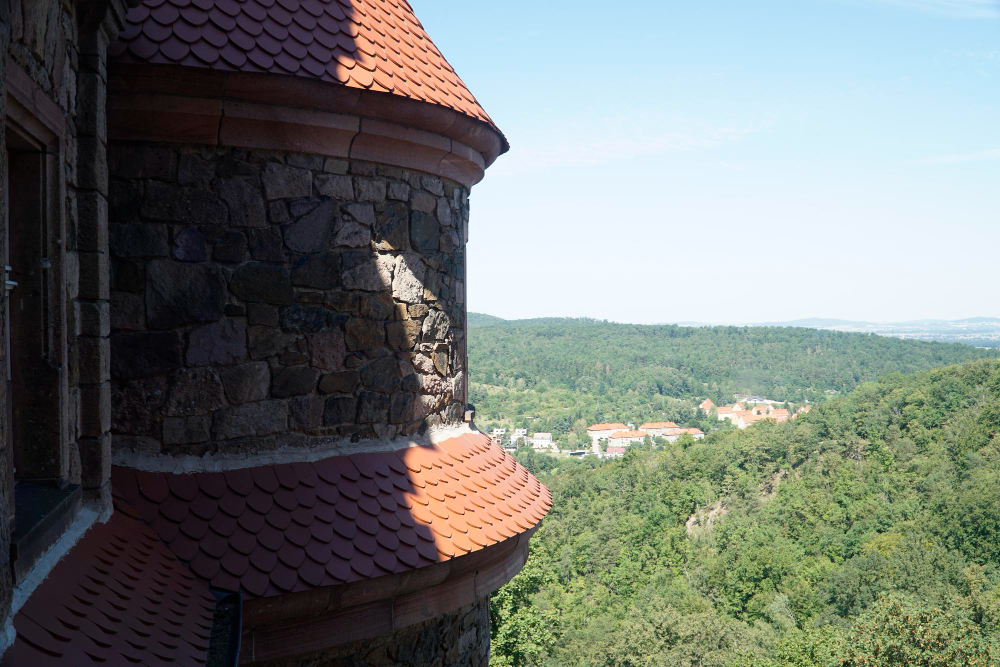
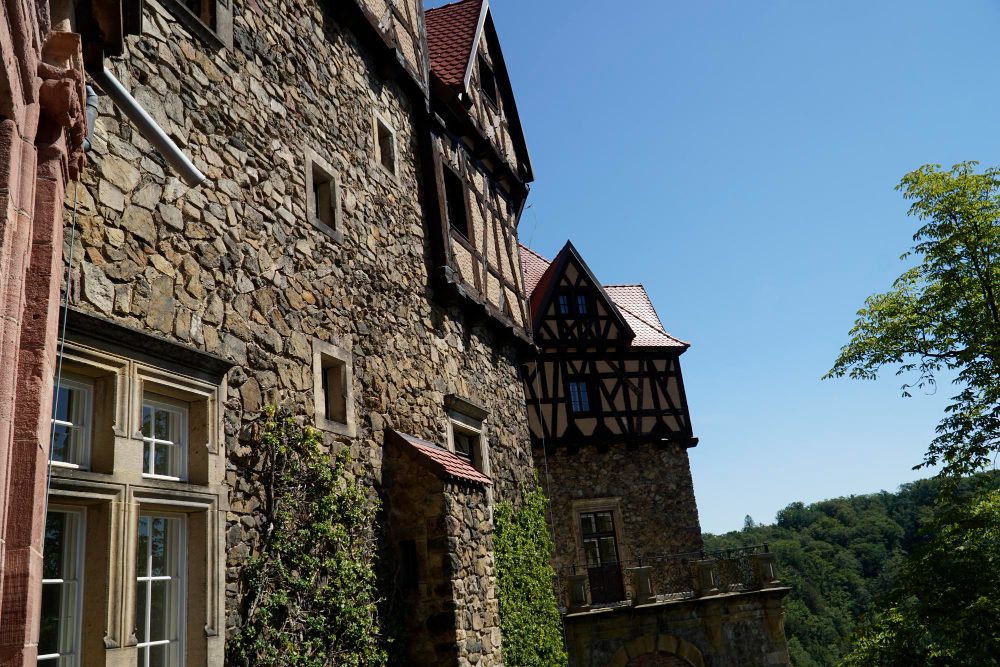
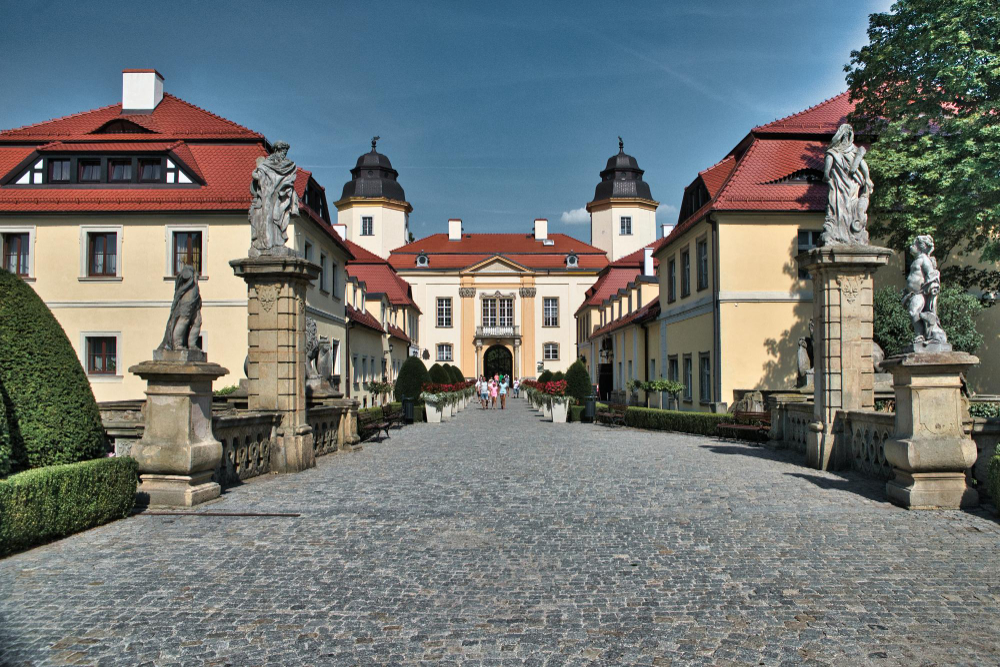
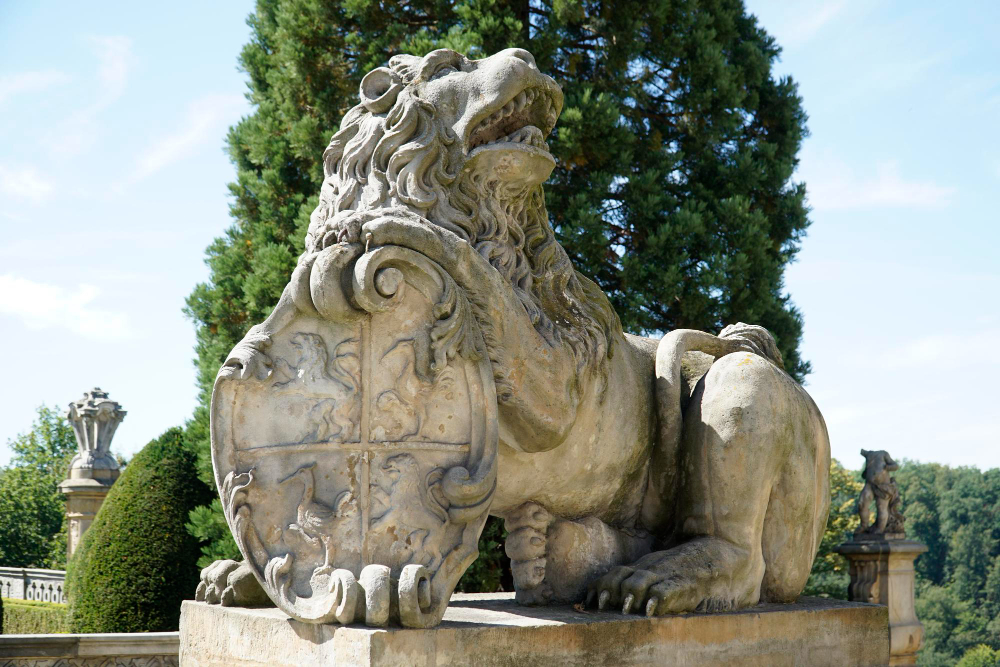
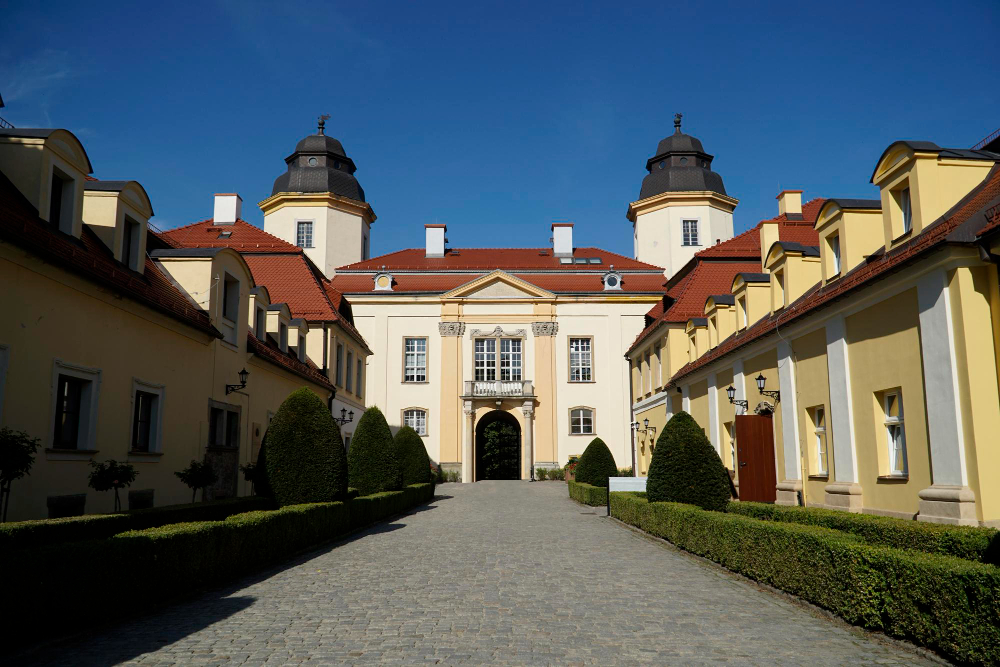
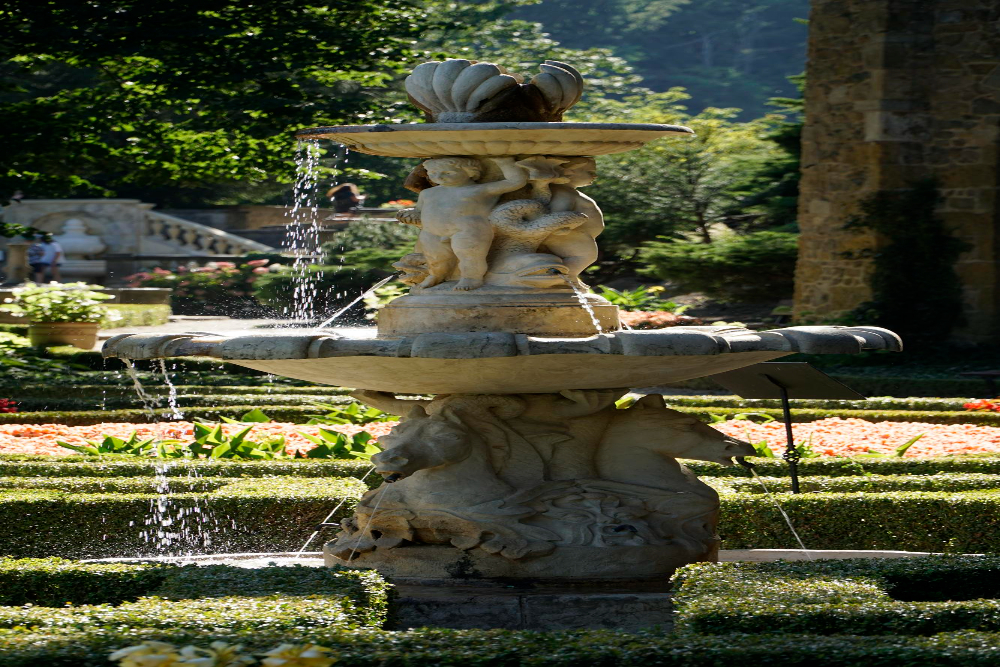
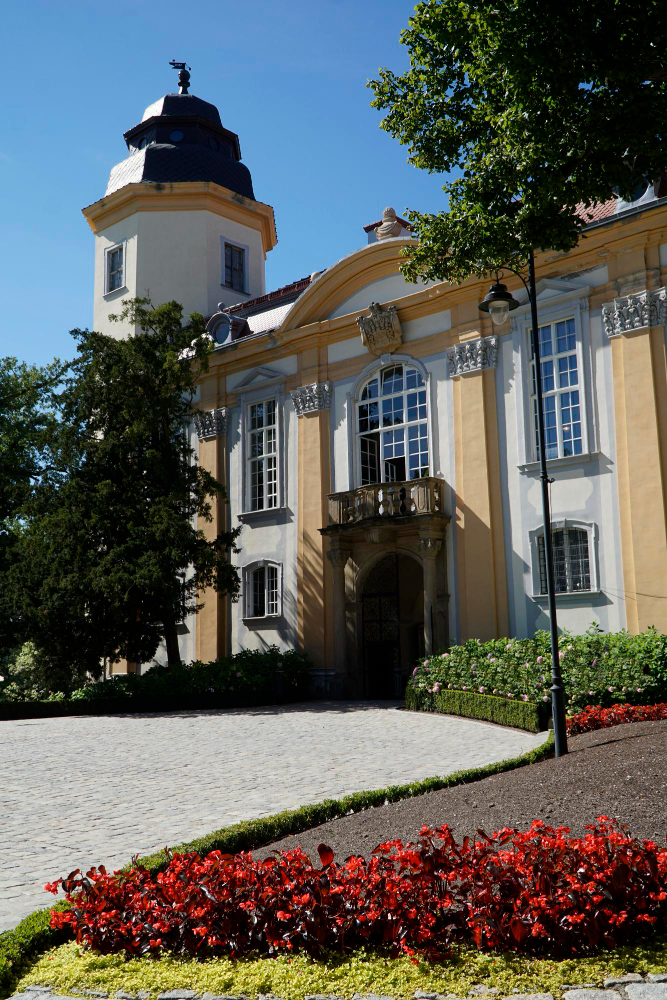
A castle overlooking the valley – Fürstenstein Castle lies on the outskirts of the town of Wałbrzych, formerly known as Waldenburg. Its origins date back to the 13th century. The Silesian Duke Bolko I of Schweidnitz-Jauer had the castle complex built after 1288. Strategically situated on a rocky ridge, it controlled important routes through the region. Over the centuries, owners, rulers and architectural styles changed. A medieval fortress gradually evolved into a stately residence. The von Hochberg family, in particular, shaped the appearance of the castle for a long time. They acquired Fürstenstein in the 16th century and developed it into one of their most important estates. Alterations during the Baroque period and later in the 19th and early 20th centuries created the complex that visitors know today: a combination of historic building sections, magnificent halls, extensive gardens and viewing terraces. Yet behind the opulent façade lies a story of loss. During the Second World War, the Nazis confiscated the castle. Large parts of the furnishings disappeared, rooms were altered, and, using forced labourers, extensive tunnels and underground structures were built beneath the grounds. The exact intended purpose of these construction works remains unclear in some respects to this day. Fürstenstein was incorporated into the vast Nazi construction project ‘Riese’, traces of which can be found in the mountains of Lower Silesia. This real-life past – emptied rooms, sealed-off tunnels, war and violence – has reinforced the aura of mystery that still surrounds Fürstenstein today.
Mary Theresa Olivia Cornwallis-West: The woman behind the legend – ‘Princess Daisy’, whose ghost is said to roam the castle, was called Mary Theresa Olivia Cornwallis-West by her full name. She was born on 28 June 1873 in Ruthin, Wales. Daisy came from a British family that was well connected in society but did not rank among the wealthiest families in the country. In 1891, she married Hans Heinrich XV von Hochberg, Prince of Pless and Count of Hochberg. Through this marriage, the young British woman became part of one of the wealthiest and most influential families in the German Empire. The couple lived for periods at Fürstenstein Castle in Pless, Silesia – now Pszczyna in Poland – as well as in London and at other estates. Daisy von Pless was regarded as exceptionally charismatic. Contemporary accounts highlight her beauty, her social presence and her ability to win people over. She moved in international circles and met members of European royal families as well as political figures of her time. Her memoirs, which were later published, provide an insight into the world of the high nobility before the First World War. Yet Daisy was more than just a figurehead in society. She was committed to social and charitable causes. She became particularly well known for her work in providing for the needy, for nursing care and for social institutions in the industrial regions of Silesia. In an area where mining and industry had brought great wealth but also harsh living conditions, this commitment was of great significance.
Splendour, Decline and a Life in the Shadow of War – The marriage between Daisy and Hans Heinrich XV was not a happy one. The couple had three sons, but their relationship broke down over the years. They divorced in 1922. Daisy retained her title and remained closely connected to Silesia and the family’s estates, even though her position had changed fundamentally. The First World War had shaken Europe and irrevocably altered the political environment in which Daisy had previously lived. After the war, the high nobility lost power, influence and financial security in many places. The von Hochberg family, too, was affected by financial difficulties. Their once unimaginable wealth could not prevent Daisy’s living conditions from deteriorating progressively. In her final years, Daisy’s health was severely compromised. She suffered from a serious illness that severely restricted her mobility. Historical sources report that she was at times dependent on care. Her life had moved far removed from the glamorous receptions and high-profile appearances of her youth. The Nazi era brought another turning point. The Hochbergs lost control of Fürstenstein Castle, which was requisitioned by the German authorities for military and political purposes. It is often said that Daisy was driven out of her beloved castle directly by the Nazis. The core of this account – the loss of her familiar surroundings and the regime’s seizure of the family’s possessions – is linked to the historical developments of the war years. Her personal circumstances, however, were more complex: due to her illness, she did not live permanently as the lady of the castle at Fürstenstein during her final years. Mary Theresa Olivia Cornwallis-West died on 29 June 1943 in Waldenburg, now known as Wałbrzych. She was 70 years old. Her death came at a time when Europe was ravaged by war and Fürstenstein Castle itself had already undergone profound changes.
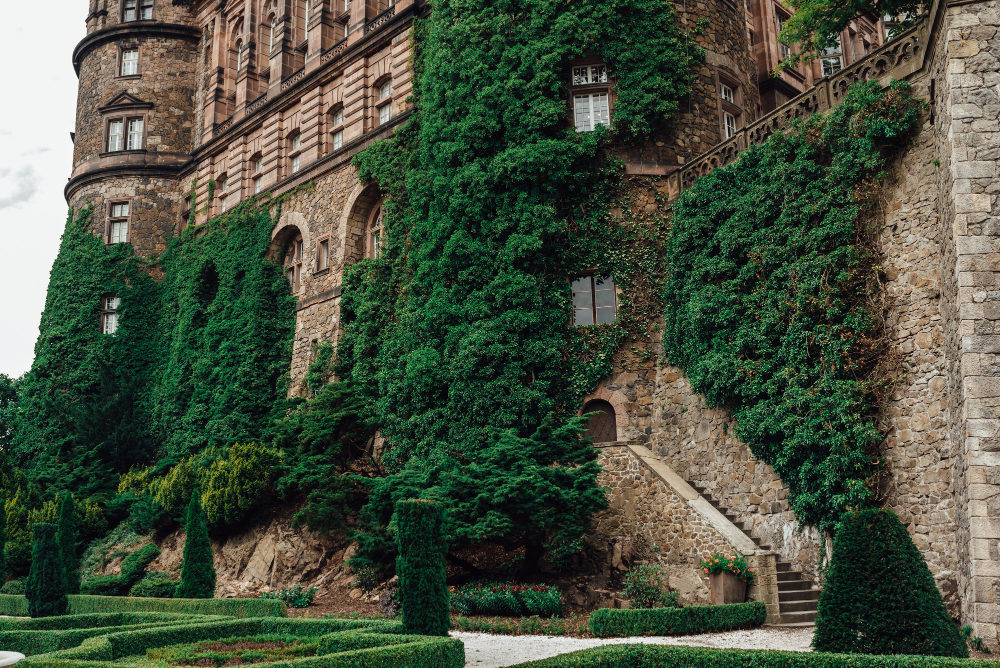
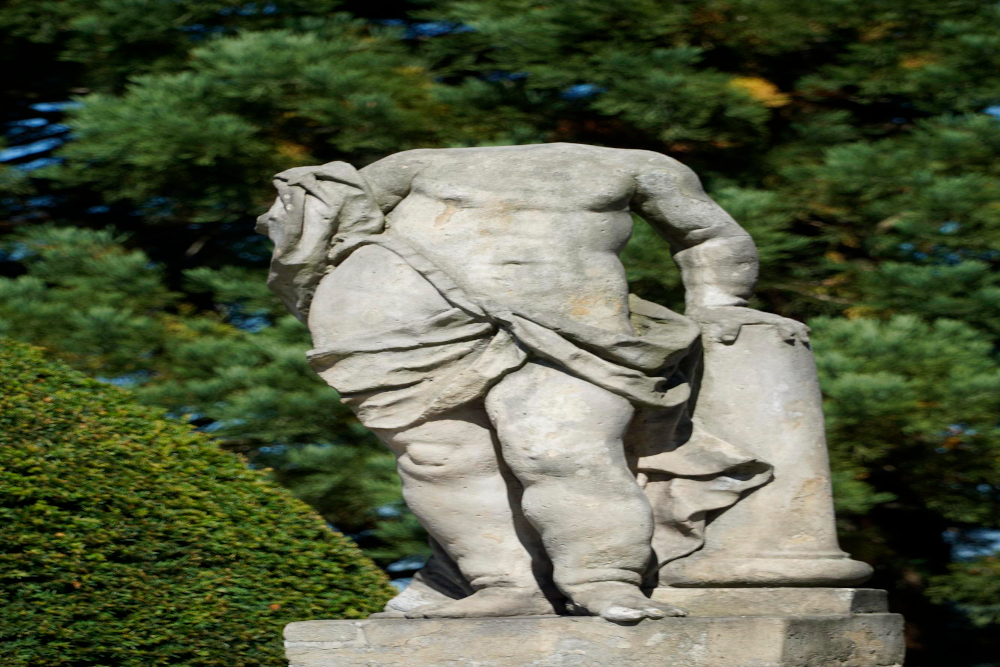
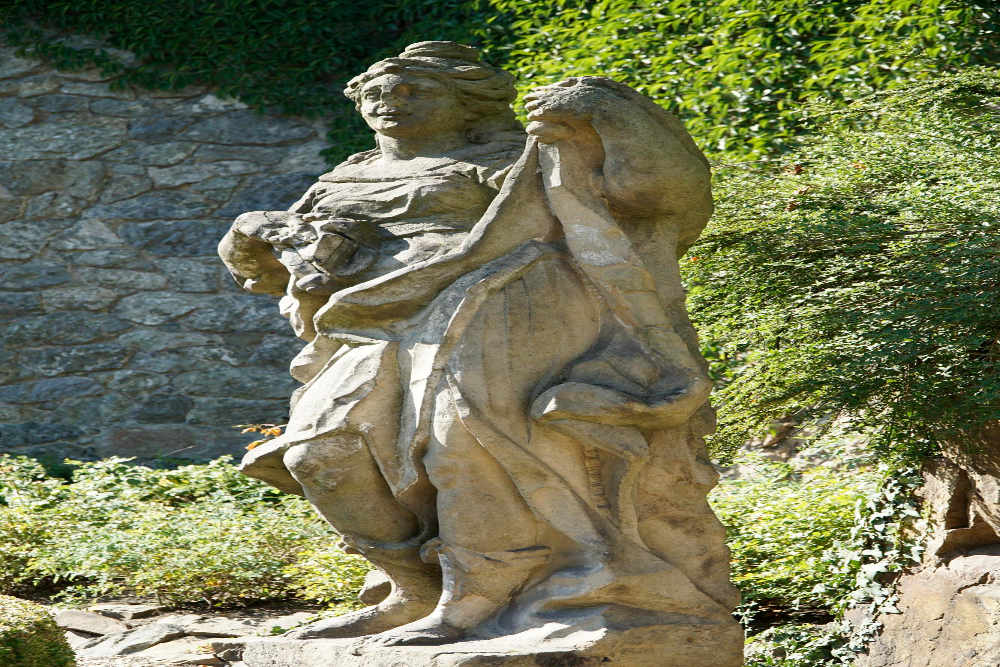
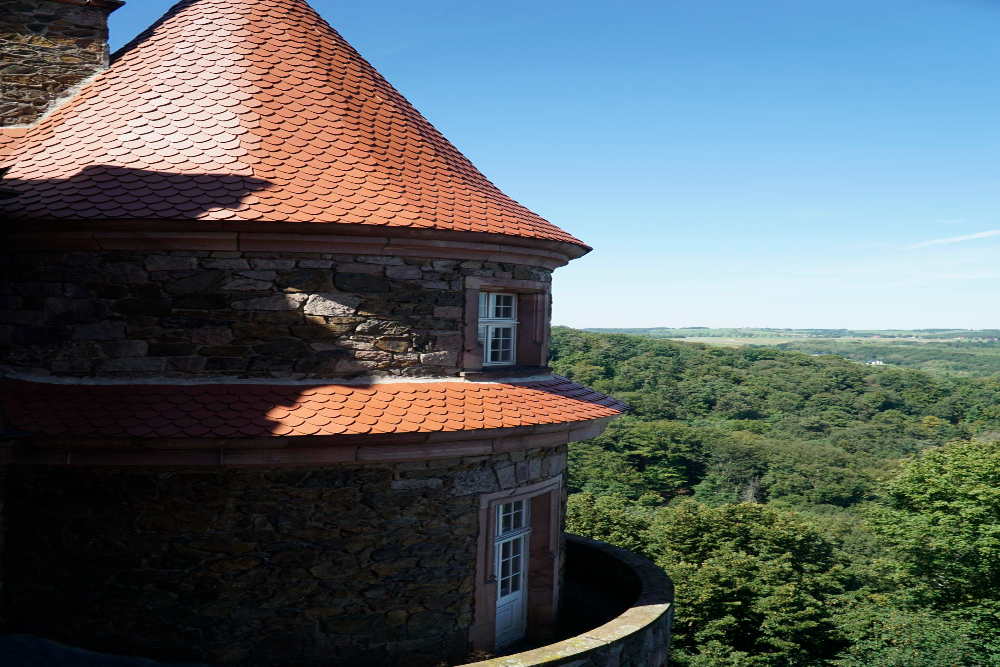
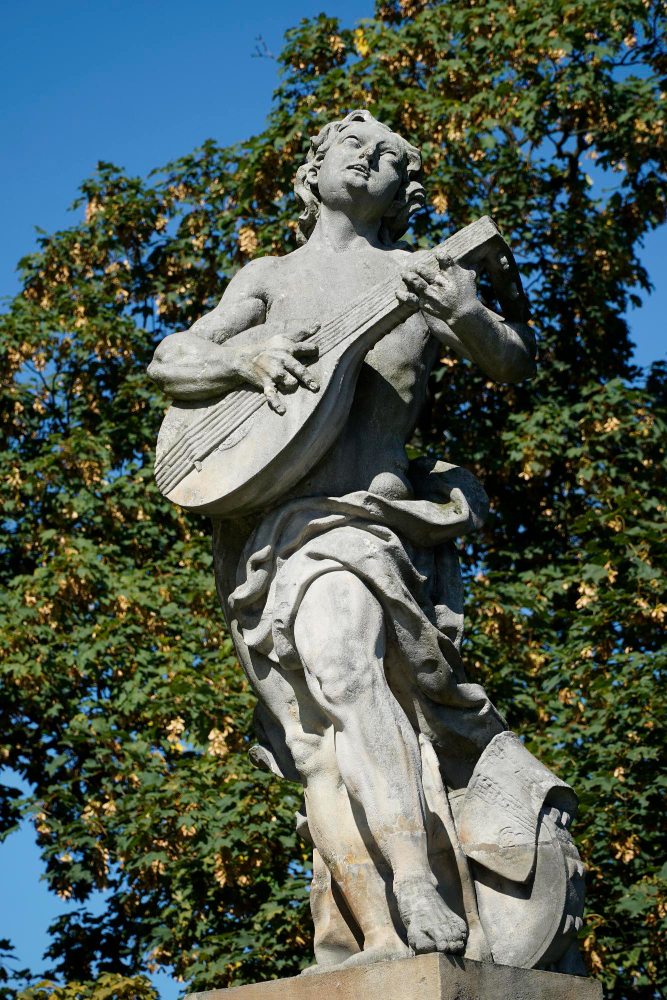
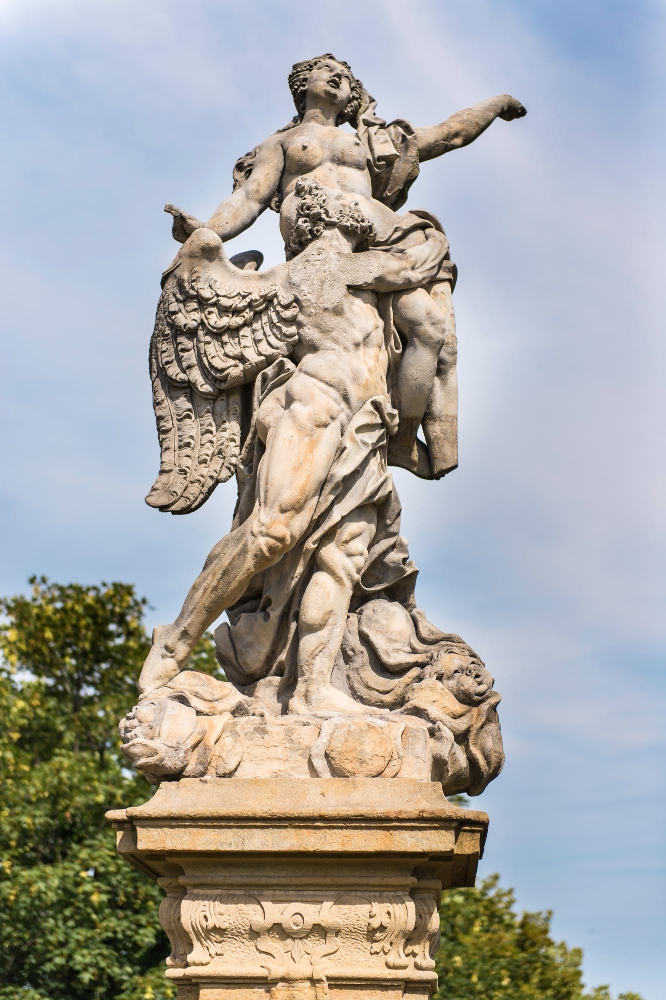
The white figure in the corridors – After her death, a story emerged or spread that Daisy had returned to Fürstenstein. In the legend, she usually appears as a pale, slender woman in a white or pale-coloured dress, sometimes wearing a veil. She is said to walk through the halls and corridors in the quiet of the night, to stand at windows or gaze out over the terraces. Other versions place the apparition in the castle gardens, where she is said to have been seen amongst the walls, sculptures and rows of dark trees. Such accounts form part of the local folklore and the narrative culture surrounding the castle. They do not constitute historical evidence of paranormal occurrences. There is no scientifically verified evidence that Daisy von Pless has appeared as a ghost. Even specific eyewitness accounts are often passed on without verifiable details regarding the time, names or circumstances. It is precisely this lack of clarity that is part of the mechanism of a legend. An old castle with long, dimly lit corridors, creaking floors, mirrors, heavy doors and shifting light provides an ideal setting for perceptions that can, in hindsight, be interpreted as hauntings. Mist, shadows, reflections and visitors’ expectations can heighten these impressions. Where the story already tells of a tragic princess, every movement at the end of a corridor takes on a possible meaning. The figure of the ‘White Lady’ is also a common motif in European castle legends. She is often associated with a woman of noble birth, an unhappy love, a loss or an unjust fate. In Daisy’s case, the legend seems particularly credible because her life story contains real tragic elements: the decline of a world, a failed marriage, illness, war and the loss of the place with which her name remained so closely associated.
A myth with a grain of truth – The story of Princess Daisy shows just how closely historical facts and romantic embellishment can be intertwined. One thing is certain: Daisy von Pless was a real person who played a decisive role in shaping Fürstenstein Castle. It is also certain that, in the 20th century, the castle underwent expropriation, alterations and the horrors of the Nazi era. However, everything told about the princess’s ghostly return remains uncertain. Nevertheless, the legend is not merely a harmless attraction. It draws attention to a woman whose life story is often reduced to beauty and social glamour. Daisy was also a dedicated philanthropist, a figure bridging her British heritage and the Silesian nobility, and a woman who witnessed the collapse of the old European elites. Anyone who steps onto the terraces of Fürstenstein Castle today sees a carefully restored complex and a landscape of great beauty. Yet beneath this image lie the layers of the past: medieval power politics, aristocratic luxury, war, forced labour and personal tragedies. The alleged white apparition of Princess Daisy is therefore, above all, a symbol. It stands for the memory of a place that can never quite shake off its history. Whether she actually walks through the dark rooms of the castle remains a matter of belief. That her name lives on there, however, is indisputable.