 Isabella Mueller Baroness of Stainton le Vale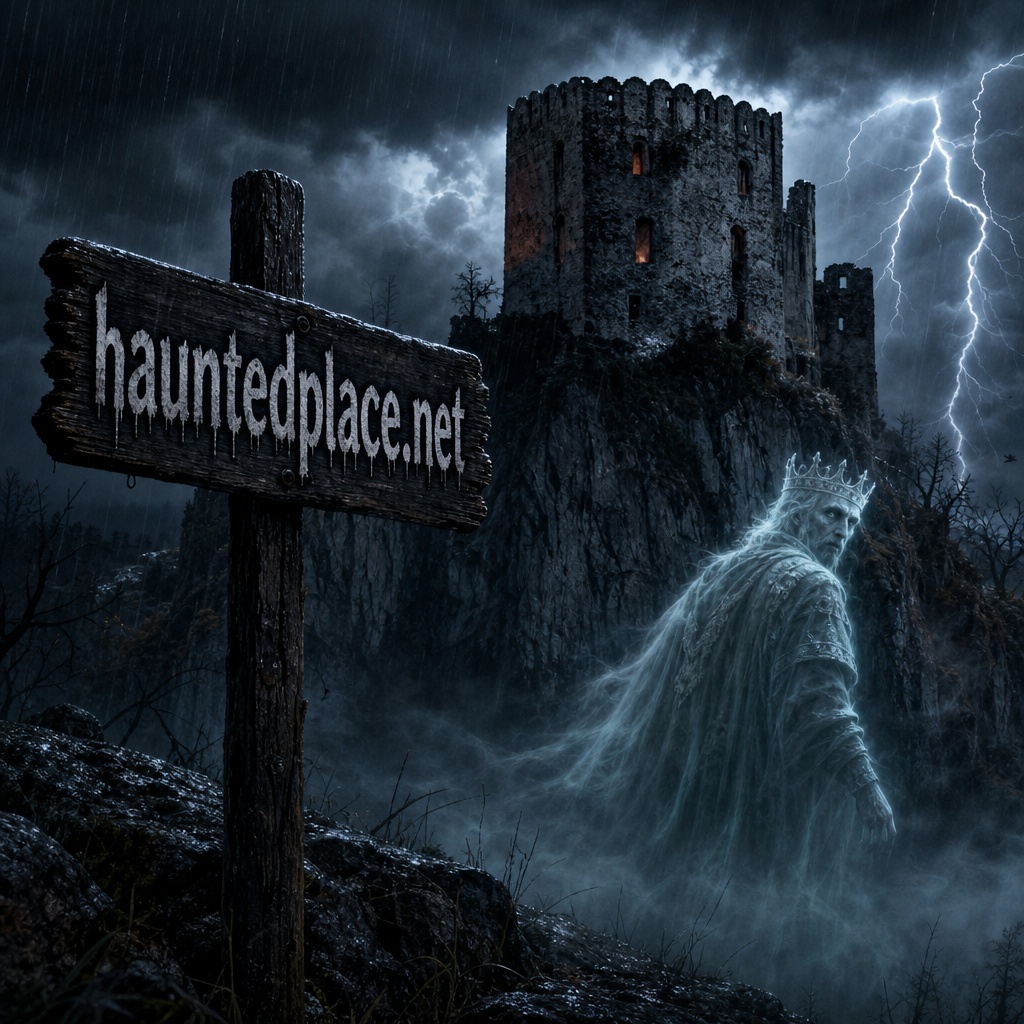
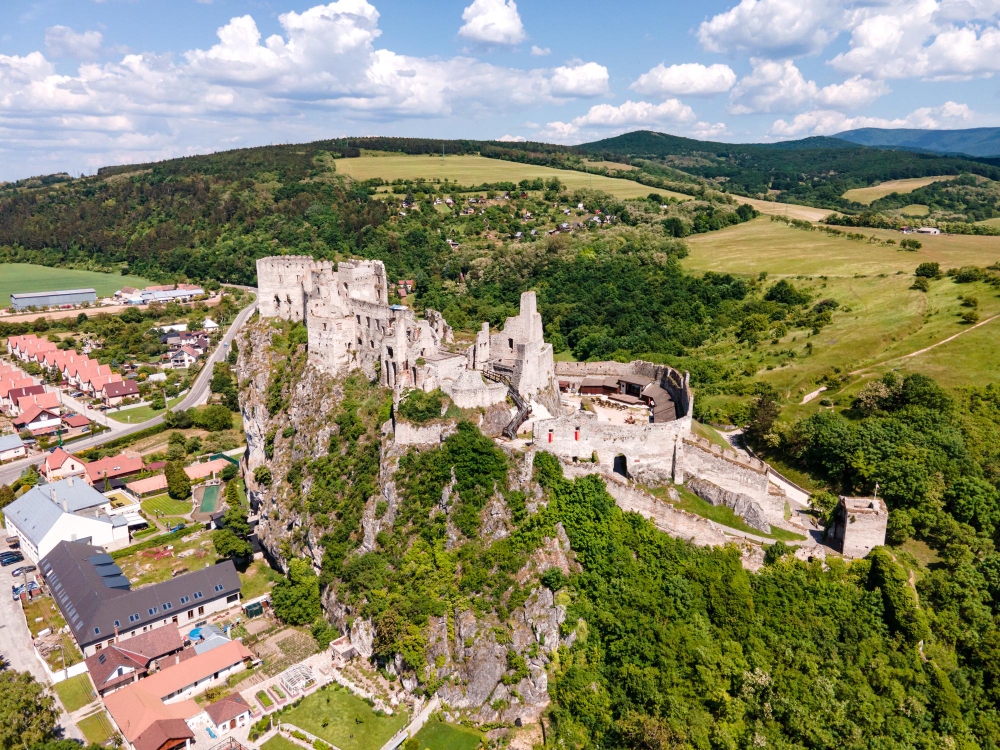
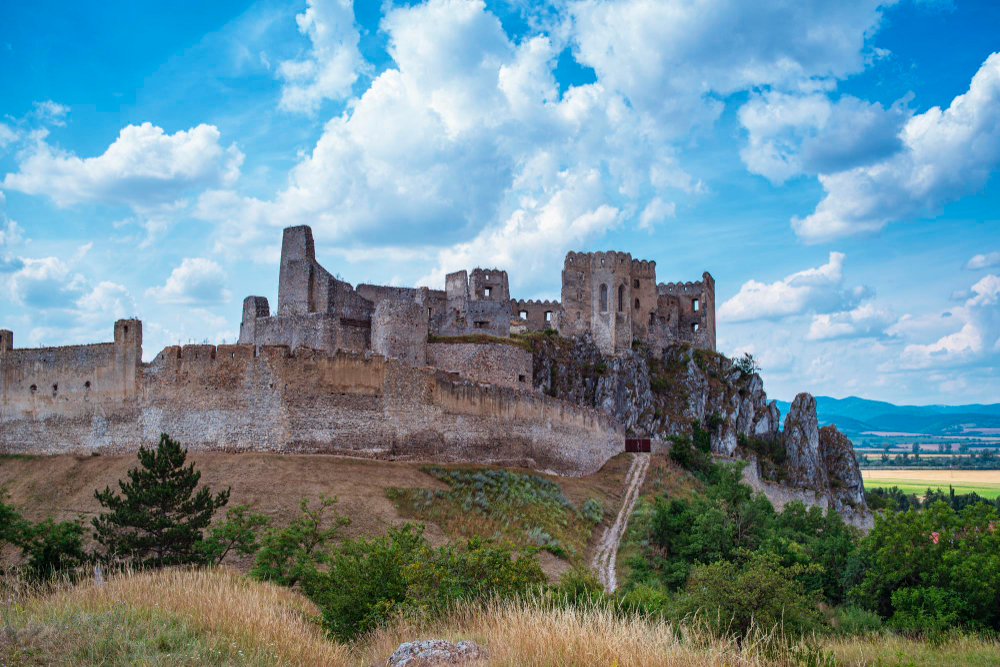
The ruins of Beckov Castle, perched high above the cliffs of the Slovak countryside, harbour not only centuries of history but also a grim legend. It is a story that still sends shivers down the spines of locals and visitors alike: the tragic tale of ‘The Servant’s Curse and the Snake Bite’. This eerie legend revolves around betrayal, retribution and a supernatural judgement, the shadow of which still seems to hang over the castle.
A historical setting of horror – Beckov Castle, also known as ‘Beckauer Burg’, rises majestically on a 60-metre-high rock above the Slovak village of the same name. Its origins date back to the 12th century, when it was built as a border fortress. In the late Middle Ages, the castle enjoyed its heyday under the rule of Duke Stibor of Stiborice, a powerful nobleman who maintained close ties with the Hungarian crown. Yet despite its historical and strategic value, an eerie atmosphere clings to this fortress – not least because of the macabre legend closely associated with Stibor.
The Crime: The Trigger for a Deadly Curse – The story begins with a terrible deed attributed to the sudden wrath of a powerful lord of the castle. The lord – who, according to tradition, is often identified as Duke Stibor himself – was known for his stern and domineering nature. One day, so the story goes, an incident occurred that put an innocent life in danger: in the heat of the moment, the lord’s loyal servant struck his master’s hunting dog. The reason for this, however, was by no means malicious – the dog had previously attacked the servant’s child, and the servant intervened to protect his own flesh and blood. Yet instead of showing understanding or leniency, the lord of the castle reacted with unbridled fury. In a fit of unbridled rage, he had the stunned servant thrown over the castle’s steep cliffs without hesitation – a 60-metre plunge to certain death. But as the man tumbled into the depths, he is said to have uttered a curse with his last breath: “At this very spot, in exactly one year and one day, we shall meet again before the Last Judgement!”
A grim prophecy comes true – Time passed, and the lord of the castle returned to his daily routine, filled with dancing, feasting and hunting. Both he and the other inhabitants of the castle dismissed the servant’s curse as an empty threat. Yet exactly one year and one day after the gruesome deed, everything changed. It was a stormy night when the lord of the castle, exhausted from a long banquet, fell asleep on a castle wall. No one could have guessed that this would be his last evening. Suddenly, so the legend goes, a deadly poisonous snake slithered out from the dark crevices of the stone wall. It bit the lord of the castle directly in the eye, and the unbearable pain instantly robbed him of his sight. In his confusion, the blind lord stumbled backwards – and fell to his death in exactly the same spot where, a year earlier, he had pushed his faithful servant to his death.
The Haunting: A Curse That Has Endured Through the Centuries – Ever since that fateful evening, Beckov Castle has been shrouded in an eerie myth. It is said that the ghost of the cruel lord of the castle cannot find rest. On particularly stormy nights, some locals report that wailing cries echo through the ruins. Others claim to have seen a ghostly figure wandering restlessly around the old palace walls – a memorial to the dark consequences of arrogance and injustice. Some sceptics regard this story as nothing more than a grim exaggeration, yet for many visitors to the castle, the feeling persists that the legend contains a grain of truth. Historians point out that Duke Stibor was indeed known for his uncompromising harshness. However, there is no clear evidence that he was personally linked to the incident. The eerie tale may therefore be a blend of local folklore and historical facts.
Symbolic Power and Psychological Impact – The story of ‘The Servant’s Curse and the Snake Bite’ goes beyond mere entertainment. It is a striking example of how myths and legends often serve as moral lessons. The servant’s unjust death and the subsequent retribution meted out by nature – symbolised by the snake – illustrate that no power can resist divine or karmic justice. But why do stories like this continue to have such a lasting effect on people to this day? Studies in folklore suggest that the universal themes of justice and retribution are deeply rooted in the human psyche. The idea that even powerful individuals can ultimately be brought down by their own actions serves as a cautionary tale whilst simultaneously creating a kind of psychological balance.
A Look at the Present: Mysticism at Beckov Castle – The mystical aura of Beckov Castle attracts numerous tourists every year, drawn by the rugged charm of the ruins and the sombre legend. Guided tours of the castle often recount this grim tale, making the gloomy walls seem all the more vivid. Furthermore, in recent years, a number of parapsychologists have been active at Beckov Castle to investigate the existence of supernatural phenomena. Although there is no conclusive evidence, their reports have left the impression that unusual energies can indeed be felt at this location. Visitors report unexplained noises, sudden draughts of cold air and an oppressive atmosphere – particularly after dark.
A legend shrouded in shadow – Whether the story of the ‘Curse of the Servant’ is based on true events or not, it remains a captivating part of the cultural identity surrounding Beckov Castle. For many, it is a symbol of the gross injustice of feudal rule; for others, proof that places with a bloody past never fall completely silent. One thing remains certain, however: the castle’s grim past is inextricably linked to its unique fascination. And anyone who visits the ancient walls on a stormy night might hear, in the distance, the whimpering of a long-dead spirit – or sense the eerie hissing of a snake in the shadows.