 Isabella Mueller Baroness of Stainton le Vale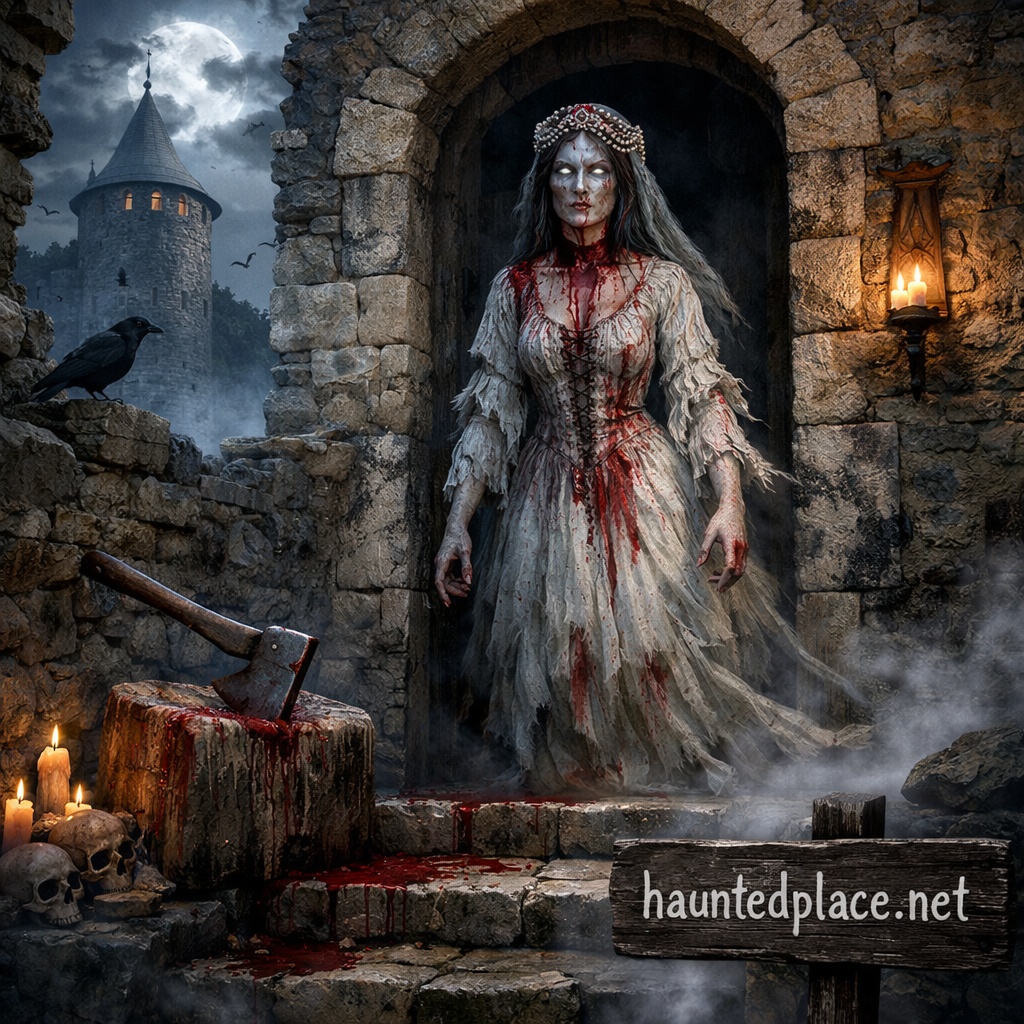
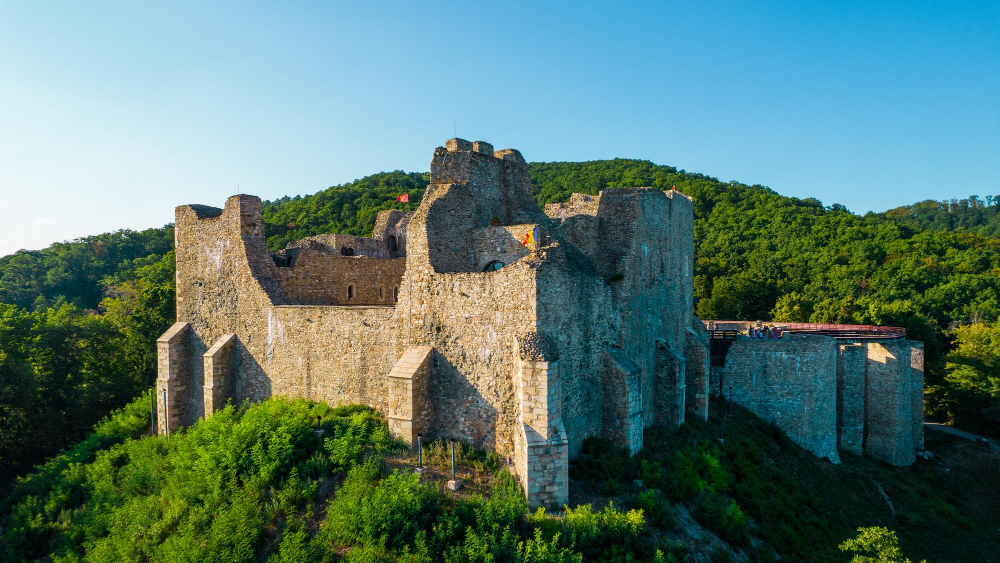
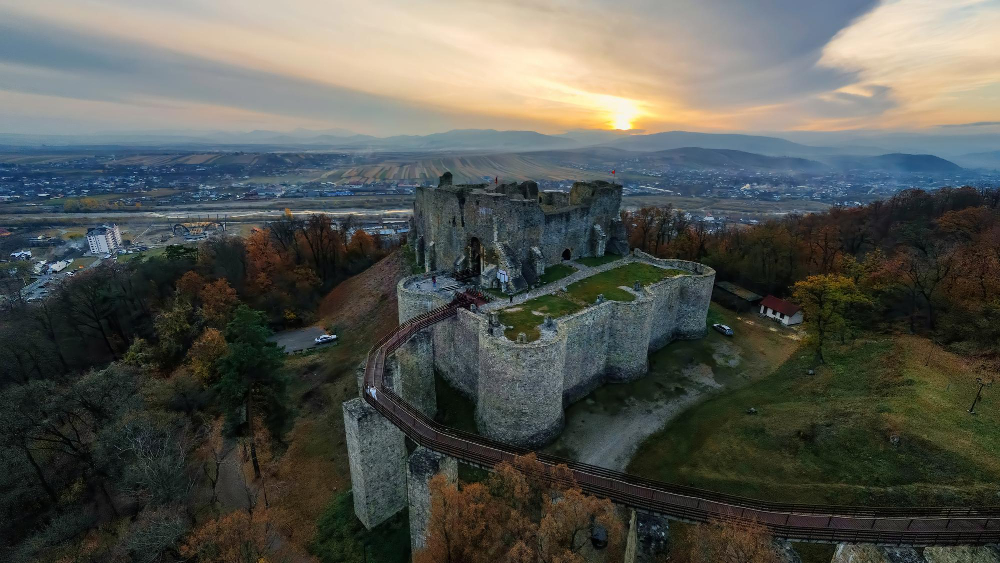
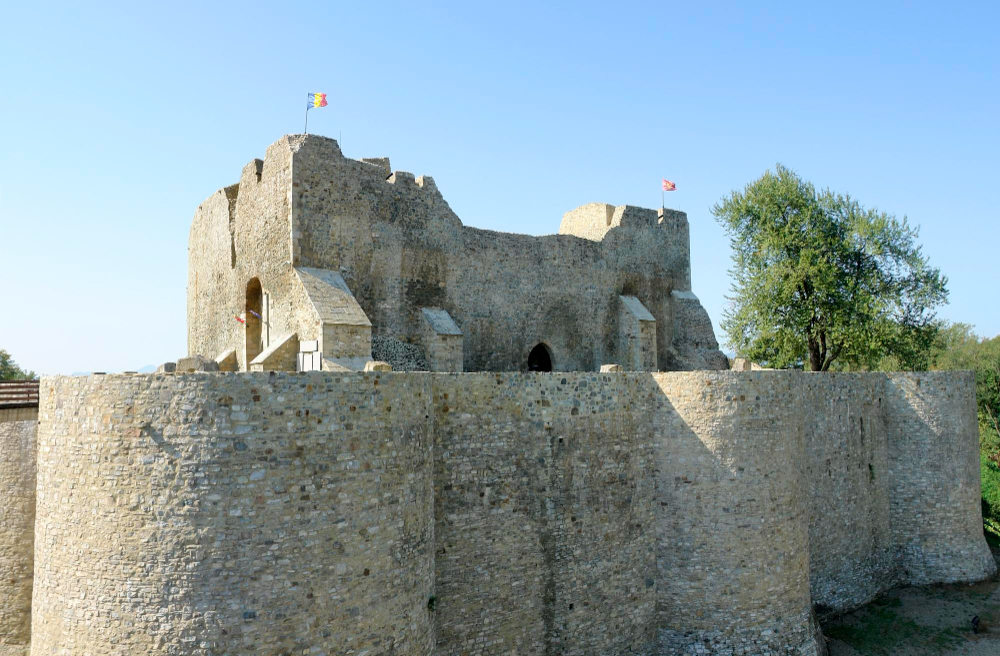
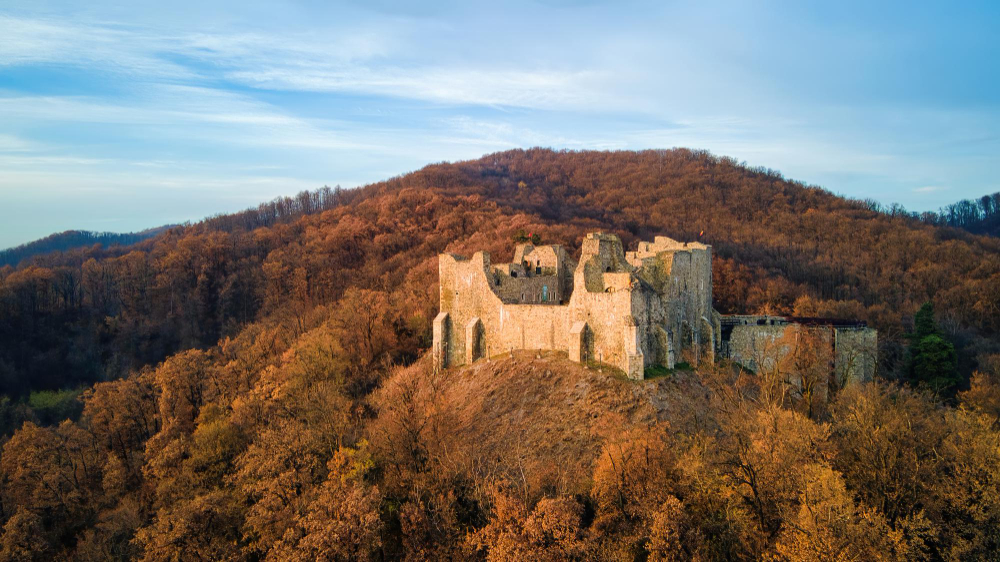
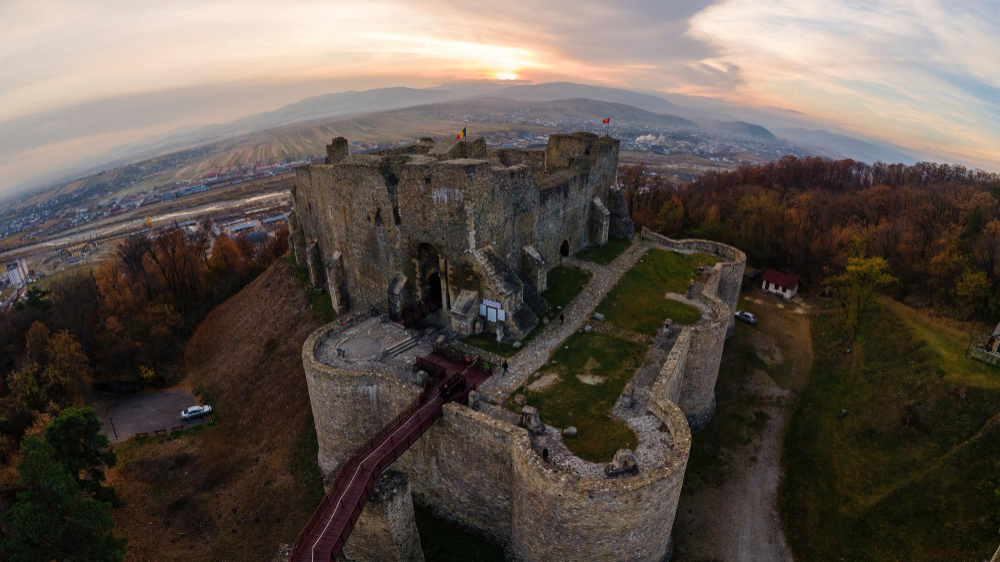
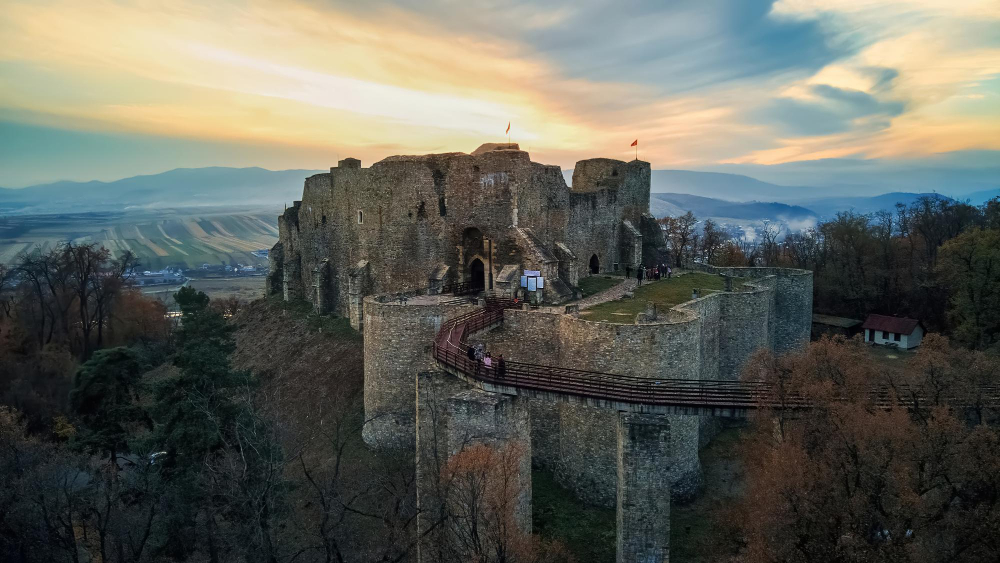
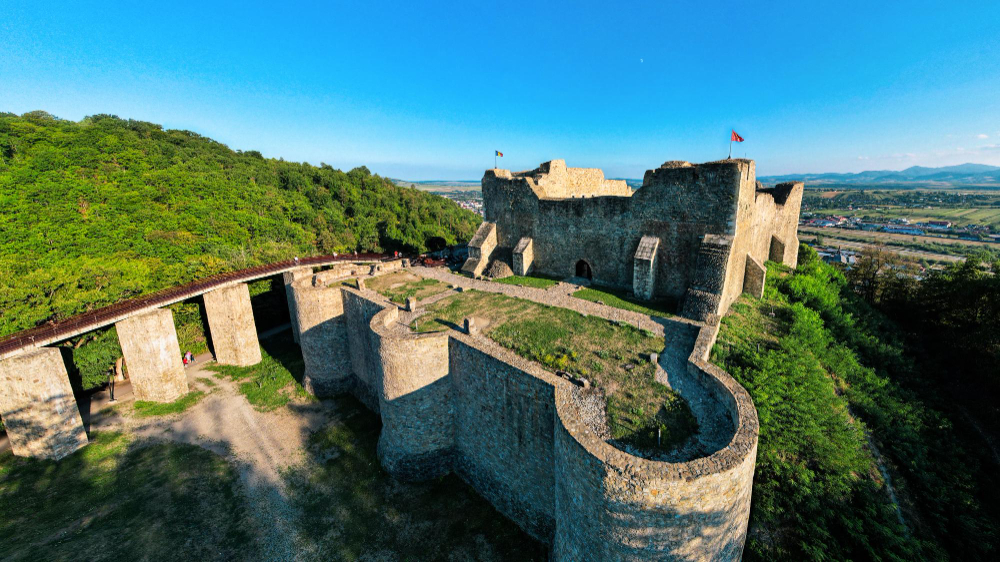
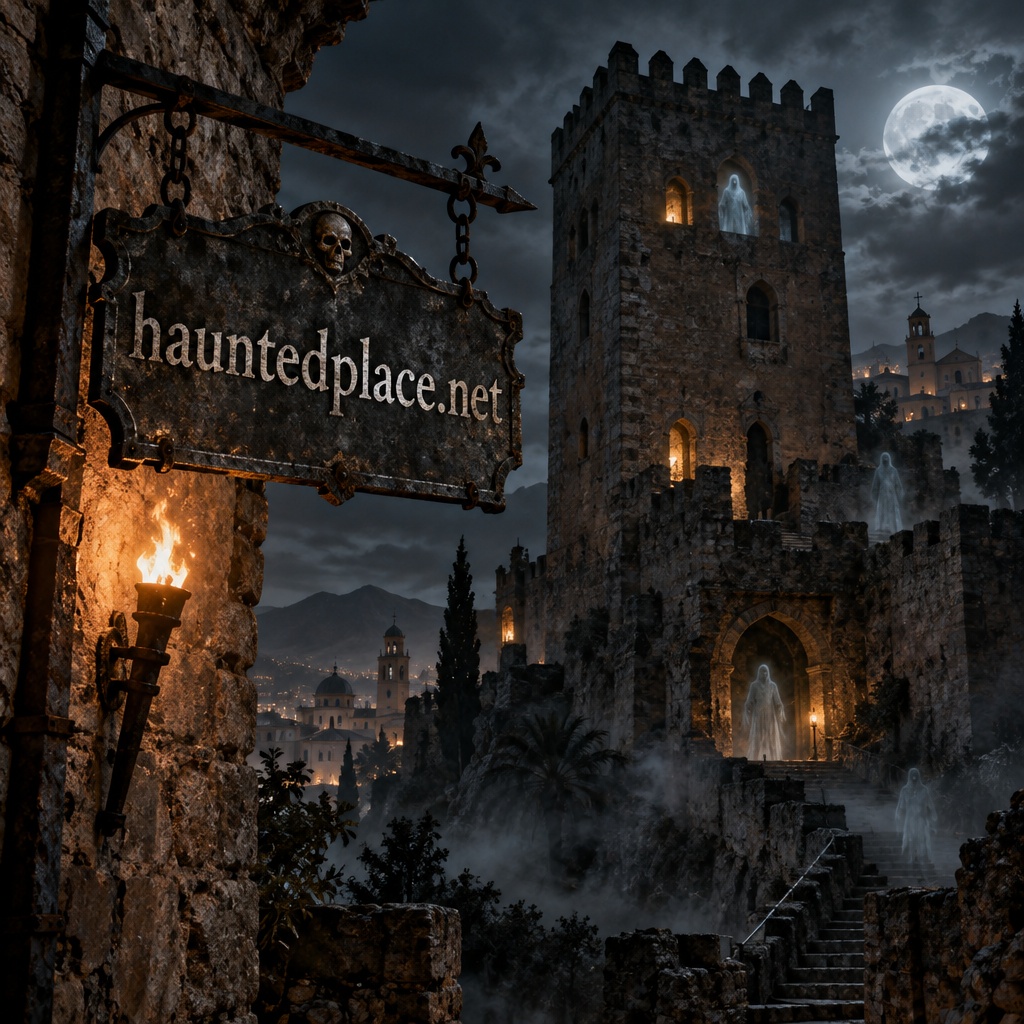
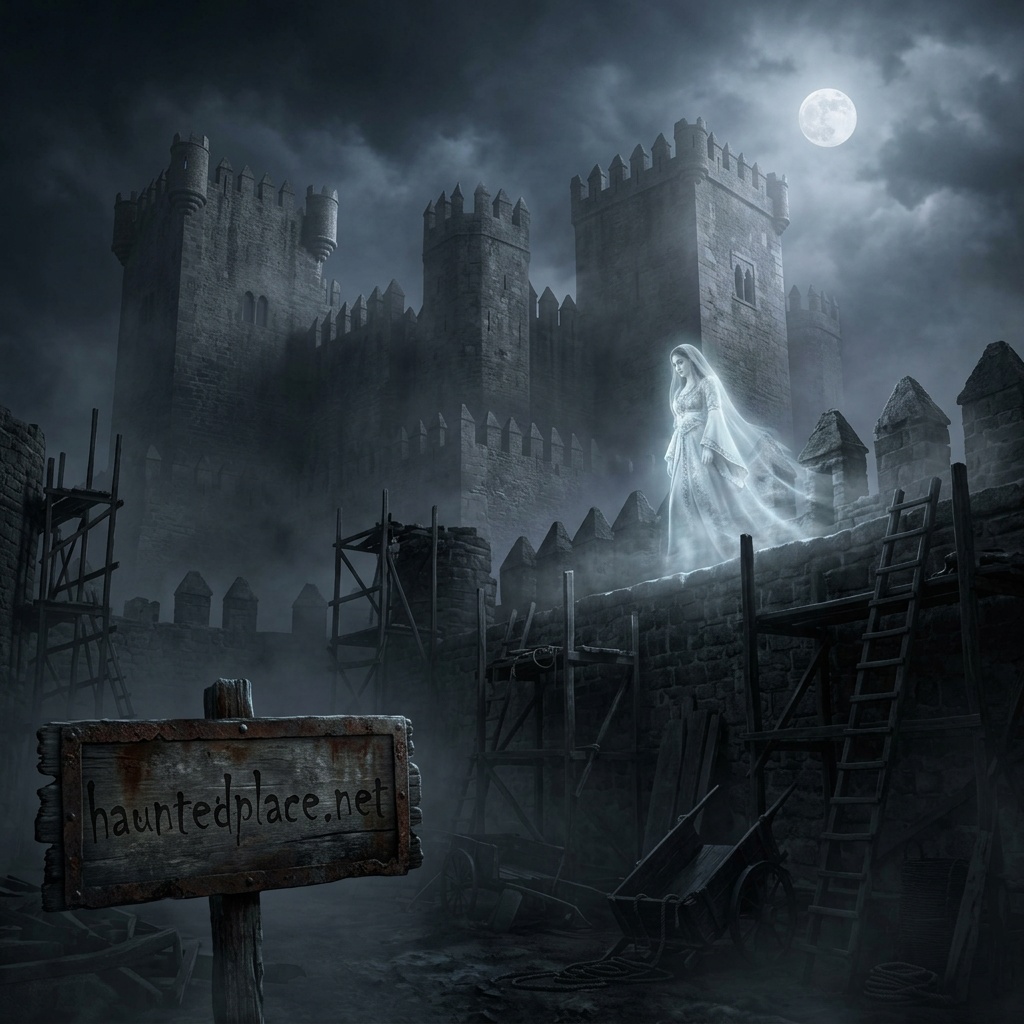
The gloomy walls of Neamț Castle, as majestic as they are forbidding, still tower over a steep hill in the Moldavian region of Romania. Once a strategic fortress that served as a bulwark against invaders, this venerable structure harbours a legend so dark and tragic that it still sends shivers down visitors’ spines to this day. It is the story of Princess Ruxandra, a young woman whose fate was shaped not only by political intrigue, but also by betrayal and horror. Her life came to a cruel end in 1686 – yet some say her spirit has never truly left the place.
A daughter in bloody times – Princess Ruxandra was the daughter of the Moldavian Prince Vasile Lupu, one of the most powerful and controversial rulers of his time. He was known for his ambition to strengthen his country’s cultural and political identity whilst fighting tirelessly against external enemies. Yet, as is so often the case in history, his family was not spared the cruelties of that era. For Ruxandra, the year 1686 marked the end of a childhood spent in the shadow of courtly splendour and the beginning of a nightmare that would make her immortal. As political tensions between the ruling houses escalated, Neamț Castle fell into the hands of Polish Cossacks, who showed no mercy to their captives. Ruxandra, who was said to have captured the hearts of many with her beauty and grace, became a pawn in the deadly power struggles of that era.
Betrayal and the Final Hour – Protected by thick stone walls and steep precipices, Neamț Castle was considered impregnable. Yet betrayal opened the gates to the attackers; a servant, driven by greed or fear, is said to have granted the enemies access. The Polish Cossacks, driven by bloody determination, stormed the castle and carried out a massacre amongst its defenders. Ruxandra, who desperately tried to flee to safety, was captured and faced a choice: either she would buy her freedom through submission or face death. Despite her fear, the princess refused to yield. This unshakeable steadfastness ultimately sealed her tragic fate. It is said that the attackers led her to the castle gates. There, on the threshold, she is said to have been forced to her knees without hesitation and beheaded with a single blow. Her young life ended as her blood flowed over the cold stones. Yet, according to legend, her spirit, filled with pain and unquenched rage, never found peace.
The Curse of the Ruins – Ever since that cruel day, the ruins of Neamț Castle are said to have been haunted by an eerie presence. Generations of shepherds, travellers and, later, tourists have reported strange apparitions at night. Some speak of a ghostly figure wandering through the crumbling walls. Others mention the wailing of a woman carried on the wind, or fleeting shadows darting across the walls. Particularly eerie is the account of the threshold where Ruxandra is said to have been killed. It is said that this spot has never remained dry – even on the hottest summer days, a damp patch always appears there, as if the princess’s blood could not be washed from the stones. Some visitors also report sudden chills that send a shiver right down their spines as they wander through the ruins. Some even claim to hear a whisper – soft and barely perceptible – as if invisible lips were forming words of despair.
The Spirit’s Wrath – According to legend, Ruxandra’s spirit never truly leaves the ruins. It is said she leads a tormented existence, trapped between worlds, unable to come to terms with the tragedy of her death. Some believe she seeks revenge, whilst others claim she is waiting for someone who can set her free. Among the locals in particular, there are reports of mysterious encounters regarded as supernatural warnings. Walkers making their way to the castle at night are said to have been stopped by a ghostly figure – a blurred image of a young woman raising her hand imploringly, as if to warn them of a greater calamity. It is said that anyone who ignores her silent plea will experience a series of misfortunes in the days that follow. An old Moldavian proverb describes this apparition as ‘the cold kiss of the desperate’. Anyone who feels it should keep well away from the castle and never mock the events that are said to have taken place there.
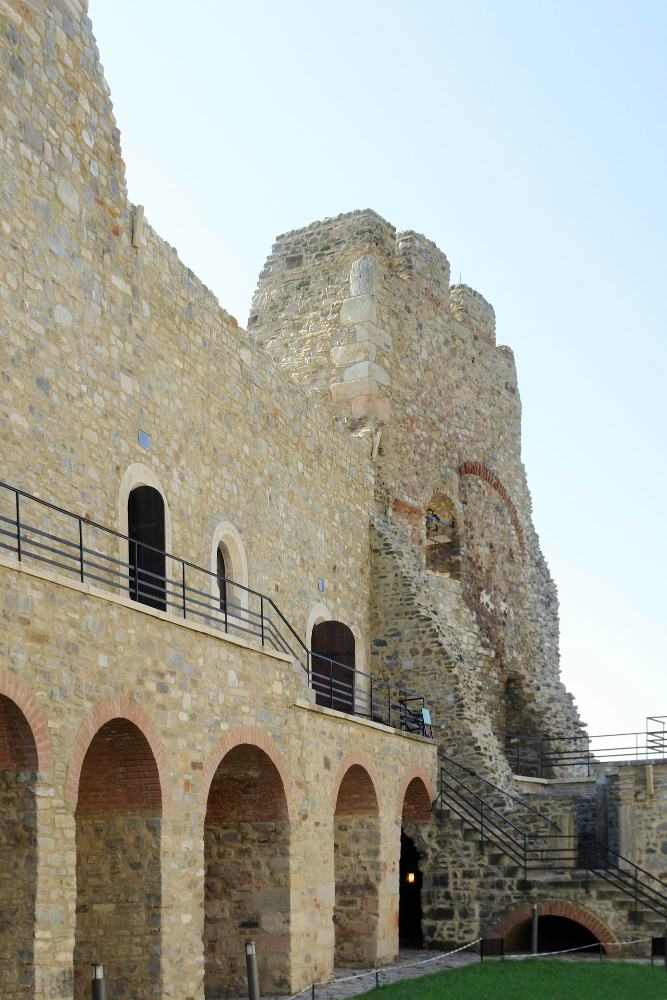
A legend between truth and myth – As with many ghost stories, it is difficult to separate the legend of Princess Ruxandra from historical truth. Indeed, some documents attest to the dramatic capture of Neamț Castle by Polish troops in the 17th century. References to executions, betrayal and expulsions are also archived. Whether Ruxandra actually met such a brutal end, however, remains uncertain. Historians disagree as to whether the legend is based on real events or has been embellished over the centuries. It may be that Ruxandra’s story is based on true events, but has been romanticised through oral tradition and a fascination with the supernatural. Not least, the atmosphere of the castle – whose jagged walls and dark corridors seem tailor-made for horror stories – helps to keep the legend alive.
The Magic of Horror – Visitors brave enough to venture into the ruins of the former fortress are in for an experience that is as fascinating as it is unsettling. The silent grandeur of the walls, the view of the picturesque landscape of the Moldau Plain and the thought of the bloody events that are said to have taken place here set the imagination alight. It may seem sensible to dismiss the legend of Princess Ruxandra as nothing more than a horror story – one of many circulating in Eastern and Central Europe. Yet anyone who, on a quiet night, lets their gaze wander over the deserted stones – anyone who hears the wind whistling through the ruins like a mournful sigh – might begin to doubt their own doubts. Perhaps Ruxandra’s spirit does indeed still live within these walls, trapped in an eternal cycle of pain and anger. Whether truth or myth – the tragedy of Princess Ruxandra remains an unforgettable part of the history of Neamț Castle. And who knows? Perhaps the lost soul of the dead princess watches from the shadows, ready to send a cold shiver down the spine of any curious intruder.