 Isabella Mueller Baroness of Stainton le Vale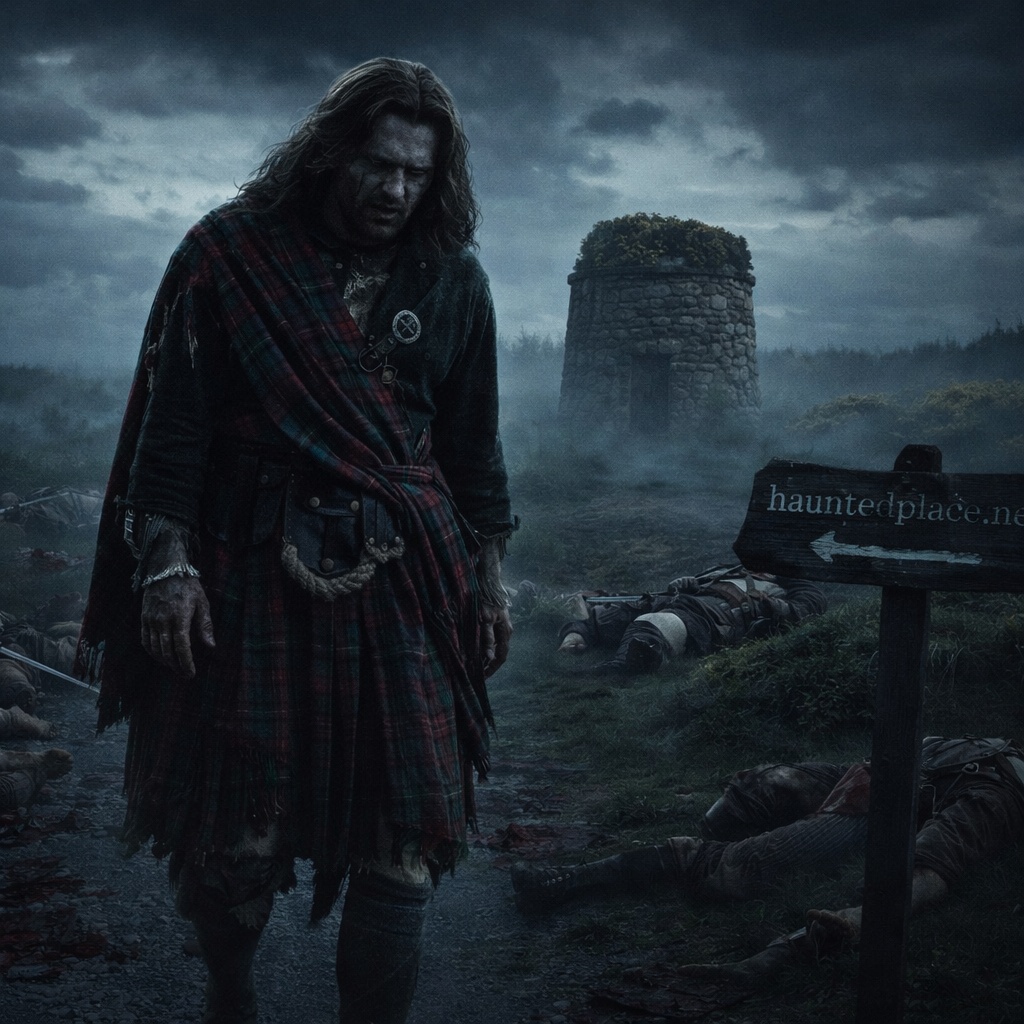
Anyone wandering through the mist-shrouded moors near Inverness in Scotland will find it hard to escape the oppressive atmosphere. The chilly wind seems to whisper centuries-old tales, and the landscape itself appears to bear the scars of a cruel past. The battlefield of Culloden, the scene of a bloody chapter in Scottish history, is regarded not only as a historic turning point but also as one of the country’s most haunted places – a place where the cries of the fallen are said to still echo through the night.
A Look Back: The Battle of Culloden – On 16 April 1746, one of the most tragic and decisive battles in British history took place here. The Jacobites, led by Prince Charles Edward Stuart – often affectionately known as ‘Bonnie Prince Charlie’ – faced the superior forces of the British government troops, commanded by William Augustus, Duke of Cumberland. In less than an hour, around 1,600 Jacobites were slaughtered, whilst British losses were comparatively low at just under 300 soldiers. The battle marked the definitive end of the Jacobite movement and cemented the British Crown’s dominance over Scotland. Yet it was not only the loss of life that made Culloden so notorious, but also the brutal actions of the government forces after the battle. Wounded Jacobites were executed right on the battlefield, and the survivors and their supporters were mercilessly persecuted. The culture of the Highlands, which was closely linked to the Jacobites, was systematically suppressed – a cultural genocide that has left scars on Scottish identity to this day.
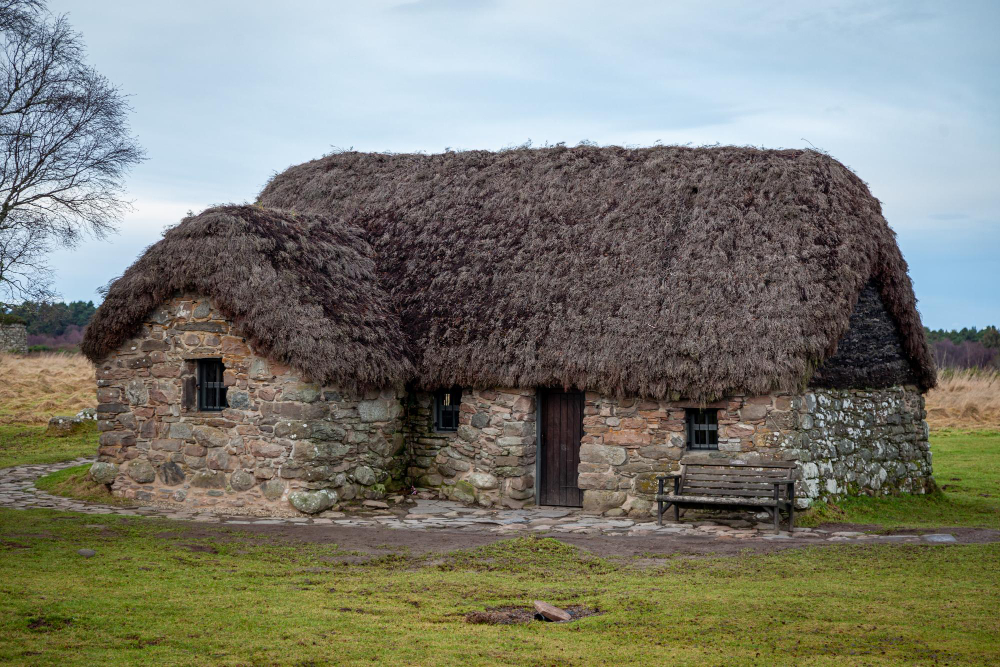
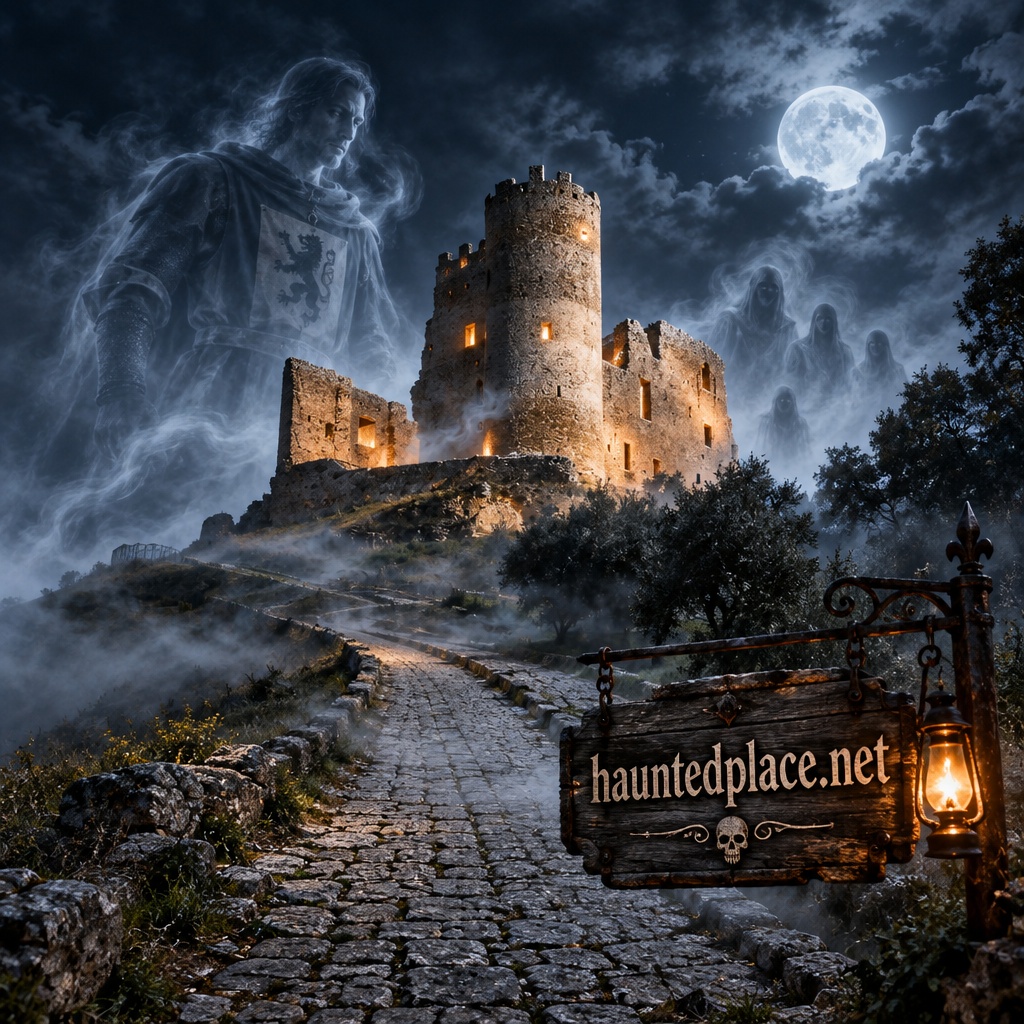
The sombre atmosphere of the battlefield – The battlefield of Culloden is now a protected monument, yet its sombre history seems to have remained alive. Many visitors feel a cold shiver run down their spine as they wander across the moor. The silence that reigns here is heavy and oppressive. It is as though the earth itself is mourning the victims of the bloodbath. Reports of paranormal phenomena are numerous. One of the most famous ghosts said to haunt this place is the so-called ‘Lonely Highlander’. This tall man, dressed in traditional clan tartan, has been sighted by many eyewitnesses wandering aimlessly across the battlefield. His expression is said to be tormented, and the word ‘defeated’ seems to escape his lips when spoken to. Another legend has it that, in the darkness, the screams of the dying Jacobites can sometimes be heard. These are said to be particularly loud on the anniversary of the battle. Some claim to hear voices in the wind that seem to whisper desperate commands or prayers. A few visitors even report an inexplicable feeling of physical weakness or shortness of breath as soon as they set foot on the battlefield – as if the traumatic energy of the place were draining their strength.
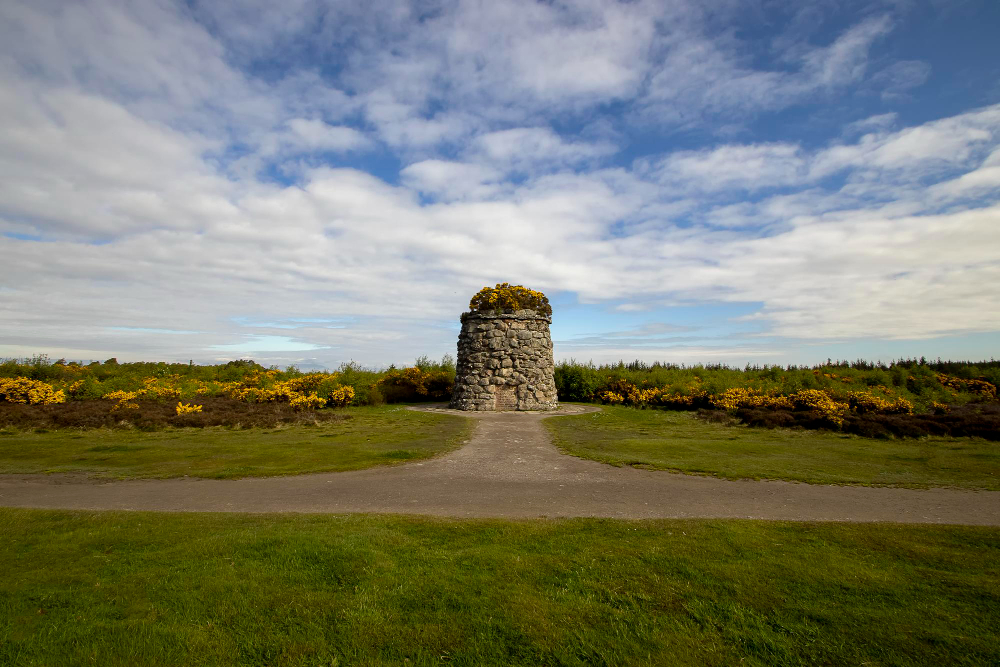
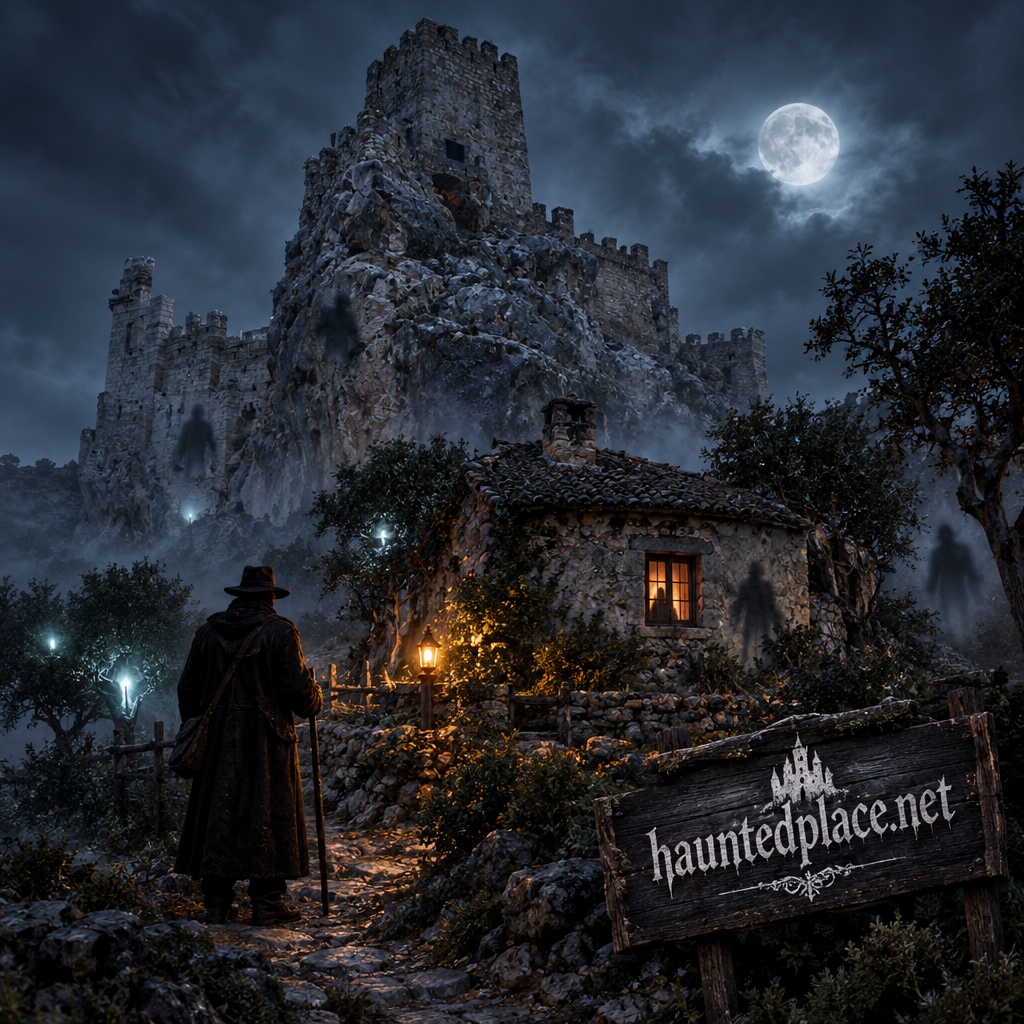
The Curse of the Burial Mounds – Another eerie aspect of the site is the burial mounds scattered across the area, marking the fallen of the various clans. These stone-covered mounds were erected to provide the dead with a dignified resting place. Yet many locals and historians agree: there is no peace for these souls. Particular caution is advised – anyone who treats one of the burial mounds with disrespect is said to be struck by misfortune. It is said that several people who have ignored the warnings have suffered strange accidents or illnesses. Eerie lights are frequently sighted near the graves. Some interpret them as ‘will-o’-the-wisps’, symbolising the lost souls of the Jacobites. Others see them as manifestations of supernatural grief. Locals occasionally report seeing shadows darting across the burial mounds in thick fog – too fast to be human, yet too distinct to be ignored.
Modern technology meets ancient tales – The grim tales surrounding Culloden have also piqued the interest of ghost hunters and paranormal investigators. Using modern equipment such as thermal imaging cameras and EMF detectors, they attempt to gather evidence of the alleged activity. Although many investigations have so far yielded no concrete results, there are some reports of sudden fluctuations in the magnetic field or unexplained images captured by cameras. One team of researchers even claimed to have heard voices on audio recordings calling out the name ‘Charlie’ – a possible reference to Prince Charles Edward Stuart. Historians, too, view the reports of paranormal phenomena with interest. Some see them less as supernatural events and more as a collective memory deeply rooted in the local area. They argue that the emotional intensity of the battle – coupled with the cultural traumas that followed – may have transformed this region into a ‘psychological echo’ that can still be felt today.
A monument and a place of remembrance – Despite (or perhaps precisely because of) its grim reputation, the battlefield attracts numerous visitors from all over the world every year. The modern visitor centre provides detailed information about the battle and its significance. Interactive exhibitions and a 360-degree film allow everyone to experience the horrors of the conflict first-hand. Yet it is not only the historical facts that draw people here – many also come to sense the ghosts of the past. A peace memorial has been erected in honour of the battle’s victims, intended to remind visitors that violence and hatred produce no true victors. Yet even this symbol of hope cannot entirely dispel the melancholic and eerie atmosphere of the place.
Culloden: A place that both intimidates and fascinates – The battlefield of Culloden remains a place where history and eeriness blend in an incomparable way. The tragedy of the Jacobites and the brutal aftermath of the battle have left indelible marks on the Scottish landscape and psyche. Whether or not one believes the accounts of paranormal phenomena, one thing is certain: Culloden is no ordinary battlefield. It is a place where time seems to stand still and the past lives on in the shadows of the moor. For those willing to face its grim history and eerie atmosphere, Culloden offers a unique experience – an encounter with the horrors of the past and, perhaps, with the ghosts who, even after centuries, still cannot find peace.