 Isabella Mueller Baroness of Stainton le Vale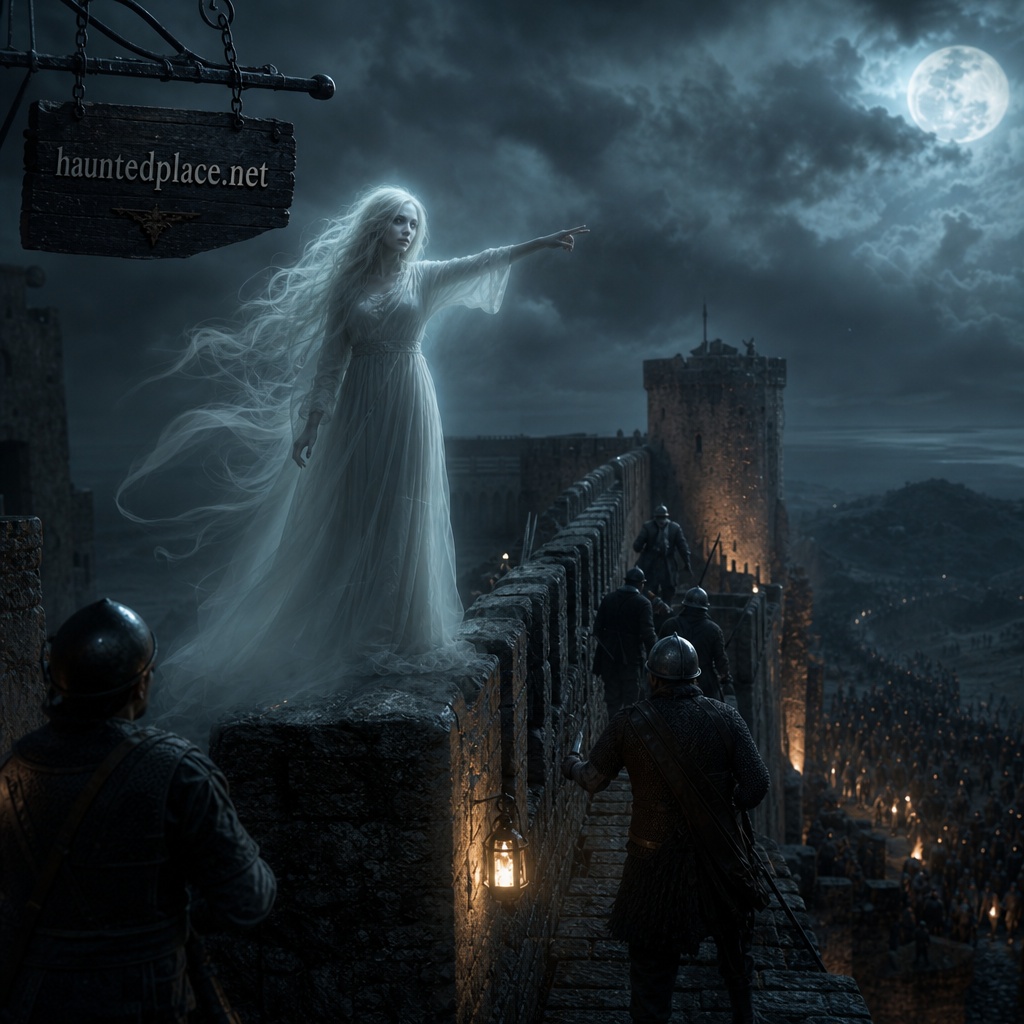
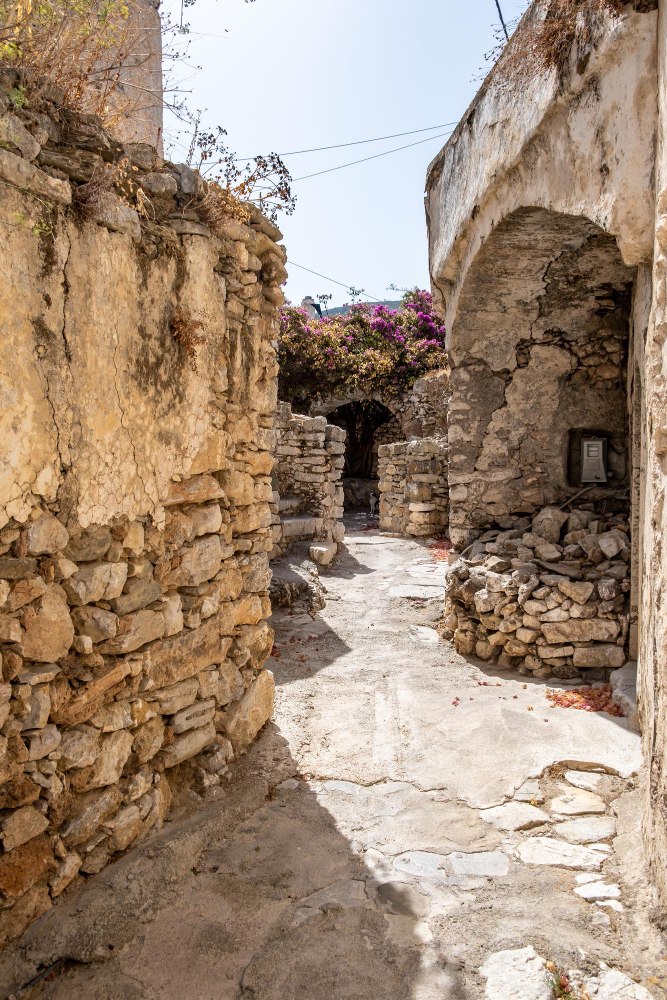
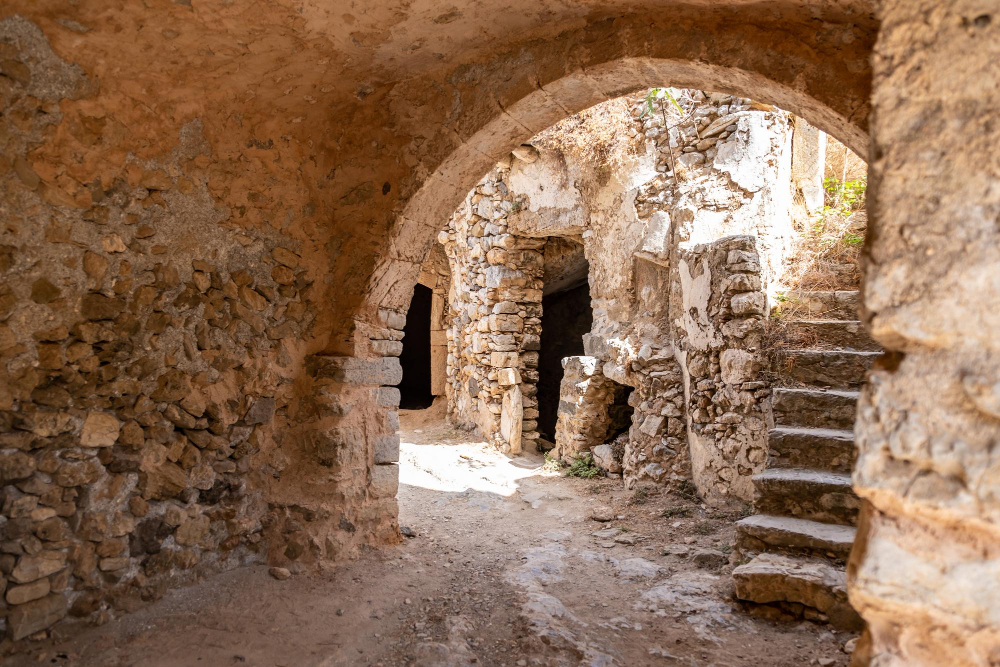
The legendary castle of Chora on the Greek island of Kithira is shrouded in numerous legends and tales deeply rooted in local folklore. Among all these tales, the legend of the mysterious maiden stands out in particular; she is said to have saved the castle – and with it the entire island – from a grim fate. This mysterious apparition, at once eerie and fascinating, is still revered today as a protective spirit and sends shivers down the spines of locals and visitors alike. In this article, we shed light on the background to this striking legend, its origins, cultural significance and the historical facts surrounding Chora Castle, which provides the setting for it.
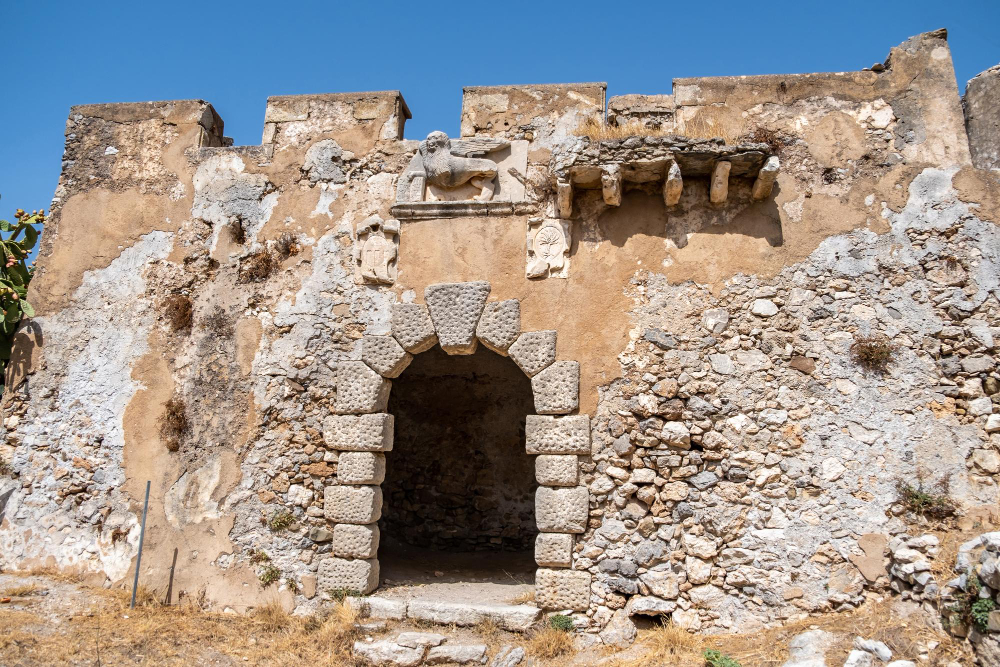
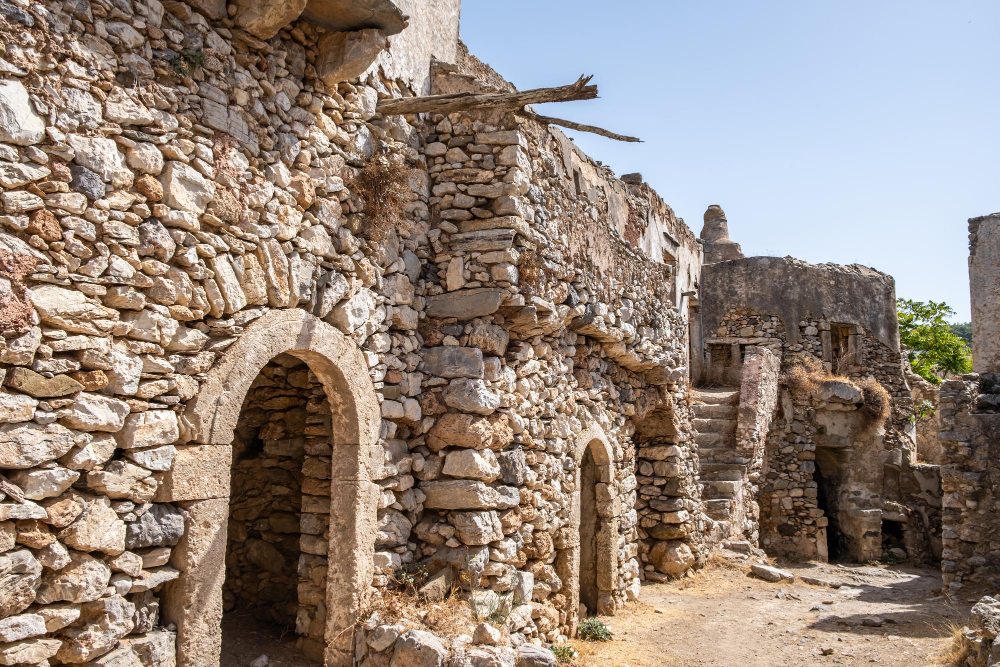
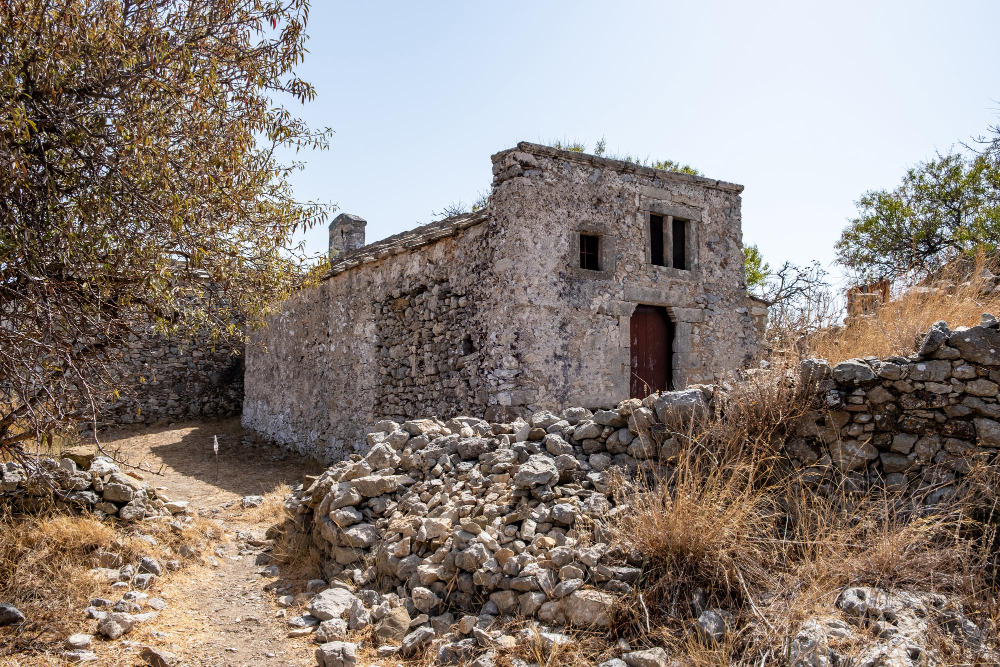
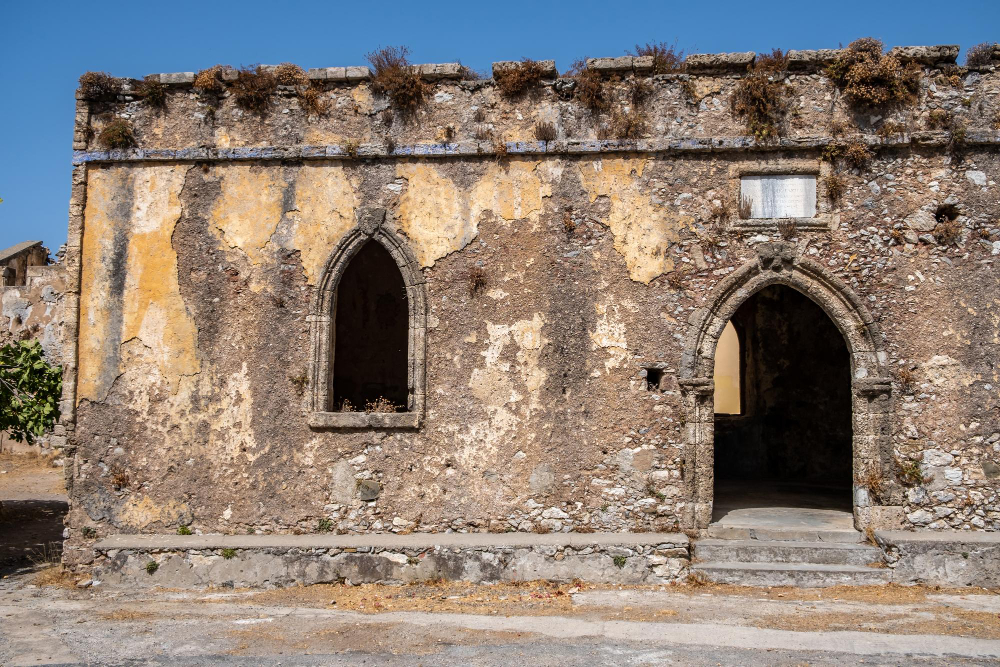
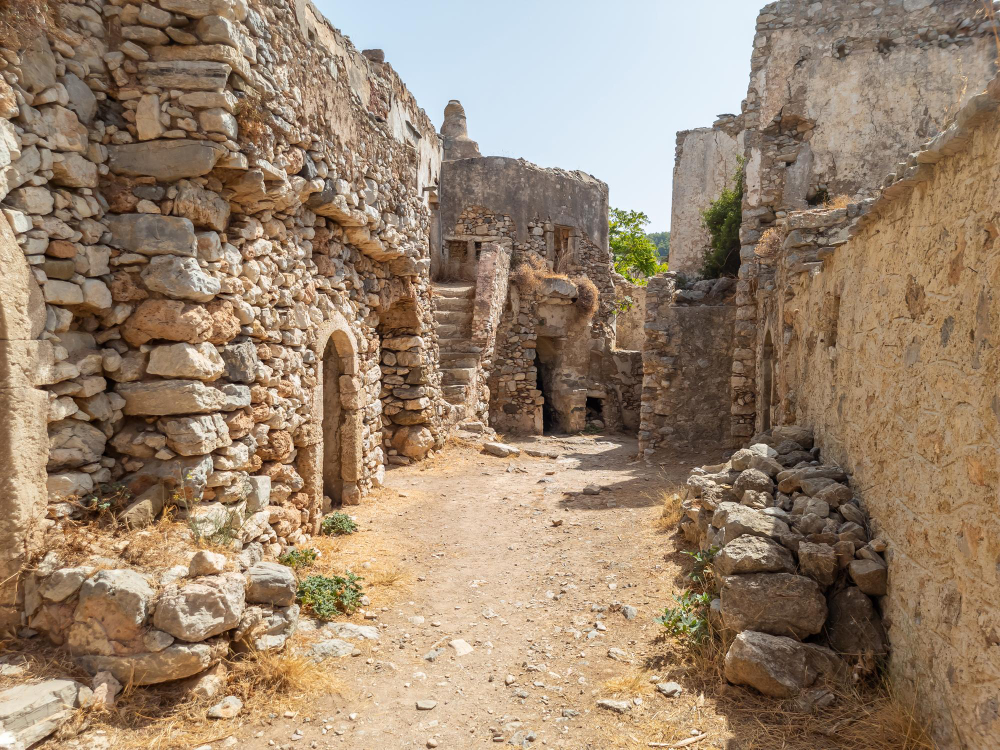
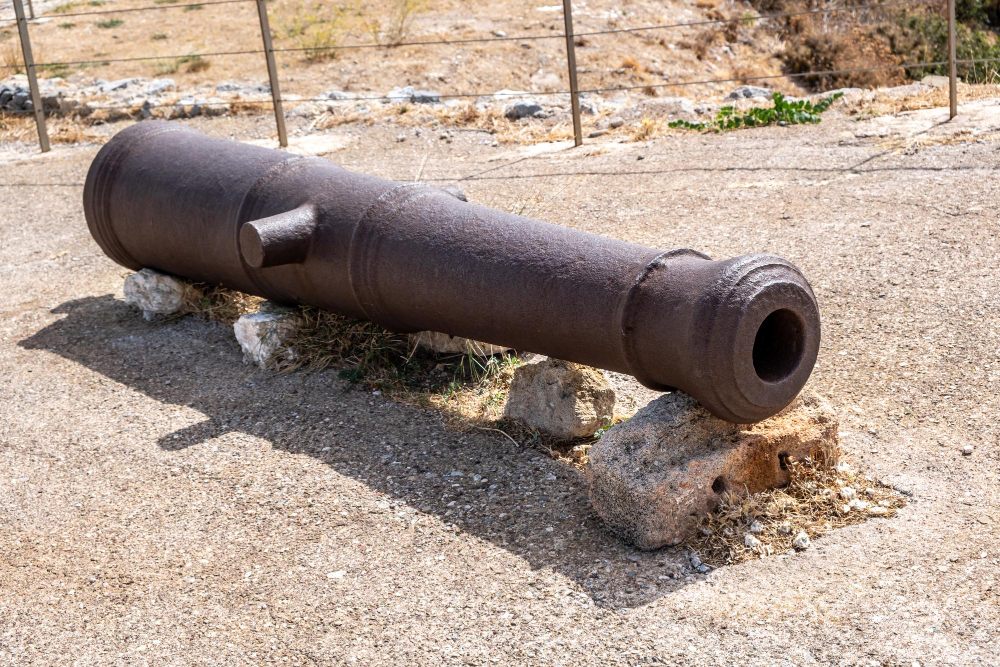
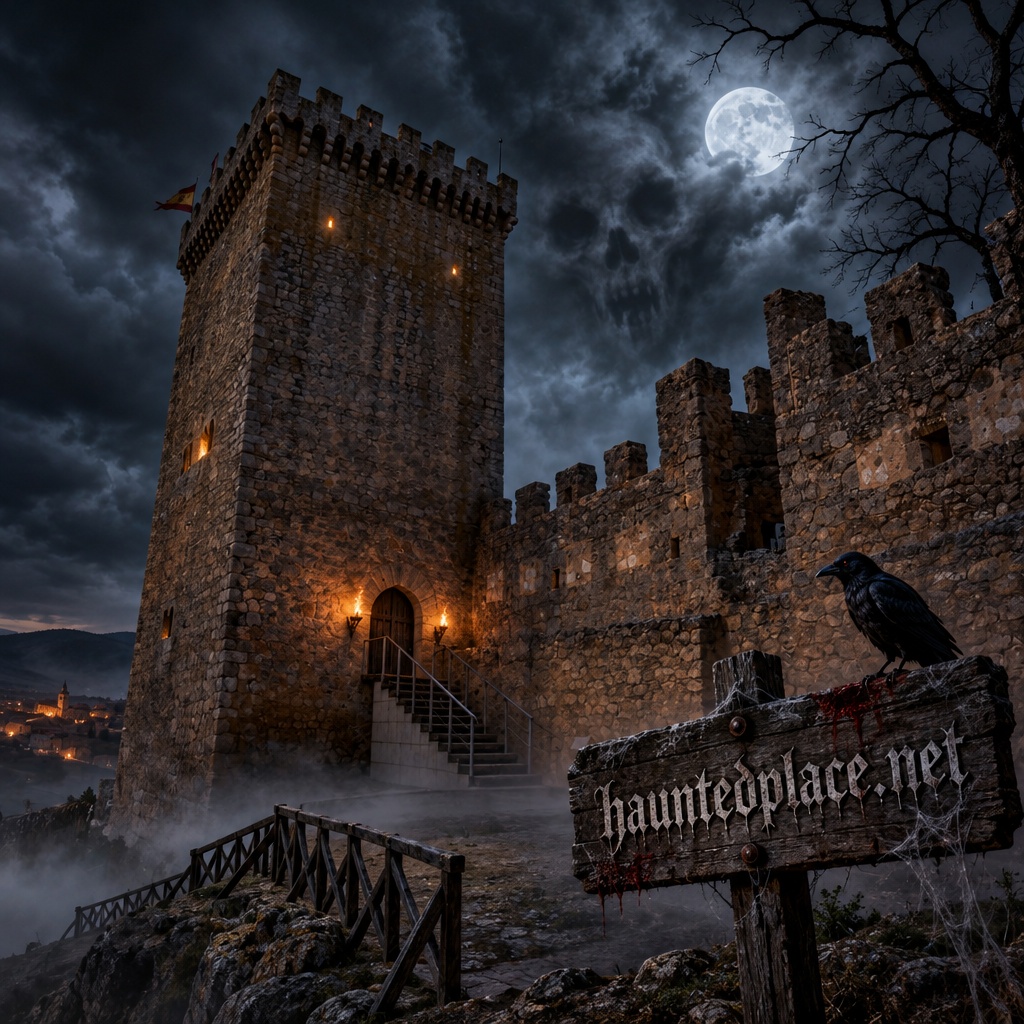
Chora Castle: A Historical Overview – Before we delve into the sombre legend, it is helpful to understand the historical context of the castle. Chora Castle, whose origins date back to the Middle Ages, stands majestically on a hill overlooking the town of the same name on Kithira. Its strategic location once served to protect against pirate raids and foreign invasions – a bulwark of security in a region that has been fiercely contested time and again over the centuries. Archaeological investigations show that the castle was built on older foundations and had to be extended and reinforced on several occasions to withstand attacks. Yet, despite these fortifications, the castle was never completely immune to sieges and threats. This is precisely where the legend of the mysterious maiden comes in, who is said to appear as a kind of supernatural guardian in times of extreme danger.
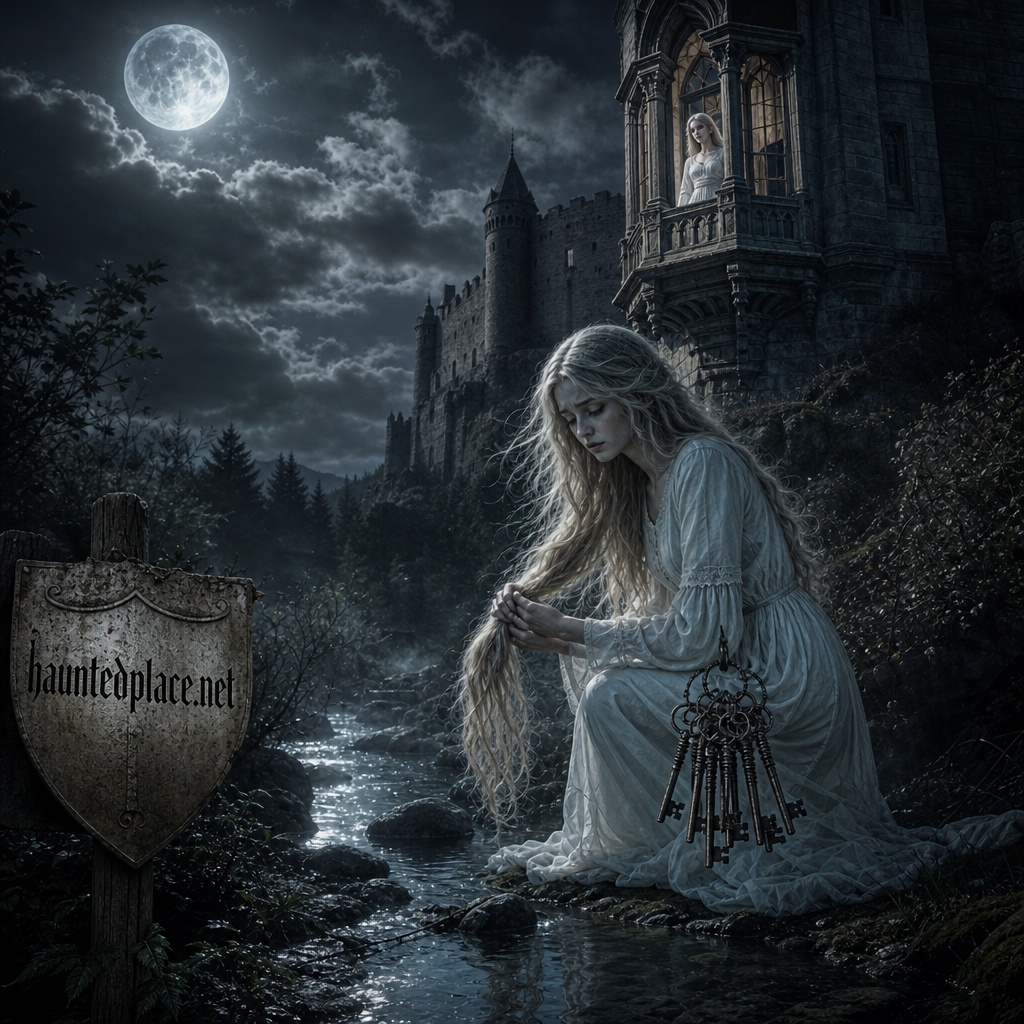
The Legend of the Mysterious Maiden: Content and Symbolism – The central narrative of this legend tells of a dark night when the inhabitants and defenders of Chora Castle sensed mysterious omens and a sense of unease. Just as the dark shadows of the enemies crept over the walls, a young woman in a white robe appeared on the castle’s battlements – radiant yet ghostly. She warned the defenders in time of the impending attack, enabling them to prepare themselves, and the castle was ultimately spared. The identity of this mysterious maiden remains unknown. Some accounts speak of a saint, others of a guardian spirit or even a cursed being linked to the castle. Her white garments symbolise purity and innocence, whilst her sudden appearance amidst the shadows and darkness blurs the boundary between this world and the next. This figure is not only regarded as a guardian, but also represents hope, resilience and the islanders’ will to survive. She thus embodies the idea that invisible forces can sometimes determine the fate of people and places.
Historical and cultural context – Legends such as that of the mysterious Virgin of Chora often fulfil several functions within a community. On the one hand, they serve to explain inexplicable events; on the other, they strengthen a sense of community and identification with a place. Particularly in regions such as Kithira, whose history is marked by numerous conflicts and changing rulers, such narratives take particularly deep root. Historical sources confirm that the island was repeatedly the target of pirate raids and foreign invasions, particularly during the Venetian and Ottoman periods. The protection of the castle was therefore of fundamental importance to the local population. In the face of these real threats, a desire arose for supernatural protective figures to act as symbolic counterforces – and this is how the mysterious Virgin may have emerged as a personified protective force. Ethnological studies of Greek folklore show that female spirit beings, known as ‘nymphs’ or ‘Moirai’, often appear as guardians of places and treasure chambers. The Virgin of Chora thus forms part of a long tradition of mystical female protectors, who are frequently described as figures who warn or bring healing.
Detailed description of the apparition – Reports from various sources paint an eerie picture of the Virgin. Eyewitnesses, whose stories have been passed down through the generations, describe her as a tall woman with translucent skin, whose hair seemed to float in the wind even though there was no breeze. Her dress radiated a cold, ghostly light that pierced the darkness of the night. Her eyes are said to have glowed a deep blue – almost hypnotically – whilst at the same time reflecting a profound melancholy, as if she were bearing the suffering caused by the dangers to which the castle was exposed. The maiden’s presence suddenly made the air grow still, and a chill seized everyone in her vicinity. Yet despite the fear, her presence filled people with an inexplicable sense of security. This vivid visual and emotional description plays a key role in ensuring that the legend continues to have a powerful impact to this day and remains alive in people’s memories.
Comparable legends and sources – To better understand the scope and significance of such stories, it is worth looking at comparable legends in the Aegean and beyond. For instance, in many ancient castles in Greece and the Balkan region, there are accounts of ‘white women’ who appear as harbingers of protection or doom. Research shows that these apparitions are often closely linked to local myths, religious beliefs and psychological interpretations of fear and hope. In the book Ghosts and Legends of the Aegean by folklore expert Nikos Karavas, the function of such female spirits is described as ‘mistresses of the thresholds’ – beings who mediate between life and death, protection and danger. This interpretation fits well with the role of the mysterious Virgin of Chora, who appears as a harbinger of impending doom. Furthermore, the island of Kythira itself has a turbulent history as a crossroads between East and West, Christianity and ancient forms of belief. The interplay of diverse cultural influences makes the legend appear as a syncretism of various religious and magical belief systems – ranging from Christian angels to ancient guardian spirits.
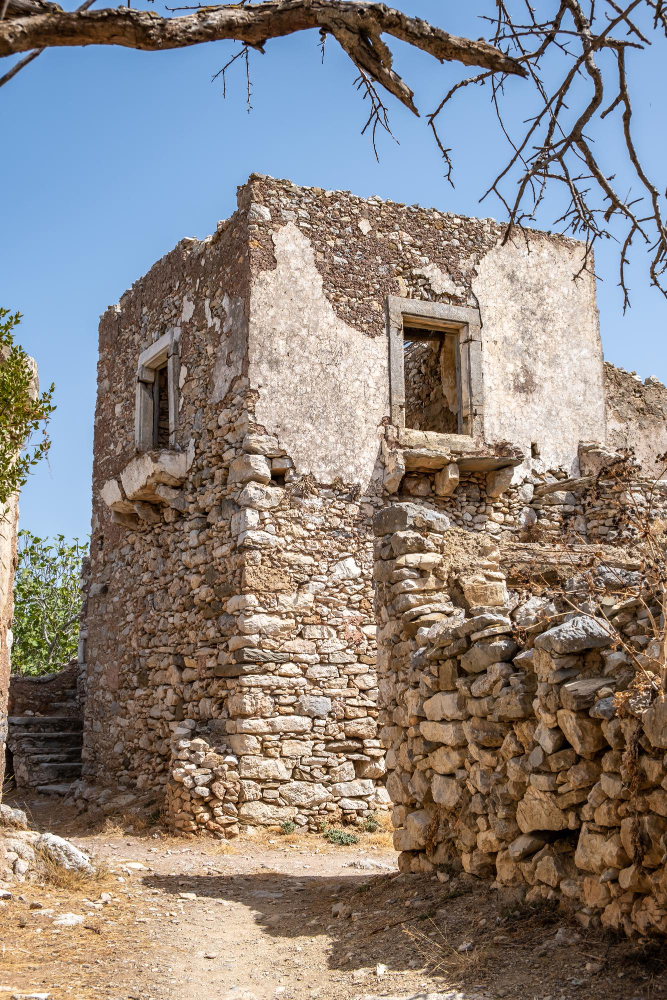
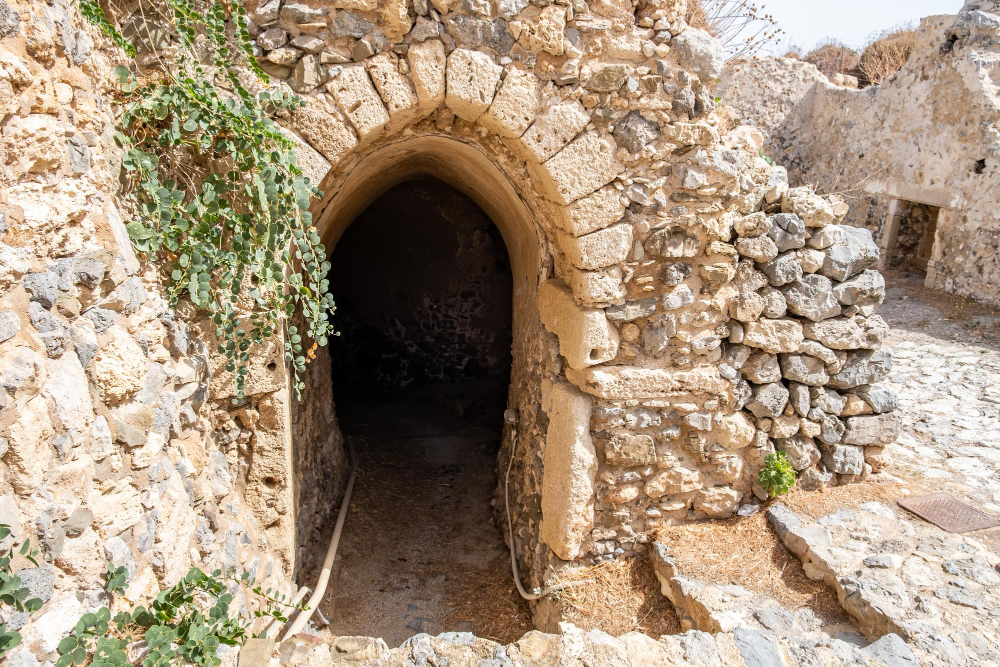
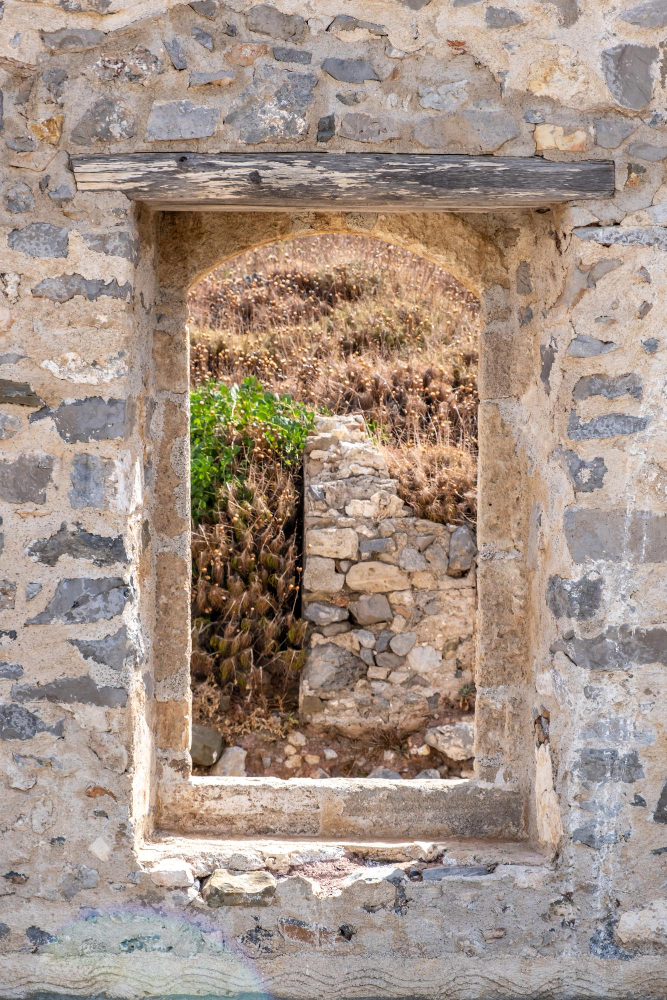
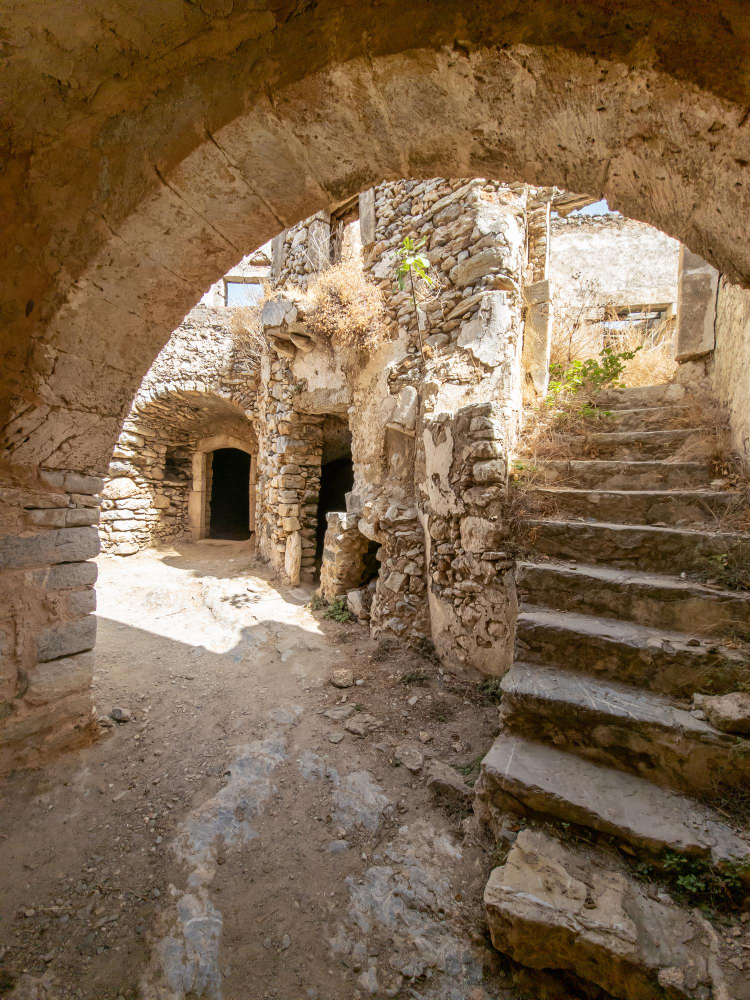
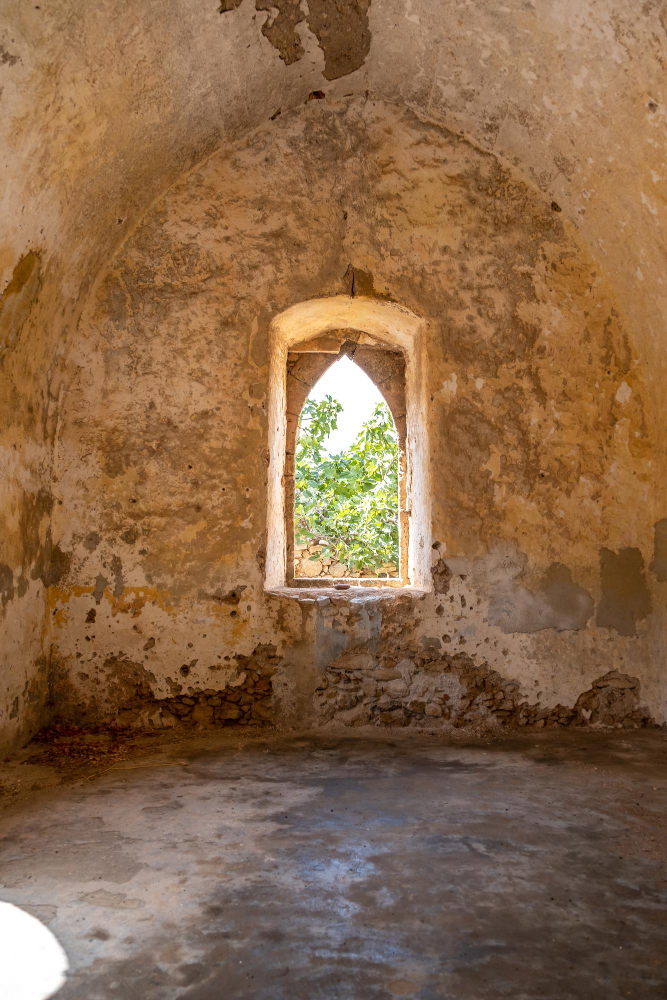
The Virgin today: from myth to tourist attraction – Today, although Chora Castle is an impressive ruin, the myth of the mysterious Virgin continues to attract the curious. Guided tours and local events draw on the story to convey the island’s magic and mystery to visitors. Night owls and thrill-seekers report hearing inexplicable noises and seeing shadows flitting through the ancient walls. Some locals even report personal encounters with the apparition – whether as a warning or a source of comfort remains unclear. This living tradition makes the legend not just a piece of folklore, but an active part of Kithira’s cultural identity.
A legend that bridges darkness and light – The mysterious Virgin of Chora is more than just a ghost from times gone by. She embodies the fear of being forgotten, the longing for protection, and the magic that arises when history and myth collide. Her apparition is a mysterious symbol that captures the resilience and the bond between the people and their homeland. This legend shows just how closely dark tales and hope can be intertwined – and why ancient castles such as that of Chora are not merely stones, but living witnesses to human experiences and fears. Anyone who enters the ruins on a moonless night and listens to the stories may perhaps sense for themselves the presence of this mysterious maiden who watches over the island.