 Isabella Mueller Baroness of Stainton le Vale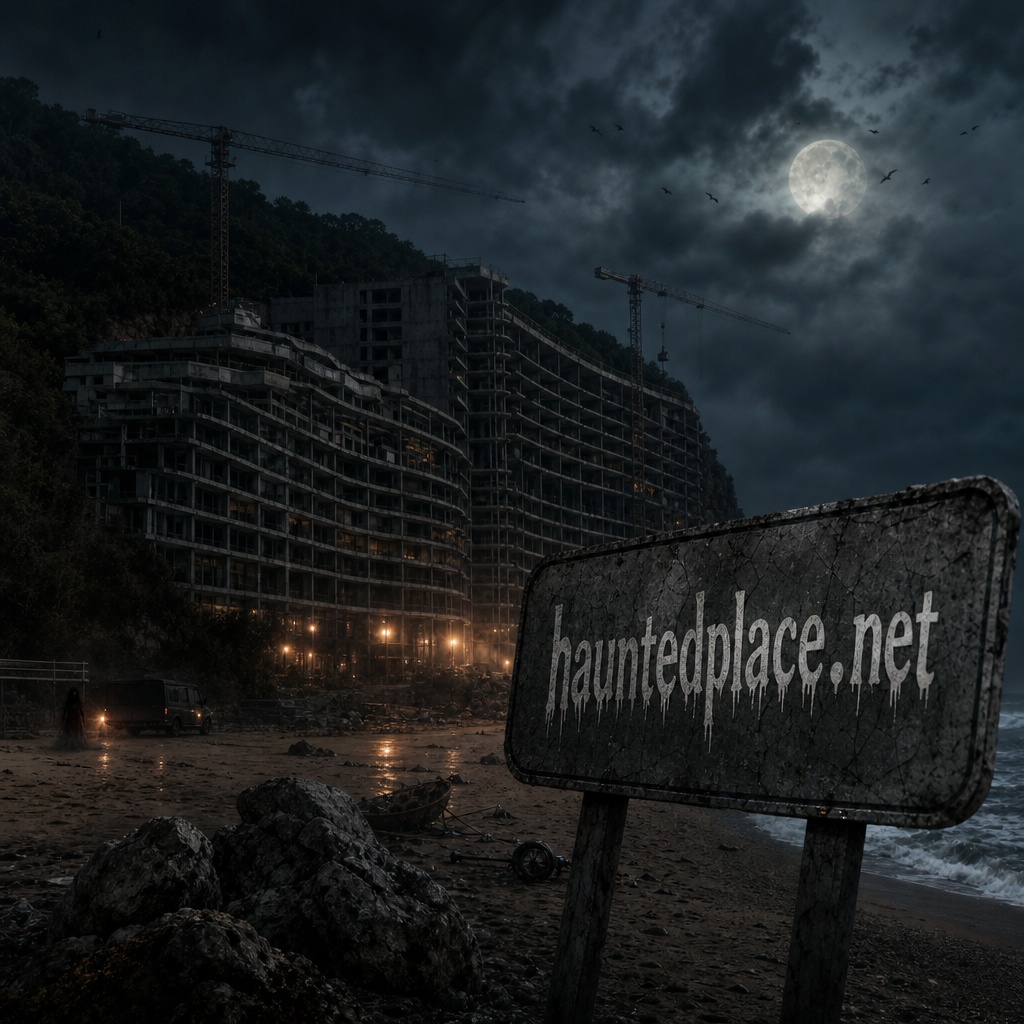
On Montenegro’s sun-drenched Adriatic coast, where the deep-blue sea laps against the steep cliffs and picturesque bays invite you to linger, a sombre monument looms against the sky – the unfinished Hotel AS in the small village of Perazića Do. Also known as the ‘Ghost Hotel’, this derelict building is not only a fascinating lost place, but also a symbol of shattered dreams and dark tales that has become deeply ingrained in the culture and history of the Budva Riviera.
The story behind its creation: From glamour to a ghost town – The roots of the Hotel AS stretch back to the days of the former Yugoslavia, when Montenegro was part of a socialist federation that, despite political constraints, created tourist gems along the Adriatic. Originally planned as an exclusive luxury hotel for the elite, the building was intended to offer travellers from all over the world access to one of the region’s most beautiful stretches of coastline. With its planned capacity and opulent design, the hotel was set to become a showpiece of the hospitality industry of the time. In 2002, following the political upheavals and Montenegro’s independence, the project came under new ownership. They had far grander plans: the vision was to transform the original hotel into a gigantic five-star resort that would set the international standard with state-of-the-art facilities, spacious spa areas and luxurious apartments. The location, directly above the secluded beach of Perazića Do, seemed perfect for this – secluded, with spectacular sea views and surrounded by unspoilt nature.
Financial scandals and legal disputes: the beginning of the end – Yet what began as a major prestige project quickly turned into a nightmare. Several financial scandals rocked the operators, with allegations of mismanagement, corruption and unclear ownership structures coming to light. Various investors sued one another, leading to construction work being abruptly halted. Despite the promising prospects of prosperity and tourism, the project collapsed. Ever since, the Hotel AS has stood as an unfinished skeleton of concrete, steel and glass on a rocky cliff, appearing like a demonic presence that has marred the landscape rather than beautifying it. A total of 18 storeys tower upwards, yet none is inhabited or in use. Incomplete stairwells, exposed steel beams and abandoned machinery are the only remaining evidence of the once-ambitious plan.
The picture today: an abandoned colossus full of secrets – Today, the so-called ‘ghost hotel’ attracts a very particular group of people: adventurous urban explorers, street artists and photographers, as well as those fascinated by the paranormal who have heard the rumours of alleged hauntings. Entry to the site is officially prohibited, yet the allure of the forbidden makes the hotel all the more appealing. The atmosphere here is oppressive and strangely surreal. The wild sound of the wind, whistling undisturbed through empty window openings, mingles with the sound of the sea. The concrete walls, some of them covered in graffiti, tell a story of artistic protest against this monumental building and of lost hopes. Photos of shattered windows, rusty scaffolding and mist-shrouded views convey a post-apocalyptic feeling that leaves a lasting impression on many visitors.
Paranormal legends and urban myths – As is often the case with abandoned buildings of this kind, numerous spooky stories also surround the AS Ghost Hotel. Some visitors report unexplained noises – whispers in the bare corridors, shadows moving silently, and even cold draughts that give you goosebumps in the middle of summer. Local residents tell of accidents during construction, of workers who suddenly vanished, and of a tragic love story said to have met its ill-fated end here. Although there is no official evidence of paranormal activity, such stories reinforce the mystical aura of this place and make it a modern cult icon of horror on the Adriatic coast.
Natural beauty meets architectural failure – The hotel stands amidst the contrasting beauties of Montenegro and its rugged, partly untamed character. Perazića Do itself is a hidden cove with crystal-clear water, a fine pebble beach and green pine forests offering shelter from the Mediterranean sun – a paradise for bathers and nature lovers. However, this idyll is marred by the colossal, unfinished building, which has, on the one hand, become a symbol of human hubris, yet on the other, exudes an unmistakable melancholic charm.
Future prospects: demolition or rescue? – The question of what the future holds for the Hotel AS is a concern not only for the local population, but also for investors and the authorities. Some advocate the complete demolition of the concrete shell to protect nature and restore the landscape. Others argue for the renovation and conversion of the building into a modern hotel, though this is complicated by the enormous costs and the complex ownership structure. Another problem is heritage protection – the hotel has now become part of the region’s cultural heritage in a negative sense and stands as a memorial to Montenegro’s political and economic turmoil. In the meantime, it remains a dangerous site that should officially be avoided.
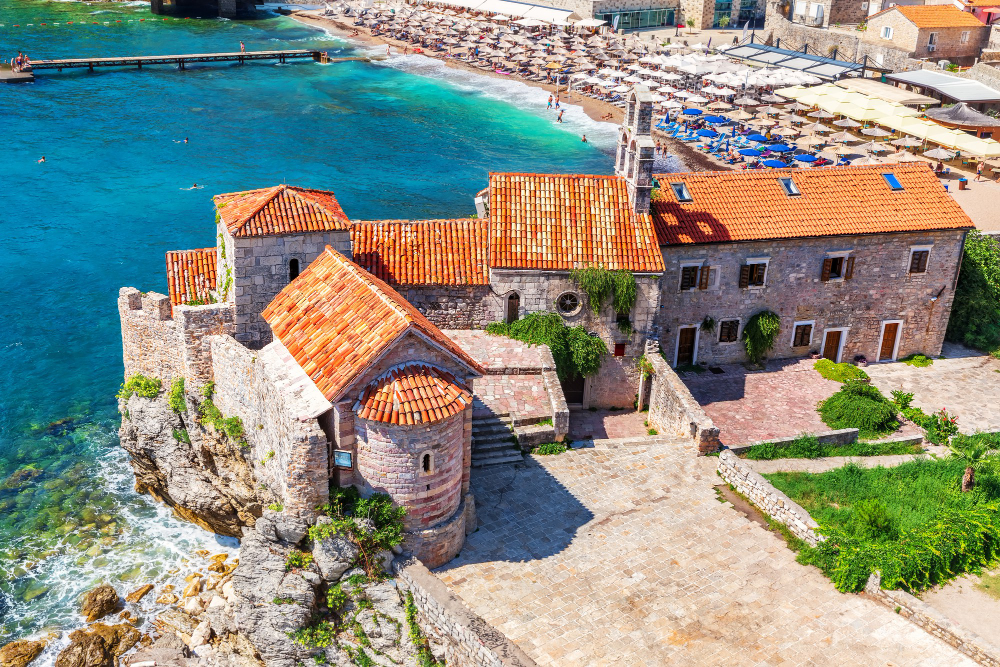
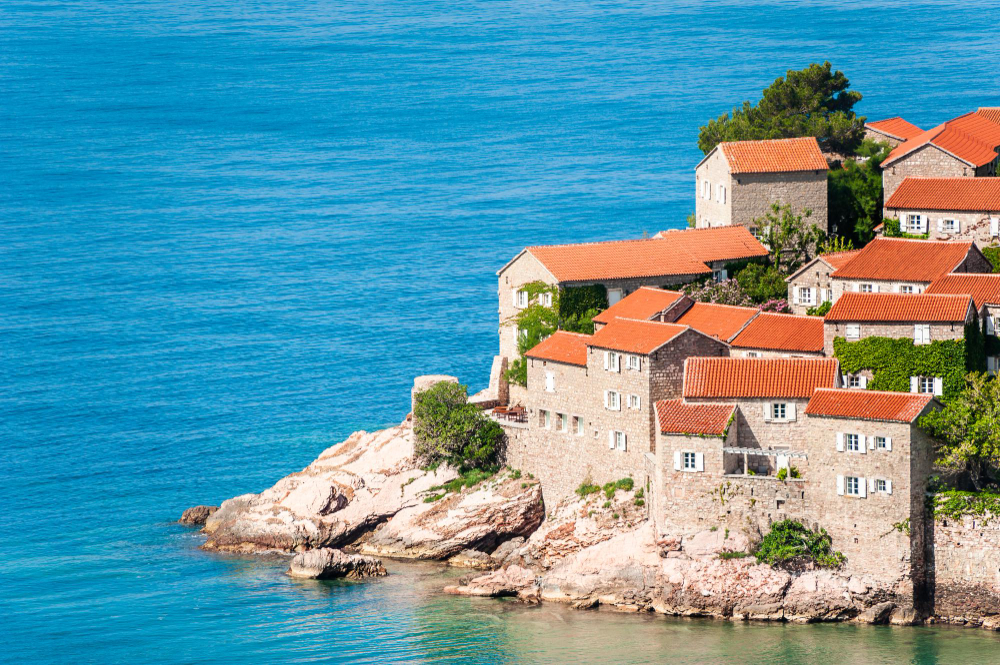
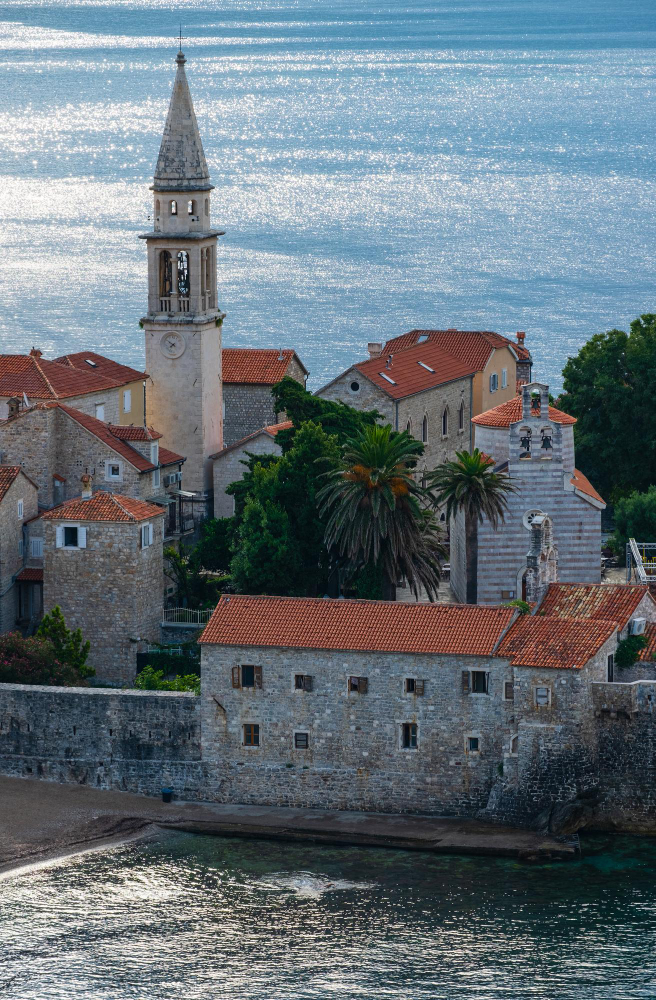
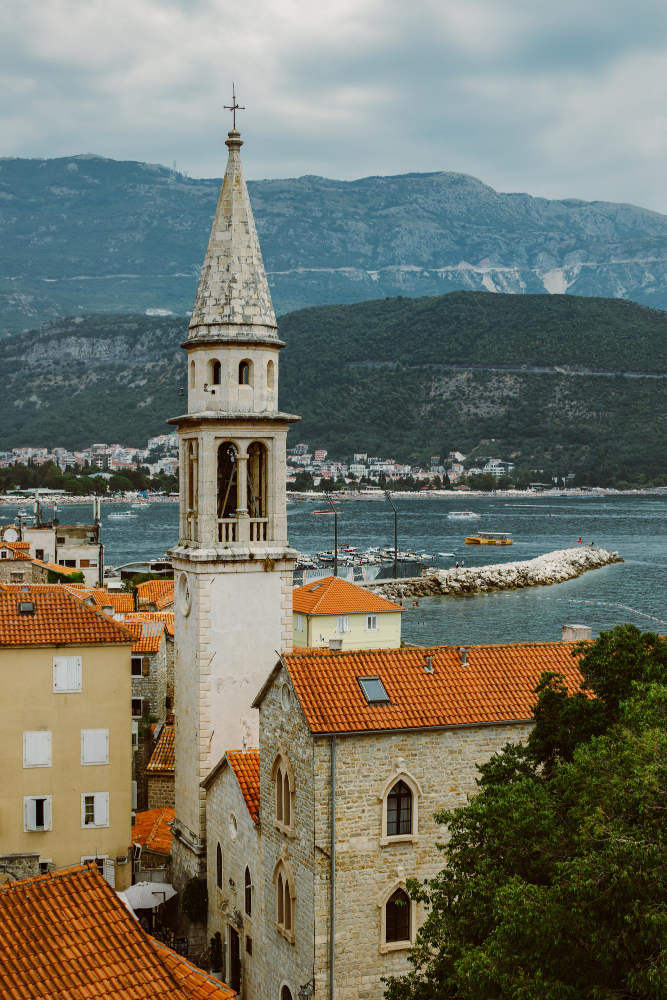
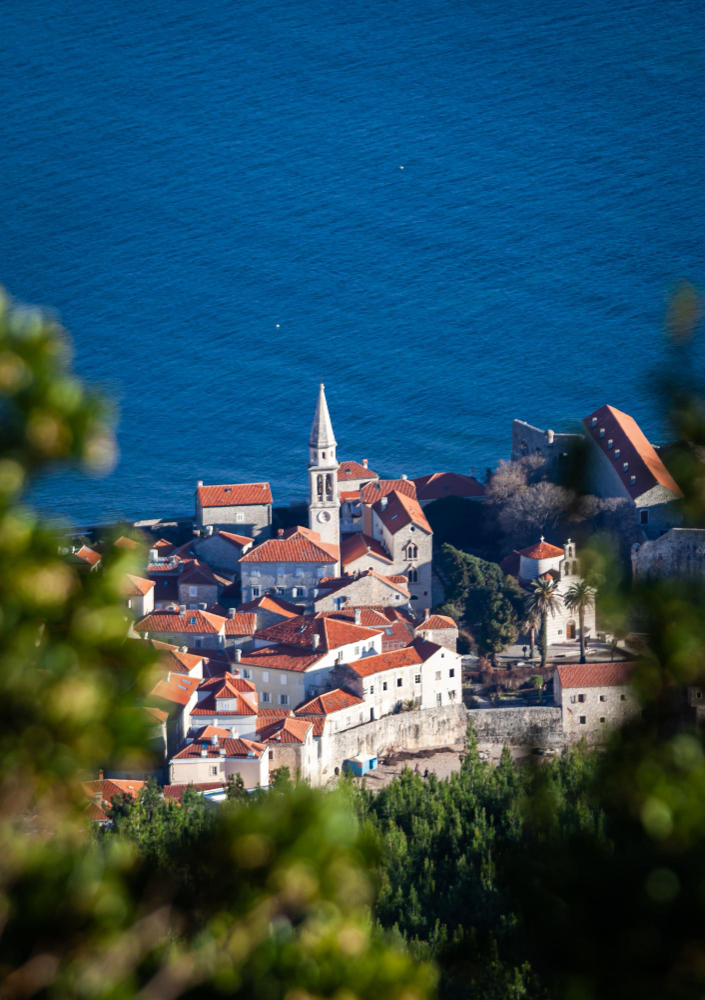
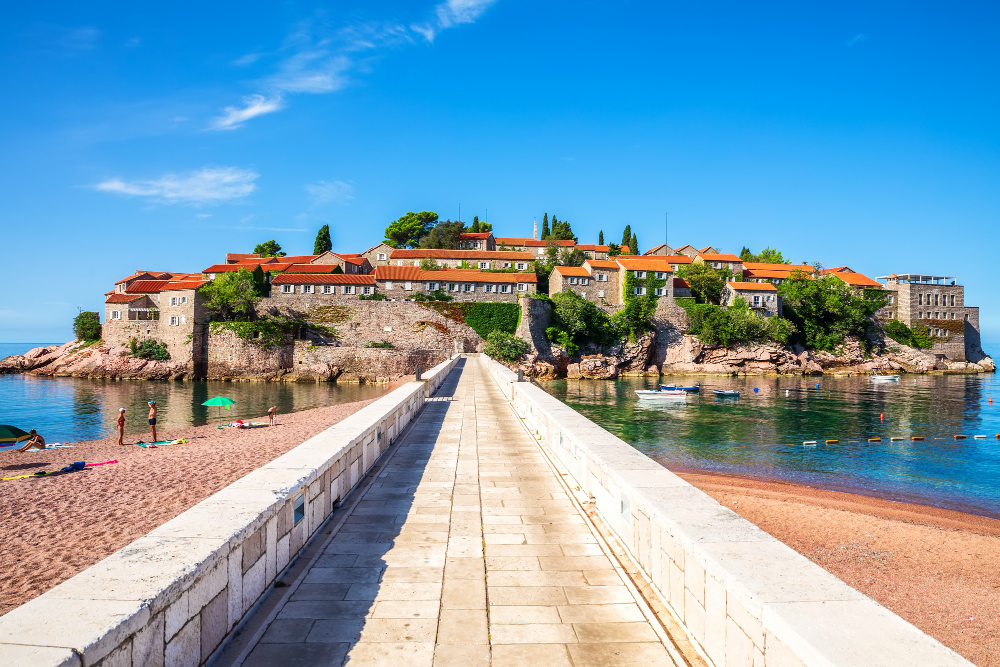
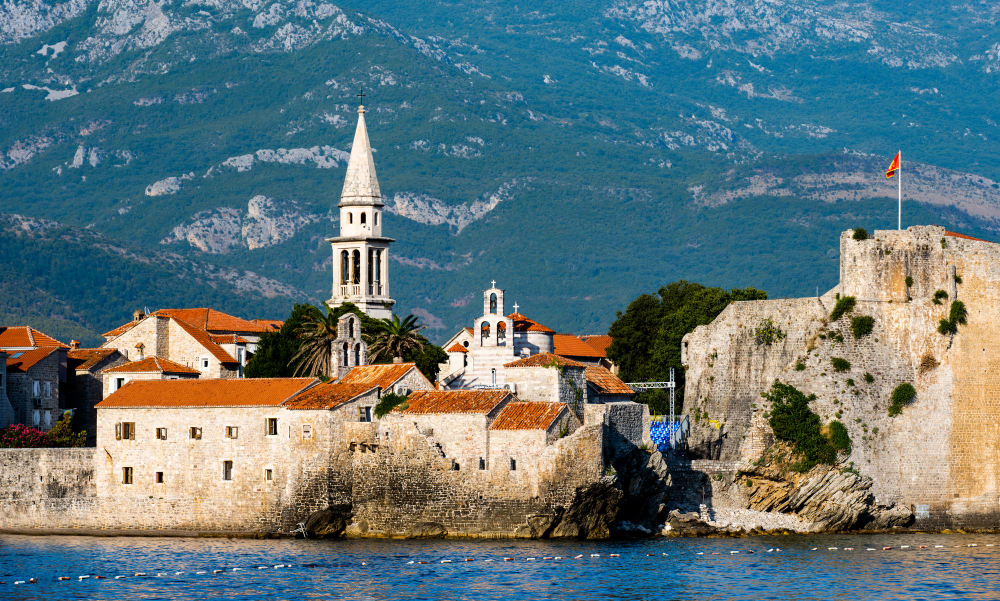
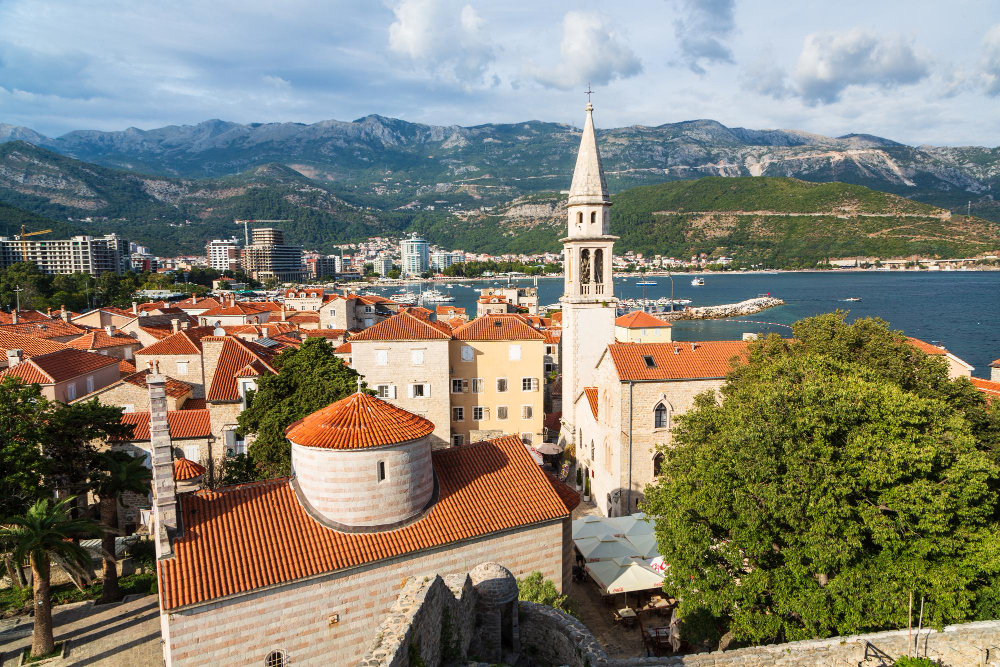
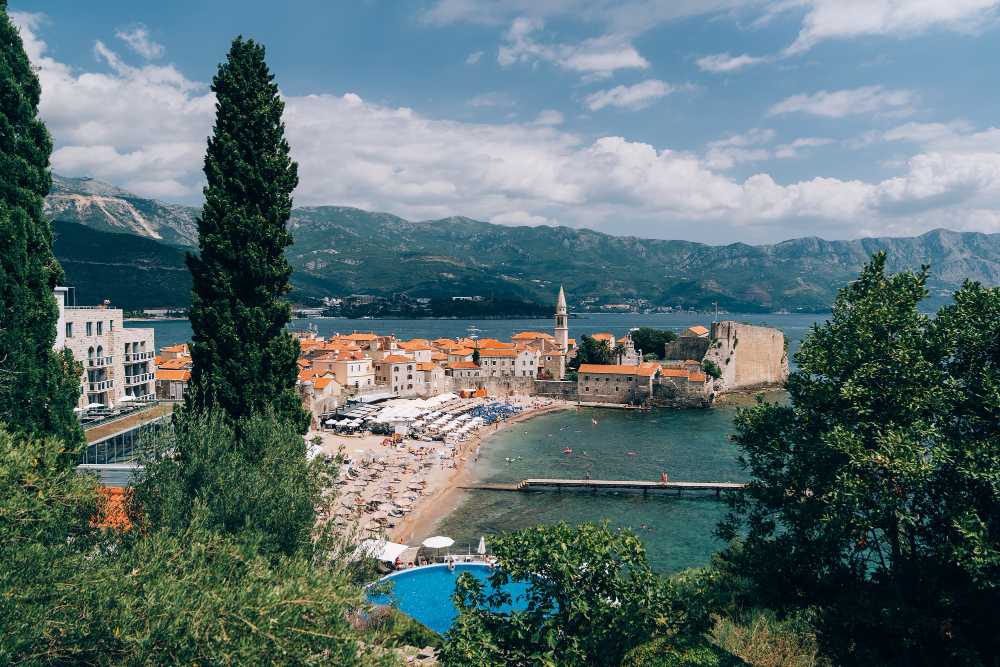
The ‘Ghost Hotel’ in the context of the Budva Riviera – The Budva Riviera is one of Montenegro’s best-known coastal regions and captivates visitors with its well-preserved old town, lively beaches and vibrant nightlife. Alongside modern hotels and villas, one can also find historical relics that illustrate the region’s eventful history. The Hotel AS stands out as a cautionary tale – a project that was never completed and instead serves as a warning against financial missteps and political instability.
A place caught between horror and fascination – The Hotel AS in Perazića Do is no ordinary ‘lost place’ – it is a ghostly monument that embodies history, politics, economic hardship and human tragedy. For visitors, this means a mixture of unease, curiosity and the realisation that they are witnessing a shattered dream. This architectural ruin on the edge of the Budva Riviera is thus more than just an abandoned building – it is a mirror of the past and a cautionary tale of hopes, promises and the ruthless reality. Despite its sombre aura, the ‘ghost hotel’ remains a fascinating part of local history that continues to tell stories – in its own, eerie way.