 Isabella Mueller Baroness of Stainton le Vale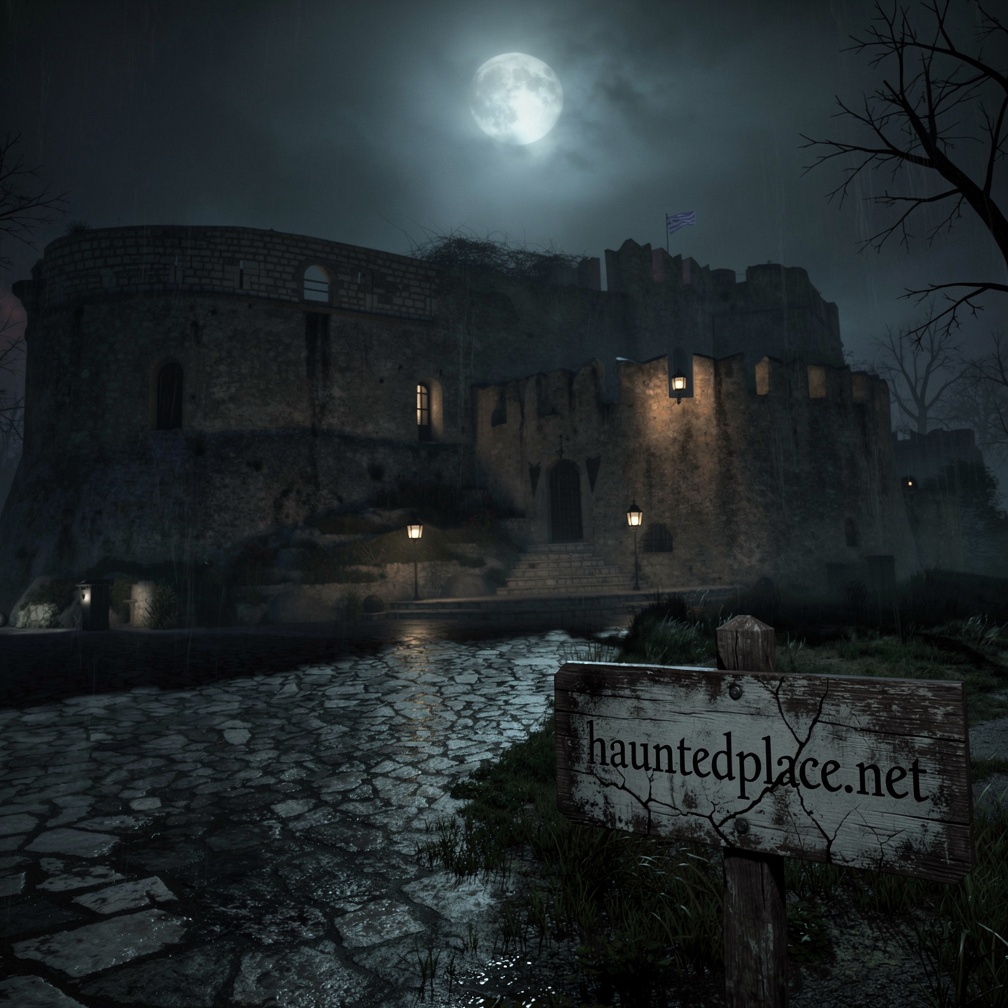
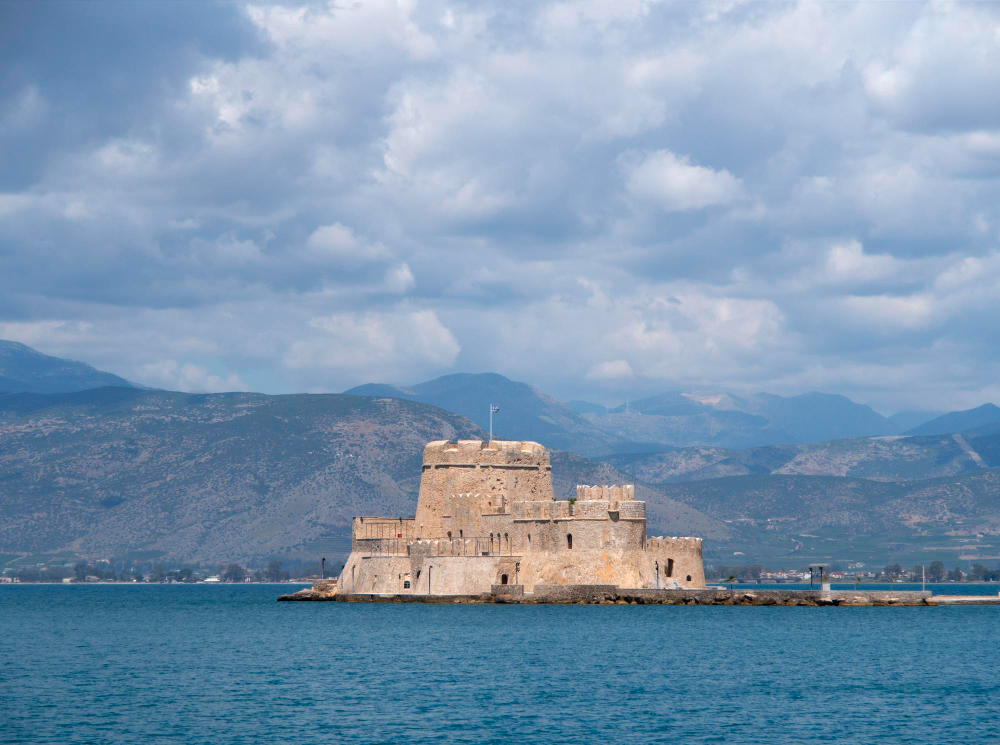
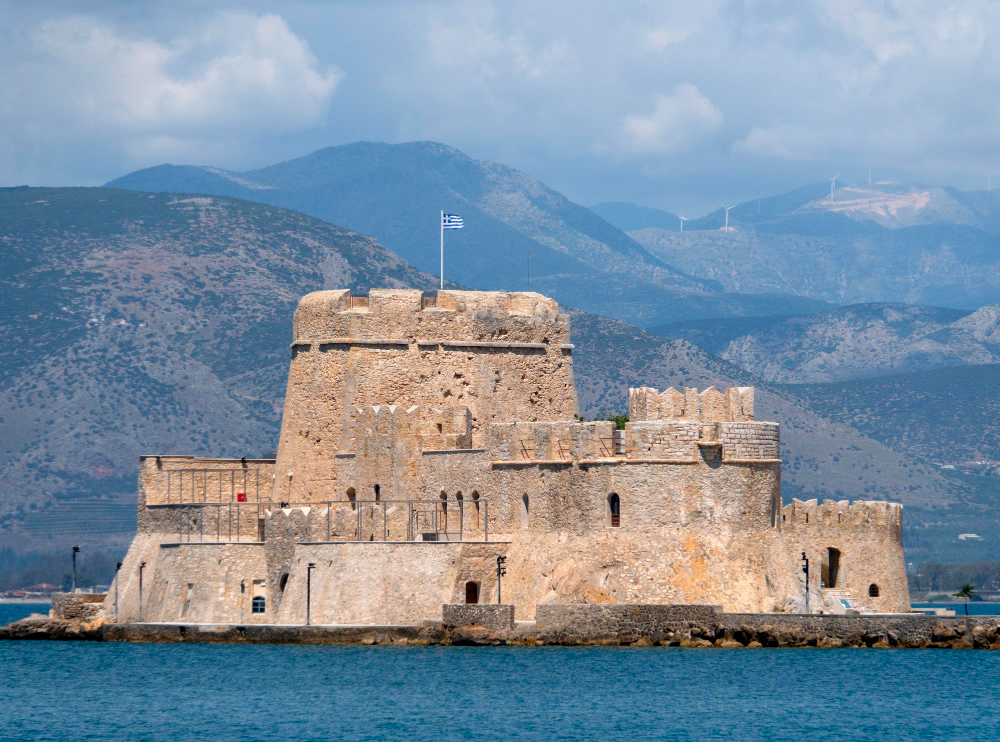
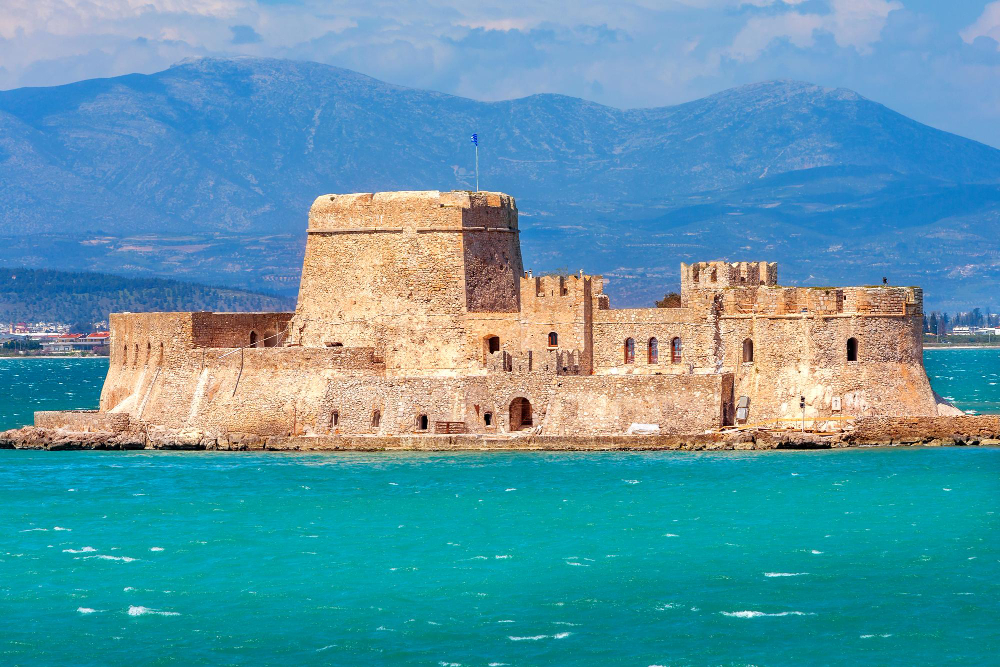
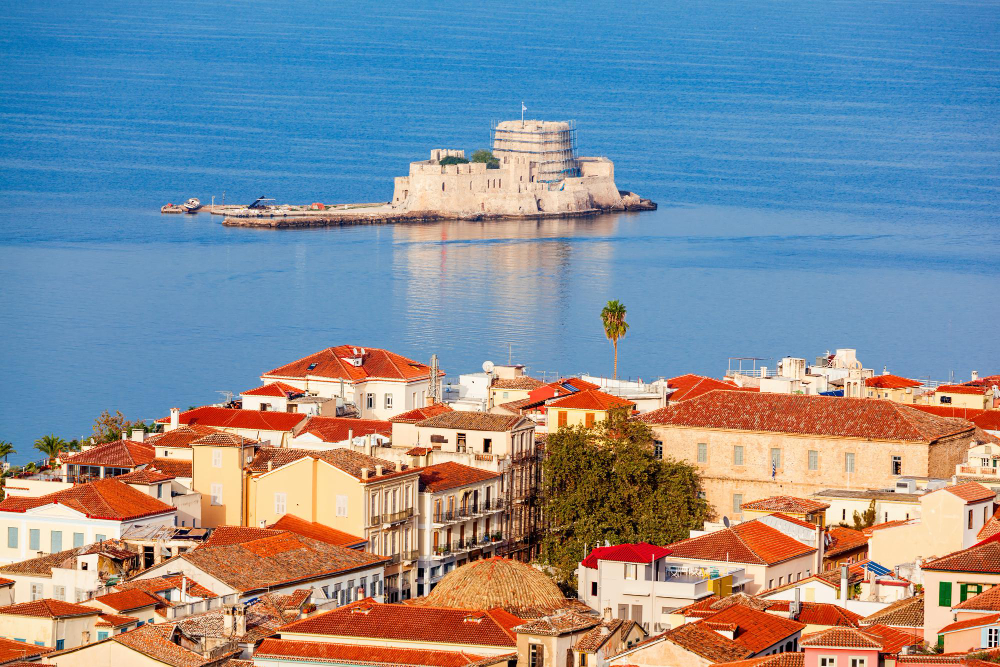
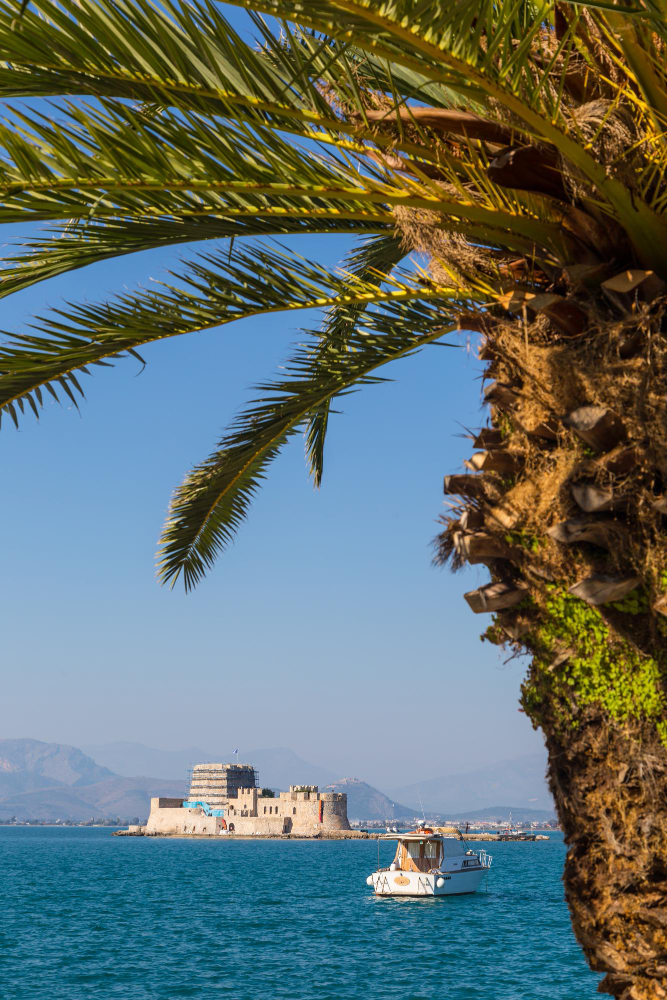
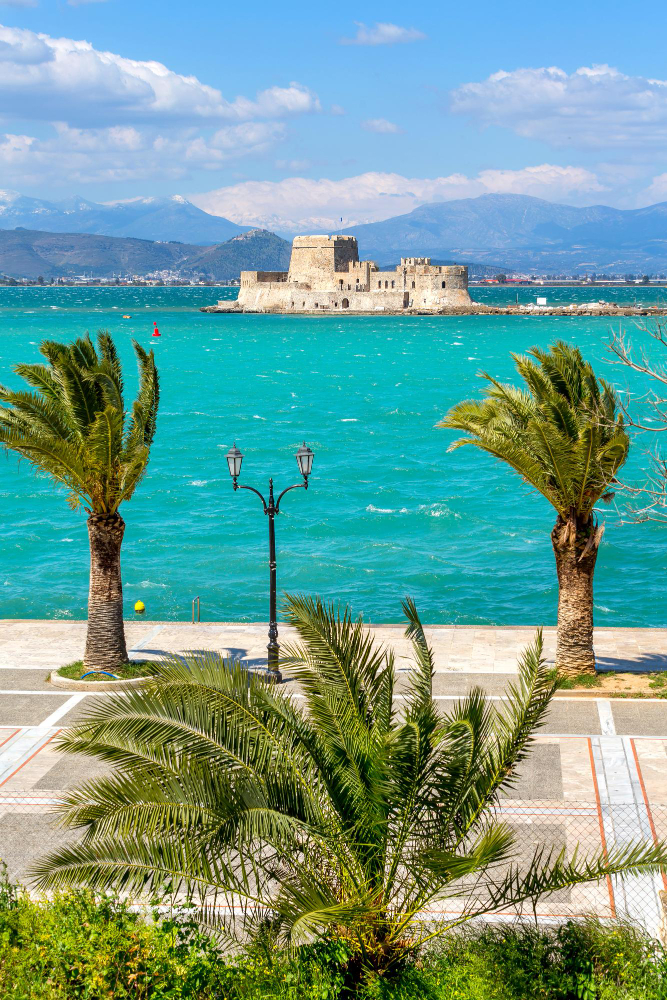
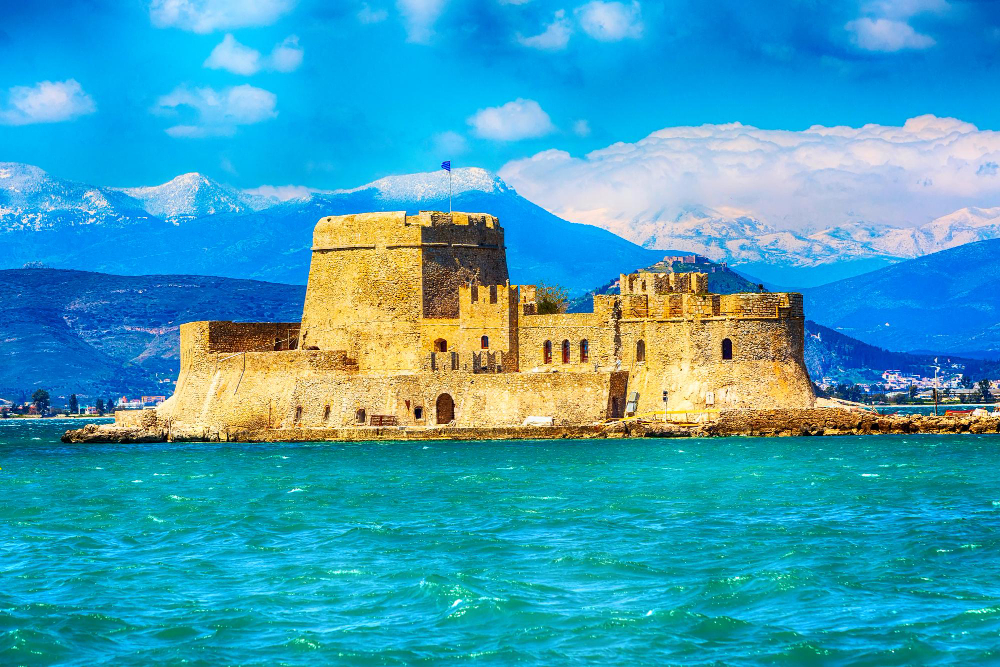
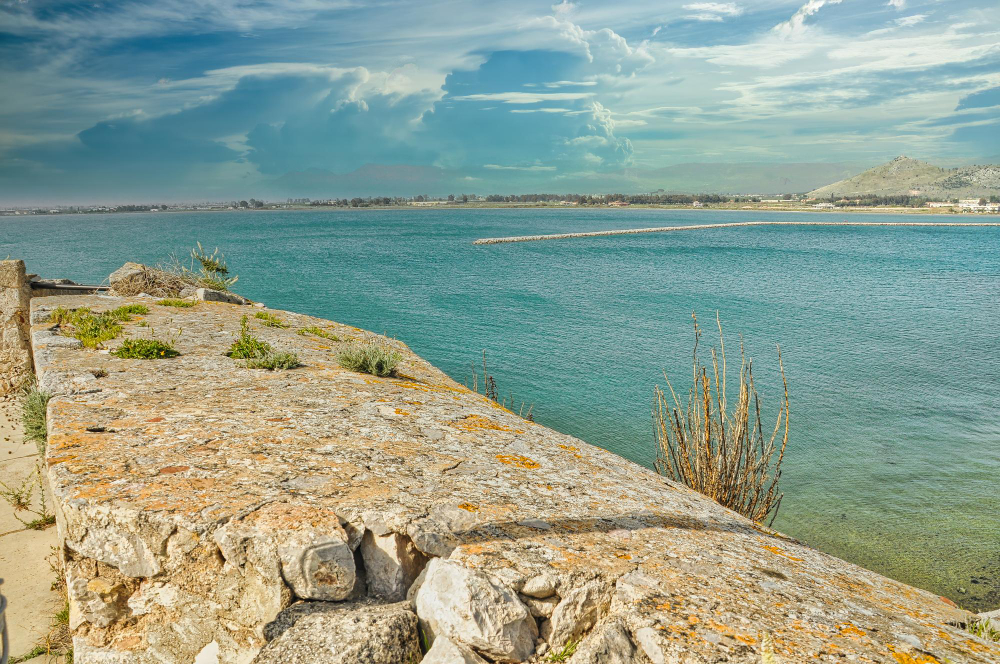
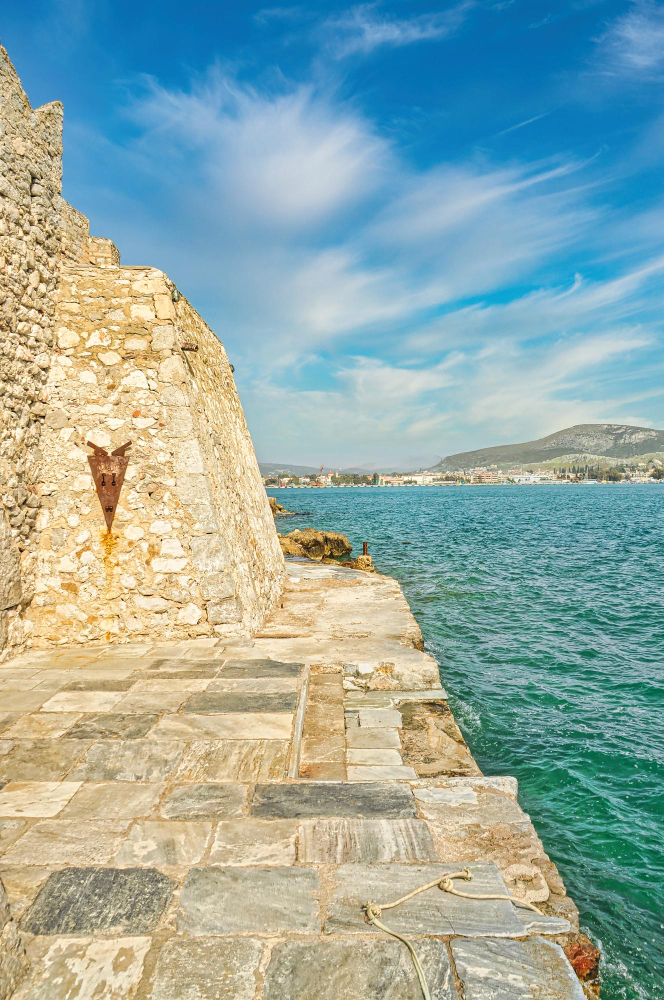
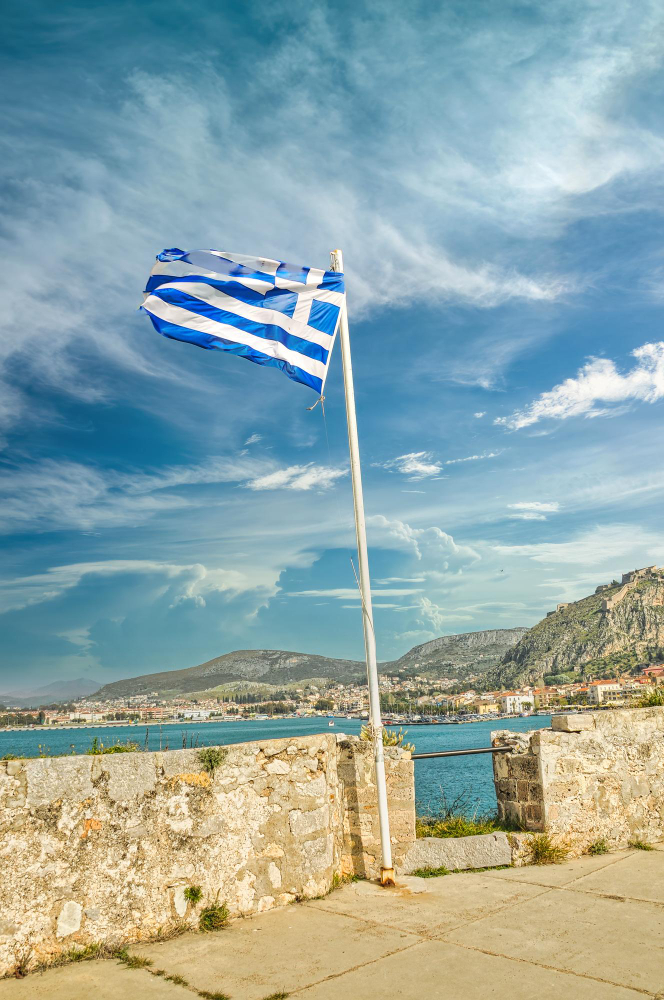
Deep in the azure waters of the Argolic Gulf, off the coast of the picturesque city of Nafplio in Greece, stands a small but eerie island—the water fortress of Bourtzi (Μπούρτζι). Over the centuries, this narrow islet, lapped by waves, has not only served as a defensive structure but has also written a dark chapter in Greek history that continues to capture the imagination of historians and horror enthusiasts alike. The “Island of the Damned” gained notoriety primarily through its connection to the legend of the executioner and the gruesome executions that took place there during the Greek Revolution.
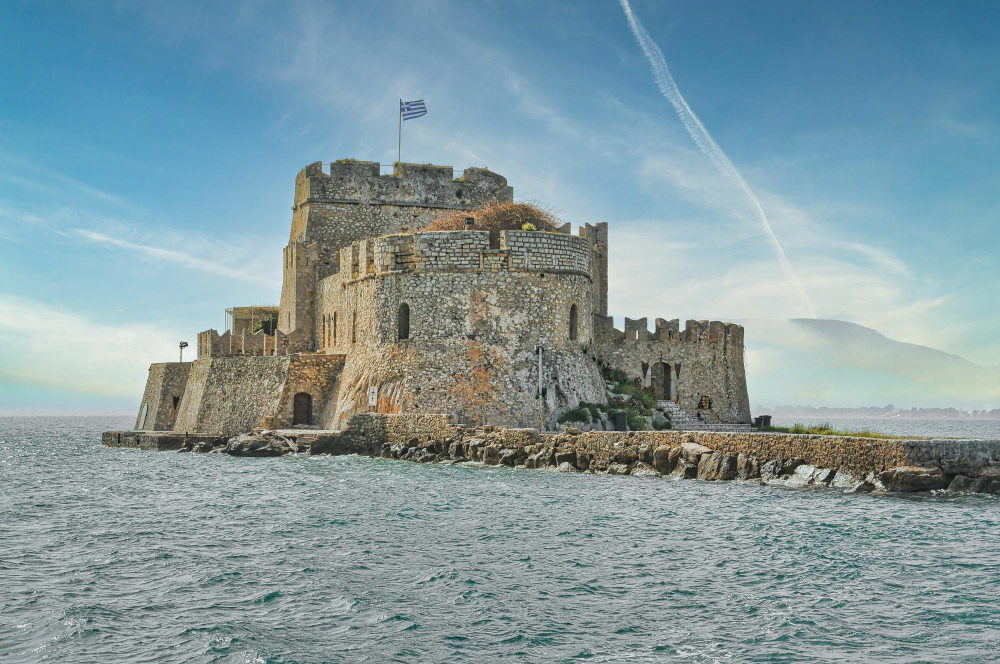
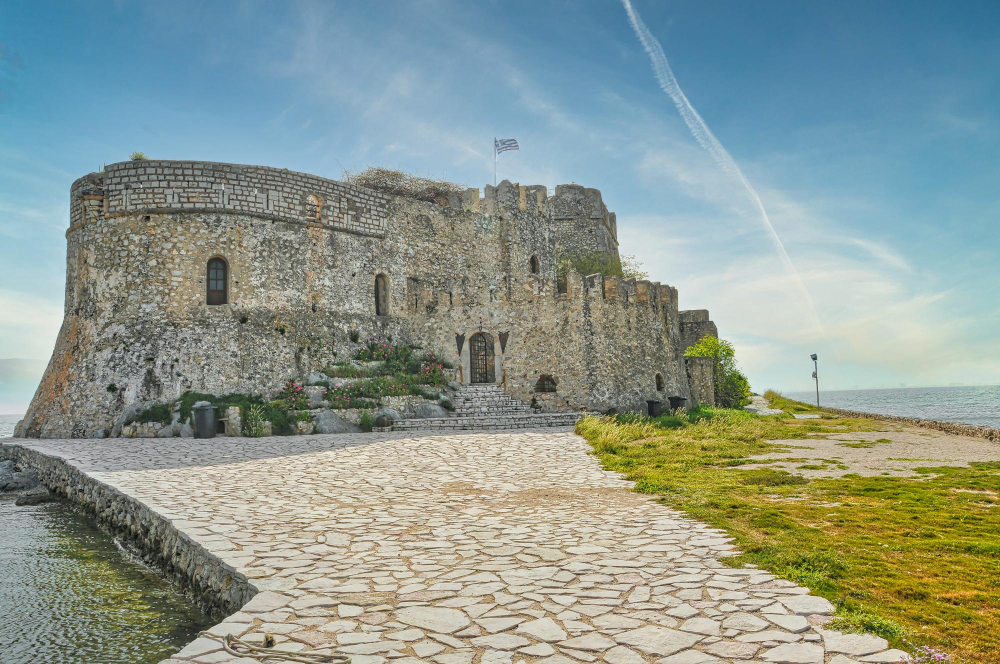
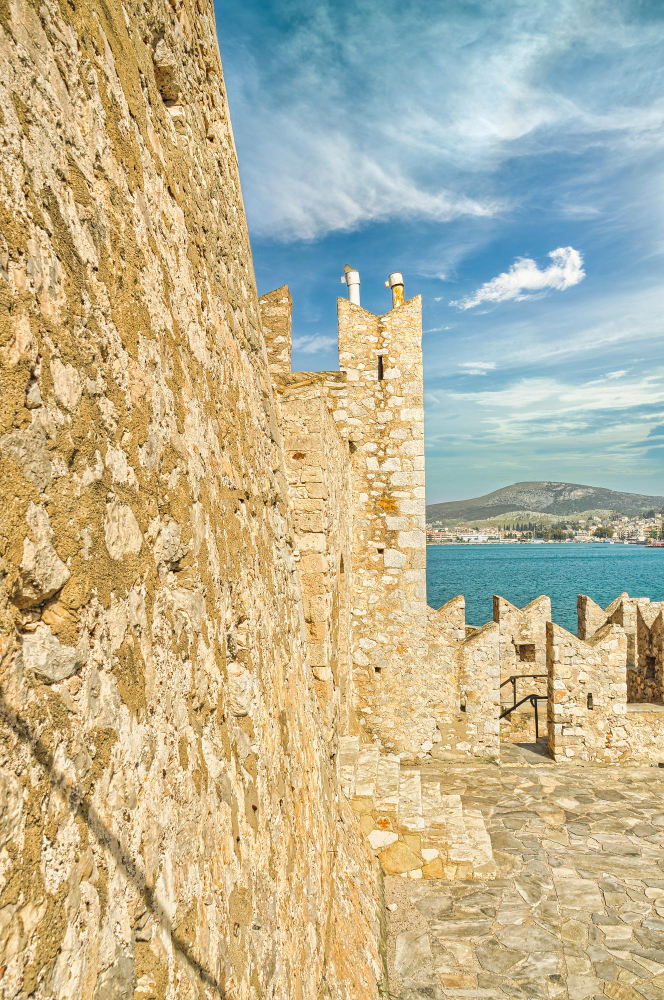
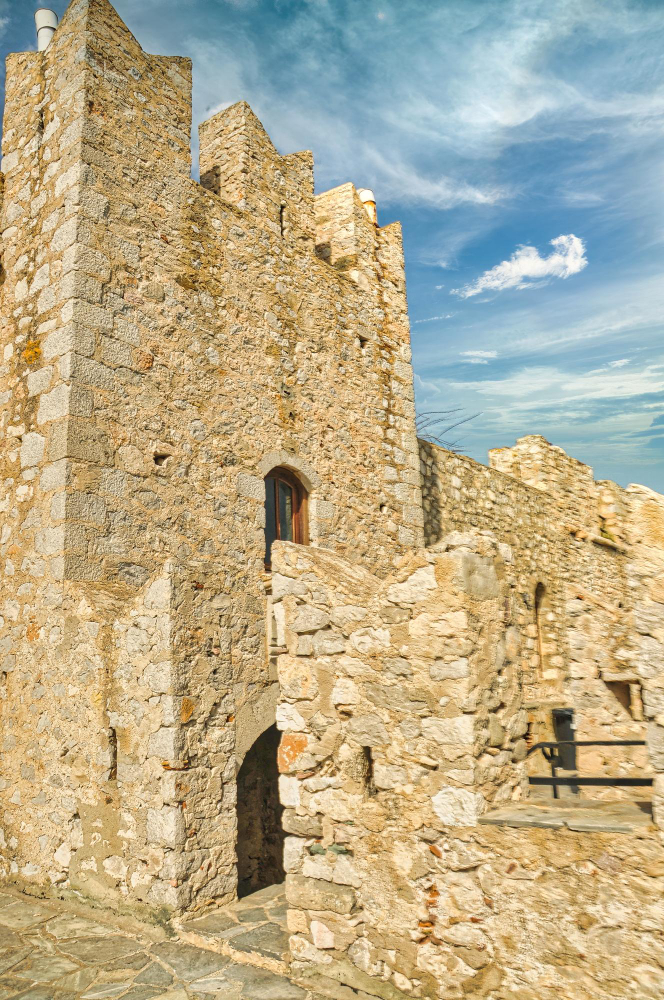
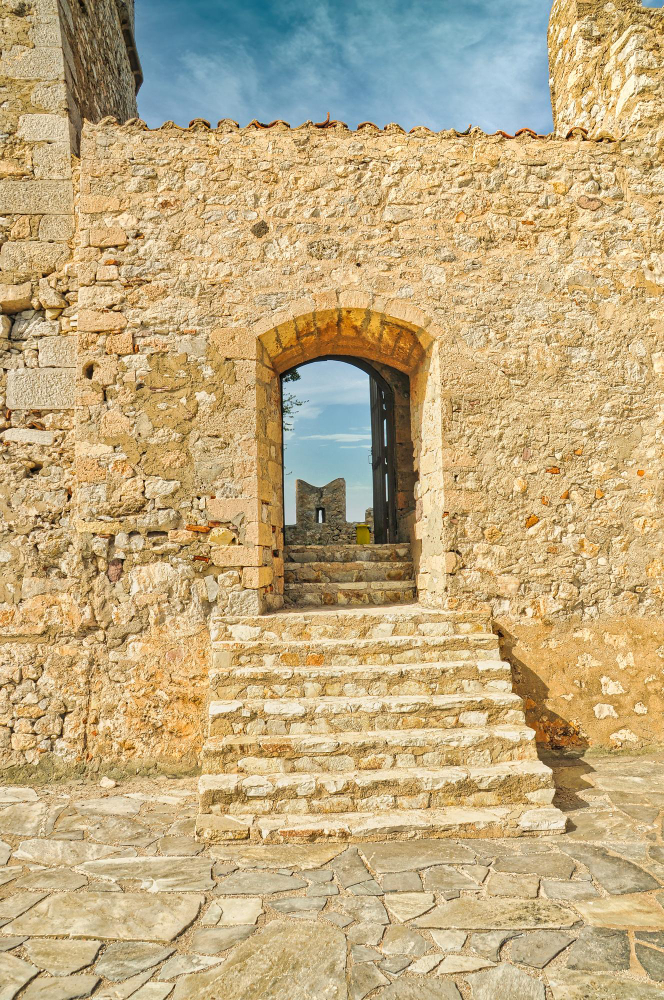
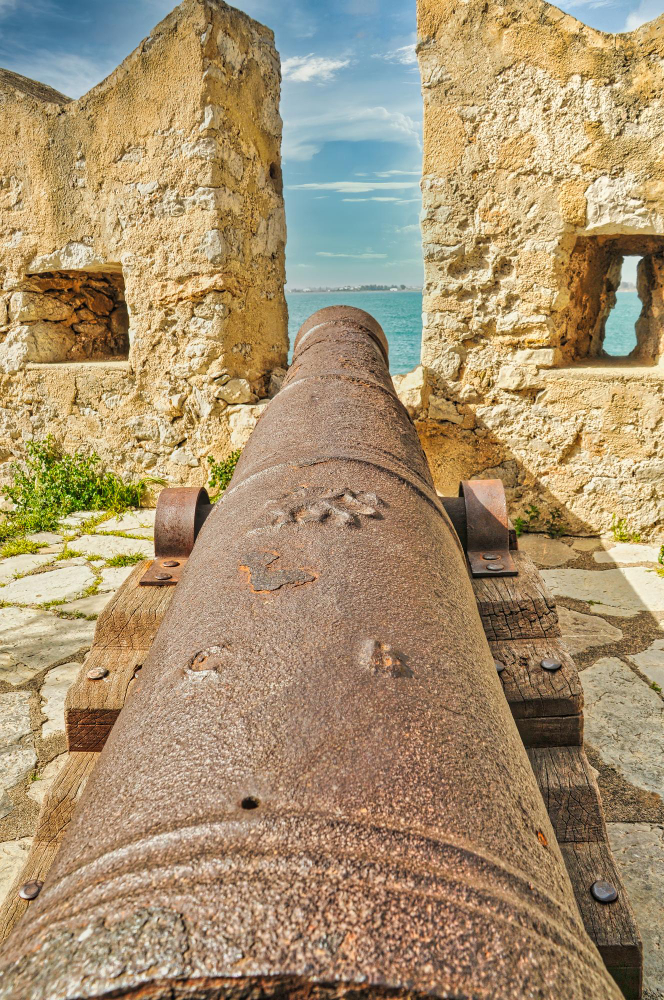
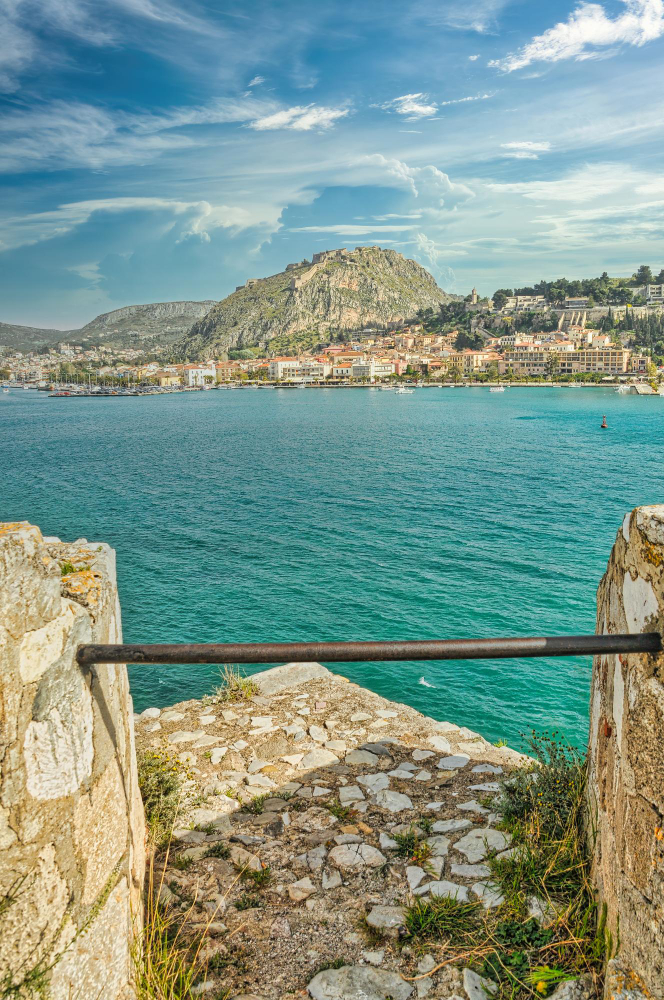
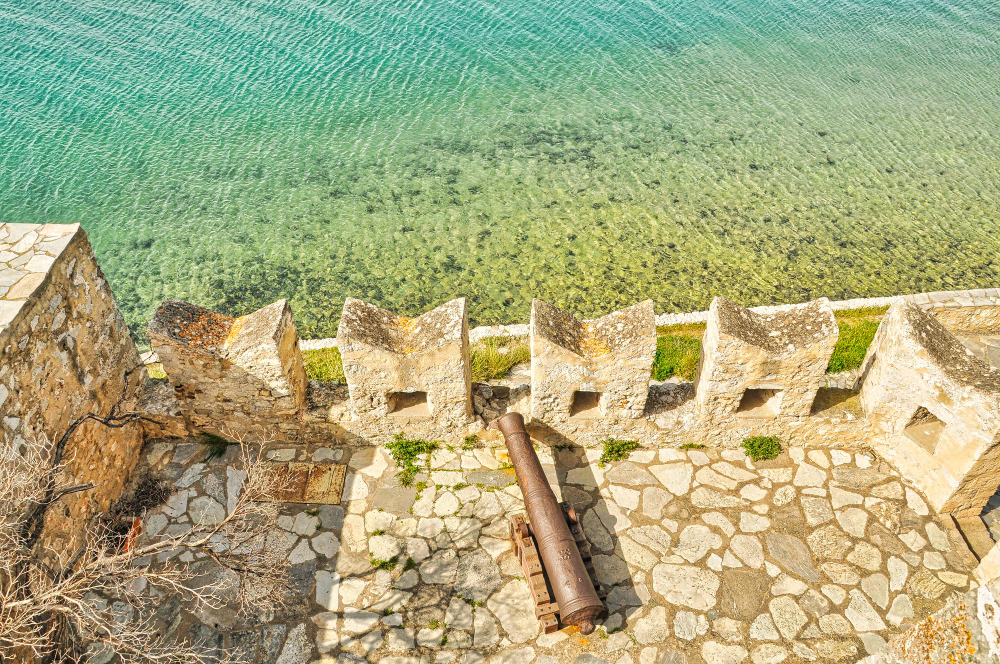
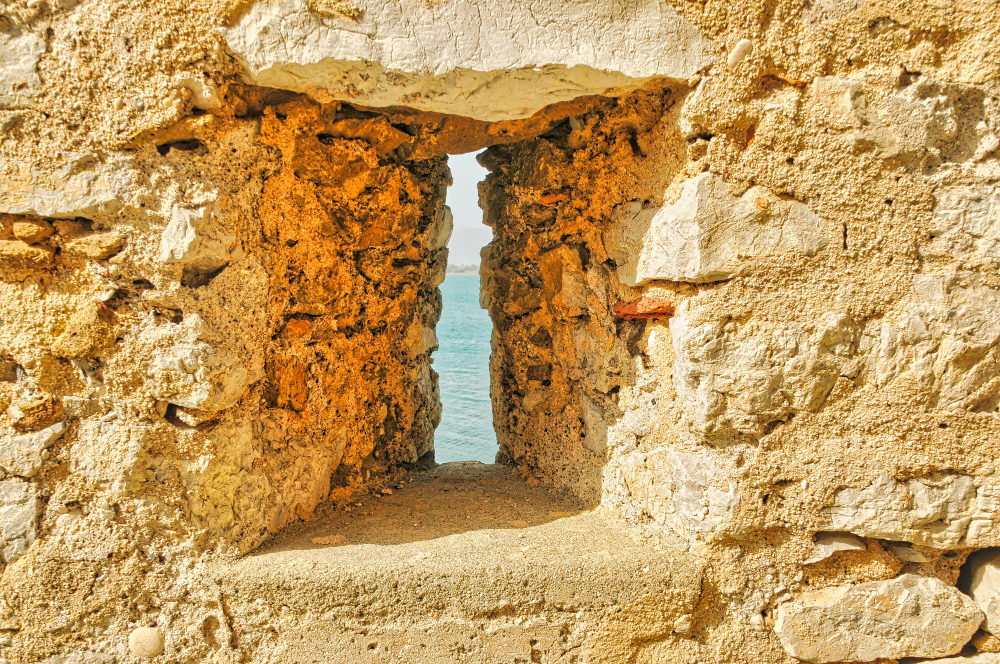
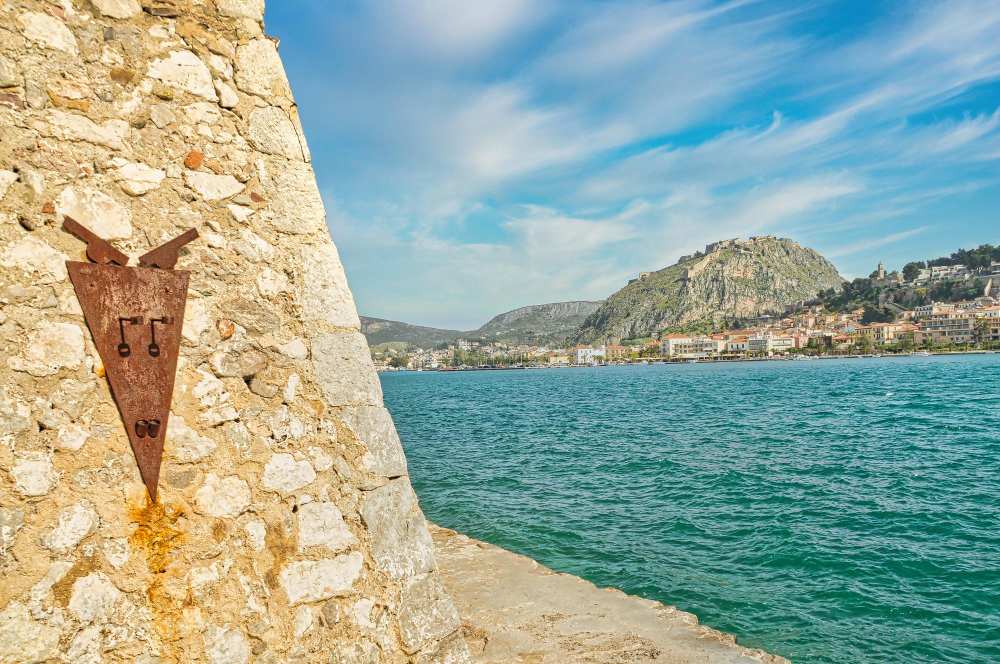
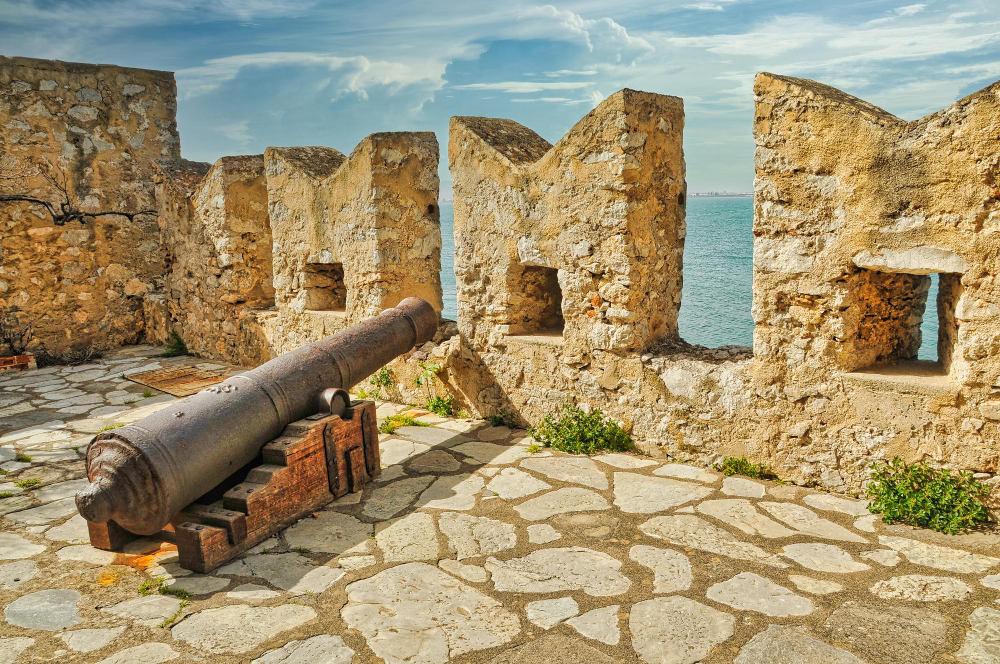
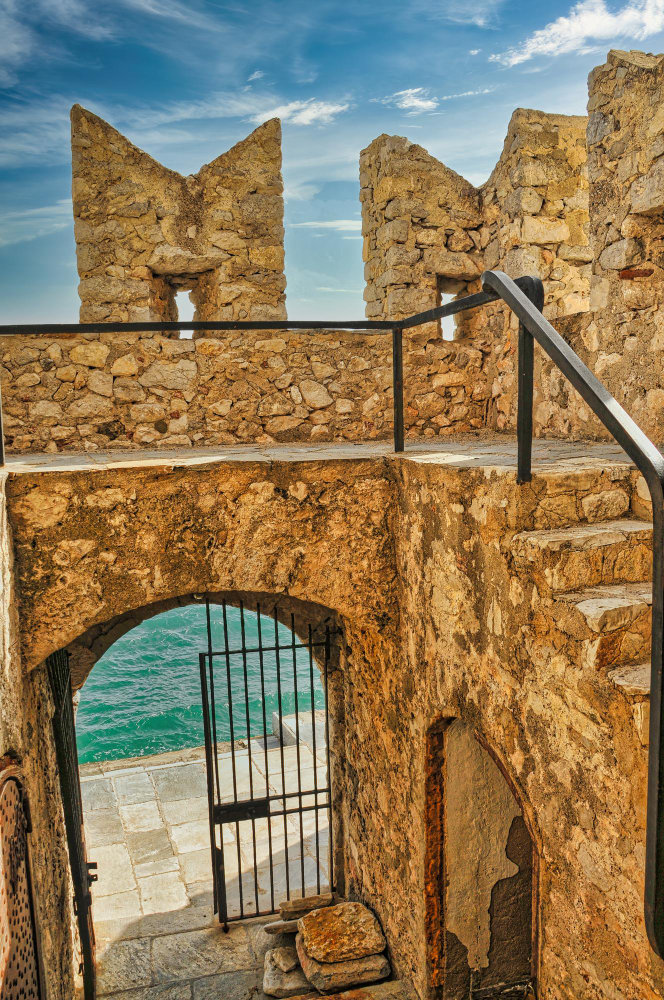
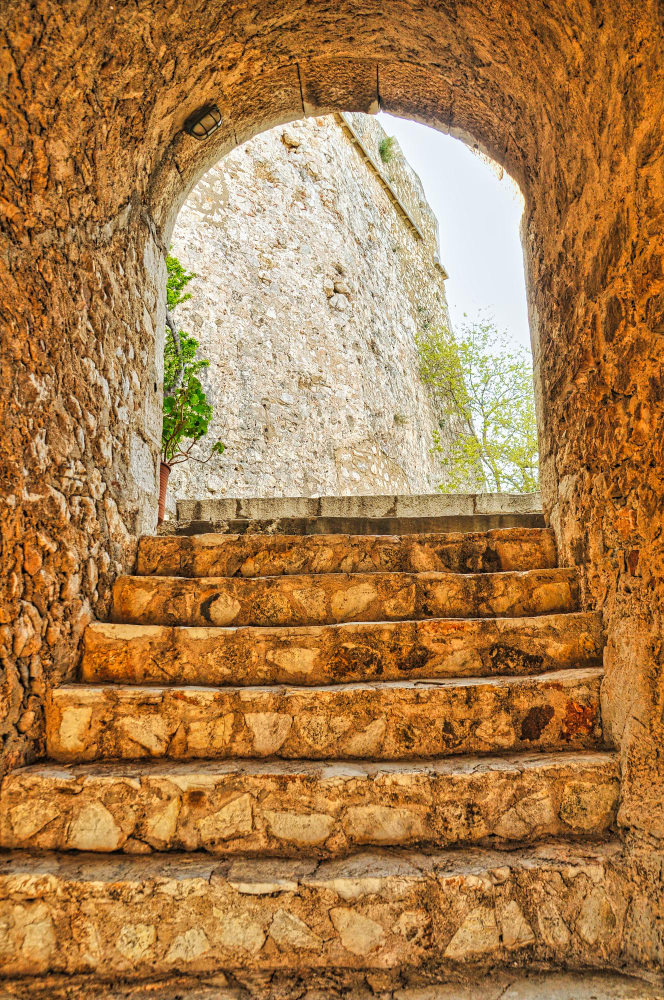
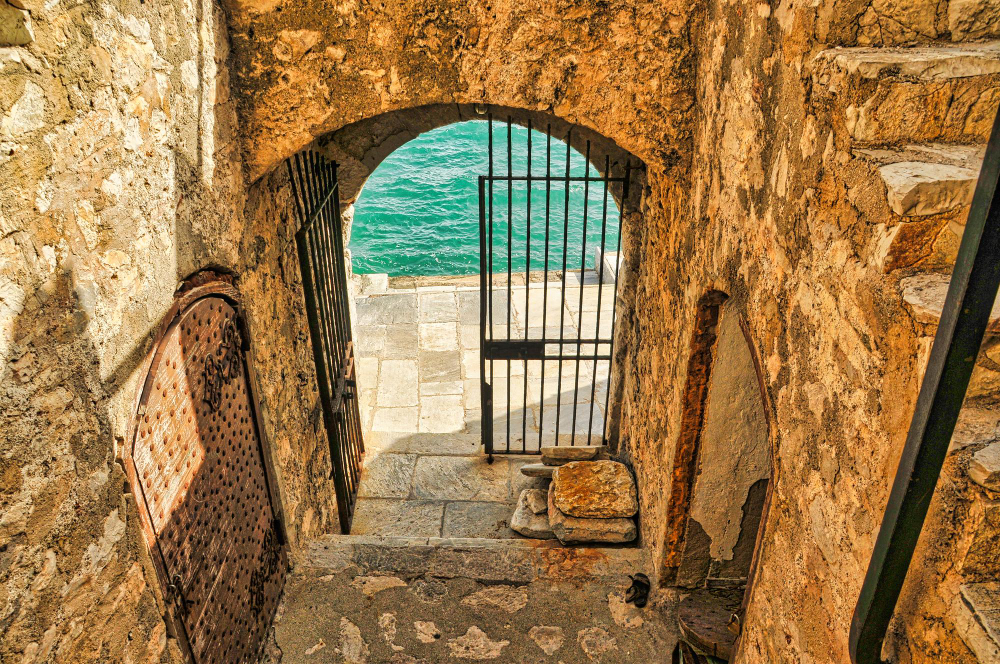
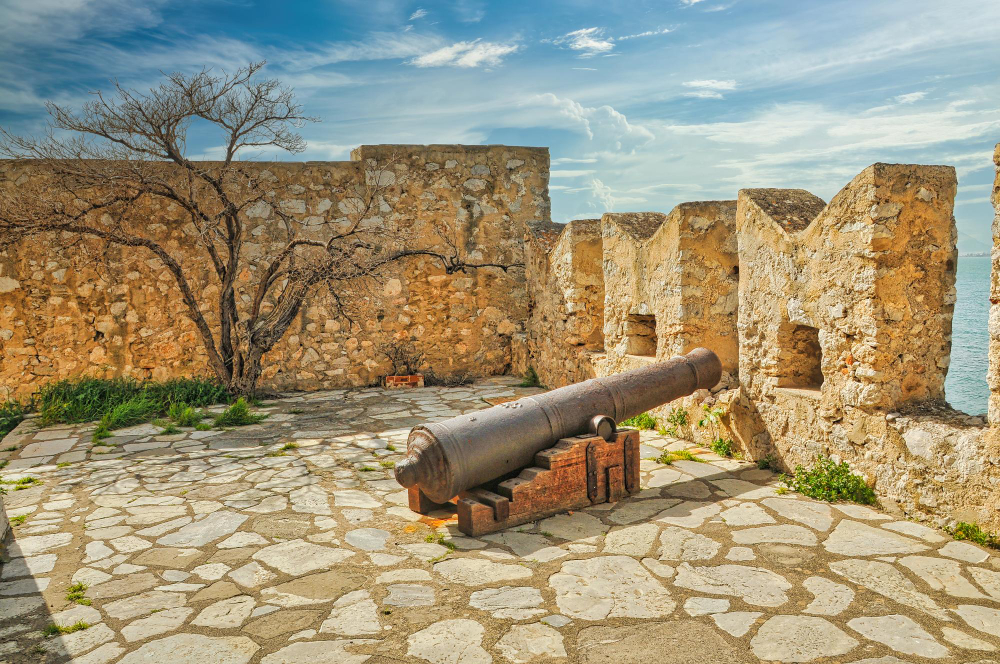
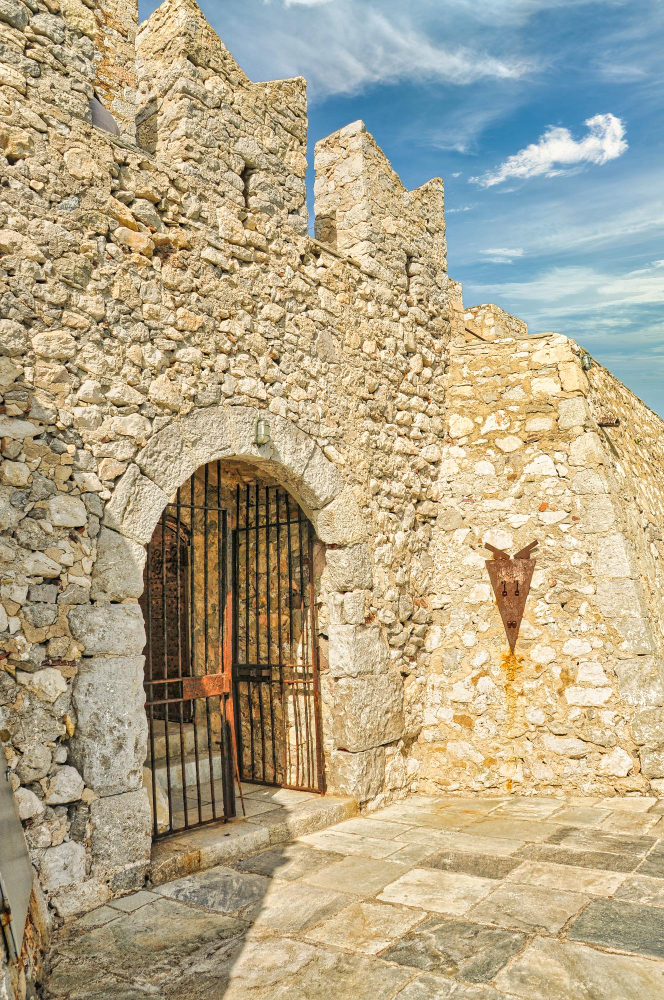
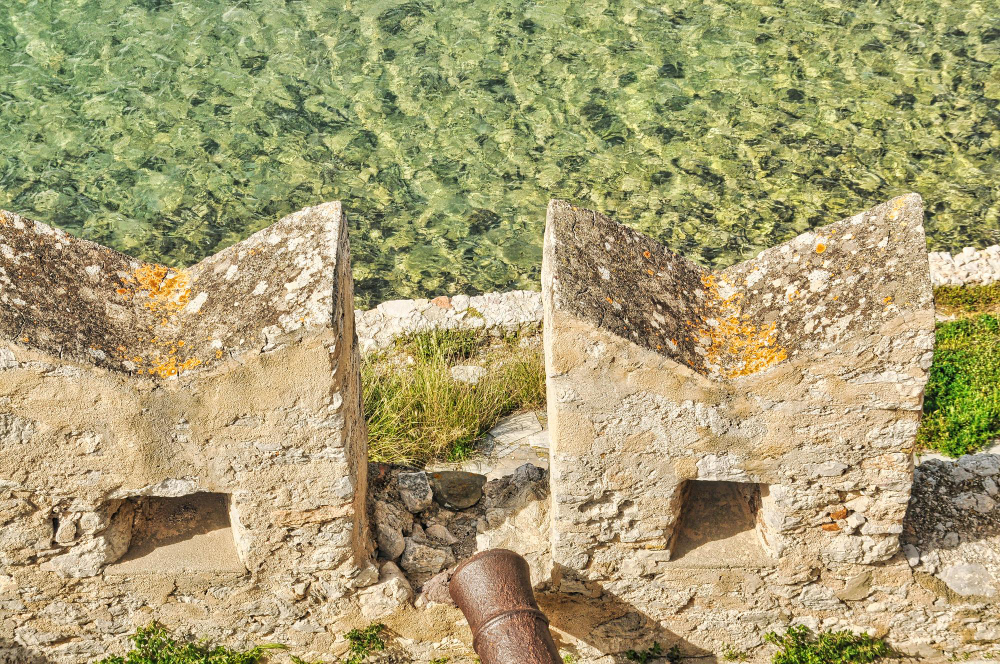
A Stronghold Between Myth and Reality – Bourtzi was built by the Venetians in the 15th century. The massive fortress was intended to protect the port of Nafplio, which was a strategically important city at the time. The architecture of this water fortress is impressive: massive stone walls, round towers equipped with cannons, and a labyrinth of passageways and dungeons that keep the dark atmosphere alive to this day. Yet what truly makes this structure unforgettable are not its stone walls, but the stories of convictions, executions, and the fates of those who were once imprisoned and executed here. After the end of Ottoman rule and the declaration of Greek independence in the early 19th century, the guillotine was introduced at the nearby Palamidi Fortress—a technology that spread terror and the fear of death. Palamidi, visible from afar as it towers on a hill above Nafplio, served as a prison for serious criminals and political opponents. Yet the Bourtzi water fortress played an equally significant, if sinister, role during this period: it became a symbol of the isolation and banishment of the “damned.”
The Legend of the Executioners: The Cursed Profession – For a long time, the profession of executioner was deeply despised and socially ostracized in the Greek public consciousness. Executioners were not only those who carried out death sentences, but were also regarded as people struck by a curse, whose touch would bring misfortune. In Nafplio, this led to a situation where none of the respected citizens were willing to provide the executioners with lodging on the mainland. Yet they needed a place to live, as their job required constant readiness—not least because of the numerous death sentences following the bloody conflicts of the Greek Revolution of 1821. The solution? The executioners were forcibly relocated to Bourtzi. There, cut off from civilization, they lived in seclusion and complete isolation. Several sources report that during this time, the island was a place filled with fear, despair, and decay. The few executioners stationed there spent their days in solitude, while the people of Nafplio regarded them with hatred and fear. Historians point out that the fortress itself, due to its location—in the middle of the water, surrounded by foaming waves—gave the impression of a prison on the open sea. The water not only physically isolated the inmates but also intensified their psychological isolation and the curse that weighed upon this place. A visit to Bourtzi is said to leave one with a ghostly feeling even today, as the atmosphere of pain and suffering is still palpable.
The Dark Legacy of the Guillotine and Reports of Executions – The introduction of the guillotine at Palamidi Fortress marked a new phase of violence. This device symbolized the end of many lives—especially those accused of being traitors, collaborators, or serious criminals. While the exact numbers of executions carried out vary, numerous historical documents attest that the guillotine claimed many victims during the turbulent years following independence. The executions themselves often took place in full view of the public, which further polarized the population and reinforced the image of the executioners as outcasts. There was a paradoxical mix of fascination and revulsion toward these events. Eyewitness accounts describe how the heavy metal gates of Palamidi Fortress were regularly filled with loud shouts and screams. On Bourtzi, however—far from the bustle of the city—an oppressive silence reigned, as if the island itself were haunted by a sinister presence.
The Dark Side of the Tourist Attraction – Today, Bourtzi is a popular tourist attraction that both fascinates and shocks visitors. The boat trips to the island, the tours of the fortress, and the breathtaking views easily obscure the grim historical legacy that seems to lurk within every stone. While guided tours usually focus on Venetian architecture and the fortress’s strategic importance, few delve deeply into the dark stories of the executioners and the guillotine. Modern historians and local storytellers are increasingly striving to raise awareness of these darker aspects. Documentaries and archaeological research are dedicated to the topic in order to better understand the truth behind the legend and to uncover just how deeply these events have shaped the collective memory of the Greek people.
A place where history comes alive—and the horror lingers – Bourtzi is far more than just a picturesque fortress in the sea. It is an island where history and horror intertwine in an ominous way. The legend of the executioners and the grim chapter involving the guillotine have imbued this place with an aura of doom that challenges notions of citizenship, justice, and retribution. The “Island of the Damned” symbolizes the dark side of Greek freedom and serves as a reminder that human suffering often lies hidden behind victorious revolutions. Anyone who enters the mysterious walls of Bourtzi today or glides gently through the waves by boat may sense a hint of this dark legacy—a reminder that some places never truly fall silent.