 Isabella Mueller Baroness of Stainton le Vale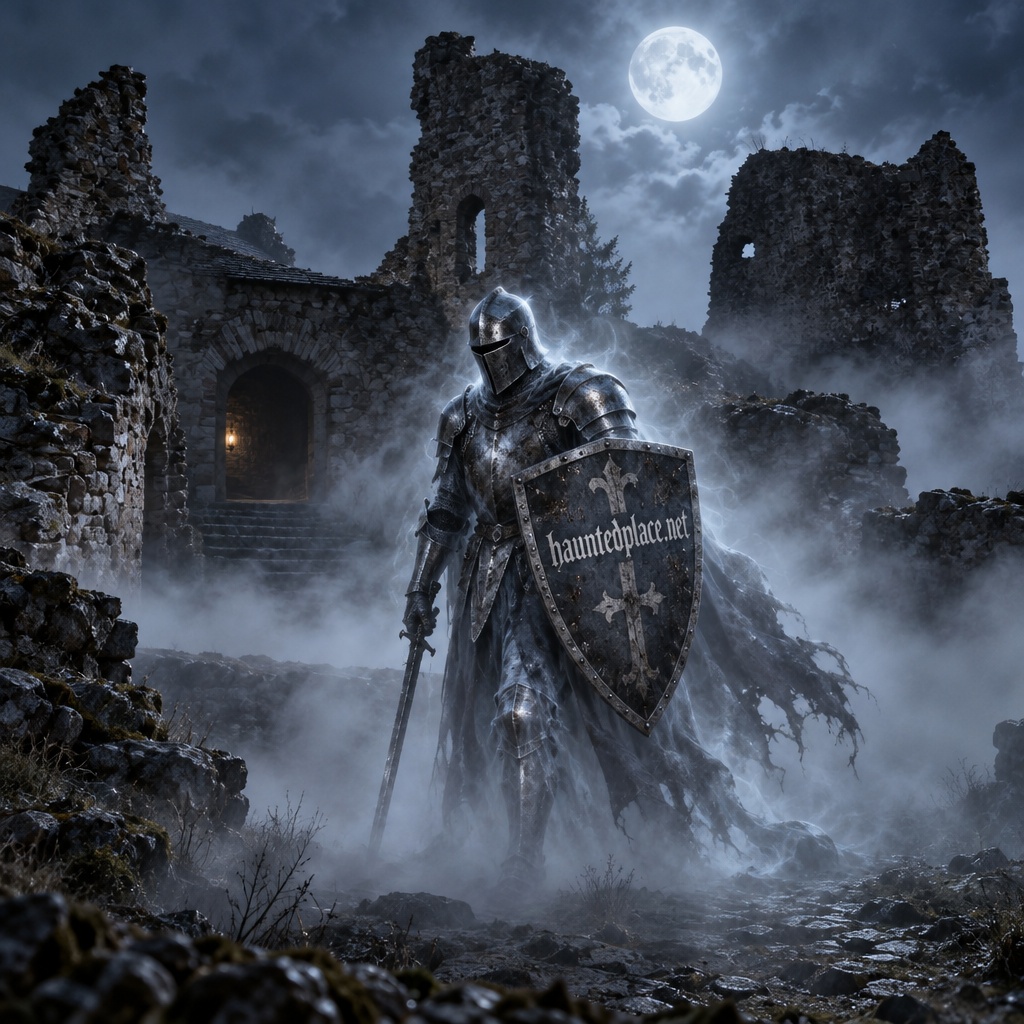
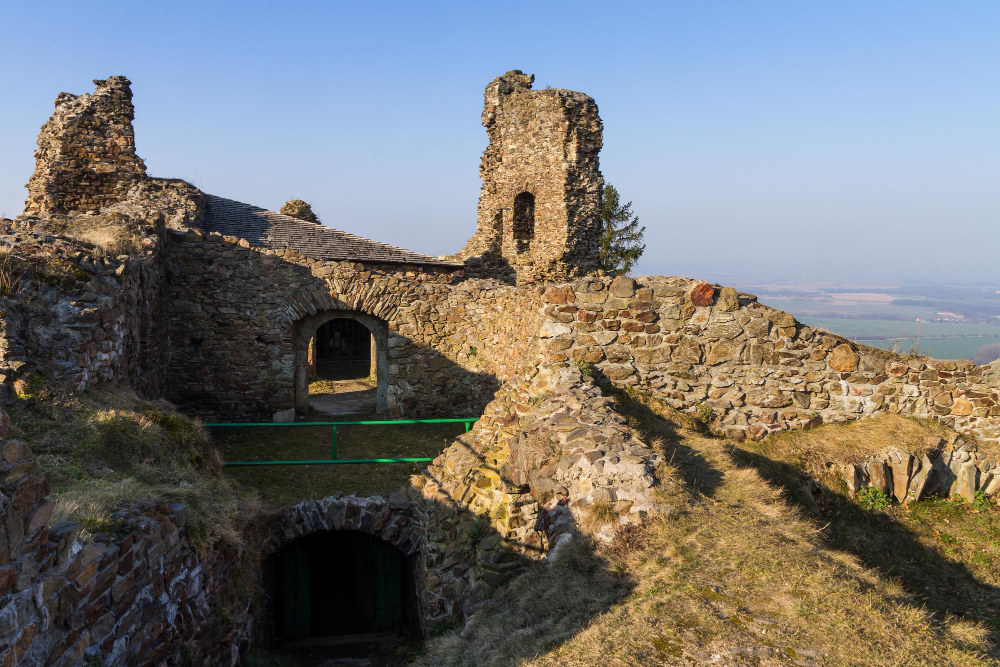
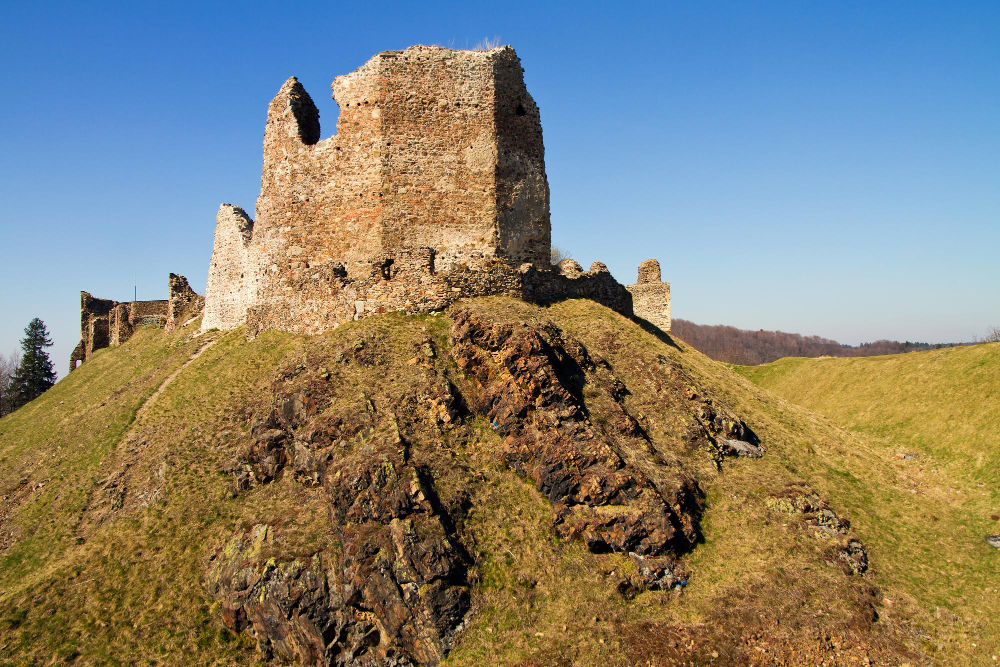
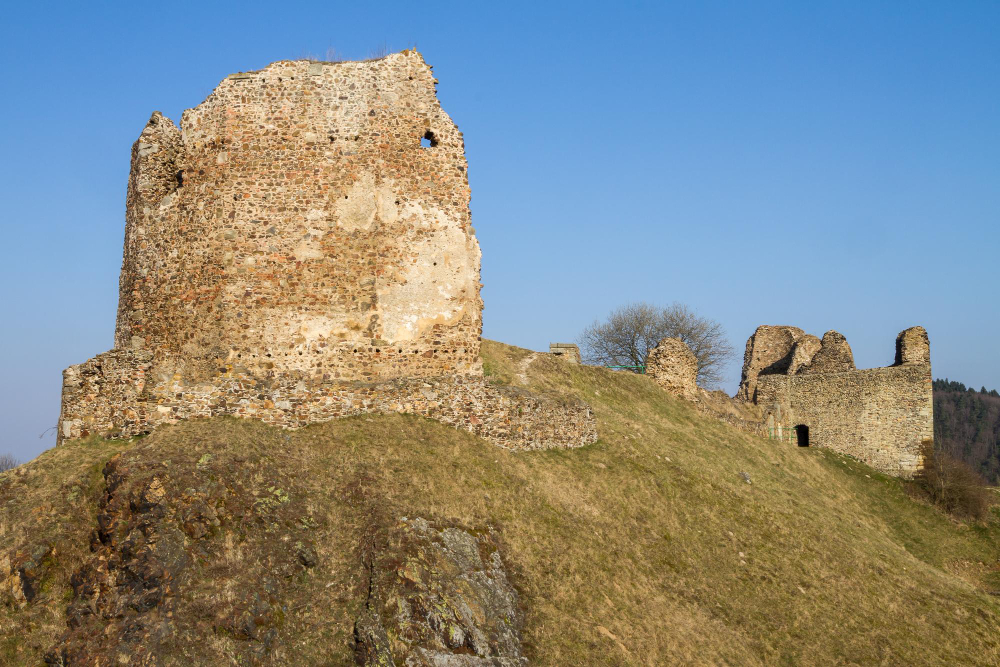
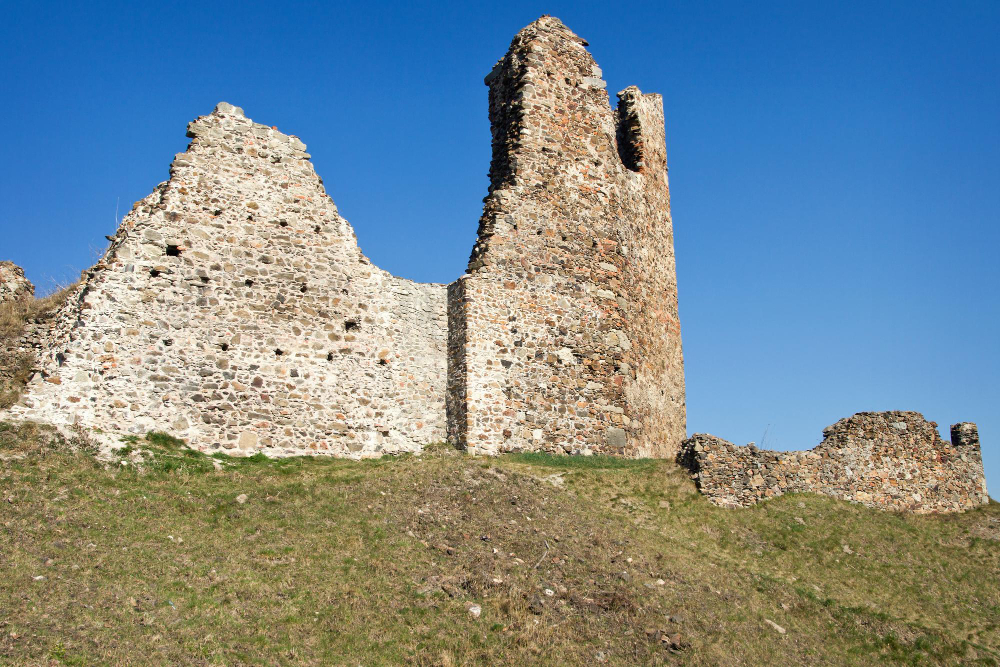
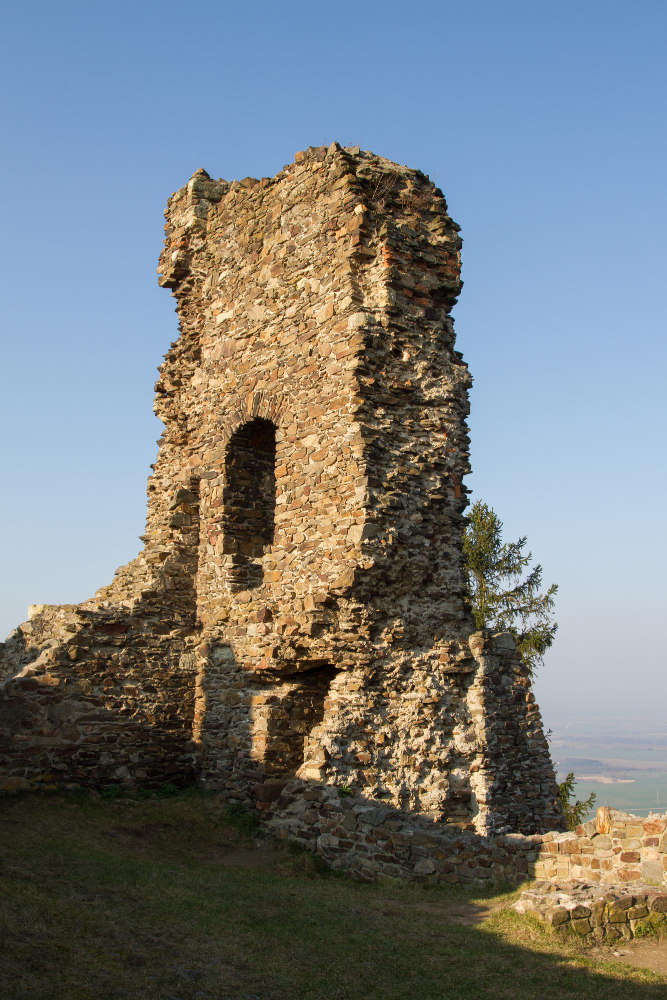
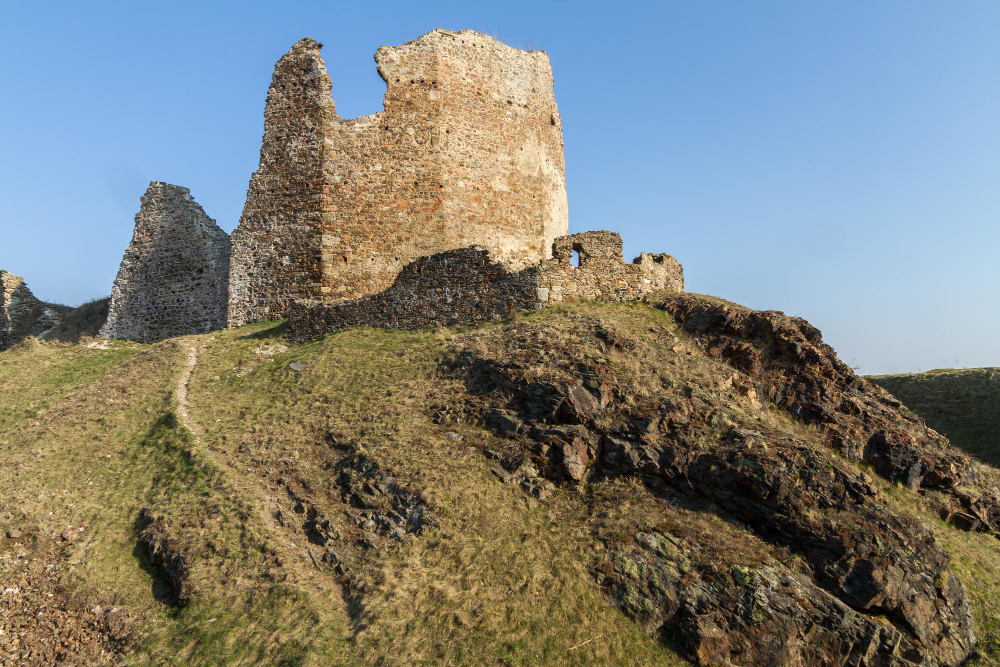
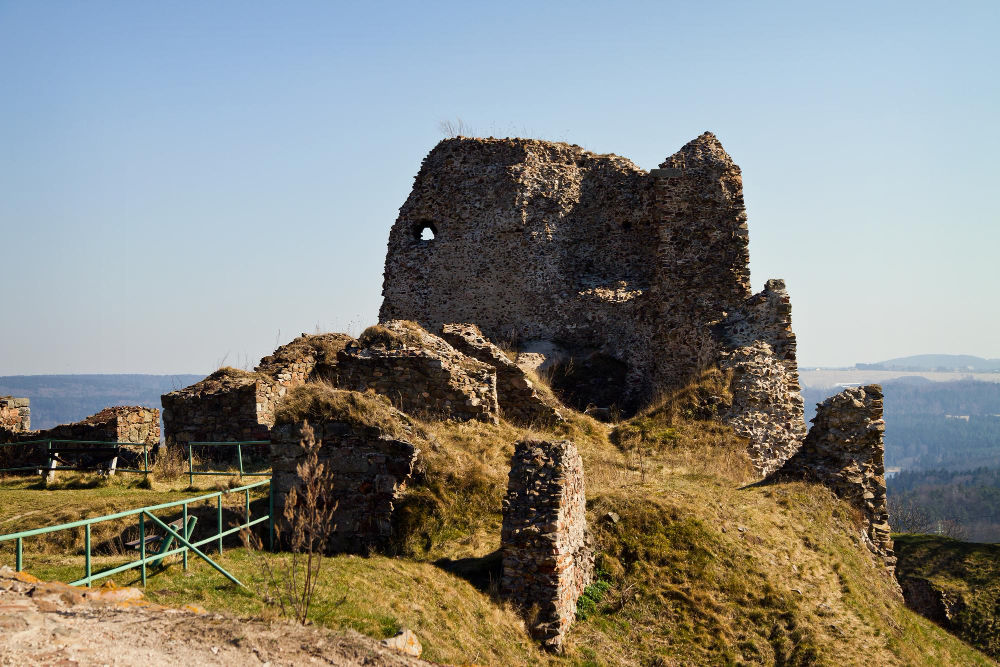
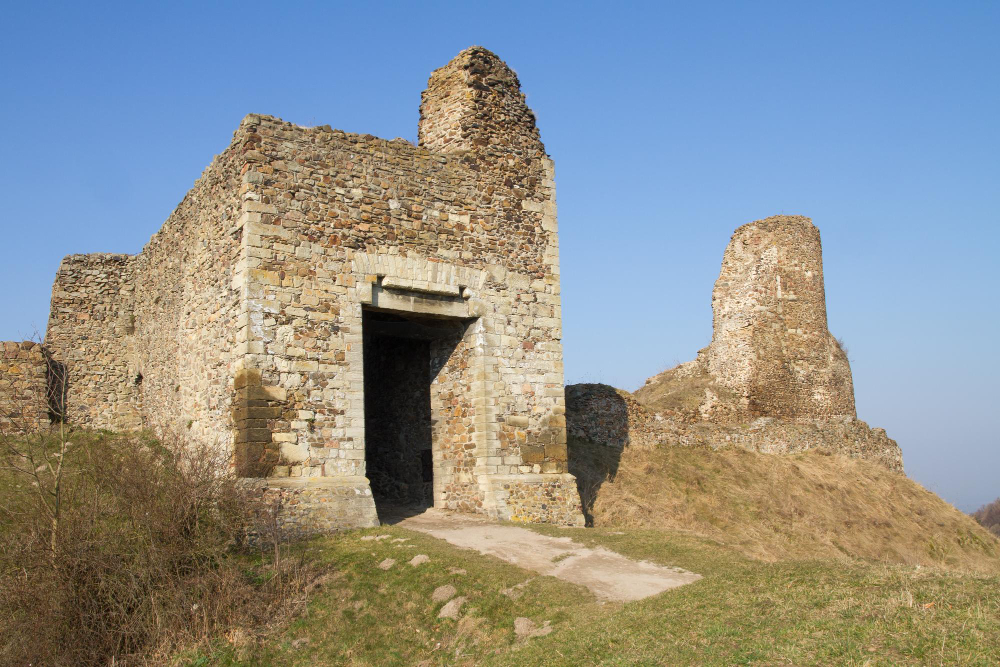
The ruins of Lichnice Castle have stood majestically for centuries on a hill overlooking the picturesque landscape of the Bohemian Paradise. Yet behind the faded walls and overgrown towers lies more than just historical heritage: Stories of ghosts, dark legends and the sorrowful shadow of a knight who wanders through the night have become deeply ingrained in the region’s collective memory. This phenomenon blends historical facts with a touch of eerie horror – a combination that captivates not only historians but also lovers of the mystical and the supernatural.
The historical backdrop of Lichnice Castle – Lichnice Castle was built in the 13th century and served as the seat of various noble families for several centuries. Its strategic location above the River Sázava was of great importance for controlling the surrounding areas and offered a sweeping view of the countryside. Over time, the castle endured numerous sieges, alterations and changes of ownership, until it was finally severely damaged during the Thirty Years’ War and subsequently abandoned. These historical facts form the basis for the many tales that surround the castle. The words of old chronicles and documents confirm Lichnice’s eventful history, but the legends stem from folk beliefs passed down orally – particularly the story of a knight whose ghost is said to still roam the ruins at night.
The Knight in the Mist: A ghostly sight – Many sources speak of a ‘Knight of Lichnice’, whose apparition is said to be seen in the castle courtyard on moonlit nights. His silhouette, clad in gleaming armour, moves like a shadow, making its solitary way amongst the crumbling stone walls. It is said that his face cannot be made out beneath his helmet, yet his demeanour, according to eyewitnesses, radiates deep sadness and eternal longing. This description is typical of many ghost legends in Europe, where figures of knights often allude to tragic fates and unfulfilled duties. In Lichnice, it is believed that this ghost is a former lord of the castle or a figure from the knighthood who fell in battle or died through treachery, and whose soul has been unable to find rest. His exact identity, however, remains a mystery – which lends the story an added air of eeriness.
Origin and Spread of the Legend – The legend of the ghostly knight likely stems from the castle’s long history and the genealogical research of its former inhabitants. Local chronicles from the 17th and 18th centuries contain hints of mysterious events associated with the castle, but it was not until the 19th century that these accounts gained popularity through literary adaptations. Nationalism and the revival of Bohemian legends contributed to the story of the sad knight being retold and embellished time and again. Although there is no precise historical evidence for the existence of this knight as a real person, there is much to suggest he is a symbolic figure: he likely represents the turbulent history of Lichnice, whose owners frequently wavered between power, war and betrayal. This ambivalence is reflected in the sombre figure of the ghost.
Eerie sightings and modern interpretations – To this day, there are recurring reports from walkers, researchers and tourists who have witnessed strange phenomena in the ruins. They speak of cold draughts, sudden wafts of mist and the echo of metallic clanging – sounds reminiscent of armour being dragged about. A ghostly presence is said to be particularly palpable in the evening hours or during a full moon.
The Knight as a Reflection of Cultural Fears and Longings – The figure of the enigmatic knight serves not only as a ghost story, but can also be interpreted psychologically and culturally. At a time when medieval authority and chivalric ideals were gradually fading, the ghost symbolises the ambivalence between glory and decay, loyalty and betrayal, life and death. Even today, in the age of the Enlightenment and digitalisation, the notion of such a ghost holds a special allure: it connects us to another world, makes the invisible visible and allows us to sense the unknown in the darkness. The Knight of Lichnice thus becomes a monument to memory, keeping cultural history alive – in a way that makes us both shudder and marvel.
Similar Apparitions in Castles Across Europe – The ghost of the Knight of Lichnice is not an isolated case; similar apparitions are recorded throughout Europe. For instance, there are reports of ghosts at Hohenzollern Castle in Germany, in the Scottish Highlands, or in English castles such as Warwick Castle. There, too, the apparitions are often figures in armour, whose stories revolve around unfulfilled duty or tragic death. These eerie apparitions reflect Europe’s approach to history and myth: castles are not merely physical artefacts, but also symbols of bygone eras that are more than just stone and mortar. They are stages for legends waiting to be told – especially when they are inhabited by ghosts.
Between History and Horror – Lichnice Castle is more than just a medieval structure. It is a place brimming with stories in which history and legend, fact and fiction, are interwoven. The knight’s ghost – as elusive and sorrowful as the ruins themselves – reminds us that the past is still very much alive and can confront us in unexpected ways. Anyone visiting the ruins may feel the cold draught that once accompanied the clang of armour. Perhaps, in this dark hour, one might glimpse the shadow of a silent, ghostly knight, wandering eternally through the ruins in search of peace. The truth, however, remains hidden, but that is precisely what gives Lichnice its magic and its terror – a castle that fascinates by blending tradition, history and horror.