 Isabella Mueller Baroness of Stainton le Vale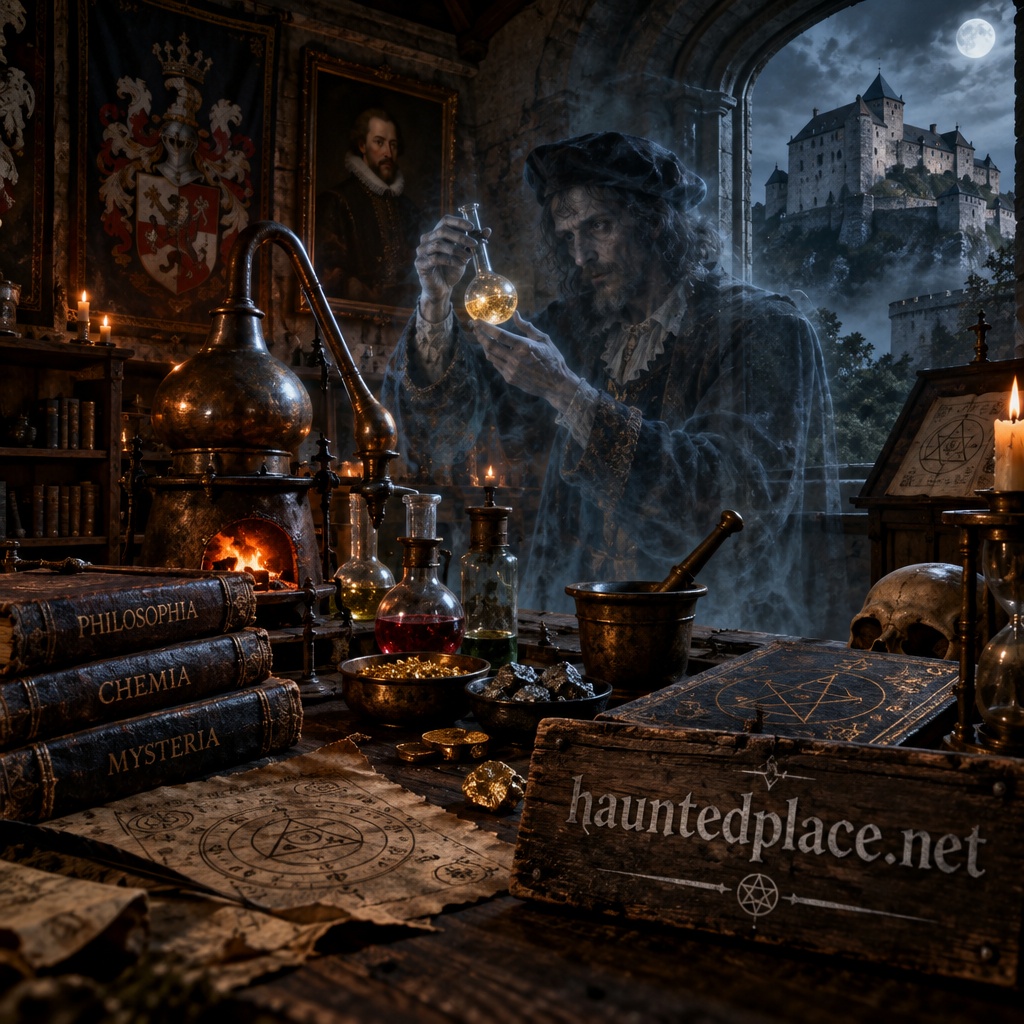
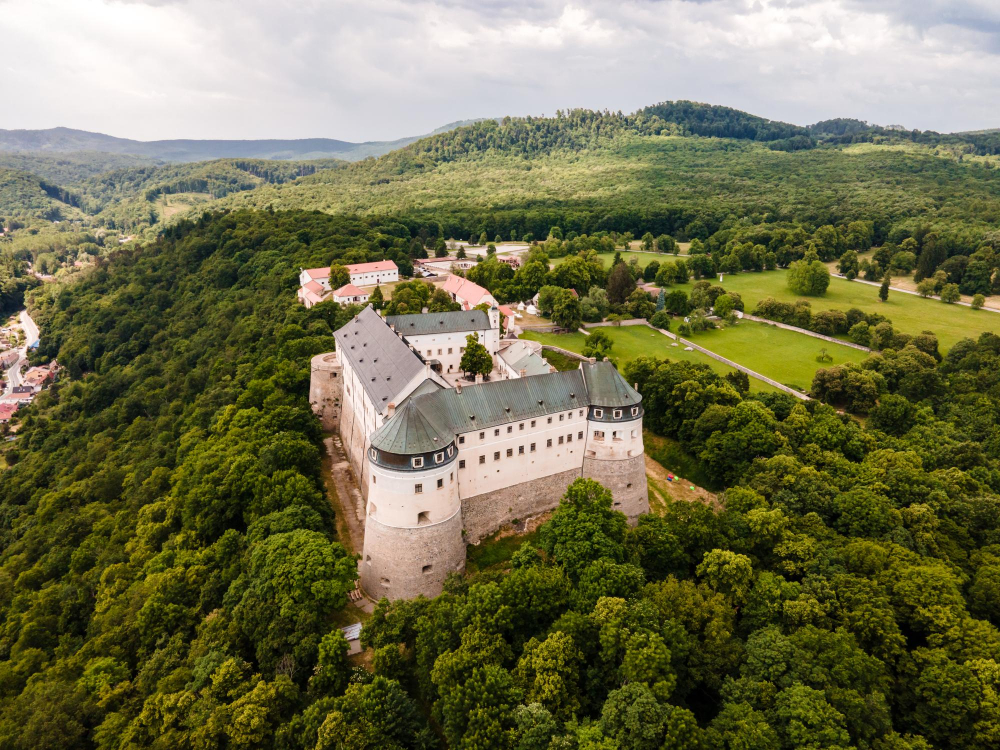
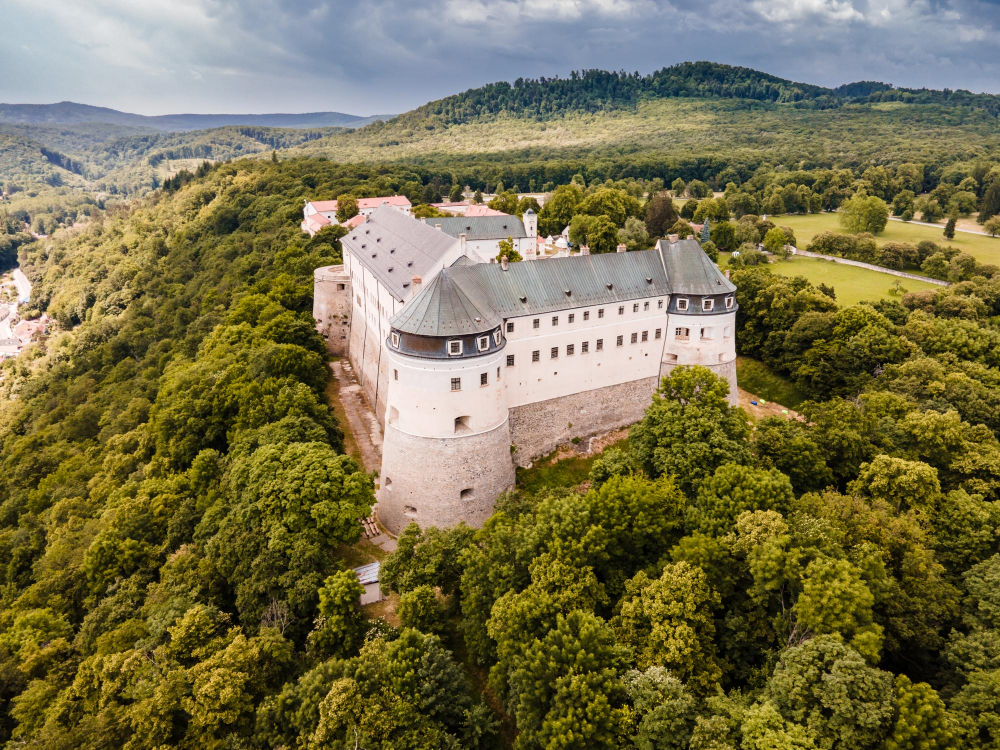
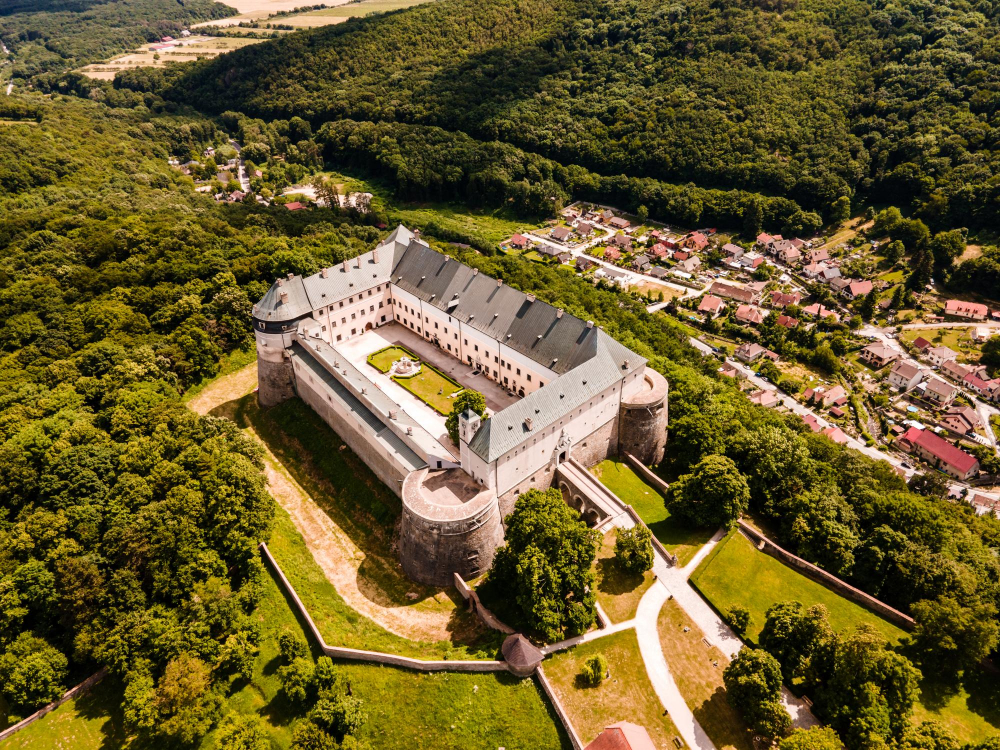
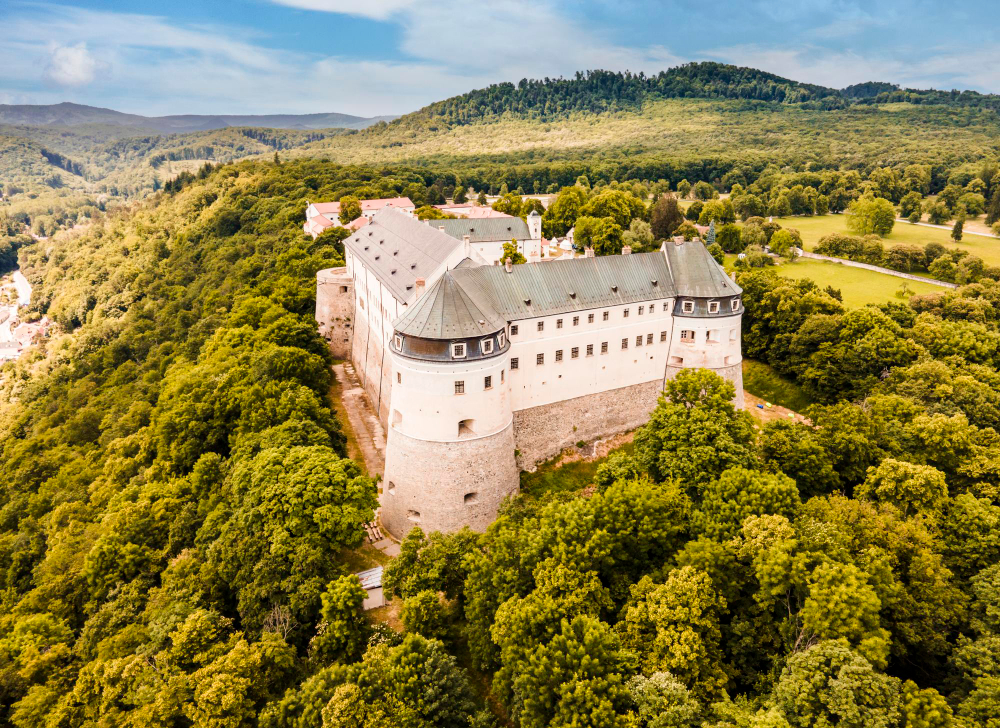
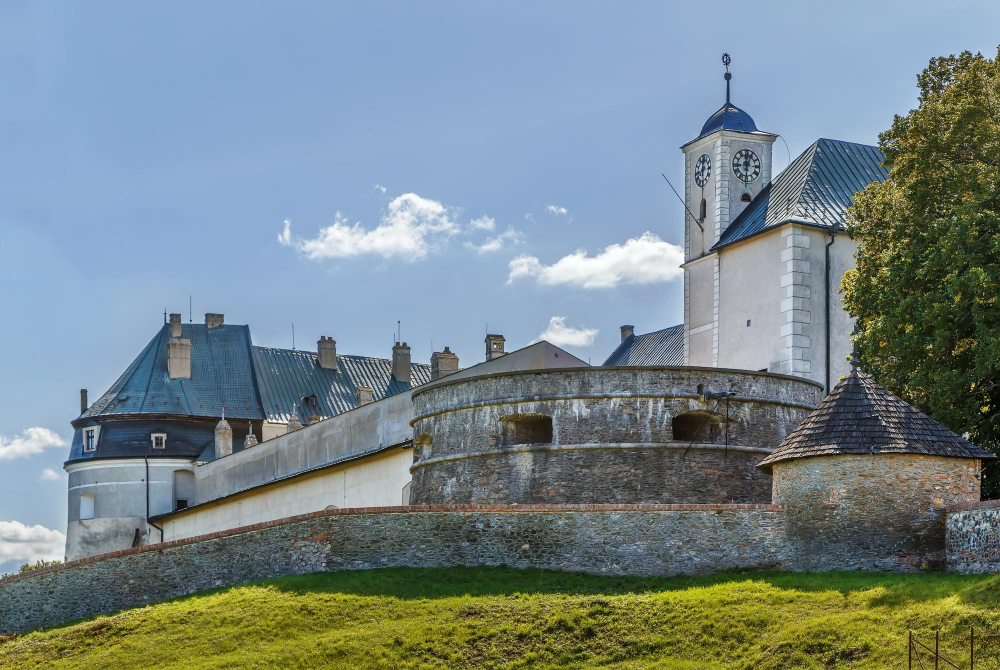
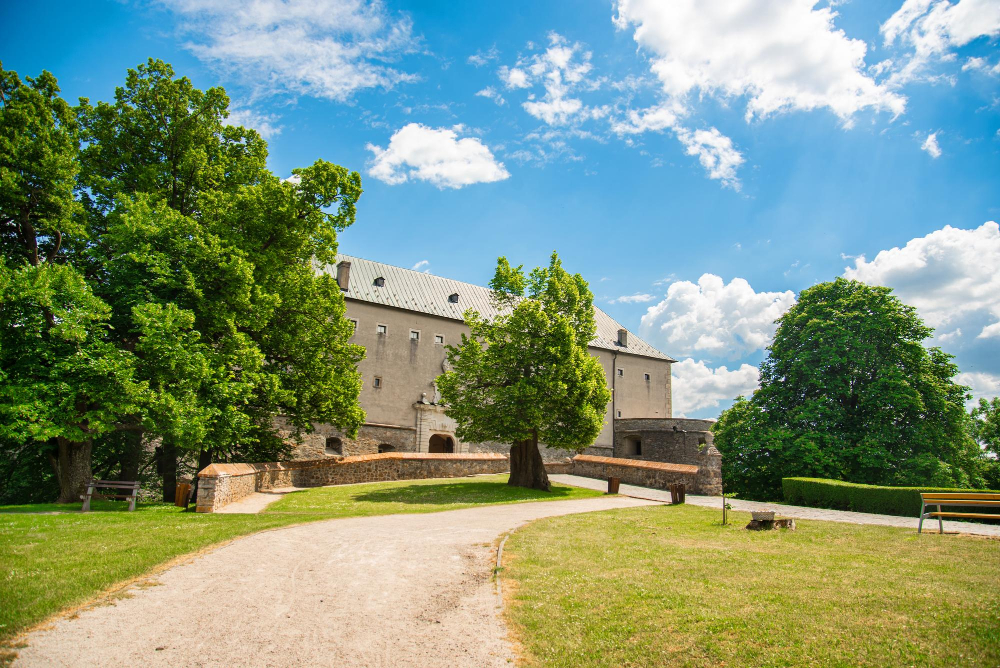
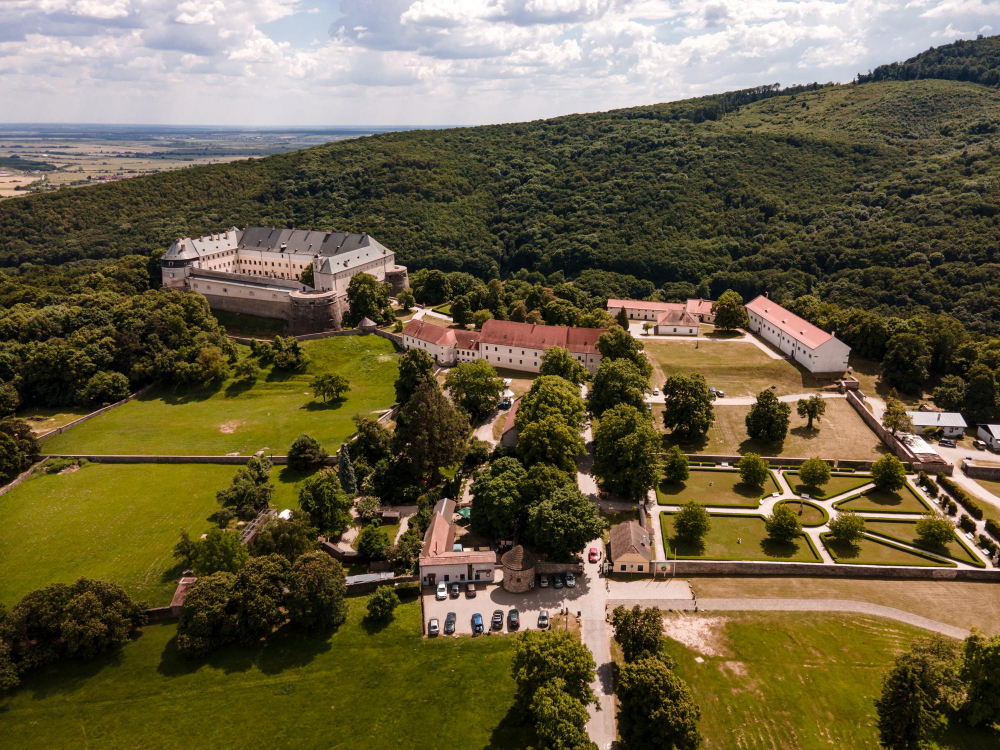
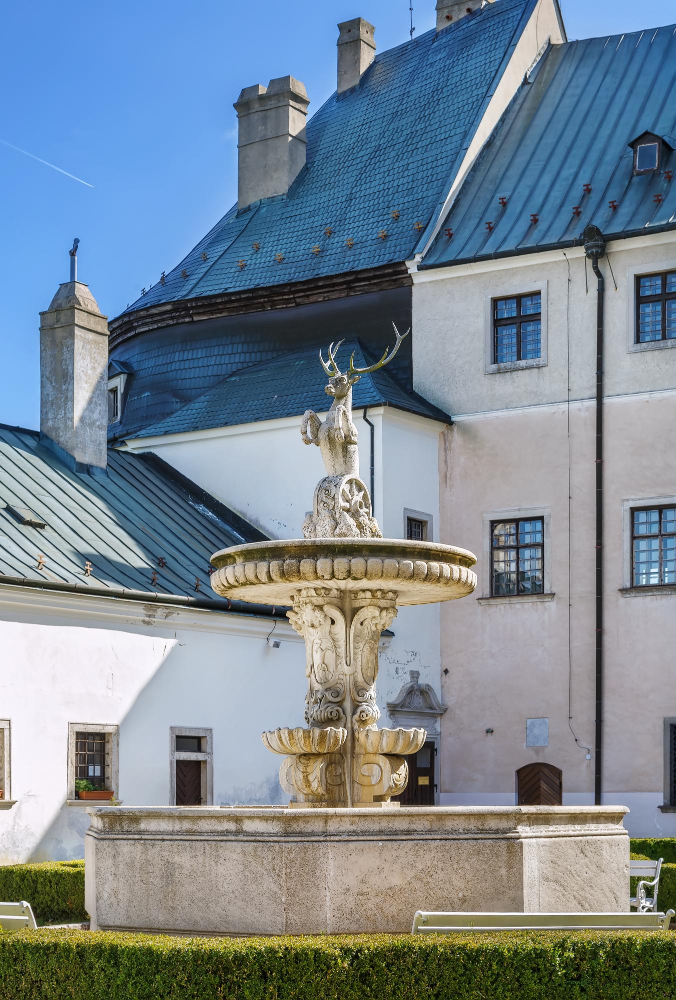
In the heart of the small Slovak village of Častá, not far from Bratislava, stands the imposing Červený Kameň Castle – also known as Bibersburg or Rotenstein. This 13th-century medieval fortress is not only an architectural gem, but also the setting for numerous dark legends and mysterious tales. One story fascinates visitors and locals alike: the shadowy ghost of an alchemist who haunts the castle’s labyrinthine cellars and continues to keep future generations on tenterhooks with his mysterious deeds.
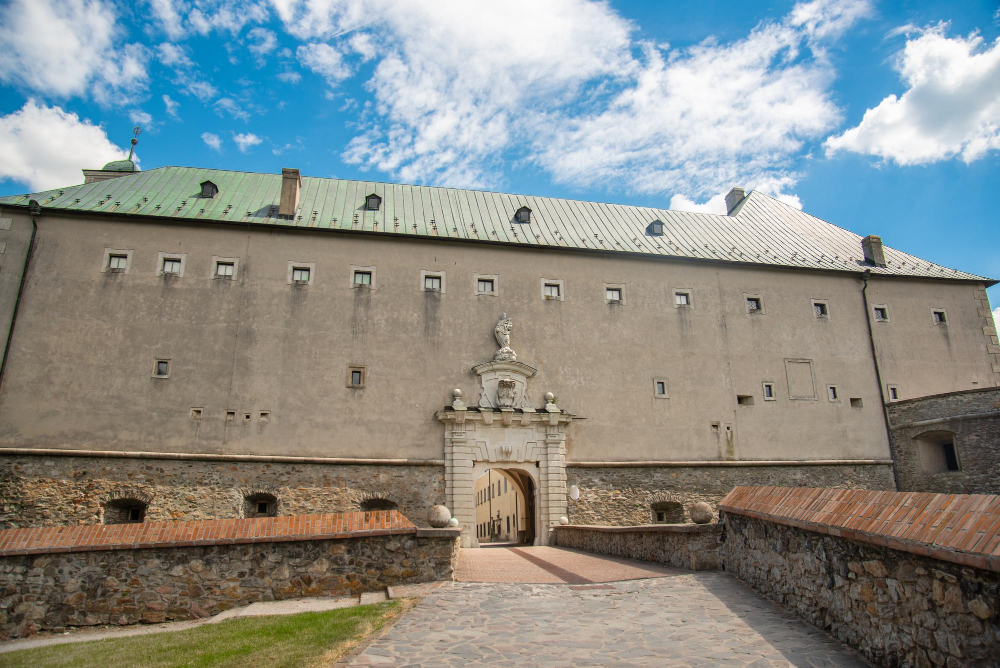
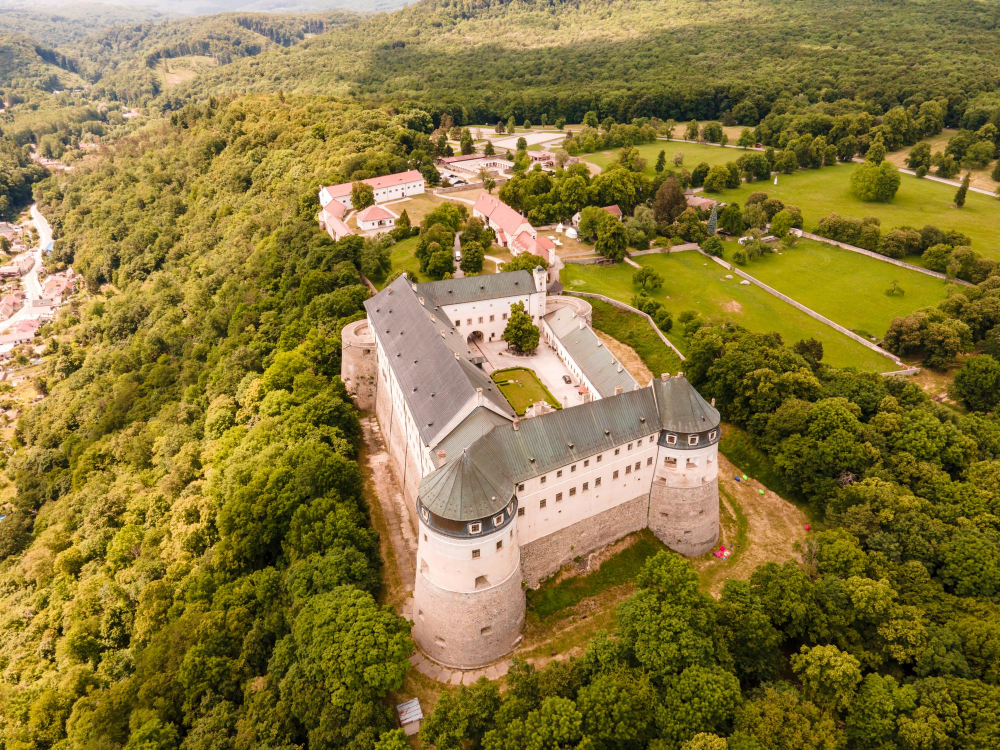
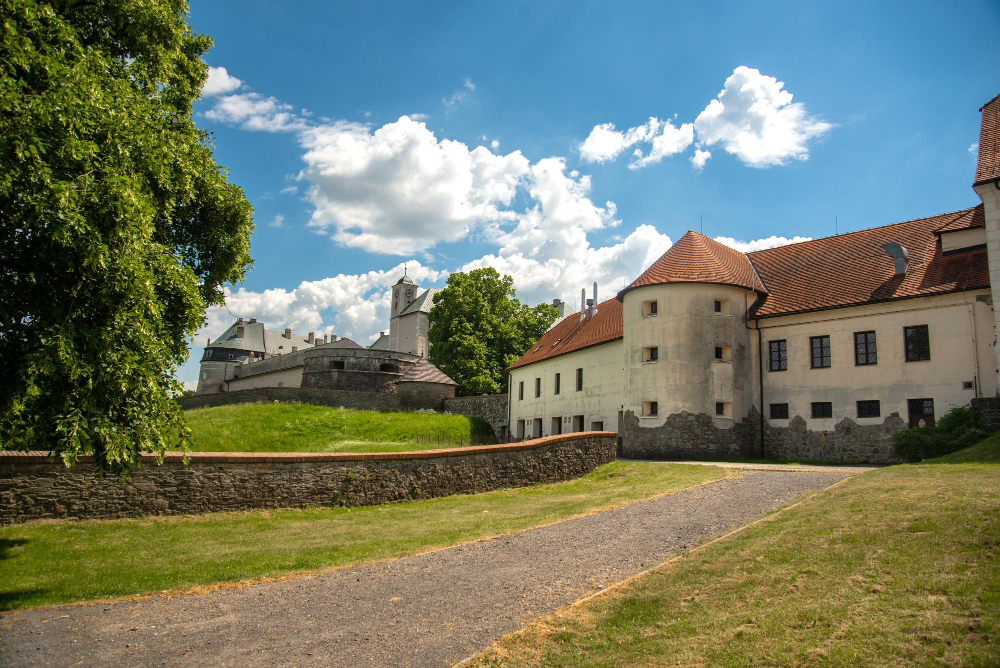
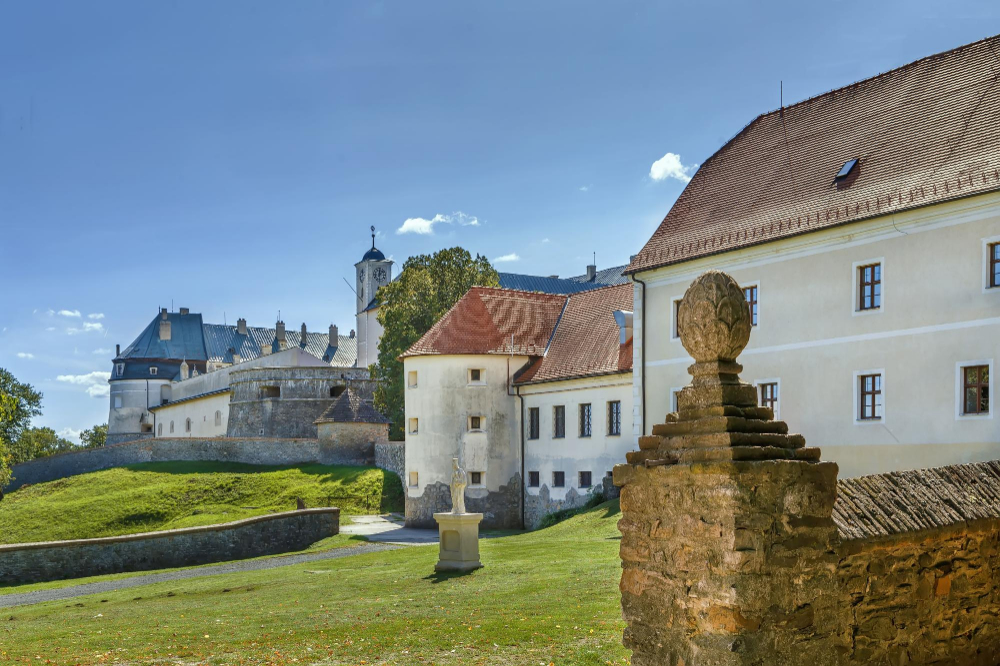
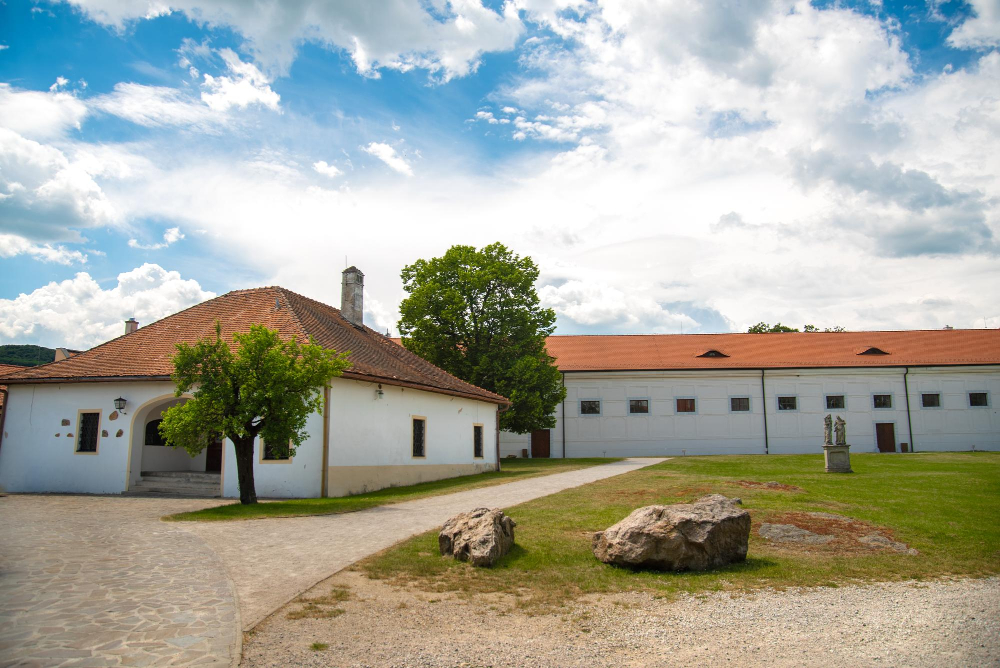
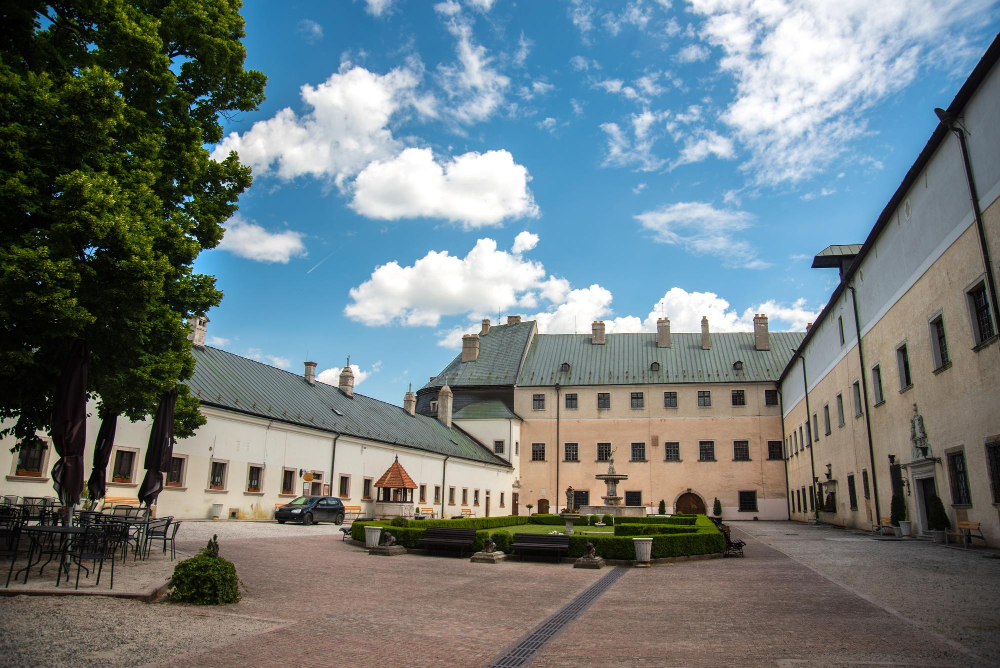
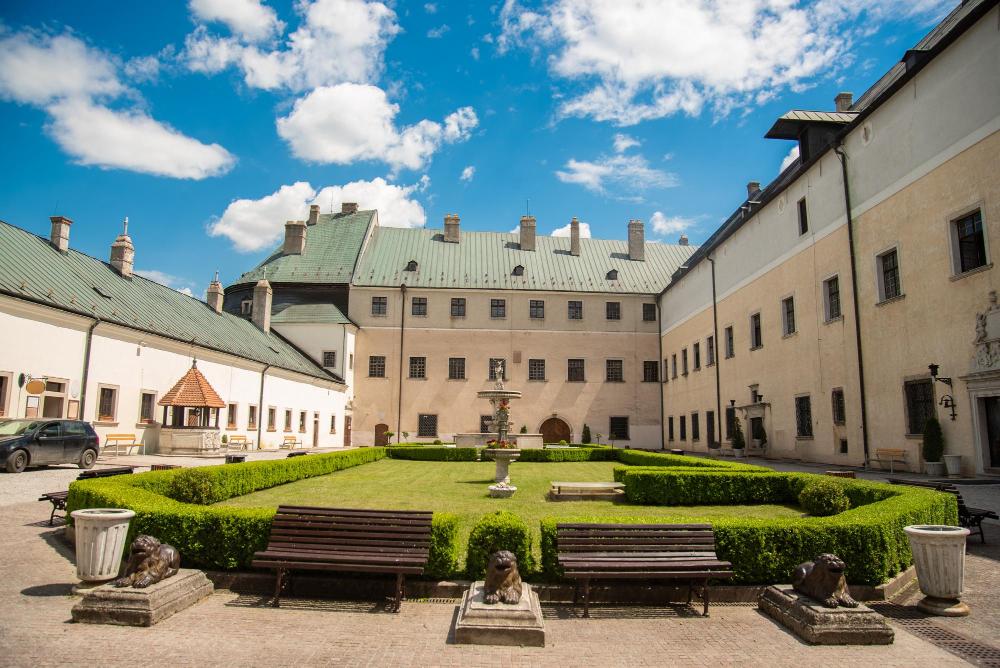
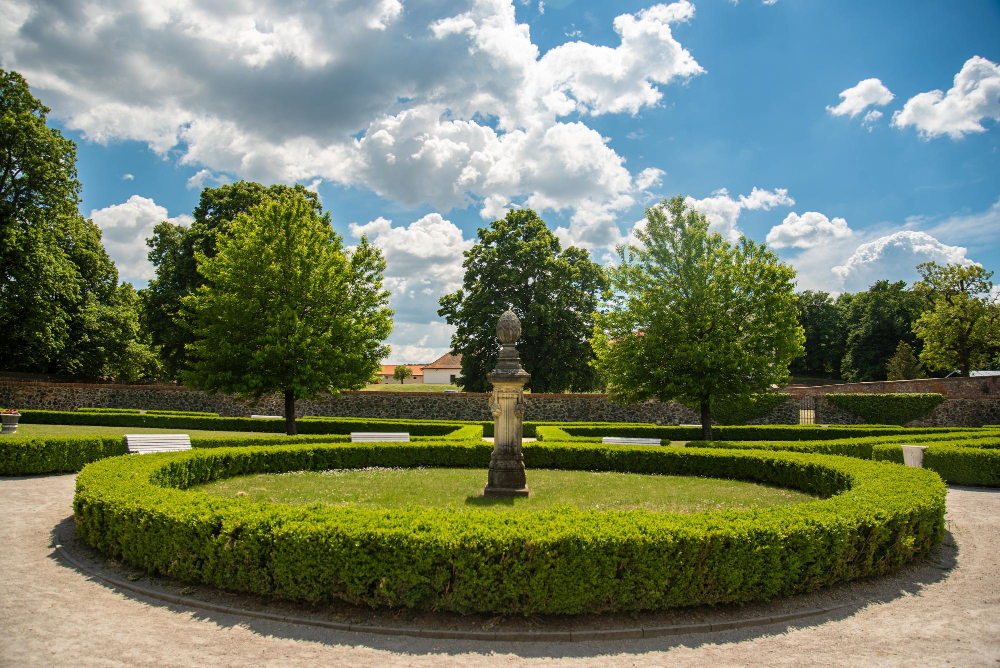
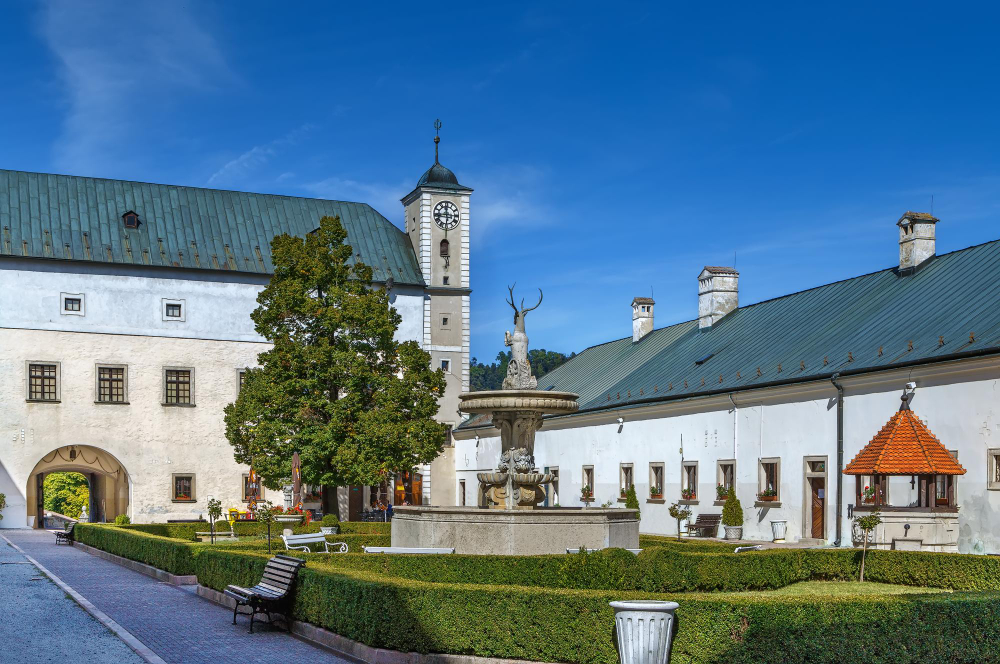
Červený Kameň Castle: A structure steeped in history and secrets – Červený Kameň was originally built in the 13th century as a defensive structure against the Mongol invasion. Over the centuries, it underwent numerous alterations and extensions, particularly under the Pálffy noble family, who owned the castle from the 16th century onwards. These alterations gave the castle its present-day Renaissance appearance, with massive walls, a spacious inner courtyard and a sophisticated system of moats and portcullis gates. Yet, alongside its visible architectural charms, it is the castle’s cellars in particular that harbour an atmosphere of darkness and mystery. These underground vaults extend over several storeys and served not only as storage areas for food and weapons, but also provided refuge in times of crisis. It is here, according to legend, that the origins of the alchemist’s ghost can be traced.
Who was the castle’s alchemist? – In early modern Europe, alchemy was more than just a mysterious science; it combined philosophy, chemistry and mysticism with the aim of producing gold and discovering the elixir of life. Many princely courts employed alchemists as advisers, but their activities often remained hidden and were shrouded in secrecy. In the case of Červený Kameň Castle, tradition has it that a gifted alchemist worked on behalf of the Pálffy family. His name has not been definitively recorded, but some sources suggest that he was a man who not only sought material wealth but was also fascinated by occult knowledge. His experiments are said to have focused primarily on the transmutation of metals and the search for the Philosopher’s Stone.
The Restless Spirit – At the heart of the legend, however, is the spirit of this alchemist, who is said to still wander the damp, dark corridors to this day. Numerous visitors and castle guides report unexplained phenomena: cold draughts in the middle of summer, whispering voices, shadows moving at the edge of one’s field of vision, and the inexplicable clinking of tools deep within the cellar vaults. These occurrences seem to increase particularly at dusk – which has led to numerous night-time guided tours with a spooky theme. One particularly dramatic incident describes the encounter of a young researcher who, whilst exploring the cellar vaults, suddenly saw a shadowy figure striding through the mist as if in a trance, holding fragile glass bottles in its hands. Shortly afterwards, he is said to have heard a voice speaking words of knowledge and warning in broken Latin. Whether this was a figment of his imagination or an actual haunting remains unclear, but such reports are by no means rare.
Scientific explanations between myth and reality – Of course, sceptics have long sought to demystify these phenomena with rational explanations. The dark, damp cellars could provide natural causes for supposed apparitions: the formation of condensation, unusual air currents, the distinctive acoustics of the vaulted ceilings, and the psychological effect of the gloomy surroundings on the human mind. However, electronic devices used to measure electromagnetic fields have detected anomalies in some places that are difficult to explain fully. A study by the Slovak Institute of Parapsychology, which investigates haunting phenomena in historic castles, suggests that places with a strong historical presence and emotionally charged stories are more frequently characterised by reports of ghost sightings. This confirms the interplay of history, psychology and environmental factors in the emergence of such legends.
Alchemy – Historical Background and Significance – To better understand the significance of the alchemical spirit, it is worth taking a brief look at the history of alchemy itself. In the Middle Ages and the early modern period, alchemy was regarded as a legitimate science that went far beyond the mere ‘making of gold’. It sought to understand nature, the fundamentals of life and the connection between matter and spirit. Alchemists enjoyed high esteem at many European courts, yet their knowledge was always cryptic and shrouded in mystery. Their experiments – which often lasted for decades – took place in secluded laboratories, using secret formulas and symbols. It is easy to imagine that such an environment, deep within the catacombs of a castle, cut off from daylight, would still make an eerie impression even today. The Pálffy family in particular, who wielded great influence in the region during the 16th and 17th centuries, promoted both scientific and esoteric studies. Archival records show that they possessed ancient manuscripts on alchemy and Hermeticism – possibly the intellectual legacy of that eerie alchemist.
The castle as a place of the uncanny and the mystical today – Today, Červený Kameň Castle is a popular tourist destination and museum, showcasing to visitors not only its magnificent interiors but also its gloomy cellars. Guided tours regularly recount the famous ghost stories, whilst special ‘night tours’ enhance the atmosphere with lighting effects and dramatic staging. These events attract not only history and culture enthusiasts, but also fans of the paranormal, amateur ghost hunters and authors of supernatural literature. The legend of the alchemist’s ghost acts as a magnet, blending historical facts with a fascinating touch of the uncanny.
Between myth and reality – the enduring magic of the alchemist – Červený Kameň Castle uniquely symbolises the intertwining of history, science and superstition. The legend of the alchemist’s ghost forms a captivating link between the real past of the Pálffy noble family and the mysterious world of alchemy. Whilst concrete facts about the alchemist himself are scarce, it is precisely the mystical aura of this ghost that holds a special fascination. Whether the ghost stories are merely a product of the imagination or actually supernatural phenomena is left to each visitor to decide. One thing is certain, however: as long as the castle’s gloomy cellars guard their secrets, the alchemist’s ghost will continue to wander through the shadows and retain his place in the world of Slovak legends.