 Isabella Mueller Baroness of Stainton le Vale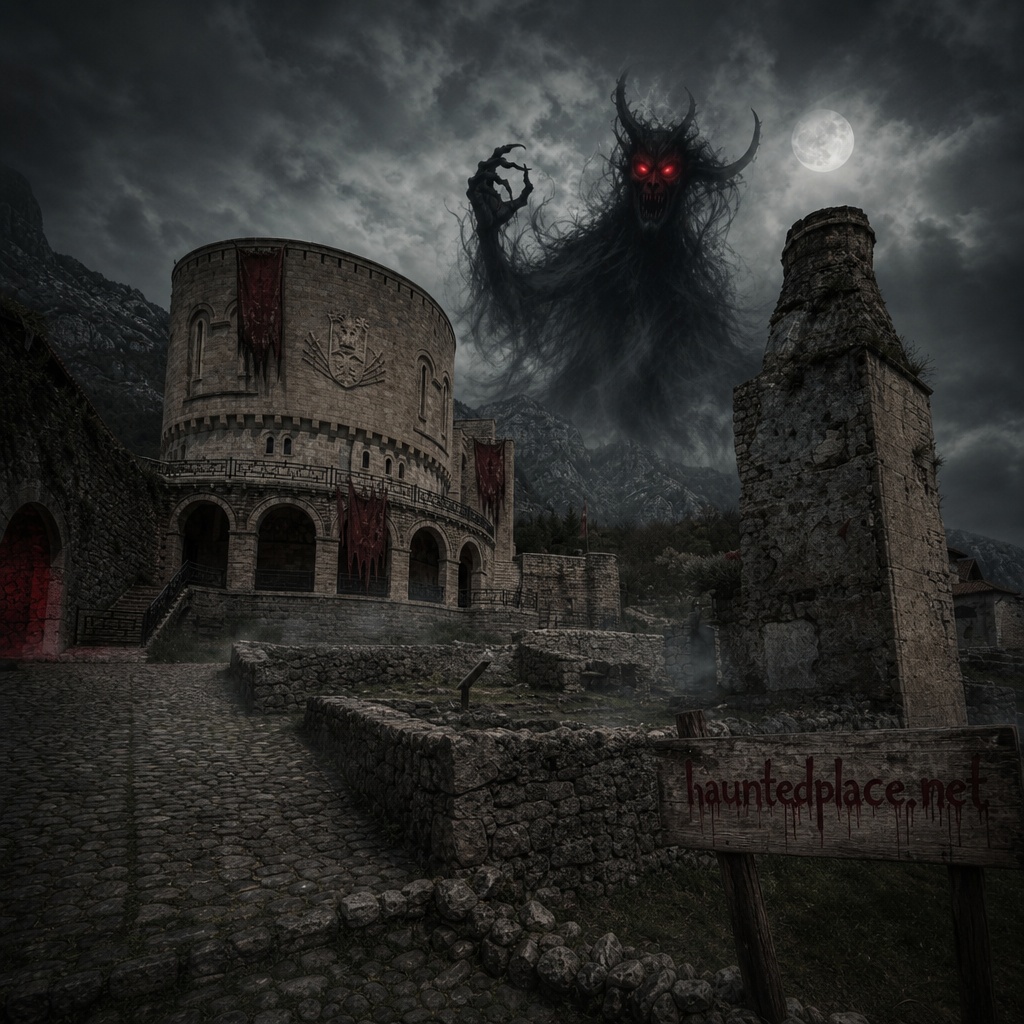
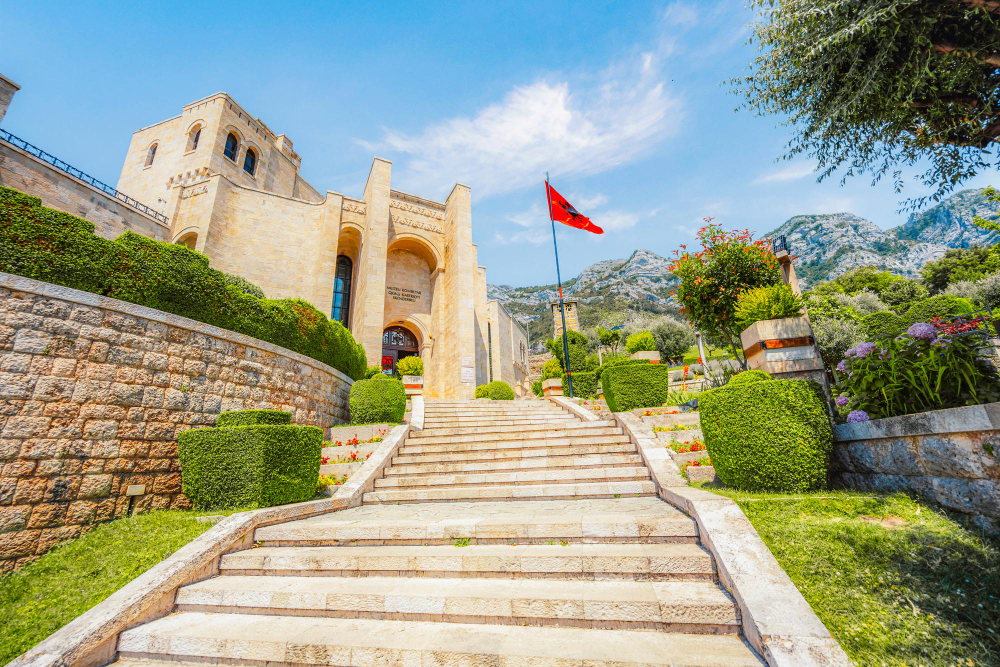
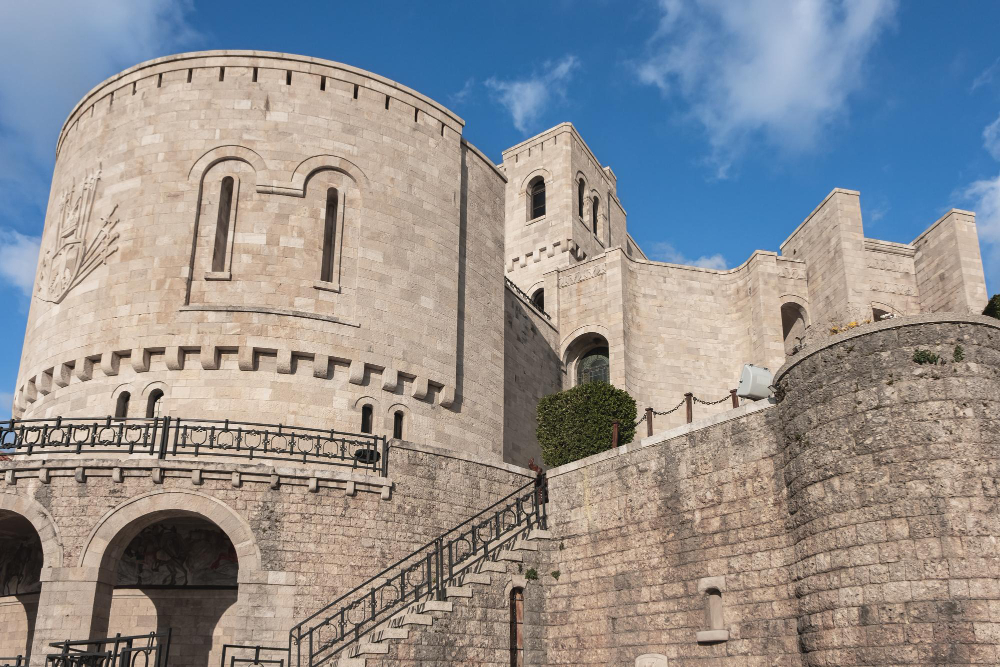
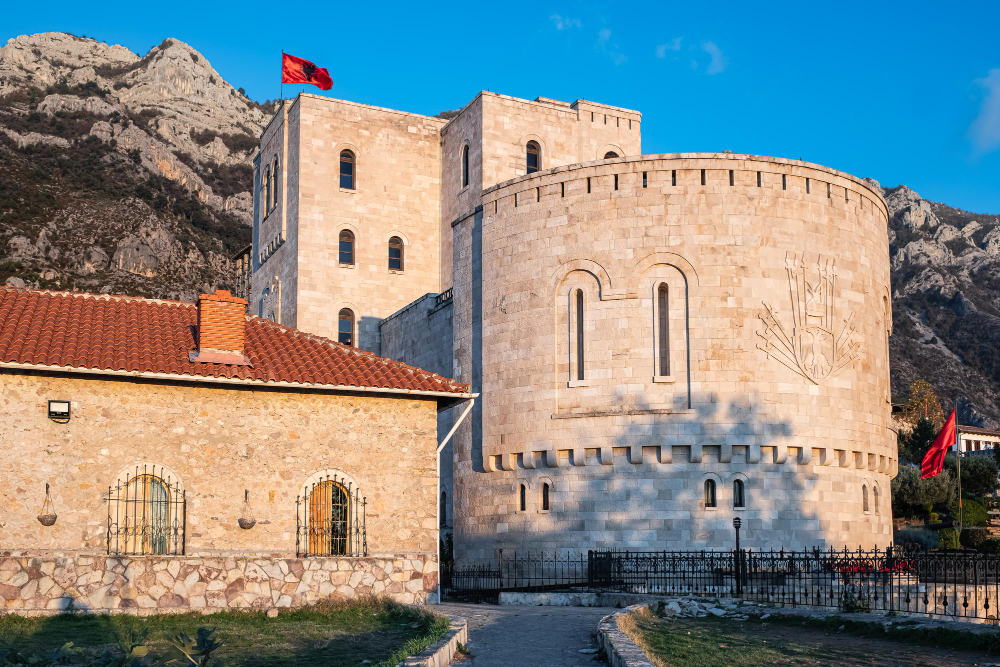
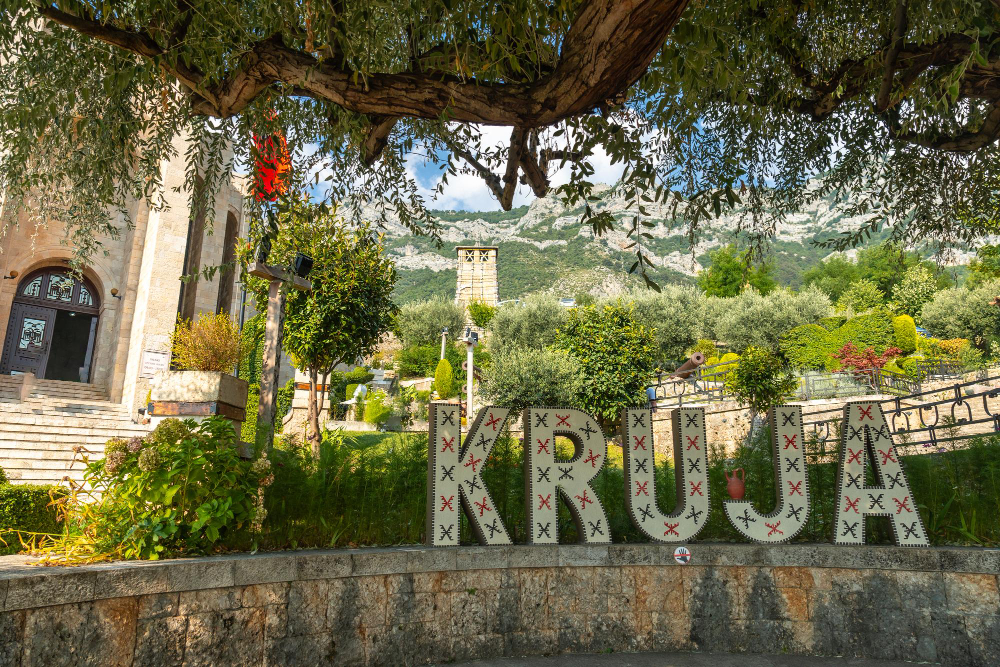
Perched high in the mountains of Albania stands the Fortress of Kruja (Kalaja e Krujës), a historic structure that towers over the town like a silent sentinel. Yet behind the ancient walls, which once served as protection against enemies, a dark secret seems to lie hidden. For centuries, stories have been told in Albania of eerie apparitions, mysterious sounds and inexplicable events said to have taken place at this site. Visitors report a sense of foreboding that overtakes them the moment they step through the fortress gates. For some, this is merely a consequence of the centuries-old walls; for others, however, it is a clear sign that something supernatural is at work here.
A dark chapter in history – The Fortress of Kruja plays a central role in Albanian history. It was a symbol of resistance against the Ottoman Empire and one of the main sites where the famous Albanian national hero Skanderbeg fought back against the Ottoman invaders. This bloody past, marked by war, suffering and death, could be the breeding ground for the eerie phenomena associated with the fortress today. Many believe that the souls of those who lost their lives defending the fortress have never truly found peace. Instead, they are said to wander the walls to this day, trapped between life and death. The legends and accounts surrounding the fortress go back a long way. Some locals speak of a curse linked to the fortress’s construction. It is said to have been built on sacred ground that previously served as a ritual site for ancient pagan ceremonies. The desecration of this area could be the origin of the evil omen that still hangs over the fortress today.
Eerie Encounters – Many visitors report unexplained phenomena that befell them during their stay at the fortress. One woman, for example, recounted that during a night-time tour of the ruins, she suddenly felt an inexplicable chill that gripped her entire body, even though it was summer and the air was pleasantly warm. At the same time, she heard footsteps behind her, even though no one else was there that evening. When she turned round, she saw a figure that slowly faded into the darkness. Other reports speak of voices that seem to come from the walls, and of shadows moving strangely across the ancient stones. Some visitors speak of being unable to shake off an oppressive feeling of being watched, as if invisible eyes were following their every step. Particularly eerie is the account of a traveller who claimed to have seen a man near the fortress, dressed in old-fashioned clothes and muttering to himself. As he tried to approach this man, the figure vanished without a trace. This incident is strongly reminiscent of reports of so-called ‘soul wanderers’ – ghosts that become visible for a brief moment before returning to the supernatural realm.
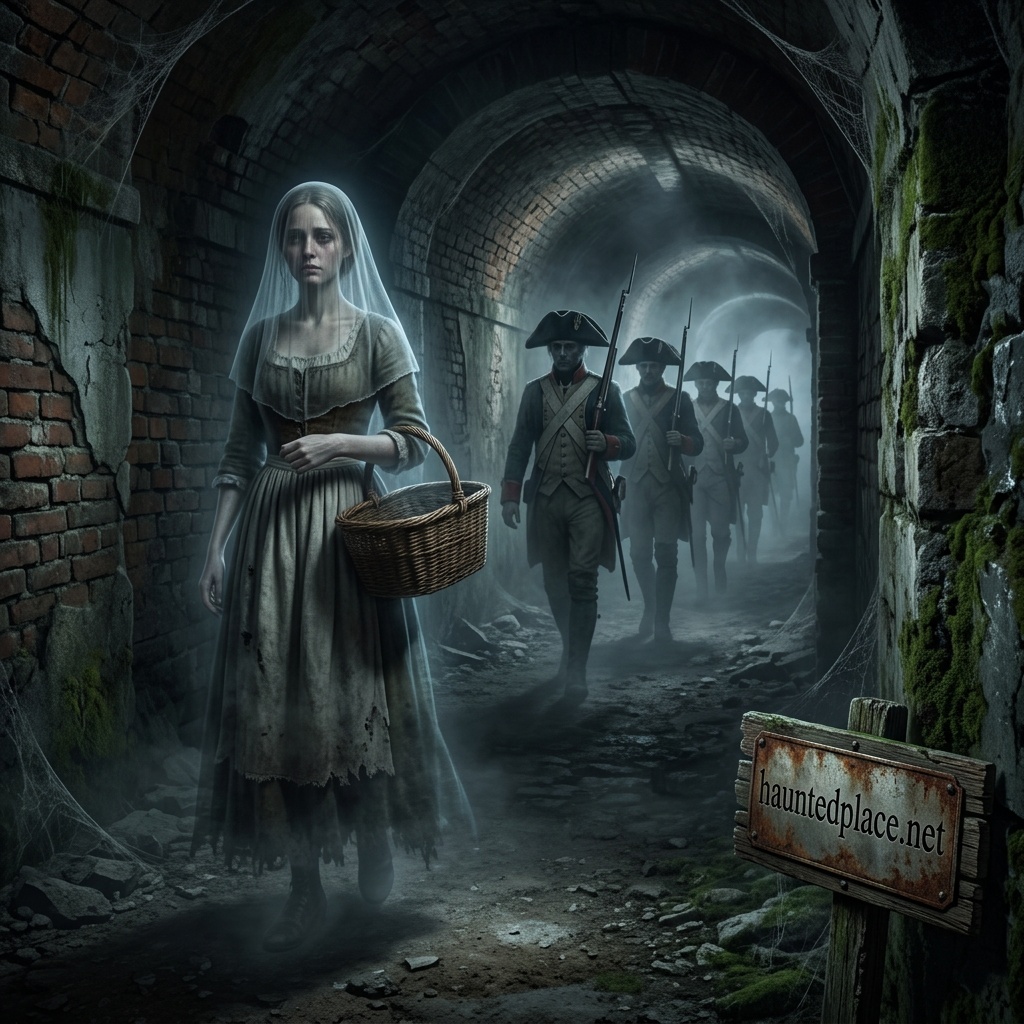
The Legend of the White Shadow – One of the best-known ghost stories associated with Kruja Fortress concerns the ‘white shadow’. According to the legend, the ghost of a young woman is said to appear within the fortress walls at night. The woman was allegedly walled up alive in the foundation stone during the fortress’s construction to strengthen the structure – a cruel ritual that exists in some cultures and served the purpose of ‘blessing’ the building through a sacrifice. Her soul is said to now wander restlessly, in search of redemption. Visitors report that they can usually perceive the apparition of this spirit during a full moon. She is said to look delicate and elfin, yet on closer inspection her form is twisted and distorted like that of a demon.
Modern investigations into the legends – Modern scientists and researchers have also turned their attention to the grim history of Kruja Fortress. Paranormal investigators visited the site to get to the bottom of the reports of ghostly apparitions. Using special cameras and sensors, they sought to find evidence of electromagnetic waves or drops in temperature – indicators often associated with paranormal activity. Indeed, some anomalies were detected during these investigations, but definitive proof has yet to be provided. It is interesting to note that historians also regard these legends as part of Albania’s cultural identity. The stories surrounding the fortress have stood the test of time and play an important role in both modern ghost stories and the country’s literature and art. Some believe that these tales serve to help process the horrors of the past and to anchor the fortress’s significance in the cultural memory.
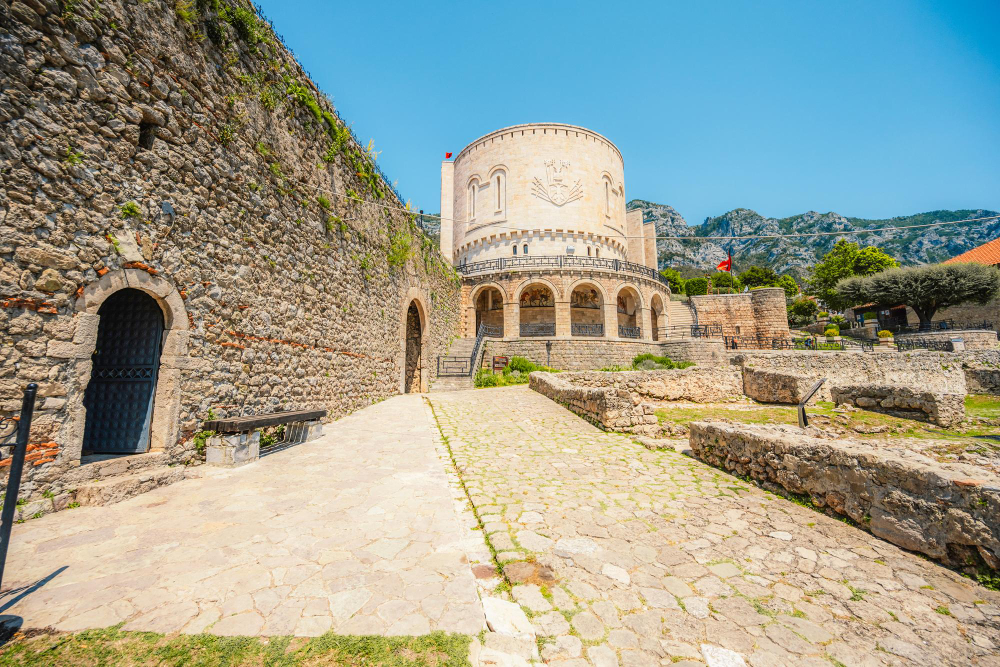
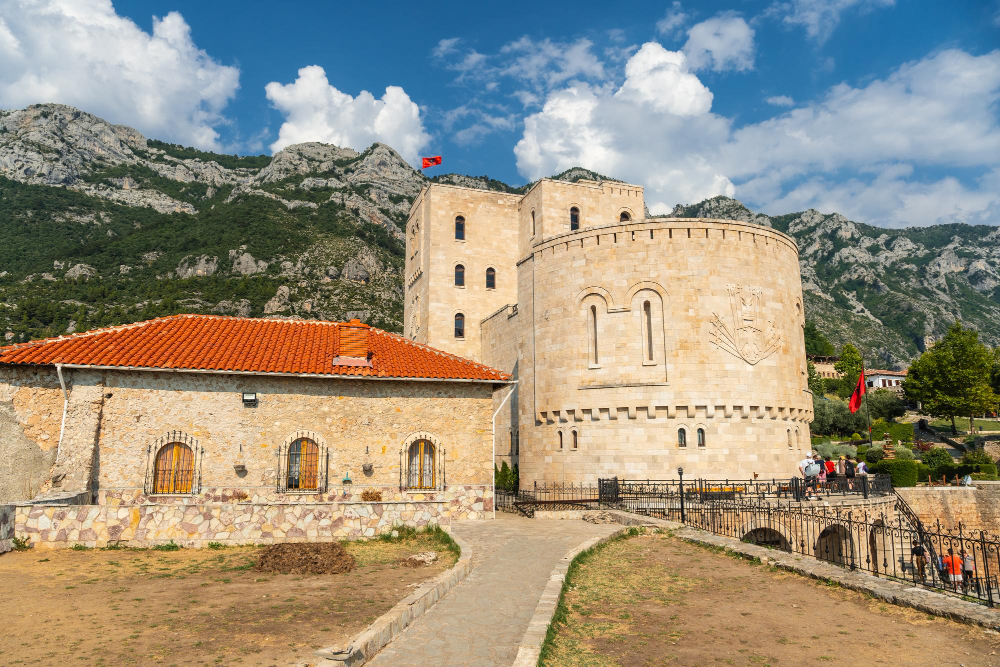
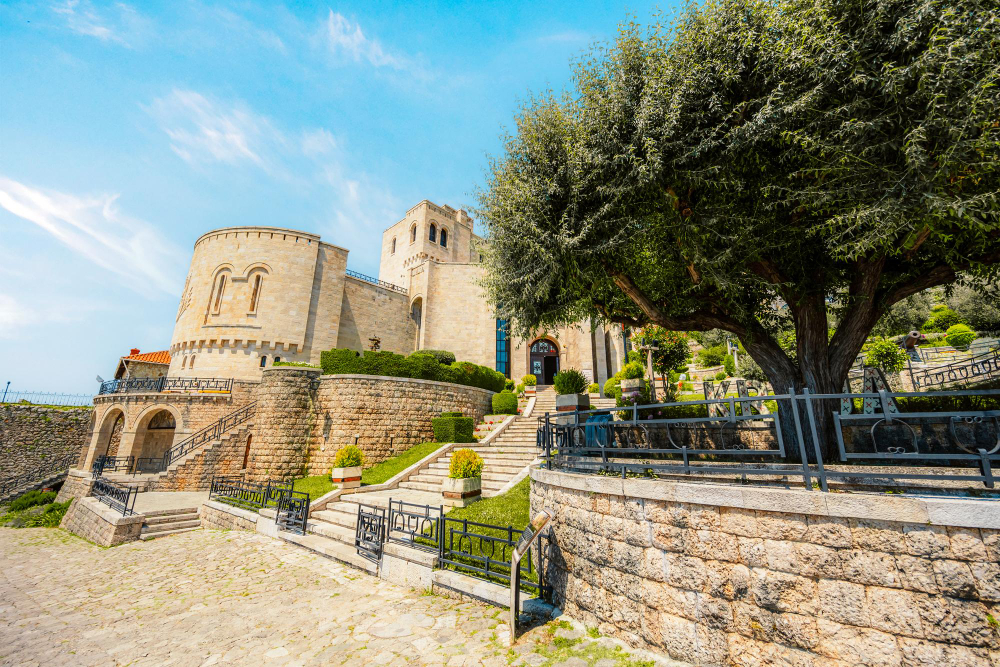
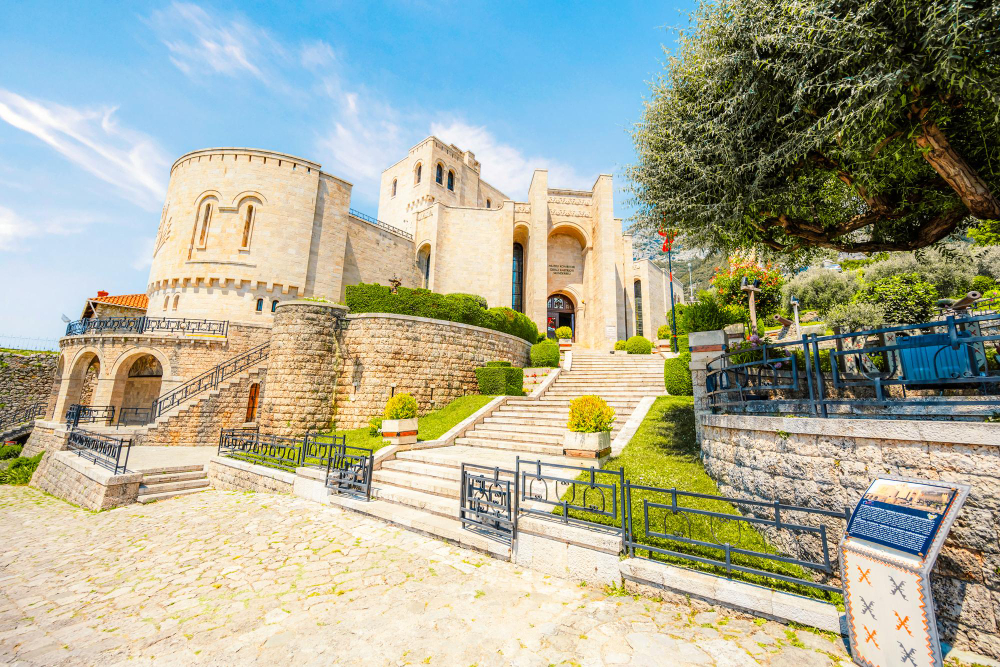
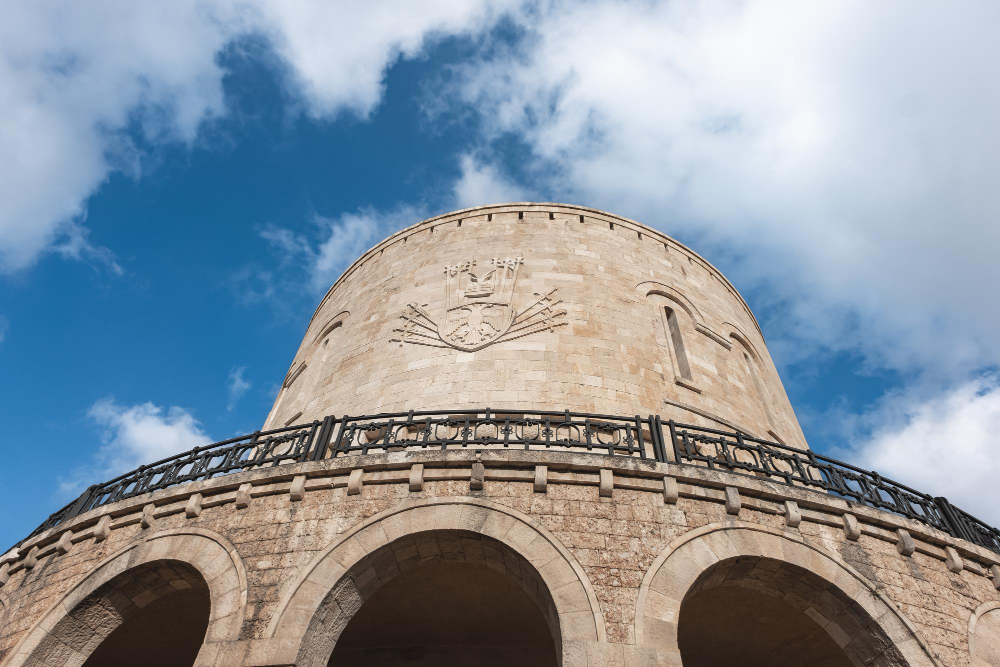
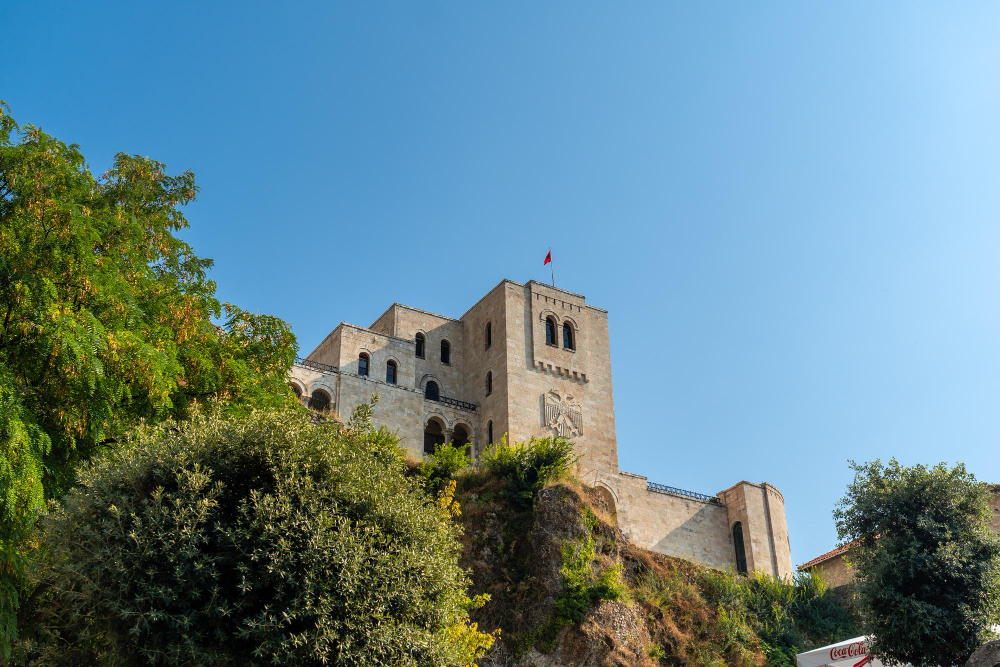
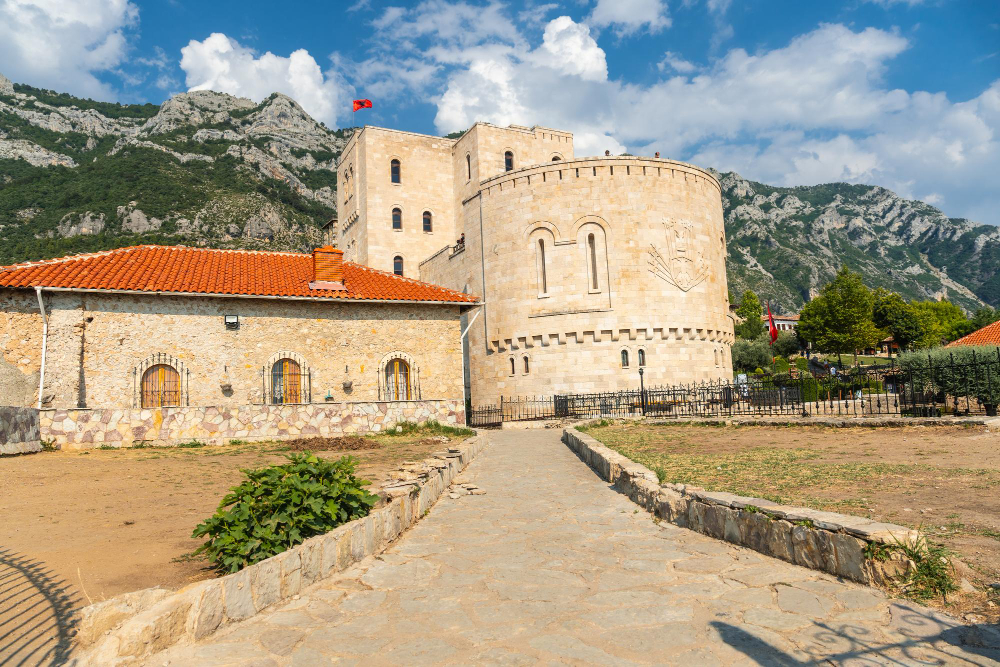
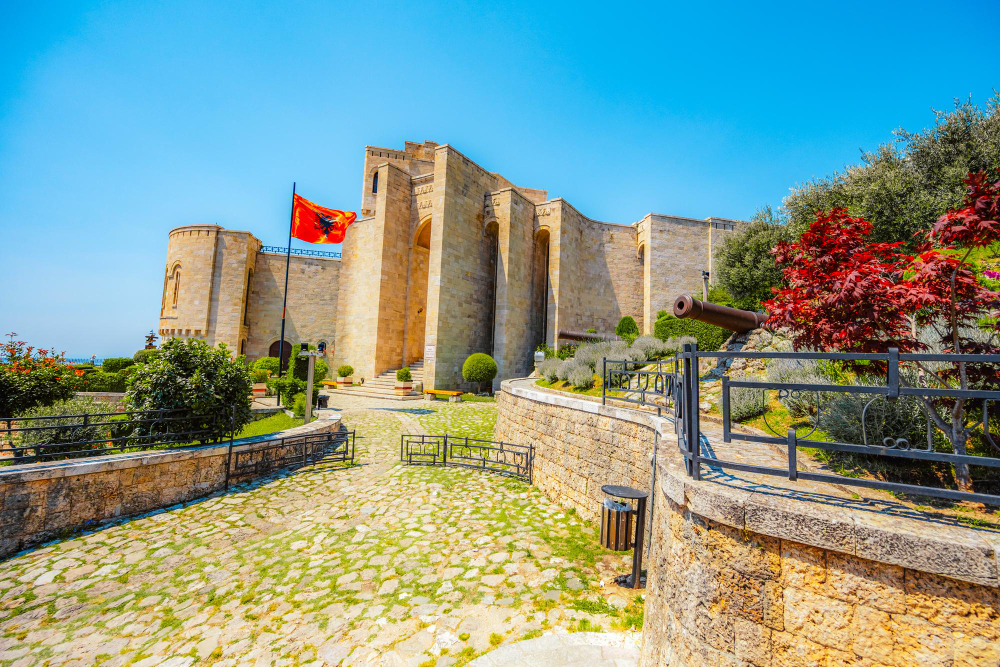
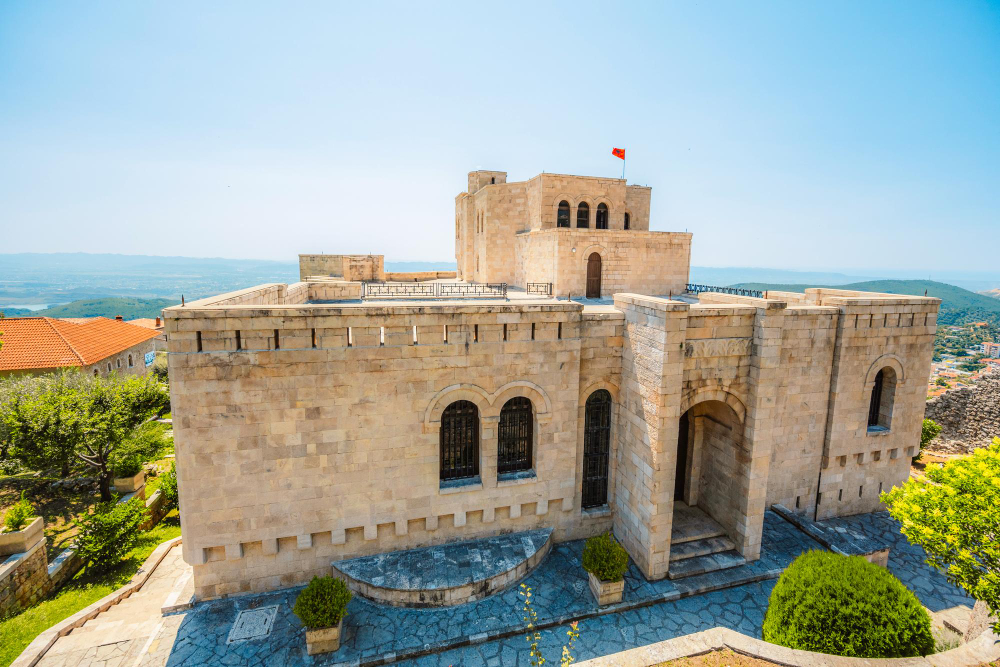
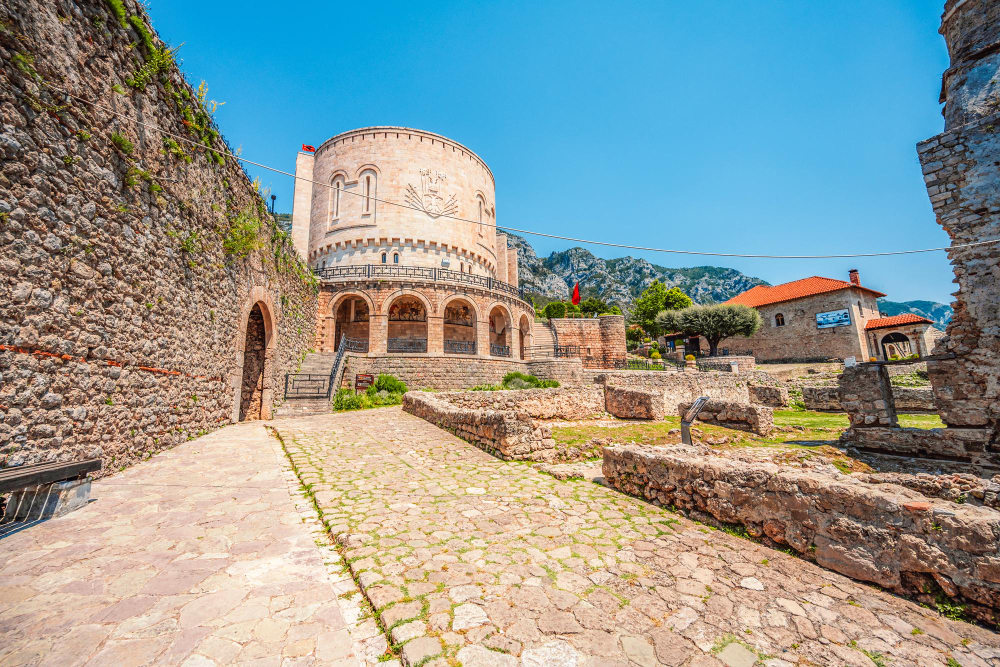
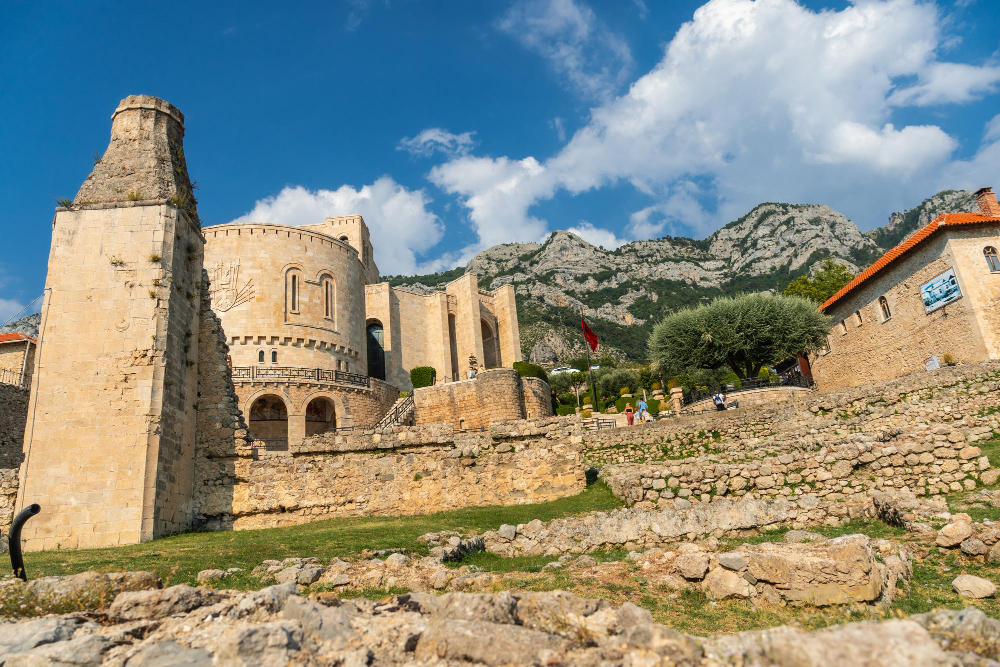
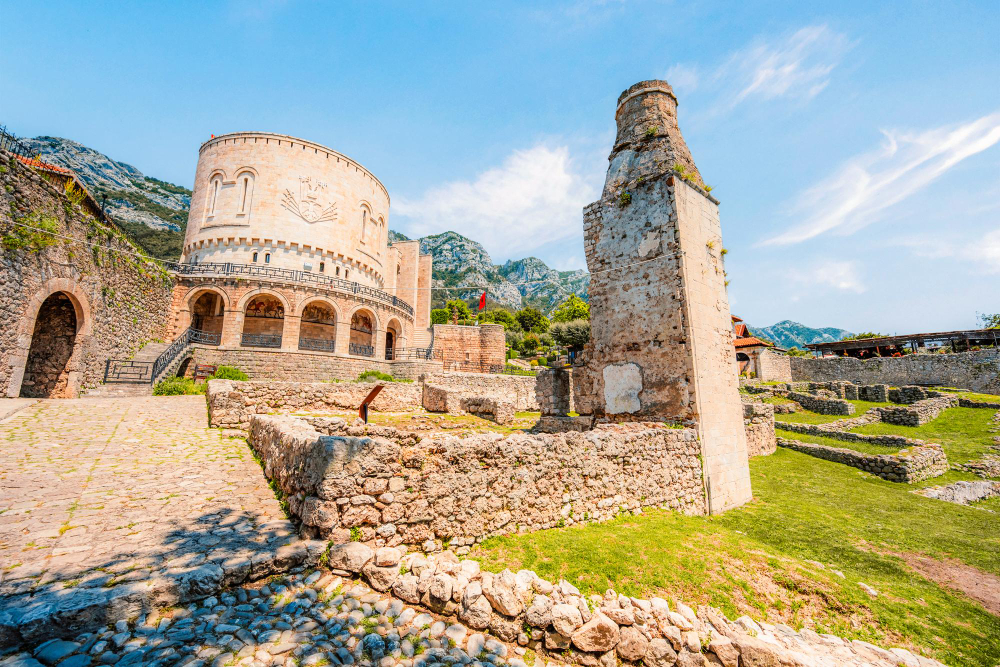
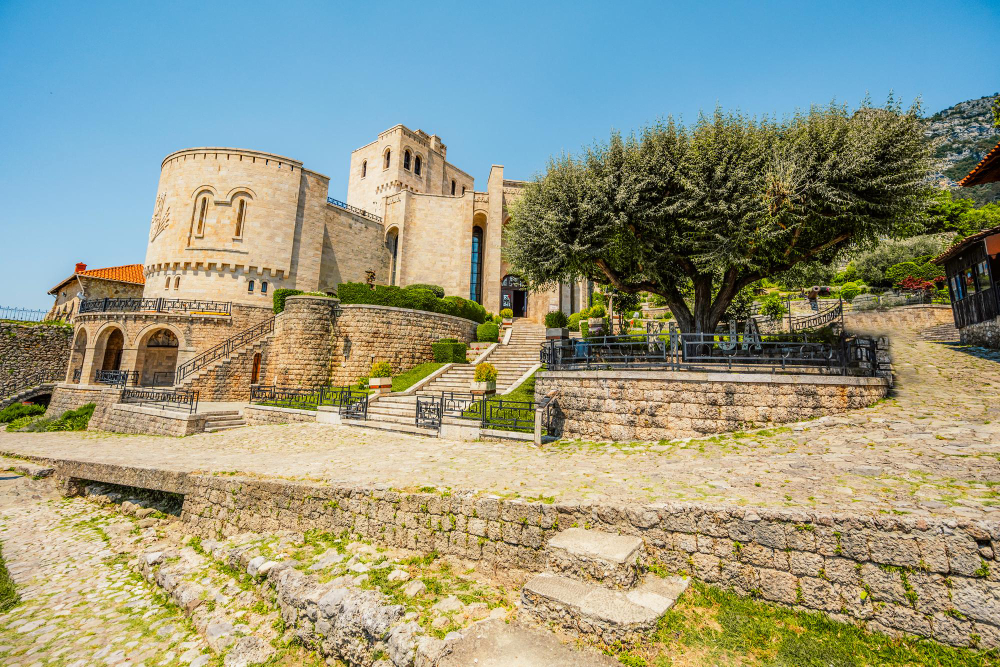
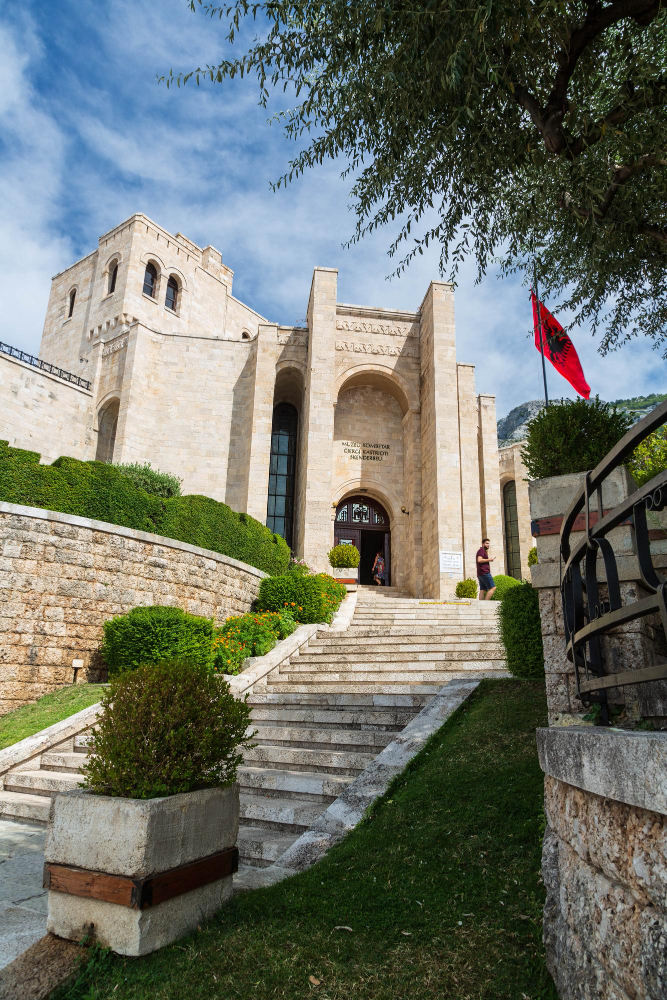
The fortress today: A place for the brave – Today, Kruja Fortress is a popular tourist attraction. Visitors can explore the impressive ruins, which display a blend of medieval architecture and Ottoman influence. Yet despite its historical beauty, the fortress remains a place that exudes an eerie aura for many. Some travellers report that they refuse to enter the fortress alone in the evening, as the stories of ghosts and curses are simply too present here. Inside the fortress there is also a museum dedicated to the history of Skanderbeg. Here, visitors can learn more about the strategic importance of the site and the battles that took place here. Yet even within the museum, there are said to have been reports of strange occurrences – from lights suddenly flickering to inexplicable noises coming from nowhere.
The Fortress – Myth and Reality – Whether Kruja Fortress is actually haunted by ghosts ultimately remains a matter of individual interpretation. There is no scientific evidence to corroborate the reports and legends, yet the multitude of stories and the persistence with which they are passed down lend the place a mysterious and eerie air. What remains undisputed is the fortress’s historical significance and its role as a fascinating destination in Albania. For those who dare to enter the fortress’s gloomy corridors and chambers, this could be an unforgettable experience. Whether one actually encounters a ghost or simply savours the impressive atmosphere of this historic site is up to the individual. But one thing is certain: Kruja Fortress will continue to preserve its eerie tales and captivate generations of visitors.