 Isabella Mueller Baroness of Stainton le Vale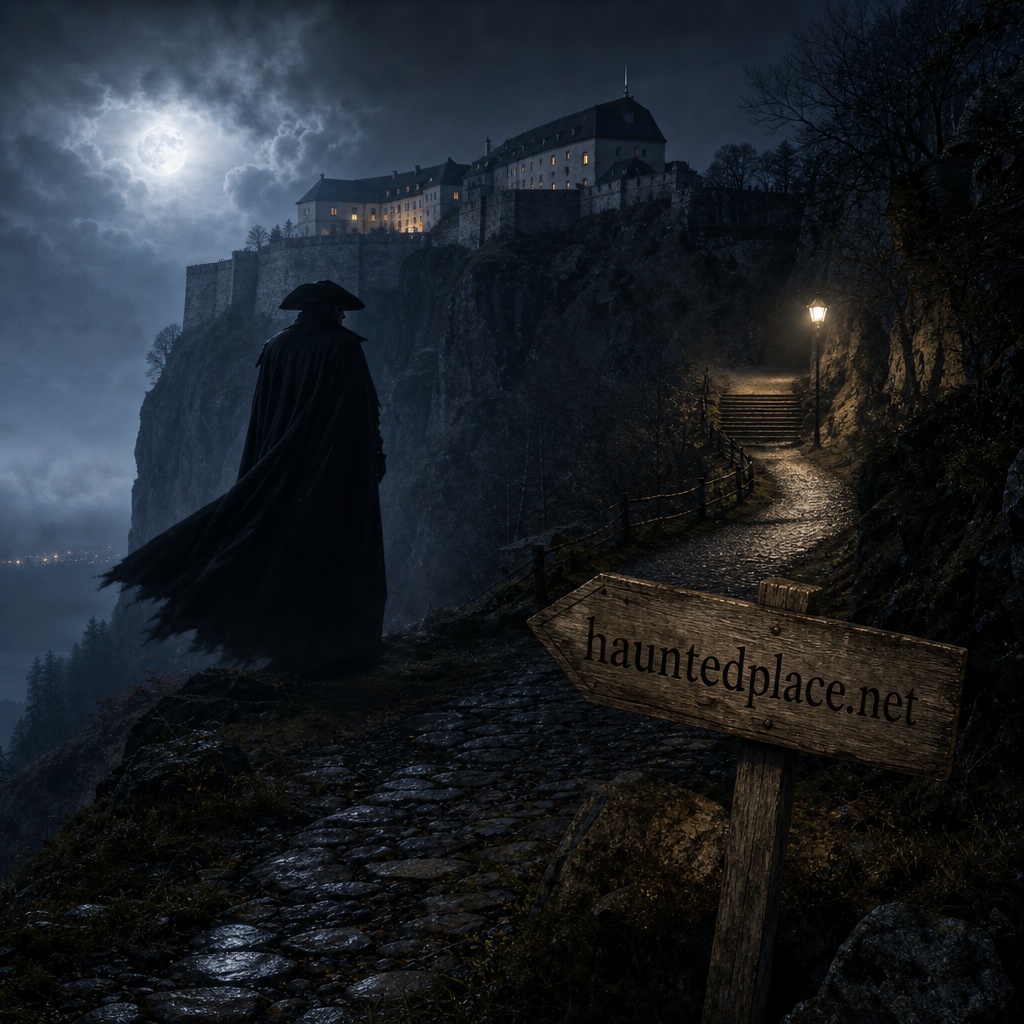
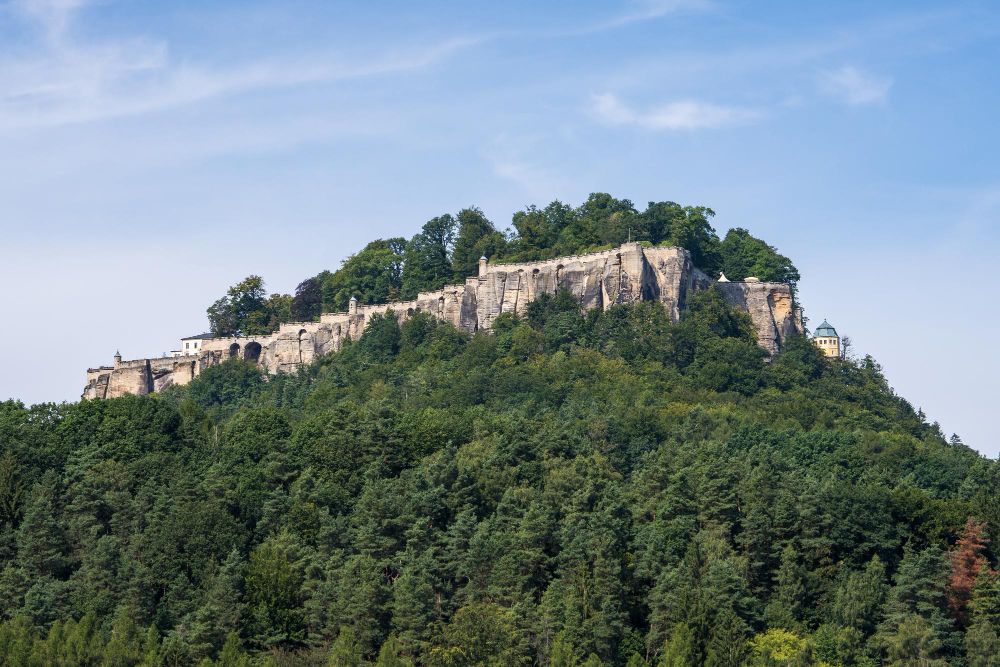
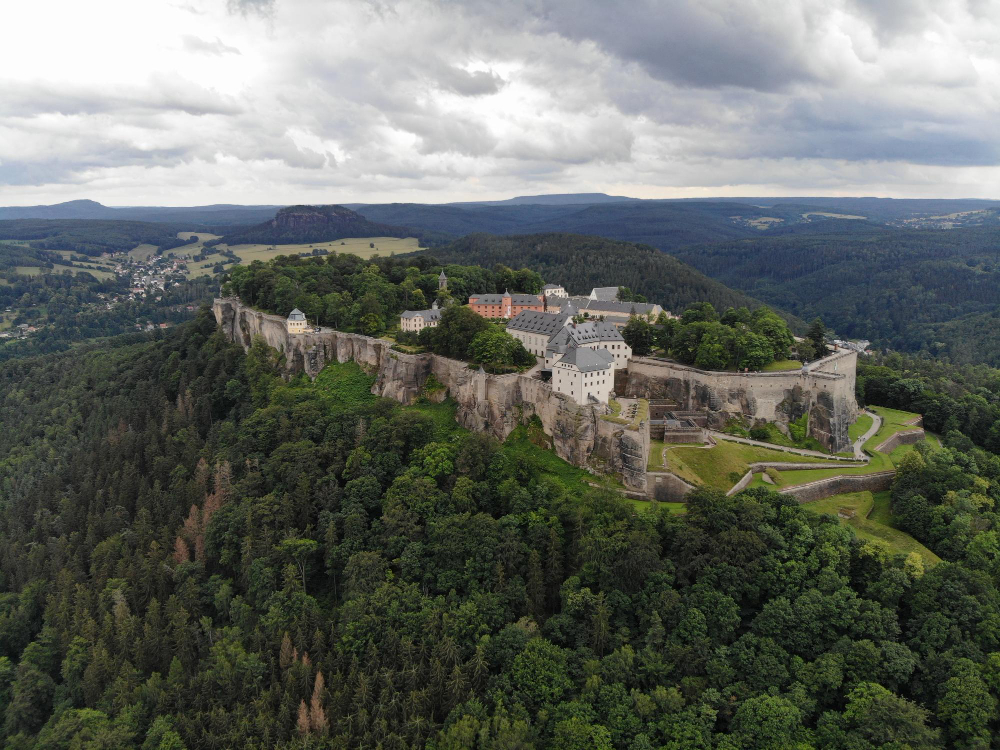
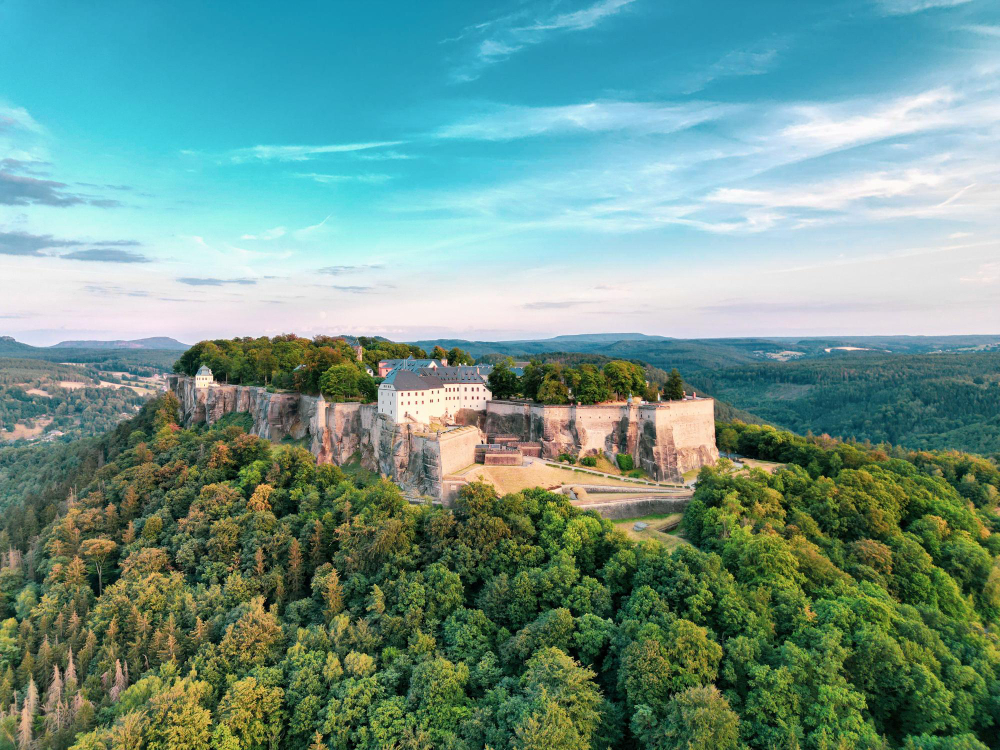
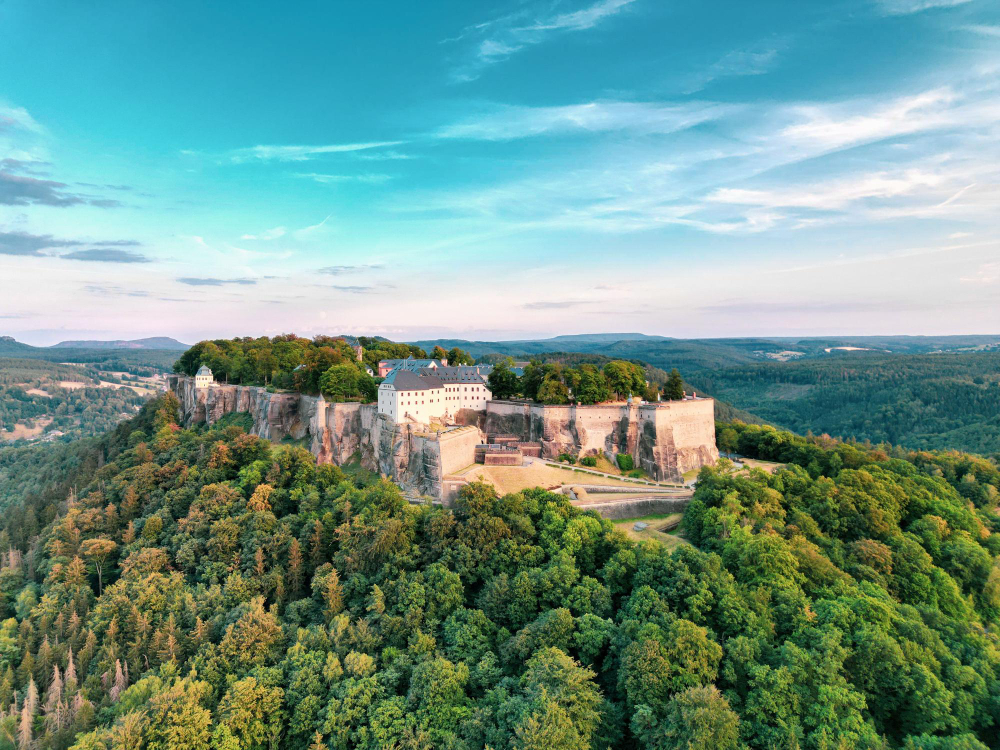
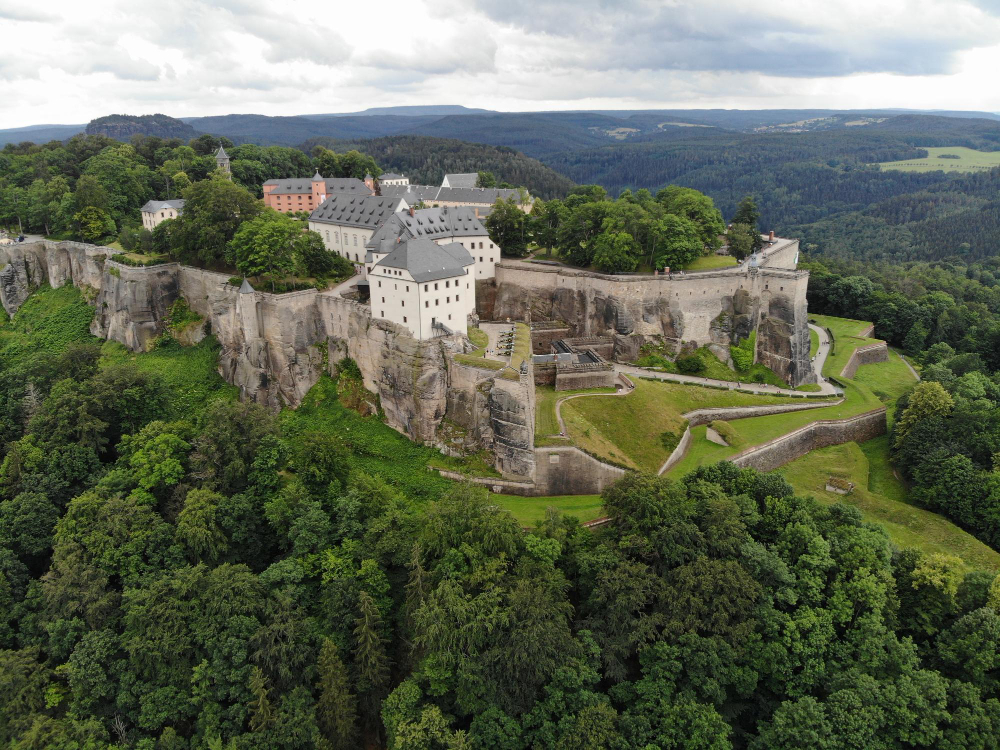
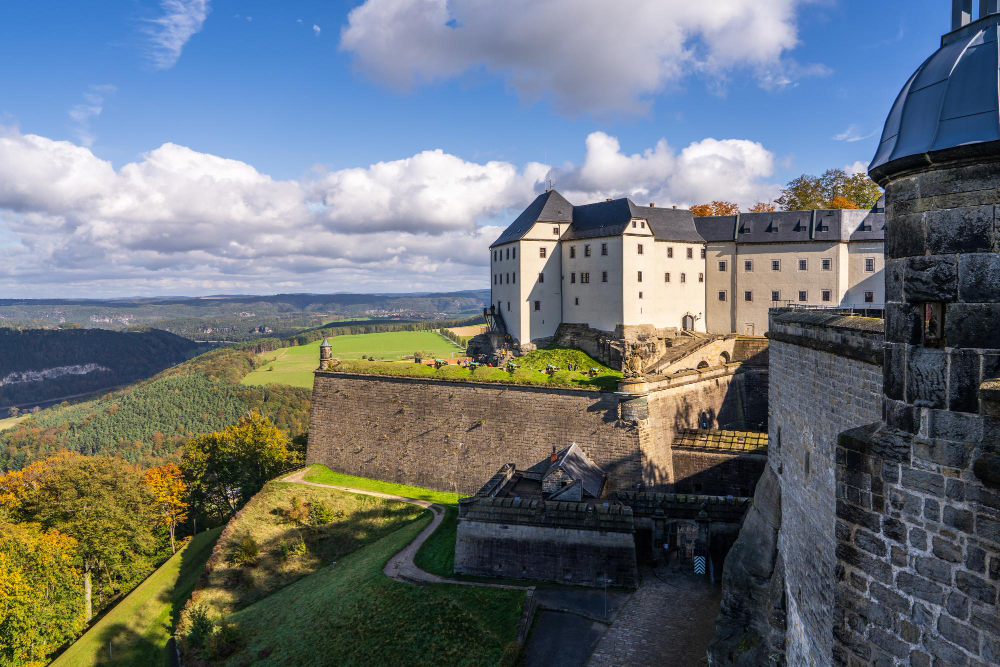
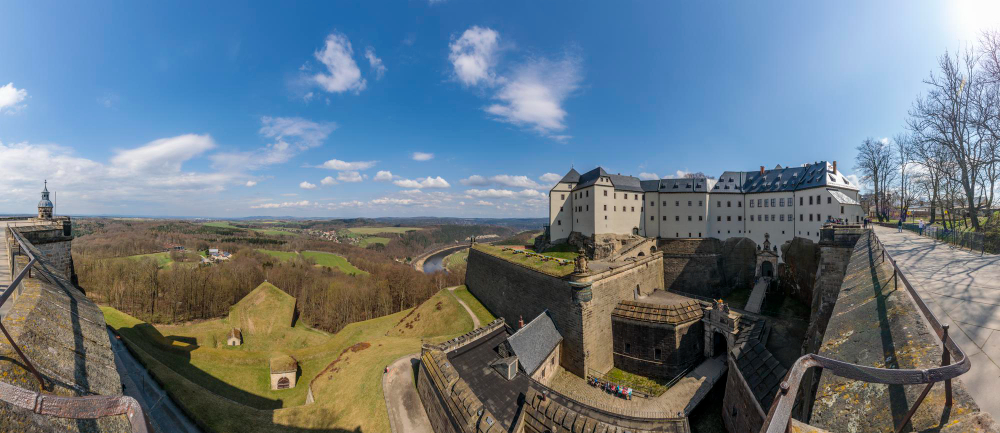
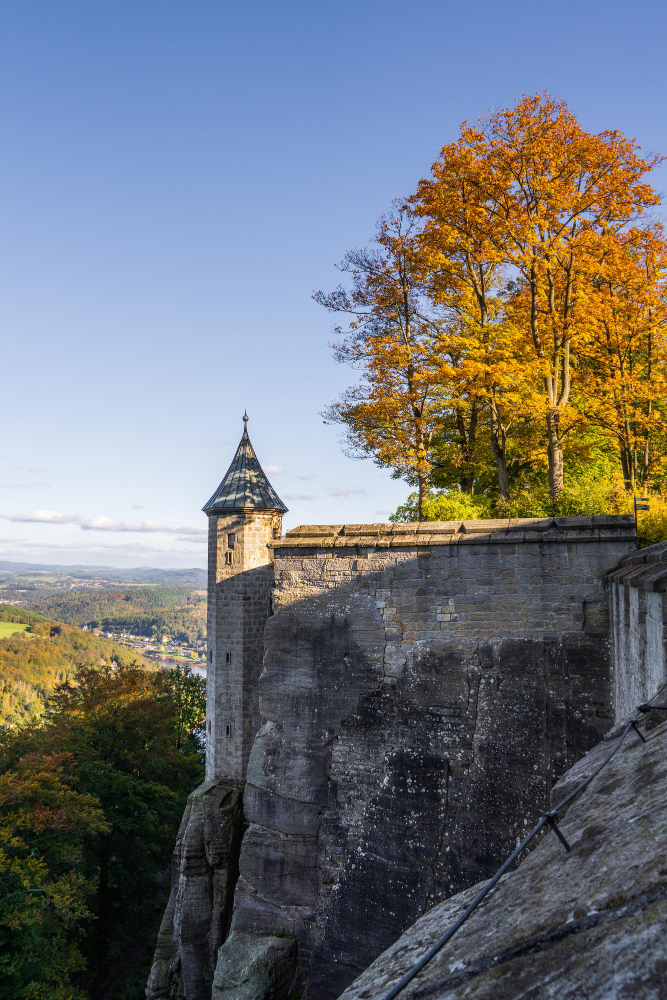
Königstein Fortress in Saxony, which sits majestically atop a table mountain, is not only an impressive testament to Saxon history, but also the setting for numerous dark legends and eerie events. Among the mysterious phenomena that have been sending shivers down the spines of visitors and staff for centuries, one figure stands out in particular: the giant in the cloak. This ghostly figure, clad in a dark cloak and a floppy hat, is said to appear in the darkness of night on the Luisenweg – the path leading up to the fortress – striking fear into the hearts of both walkers and guards alike.
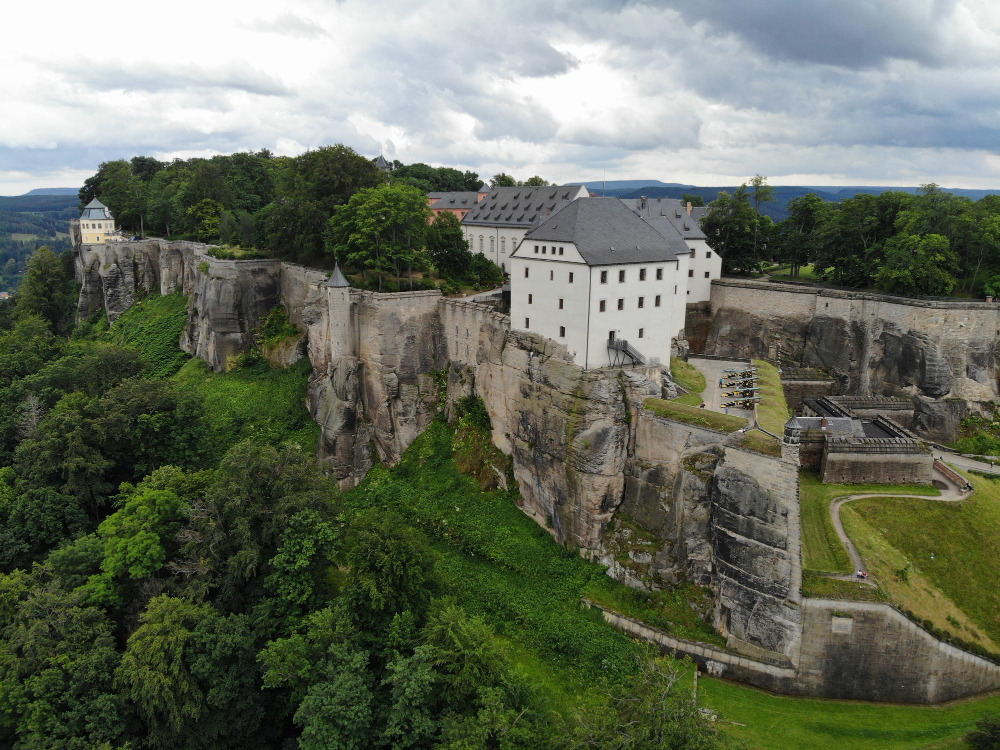
The Apparition on the Luisenweg: Description and Accounts – The Luisenweg, named after the Prussian Queen Luise of Mecklenburg-Strelitz, winds its way up the steep slope to the fortress in a series of hairpin bends. It is precisely on this section of the path that numerous witnesses report having seen an unusually large, almost superhuman-looking figure. According to reports from old chronicles and eyewitness accounts, the man is said to be around two metres tall, or even taller; his voluminous, dark cloak flutters in the wind, and his wide, floppy hat largely conceals his face, making his appearance all the more mysterious. He usually stands on the plateau near the path around midnight, gazing around searchingly and impassively – as if he were expecting someone or had lost his way in time. These encounters are rare, but are consistently described in a similar manner, suggesting a recurring apparition. Walkers out late at night have reported an icy shiver that came over them when they caught sight of the astonishing, human-like yet alien silhouette. Even the sentries who patrol the Luisenweg at night have repeatedly reported unsettling encounters: the feeling of being watched, footsteps that vanish into thin air, and the sudden appearance of this dark figure before it disappears without a word or a sound. Historical and cultural background of Königstein Fortress – The fortress itself is a place steeped in history, built from the 16th century onwards as a strong defensive structure and later used as a state prison. Its thick walls, underground casemates and deep vaulted cellars harbour stories of prisoners, officers, soldiers and political detainees, whose fates often ended tragically. It was precisely its use as a prison during various periods of political upheaval that earned the fortress a reputation as an inhospitable and merciless place where suffering and death were ever-present.
The Giant in the Cloak in the Context of Saxon Folklore – The figure of the ‘giant’ is not confined to Königstein alone. In the regional folklore of Saxony, there are several tales of mysterious giant beings or shadowy figures that appear at night in unprotected places. These stories are often accompanied by warnings not to be out alone after dark. The cloak and the floppy hat as items of clothing point to a historically plausible era – possibly the Baroque period or the 19th century – which supports the assumption that this is a ghost linked to the fortress’s human past. Some historians speculate that the figure symbolises a former guard or prisoner whose fate was tragically intertwined with the fortress. The image of searching and wandering at night could suggest that this apparition embodies a kind of restlessness – a sign that some souls have not found peace after death.
Scientific analyses and psychological explanations – Alongside folkloric and historical explanations, scientists and modern parapsychologists have also examined the phenomenon. They caution against over-interpretation, but at the same time point out that the fortress’s unique atmosphere – its location, seclusion and history – can trigger emotional and cognitive reactions that are perceived as ‘spooky’. One possible explanation lies in optical illusions and acoustic phenomena caused by the topographical layout of the Luisenweg. Fog, wind and the shadows cast by trees and rocks can distort perception. Furthermore, in unpleasant situations, the human brain tends to recognise familiar patterns such as human figures, even when no real person is present. Disturbing stories and collective expectations further intensify this experience. Nevertheless, there are reports of people who, despite their scepticism, have been unable to find a rational explanation for these encounters.
The giant man in the cloak as part of a living myth – The apparition of the giant man in a cloak on the Luisenweg, which leads to Königstein Fortress, is more than just a ghost story. It combines historical facts, local legends and psychological mechanisms into a fascinating overall experience that fires the imagination whilst delving deep into the eventful history of this impressive place. Whether it is a lost spirit, a manifestation of collective fears or a natural phenomenon – the figure of the dark giant remains unforgettable. For visitors and those with an interest, Königstein Fortress thus offers not only an impressive historical monument, but also an insight into a living, exciting world of legends, in which the uncanny becomes a tangible experience. The legend of the giant in the cloak is a striking example of how history and myth are interwoven, and how places like this remind us time and again that some secrets are best left in the dark – or at least appear late at night on the Luisenweg.